Food waste is a significant problem, impacting both our wallets and the environment. This guide provides a practical, step-by-step approach to minimizing kitchen waste. From meticulous meal planning to clever storage techniques, we’ll explore effective strategies to transform your kitchen into a haven of sustainable food management.
We’ll cover everything from planning your weekly meals to optimizing your shopping trips, cooking methods that reduce scraps, freezing and storage strategies, and even composting and recycling. Ultimately, this guide aims to empower you to make informed choices that reduce your kitchen waste and contribute to a more sustainable lifestyle.
Planning and Inventory Management
Effective kitchen planning is crucial for minimizing food waste. A well-structured approach to meal planning, inventory management, and storage ensures that ingredients are used efficiently, reducing the likelihood of expiration and spoilage. By understanding what you have and what you need, you can prevent purchasing excess food and utilize existing ingredients in creative ways.A proactive approach to kitchen management translates to less food ending up in the bin.
By carefully planning your meals, tracking your inventory, and optimizing your storage solutions, you can drastically reduce the amount of food wasted. This method ensures your ingredients are utilized optimally, leading to a more sustainable and cost-effective approach to cooking.
Weekly Meal Planning
A well-structured weekly meal plan helps avoid impulse purchases and promotes the use of existing ingredients. It also enables you to plan your shopping list more effectively, preventing unnecessary purchases and reducing the risk of buying items you already have. By organizing meals around available ingredients, you can reduce waste by leveraging existing stock rather than relying on impulse purchases.
This structured approach saves money and minimizes environmental impact.
- Prioritize existing inventory: Begin by reviewing your pantry and refrigerator contents. Note the quantities and types of ingredients available. This inventory serves as the foundation for your meal plan.
- Consider dietary needs and preferences: Incorporate your family’s dietary requirements and preferences into the meal plan. This ensures meals align with everyone’s needs, promoting consumption of prepared dishes.
- Select recipes that utilize existing ingredients: Look for recipes that can use the ingredients you already have. This approach maximizes the utilization of existing stock and prevents buying extra ingredients.
- Plan meals for the week: Create a menu that Artikels the meals for each day of the week. Include the recipes and the necessary ingredients for each meal. Ensure the recipes are achievable and adaptable.
- Review and adjust as needed: Regularly review and adjust your meal plan based on your inventory and any unexpected changes to your schedule.
Inventory Assessment
Accurate inventory assessment is essential for minimizing food waste. Knowing what you have on hand prevents purchasing duplicates and ensures efficient utilization of existing ingredients. This detailed approach leads to less waste and reduced costs.
- Regular inventory checks: Establish a routine for checking your pantry and refrigerator regularly, preferably once or twice a week. This allows for early identification of expiring items and prevents them from being wasted.
- Detailed records: Maintain a record of your pantry and refrigerator contents, including quantities, expiration dates, and types of ingredients. This helps track what you have and when it will expire.
- Categorization: Categorize your ingredients by type (e.g., grains, vegetables, proteins). This helps with visual identification and ensures easier tracking.
- Prioritize items nearing their expiration dates: Identify and prioritize ingredients that are nearing their expiration dates. This ensures they are used before they expire, reducing waste. Use a color-coding system (e.g., yellow for items expiring soon, red for items expiring today) to highlight expiring items.
Food Storage Organization
Effective storage ensures ingredients maintain freshness and quality, which directly affects waste reduction. This systematic approach minimizes food waste.
- Prioritize proper storage: Store ingredients according to their specific needs (e.g., refrigerating perishable items, storing dry goods in airtight containers). This preserves freshness and prevents spoilage.
- Maximize visibility: Organize your storage to ensure items are visible. This makes it easier to see what you have on hand, helping prevent items from being forgotten or overlooked.
- Use labels and date markings: Label containers and food items with clear labels indicating their contents and the date of purchase or preparation. This ensures better organization and reduces confusion.
Waste-Prone Item Identification
Identifying waste-prone items allows for targeted strategies to prevent their disposal. This proactive approach to inventory management reduces food waste.
- Create a checklist: Compile a checklist of items prone to spoilage or overconsumption, such as fruits, vegetables, or leftovers. Use this checklist to monitor consumption and plan usage.
- Track consumption patterns: Monitor how quickly you consume certain items. This helps predict future consumption and prevents overbuying.
- Document potential issues: Note down any specific situations or habits that lead to waste. For example, if you frequently buy more produce than you can consume, adjust your purchasing habits.
Expiration Date Tracking
A systematic approach to tracking expiration dates ensures items are used before they expire, reducing food waste. This practice prevents the disposal of perfectly edible food.
- Implement a date-tracking system: Use a system to track expiration dates, such as a spreadsheet or a dedicated app. This will help in identifying items that are nearing their expiration date.
- Prioritize use of nearing expiration items: Prioritize using items that are nearing their expiration dates in your meal plan. This ensures they are utilized before they expire.
- Plan planned use: Note down the planned use of items in your meal plan. This helps to utilize them effectively.
Smart Shopping Habits
Effective kitchen waste reduction hinges significantly on the choices we make at the grocery store. By adopting smart shopping habits, we can dramatically decrease the amount of food destined for the landfill. Careful planning and mindful purchasing decisions contribute directly to a more sustainable and economical approach to food management.Implementing smart shopping habits directly impacts the amount of food wasted at home.
By purchasing only what is needed, minimizing bulk purchases that might spoil, and selecting appropriate packaging, we can significantly reduce food waste. Understanding seasonal produce and adjusting our meal plans accordingly further contributes to waste reduction.
Buying Only What is Needed
A crucial element of minimizing kitchen waste is to meticulously plan meals before shopping. Creating a detailed meal plan allows for precise grocery lists, reducing the likelihood of purchasing items that won’t be used. This proactive approach ensures that only necessary ingredients are bought, preventing excess food from going bad.
Purchasing in Bulk Strategically
Purchasing items in bulk can be cost-effective, but it carries a significant risk of waste if not managed properly. Strategic bulk buying involves carefully considering storage capabilities and planned consumption. Consider the following: if you have a limited refrigerator space or a tendency to consume perishable items quickly, bulk buying may not be the most suitable approach.
Packaging Choices
The type of packaging plays a critical role in minimizing food waste. Reusable containers and produce bags can greatly reduce reliance on single-use plastics. Reusable containers allow for portion control and storage of leftovers, extending the lifespan of food. Produce bags, specifically designed for produce, maintain freshness, preventing spoilage and preserving nutrients.
Seasonal Produce and Meal Planning
Seasonal produce offers a multitude of benefits, from optimal flavor to reduced environmental impact. Incorporating seasonal fruits and vegetables into your meal plan can help reduce food waste by using what is in season. Planning meals around seasonal produce allows for greater variety and ensures that ingredients are consumed before they spoil. For example, purchasing summer berries like strawberries and blueberries when they are in season allows for the use of them in desserts or smoothies.
By adjusting recipes to take advantage of seasonal items, you can maximize the use of available ingredients.
Shopping Techniques for Waste Reduction
Adopting specific shopping techniques can significantly impact food waste. Prioritize purchasing items with longer shelf lives, such as grains, legumes, and dried fruits. Check the “sell-by” dates on perishable items. Buy only what you need, avoiding impulse purchases. Plan your shopping list around your meal plan, reducing the risk of buying items you won’t use.
Cooking and Food Preparation Techniques
Proper cooking and food preparation techniques play a crucial role in minimizing kitchen waste. By understanding portion control, maximizing leftover utilization, and employing strategies for reducing food scraps, individuals can significantly lessen their environmental impact and save money. These methods also contribute to a more sustainable and efficient approach to meal planning.Effective food preparation is a key element in minimizing waste.
Understanding how to portion food accurately, utilize leftovers creatively, and plan meals that minimize food scraps all contribute to a more sustainable kitchen practice. This section will explore these crucial aspects in detail.
Portioning Food for Optimal Consumption
Careful portioning ensures that you only prepare what you can realistically consume. This prevents food from spoiling and being discarded. A key principle is to prepare meals based on actual needs and appetites.
- Employ portioning tools like measuring cups and spoons to ensure accurate quantities. This prevents over-estimating needs and reduces the likelihood of food going uneaten.
- Adjust portion sizes based on individual appetites and planned activities. For instance, if you anticipate less activity, consider reducing the portion sizes for meals to prevent unnecessary leftovers.
- Plan your meals around your daily activities. If you anticipate being out for a longer period, adjust portions accordingly. This is especially important for reducing potential food waste.
Utilizing Leftovers for New Meals
Leftovers are a valuable resource that can be repurposed into delicious and nutritious new meals. This strategy helps maximize the value of each ingredient and minimizes waste.
- Keep a detailed record of leftover items in a notebook or digital file. This inventory is useful for planning new meals and prevents discarding items you may have forgotten about.
- Use leftover cooked vegetables in stir-fries, soups, or casseroles. This is a simple and effective way to avoid discarding valuable ingredients.
- Transform leftover cooked grains, like rice or quinoa, into salads or bowls. This approach creates new dishes from familiar leftovers, saving time and resources.
- Create new recipes based on leftover ingredients. For example, leftover chicken can be transformed into chicken salad sandwiches, chicken enchiladas, or even chicken soup.
Preparing Meals That Reduce Food Scraps and Waste
A planned approach to food preparation minimizes food scraps and reduces waste. This often involves meticulous planning and careful selection of ingredients.
- Plan meals around seasonal produce. This minimizes the risk of using produce that is near its expiration date and reduces the need for refrigeration.
- Choose recipes that utilize the entire ingredient, including peels, stems, and other parts often discarded. For example, vegetable scraps can be used in stocks or broths.
- Use the “first in, first out” (FIFO) method for storing produce. This helps prevent the consumption of items that may have gone past their optimal use-by date.
- Use a cutting board for preparing vegetables and other ingredients that is specifically designated for kitchen use. This avoids cross-contamination of different food items.
Planning Meals with Leftover Ingredients
This structured approach to meal planning allows you to integrate leftover ingredients into your weekly menus, thus minimizing food waste.
- Review your leftover inventory at the end of each meal. This step allows you to assess what is available and plan meals accordingly.
- Create a weekly meal plan that incorporates leftovers. This step provides structure and ensures that leftover ingredients are utilized.
- Adjust recipes to accommodate leftover ingredients. This step allows for flexibility in meal planning and ensures that all available ingredients are used.
- Plan meals that utilize leftover ingredients as a main component, rather than a supporting element. This step ensures the leftovers are used in a significant way, and not as mere additions to a meal.
Preserving Food to Extend Shelf Life
Proper food preservation extends the lifespan of ingredients and reduces waste.
- Freezing is a great way to preserve produce, leftovers, and other food items for extended periods. Freezing preserves the nutritional value and taste of the food.
- Use airtight containers for storing food. This step minimizes moisture loss and prevents spoilage.
- Properly label and date food items for easy identification. This step helps track usage and prevents discarding items that are still usable.
- Understand the optimal storage conditions for various foods. Different foods require different temperatures and humidity levels for preservation.
Freezing and Storage Strategies
Proper freezing and storage methods are crucial for preserving food quality and reducing waste. By implementing effective strategies, you can extend the shelf life of your produce, leftovers, and other perishables, ensuring that nothing goes to waste. These techniques also save you time and money by reducing the frequency of trips to the grocery store.Freezing food is an excellent way to preserve its nutritional value and freshness for later use.
Careful consideration of freezing methods, container selection, and organization is essential to maximize storage space and minimize freezer burn, a common issue that leads to food spoilage.
Efficient Freezing Methods for Various Food Types
Freezing methods vary based on the food type. Proper preparation is key to maintaining the quality of frozen produce. For instance, blanching vegetables before freezing helps retain their color and texture. Fruits, on the other hand, may be frozen whole or in slices, depending on the intended use. Leftovers should be cooled completely before freezing.
These procedures minimize freezer burn and maintain the quality of the frozen food.
Appropriate Storage Containers for Freezing Different Foods
Selecting the right containers is essential for successful freezing. Airtight containers prevent freezer burn and maintain the integrity of the food. Plastic freezer bags, freezer-safe containers, and reusable airtight wraps are all suitable options. For instance, vacuum-sealed bags can help reduce freezer burn significantly, particularly for larger items. Choose containers that are appropriate for the size and shape of the food items, ensuring proper sealing.
Creating a Freezing Plan for Different Types of Produce
A structured approach to freezing produce can prevent wasted space and effort. Categorize your frozen produce, labeling them clearly to understand what’s inside each container. For instance, a color-coded system or a list of the frozen items in each container can be beneficial. A designated space for each produce type can optimize storage and reduce the likelihood of misplacing items.
Labeling and Organizing Frozen Food for Easy Identification
Proper labeling ensures you can easily identify frozen items without having to guess or open each container. Use clear labels that include the date of freezing, the type of food, and any specific preparation details. For instance, if you freeze a dish like “beef stew”, include the date of freezing and any special instructions. Arrange items logically to facilitate easy retrieval.
Maximizing Freezer Space and Minimizing Freezer Burn
Efficient freezer space management and strategies for minimizing freezer burn are critical for successful food preservation. Stacking items strategically and avoiding overcrowding will help to reduce freezer burn. Proper sealing and covering of food before freezing also significantly reduces freezer burn. For instance, using freezer-safe bags or wraps, and placing the frozen food in a single layer, can help to maximize space and minimize freezer burn.
Composting and Recycling Practices
Transforming kitchen waste into valuable resources, such as compost, and responsibly recycling packaging are crucial steps in minimizing environmental impact. By understanding the different composting methods and recycling procedures, individuals can significantly reduce their contribution to landfill waste. Effective implementation of these practices reduces reliance on landfills and promotes resource recovery.Effective composting and recycling practices contribute significantly to environmental sustainability and resource conservation.
Composting turns organic kitchen waste into nutrient-rich soil amendment, while recycling food packaging prevents the accumulation of non-biodegradable materials in landfills. Both practices reduce the overall environmental footprint and promote a circular economy.
Benefits of Composting Food Scraps
Composting food scraps and other organic waste offers numerous advantages. It reduces the volume of waste sent to landfills, conserving valuable space and reducing the emission of methane gas, a potent greenhouse gas. Compost enriches soil, improving its structure and fertility. This leads to healthier plants and reduces the need for synthetic fertilizers, minimizing environmental pollution.
Appropriate Composting Methods
Different composting methods cater to various needs and situations. For example, a simple compost bin can be used for smaller quantities of kitchen waste. Vermicomposting, utilizing worms to break down organic matter, is another option, suitable for smaller spaces and producing high-quality compost. Large-scale composting systems can be implemented by communities or organizations for significant waste reduction.
Transforming Food Scraps into Compost
Proper composting involves layering different types of organic materials. Food scraps, fruit and vegetable peels, coffee grounds, and tea bags are excellent compost additions. Avoid meat and dairy products, as they attract pests and can lead to unpleasant odors. Maintaining a balanced ratio of “greens” (nitrogen-rich materials like food scraps) and “browns” (carbon-rich materials like dried leaves) is crucial for optimal decomposition.
Recycling Food Packaging
Recycling food packaging involves properly sorting different materials. Paper and cardboard containers can be recycled. Plastic packaging should be checked for recycling labels and sorted accordingly. Glass containers are also recyclable. Ensure you follow your local guidelines for proper sorting and recycling procedures.
Food Waste Reduction through Donation Programs
Food banks and community organizations often accept surplus food. Planning and inventory management, coupled with awareness of expiration dates, can help reduce food waste and ensure that edible food reaches those in need. By donating excess food, individuals contribute to food security and reduce the environmental burden associated with food waste.
Educational Resources and Tools
Reducing food waste requires knowledge and practical tools. This section provides valuable resources to enhance your efforts and support sustainable food practices. Access to reliable information and effective tools empowers individuals and communities to make a positive impact.Understanding the various resources available empowers individuals to implement effective strategies for minimizing food waste. These tools provide guidance, support, and inspiration, enabling proactive steps towards a more sustainable lifestyle.
Websites and Apps for Food Waste Reduction
Numerous websites and applications offer valuable insights and support for minimizing food waste. These platforms provide access to helpful information, practical tips, and interactive tools.
| Website/App | Description | Key Features |
|---|---|---|
| FoodSaver | Offers resources on food preservation and storage, including vacuum sealing solutions. | Vacuum sealing techniques, storage guides, and product information. |
| Love Food Hate Waste | A UK-based platform with a wealth of information and practical tips for reducing food waste. | Recipes, tips, articles, and advice on food waste reduction, categorized by type of food waste. |
| Save the Food | A comprehensive online platform providing insights into food waste reduction. | Recipe ideas, meal planning tools, and a platform for connecting with other users. |
Comparing Food Waste Reduction Apps
Several mobile applications provide tools to help manage food waste. Comparison of these apps highlights their unique features and benefits.
| App | Key Features | Strengths | Weaknesses |
|---|---|---|---|
| Too Good To Go | Finds deals on excess food from restaurants and stores. | Reduces food waste and offers deals. | Limited to specific locations and types of food. |
| Olio | Sharing of food surpluses with neighbors. | Community-driven, reduces food waste. | Limited to local area. |
| Imperfect Produce | Finds deals on imperfect but perfectly edible fruits and vegetables. | Provides access to fresh, affordable produce. | May not be available in every area. |
Finding Local Community Resources
Community organizations play a vital role in reducing food waste. Locating local resources can provide additional support and enhance efforts.
- Local food banks: These organizations often accept surplus food and redistribute it to those in need.
- Farmers’ markets: Some farmers’ markets offer opportunities to purchase excess produce at reduced prices.
- Community gardens: Community gardens can be a source of fresh produce, reducing the need for grocery purchases and supporting local food production.
- Local organizations: Contact local environmental organizations or sustainability groups. They can often point you towards resources and support in your area.
Setting Up a Home Composting System
Composting at home is a simple and effective way to reduce food waste and enrich your garden soil. A well-maintained composting system can contribute to a more sustainable lifestyle.
- Choose a location: Select a spot that is easily accessible and has adequate drainage.
- Gather materials: Acquire a compost bin, or create one from readily available materials like wood or wire mesh.
- Add ingredients: Begin by layering the composting materials.
- Maintain moisture: Ensure proper moisture levels within the compost bin.
- Monitor and turn: Regularly check the compost for progress and turn the contents to accelerate the process.
Leftover Recipes and Waste Minimization
Many websites provide a wealth of information on utilizing leftover food and reducing food waste. Using leftovers creatively can lead to more delicious meals and a reduction in food waste.
- Recipe websites like Allrecipes and BBC Good Food offer numerous recipes that utilize leftovers.
- Food bloggers often share creative ways to repurpose leftover ingredients.
- Cookbooks dedicated to reducing food waste frequently include innovative recipes and strategies.
Illustrative Examples
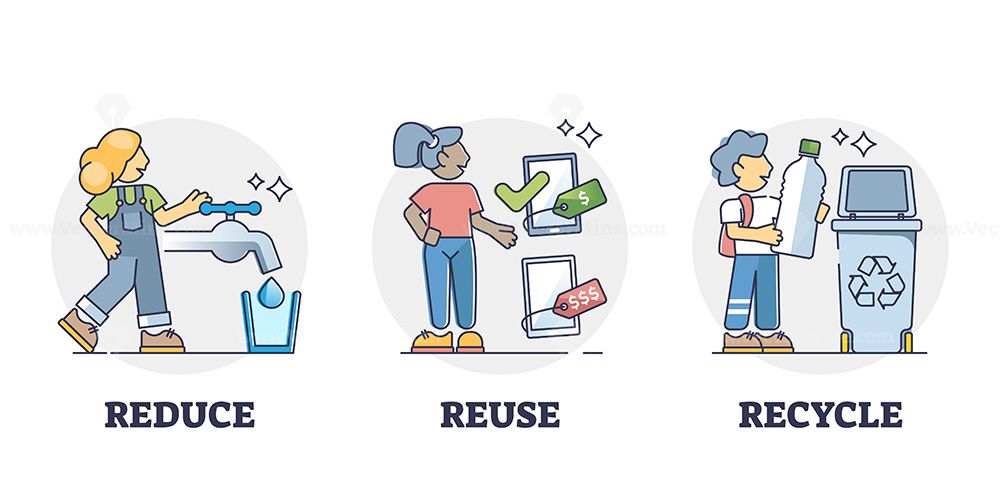
Minimizing food waste involves practical application and understanding of the impact of our actions. This section provides concrete examples to illustrate effective strategies for reducing food waste in the kitchen, from meal planning to storage solutions. These examples highlight how simple adjustments can lead to significant savings and a more sustainable lifestyle.
Meal Plans for Waste Reduction
Meal planning is crucial for reducing food waste. A well-structured meal plan anticipates ingredients needed and prevents over-purchasing. The following examples showcase how meal planning can translate into less food ending up in the trash.
- Example 1: The “Leftover Champion” Meal Plan
- This plan prioritizes using leftovers creatively. For instance, leftover roasted chicken can be transformed into chicken salad sandwiches, chicken stir-fry, or added to soups. Leftover vegetables can be incorporated into salads, soups, or sauces. This strategy ensures that nothing goes to waste, transforming discarded leftovers into delicious new meals.
- Example 2: The “Rotating Produce” Meal Plan
- This plan leverages seasonal produce, minimizing food waste by utilizing ingredients that are in season. For example, summer tomatoes can be used in salads, sauces, and sandwiches. When a particular fruit or vegetable is abundant and inexpensive, incorporate it into multiple meals. This approach reduces waste by ensuring consumption before spoilage.
- Example 3: The “One-Pot Wonder” Meal Plan
- Utilizing one-pot or one-pan recipes can significantly reduce food waste by incorporating various ingredients into a single dish. For example, a hearty stew can utilize leftover vegetables and proteins, minimizing the likelihood of excess or spoiled ingredients. This approach promotes efficient use of ingredients.
Cost Comparison: Food Waste vs. Waste Reduction
Quantifying the cost of food waste and the investment in waste reduction strategies is crucial for understanding the financial benefits. The table below compares the costs of food waste to the costs of implementing a food waste reduction program.
| Category | Food Waste Cost | Waste Reduction Strategy Cost |
|---|---|---|
| Produce | $15/month (estimated) | $5/month (estimated, seed starting kits and composting bin) |
| Dairy | $10/month (estimated) | $2/month (estimated, proper storage) |
| Meat | $25/month (estimated) | $10/month (estimated, portion control and meal planning) |
| Grains | $10/month (estimated) | $3/month (estimated, proper storage and rotation) |
| Total Estimated Cost | $60/month | $20/month |
Environmental Impact Comparison
Reducing food waste has a significant positive environmental impact. The table below compares the environmental impact of food waste to the impact of a comprehensive food waste reduction program.
| Category | Food Waste Impact | Waste Reduction Program Impact |
|---|---|---|
| Greenhouse Gas Emissions | Significant emissions from transportation, storage, and decomposition. | Reduced emissions through minimizing transportation, storage, and waste disposal. |
| Water Usage | High water consumption throughout the food production chain. | Reduced water consumption due to lower food waste. |
| Land Use | Land required for disposal and production of wasted food. | Reduced land use required for disposal and production of wasted food. |
| Waste Disposal | Significant strain on landfills. | Reduced landfill burden and diverted waste. |
Case Study: Family Waste Reduction
A family of four successfully reduced their kitchen waste by 50% through implementing a comprehensive plan. Their strategy involved a combination of meal planning, proper storage, and composting. The initial baseline was established, and the implementation of strategies and adjustments were monitored.
Food Storage Containers for Waste Reduction
Selecting appropriate food storage containers plays a critical role in preventing food waste. Different types of containers cater to various food types and storage needs.
- Airtight Containers
- Ideal for storing dry goods, grains, and other items susceptible to moisture and pests. They maintain freshness and prevent spoilage.
- Vacuum Sealers
- Effective for preserving fresh produce, meats, and other perishables by removing air. This helps extend the shelf life of foods.
- Glass Containers
- Suitable for storing various foods, especially those needing air circulation or exposure to light. They are reusable and maintain freshness.
- Reusable Plastic Containers
- Durable and versatile, these containers are great for storing leftovers and storing food in the refrigerator. They are lightweight and easy to clean.
Conclusive Thoughts
In conclusion, reducing kitchen waste is a journey of mindful choices and effective strategies. By implementing the planning, shopping, cooking, freezing, and waste management techniques discussed, you can significantly minimize food waste, save money, and contribute to a healthier planet. This guide serves as a comprehensive resource, providing practical tools and actionable steps to empower you in your journey toward a more sustainable kitchen.