Electronic waste, or e-waste, is a growing global concern. Improper disposal of obsolete electronics poses significant environmental risks. This comprehensive guide provides a thorough understanding of responsible electronics recycling, from understanding the environmental impact to exploring future trends. We’ll delve into the practical steps for safely and effectively recycling various electronic devices, focusing on responsible disposal and maximizing the benefits of recycling.
This guide will cover everything from identifying the different types of electronics that can be recycled to locating reliable recycling centers. We will also examine the various recycling processes and the economic and environmental benefits of responsible e-waste management. The importance of social responsibility in electronics recycling and future trends in the field will also be discussed.
Introduction to Electronics Recycling
Electronic waste, or e-waste, poses a significant environmental threat. The improper disposal of outdated or broken electronics leads to the release of hazardous substances into the environment, contaminating soil and water. This can have detrimental effects on human health and ecosystems. Furthermore, the extraction of raw materials for new electronics often involves environmentally damaging practices.Responsible e-waste disposal is crucial for mitigating these risks.
Recycling electronics offers a sustainable alternative, reducing our reliance on virgin resources and minimizing pollution. By recovering valuable components and materials from discarded devices, we can conserve natural resources and protect the environment.
Environmental Impact of E-Waste
The improper disposal of electronic devices leads to a cascade of environmental problems. Hazardous materials like lead, mercury, cadmium, and brominated flame retardants, present in many electronic components, leach into the soil and water. These toxins can contaminate groundwater, harm wildlife, and pose serious health risks to humans. The volume of e-waste is escalating globally, creating a mounting burden on our planet’s capacity to process and dispose of these materials safely.
Importance of Responsible E-Waste Disposal
Responsible e-waste disposal practices are essential for preserving our environment and public health. By implementing effective recycling programs and educating consumers about proper disposal methods, we can minimize the environmental impact of electronics. The use of sustainable alternatives in electronics manufacturing, and the development of circular economy models, are critical in addressing the challenge of e-waste. Recycling electronics conserves resources, reduces pollution, and helps create a more sustainable future.
Benefits of Recycling Electronics
Recycling electronics provides several key benefits. It reduces the need for mining new raw materials, which often involves significant environmental damage. Recycling conserves energy, as it takes less energy to process recycled materials than to extract virgin resources. Furthermore, recycling electronics can create new jobs in the recycling industry, fostering economic opportunities and promoting sustainable practices. The reuse of components also saves valuable resources.
Types of Recyclable Electronic Devices
A wide array of electronic devices can be recycled, contributing to a sustainable future. This includes computers, smartphones, televisions, laptops, printers, and more. These devices often contain a variety of valuable components that can be recovered and reused.
Recycling Methods and Potential Reuse
| Device Type | Recycling Methods | Potential Reuse |
|---|---|---|
| Computers | Disassembly of components, separating metals, plastics, and glass. Some components like hard drives can be reused. | Recovered metals can be used in new manufacturing processes. Hard drives can be repurposed for data storage. |
| Smartphones | Specialized disassembly lines, separating circuit boards, batteries, and other components. | Metals, plastics, and other components can be reused in manufacturing. Some parts can be repurposed for spares or accessories. |
| Televisions | Disassembly, separating glass, metals, and plastics. | Metals and plastics can be used in new products. Some components may be reusable. |
| Laptops | Similar to computers, with disassembly and component separation. | Recovered components can be reused in new products. |
| Printers | Separation of parts, including plastic casings, circuit boards, and toner cartridges. | Metals and plastics can be reused in manufacturing. Ink cartridges may have a limited reuse potential. |
Finding Recycling Centers
Locating reputable electronics recycling centers is crucial for responsible disposal. Proper recycling minimizes environmental impact and ensures safe handling of hazardous materials. This section details various avenues for identifying and verifying these centers.Finding the right recycling center for your electronic waste involves more than just a quick online search. Carefully evaluating options and verifying their legitimacy is paramount to successful and responsible recycling.
Locating Local Recycling Centers
Various avenues can lead to the identification of local electronics recycling centers. Community resources like local government websites, environmental protection agencies, and non-profit organizations often list approved recycling programs.
Verifying Recycling Center Legitimacy
Ensuring the legitimacy of a recycling center is vital. A thorough investigation will help ensure your electronics are handled responsibly. Contacting the center directly to inquire about their certifications, licenses, and waste disposal methods is essential. Look for organizations with affiliations with recognized environmental or waste management authorities. Verify their compliance with local regulations and environmental standards.
Reviews from past clients can provide valuable insights. Checking if they’re registered with or recognized by national or local authorities can further assure you of their reliability.
Comparing Recycling Programs
The following table provides a comparative overview of different electronics recycling programs. Different approaches cater to varying needs and priorities.
| Category | Local Programs | National Programs | Private Companies |
|---|---|---|---|
| Coverage Area | Limited to a specific geographic region (city, county, etc.) | Nationwide or extensive regional reach | Variable, potentially local, regional, or national |
| Accessibility | Potentially convenient for residents of the targeted area | Wider accessibility but might involve shipping or travel | May involve drop-off points or pick-up services |
| Cost | Generally free or low cost for residents | Potentially involves fees or shipping costs | May involve fees, depending on the service |
| Environmental Standards | Adherence to local regulations and environmental policies | Adherence to national standards and regulations | Adherence to standards and certifications relevant to their operations |
Reliable Online Resources
Numerous online resources provide information on electronics recycling facilities. Websites maintained by local governments, environmental agencies, and reputable recycling companies are excellent starting points. Online search engines can be leveraged to find recycling centers in specific locations. Look for government websites or environmental organizations for a comprehensive listing of authorized recyclers.
Contacting Recycling Centers
Contacting a recycling center for inquiries should follow a structured approach. Begin by clearly stating your intent to inquire about their electronics recycling services. Provide specifics about the types of electronics you intend to recycle. Inquire about their acceptance criteria, procedures, and associated costs. Request details about their environmental and safety measures.
Be sure to request contact information and operational hours.
Preparing Electronics for Recycling
Properly preparing electronic devices for recycling is crucial for environmental protection and the efficient recovery of valuable materials. Improper handling can lead to hazardous materials contaminating the recycling process and harming workers. This section details the essential steps for safely and effectively preparing electronic waste for recycling.Preparing electronic devices for recycling involves more than simply discarding them. Careful dismantling and proper packaging are vital for ensuring the safety of both the environment and those involved in the recycling process.
This meticulous approach minimizes risks associated with hazardous materials and maximizes the recovery of valuable components.
Importance of Proper Preparation
Thorough preparation minimizes environmental risks and maximizes the recovery of valuable materials. Improper handling can contaminate recycling streams, release harmful substances into the environment, and pose safety hazards to workers involved in the process. A well-structured preparation process ensures efficient recycling and safeguards the health of both the environment and human workers.
Removing Hazardous Components
Battery removal is paramount. Lithium-ion batteries, for instance, require special handling due to the risk of fire or explosion. Always follow manufacturer guidelines for battery removal. Use insulated tools and appropriate safety equipment, such as gloves and eye protection, when working with batteries. Other hazardous components, such as mercury-containing switches or cadmium-based components, must be carefully separated.
Consult local regulations and recycling center guidelines for specific procedures for handling such components.
Dismantling Electronic Devices
Safe dismantling of electronic devices is essential for efficient recycling. The following table Artikels general steps for dismantling different electronic types, emphasizing safety precautions.
| Device Type | Step 1 | Step 2 | Safety Precautions |
|---|---|---|---|
| Computers | Disconnect all power cords and cables. | Carefully remove screws and components, being mindful of static electricity. | Use anti-static wrist straps and ground yourself before handling components. |
| Smartphones | Power down the device and remove the battery. | Separate the components, noting the locations of any sensitive parts. | Be cautious of sharp edges and fragile components. |
| Televisions | Disconnect power and remove the back panel. | Carefully detach components, being aware of potential hazards like sharp edges or broken glass. | Use appropriate tools and wear protective eyewear. |
| Refrigerators | Disconnect power, release refrigerants according to local regulations. | Separate components and remove any hazardous materials (such as CFCs). | Consult with recycling centers for detailed procedures and wear appropriate safety gear. |
Secure Packaging of Electronic Waste
Proper packaging is essential for safe transport and handling of electronic waste. Use sturdy containers to prevent damage during transport. Label containers clearly with the contents and any potential hazards. Adhere to local regulations for transporting electronic waste.
Items to Remove Before Recycling
Before dropping off electronic devices for recycling, ensure you remove the following:
- Personal data: Erase all data from hard drives, memory cards, and other storage devices using secure erasure methods.
- Batteries: Remove all batteries from the devices, following manufacturer instructions for safety.
- Any removable parts: Remove any components that can be detached easily, such as external drives, memory cards, or cables.
- Personal belongings: Remove any personal items, such as jewelry or other objects, from inside the devices.
Recycling Processes and Materials
Recycling electronics is a crucial step in reducing electronic waste and promoting sustainability. Proper recycling processes ensure valuable materials are recovered and reused, minimizing environmental impact and resource depletion. This section details the common materials found in electronics, the various recycling processes, and the importance of material separation.The recovery of valuable materials from discarded electronics is essential for the ongoing functioning of the electronics industry.
Efficient recycling processes are critical to minimize environmental harm and promote a more sustainable supply chain. Proper recycling processes not only recover materials but also contribute to a more circular economy.
Common Materials Found in Electronics
A wide range of materials are used in the production of electronic devices. Identifying and separating these materials is crucial for effective recycling.
- Metals: Copper, aluminum, gold, and other valuable metals are commonly found in circuit boards, casing, and other components. These metals are often recycled to produce new components, reducing the need for mining fresh resources.
- Plastics: Various types of plastics are used in the construction of electronic devices. Polymers such as ABS, polycarbonate, and others are employed in housings, cables, and other parts. Recycling these plastics allows for the creation of new products, reducing reliance on virgin plastic production.
- Glass: Glass components are present in some electronic devices, like LCD screens. Recycling glass from electronics recovers valuable resources, and helps conserve energy during manufacturing compared to creating new glass from raw materials.
- Ceramics: Ceramic materials are found in some electronic components. Recycling these materials allows for the recovery of valuable resources for future use.
- Printed Circuit Boards (PCBs): PCBs are the backbone of most electronic devices. They contain various metals and other materials that can be recovered and reused in new manufacturing processes. Specialized processes are needed to extract these valuable components.
Recycling Processes for Different Electronic Components
Various methods are employed to recycle electronic components depending on their material composition and structure. The choice of process often impacts the recovery rates of specific materials.
- Mechanical Recycling: This method involves physically separating components and materials. Grinding, crushing, and sorting are common techniques for extracting valuable metals and plastics from discarded electronics. This method is typically used for components with simple structures.
- Chemical Recycling: Chemical processes are used to break down materials into their constituent elements. This method is often applied to complex materials like PCBs, where the chemical separation of different metals is required. This process is typically more complex and expensive but can recover a greater range of materials compared to mechanical recycling.
- Pyrometallurgy: This process uses high temperatures to melt down materials and separate out different metals. This method is used for extracting metals from electronic components. For instance, this process is often used for separating copper from other components.
- Hydrometallurgy: This process uses chemical reactions in solutions to extract metals. It’s frequently used for recovering valuable metals like gold and platinum from electronics.
Importance of Material Separation
Effective material separation during recycling is critical for maximizing the recovery of valuable materials. Efficient separation methods minimize contamination and ensure that recovered materials can be used in new products.
- Contamination Avoidance: Mixing different materials during recycling can contaminate recovered materials, rendering them unsuitable for reuse. Precise separation techniques ensure that materials are categorized for optimal reuse.
- Material Purity: Maintaining the purity of recovered materials is critical for their suitability in new manufacturing processes. This step ensures that the quality of recycled materials meets the required standards for their intended applications.
- Resource Efficiency: Proper separation maximizes the amount of reusable material, thereby minimizing the need for extracting new resources.
Comparison of Recycling Methods for Different Materials
Different materials require different recycling methods for optimal recovery. This is a complex process.
| Material | Common Recycling Methods | Advantages | Disadvantages |
|---|---|---|---|
| Metals (Copper, Aluminum) | Mechanical, Pyrometallurgy | Relatively efficient recovery, lower cost | May not fully recover all metals, some contamination possible |
| Plastics | Mechanical | Relatively simple, widely applicable | Recovery rates can be lower, material purity may be compromised |
| Printed Circuit Boards (PCBs) | Chemical, Pyrometallurgy, Hydrometallurgy | Can recover a wider range of valuable materials | More complex and expensive processes, potential for environmental impact |
Role of Electronics Recycling in the Supply Chain
Electronics recycling plays a vital role in the overall supply chain, moving from a linear to a circular model.
- Resource Conservation: Recycling electronics conserves natural resources by recovering valuable materials. This minimizes the need for mining new materials, reducing environmental impact.
- Cost Savings: Recovered materials can be used to produce new products, reducing manufacturing costs and promoting cost-effectiveness for manufacturers.
- Waste Reduction: Recycling electronics reduces the amount of electronic waste sent to landfills, which prevents the release of hazardous substances and conserves valuable land space.
The Economics of Recycling Electronics
Recycling electronics is not just an environmental imperative; it’s also a financially sound practice. Properly managing e-waste yields substantial economic benefits, both directly for individuals and businesses and indirectly for society and the environment. This section explores the economic incentives for recycling, the financial burden of e-waste, and the overall cost-benefit analysis.The economic advantages of electronics recycling are multifaceted, ranging from reduced material costs to the creation of new jobs.
Recovering valuable materials from discarded electronics reduces the need for raw materials extraction, lowering production costs and preserving natural resources. This cost-saving aspect is particularly significant for manufacturers. Furthermore, recycling fosters a circular economy, extending the life cycle of valuable components and reducing the overall environmental impact.
Economic Benefits of Electronics Recycling
Recycling electronics offers significant cost savings across the supply chain. The recovery of precious metals like gold, silver, and copper from discarded devices is economically viable, reducing the dependence on mining and minimizing environmental damage associated with these extraction processes. Furthermore, the recycling of plastics and other materials reduces the demand for virgin materials, lowering production costs for manufacturers.
- Reduced Material Costs: Recycling electronics reduces the need to extract raw materials, lowering production costs for manufacturers. This translates into lower prices for consumers in the long run.
- Job Creation: The electronics recycling industry creates new jobs in collection, sorting, processing, and manufacturing with recycled materials. This stimulates local economies and provides employment opportunities.
- Resource Conservation: Recycling conserves natural resources by reducing the demand for virgin materials. This is crucial for maintaining a sustainable supply chain and protecting biodiversity.
Economic Impact of E-waste
The improper disposal of electronics, known as e-waste, poses significant economic and environmental challenges. The mismanagement of discarded devices leads to significant environmental pollution, affecting ecosystems and human health. It also presents substantial economic costs associated with remediation efforts, healthcare, and potential damage to infrastructure.
- Environmental Pollution: Improper e-waste disposal contaminates soil and water sources, releasing hazardous substances into the environment. This pollution can have detrimental economic consequences, affecting agriculture, tourism, and other industries.
- Health Risks: Exposure to hazardous substances in e-waste can cause health problems for workers involved in improper disposal or for communities living near landfills. This can lead to increased healthcare costs and reduced productivity.
- Economic Losses: The cost of environmental remediation associated with e-waste disposal can be substantial. This includes the cleanup of contaminated sites, the treatment of affected populations, and the restoration of damaged ecosystems.
Financial Incentives for Recycling Programs
Governments and businesses often implement incentives to encourage electronics recycling. These incentives can range from tax breaks for participating companies to subsidies for consumers who recycle their devices.
- Tax Incentives: Tax breaks and deductions for companies engaged in electronics recycling can significantly reduce the cost of recycling initiatives. This incentivizes businesses to participate and makes recycling more financially attractive.
- Consumer Rebates: Rebates or discounts for consumers who recycle electronics make the process more appealing and convenient. This encourages participation and reduces the burden of disposal costs.
- Public Funding: Government funding for recycling infrastructure and programs can support the growth of the electronics recycling industry and make it more accessible to the public.
Examples of Successful Recycling Programs
Several countries and companies have implemented successful electronics recycling programs. These programs have demonstrated the economic viability and environmental benefits of proper e-waste management.
- Example 1: (Name of program/country): This program has demonstrated significant cost savings by recovering valuable materials. Details of program’s success and economic impact should be added here. Cite relevant sources.
- Example 2: (Name of program/company): This example should demonstrate how a company or organization has successfully implemented a program and the economic outcomes. Cite relevant sources.
Cost-Benefit Analysis of Recycling vs. Discarding
| Category | Recycling | Discarding |
|---|---|---|
| Material Recovery | High (recovery of valuable materials) | Low (loss of valuable materials) |
| Environmental Impact | Low (reduced pollution and resource depletion) | High (pollution and resource depletion) |
| Economic Cost | Initial investment in infrastructure and collection; Ongoing operational costs | Disposal costs; Potential remediation costs; Loss of valuable materials |
| Economic Benefit | Reduced material costs; New jobs; Potential revenue from recovered materials | High landfill costs; Potential environmental remediation costs |
| Overall Impact | Positive economic and environmental impact | Negative economic and environmental impact |
Environmental Benefits of Recycling Electronics
Recycling electronics offers substantial environmental advantages by reducing the strain on natural resources, minimizing landfill waste, and mitigating harmful emissions. This crucial process safeguards our planet for future generations by promoting a more sustainable approach to managing electronic waste.The environmental benefits of electronics recycling are multifaceted and impactful. By diverting electronic devices from landfills, we conserve valuable resources, reduce greenhouse gas emissions, and safeguard the environment from the harmful substances present in many electronic components.
Reduced Landfill Waste
Recycling electronics significantly reduces the volume of electronic waste (e-waste) destined for landfills. Landfills pose a serious threat to the environment by releasing harmful pollutants into the soil and groundwater. Electronic devices often contain hazardous materials, such as lead, mercury, cadmium, and other heavy metals, which can leach into the surrounding environment and contaminate ecosystems. Recycling initiatives help prevent these harmful substances from entering our environment.
- Electronics, containing toxic materials, often end up in landfills. This poses risks to the environment, including soil and water contamination. Recycling diverts these materials, preventing environmental damage.
- By diverting e-waste from landfills, we reduce the need for new resource extraction, which often involves deforestation and habitat destruction.
- Landfill space is a finite resource. Recycling electronics helps to conserve this valuable space, preventing the need for expanding landfills and preserving natural landscapes.
Resource Conservation
Recycling electronics plays a vital role in conserving valuable resources. Many electronic components, such as copper, gold, and other precious metals, are extracted from the Earth and used in the manufacturing of new products. Recycling these components allows for the recovery and reuse of these resources, reducing the demand for raw materials.
- Recycling electronics allows for the recovery and reuse of valuable metals, such as copper, gold, and silver. This reduces the need for mining and extraction, minimizing the environmental impact of these processes.
- The process of extracting raw materials from the Earth often has detrimental effects on the environment, including habitat destruction, soil erosion, and water contamination. Recycling electronics reduces the need for these processes, thereby mitigating these environmental consequences.
- Recycling reduces the demand for new raw materials, lessening the pressure on finite resources. This ensures that the resources we have are utilized sustainably, preventing depletion and maintaining a balance within ecosystems.
Greenhouse Gas Emissions Reduction
The manufacturing of electronic devices involves energy-intensive processes, which contribute to greenhouse gas emissions. Recycling electronics can significantly reduce these emissions. This is because the energy required to extract and process raw materials for new products is substantially greater than the energy needed to recycle existing materials.
- Manufacturing new electronics often requires significant energy input, contributing to greenhouse gas emissions. Recycling existing products reduces the need for this energy-intensive process.
- Manufacturing new electronic devices usually requires the extraction and processing of raw materials, which can have a substantial carbon footprint. Recycling reduces this carbon footprint by minimizing the demand for new materials.
- Recycling electronics contributes to a circular economy, which aims to reduce the overall environmental impact of production and consumption cycles by reusing materials and minimizing waste. This helps in reducing greenhouse gas emissions and preserving natural resources.
Protecting Natural Resources
Recycling electronics contributes to the protection of natural resources. The extraction of raw materials for new electronics often involves mining and other resource-intensive activities that have a detrimental impact on the environment. Recycling electronics helps conserve these resources, preventing further environmental damage.
- Recycling electronics reduces the need for mining and other resource extraction activities, protecting natural habitats and ecosystems.
- The extraction of raw materials often leads to habitat destruction, soil erosion, and water contamination. Recycling electronics helps prevent these environmental consequences by minimizing the need for these resource-intensive processes.
- Protecting natural resources is crucial for maintaining biodiversity and ecosystem stability. Recycling electronics contributes to this goal by reducing the demand for new raw materials, lessening the pressure on ecosystems.
Social Responsibility and Electronics Recycling
Promoting responsible electronics recycling extends beyond the technical processes and environmental benefits. It encompasses a crucial social responsibility for individuals and businesses alike. This responsibility involves understanding the impact of e-waste on communities and taking proactive steps to mitigate these effects. A crucial component of this social responsibility is fostering community engagement and educating consumers about proper disposal methods.A shared commitment to responsible e-waste management is essential for a sustainable future.
This commitment involves not only adhering to recycling guidelines but also promoting awareness and ethical practices throughout the entire electronics lifecycle. This holistic approach to recycling encourages a collective effort towards minimizing the negative consequences of e-waste and maximizing the positive outcomes for both society and the environment.
Social Responsibility of Individuals
Individuals play a vital role in responsible e-waste disposal. Consumer awareness is paramount in driving change. Educating themselves on local recycling programs and participating in these initiatives are key actions. Understanding the environmental and social implications of improper disposal empowers individuals to make informed choices.
Social Responsibility of Businesses
Businesses, as producers and distributors of electronics, have a significant responsibility in the electronics recycling chain. Implementing comprehensive recycling programs, providing clear guidelines to consumers, and collaborating with recycling facilities are key components. Transparency in the supply chain, from product design to end-of-life management, is crucial for building trust and promoting ethical practices. Furthermore, businesses should prioritize the use of recycled materials in their manufacturing processes.
Community Involvement in Electronics Recycling Initiatives
Community involvement is critical for effective electronics recycling programs. Local governments, schools, and community organizations can collaborate to educate residents on proper disposal methods. Organizing workshops, awareness campaigns, and providing accessible recycling centers are crucial steps. Partnerships between businesses and community groups can foster a sense of shared responsibility and ensure wider program participation.
Role of Consumers in Promoting Responsible E-Waste Disposal
Consumers are at the forefront of responsible e-waste disposal. By understanding the value of recycling and adopting conscious consumption habits, consumers can contribute significantly to minimizing e-waste. Making informed purchasing decisions, prioritizing durable products, and actively participating in local recycling programs are crucial steps. Choosing products with a clear recycling plan and encouraging retailers to support responsible disposal practices are essential for encouraging a wider adoption of ethical recycling.
Ethical Considerations in Electronics Recycling
| Ethical Consideration | Explanation |
|---|---|
| Fair Labor Practices | Ensuring workers involved in recycling processes are treated fairly and paid appropriately. Avoidance of exploitative labor practices is crucial. |
| Environmental Protection | Minimizing the environmental impact of the entire recycling process, including transportation, material processing, and waste generation. |
| Transparency and Accountability | Maintaining transparency in the supply chain and ensuring accountability in all stages of the recycling process. Clear communication with consumers and stakeholders is paramount. |
| Resource Conservation | Promoting the reuse and recycling of valuable materials to reduce the need for extracting new resources. |
| Consumer Safety | Ensuring the safe handling and disposal of hazardous materials found in electronics. Strict adherence to safety regulations and procedures is necessary. |
| Data Security | Protecting personal data stored in electronic devices during the recycling process. Implementing appropriate data security measures to prevent data breaches is essential. |
Future Trends in Electronics Recycling
The electronics industry continues to evolve rapidly, with ever-smaller, more complex devices entering the market. This rapid pace necessitates a corresponding evolution in electronics recycling processes to effectively manage the increasing volume and complexity of e-waste. The future of electronics recycling hinges on innovations that address the challenges of handling new materials, improving efficiency, and reducing environmental impact.Advancements in electronics recycling technologies will be crucial in addressing the growing global e-waste problem.
These advancements will drive improvements in material recovery rates, reduce energy consumption, and minimize the environmental footprint of the recycling process.
Emerging Technologies in Recycling Efficiency
Improved sorting and separation technologies are vital for efficient recycling. Advanced optical sensors, coupled with artificial intelligence (AI) algorithms, can now distinguish between different types of electronic components with remarkable accuracy. This enables more precise separation of valuable materials like precious metals and rare earth elements, leading to higher recovery rates. Furthermore, innovative magnetic separation techniques are being refined to target specific metals with greater precision and minimal contamination.
These advancements in material identification and separation will directly impact the profitability and sustainability of electronics recycling.
Potential Impact of New Materials
The increasing use of new materials in electronics, like bio-based plastics and advanced composites, presents both opportunities and challenges for recycling. The ability to effectively recycle these materials is crucial for maintaining the sustainability of the electronics industry. Researchers are actively developing new methods to decompose these materials, recovering valuable components and preventing their accumulation in landfills. This includes bio-based plastics, which, while biodegradable, often require specific processes for optimal decomposition.
Comparison of Recycling Technologies
Various recycling technologies are employed in the electronics recycling process, each with its own strengths and weaknesses. Mechanical methods, such as shredding and pulverization, remain essential for extracting valuable materials. Hydrometallurgical processes, which use chemical solutions to leach metals from materials, can be highly effective for recovering certain metals. Pyrometallurgical techniques, involving high-temperature processes, are also employed to recover specific metals.
Each method has a distinct environmental impact profile, requiring careful consideration of energy consumption, waste generation, and potential pollution during the process. The choice of technology often depends on the specific components being recycled and the desired level of material recovery. For example, hydrometallurgy is often more efficient for recovering gold, while pyrometallurgy is used for certain types of alloys.
Predictions for the Next 5-10 Years
Within the next 5-10 years, we anticipate a significant increase in the adoption of automated and AI-driven recycling systems. This will lead to higher material recovery rates and more precise sorting of electronic components. The development of more sophisticated technologies for recycling new materials like bio-based plastics will be crucial. For instance, the emergence of advanced chemical decomposition techniques for these materials will improve the recycling efficiency of products like mobile phone casings.
We also expect to see a growing focus on closed-loop recycling systems, where recycled materials are directly reused in the manufacturing of new electronics, minimizing the need for virgin resources.
End of Discussion
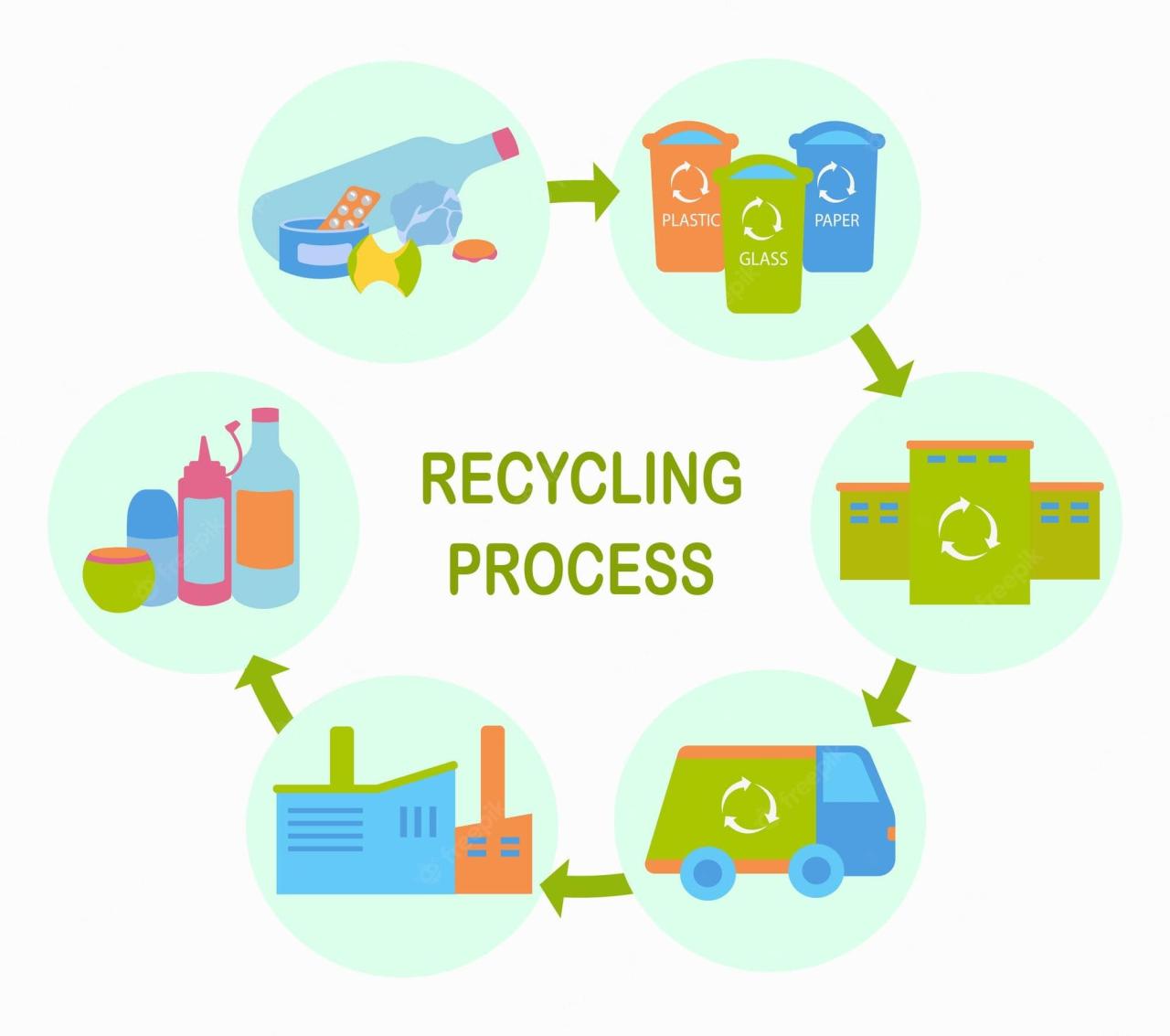
In conclusion, recycling electronics is a crucial step toward a more sustainable future. By understanding the environmental impact of e-waste, finding appropriate recycling centers, and preparing electronics for safe recycling, we can contribute to a more responsible and environmentally friendly society. This guide has provided a comprehensive overview of the process, from the practical steps to the broader implications for individuals, businesses, and the environment.
The future of electronics recycling is bright, and with continued innovation and collaboration, we can make a significant impact on our planet.