Electronic waste, or e-waste, poses a significant environmental and health concern. This comprehensive guide delves into the multifaceted issue of e-waste, from its sources and impacts to responsible disposal and recycling strategies. We will explore the lifecycle of common electronic devices, highlighting their potential for reuse and the environmental consequences of improper disposal.
The guide will cover various aspects, including consumer responsibilities, government regulations, technological innovations, and economic opportunities related to e-waste management. We will examine different recycling methods and compare their environmental footprints. Furthermore, the guide will offer actionable insights for individuals and businesses to contribute to a more sustainable future by reducing their e-waste footprint.
Understanding E-Waste
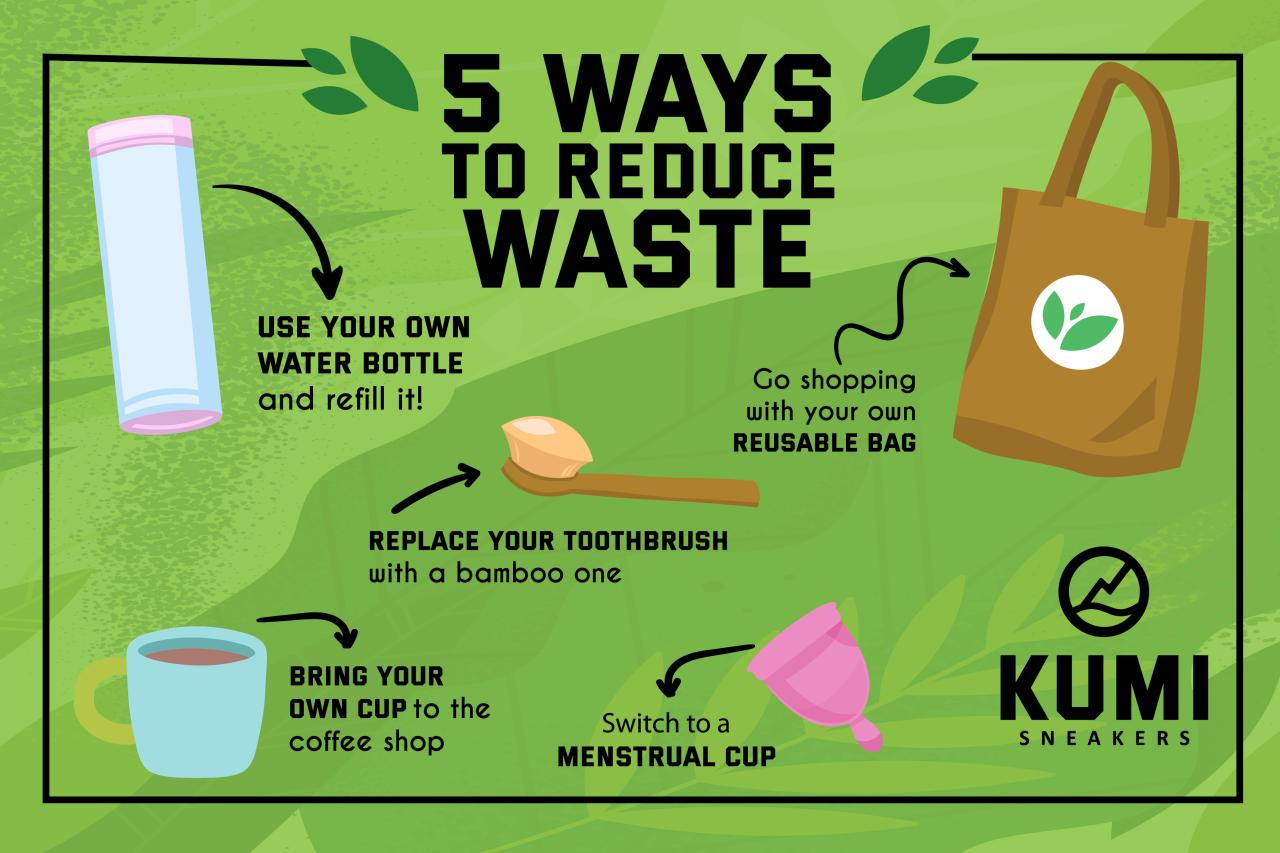
Electronic waste, or e-waste, encompasses discarded electronic devices and components. This includes a wide array of items, from obsolete computers and televisions to smartphones and even small appliances. The increasing prevalence of new technology and shorter product lifecycles contributes significantly to the growing volume of e-waste.The pervasive nature of e-waste poses significant challenges to both the environment and human health.
Improper disposal methods can lead to harmful environmental consequences, and the materials found within these devices present potential health risks if not managed properly. Understanding the lifecycle of these devices, the different types of e-waste, and the environmental impacts of various disposal methods is crucial to addressing this global problem.
Electronic Device Types Contributing to E-Waste
A wide array of electronic devices contribute to the growing e-waste problem. These include personal computers, laptops, smartphones, tablets, televisions, monitors, printers, scanners, refrigerators, washing machines, and even outdated medical equipment. The sheer volume and diversity of these devices highlight the need for effective e-waste management strategies.
Environmental and Health Impacts of Improper E-Waste Disposal
Improper e-waste disposal leads to significant environmental and health problems. Hazardous substances, such as lead, mercury, cadmium, and brominated flame retardants, are frequently present in electronic devices. Improper handling can release these toxins into the environment, contaminating soil and water sources. This contamination can negatively affect ecosystems and potentially lead to human health issues. Inhalation of dust particles from improperly disposed-of electronics can also pose respiratory hazards.
Global and Local E-Waste Generation and Disposal Statistics
Globally, the volume of e-waste is escalating at an alarming rate. Reports suggest millions of tons of e-waste are generated annually. The disposal methods vary widely between countries, and some regions struggle with inadequate infrastructure for proper e-waste recycling and management. Locally, the specific statistics for e-waste generation and disposal will depend on factors like population density, economic activity, and the availability of recycling programs.
Lifecycle Stages of Electronic Devices and Potential for Reuse
Electronic devices typically have a limited lifespan. Their lifecycle stages, from manufacturing to disposal, present opportunities for reuse and recycling. From the raw material extraction to the manufacturing process, the assembly, the use phase, and ultimately the disposal stage, each step offers potential for reuse or recycling to mitigate the environmental impact. For example, many components from old computers and smartphones can be repurposed into new products, reducing the need for extracting virgin materials.
Comparison of Environmental Impacts of Different Disposal Methods
The environmental impact of different e-waste disposal methods varies significantly. A comparative analysis of the environmental impacts of landfill disposal, incineration, and recycling is presented below.
| Disposal Method | Environmental Impact |
|---|---|
| Landfill | Releases hazardous substances into the environment, contributing to soil and water contamination. It consumes valuable landfill space, hindering its use for other purposes. |
| Incineration | May release harmful air pollutants, including dioxins and furans, into the atmosphere. While reducing volume, it still presents significant environmental challenges related to air pollution. |
| Recycling | Reduces the need for extracting new raw materials, thus lowering the demand on natural resources. Minimizes pollution by recovering valuable components and reducing the volume of waste sent to landfills. Reduces the environmental burden associated with the extraction of raw materials. |
Collection and Recycling Strategies
Effective e-waste management hinges on responsible collection and recycling practices. Proper handling of discarded electronics minimizes environmental harm and maximizes resource recovery. This involves a multi-faceted approach, from incentivizing responsible disposal to ensuring efficient recycling processes.A crucial element in reducing e-waste’s environmental impact is the implementation of comprehensive collection strategies. These strategies must address both individual and business needs, fostering a culture of responsible disposal.
This proactive approach not only protects the environment but also opens up opportunities for material recovery and reuse.
Best Practices for E-Waste Collection
Collection efforts should prioritize convenience and accessibility for individuals and businesses. Establishing clear guidelines and designated collection points is vital. This includes providing clear communication regarding acceptable items and the process for disposal.
- Incentivizing responsible disposal: Offering incentives, such as discounts on new electronics or reward programs, can motivate individuals to participate in e-waste collection programs. Examples include store-based take-back programs or community collection events.
- Establishing convenient collection points: Public drop-off locations, partnerships with retailers, and curbside collection programs make e-waste disposal more accessible. For businesses, specialized collection services should be considered.
- Clear communication and education: Educating the public about the importance of responsible e-waste disposal through awareness campaigns and clear signage at collection points is paramount.
Responsible E-Waste Collection Points
A comprehensive network of collection points is essential for effective e-waste management. These points should be strategically located to maximize participation and accessibility.
- Retailer partnerships: Collaborations with electronics retailers allow for the return of old electronics for recycling at the point of sale. This approach is highly effective as it provides a convenient method for customers to dispose of their old devices.
- Community collection centers: Designated community centers and designated drop-off points facilitate convenient access to e-waste recycling programs. These centers can be established in collaboration with local authorities and recycling facilities.
- Specialized e-waste collection services: These services cater specifically to businesses, providing tailored solutions for larger volumes of e-waste. Examples include specialized haulers or collection programs for corporate offices and IT departments.
Recycling Processes for Electronic Components
Various recycling methods are employed to recover valuable materials from electronic devices. The process often involves mechanical separation and chemical treatment.
- Mechanical separation: This involves physically separating different components and materials. For example, magnets are used to extract metals like iron and steel. Sophisticated sorting machines can separate plastic, glass, and other materials. This initial separation process is critical for subsequent steps.
- Chemical treatment: Chemical processes can be used to extract valuable metals and other materials from components that are difficult to separate mechanically. This step often involves careful handling and disposal of hazardous substances.
Importance of Material Separation
Efficient material separation in e-waste recycling is critical for maximizing the recovery of valuable materials. Proper separation allows for the creation of high-quality recycled materials, minimizing contamination and maximizing resource recovery.
Recycling Specific Electronic Devices
Recycling processes vary depending on the device. General steps for recycling smartphones and computers are detailed below.
- Smartphones: Smartphones are disassembled, and components like the battery, circuit board, and casing are separated. Precious metals like gold and copper are recovered, and plastics and glass are recycled.
- Computers: Computers are dismantled, and components such as the hard drive, motherboard, and display are separated. Materials like metals, plastics, and glass are extracted for reuse and recycling.
Materials Recovered from E-Waste and Potential Reuse
The table below Artikels the types of materials recovered from e-waste and their potential reuse.
| Material | Potential Reuse |
|---|---|
| Metals (Copper, Gold, Aluminum) | Manufacturing new electronics, construction materials, and other products. |
| Plastics | Production of new plastic products, such as packaging materials and consumer goods. |
| Glass | Manufacturing new glass products, such as bottles and containers. |
| Ceramics | Potential for use in construction materials or other applications. |
E-Waste Recycling Facility Comparison
The table below compares different e-waste recycling facilities based on capacity and technologies.
| Facility | Capacity (tons/year) | Key Technologies |
|---|---|---|
| Facility A | 500 | Mechanical sorting, chemical treatment, material recovery |
| Facility B | 1000 | Advanced sorting technologies, automated processing lines |
| Facility C | 2000 | Highly automated processes, specialized material recovery |
Consumer Responsibilities
Consumers play a pivotal role in mitigating e-waste. Their choices, from initial purchase to disposal, significantly impact the overall volume and environmental impact of electronic waste. By adopting responsible practices, consumers can contribute to a more sustainable future for electronics.Understanding the design of products and their lifespan significantly influences the amount of e-waste generated. Consumers can actively participate in minimizing electronic waste by being aware of their options and making informed decisions throughout the product lifecycle.
Product Design for Easier Disassembly and Reuse
Product designs that facilitate disassembly and component reuse are crucial for effective e-waste management. This allows for the recovery of valuable materials and reduces the need for virgin resources. Innovative designs can make recycling easier and more efficient.
- Modular designs allow for the replacement of individual components rather than the entire device. This extends the lifespan of the device and reduces the need for discarding the entire unit.
- Using standardized components across different models simplifies the recycling process and promotes the reuse of parts.
- Materials that are easily separated and recycled, like different types of plastics and metals, are key to effective component reuse.
Product Lifespan Extension Strategies
Extending the lifespan of electronic devices is an essential strategy to reduce e-waste. This can be achieved through various methods, promoting longer device usability.
- Regular maintenance and repairs can significantly prolong the operational life of a device, minimizing the need for replacements.
- Upgrading software and firmware can improve the functionality and performance of older devices, maintaining their usefulness.
- Promoting the repair of devices rather than immediate replacement is a key strategy in reducing electronic waste.
Benefits of Repairing Instead of Replacing
Repairing electronic devices instead of replacing them offers significant advantages, from financial savings to environmental benefits. Repairing extends the lifespan of a product, reducing waste and potentially saving money.
- Repairing often costs less than purchasing a new device, saving money and reducing the financial burden on consumers.
- Repairing extends the useful life of the device, reducing the amount of electronic waste generated.
- Repairing often utilizes fewer resources compared to manufacturing a new product, thus lowering the environmental impact.
Tips for Responsible E-Waste Disposal
Proper disposal of electronic waste is crucial for preventing environmental contamination and ensuring safe handling of hazardous materials.
- Contacting local authorities or e-waste recycling centers to find out the best options for disposing of electronic devices.
- Recycling electronic components can prevent hazardous materials from entering landfills.
- Properly disposing of batteries is essential to prevent chemical leakage.
Advantages of Purchasing Durable and Repairable Products
Purchasing durable and repairable products offers long-term value and reduces environmental impact.
- Durable products can be used for a longer period, reducing the need for replacements.
- Repairable products can be repaired, extending their lifespan and reducing waste.
- Purchasing durable and repairable products is a commitment to sustainability.
Examples of Eco-Friendly Electronic Products
Eco-friendly electronic products are increasingly available, offering consumers more sustainable choices.
| Product | Features |
|---|---|
| Laptops with easily replaceable batteries | Allows for battery replacement without discarding the entire device. |
| Smartphones with modular designs | Enables users to upgrade specific components instead of replacing the entire phone. |
| Printers with replaceable toner cartridges | Reduces the need to discard the entire printer when toner runs out. |
Policy and Regulations
Effective e-waste management necessitates a robust framework of government regulations and international cooperation. These policies aim to minimize environmental harm, promote responsible recycling, and ensure the health and safety of workers involved in e-waste handling. International agreements and national laws play a crucial role in shaping the global response to this growing environmental challenge.Government regulations and international standards provide a structured approach to e-waste management, establishing clear guidelines and responsibilities for producers, consumers, and recyclers.
These regulations often address critical aspects such as the collection, transportation, and processing of e-waste, aiming to minimize environmental impact and maximize resource recovery.
Government Regulations and Policies
Government policies regarding e-waste management vary across countries, reflecting diverse economic conditions, environmental priorities, and technological capabilities. Many jurisdictions have implemented regulations to control the movement and disposal of e-waste, with the goal of reducing hazardous waste and promoting responsible recycling practices. These regulations frequently mandate specific collection systems, recycling targets, and restrictions on the disposal of hazardous components.
Role of International Agreements and Standards
International agreements and standards play a significant role in harmonizing e-waste management practices across nations. These agreements encourage collaboration and establish shared benchmarks for responsible e-waste handling. For example, the Basel Convention on the Control of Transboundary Movements of Hazardous Wastes and Their Disposal plays a crucial role in addressing the international trade of e-waste. These standards often include specifications for the safe handling and disposal of hazardous materials found in electronic devices.
Importance of Producer Responsibility
Producer responsibility is a critical element of effective e-waste management. Under this approach, producers are held accountable for the end-of-life management of the products they manufacture. This includes financial contributions to recycling programs and compliance with environmental regulations. Producer responsibility initiatives aim to shift the burden of e-waste management from consumers and governments to the manufacturers, who are better positioned to plan for the environmental impacts of their products.
This approach can incentivize manufacturers to design products that are easier to recycle and reduce the use of hazardous materials.
Legal Frameworks in Different Regions
Legal frameworks governing e-waste disposal and recycling vary significantly across regions. Some countries have comprehensive legislation covering the entire e-waste lifecycle, while others focus on specific aspects such as hazardous waste management. Different approaches exist, including extended producer responsibility schemes (EPR), where manufacturers are responsible for the entire lifecycle of their products, and mandatory collection and recycling programs.
Examples of specific legal frameworks include those in the European Union, which often establish stringent regulations regarding the management of e-waste, and in the United States, where policies often address the issue through a combination of federal and state regulations.
Examples of Successful E-Waste Management Policies
Several countries have implemented successful e-waste management policies. The European Union’s e-waste directive is a prominent example, establishing comprehensive regulations for the collection and recycling of electronic equipment. Similarly, Japan’s approach to e-waste management, which emphasizes producer responsibility and comprehensive collection systems, has shown positive results. These examples demonstrate the effectiveness of targeted policies in promoting responsible e-waste management practices.
Summary Table of E-Waste Regulations
| Region/Country | Key Regulations/Policies | Producer Responsibility | Collection & Recycling Targets |
|---|---|---|---|
| European Union | Directive on waste electrical and electronic equipment (WEEE) | Mandatory EPR schemes | High targets for collection and recycling |
| Japan | Specific legislation and producer responsibility programs | Strong producer responsibility | High recycling rates for specific types of equipment |
| United States | Mix of federal and state regulations | Varying degrees of EPR implementation | Collection and recycling efforts are ongoing, with regional variations |
| China | National regulations and local implementation | EPR is evolving | Significant collection and recycling infrastructure |
Technological Innovations
Technological advancements are revolutionizing e-waste management, offering innovative solutions for sorting, recycling, and resource recovery. These advancements promise to significantly reduce the environmental impact of e-waste and maximize the economic benefits derived from its components. This section will explore various innovative technologies employed in e-waste management, from sorting and treatment to the extraction of valuable materials.Innovative technologies are transforming the landscape of e-waste management.
These advancements are driving increased efficiency and effectiveness in handling electronic waste, leading to more sustainable practices and economic gains. Improved sorting techniques, advanced treatment methods, and the use of automation are key elements of this transformation. The integration of new materials and technologies is also reducing the overall generation of e-waste.
Innovative E-Waste Sorting Technologies
Sophisticated sorting technologies are crucial for efficient e-waste management. These systems employ various techniques to separate different materials and components within electronic devices, optimizing the recycling process. Automated optical sorting systems, for instance, use advanced image recognition and machine learning to identify and categorize different materials. This allows for a more accurate and faster sorting process compared to manual methods.
Advanced E-Waste Treatment Technologies
Advanced treatment technologies play a significant role in transforming e-waste into usable resources. These technologies include pyrometallurgy, hydrometallurgy, and mechanical processes. Pyrometallurgical methods, for example, involve high-temperature processes to extract valuable metals from e-waste. Hydrometallurgical methods use chemical solutions to dissolve and recover metals. These processes contribute significantly to the recovery of valuable metals and materials from e-waste.
Automation in E-Waste Management
Automation is rapidly transforming e-waste management processes, leading to increased efficiency and cost-effectiveness. Automated systems can handle large volumes of e-waste, reducing manual labor and minimizing errors. Robotics are increasingly employed for tasks such as dismantling, sorting, and processing e-waste, leading to faster and more accurate recycling procedures. This not only enhances productivity but also improves worker safety.
New Materials and Technologies to Reduce E-Waste Generation
Developing new materials and technologies can directly address the problem of e-waste generation. The use of longer-lasting components and durable designs in electronics can significantly reduce the need for replacements. Implementing more sustainable manufacturing processes can also lower the environmental footprint of electronics. Research into new, recyclable materials is another important aspect of this strategy. The use of bio-based plastics, for example, is an emerging field that can potentially reduce the reliance on traditional, less environmentally friendly materials.
Technologies for Extracting Valuable Metals
Innovative technologies are being developed to extract valuable metals from e-waste with higher efficiency and lower environmental impact. Laser-based separation techniques can effectively target and extract specific metals, minimizing contamination and improving the quality of recovered materials. This approach is especially beneficial for extracting precious metals, like gold and silver, from complex electronic components.
Comparison of E-Waste Recycling Technologies
| Technology | Description | Advantages | Disadvantages |
|---|---|---|---|
| Optical Sorting | Uses image recognition and AI to identify and separate different materials. | High accuracy, speed, and scalability. | Requires specialized equipment and trained personnel. |
| Pyrometallurgy | Involves high-temperature processes to extract metals. | Effective for extracting a wide range of metals. | High energy consumption, potential air pollution, and hazardous waste generation. |
| Hydrometallurgy | Uses chemical solutions to dissolve and recover metals. | Lower energy consumption, less air pollution compared to pyrometallurgy. | Potential chemical waste generation, complex process management. |
| Mechanical Processing | Physical processes to separate materials like shredding and grinding. | Cost-effective, adaptable to different materials. | Lower purity of recovered materials, may not be suitable for all components. |
Economic Opportunities
E-waste recycling presents significant economic opportunities, extending beyond environmental benefits. The global electronic device market continues to expand, generating a substantial volume of e-waste, creating a need for effective and profitable recycling solutions. This section explores the financial advantages of responsible e-waste management, from job creation to the development of new markets.The economic benefits of e-waste recycling are multifaceted.
The process recovers valuable materials, reducing the need for raw material extraction, which often has significant environmental and social costs. This translates to cost savings for businesses and governments, and contributes to a more sustainable and circular economy.
Financial Benefits of Recycling
The recovery of valuable metals like gold, silver, and copper from e-waste significantly reduces the cost of obtaining these materials from primary sources. This cost reduction can be passed on to consumers through lower prices for electronics or incorporated into the profitability of recycling companies. Additionally, the reduced environmental impact of recycling can lead to lower costs associated with pollution mitigation and remediation efforts.
Job Creation in the E-Waste Sector
The e-waste recycling sector has the potential to create a substantial number of jobs. These jobs span various skill levels, from manual laborers involved in sorting and processing materials to engineers designing new recycling technologies and technicians maintaining the recycling equipment. Training programs and apprenticeship initiatives can further develop the workforce, fostering sustainable and skilled employment opportunities.
Businesses Involved in E-Waste Management
Numerous businesses are actively engaged in e-waste collection, recycling, and reuse. These include specialized recycling facilities, electronics retailers that offer take-back programs, and companies focused on refurbishing or remanufacturing electronic devices. Examples include companies that collect discarded electronics, separate valuable components, and process them into new materials, or those that restore used devices for resale.
Financial Incentives for Responsible E-Waste Management
Governments can incentivize responsible e-waste management through various policies, such as tax breaks for businesses that adopt recycling programs or subsidies for the development and implementation of advanced recycling technologies. These financial incentives can encourage companies to invest in sustainable practices and contribute to a cleaner and more efficient recycling process. Furthermore, companies can generate a positive brand image and enhance their reputation by actively engaging in e-waste management programs.
Development of New Markets
The recycling of e-waste can open new markets for innovative products. Recovered materials can be used in manufacturing processes for new electronics, tools, and building materials. This creates a closed-loop system, minimizing the reliance on virgin resources and maximizing the utilization of existing materials. This also fosters the development of new businesses that specialize in these emerging applications.
Summary of Financial Impacts
| E-Waste Management Strategy | Financial Impact | Explanation |
|---|---|---|
| Improved Collection and Sorting Systems | Reduced costs for material recovery, increased revenue from recovered materials | Efficient systems reduce processing costs and improve the quality of recovered materials, leading to higher resale value. |
| Investment in Advanced Recycling Technologies | Initial investment costs, long-term cost savings through increased material recovery and reduced environmental impact | Advanced technologies can recover more valuable materials, leading to increased profitability and reduced reliance on virgin resources. |
| Establishment of Take-Back Programs | Potential initial investment, long-term increase in customer loyalty and brand reputation, cost savings from reducing waste disposal | Take-back programs can improve customer perception and increase the amount of collected e-waste for recycling. |
Ultimate Conclusion
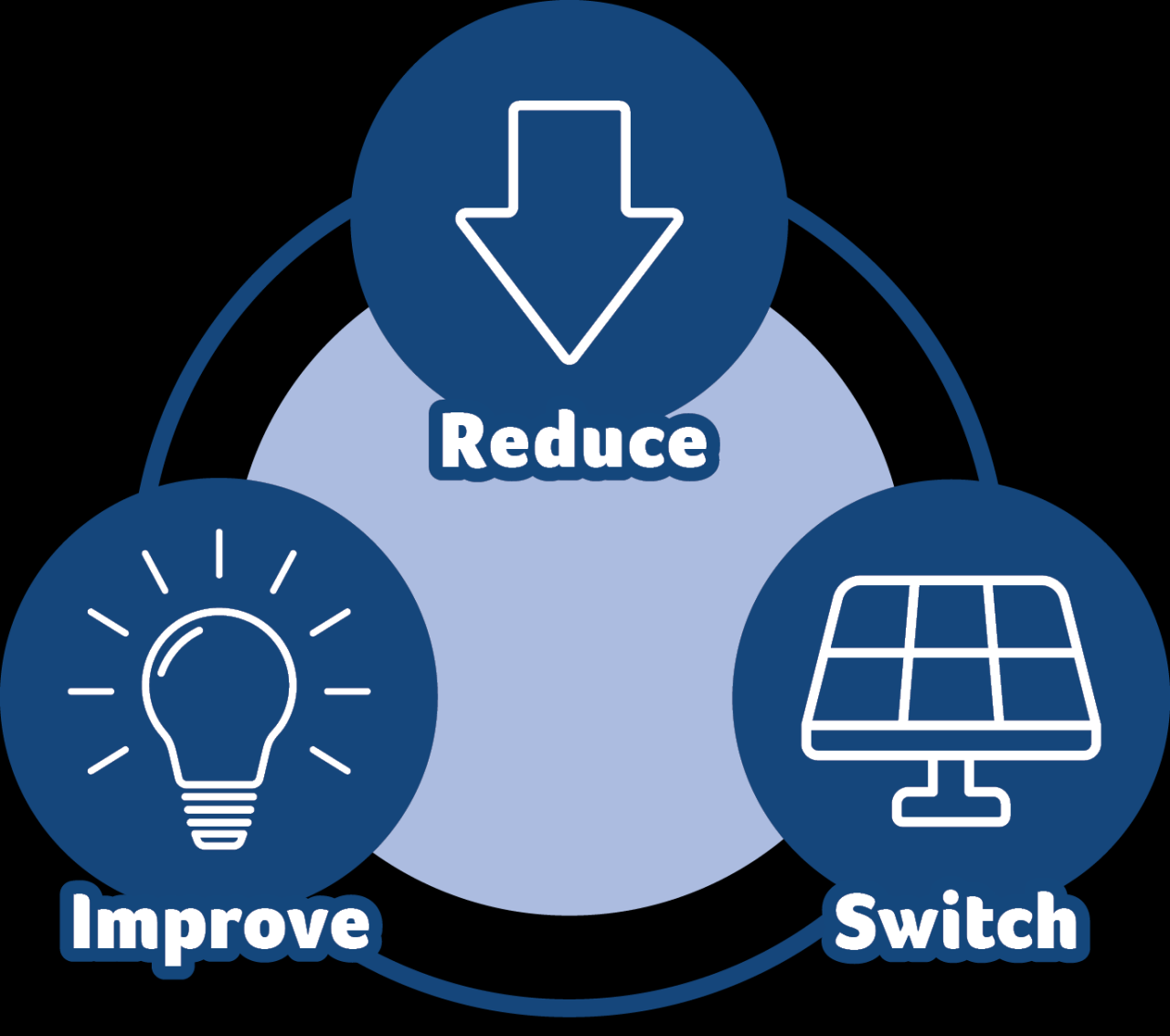
In conclusion, effectively reducing e-waste requires a multi-pronged approach involving individuals, businesses, governments, and technological advancements. This guide has provided a comprehensive overview of the key elements for responsible e-waste management. By understanding the lifecycle of electronics, adopting sustainable practices, and supporting innovative solutions, we can significantly minimize the environmental impact of e-waste and create a more sustainable future.