Embark on a journey towards a more sustainable and eco-conscious approach to shopping with reusable bags. This comprehensive guide explores the numerous benefits of ditching single-use plastic bags, providing practical tips and insightful strategies for incorporating reusable bags into your daily routine.
From selecting the perfect reusable bag to understanding the environmental impact, this guide covers everything you need to know. Discover a world of options, from lightweight tote bags to durable canvas choices, each tailored to different needs and preferences.
Introduction to Reusable Bags

Reusable shopping bags offer a practical and environmentally conscious alternative to single-use plastic bags. They are a simple yet effective way to reduce plastic waste and minimize your impact on the environment. Their versatility and durability make them a valuable addition to any shopper’s toolkit.Using reusable bags for your everyday shopping trips can significantly decrease the amount of plastic waste entering landfills and oceans.
This translates to a healthier environment for all living things.
Benefits of Using Reusable Bags
Reusable bags offer numerous benefits, extending beyond environmental protection. Their durability and longevity contribute to cost savings over time, reducing the need to continuously purchase new disposable bags. The convenience of carrying them ensures a streamlined shopping experience, making it easy to carry your purchases.
Types of Reusable Bags
A wide variety of reusable bags cater to different needs and preferences. Tote bags, known for their large capacity and versatility, are suitable for carrying groceries, clothing, or other items. String bags, characterized by their drawstring closures, are ideal for carrying smaller items, while produce bags are specifically designed for transporting fresh produce.
Environmental Impact of Single-Use Plastic Bags
The environmental impact of single-use plastic bags is substantial. Plastic bags take hundreds of years to decompose, accumulating in landfills and polluting natural habitats. Their production consumes significant resources and contributes to greenhouse gas emissions. Reducing reliance on these bags is a vital step in protecting the environment.
Reusable Bag Materials Comparison
The choice of reusable bag material depends on factors like durability, price, and environmental impact. The table below provides a comparative overview of common materials.
| Material | Durability | Price | Environmental Friendliness |
|---|---|---|---|
| Cotton | Good, but can be prone to wear and tear | Generally affordable | High, as cotton is a renewable resource |
| Canvas | Very durable, resistant to tearing | Moderate to high price | High, as canvas is often made from recycled materials |
| Nylon | Highly durable and water-resistant | Moderate to high price | Moderate, depends on the source and recycling of nylon |
This table provides a concise comparison of common reusable bag materials, helping shoppers make informed decisions. Each material offers a unique balance of durability, cost, and environmental impact.
Choosing the Right Reusable Bag
Selecting the appropriate reusable bag hinges on careful consideration of various factors, ensuring both practicality and environmental consciousness. A well-chosen bag can streamline your shopping experience while minimizing your environmental impact. Understanding the different types and their suitability for various needs is key to making an informed decision.Choosing the right reusable bag involves considering its size, material, and style to ensure it meets your specific needs.
Factors such as the type of shopping you intend to do and the frequency of use will significantly influence your decision.
Factors to Consider
Understanding the different aspects of reusable bags, such as size, material, and style, will help you make the right choice. Size directly impacts the amount of groceries or items you can carry. Material determines the durability and longevity of the bag. Style impacts aesthetics and personal preferences.
- Size: The capacity of a reusable bag is a crucial determinant. A small bag might suffice for a quick trip to the local market, whereas a larger bag is necessary for bulk purchases or large quantities of items. Consider the average size of your shopping trips when selecting a bag. For instance, a weekend grocery haul requires a larger bag than a quick errand.
- Material: The material of the bag directly impacts its durability and longevity. Durable materials like canvas or sturdy nylon are ideal for frequent use and heavy loads. Lightweight, yet strong materials like recycled polyester or woven fabrics offer a balance of sturdiness and portability. Think about how much you plan to use the bag, the weight of the items you’ll be carrying, and the overall durability needed.
- Style: The style of a reusable bag can range from simple tote bags to more elaborate designs. Consider your personal preferences and the aesthetic appeal of the bag. A stylish bag can add a touch of personality to your shopping outings. Think about the overall look and feel you want when carrying the bag.
Reusable Bag Types and Shopping Needs
Different types of reusable bags are suitable for various shopping situations. Understanding the pros and cons of each type helps tailor your selection to your needs.
- Tote Bags: Tote bags are versatile and commonly used for various shopping needs. Their large capacity makes them ideal for groceries, bulk purchases, or carrying multiple items. They are typically made from durable materials, ensuring long-lasting use. Their downside can be the occasional bulkiness. Consider tote bags for frequent grocery shopping or for carrying larger quantities of items.
- String Bags: String bags, often made of canvas or nylon, are a popular choice for their affordability and portability. They are easy to carry and store, but their capacity is usually limited. These are suitable for smaller purchases or carrying a few items. The small size is beneficial for quick errands.
- Shopping Bags: Shopping bags, specifically designed for carrying goods from the store, provide ample space and are often crafted from sturdy materials. These are often heavier duty than other options, making them appropriate for larger quantities of items. The strength of the material makes them great for handling heavy items.
Durability and Longevity of Materials
The durability and longevity of a reusable bag depend on the material used in its construction. Canvas and nylon bags are known for their resilience and ability to withstand frequent use. However, the longevity can also be influenced by proper care and handling.
| Material | Durability | Longevity | Suitability |
|---|---|---|---|
| Canvas | High | Very High | Grocery shopping, general shopping |
| Nylon | High | High | Grocery shopping, general shopping, outdoor activities |
| Polyester | Medium | Medium | Everyday shopping, light items |
| Jute | Medium | Medium | Produce shopping, general shopping |
Bag Sizes and Shopping Trip Suitability
Choosing the right size reusable bag ensures a comfortable and efficient shopping experience. This table illustrates the suitability of different sizes for various shopping needs.
| Bag Size | Suitability |
|---|---|
| Small (10-15 liters) | Quick errands, small purchases |
| Medium (15-25 liters) | Grocery shopping for one person, light bulk items |
| Large (25+ liters) | Large grocery hauls, multiple items, bulk purchases |
Shopping with Reusable Bags
Embracing reusable bags offers a practical and environmentally conscious approach to shopping. By switching from single-use plastic bags, you contribute to reducing plastic waste and promoting sustainability. This section details practical applications, packing techniques, and maintenance strategies for your reusable bags.
Diverse Shopping Applications
Reusable bags adapt to various shopping situations. Grocery shopping, for example, is a prime use case. For bulky items like furniture or appliances, reusable bags provide an effective and sustainable transport solution. Even smaller errands like picking up dry cleaning or purchasing a few items at the local bakery benefit from the use of reusable bags. The adaptability of reusable bags makes them a versatile tool for numerous shopping needs.
Proper Packing Techniques
Correct packing ensures the safety of your items and prevents damage to your reusable bags. Fragile items should be carefully wrapped or cushioned to avoid breakage. Heavy items should be placed at the bottom of the bag to distribute weight evenly. Overfilling should be avoided to prevent tearing or stretching. By following these guidelines, your reusable bags will remain in good condition for extended use.
Maintaining Your Reusable Bags
Regular care extends the lifespan of your reusable bags. Washing reusable bags with mild detergent and cool water is recommended, following the manufacturer’s instructions. Air-drying is generally the best method to avoid damage from high heat. Storing your reusable bags in a cool, dry place helps prevent mildew and maintains their structural integrity. Proper maintenance ensures your reusable bags remain functional and aesthetically pleasing for a longer period.
Grocery Shopping with Reusable Bags: A Step-by-Step Guide
- Bring your reusable bags to the store. Ensure they are clean and ready for use.
- Select the items you need and place them directly into the reusable bags. Focus on arranging items to maintain stability and prevent damage.
- When selecting items, take care to avoid overfilling or placing heavy items on top of delicate ones.
- At the checkout, present your reusable bags to the cashier and request no plastic bags.
- If you have purchased multiple items, ensure each is properly placed and cushioned in your reusable bags. This helps prevent damage during transport.
- Once your items are bagged, check for stability. If necessary, adjust the placement of heavier items to prevent shifting or potential damage.
- Take your reusable bags to your car or designated area for transport. Ensure you are careful while handling the bags.
Making Reusable Bags Part of Your Routine
Integrating reusable bags into your daily shopping routine is a simple yet impactful step towards a more sustainable lifestyle. By making this change, you contribute to reducing plastic waste and supporting a healthier environment. Consistent use of reusable bags not only benefits the planet but also saves you money in the long run by eliminating the cost of disposable bags.Adopting reusable bags requires a shift in mindset and a few practical strategies to ensure their consistent use.
This involves making them an integral part of your shopping habits and optimizing their convenience for maximum impact.
Importance of Habitual Use
Consistent use of reusable bags is crucial for maximizing their environmental impact. Switching from disposable bags to reusable ones is a significant step in reducing plastic pollution, which affects marine life and ecosystems. The more often you use them, the greater the reduction in plastic waste.
Strategies for Consistent Use
Implementing strategies to ensure consistent use of reusable bags is essential for achieving lasting environmental benefits. These strategies should be tailored to individual needs and preferences.
- Planning Ahead: Pre-emptively pack your reusable bags in your car, purse, or bag, ensuring they are readily available before you head out for your shopping trips. This proactive measure reduces the likelihood of forgetting them and resorting to disposable alternatives.
- Visual Reminders: Place reusable bags prominently in visible locations, such as by the front door, in the car, or near your usual shopping spots. Visual cues can serve as constant reminders to use them.
- Reward Systems: Implementing a reward system, such as a small treat or a non-monetary reward for using reusable bags consistently, can motivate and encourage regular use. This can be a personalized approach based on individual preferences.
- Combining with Other Habits: Incorporate the use of reusable bags into existing routines, such as taking your reusable bag with you when you grab groceries from the store, or having them readily available whenever you leave the house. This helps to integrate them into your daily life.
Improving Convenience
Making reusable bags more convenient is crucial for ensuring their continued use. The more accessible and user-friendly they are, the more likely people are to adopt them.
- Variety of Sizes and Styles: Providing a range of reusable bags in different sizes, colors, and styles can appeal to diverse preferences. This caters to various shopping needs and allows consumers to select bags that best suit their needs and personal style.
- Durable Materials and Sturdy Designs: Durable materials and robust designs are essential for ensuring the longevity of reusable bags. The bags should be able to withstand repeated use and various types of shopping. This will lead to greater sustainability and reduce the need for frequent replacements.
- Easy-to-Carry Features: Features like reinforced handles, shoulder straps, or compact designs that allow easy carrying can enhance convenience. These features make it more practical to carry the bags, even when full, with ease.
Accessibility for Diverse Demographics
Ensuring accessibility for various demographics is key to broad adoption of reusable bags. This requires understanding the specific needs of different groups.
- Affordability: Offering reusable bags at competitive prices can make them accessible to a wider range of individuals and families, promoting equitable access to sustainable practices.
- Accessibility for Mobility-Impaired Individuals: Designing reusable bags with features like easy-grip handles or additional carrying options can improve accessibility for individuals with mobility limitations. This includes considering individuals using wheelchairs or other mobility devices.
- Cultural Sensitivity: Considering cultural preferences and beliefs when designing and marketing reusable bags is crucial for promoting inclusivity and fostering adoption among diverse communities. This may include offering bags in various colors, patterns, or sizes.
Beyond the Basics
![12 Amazing Shop Design Ideas To Get More Sales [+Pics]](https://ayaka.web.id/wp-content/uploads/2025/09/shop-design-timber.jpg "12 Amazing Shop Design Ideas To Get More Sales [+Pics]")
Embracing reusable bags is a journey beyond simple substitution. It’s about actively participating in a more sustainable lifestyle. This section delves into advanced strategies for maximizing the impact of your reusable bags, from creative customization to integrating them into diverse shopping experiences and inspiring others.Expanding on the fundamental principles, this section offers practical insights and innovative ideas for integrating reusable bags into a broader, more sustainable lifestyle.
This approach encourages a deeper engagement with conscious consumption and environmental responsibility.
Customizing Reusable Bags
Personalizing reusable bags can elevate their practicality and add a touch of individuality. This extends beyond simple branding; it can be a means of expressing creativity and promoting eco-conscious values.
- Fabric Modification: Transforming existing bags with fabric paint, embroidery, or appliqués allows for a personalized design, turning a simple tote into a unique expression. This approach can even incorporate salvaged fabrics or repurposed materials for an extra layer of environmental consciousness.
- Creative Designs: Adding custom patterns, slogans, or artwork can transform a basic reusable bag into a statement piece. This can be achieved through stencils, heat transfers, or even intricate hand-painted designs, offering a more artistic expression.
- Branding and Messaging: For businesses or organizations, reusable bags can serve as effective promotional tools. Imprinting logos, slogans, or messages on reusable bags can create a lasting impression on customers, while simultaneously supporting a sustainable shopping approach.
Incorporating Reusable Bags into Diverse Shopping Trips
The versatility of reusable bags extends beyond the typical grocery store. Understanding their application across different shopping environments can significantly enhance their effectiveness.
- Farmers Markets: Reusable produce bags are ideal for farmers markets. Their lightweight design, often with integrated compartments for different produce types, makes them particularly convenient for carrying fresh fruits and vegetables. A reusable bag specifically designed for farmers market produce is optimal, and this bag can be crafted with pockets for different types of produce, offering better organization.
- Bulk Stores: For bulk stores, reusable containers and bags designed for dry goods are essential. These can be designed to hold specific items like grains, nuts, or dried fruits. These containers are often stackable, optimizing storage and reducing the need for multiple plastic bags.
- General Shopping Trips: For everyday shopping, choose bags that are spacious and durable enough to handle various items. A large tote bag is perfect for a broader variety of items. This allows for carrying clothing, books, and other miscellaneous items.
Encouraging Others to Adopt Reusable Bags
Promoting the use of reusable bags is a collaborative effort that can create a positive ripple effect within communities. Sharing knowledge and fostering awareness are key strategies.
- Educational Campaigns: Organisations and individuals can initiate educational campaigns to raise awareness about the environmental benefits of reusable bags. This can include workshops, presentations, and online resources to provide valuable information.
- Community Initiatives: Local businesses and community groups can organize initiatives that incentivize the use of reusable bags. This could involve discounts or special offers for customers who use reusable bags, fostering positive change.
- Peer-to-Peer Advocacy: Encourage friends and family to adopt reusable bags through personal recommendations and shared experiences. Highlighting the practical and stylish aspects of reusable bags can encourage wider adoption.
Integrating Reusable Bags into a Sustainable Lifestyle
Integrating reusable bags into a sustainable lifestyle extends beyond simple shopping. It’s a holistic approach that considers all aspects of consumption.
- Reducing Plastic Consumption: Beyond bags, explore ways to reduce single-use plastics throughout your daily life. This could include using reusable water bottles, coffee cups, and food containers, further minimizing environmental impact.
- Supporting Sustainable Businesses: Actively seek out businesses that prioritize sustainability and ethical practices. This supports businesses that share your commitment to environmental responsibility.
- Composting and Recycling: Use reusable bags to collect compostable materials and recyclables. This enhances waste management efforts.
Addressing Potential Challenges
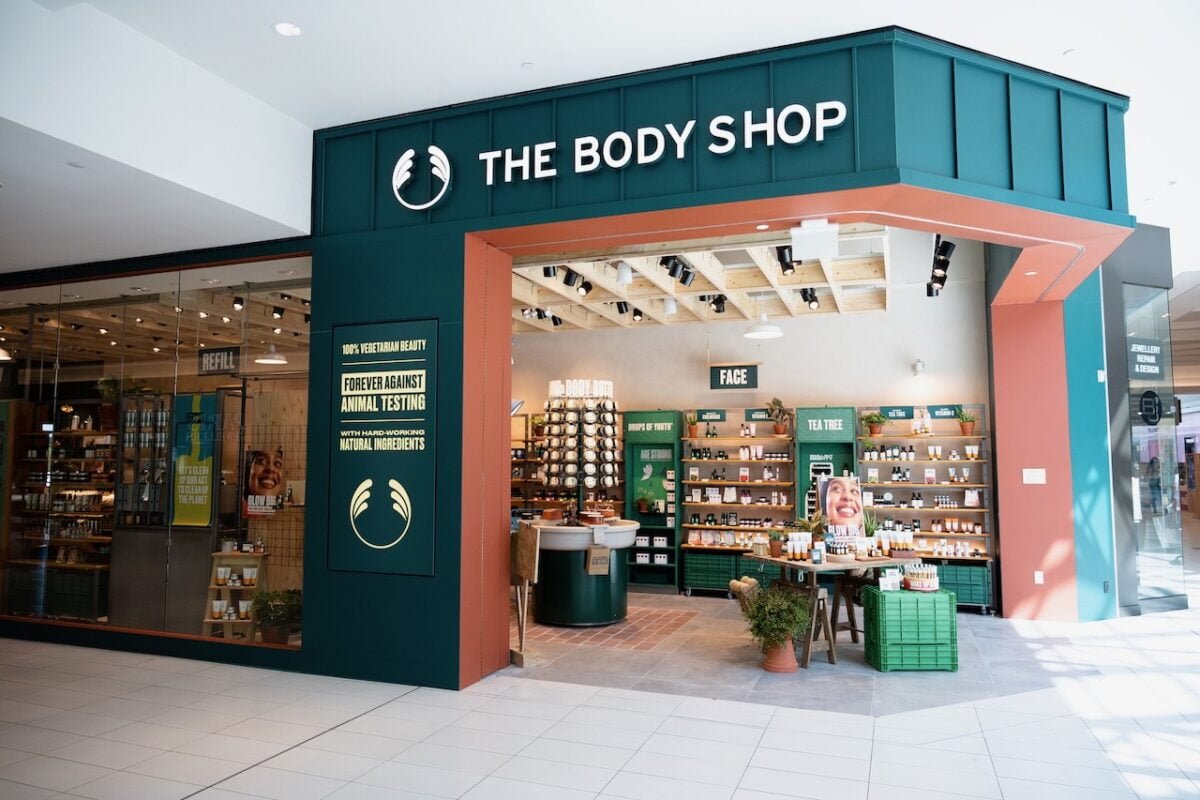
Embarking on a journey towards sustainable shopping habits with reusable bags can sometimes present unforeseen hurdles. Understanding these potential challenges and devising effective solutions is crucial for maintaining a positive and consistent commitment to this eco-friendly practice. This section will address common issues and offer practical strategies for overcoming them.
Common Bag Durability Issues
Maintaining the longevity of reusable bags is essential for their environmental and economic viability. Factors such as material quality, construction, and frequent use can impact a bag’s durability. Improper care and handling can also contribute to premature wear and tear.
- Material Degradation: Certain materials, particularly those made from thin plastics or poorly constructed fabrics, may show signs of wear and tear quickly, leading to rips, tears, or general deterioration after repeated use. Investing in durable, high-quality materials like reinforced cotton canvas or sturdy woven polypropylene can mitigate this problem.
- Frequent Exposure to Abrasion: Reusable bags subjected to constant friction against other items in a shopper’s cart or rubbing against rough surfaces can develop snags, tears, or holes. Using appropriate shopping techniques, such as carefully arranging items in the bag, can help prevent this.
- Improper Cleaning or Storage: Incorrect washing or storage practices can lead to the weakening of bag materials, potentially leading to damage. Following care instructions provided by the manufacturer is essential to maintaining the bag’s structural integrity and extending its lifespan.
Functionality and Usability Concerns
Beyond durability, reusable bags must meet practical needs for daily use. Issues in functionality can significantly impact user satisfaction and adoption rates.
- Insufficient Capacity: Some reusable bags may not be spacious enough to carry all necessary items, especially for large purchases or bulk items. Choosing bags with ample capacity, and adjusting your shopping approach to accommodate the bag size, is essential for successful usage.
- Poor Design Features: A poorly designed bag can lead to issues such as cumbersome handles, difficult closures, or inadequate internal organization. Opting for bags with well-placed handles, easy-to-use zippers or closures, and internal pockets can improve functionality.
- Incompatibility with Certain Items: Some reusable bags may not be suitable for carrying delicate or easily damaged items. Carefully considering the bag’s material and construction before purchasing is vital to prevent damage to your products.
Strategies for Encouraging Store Support
Building partnerships with retailers is crucial for fostering a broader acceptance of reusable bags. Educating and motivating stores to support reusable bag practices is vital for wider adoption.
- Promoting Awareness: Retailers can be encouraged to educate their staff and customers about the benefits of reusable bags. This can involve in-store displays, promotional materials, and staff training on proper bag handling and storage practices.
- Incentivizing Participation: Stores can implement policies that incentivize customers to use reusable bags, such as discounts or rewards programs for those using their own bags.
- Collaboration and Partnerships: Partnering with environmental organizations or groups can help promote reusable bag usage through joint campaigns and initiatives. Collaborating with organizations can help spread the message about reusable bags to the public and encourage retailers to adopt environmentally friendly practices.
Reusable Bags for Specific Needs
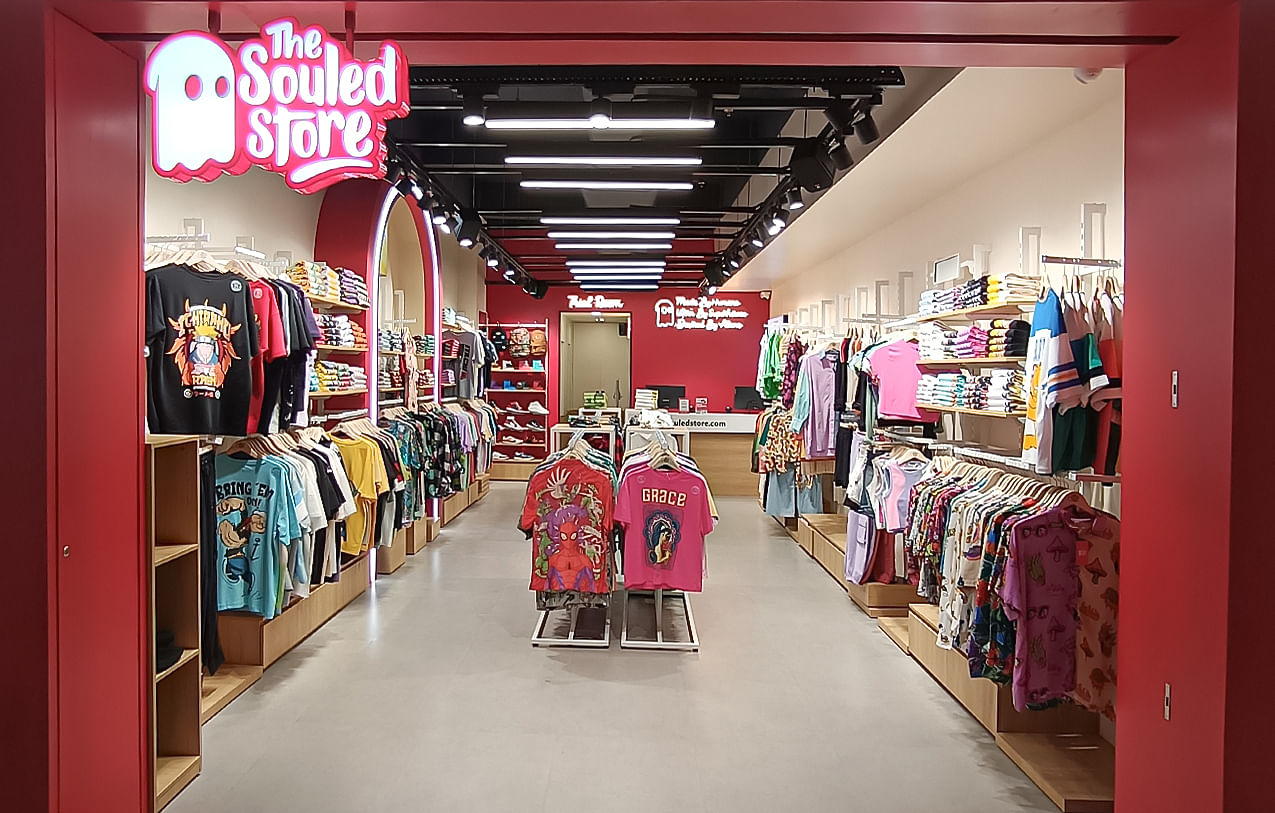
Choosing the right reusable bag for your shopping trip can significantly enhance your experience and reduce waste. Different reusable bags are designed to accommodate various items and shopping scenarios, optimizing both efficiency and sustainability. This section will delve into the specifics of reusable bags tailored for particular needs, from produce to bulk goods, and provide insights into matching the right bag to your shopping activities.Understanding the diverse needs of different shopping trips allows you to select the most appropriate bag for each occasion.
This informed selection optimizes efficiency and reduces potential frustration during your shopping endeavors.
Reusable Bags for Produce
Selecting a reusable bag for produce requires careful consideration of its features. The bag needs to be able to handle the moisture and potential for spillage from fresh produce. Additionally, the material should be easy to clean and maintain hygiene. Look for bags made of durable, water-resistant materials, such as woven cotton or sturdy canvas.
Reusable Bags for Bulk Goods
Reusable bags for bulk goods are frequently constructed from thick, durable materials to withstand the weight and potential jostling of items like grains, nuts, and dried fruits. Bags with reinforced handles and sturdy stitching are paramount to ensure the bag holds up during transport and unloading. Consider bags with large capacities and reinforced seams for added durability.
Reusable Bags for Grocery Shopping
For grocery shopping, a versatile bag that can hold various items is ideal. The bag should have a substantial capacity to accommodate the wide range of groceries typically purchased. A sturdy design is crucial for carrying heavy items, and ease of cleaning is a valuable feature to maintain hygiene.
Reusable Bags for Clothing Shopping
When shopping for clothing, you’ll want a bag that can securely hold garments and maintain their shape and integrity. Look for reusable bags with reinforced handles and a structured design. Avoid bags that are too flimsy or may damage the clothing. Fabric-lined or padded interior compartments can offer extra protection.
Comparing Reusable Bag Types for Different Shopping Scenarios
- Grocery Shopping: A large, sturdy bag with reinforced handles is recommended for carrying heavy items and multiple groceries. Consider a bag with multiple compartments for organizing items. A washable and water-resistant material is preferable.
- Produce Shopping: Bags made from durable, water-resistant materials, like canvas or woven cotton, are best for carrying produce to prevent leaks and spills. These bags should be easy to clean.
- Bulk Goods Shopping: Durable bags with reinforced seams and large capacities are essential to handle the weight of bulk items. Bags made from thick, sturdy materials, such as canvas or jute, are suitable choices.
- Clothing Shopping: Bags with reinforced handles and a structured design are preferred for carrying delicate clothing items. Fabric-lined or padded interiors provide additional protection to clothing during transport.
Table of Reusable Bags for Different Goods
| Type of Goods | Recommended Reusable Bag |
|---|---|
| Produce | Durable, water-resistant canvas or woven cotton bag |
| Bulk Goods | Thick, sturdy canvas or jute bag with reinforced seams |
| Groceries | Large, sturdy bag with reinforced handles, multiple compartments (if needed) |
| Clothing | Structured bag with reinforced handles, fabric-lined or padded interior |
Importance of Choosing the Right Reusable Bag
Choosing the right reusable bag for a particular need ensures both practicality and sustainability. The appropriate bag will reduce potential damage to the goods, optimize carrying capacity, and contribute to a more efficient shopping experience. Using a suitable bag also minimizes the need for additional packaging materials.
Final Conclusion
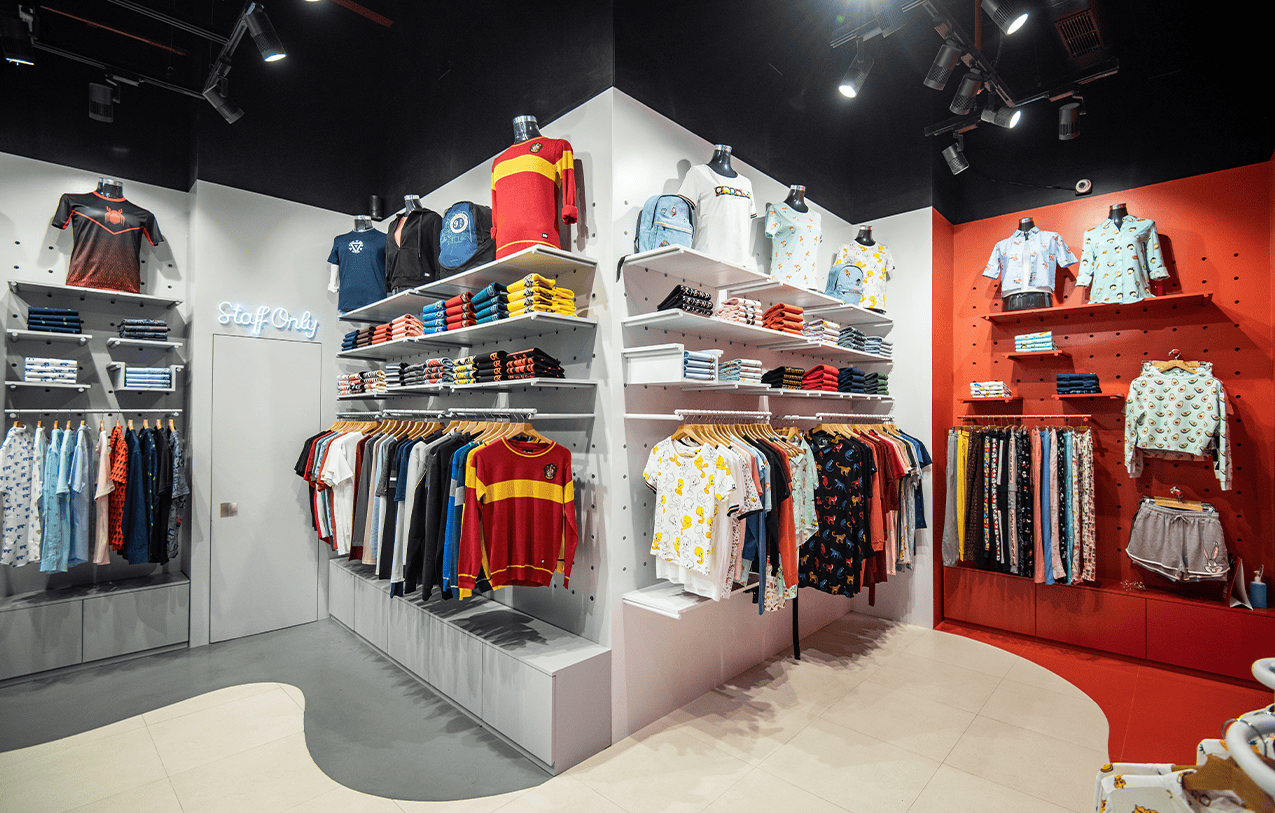
By implementing the practical strategies Artikeld in this guide, you can seamlessly transition to using reusable bags for all your shopping needs. This transition not only protects the environment but also promotes a more sustainable lifestyle. Embrace the power of reusable bags and contribute to a greener tomorrow.