Composting paper waste is a practical and environmentally friendly way to reduce landfill waste and create nutrient-rich soil amendments. This guide provides a thorough overview of the process, from selecting suitable paper types to implementing various composting methods and avoiding common pitfalls. Understanding the intricacies of composting paper will enable you to contribute to a healthier environment.
This detailed guide covers the entire composting process, from initial preparation to final application of the finished compost. We will explore various aspects, including the types of paper suitable for composting, the optimal preparation techniques, diverse composting methods, and the crucial steps to monitor and maintain a thriving compost pile.
Introduction to Composting Paper Waste
Composting paper waste involves converting paper materials into nutrient-rich soil amendment. This process harnesses organic matter to create valuable fertilizer for gardens and landscapes, reducing landfill waste and promoting a sustainable cycle. It is a simple and effective method for managing paper and cardboard that avoids harming the environment and helps conserve resources.Proper composting of paper waste offers numerous benefits, including reducing landfill burden, improving soil quality, and lessening reliance on chemical fertilizers.
By diverting paper from landfills, we preserve valuable space and prevent the release of harmful greenhouse gases. The resultant compost enriches soil structure, improves water retention, and fosters healthier plant growth.
Benefits of Composting Paper Waste
Composting paper waste provides a multitude of advantages for the environment and our communities. Reduced reliance on chemical fertilizers is one significant benefit. Compost derived from paper waste enriches soil, improving its structure and water-holding capacity. This leads to healthier plants that require less intervention and less reliance on chemical solutions.
- Reduced Landfill Burden: Paper waste constitutes a significant portion of landfill content. Composting diverts this waste, lessening the strain on landfills and conserving valuable space. This reduced landfill burden helps to prevent the release of harmful greenhouse gases associated with decomposition in landfills.
- Improved Soil Quality: Compost derived from paper waste enriches soil, improving its structure and water-holding capacity. This leads to healthier plants that are more resilient and require less intervention.
- Sustainable Resource Management: Composting paper waste is a sustainable practice, promoting a closed-loop system. It minimizes waste disposal and conserves resources, supporting a circular economy model.
Environmental Impact of Not Composting Paper Waste
Failing to compost paper waste contributes to several environmental concerns. Landfill space is finite, and the accumulation of paper waste significantly burdens landfills. The decomposition of this waste in landfills releases harmful greenhouse gases, including methane, which contributes to climate change. Further, the depletion of natural resources for paper production adds to the environmental footprint.
- Increased Landfill Waste: Non-composted paper waste ends up in landfills, leading to increased landfill volume and the need for more land to be allocated for disposal.
- Greenhouse Gas Emissions: Decomposition of paper in landfills releases greenhouse gases, particularly methane, a potent greenhouse gas that significantly contributes to climate change.
- Resource Depletion: Producing paper from virgin resources consumes significant amounts of water and energy. Failing to compost paper waste perpetuates this reliance on natural resources and contributes to deforestation.
Composting Paper Waste Process Overview
The composting of paper waste is a relatively straightforward process, involving several key steps. A properly managed composting process ensures the production of high-quality compost.
| Step | Description |
|---|---|
| 1 | Collection and Preparation: Separate paper waste from other materials, ensuring no contamination with non-compostable items like plastic or metal. Shred or tear the paper into smaller pieces to accelerate decomposition. |
| 2 | Mixing and Aeration: Combine the prepared paper waste with other organic materials like food scraps or yard waste. Regularly turn or mix the compost pile to maintain proper aeration, which facilitates decomposition and prevents anaerobic conditions. |
| 3 | Monitoring and Maintenance: Keep the compost pile moist but not waterlogged. Regular monitoring of moisture content and temperature is crucial for optimal decomposition. Adjust moisture as needed. |
| 4 | Maturation and Use: Once the compost reaches the desired level of decomposition, it’s ready for use. The finished compost can be used as a soil amendment for gardens, landscaping, or other applications. |
Types of Paper Suitable for Composting
Composting paper waste offers a valuable means of recycling and reducing landfill waste. However, not all paper types are equally suitable for this process. Understanding the characteristics of different paper types is crucial for successful composting and maximizing its benefits.Different types of paper vary significantly in their composition and manufacturing processes, impacting their ability to break down in a compost bin.
This section will delve into the specifics of newspaper, magazines, cardboard, and office paper, highlighting their suitability for composting and explaining why some are more effective than others.
Newspaper Suitability for Composting
Newspaper, typically made from wood pulp, is generally considered compostable. Its fibrous structure and relatively simple composition allow it to decompose readily in a composting environment. The ink used in most modern newspapers, however, poses a challenge. Certain inks, containing dyes or heavy metals, may not break down easily and could potentially hinder the composting process or contaminate the finished compost.
To minimize this risk, it is best to remove any glossy or coated sections, as these are less likely to decompose.
Magazine Suitability for Composting
Magazines, like newspapers, are largely composed of cellulose and therefore compostable. However, the presence of glossy paper, coatings, and ink can impede the decomposition process. These coated or glossy surfaces may contain substances that are difficult to break down. Therefore, it is best practice to remove glossy sections and ensure the paper is free from any plastic or synthetic coatings.
Cardboard Suitability for Composting
Cardboard, a significant component of packaging, is highly compostable. Its structure, made of compressed cellulose fibers, is well-suited to the composting environment. Cardboard often has a strong, sturdy structure, and it generally breaks down effectively, providing valuable nutrients to the compost. However, it’s important to remove any plastic or metal components from the cardboard before composting, as these are not biodegradable.
Office Paper Suitability for Composting
Office paper, made from wood pulp, is largely compostable. The composition of office paper is typically simpler, making it a good candidate for composting. However, the presence of paperclips, staples, or other metallic fasteners must be removed prior to composting, as they can hinder the decomposition process. Additionally, some office papers might contain inks or coatings that may slow down the composting process.
Comparison of Paper Types
| Paper Type | Compostability | Notes |
|---|---|---|
| Newspaper | Generally good | Remove glossy sections and coated parts; ink composition may affect composting. |
| Magazines | Generally good, but with caveats | Remove glossy paper and coatings; ink may impede decomposition. |
| Cardboard | Excellent | Remove any plastic or metal components. |
| Office Paper | Good | Remove staples, paperclips, and ensure minimal ink or coatings. |
Preparing Paper Waste for Composting
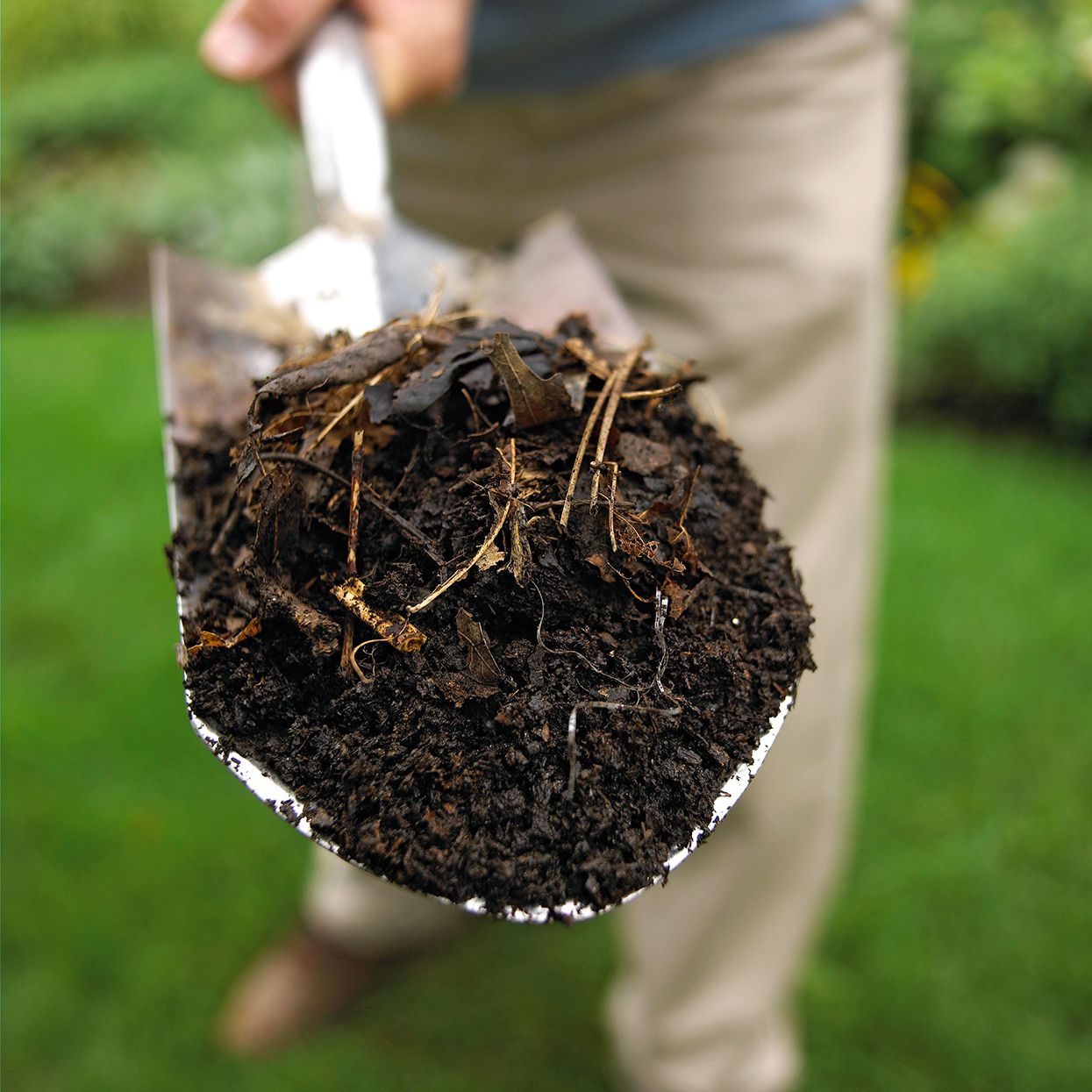
Proper preparation of paper waste is crucial for successful composting. It ensures that the paper breaks down efficiently and doesn’t impede the overall composting process. By meticulously removing non-biodegradable materials and shredding the paper, you optimize the composting environment and contribute to a healthier, more productive compost pile.
Shredding and Tearing Paper
Thorough shredding and tearing of paper is essential for accelerating decomposition. Smaller pieces expose a larger surface area to microorganisms, facilitating faster breakdown. This process allows for quicker nutrient release and prevents the formation of large, compacted clumps that resist decomposition. Large, unbroken sheets of paper can take significantly longer to break down, potentially slowing down the entire composting process.
Removing Non-Biodegradable Materials
Effective composting relies on separating biodegradable materials from non-biodegradable ones. Staples, paperclips, plastic coatings, and other foreign objects hinder the composting process and can introduce harmful materials into the finished compost. These materials don’t decompose and can accumulate in the compost, reducing its quality and potentially posing environmental hazards.
Step-by-Step Guide for Preparing Paper Waste
This guide Artikels the steps involved in preparing paper waste for composting:
- Collection and Sorting: Gather all suitable paper waste, ensuring it meets the criteria for composting. Separate paper from other types of waste, like plastic or metal, to prevent contamination.
- Removal of Non-Biodegradable Materials: Carefully remove any staples, paperclips, binder clips, or other non-biodegradable materials. Use tweezers, pliers, or your hands to carefully remove these items. A magnifying glass can be helpful for finding small items.
- Shredding or Tearing: Shred or tear the paper into small pieces. The smaller the pieces, the faster the decomposition will occur. A shredder is ideal for large quantities of paper, but tearing with scissors or by hand is sufficient for smaller amounts.
- Checking for Residuals: Carefully inspect the shredded paper to ensure all non-biodegradable materials have been removed. Even small metal pieces or plastic coatings can hinder the decomposition process. A metal detector can be helpful in finding metal pieces that may have been missed.
- Addition to Compost Pile: Add the prepared paper to your compost pile, ensuring it’s evenly distributed. Proper mixing with other composting materials is important for a healthy and balanced compost pile.
Composting Methods for Paper Waste
Composting paper waste offers a valuable means of recycling and diverting organic material from landfills. Choosing the appropriate composting method is crucial for maximizing the effectiveness and efficiency of the process, while minimizing potential drawbacks. Different methods cater to varying needs and resources, impacting the final product quality and ease of implementation.Various composting methods are available, each with unique characteristics.
Understanding these distinctions allows for informed selection, ensuring optimal paper waste management. The ideal method will depend on factors such as available space, time commitment, and desired outcome.
Composting Methods Overview
Different composting methods vary significantly in their approach to breaking down paper waste. The key distinctions lie in the aeration, moisture levels, and temperature control employed. These factors influence the decomposition rate, the final product quality, and the overall process efficiency.
Comparison of Composting Methods
| Composting Method | Description | Pros | Cons |
|---|---|---|---|
| Aerated Static Pile Composting | This method involves creating a pile of paper waste and maintaining appropriate moisture levels. Regular turning and aeration are essential to enhance the decomposition process. | Efficient for larger volumes of paper waste; relatively simple to implement; can be done in various sizes and locations; generally cost-effective. | Requires consistent monitoring of moisture levels; can be labor-intensive; potential for attracting pests; decomposition process may take longer than other methods. |
| Windrow Composting | Windrow composting involves creating long, narrow piles (windrows) of paper waste. Regular turning and moisture management are critical to achieving optimal decomposition. | Suitable for larger-scale operations; relatively cost-effective; can be implemented with minimal equipment. | Can be challenging to manage moisture levels; requires significant space; potential for odors; may take longer to decompose compared to some other methods. |
| Vermicomposting | Vermicomposting utilizes worms to break down paper waste. The worms consume the organic matter, producing nutrient-rich compost. This method requires a controlled environment and careful monitoring. | Produces high-quality compost with minimal odor; ideal for smaller spaces; relatively low maintenance; excellent for attracting worms and other beneficial organisms. | Slower decomposition rate compared to other methods; may require a larger setup for significant quantities of paper; potential for worm populations to be affected by environmental changes; requires careful monitoring of humidity and temperature. |
| In-vessel Composting | This method involves using enclosed containers or bins to compost paper waste. These systems often feature mechanisms for controlling temperature, moisture, and aeration, enhancing the decomposition process. | Precise control over the composting process; reduced odor; potential for faster decomposition; minimal space requirement compared to some other methods. | Higher initial investment compared to other methods; specialized equipment is needed; potential for issues if the system is not properly maintained. |
Example Composting Setups
An aerated static pile could be constructed in a backyard using readily available materials like wood pallets or wire mesh. A windrow composting system might be more appropriate for a larger-scale operation, potentially requiring specialized equipment for turning. A vermicomposting setup could be implemented in a dedicated bin with appropriate moisture and temperature control. In-vessel systems, on the other hand, are ideal for areas with space limitations and require careful consideration of the system’s capacity and functionality.
Materials and Tools
The specific materials and tools required for each method vary. For aerated static piles, materials like wood, wire mesh, and tarps are necessary. Windrow composting may require additional equipment for turning the piles. Vermicomposting systems need containers, bedding materials, and appropriate environments for the worms. In-vessel systems demand specialized containers with built-in mechanisms for aeration and temperature control.
Avoiding Common Mistakes When Composting Paper
Composting paper effectively relies on understanding the nuances of the process. Improper handling can lead to undesirable outcomes, hindering the decomposition and potentially contaminating the entire compost pile. By recognizing common pitfalls and implementing corrective measures, you can significantly enhance the success of your paper composting endeavors.
Common Mistakes in Paper Composting
Several factors contribute to less-than-ideal paper composting results. These range from the type of paper used to the overall management of the composting process. Recognizing these potential issues and their underlying causes is crucial for optimizing your composting strategy.
Incorrect Paper Selection
Certain types of paper are more suitable for composting than others. Papers treated with wax, coatings, or inks containing non-biodegradable components are unsuitable. These materials can hinder decomposition and introduce contaminants to the compost. Likewise, glossy paper or paper with excessive amounts of cardboard are less easily composted, slowing down the process and possibly creating issues with your finished compost.
Focusing on 100% paper products, free from coatings and special finishes, is vital for a successful compost.
Insufficient Moisture Level
Maintaining appropriate moisture levels is critical for accelerating the decomposition process. Insufficient moisture can significantly slow down the breakdown of paper fibers. Conversely, excessive moisture can lead to the growth of undesirable microorganisms, hindering the decomposition process. Finding a balance between wet and dry paper is essential to maintaining an ideal environment for composting. This involves periodically checking the moisture content of the paper and adjusting the amount of water added to the compost bin as needed.
Inappropriate Composting Method
Choosing the right composting method is vital for successful paper composting. Methods like cold composting, while suitable for many materials, might not be ideal for rapidly decomposing paper. The ideal method should be tailored to the volume and type of paper being composted, taking into account factors such as aeration and temperature. Some methods might involve shredding or tearing the paper into smaller pieces, while others might involve layering with other materials, to accelerate the decomposition process.
Contamination from Foreign Materials
Unwanted materials can negatively impact the composting process. Introducing non-compostable materials, such as plastic bags, metals, or food scraps, will disrupt the decomposition process. These contaminants will not break down, introducing foreign elements into the compost pile and hindering the natural breakdown of the paper. Ensuring a clean compost bin and strictly selecting compostable materials are vital steps in maintaining a healthy and productive compost pile.
Maintaining a Healthy Paper Compost Bin
A well-maintained compost bin is essential for successful paper composting. Regular turning or aeration of the compost pile will help ensure the decomposition process progresses evenly. This involves maintaining the proper balance of materials within the bin. The use of appropriate composting techniques, including layering and regular turning, is crucial for keeping the paper compost pile healthy.
Common Mistakes and Solutions
- Incorrect Paper Selection: Use only 100% paper products free from coatings or finishes. Avoid glossy paper or paper with excessive cardboard content.
- Insufficient Moisture Level: Regularly check the moisture content of the paper and adjust the amount of water added as needed. Aim for a damp, but not soggy, consistency.
- Inappropriate Composting Method: Employ a composting method suitable for the volume and type of paper being composted, such as layering with other materials. Consider shredding or tearing paper into smaller pieces.
- Contamination from Foreign Materials: Maintain a clean compost bin and strictly select compostable materials. Ensure all non-compostable items are removed before adding paper to the bin.
Combining Paper with Other Compostable Materials
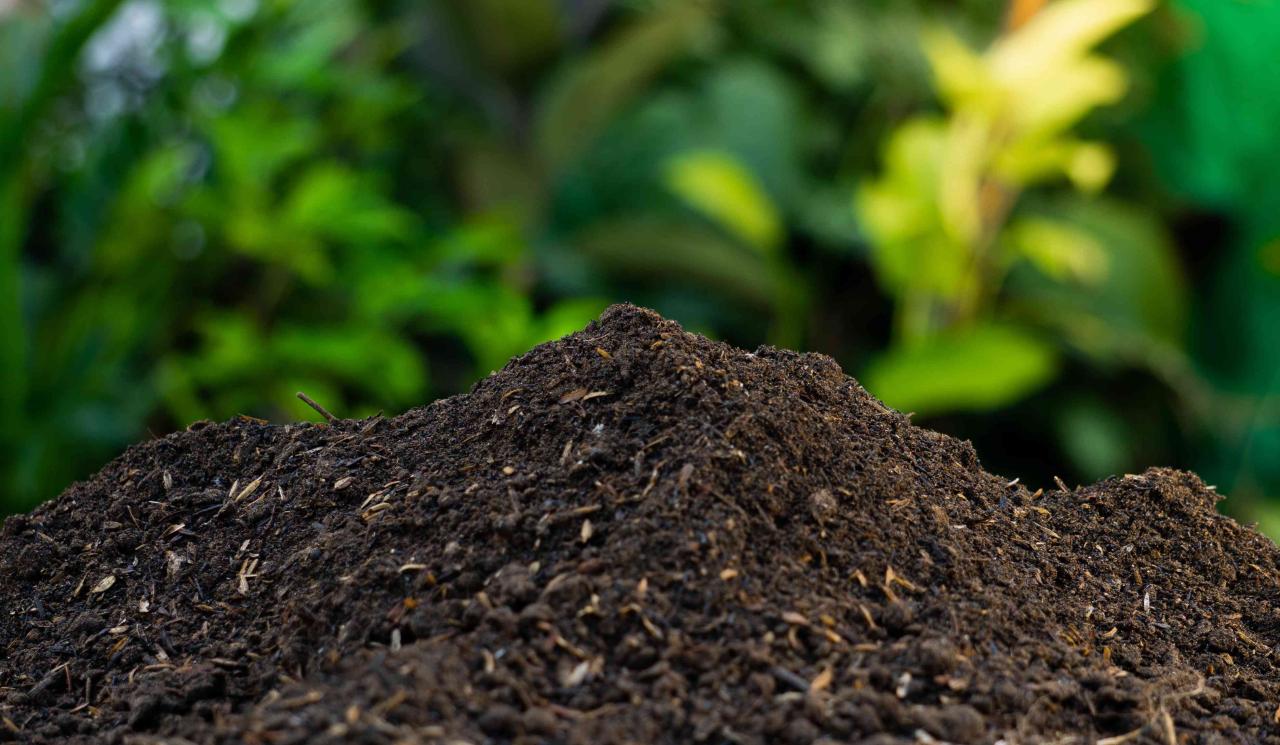
Integrating paper waste into a compost pile requires careful consideration of its compatibility with other organic materials. Proper layering and proportioning are crucial to maintain a healthy composting environment and ensure high-quality finished compost. Achieving the right balance fosters decomposition and prevents issues such as unpleasant odors or excessive moisture.Effective composting of paper relies on its interaction with other compostable materials.
The ideal mix fosters beneficial microbial activity and accelerates the breakdown process. Understanding the interplay between paper and other components is essential for a successful composting outcome.
Ideal Ratios for Combining Paper with Other Materials
Achieving the optimal mix of paper with other compostable materials, like food scraps and yard waste, is vital for successful composting. A balanced ratio ensures efficient decomposition and avoids potential problems. Maintaining the right proportions prevents excessive moisture or an overly dense structure.
- Paper should constitute approximately 25-30% of the overall compost mix. This proportion ensures sufficient carbon content for the decomposition process while allowing for adequate nitrogen from other components like food scraps and yard waste.
- Food scraps should make up about 30-40% of the compost mixture. This portion provides essential nutrients and promotes the decomposition of the paper and other organic materials.
- Yard waste, such as leaves and grass clippings, typically accounts for 25-35% of the mix. These components introduce more moisture and further contribute to the overall decomposition process.
Avoiding Undesirable Conditions in the Compost Pile
Maintaining a healthy compost pile requires careful attention to preventing issues like excessive moisture or an imbalance in the carbon-to-nitrogen ratio. These problems can hinder the decomposition process and lead to unpleasant smells or the growth of undesirable organisms.
- Excessive Moisture: Too much moisture can lead to anaerobic conditions, slowing decomposition and potentially resulting in unpleasant odors. Ensure proper aeration and appropriate layering to avoid this problem.
- Imbalance in Carbon-to-Nitrogen Ratio: An excessive amount of paper (high carbon) without sufficient nitrogen from food scraps can slow decomposition. A balanced ratio is crucial for optimal composting. A good rule of thumb is a ratio of approximately 30:1 carbon to nitrogen.
- Overcrowding: A densely packed compost pile restricts air circulation, hindering decomposition. Regular turning and careful layering are essential to maintain proper aeration and prevent this issue. This ensures the compost microbes have enough oxygen to function properly.
Effects of Different Combinations on Compost Quality
The composition of the compost pile directly impacts the final product’s quality. Different combinations result in varying degrees of decomposition and nutrient content. Understanding these effects helps ensure a desirable end product for use in gardening or landscaping.
- High Paper Content: A compost pile with a high percentage of paper can lead to a slower decomposition rate. The slower breakdown time may be desirable for specific composting methods, but needs consideration when planning.
- High Food Scraps Content: A compost pile with a higher percentage of food scraps can result in a richer, more nutrient-dense compost, but needs more care to maintain the proper carbon-to-nitrogen ratio.
- High Yard Waste Content: Compost with a high proportion of yard waste generally yields a good moisture balance. This, however, might require adjustments to maintain the ideal carbon-to-nitrogen ratio.
Monitoring and Maintaining the Compost Pile
Maintaining a healthy compost pile is crucial for efficient decomposition and the production of high-quality compost. Careful monitoring and consistent maintenance ensure that the paper waste breaks down effectively, producing a valuable soil amendment. This process requires understanding the ideal conditions for composting and recognizing signs of success or potential problems.Monitoring the compost pile allows for adjustments to ensure optimal conditions for decomposition.
Regular checks provide insights into the progress of the composting process and enable timely interventions to maintain a healthy and active environment. This ensures the paper waste is broken down efficiently, producing a rich, dark compost ready for use in gardens.
Monitoring Decomposition
Understanding the signs of decomposition is vital for effective compost pile management. The breakdown of paper waste is evident in various ways. A key indicator is the progressive change in the appearance of the materials. Initial paper will display recognizable shapes, but as decomposition progresses, the material becomes increasingly fragmented and reduced to smaller pieces. This signifies the conversion of organic matter into a more stable form.
Additionally, the pile’s overall texture will shift from distinct paper pieces to a more uniform, crumbly structure. Furthermore, the pile’s odor will change, becoming earthy and less pungent as the decomposition process continues.
Maintaining Ideal Conditions
Maintaining the ideal conditions for composting paper waste is essential for successful decomposition. These conditions are crucial for promoting microbial activity, which is vital for breaking down organic materials.
- Temperature: The ideal temperature for composting paper ranges from 130-160°F (54-71°C). Monitoring the temperature is essential; a significantly lower temperature might indicate a lack of sufficient moisture or inadequate aeration, slowing the decomposition process. Conversely, temperatures exceeding 160°F (71°C) can hinder the composting process. This elevated temperature can kill beneficial microbes that contribute to decomposition. Regular checks, such as using a compost thermometer, are vital for maintaining the desired temperature range.
- Moisture: Maintaining adequate moisture levels is critical for promoting microbial activity. The compost should have a damp, but not soggy, consistency. A good guideline is to check the moisture content regularly; it should feel similar to a wrung-out sponge. Excessive moisture can lead to anaerobic conditions, inhibiting decomposition and producing unpleasant odors. Conversely, insufficient moisture can slow down the process, as microbes need water to function efficiently.
- Aeration: Proper aeration is essential for providing oxygen to the microbes that break down the organic materials. Regular turning or mixing of the compost pile ensures that oxygen reaches all areas of the pile, promoting decomposition. A well-aerated compost pile will display a more uniform texture and temperature distribution. Insufficient aeration will lead to anaerobic conditions, as the microbes will struggle to obtain sufficient oxygen for decomposition.
Addressing Potential Issues
Identifying and resolving potential issues in the compost pile is vital for maintaining optimal decomposition conditions. If the pile is too wet, consider adding dry materials like leaves or wood chips to absorb excess moisture. If the pile is too dry, add water to reach the ideal moisture level. If the pile’s temperature is too low, consider turning or mixing the pile to improve aeration and encourage microbial activity.
Using the Finished Compost
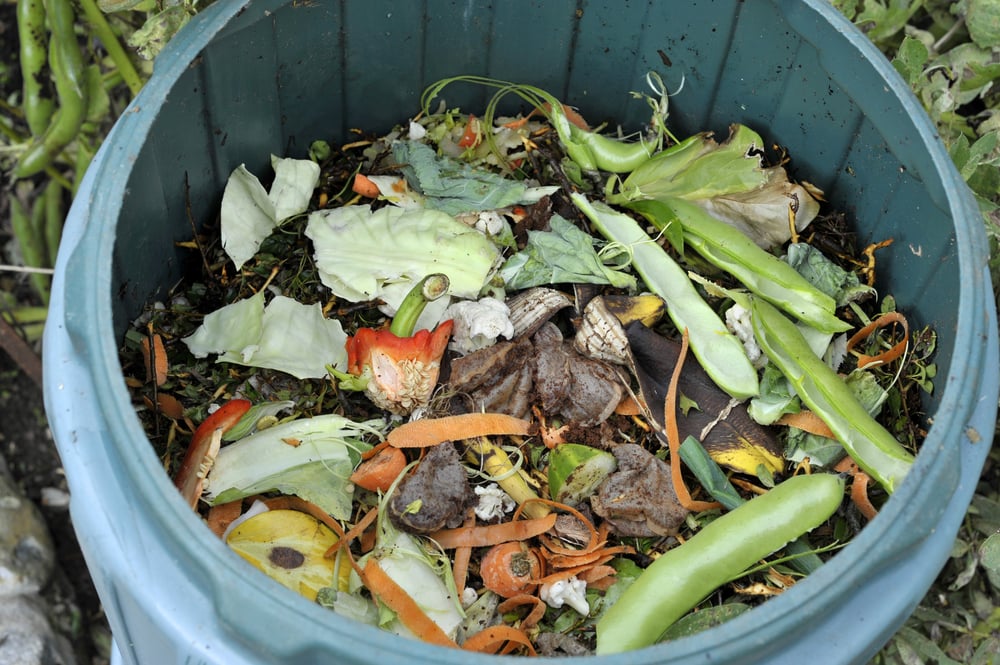
Utilizing your finished compost effectively is crucial for maximizing its benefits and enriching your garden or landscaping. Properly prepared compost provides valuable nutrients and improves soil structure, promoting healthy plant growth. This section will guide you through the process of using your finished compost and ensuring its optimal application.
Identifying Ready Compost
Finished compost exhibits certain characteristics that indicate its readiness for use. The compost should have a dark brown or black color, with a crumbly, earthy texture. It should be free of any recognizable plant material, weeds, or other contaminants. A well-developed compost pile will typically have a rich, earthy aroma, unlike the pungent smell of uncomposted material.
This signifies that the decomposition process has been completed, releasing nutrients into the soil in an accessible form.
Best Applications for Finished Compost
Compost is a versatile soil amendment with numerous applications. Its benefits extend beyond enhancing plant growth; it improves soil structure, water retention, and aeration.
- Enhancing Garden Soil: Adding finished compost to garden beds significantly improves soil fertility. It provides essential nutrients, improves drainage, and increases the soil’s water retention capacity. This results in healthier plants with stronger root systems. For example, a layer of compost incorporated into a vegetable garden bed can boost yields and improve the quality of the harvested produce.
- Improving Potting Mixes: Compost can be incorporated into potting mixes to create a rich and nutrient-enriched medium for houseplants and container gardens. This improves aeration and drainage, supporting healthy root development. For instance, incorporating compost into a cactus potting mix will help retain moisture and provide vital nutrients, fostering robust growth.
- Creating Raised Beds: Adding compost to the soil used in raised garden beds is an excellent way to enrich the growing medium. Compost enhances the soil’s texture and water-holding capacity, making it ideal for a variety of plants. For example, using compost in a raised bed dedicated to herbs will result in more robust and productive plants.
- Mulching: Applying a layer of finished compost as mulch around plants helps retain moisture, suppress weeds, and regulate soil temperature. This can significantly reduce water needs and maintain a healthy environment for your plants. For instance, mulching flowerbeds with compost will prevent moisture loss and encourage plant growth.
Storing Compost for Later Use
Proper storage is essential to maintain the quality and usability of your finished compost. Storing it in a dry, well-ventilated area protects it from moisture buildup and pests.
- Storage Containers: Using airtight containers, such as bins or barrels, can help maintain the compost’s quality and prevent contamination. Ensure the containers are made of a material that won’t absorb moisture or harbor pests.
- Location Considerations: Select a dry and sheltered location for your compost storage. Avoid areas prone to excessive moisture or direct sunlight, as these can degrade the compost’s quality. A shed or a covered area are good options.
- Avoiding Contamination: Protect your compost from pests and contaminants by storing it in a well-ventilated and sealed container. Regular inspection and cleaning can help prevent issues.
Illustrative Examples of Paper Composting
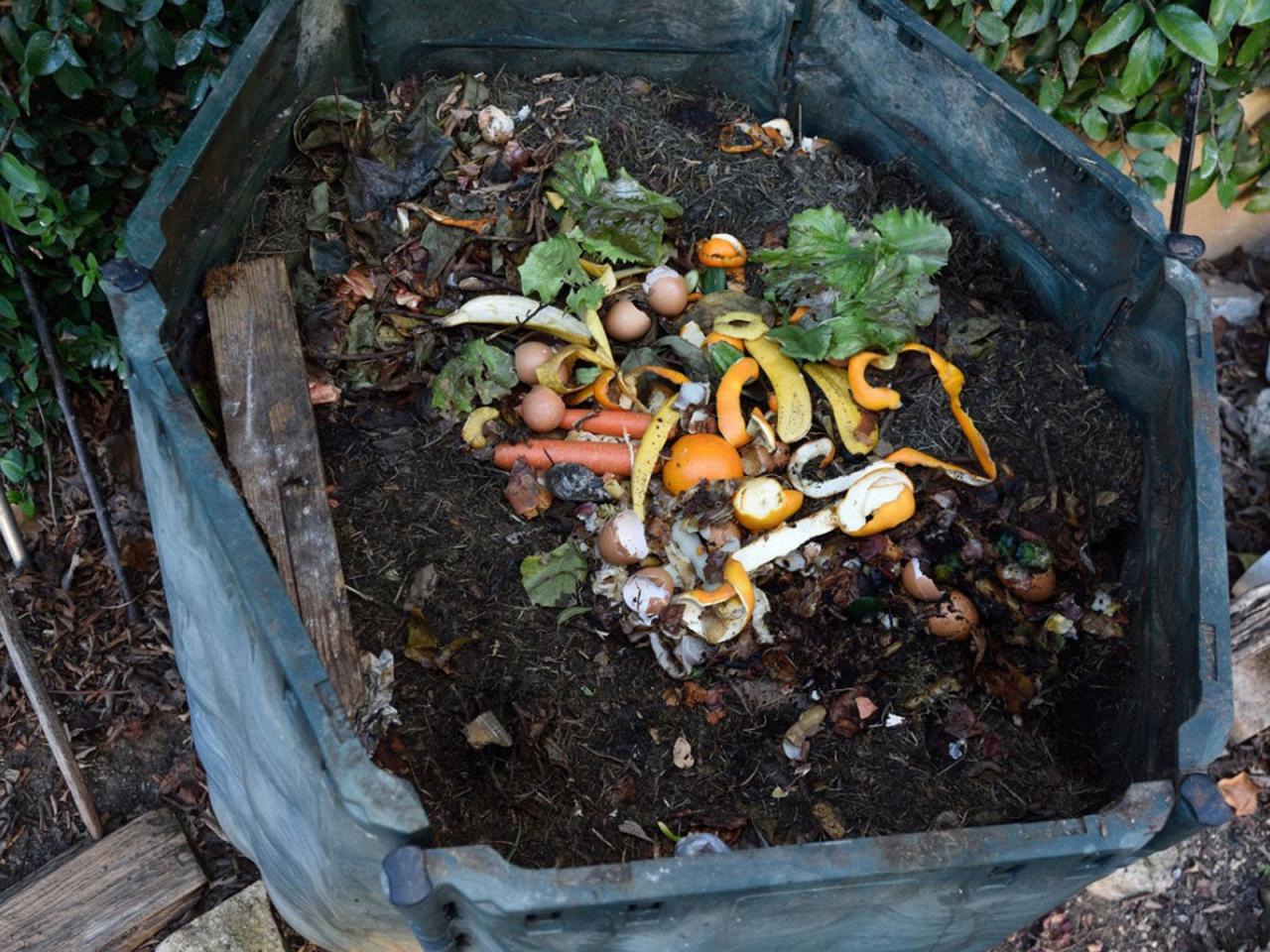
Composting paper waste is a valuable method for reducing landfill waste and creating nutrient-rich soil amendments. Successful composting depends on proper preparation, selection of suitable materials, and appropriate composting methods. The following examples demonstrate how to effectively compost paper in various environments.
Backyard Composting of Paper
Backyard composting offers a practical solution for households with sufficient space. A simple setup can be highly effective.
A backyard compost bin, preferably made of wood or a sturdy plastic material, is ideal. Ensure adequate drainage and ventilation holes to prevent moisture buildup and maintain proper aeration.
- Materials: Shredded newspaper, cardboard, and other paper products; a compost bin; water; optional: a layer of brown material (dried leaves, twigs) for better aeration.
- Preparation: Shred or tear paper into smaller pieces for faster decomposition. Layer the paper with other brown materials (carbon-rich) and green materials (nitrogen-rich) such as grass clippings or fruit and vegetable scraps. Maintain a balanced ratio of carbon to nitrogen. Water the compost pile regularly to maintain moisture, but avoid overwatering.
- Results: Regular turning and monitoring of the compost pile will expedite the decomposition process. Within several months, the paper will break down, creating a rich, dark compost that can be used to improve soil health and plant growth.
Apartment Composting of Paper
Apartment dwellers can effectively compost paper waste, though space constraints may require a smaller-scale approach.
Consider a smaller compost bin or a dedicated composting container within a kitchen or balcony area. Ensure proper ventilation and moisture control are maintained.
- Materials: Shredded paper, cardboard, and other paper products; a small compost bin or container; water; optional: a layer of brown material (shredded leaves or cardboard) for better aeration.
- Preparation: Shred paper into small pieces to facilitate faster decomposition. Layer the paper with other brown materials and avoid mixing with food scraps to minimize odors. Maintain a consistent level of moisture.
- Results: Regular turning or stirring will help speed up the composting process. With careful management, the paper will decompose into a usable compost in a relatively short time, providing a valuable addition to potted plants or indoor gardens.
Commercial Composting of Paper
Businesses can significantly reduce their waste footprint and produce valuable compost through dedicated paper composting programs.
Commercial composting systems often employ specialized equipment for large-scale composting. The setup and maintenance require careful planning and monitoring to ensure optimal results.
- Materials: Large quantities of shredded paper, cardboard, and other paper products; a commercial-grade compost bin or system; water; dedicated staff for management and maintenance.
- Preparation: Shredded paper is often the preferred material for commercial composting, facilitating rapid decomposition. Layers of brown and green materials, along with proper moisture levels, are critical for optimal results.
- Results: The resulting compost is of high quality and can be used in various landscaping and agricultural applications. These programs not only reduce waste but also create a valuable resource for businesses and communities.
Conclusive Thoughts
In conclusion, composting paper waste is a rewarding endeavor that benefits both the environment and your garden. By following the steps Artikeld in this guide, you can effectively transform paper waste into valuable compost. Remember to carefully select the appropriate paper types, prepare them meticulously, choose the right composting method, and monitor the compost pile for optimal results. This process not only reduces landfill waste but also enriches your soil, making it a valuable practice for both environmental consciousness and gardening success.