Tea bags, a ubiquitous part of daily routines, often end up in landfills. This guide provides a comprehensive approach to composting tea bags, showcasing their potential as valuable additions to your compost pile. By understanding the nuances of different tea bag types and composting methods, you can transform a seemingly insignificant item into a powerful soil enhancer.
From identifying suitable tea bag materials to optimizing composting conditions, this guide provides a step-by-step process. We’ll explore various methods, including backyard composting and vermicomposting, and offer insights into combining tea bags with other compostables for optimal results.
Introduction to Composting Tea Bags
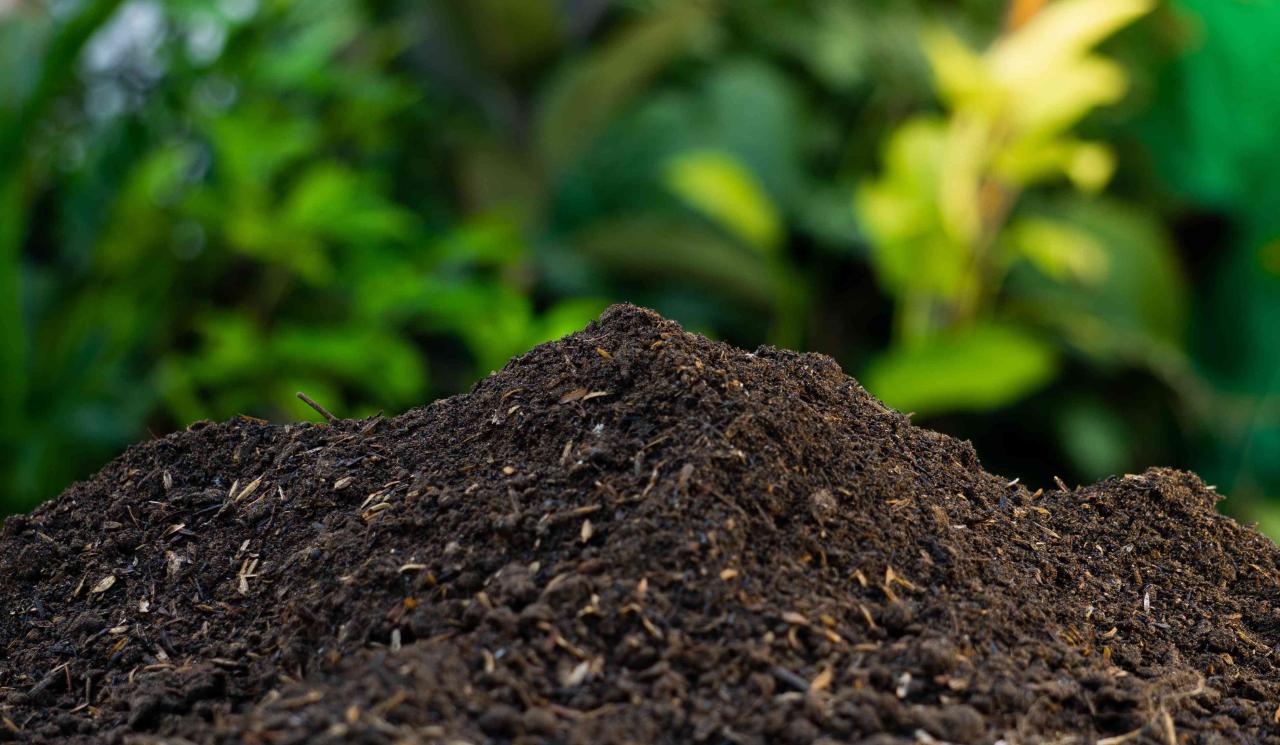
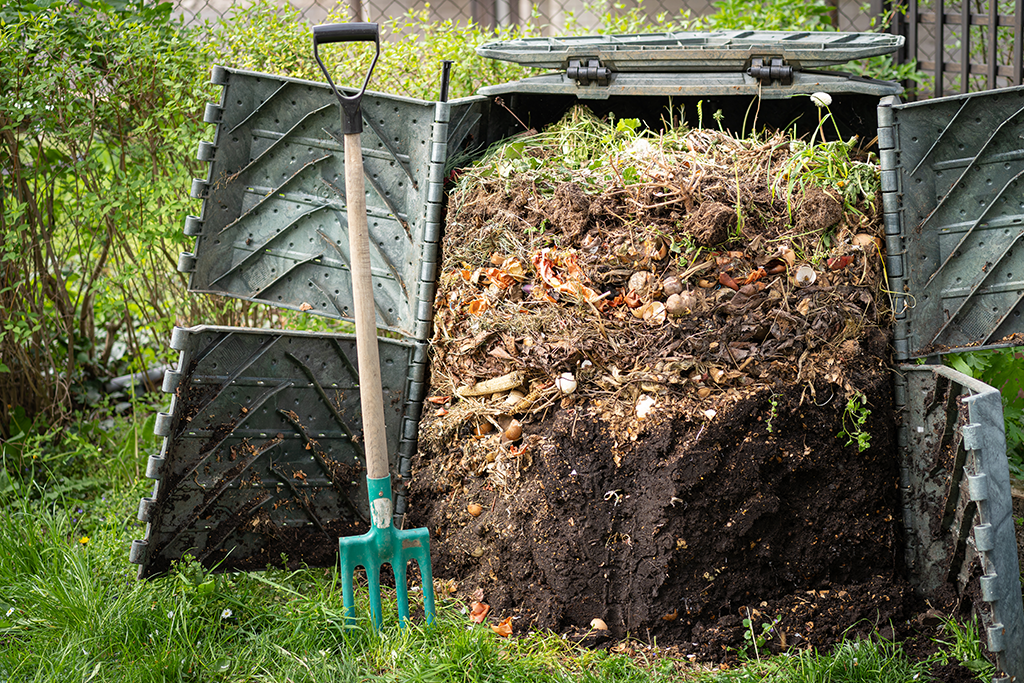
Composting tea bags is a valuable addition to any home composting system. It provides a readily available source of organic matter, enriching the soil and reducing landfill waste. However, like any composting material, tea bags have specific considerations to ensure effective decomposition and avoid potential issues. Understanding these considerations, along with the general composting process, is crucial for successful tea bag composting.The general process of composting involves creating an environment conducive to the breakdown of organic matter by microorganisms.
This breakdown process, known as decomposition, releases nutrients into the soil, improving its structure and fertility. Tea bags, being primarily composed of cellulose and other plant-based materials, are easily broken down in a composting environment. The process, however, varies depending on the specific composting method employed.
Composting Methods for Tea Bags
Different composting methods offer varying degrees of efficiency in breaking down tea bags. The optimal choice depends on factors like available space, time constraints, and desired outcomes. A crucial aspect of choosing the right method is considering the potential impact of tea bag components on the composting process.
Comparison of Composting Methods
The effectiveness of various composting methods in breaking down tea bags can be evaluated through a comparative analysis. The table below provides a summary of common composting methods and their relative performance in decomposing tea bags.
| Composting Method | Decomposition Rate (Estimated) | Advantages | Disadvantages |
|---|---|---|---|
| Cold Composting | Slow (several months to a year) | Relatively low maintenance; requires less space; suitable for smaller scale composting; uses less energy | Slower decomposition; can attract pests if not managed properly; susceptible to temperature fluctuations; potentially takes longer to achieve mature compost |
| Hot Composting | Faster (a few weeks to a few months) | Faster decomposition; more efficient use of space; reduced risk of pest attraction; produces high-quality compost; generates heat, thus promoting rapid decomposition | Requires more effort and attention to maintaining optimal temperature; needs more space and a specific setup; may require more supervision to avoid issues like overheating or moisture imbalance |
| Vermicomposting | Moderate (several weeks to a few months) | Environmentally friendly; utilizes worms for decomposition; produces nutrient-rich castings; suitable for smaller spaces; produces castings, a valuable fertilizer; good for smaller scale composting | Requires a dedicated worm bin; slower decomposition compared to hot composting; can be sensitive to fluctuations in moisture levels; might not be suitable for larger quantities of tea bags |
Cold composting is a suitable method for smaller scale tea bag composting due to its lower maintenance requirements. Hot composting is an effective option for faster decomposition, but requires more effort and attention to maintain the optimal temperature. Vermicomposting, using worms, is another environmentally friendly option.
Choosing the Right Composting Method
The optimal composting method for tea bags depends on individual needs and preferences. Consider factors like space constraints, desired decomposition rate, and available resources. Each method has unique characteristics that influence the effectiveness of tea bag decomposition. Factors like the volume of tea bags, the type of tea (e.g., black, green, herbal), and the presence of any additional components (e.g., filters, additives) can also affect the composting process.
Careful consideration of these factors ensures the most effective and environmentally friendly composting approach.
Types of Tea Bags and Their Compostability
Tea bags, a convenient way to enjoy a cup of tea, come in various forms, each with different material compositions. Understanding these variations is crucial for effective composting, ensuring that the process is environmentally sound and efficient. Different materials react differently to composting conditions, influencing the decomposition rate and overall impact on the compost.The material makeup of tea bags directly affects their suitability for composting.
Some materials readily break down in a compost environment, while others may take longer or even resist decomposition. This knowledge allows for better planning and management of the composting process, optimizing the use of resources and minimizing environmental concerns.
Types of Tea Bags
Different tea bag materials impact their compostability. A thorough understanding of these variations is essential for successful composting. Paper tea bags are generally the most readily compostable, while plastic or other synthetic materials pose greater challenges. Biodegradable options offer a compromise, but their decomposition rate may still vary.
Paper Tea Bags
Paper tea bags are often made from a combination of cellulose fibers. These fibers readily break down in a composting environment, becoming nutrients for the soil. The natural composition of the paper makes it an ideal candidate for home composting. Examples include most traditional black tea, green tea, and herbal tea bags. Proper composting conditions will ensure that the paper components will decompose quickly.
Plastic Tea Bags
Some tea bags incorporate plastic components, which may be either a lining or a structural component. These plastic components resist decomposition in standard composting environments. They can potentially persist in the compost, potentially impacting its quality and longevity. This resistance to decomposition is why it is critical to remove plastic tea bags before composting.
Biodegradable Tea Bags
Biodegradable tea bags are made from plant-based materials that are designed to break down more quickly than traditional plastics. The rate of decomposition can vary depending on the specific plant material and the composting conditions. They often have a paper exterior and a plastic or a biodegradable lining. These materials, while designed to decompose, may still take longer to break down than paper.
The presence of a plastic component, even if designed to biodegrade, might need separate handling or composting practices.
Optimal Composting Conditions
The optimal composting conditions for different tea bags can vary. High temperatures, adequate moisture, and sufficient aeration are crucial for successful decomposition. Monitoring the temperature and moisture levels within the compost pile can ensure optimal conditions for decomposition.
Compostability Table
| Tea Bag Material | Compostability | Reason |
|---|---|---|
| Paper | High | Readily decomposes into soil nutrients. |
| Plastic | Low | Resists decomposition in standard composting conditions. |
| Biodegradable | Medium | Decomposes at a faster rate than plastic but slower than paper. |
Preparing Tea Bags for Composting
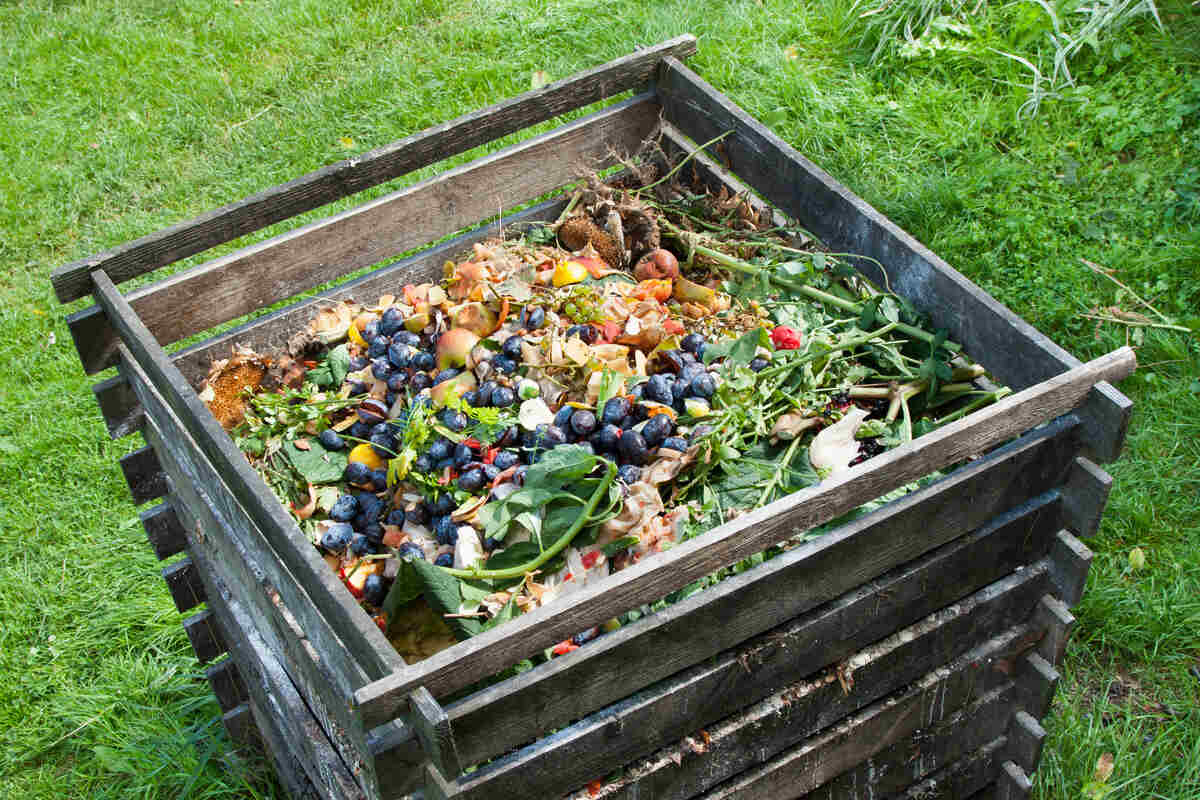
Proper preparation of tea bags is crucial for efficient composting. It ensures that these materials decompose quickly and seamlessly integrate with the compost pile, without introducing unwanted elements that could hinder the composting process or contaminate the final product. Thorough preparation minimizes potential issues and maximizes the benefits of tea bag composting.Effective preparation methods remove non-organic materials and ensure that the tea bags break down completely, contributing to a healthy and productive compost.
By following these steps, you can transform used tea bags into valuable compost, enriching your garden soil with nutrients.
Removing Non-Organic Materials
Tea bags often contain non-biodegradable materials, such as plastic or metal. Removing these elements before composting is essential for preventing contamination and ensuring the compost’s quality. Inspect each tea bag carefully for any visible non-organic materials. If present, carefully remove them using tweezers or pliers. This meticulous step ensures that only organic matter enters the compost pile.
Removing Staples or Strings
Staples and strings used to close tea bags are not biodegradable and should be removed before composting. Carefully use your fingers, tweezers, or a pair of pliers to remove staples and strings from the tea bags. This step is vital to avoid introducing non-biodegradable materials into your compost pile. Sharp objects should be handled with care to prevent injury.
Separating Tea Bags from Other Materials
Separating tea bags from other materials before composting ensures that they decompose efficiently. Sort the tea bags from other items like food scraps, yard waste, or other materials that might be present in the composting bin. Placing tea bags in a dedicated area for composting helps maintain the quality of the compost and prevents contamination. Ensure that tea bags are not mixed with items that may have a high moisture content, as this could lead to mold growth or other problems.
Cutting Tea Bags into Smaller Pieces
Cutting tea bags into smaller pieces significantly accelerates the decomposition process. Using scissors or a sharp knife, cut the tea bags into smaller, more manageable pieces. The smaller the pieces, the more surface area is exposed to the beneficial microorganisms in the compost pile, leading to faster decomposition. Cutting tea bags into smaller pieces also promotes even distribution of moisture and air within the compost.
Flowchart for Preparing Tea Bags for Composting

The above flowchart visualizes the steps involved in preparing tea bags for composting. It Artikels the key stages, from inspection to final cutting, ensuring proper handling and separation of non-organic materials. This visual guide provides a clear and concise method to effectively prepare tea bags for composting, facilitating a seamless transition into the composting process.
Composting Methods for Tea Bags
Composting tea bags effectively relies on understanding the nuances of various methods and how they impact the decomposition process. Different approaches offer varying degrees of success depending on the environmental conditions and the type of tea bag being composted. This section will delve into the specifics of different composting methods, emphasizing the crucial role of moisture, temperature, and aeration.
Backyard Composting
Backyard composting is a popular method for home gardeners. It involves creating a compost bin or pile outdoors. Properly managing moisture and temperature is essential for efficient tea bag decomposition in this setting. A balanced carbon-to-nitrogen ratio, achievable by mixing tea bags with other organic materials, is also important. Excessive moisture can lead to anaerobic conditions, hindering decomposition.
Conversely, insufficient moisture can slow down the process. Monitoring and adjusting moisture levels is critical for optimal decomposition.
Vermicomposting
Vermicomposting utilizes worms to break down organic matter. This method, often favored for its efficiency and space-saving nature, is well-suited for tea bag composting. Worms thrive in a consistently moist environment, and this moisture level plays a significant role in the decomposition rate. The decomposition process is accelerated in a vermicomposting environment, as worms are efficient at breaking down organic matter.
Ensuring sufficient airflow within the vermicomposting bin is vital. This method typically requires a more controlled environment to maintain the ideal conditions for the worms. The specific needs of the worm species used will affect the necessary moisture levels and temperature range.
Comparison of Composting Methods
| Composting Method | Decomposition Rate | Space Requirements | Maintenance Effort |
|---|---|---|---|
| Backyard Composting | Moderate | Variable | Moderate |
| Vermicomposting | High | Relatively Low | High |
Backyard composting is generally a more forgiving method. Vermicomposting requires more vigilance in maintaining ideal moisture and temperature conditions. The table above provides a general comparison, but individual results may vary based on the specific conditions of each composting setup.
Moisture and Temperature Control
The decomposition of tea bags, like other organic matter, is highly dependent on moisture and temperature. Ideal conditions for rapid decomposition typically involve a consistent, slightly damp environment and a temperature range of 130-160°F (54-71°C). Maintaining a suitable temperature and moisture level is key to accelerating the decomposition process and ensuring effective composting.
Importance of Aeration
Proper aeration is crucial in all composting methods. Adequate airflow promotes the activity of beneficial microorganisms, essential for breaking down organic materials. In backyard composting, turning the pile regularly ensures consistent aeration. In vermicomposting, ensuring sufficient airflow within the bin prevents anaerobic conditions that could harm the worms and slow down the decomposition process.
Adjusting Conditions for Different Tea Bag Types
Different types of tea bags, such as herbal or black tea bags, might have slightly varying decomposition rates. For instance, herbal tea bags, with their diverse plant-based components, might require a slightly longer composting time. Adjusting the overall compost mix to accommodate the specific type of tea bag may be necessary to optimize the composting process. For instance, incorporating additional materials like shredded cardboard or dried leaves can help maintain the proper carbon-to-nitrogen ratio, which is important for efficient decomposition.
Generally, maintaining consistent moisture and temperature is crucial regardless of the type of tea bag being composted.
Common Issues and Troubleshooting
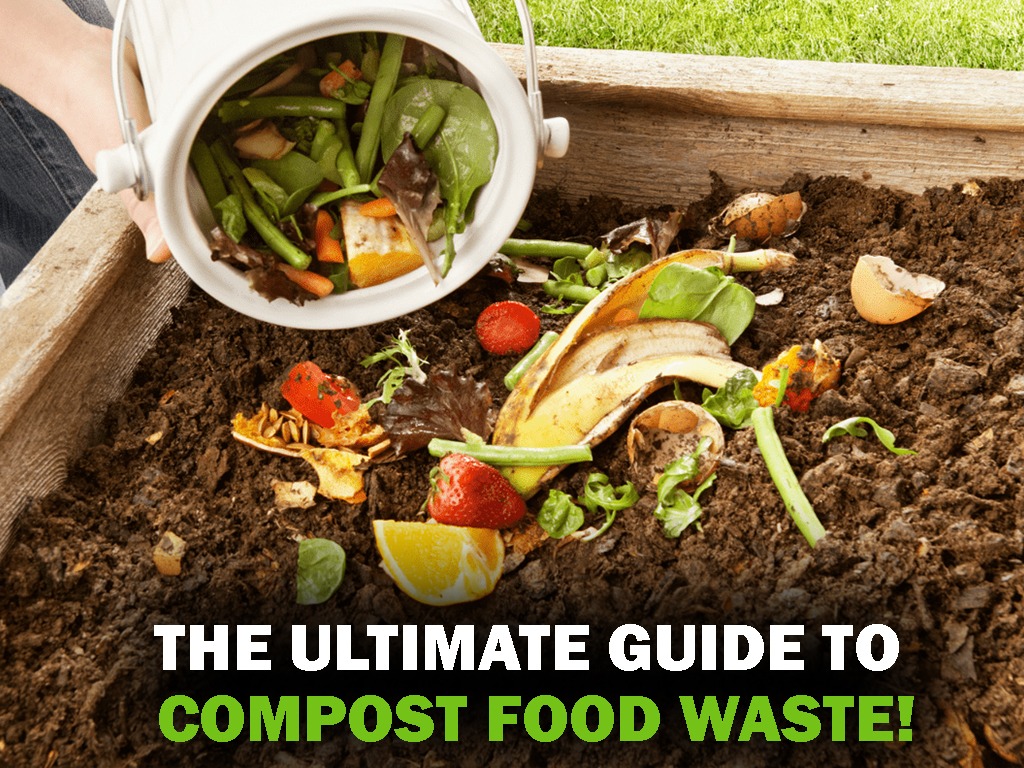
Composting tea bags, while generally straightforward, can present some challenges. Understanding potential problems and their solutions is crucial for successful composting. Proper preparation and consistent monitoring are key to a healthy compost pile that efficiently breaks down tea bags and other organic materials.Troubleshooting issues related to tea bags in a compost bin allows for adjustments to ensure the composting process runs smoothly and avoids unwanted consequences.
Addressing these problems effectively optimizes the process, leading to high-quality compost.
Potential Problems During Tea Bag Composting
Tea bags, while generally compostable, can sometimes cause problems if not handled correctly. Improper preparation, inadequate composting conditions, or external factors can lead to delays in decomposition or even undesirable outcomes. Knowing the potential issues and how to address them can significantly improve the efficiency of your composting process.
Mold and Pests
Mold or pests appearing in a compost pile containing tea bags can indicate a problem with moisture content, aeration, or temperature. High moisture levels or inadequate aeration create ideal conditions for mold and pest growth. Regular monitoring of the compost pile’s temperature, moisture level, and structure is essential to prevent these issues. Addressing the moisture content, providing proper aeration, and maintaining the optimal temperature range for the compost pile will effectively mitigate these problems.Maintaining a consistent moisture level is key to preventing mold growth.
The compost should be consistently moist, like a damp sponge, not soggy. Improper moisture control can create an environment conducive to mold and pest proliferation. Ensure adequate aeration by turning or mixing the compost pile regularly. This allows for better oxygen circulation, hindering the growth of mold and pests.If mold or pests are already present, carefully remove any affected tea bags and other contaminated materials from the compost pile.
Dispose of the contaminated materials appropriately. Adjust the moisture content and aeration of the remaining compost to discourage further growth. In some cases, adding more brown materials (carbon-rich) to the compost pile can help balance the moisture content. Observing the composting process and making necessary adjustments will aid in preventing future issues.
Odors from Tea Bags
Unpleasant odors emanating from the compost pile can stem from several factors, including improperly managed moisture levels or an imbalance of carbon-rich and nitrogen-rich materials. Improperly composted tea bags can sometimes lead to unpleasant odors. Maintaining the right balance of materials in the compost pile, along with appropriate moisture levels, is essential to preventing such issues.Ensure the compost pile is consistently moist but not overly saturated.
An excessively wet compost pile can lead to anaerobic decomposition, producing unpleasant odors. Regular turning or mixing of the compost pile improves aeration, facilitating the decomposition process and minimizing odors. Adding carbon-rich materials, like dried leaves or wood chips, can help balance the moisture content and prevent odors.
Troubleshooting Steps for Tea Bag Composting
- Check Moisture Level: Ensure the compost pile is consistently moist, like a damp sponge. Avoid excessive moisture, which can lead to mold and odors.
- Maintain Proper Aeration: Regularly turn or mix the compost pile to improve oxygen circulation. This prevents anaerobic decomposition and associated odors.
- Balance Carbon and Nitrogen Ratios: Ensure a proper balance between carbon-rich and nitrogen-rich materials. Adding more carbon-rich materials can help balance moisture content and prevent odors.
- Monitor Temperature: Maintain the appropriate temperature range for composting to prevent mold and pest growth.
- Remove Affected Materials: If mold or pests appear, carefully remove the affected tea bags and other contaminated materials from the compost pile and dispose of them appropriately.
- Adjust Composting Method: If problems persist, consider adjusting your composting method to better suit your specific conditions. This may involve adjusting the moisture, aeration, or the balance of materials in the compost pile.
Combining Tea Bags with Other Compostables
Composting tea bags effectively relies on careful selection of companion materials. Proper combination ensures a healthy and balanced compost pile, accelerating decomposition and minimizing unpleasant odors. Combining tea bags with other suitable organic materials enhances the composting process and creates a rich, nutrient-rich end product.Careful consideration of the materials mixed with tea bags is essential to avoid creating unpleasant smells, inhibiting decomposition, or even damaging the compost.
The key is to understand the best pairings to optimize the composting process, and to avoid combinations that could create problems.
Optimal Combinations for Composting
A well-balanced compost pile needs a good mix of carbon-rich and nitrogen-rich materials. Tea bags, being primarily nitrogen-rich, benefit from the addition of carbon-rich materials like dried leaves, shredded paper, or wood chips. This balance accelerates decomposition and prevents the pile from becoming overly wet or smelly.
Avoiding Incompatible Materials
Certain materials are not suitable for composting alongside tea bags. Meat scraps, dairy products, oily foods, and pet waste should be avoided, as these can attract pests, produce unpleasant odors, and hinder the composting process. Similarly, diseased plant material should not be added to the compost, as it may introduce pathogens into the pile.
Maintaining Carbon-Nitrogen Balance
The ideal carbon-to-nitrogen (C:N) ratio for composting is generally between 25:1 and 30:
1. A higher C
N ratio can slow down decomposition, while a lower ratio can lead to unpleasant odors. Tea bags are relatively high in nitrogen, thus requiring a significant amount of carbon-rich materials to balance the compost pile. Understanding the C:N ratio is critical for success in composting.
Table of Optimal Combinations
| Tea Bags | Optimal Companion Materials | Rationale |
|---|---|---|
| Black tea bags | Shredded paper, dried leaves, wood chips | Provides a good balance of nitrogen and carbon, promoting decomposition. |
| Green tea bags | Shredded cardboard, twigs, straw | Offers a similar balance as black tea bags, suitable for a variety of composting environments. |
| Herbal tea bags | Dried flowers, vegetable scraps (excluding oily/meat), shredded newspaper | Complements the herbal components and promotes a balanced compost. |
| Fruit/Vegetable Tea Bags | Dried fruit, vegetable scraps (excluding oily/meat), cardboard | Provides a source of nutrients from the fruits/vegetables, while ensuring a balanced compost. |
By following these guidelines, you can effectively compost tea bags and other organic materials, creating a rich and healthy compost for your garden. The proper combination of materials is crucial for a successful composting experience.
Long-Term Composting and Benefits
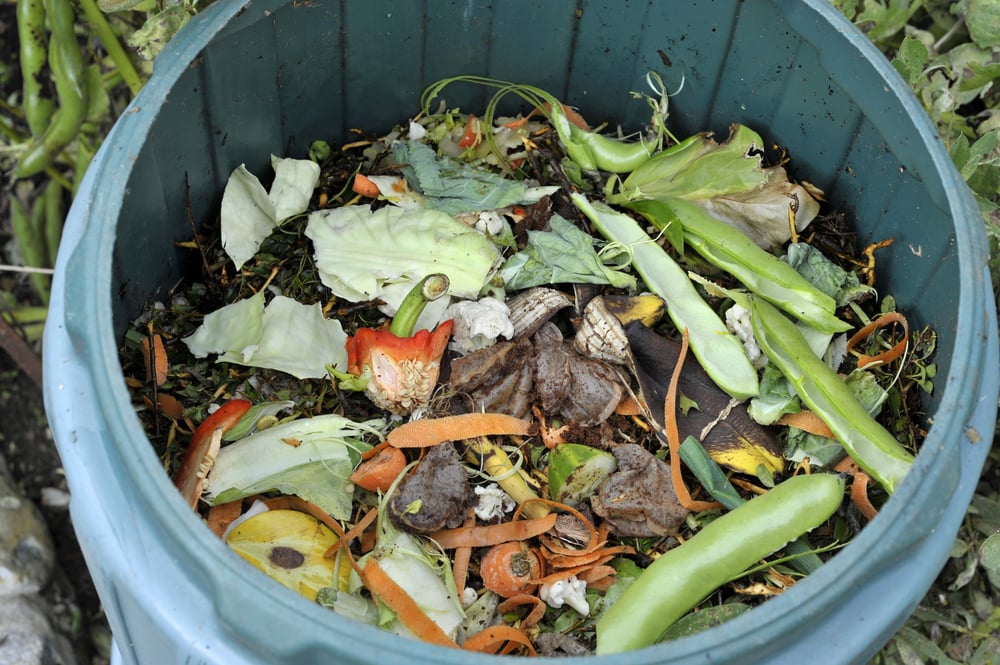
Composting tea bags, like other organic materials, contributes significantly to the long-term health and fertility of your garden soil. The process of decomposition transforms the tea bag material into valuable nutrients that benefit plant growth and overall soil structure. Understanding these long-term effects allows gardeners and landscapers to make informed decisions about incorporating composted tea bags into their practices.
Long-Term Effects on Compost
The decomposition of tea bags in compost involves a complex series of biological processes. Microorganisms break down the cellulose and other organic components, releasing essential nutrients such as nitrogen, phosphorus, and potassium into the compost. This process also generates heat, which aids in the further breakdown of organic matter and accelerates the composting process. Over time, the tea bags, along with other materials, decompose into a dark, crumbly, nutrient-rich compost.
Improved Soil Quality
Composted tea bags significantly enhance soil quality by contributing to its structure and nutrient content. The breakdown products of the tea bags improve soil aeration, water retention, and drainage. This creates an optimal environment for plant roots to grow and thrive. The organic matter in composted tea bags also helps to bind soil particles together, improving soil structure and preventing erosion.
Advantages in Gardening and Landscaping
Incorporating composted tea bags into gardening and landscaping practices offers several advantages. Improved soil structure and fertility lead to healthier plants with increased resistance to diseases and pests. The enhanced water retention properties of the composted soil reduce the need for frequent watering, saving time and resources. Moreover, the addition of nutrients from the composted tea bags reduces the need for chemical fertilizers, promoting environmentally conscious gardening practices.
Environmental Benefits
Composting tea bags is a valuable way to reduce waste and promote sustainable practices. By diverting tea bags from landfills, we lessen the environmental impact of these materials. Landfills contribute to methane emissions, a potent greenhouse gas. Composting tea bags reduces this impact, contributing to a cleaner environment and a more sustainable future. This practice directly supports environmental conservation efforts by minimizing waste generation.
Waste Reduction and Sustainable Practices
Composting tea bags is a straightforward way to reduce waste and support sustainable practices. This simple act of composting tea bags promotes a circular economy, transforming waste into a valuable resource. The composted tea bags enrich the soil, reduce the need for chemical fertilizers, and contribute to a healthier environment. Furthermore, it promotes responsible consumption habits, encourages mindful waste management, and contributes to a more sustainable lifestyle.
Conclusive Thoughts
In conclusion, composting tea bags is a straightforward and rewarding process that contributes to a more sustainable lifestyle. By understanding the specific requirements of different tea bag types and composting methods, you can effectively transform tea bags into valuable soil amendments. This guide provides a practical framework for embracing this environmentally conscious practice, ultimately reducing waste and enriching your garden.