Transforming outdated furniture into functional and stylish pieces is an eco-friendly and cost-effective approach. This guide provides a comprehensive overview of how to reuse old furniture, from assessing its condition to selecting the right materials and techniques for repurposing. Learn practical steps for evaluating structural integrity, discovering creative reuse ideas, and implementing safe DIY techniques to achieve stunning transformations.
From dressers to desks, the possibilities are endless! This guide details how to repurpose furniture for various spaces, including bedrooms, living rooms, and kitchens, offering practical advice for maximizing space and creating unique storage solutions. We will also delve into the environmental impact of different materials and explore safe handling procedures.
Assessing Existing Furniture
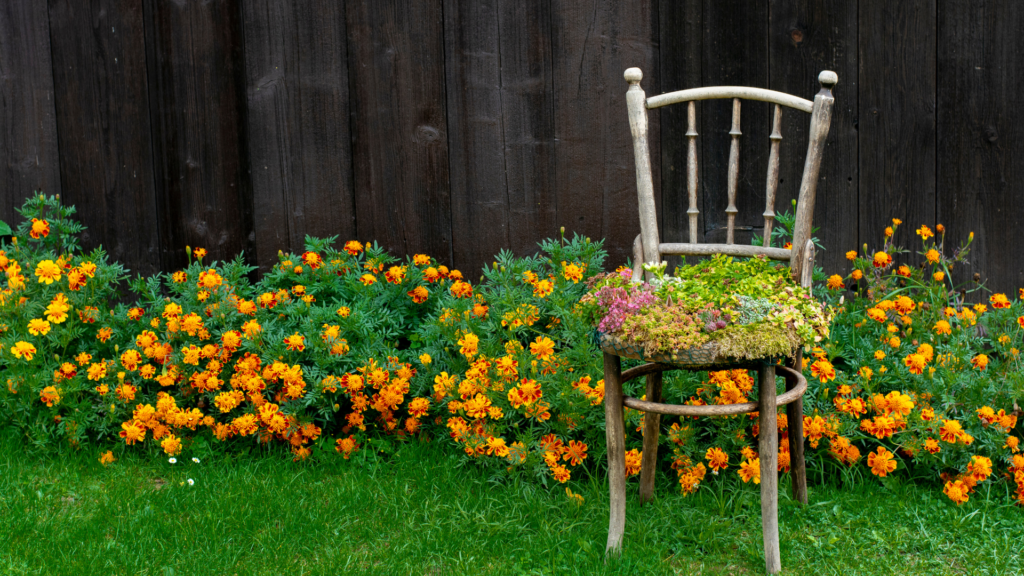
Thorough assessment of existing furniture is crucial for successful reuse. Understanding its condition and potential for repurposing helps avoid costly mistakes and ensures responsible resource management. Proper evaluation ensures the longevity and functionality of the repurposed item.Careful examination of existing furniture reveals its suitability for various reuse scenarios. Identifying structural integrity, damage, and wear allows for informed decisions about the furniture’s future.
By understanding its current state, one can plan appropriate repairs or modifications.
Identifying Damage, Wear, and Tear
Careful visual inspection is the first step in evaluating furniture condition. Look for signs of damage, such as cracks, dents, splinters, or loose joints. Assess the extent of wear and tear on surfaces, including scratches, scuffs, or fading on upholstery. Note the overall condition of the furniture, including the state of its finish, fabric, and hardware. A detailed visual inspection can reveal any pre-existing damage.
Determining Structural Integrity
Assessing the structural integrity of furniture is paramount. For wooden furniture, examine joints, supports, and the overall stability of the frame. Look for any signs of warping, twisting, or loosening of components. For metal furniture, check for rust, dents, or any weakening of the metal structure. Fabric upholstery should be examined for signs of tearing, stretching, or damage that could affect its structural integrity.
Inventorying Furniture Items
A comprehensive inventory is essential for managing and planning the reuse of furniture. This involves creating a detailed record of each piece of furniture, including its type, dimensions, condition, and potential reuse scenarios. Photographs or videos of each item can be helpful for documentation. The inventory should also include any identifying markings or labels that might be useful for tracking.
This step ensures that each piece is accurately accounted for.
Reuse Scenarios for Different Furniture Types
| Furniture Type | Potential Reuse Scenarios |
|---|---|
| Wooden Chairs | Repurposing as decorative accents, crafting unique headboards, using as outdoor seating, creating children’s furniture, or using as a small shelf. |
| Metal Cabinets | Transforming into storage units, creating display stands, repurposing as shelves, converting into bar carts, or using as decorative accent pieces. |
| Fabric Sofas | Reupholstering with new fabric, converting into sectionals, using as daybeds, using as outdoor seating, or creating decorative wall hangings. |
| Wooden Tables | Repurposing as coffee tables, using as dining tables, converting into desks, using as a display or serving station, or using as a plant stand. |
| Metal Bed Frames | Repurposing as a base for a new mattress, using as a platform for a unique bed design, repurposing into decorative accent pieces, or creating a unique storage solution. |
Creative Reuse Ideas
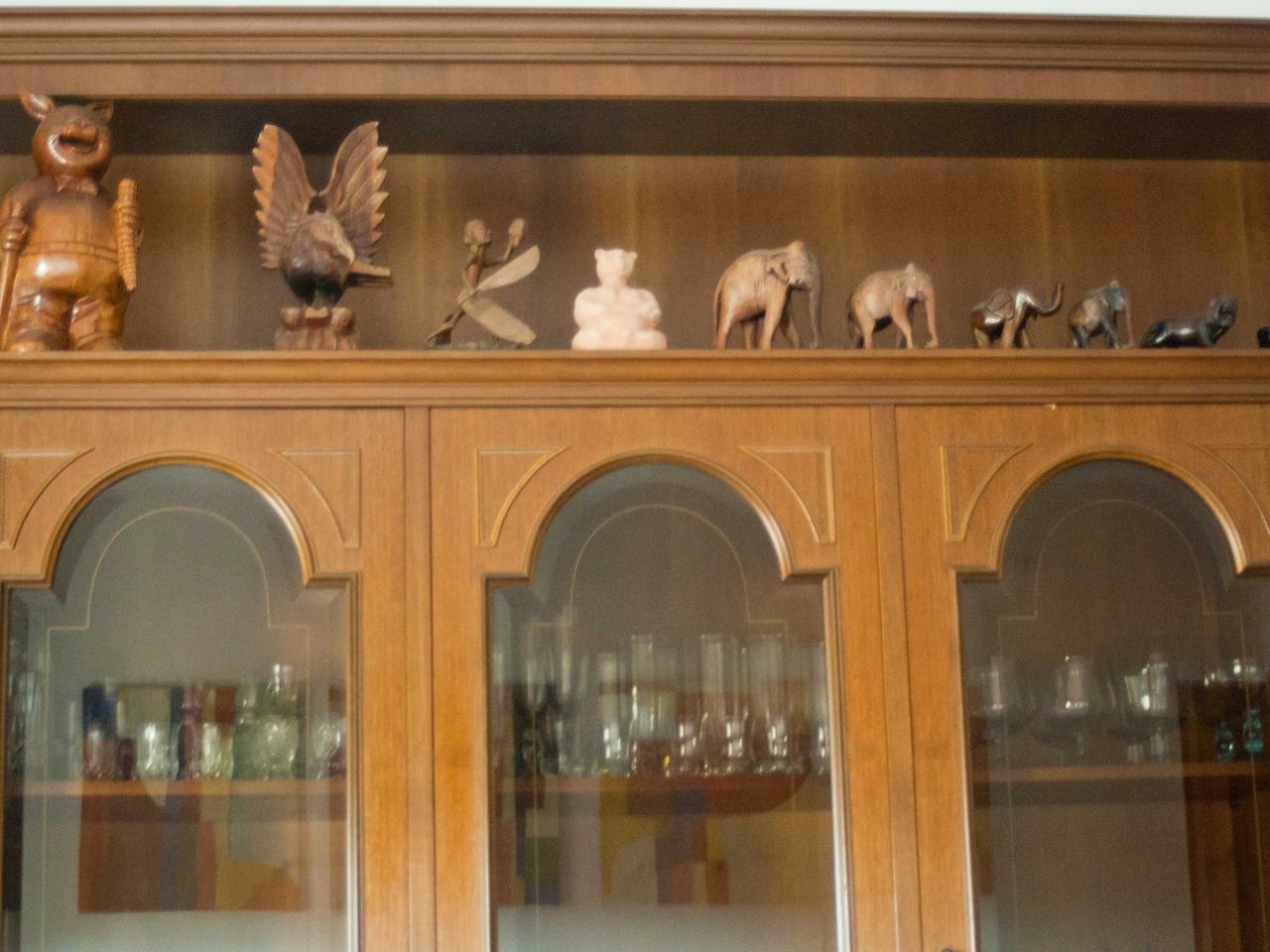
Transforming old furniture into something new and useful is a rewarding experience. It not only extends the lifespan of valuable items but also allows for a unique expression of personal style. This process often requires creativity and resourcefulness, but the results can be quite satisfying.Repurposing old furniture allows for a fresh perspective on design, often leading to more personalized and unique pieces that fit specific needs.
It’s a sustainable practice that reduces waste and conserves resources. By applying innovative ideas and using various materials, old furniture can be reborn into something extraordinary.
Furniture Transformation Techniques
A wide array of techniques can be applied to breathe new life into old furniture. These methods allow for both functional and aesthetic enhancements. Careful consideration of the original piece’s structure and its intended use is crucial to the success of the transformation.
Material Applications in Repurposing
Materials play a vital role in the repurposing process. Choosing the right materials can significantly impact the final look and functionality of the transformed piece. Various options are available, ranging from readily accessible to more specialized choices.
- Paint is a versatile material that can completely alter the appearance of a piece. Different colors and finishes can create a wide range of aesthetics. For example, a faded dresser can be transformed into a modern statement piece with a bold, glossy paint job. Adding a layer of polyurethane can enhance durability and provide a protective barrier against scratches and wear.
- Fabric, such as upholstery fabric, can add a layer of warmth and texture to a piece. Dramatically changing the look of a piece of furniture can be achieved by covering the surfaces with fabric. An old desk, for instance, can be repurposed into a stylish vanity by covering the top with a decorative fabric and adding drawer pulls.
- Wood can be used to repair or enhance the original structure. Adding wood accents or creating new elements can strengthen and customize a piece. For instance, an old table can be given new legs made of reclaimed wood to give it a rustic charm.
Adapting Functionality
Adjusting the functionality of old furniture is crucial for making it suitable for its new intended use. This involves considering the specific needs and the space where the repurposed piece will be used.
- Modifying existing drawers or creating new ones can significantly enhance the functionality of a piece. For example, a dresser can be converted into a bookshelf by removing drawers and installing shelves, ensuring proper support for the books.
- Adding new hardware, such as handles or knobs, can also enhance the functionality of a piece. For instance, replacing outdated drawer pulls on a chest of drawers with modern handles can modernize the piece.
Examples of Furniture Transformations
The following table presents examples of furniture transformations, showcasing the “before” and “after” appearances of the pieces. These examples demonstrate the versatility of repurposing old furniture.
| Before | After | Description |
|---|---|---|
| A worn-out wooden desk with chipped paint and outdated hardware. | A stylish vanity with a fresh coat of paint, a decorative fabric covering the top, and new, modern drawer pulls. | The desk was transformed into a vanity by covering the top with a patterned fabric, and replacing the old hardware with new, modern handles. The desk’s existing structure was preserved, and the new paint color gave it a modern look. |
| A large, outdated dresser with worn-out drawers. | A functional bookshelf with custom-built shelves and a fresh coat of paint. | The dresser’s drawers were removed, and custom shelves were installed to accommodate books. The dresser’s structure was preserved, but the new shelves gave it a new function as a bookshelf. |
DIY Repurposing Techniques
Transforming old furniture into something new and beautiful requires careful consideration and practical techniques. This section details various DIY methods to revitalize pieces, from simple surface treatments to more complex structural repairs. These methods are designed to enhance the aesthetic appeal and functionality of your existing furniture.Effective repurposing involves not only the selection of appropriate techniques but also a meticulous approach to the entire process.
A phased approach, beginning with assessing the existing condition and then choosing suitable techniques, maximizes the success of the project.
Sanding and Refinishing
Proper sanding is crucial for preparing furniture for a fresh coat of paint or stain. Start by removing any existing finish with a coarse-grit sandpaper (e.g., 80-grit). Gradually progress to finer grits (e.g., 120-grit, 180-grit) to achieve a smooth surface. Sanding should be done in the direction of the wood grain to minimize the risk of creating noticeable scratches.
Always wear a dust mask to prevent inhalation of wood dust. After sanding, thoroughly clean the surface to remove any remaining dust particles. This prepares the furniture for a new finish.
Painting, Staining, and Distressing
Applying a fresh coat of paint or stain can significantly alter the appearance of furniture. When painting, choose a quality paint specifically designed for furniture. Apply thin coats, allowing each to dry completely before applying the next. For a more rustic or aged look, distressing techniques can be employed. These techniques include sanding off some of the paint in specific areas to reveal the underlying wood, creating a weathered appearance.
For staining, select a stain that complements the desired aesthetic and matches the wood’s natural tone. Apply the stain in a thin, even coat, following the grain of the wood.
Upholstery Techniques
Revitalizing old furniture often involves reupholstering. This involves removing the old fabric and replacing it with a new material. If the frame is sound, carefully remove the old fabric, ensuring to retain any hardware or attachments. Choose a fabric that matches the style of the piece and your desired aesthetic. Ensure the new fabric is properly secured to the frame using appropriate tools and techniques.
Consider using tacks, staples, or other upholstery fasteners depending on the fabric and the furniture’s design.
Repairing Broken Furniture Parts
Broken furniture parts can often be repaired rather than replaced, saving both money and resources. Assess the extent of the damage. For minor cracks, wood filler can be used to fill the gaps. Allow the filler to dry completely and then sand the area smooth. For more significant damage, consider using wood glue and reinforcing pieces with wood dowels or screws.
Ensure proper clamping and drying time to guarantee a strong repair. If the damage is extensive, consider replacing the damaged part entirely.
Tools and Materials for Repurposing Tasks
| Task | Tools | Materials |
|---|---|---|
| Sanding | Sandpaper (various grits), sanding block, dust mask | Wood filler, wood glue, screws, dowels, varnish, paint, stain, fabric |
| Painting | Paintbrushes, rollers, drop cloths, paint trays | Primer, paint, sealant, sandpaper, masking tape |
| Staining | Paintbrushes, stain applicator, drop cloths | Stain, wood conditioner, sandpaper, protective sealant |
| Upholstery | Staple gun, upholstery tacks, hammer, measuring tape | New fabric, batting, upholstery tacks, screws |
| Repairing | Screwdrivers, pliers, clamps, wood glue | Wood filler, wood glue, screws, dowels, sandpaper |
Repurposing for Specific Spaces

Repurposing old furniture offers a fantastic opportunity to breathe new life into existing pieces and tailor them to the specific needs and aesthetics of different rooms. This process can be both cost-effective and environmentally conscious, minimizing waste and maximizing the value of your belongings. Adapting old furniture can create unique storage solutions and personalized touches, transforming ordinary spaces into extraordinary ones.By thoughtfully considering the layout, function, and style of each room, we can effectively repurpose furniture to optimize space and achieve a cohesive design.
Careful planning is key to maximizing the potential of each piece and creating a harmonious living environment.
Bedroom Repurposing
Repurposing furniture in a bedroom often focuses on creating efficient storage solutions and a cohesive aesthetic. A sturdy dresser can be transformed into a nightstand with the addition of new hardware and a fresh coat of paint. Old chairs can be repurposed as decorative accents or as additional seating. Transforming an old chest of drawers into a stylish bedside table is an excellent example of creative repurposing in a bedroom.
Living Room Repurposing
Living rooms frequently benefit from furniture repurposing to enhance seating areas, storage, and entertainment zones. An antique coffee table can be given a new lease on life by refinishing it and adding a modern design element. Old bookshelves can be adapted to create a custom entertainment center, adding unique storage solutions for media and décor.
Kitchen Repurposing
Kitchen spaces often require functional and aesthetically pleasing storage solutions. An old cabinet can be transformed into a unique pantry or spice rack. A repurposed dresser can be transformed into a stylish countertop or island, adding extra workspace.
Repurposing for Small Spaces
Optimizing space is crucial in small living areas. Consider using foldable or stackable furniture to maximize space utilization. Convert a tall cabinet into a multi-tiered storage unit by adding shelves or drawers. Mirrors can be strategically placed to visually expand the room, making it appear larger.
Creating Unique Storage Solutions
Repurposing furniture to create unique storage solutions adds a personal touch and functionality to any room. A vintage trunk can be transformed into a stylish ottoman with storage underneath. An old ladder can be transformed into a unique wall-mounted storage solution. Repurposed wooden crates can be utilized as decorative and functional storage units.
Outdoor Furniture Repurposing
Outdoor spaces offer unique opportunities for furniture repurposing. An old wooden table can be refinished and used as a patio table. An old dresser can be converted into a unique outdoor storage cabinet. Consider weatherproofing measures when repurposing furniture for outdoor use to ensure longevity.
Tailoring Furniture to Suit Specific Needs and Styles
Furniture repurposing allows for tailoring pieces to meet specific needs and styles. A repurposed desk can be adapted to serve as a home office workstation. A dresser can be transformed into a unique vanity. Transforming a vintage wardrobe into a custom shelving unit showcases creativity and functionality.
Furniture Repurposing Ideas for Different Rooms
| Room | Repurposing Idea | Description |
|---|---|---|
| Bedroom | Dresser to Nightstand | Transforming a dresser into a stylish bedside table with new hardware and paint. |
| Living Room | Antique Coffee Table | Refurbishing an antique coffee table and adding modern design elements. |
| Kitchen | Cabinet to Pantry | Converting an old cabinet into a unique pantry or spice rack. |
| Small Space | Foldable Furniture | Maximizing space by using foldable or stackable furniture. |
| Outdoor | Wooden Table to Patio Table | Refurbishing a wooden table and using it as a patio table. |
Choosing the Right Materials
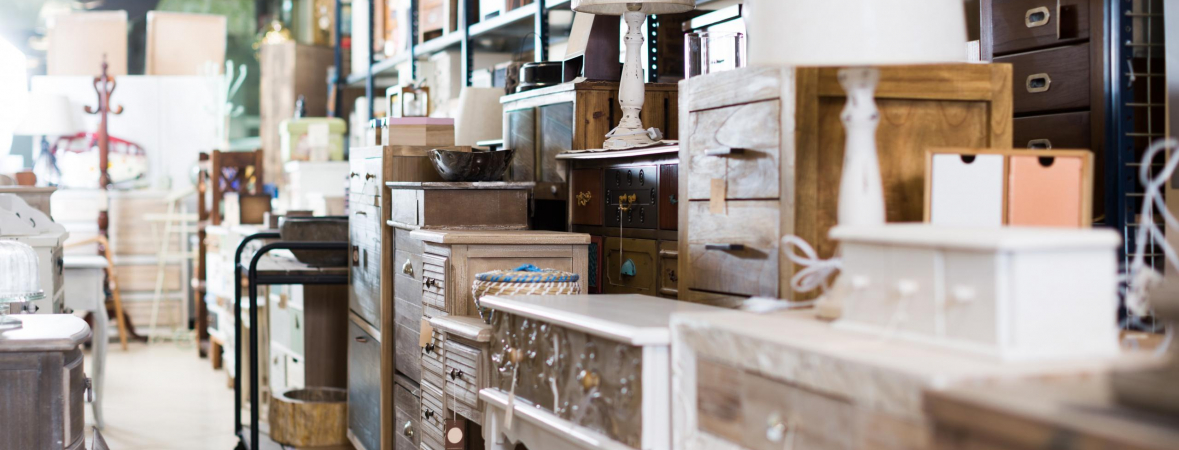
Selecting appropriate materials is crucial for successful furniture repair and repurposing projects. The choice of material directly impacts the longevity, aesthetic appeal, and environmental footprint of the finished piece. Understanding the properties of different materials and their suitability for various applications is paramount. This section will guide you through the decision-making process, ensuring you select the right materials for your project.
Comparing Materials for Furniture Repair
Different materials offer varying advantages and disadvantages for repair and reuse projects. Wood, metal, fabric, and plastic each have unique characteristics affecting durability, aesthetics, and cost. Choosing the right material is essential for a successful outcome.
- Wood: Wood is a classic choice for furniture, offering a wide range of tones, textures, and possibilities for intricate designs. Its natural beauty lends itself to both traditional and modern styles. However, wood requires careful maintenance and can be susceptible to damage from moisture and pests.
- Metal: Metal, such as steel or iron, provides strength and durability, making it suitable for sturdy furniture components. Metal frames can be easily painted or stained to match existing décor, allowing for versatility. However, metal can be heavy and may require specialized tools for repair or modification.
- Fabric: Fabric is often used for upholstery and cushions, offering a wide array of textures, patterns, and colors. Choosing the right fabric is crucial for comfort and aesthetic appeal. However, fabrics can be susceptible to wear and tear and require specialized cleaning methods.
- Plastic: Plastic is a relatively inexpensive and readily available material. It can be molded into various shapes and used for both structural components and decorative accents. However, plastic may not have the same durability as wood or metal and can be more difficult to repair or refinish.
Choosing Paint, Stain, or Other Finishes
Selecting the right finish for your repurposed furniture is critical for both its longevity and visual appeal. Consider factors such as the material’s existing condition, desired aesthetic, and the intended use of the piece.
- Paint: Paint can transform the appearance of furniture, offering a wide range of colors and finishes. Choosing the right type of paint (e.g., latex, oil-based) is essential for achieving the desired outcome. Oil-based paints offer a more durable finish but can have a stronger odor and take longer to dry.
- Stain: Stain enhances the natural beauty of wood, emphasizing its grain and color. Different stains offer varying levels of transparency and depth. Selecting the right stain will preserve the wood’s natural character while enhancing its visual appeal.
- Other Finishes: Other finishes include varnish, lacquer, or polyurethane. These offer additional protection and durability to the furniture, enhancing its longevity. The choice depends on the specific needs and desired aesthetics of the project.
Safety Precautions When Using Materials
Safety should be a top priority throughout any furniture repurposing project. Following proper safety protocols while working with different materials is crucial to prevent injuries and ensure a smooth process.
- Dust Masks: When sanding wood or working with other materials that produce dust, use a dust mask to prevent respiratory issues.
- Eye Protection: Always wear safety glasses to protect your eyes from flying debris or chemical splashes.
- Gloves: Wear appropriate gloves to protect your hands from chemical exposure or sharp edges.
- Ventilation: Ensure proper ventilation when using paints, stains, or other finishes to avoid inhaling harmful fumes.
Environmental Impact of Materials
The environmental impact of materials should be considered when choosing options for furniture repurposing. Opting for sustainable materials and minimizing waste contributes to a more eco-friendly approach.
- Recycled Materials: Prioritizing the use of recycled materials helps conserve resources and reduce waste. Repurposing old wood or metal from scrap yards is a good example.
- Locally Sourced Materials: Locally sourced materials can minimize transportation emissions and support local businesses.
- Recyclable Materials: Select materials that can be easily recycled or repurposed at the end of their lifecycle. This will minimize waste generation and environmental impact.
Choosing Sustainable Materials
Sustainable materials are essential for eco-friendly furniture reuse projects. Prioritizing materials with low environmental impact contributes to a more responsible approach.
- Assess the material’s origin and production process. Verify if the material comes from sustainable sources and was produced using environmentally friendly practices.
- Evaluate the material’s recyclability and reusability. Prioritize materials that can be easily recycled or repurposed to minimize waste generation.
- Consider the material’s longevity. Opt for materials that are durable and long-lasting to reduce the need for frequent replacements.
Pros and Cons of Different Materials
The table below highlights the advantages and disadvantages of various materials for furniture repurposing projects.
| Material | Pros | Cons |
|---|---|---|
| Wood | Natural beauty, diverse options, relatively easy to work with | Susceptible to damage, requires maintenance, can be heavy |
| Metal | Strength, durability, versatility, repairability | Can be heavy, specialized tools may be needed, can be costly |
| Fabric | Wide range of patterns, colors, textures, relatively affordable | Susceptible to wear, can be difficult to repair, requires specialized care |
| Plastic | Inexpensive, readily available, moldable | Limited durability, can be difficult to repair, may not be aesthetically pleasing |
Safety Considerations
Repurposing old furniture can be a rewarding and environmentally friendly endeavor, but it’s crucial to prioritize safety throughout the process. Understanding potential hazards and implementing preventative measures will ensure a safe and enjoyable experience for both the DIY enthusiast and anyone using the repurposed item. This section highlights key safety considerations for working with old furniture and repurposing it for new uses.
Protecting Yourself from Hazards
Careful handling of old furniture is essential to prevent injuries. Old furniture may contain hidden dangers, such as splinters, sharp edges, or loose nails. These can cause cuts, scrapes, and other injuries. Taking preventative measures is vital to ensure a safe work environment.
- Wear appropriate protective gear, such as gloves, safety glasses, and closed-toe shoes, when handling old furniture. This will protect your hands, eyes, and feet from potential hazards.
- Inspect the furniture thoroughly for any loose or protruding nails, screws, or splinters. Use pliers or a hammer to carefully remove any loose or protruding fasteners. Sand down any rough edges or splinters to make the furniture safer.
- When working with power tools, such as saws or drills, always follow the manufacturer’s safety instructions. Ensure that the work area is well-lit and free from obstructions. Use the appropriate safety equipment, such as eye protection and ear protection, when working with power tools.
- Use caution when working with old paint. Some older paints may contain lead or other harmful substances. Always follow proper safety precautions when handling and disposing of old paint, and ensure to use a respirator mask when sanding old paint.
Safe Disposal of Unusable Parts
Proper disposal of unusable parts is critical for environmental protection and personal safety. Improper disposal can lead to environmental contamination and pose risks to human health. It is essential to follow local regulations and guidelines for disposing of hazardous materials.
- Dispose of broken glass, metal shards, and other sharp materials in designated containers. These materials should not be mixed with other waste materials. This is important to prevent injuries and ensure proper recycling or disposal procedures are followed.
- Dispose of old paint and solvents in accordance with local regulations. Contact your local waste management department for guidance on safe disposal procedures for these hazardous materials. Never pour paint or solvents down the drain.
- If the furniture contains asbestos, it should be handled and disposed of by a certified asbestos abatement professional. Asbestos is a hazardous material, and improper handling can lead to serious health problems.
- Recycle or dispose of wood and other materials according to local regulations. Contact your local recycling center or waste management department to determine the proper disposal methods for these materials.
Importance of Proper Material Handling
Safe handling of materials is crucial for both the safety of the worker and the quality of the repurposed furniture. Using the right tools and techniques will minimize the risk of accidents and ensure a professional outcome.
- When working with wood, use appropriate tools and techniques to avoid splinters and cuts. Use protective gloves when sanding, sawing, or drilling. Always use safety glasses.
- Use appropriate ventilation when working with paint, stains, or other chemicals. Ensure the area is well-ventilated to prevent inhalation of harmful fumes. Use a respirator mask when sanding old paint.
- Handle chemicals, including paint and solvents, with care, following all safety guidelines. Use proper storage containers and follow manufacturer instructions to minimize exposure to hazardous materials. Always label containers appropriately.
Potential Hazards of Repurposing Certain Furniture Materials
Certain furniture materials can pose specific safety risks during the repurposing process. Identifying these hazards is essential for taking appropriate precautions.
- Some older furniture may contain lead-based paint, which is a serious health hazard. Properly identify and remove or contain lead-based paint to prevent lead exposure.
- Certain wood species may be treated with chemicals or contain harmful elements. Always research the material’s composition and follow proper safety procedures when handling and disposing of the wood.
- Ensure the furniture has been checked for asbestos. If asbestos is present, it must be handled and disposed of by a certified professional. Improper handling of asbestos can cause serious health issues.
Safety Guidelines for DIY Projects
Following specific guidelines for DIY projects involving old furniture is essential to ensure safety. This includes planning, preparation, and execution.
- Plan the project thoroughly, considering all potential hazards and safety measures. Create a detailed checklist to ensure that all safety precautions are taken.
- Prepare the work area safely, ensuring proper ventilation and appropriate lighting. Clear the area of any obstructions that may create a hazard.
- Follow safety guidelines when using power tools, such as wearing appropriate protective gear and adhering to the manufacturer’s instructions. Always inspect tools for any damage before use.
- If you are unsure about any aspect of the project, consult with an expert or refer to reputable sources. Safety should always be the top priority.
Concluding Remarks
In conclusion, repurposing old furniture is a rewarding journey that combines sustainability, creativity, and practical DIY skills. By following the steps Artikeld in this guide, you can transform outdated pieces into beautiful and functional items, adding a unique touch to your home while minimizing waste. Remember to prioritize safety, choose sustainable materials, and embrace your creativity to achieve successful results.