Coffee grounds, often discarded as waste, hold a wealth of potential. This guide explores numerous ways to repurpose these everyday remnants, from enriching your garden soil to creating unique DIY projects. Discover how to transform this common byproduct into a valuable resource for your home and the environment.
From simple composting techniques to innovative crafting ideas, this comprehensive resource details the practical and creative ways to reuse coffee grounds. Learn about their impact on gardening, DIY projects, and even animal care, while understanding the environmental benefits of minimizing waste.
Introduction to Coffee Grounds Recycling
From humble beginnings as a beloved beverage, coffee has become a global phenomenon. This widespread consumption, however, comes with a significant environmental footprint, largely stemming from the disposal of coffee grounds. This article explores the environmental impact of discarded coffee grounds and the substantial benefits of reusing them, dispelling common misconceptions along the way. We will examine the history of coffee consumption, its waste generation, and how this readily available resource can be repurposed.The ubiquitous nature of coffee consumption, from cafes to homes, creates a substantial volume of coffee grounds destined for landfills.
This organic waste contributes to greenhouse gas emissions, reduces landfill space, and presents a missed opportunity for resourcefulness. Recycling coffee grounds offers a tangible solution to mitigate these issues, while simultaneously creating a more sustainable approach to our daily routines. This initiative not only benefits the environment but also provides a myriad of practical applications for a variety of needs.
Historical Context of Coffee Consumption and Waste Generation
Coffee cultivation and consumption have evolved dramatically since its origins in Ethiopia. Early methods of coffee production and consumption were largely localized and sustainable. However, as global trade expanded and consumption skyrocketed, the scale of coffee production and waste generation followed suit. Today, the coffee industry generates significant amounts of waste, from coffee beans to grounds, requiring efficient waste management strategies.
The historical context of coffee consumption illustrates the importance of embracing sustainable practices to mitigate the environmental impact.
Environmental Impact of Discarding Coffee Grounds
The disposal of coffee grounds contributes to environmental concerns in several ways. First, coffee grounds, being organic matter, decompose in landfills, releasing methane, a potent greenhouse gas. Second, landfill space is a finite resource, and the continuous accumulation of coffee grounds reduces the available capacity. Third, the decomposition process consumes valuable oxygen, further impacting the surrounding environment. This demonstrates the significant environmental impact of simply discarding coffee grounds.
Benefits of Reusing Coffee Grounds
Reusing coffee grounds offers numerous advantages, both environmental and practical. From enriching gardens to eliminating odors, coffee grounds possess a surprising array of uses. The benefits are multifaceted, including soil enrichment, pest control, and even odor neutralization. This demonstrates the significant versatility and practical applications of this readily available resource.
- Soil Enrichment: Coffee grounds are rich in nitrogen, potassium, and phosphorus, which are essential nutrients for plant growth. Adding coffee grounds to gardens and flowerbeds provides a natural fertilizer, promoting healthy plant development and reducing the need for chemical fertilizers.
- Pest Control: The acidity of coffee grounds can deter certain pests, such as slugs and snails. Sprinkling coffee grounds around plants can help protect them from these unwelcome visitors.
- Odor Neutralization: Coffee grounds can absorb odors, making them a useful tool for neutralizing unpleasant smells in various applications. This characteristic can be leveraged in various settings, including pet waste cleanup or reducing the smell of food waste.
Common Misconceptions About Coffee Grounds
Several misconceptions surround the use and disposal of coffee grounds. Understanding these misconceptions can lead to more informed and effective recycling practices.
- Coffee grounds are only good for compost: While composting is a valuable use, coffee grounds can be utilized in numerous ways beyond composting. Their benefits extend to gardening, pest control, and even odor neutralization.
- Coffee grounds are harmful to plants: In fact, coffee grounds are beneficial for many plants, providing essential nutrients and deterring pests. However, excessive amounts can negatively affect certain plants, so moderation is key.
- Coffee grounds are too small to be useful: Despite their small size, coffee grounds retain their beneficial properties, making them suitable for a wide array of applications. Their fineness allows for effective dispersal and absorption.
Gardening Applications
Coffee grounds, a byproduct of our daily coffee rituals, offer a wealth of benefits for gardeners. Their rich nitrogen content and unique acidity contribute to a healthier soil environment, fostering vibrant plant growth. Proper application and consideration for specific plant types are crucial for maximizing the positive impact of coffee grounds in your garden.
Benefits of Coffee Grounds in Garden Soil
Coffee grounds, rich in nitrogen and other essential nutrients, improve soil structure and drainage. The slightly acidic nature of coffee grounds can help to balance the pH of certain soils, creating an optimal environment for plant growth. Furthermore, the organic matter in coffee grounds helps to retain moisture and prevent soil erosion.
Incorporating Coffee Grounds into Gardening Tasks
Coffee grounds can be incorporated into various gardening tasks. They can be used as a mulch, enriching the soil and suppressing weeds. They can also be added directly to the soil around plants to provide a slow-release nitrogen boost. For raised beds, coffee grounds can be mixed directly into the soil prior to planting.
Effects of Coffee Grounds on Different Plant Types
Coffee grounds can positively impact a wide range of plants. Acid-loving plants, such as azaleas and rhododendrons, particularly benefit from the slight acidity. However, it’s essential to be mindful of the potential for over-acidity, especially for plants that prefer neutral or alkaline conditions. Carefully monitor the soil pH and adjust the application accordingly.
Creating a Coffee Ground Compost
Creating a coffee ground compost is a simple process. Mix coffee grounds with other organic materials, such as yard waste, fruit and vegetable scraps, and paper. Maintain a proper moisture level and turn the compost regularly to promote decomposition. The resulting compost will be a valuable addition to your garden soil, providing essential nutrients and improving soil structure.
Plants Benefiting from Coffee Grounds
- Azaleas and Rhododendrons: These acid-loving plants thrive in the slightly acidic environment created by coffee grounds, enhancing their overall health and flowering potential. Proper application, avoiding excessive amounts, is crucial for optimal results.
- Camellias: Similar to azaleas and rhododendrons, camellias appreciate the acidity of coffee grounds. The slow-release nitrogen provided by coffee grounds promotes healthy growth and vibrant blooms.
- Hydrangeas: While not strictly acid-loving, hydrangeas can benefit from the slight acidity of coffee grounds. The improved soil structure and nutrient content can contribute to healthier plants and potentially affect bloom color, although further research is needed to determine specific impacts.
Comparison Table: Using Coffee Grounds in Gardening
| Application | Benefits | Cautions |
|---|---|---|
| Mulch | Suppresses weeds, retains moisture, improves soil structure | Avoid direct contact with plant stems, which can cause damage. |
| Soil Amendment | Enriches soil with nitrogen, improves drainage | Overuse can lead to soil acidity issues. Monitor soil pH and adjust application accordingly. |
| Compost Ingredient | Adds organic matter, improves soil texture | Ensure proper composting methods to avoid odors. Avoid mixing with oily food scraps. |
Coffee Grounds and Pest Control
Coffee grounds can deter some pests, like snails and slugs. Their strong aroma is unpleasant to these creatures, creating a natural barrier around plants. However, this effect is generally short-lived. Further research is needed to establish the efficacy of coffee grounds in pest control across a broader range of pests.
Composting and Soil Enhancement
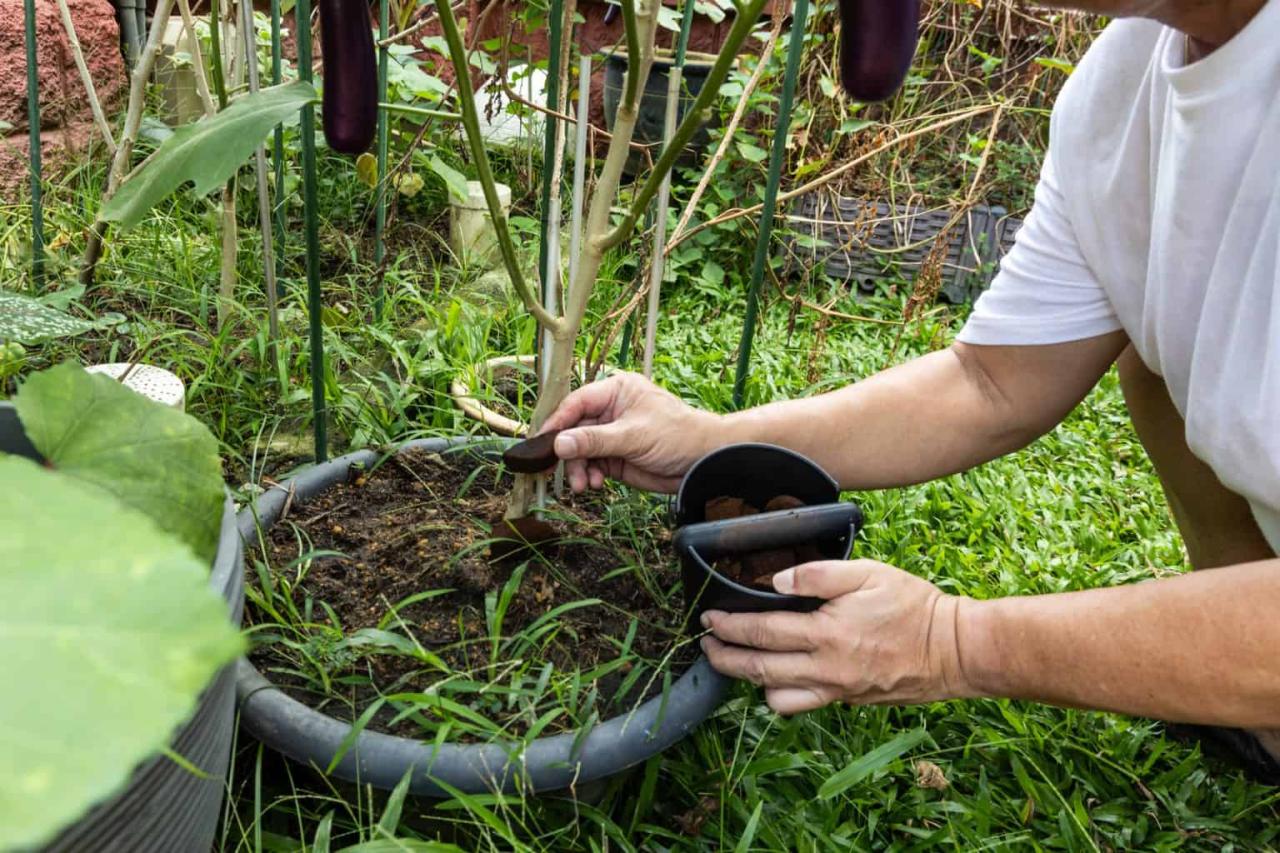
Coffee grounds, a byproduct of our daily caffeine rituals, offer a surprisingly valuable contribution to gardening. Their organic nature makes them an excellent soil amendment, boosting the health and fertility of your garden beds. This section will delve into the composting process, highlighting the nutritional benefits and practical applications of coffee grounds in enhancing your soil.Composting coffee grounds effectively requires combining them with other organic materials.
This process, known as composting, creates a rich, nutrient-rich soil amendment. This amendment, in turn, can benefit your plants in numerous ways, contributing to healthier growth and improved yields.
Composting Coffee Grounds
The process of composting coffee grounds involves combining them with other organic materials like dried leaves, grass clippings, and fruit and vegetable scraps. The crucial aspect is achieving a proper balance of carbon and nitrogen in the compost pile. Coffee grounds, while rich in nitrogen, should be mixed with materials high in carbon, such as dry leaves, to maintain the proper decomposition process.
This careful blending ensures efficient decomposition and prevents the compost from becoming too acidic.
Nutritional Value of Coffee Grounds
Coffee grounds are a valuable source of nitrogen, a crucial nutrient for plant growth. They also contain beneficial elements like potassium and phosphorus, which contribute to overall plant health. The presence of these nutrients, combined with their organic composition, makes coffee grounds an effective soil amendment, enhancing soil structure and water retention.
Comparison with Other Soil Amendments
Compared to other soil amendments, coffee grounds offer a unique blend of nutrients. While compost derived from yard waste provides a broader spectrum of nutrients, coffee grounds excel in supplying readily available nitrogen. Similarly, manure can offer a significant amount of nutrients, but its use can be challenging to manage, while coffee grounds are easily incorporated.
Incorporating Coffee Grounds into Soil
Coffee grounds can be incorporated into soil in various ways. They can be added directly to the soil before planting, mixed into existing soil mixtures, or incorporated into compost piles. Fine-ground coffee works best for direct incorporation, whereas coarse grounds are suitable for compost.
Creating Coffee Grounds Compost Tea
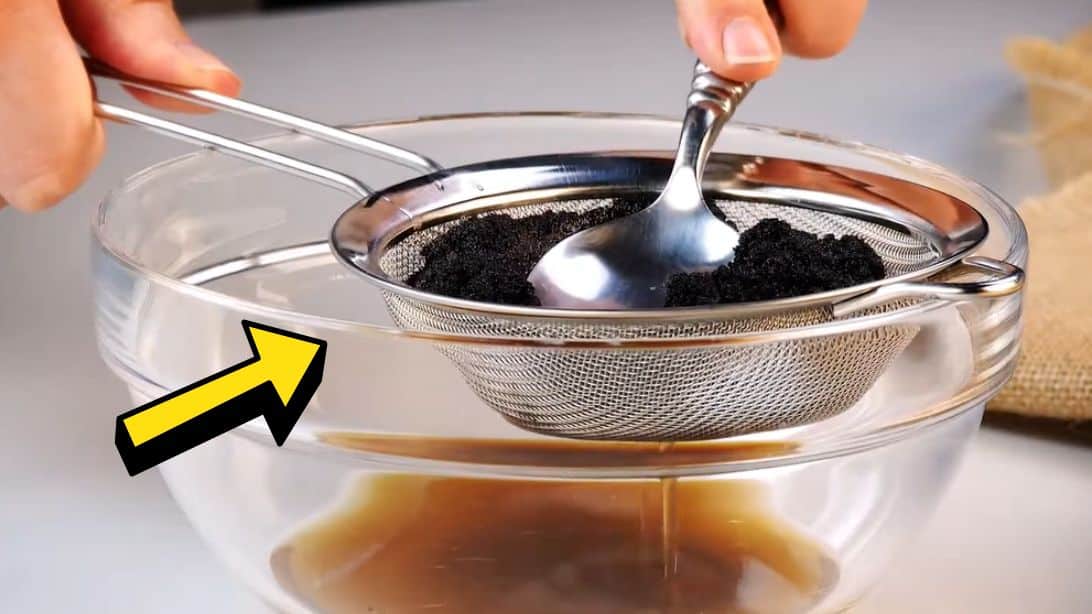
Coffee grounds compost tea is a simple and effective way to extract and concentrate the nutrients from coffee grounds. The process involves steeping the grounds in water for a period of time, allowing the beneficial microbes to proliferate and release nutrients. This solution can then be applied directly to the soil.
- Steep 1-2 cups of coffee grounds in 1 gallon of water for 2-3 days. This allows for nutrient extraction and microbial activity.
- Strain the mixture through a fine-mesh sieve to remove the coffee grounds.
- Dilute the tea to a 10-20% concentration before applying to plants.
- Water plants thoroughly with the diluted compost tea.
Measuring Coffee Grounds for Gardening Needs
The appropriate amount of coffee grounds for your garden depends on the size of the area you’re working with and the specific needs of your plants. For small-scale gardening, a few cups of coffee grounds per square foot can suffice. For larger gardens, the quantity will increase proportionally.
Advantages and Disadvantages of Using Coffee Grounds in Gardening
| Gardening Situation | Advantages | Disadvantages |
|---|---|---|
| Acid-Loving Plants | Enhances soil acidity, beneficial for certain plants | Potential for acidity to become too high for sensitive plants |
| General Soil Amendment | Adds nitrogen and improves soil structure | Can become overly acidic, may need to be mixed with other materials |
| Compost Tea Production | Concentrates nutrients, provides readily available plant food | May require more frequent applications than other soil amendments |
DIY Projects and Crafts

Coffee grounds, a byproduct of our daily coffee rituals, offer a wealth of untapped potential beyond the brew. This section explores creative and practical DIY projects, showcasing how to repurpose these grounds into fertilizers, natural stain removers, dyes, scrubs, and cleaning products. These projects not only reduce waste but also introduce sustainable and often cost-effective alternatives to commercially available products.Beyond simply discarding coffee grounds, transforming them into useful items allows for a deeper connection with sustainability and resourcefulness.
These projects are easy to implement and offer numerous benefits, from reducing landfill waste to creating unique and practical household items.
Homemade Fertilizers
Coffee grounds are rich in nitrogen, a crucial nutrient for plant growth. Incorporating them into homemade fertilizers enhances soil health and promotes plant vigor. The process is straightforward and involves mixing coffee grounds with other organic materials. These mixtures can be used as a top dressing or incorporated directly into the soil. This technique provides a readily available, cost-effective method for enriching the soil.
Natural Stain Removers
Coffee grounds, with their mildly abrasive texture, can effectively remove certain stains from fabrics and surfaces. The acidity in coffee grounds can help lift stubborn stains, making them an excellent natural alternative to harsh chemicals. Experiment with applying coffee grounds directly to stains, gently scrubbing, and rinsing thoroughly. This method can be particularly useful for removing coffee, tea, and other food-related stains.
Natural Dyes for Crafts
The rich color compounds in coffee grounds can be harnessed to create natural dyes for a wide array of crafts. Different brewing methods and coffee types can yield a range of colors. The intensity of the dye depends on the strength of the coffee brew and the duration of the dyeing process. For example, dark roast coffee grounds often produce darker shades, while lighter roasts yield lighter hues.
This process is an excellent way to add unique and natural color to fabrics, paper, or other craft materials.
Natural Scrubs
Coffee grounds’ fine texture makes them ideal for creating natural exfoliating scrubs. They gently remove dead skin cells, leaving skin feeling smooth and refreshed. Mix coffee grounds with other natural ingredients, such as honey, olive oil, or sugar, to create a personalized scrub. The resulting scrub can be used to cleanse and revitalize the skin.
Homemade Cleaning Products
Coffee grounds, with their mild abrasive properties, can be incorporated into various cleaning solutions. They can effectively clean surfaces, deodorize, and absorb odors. The process involves combining coffee grounds with other ingredients, such as baking soda or vinegar, to create a versatile cleaning solution. This approach reduces reliance on harsh chemicals and promotes a healthier home environment.
DIY Project Table
| Project | Materials | Steps |
|---|---|---|
| Coffee Ground Fertilizer | Coffee grounds, compost, water | Mix coffee grounds with compost and water until a moist mixture is formed. Apply to soil around plants. |
| Natural Stain Remover | Coffee grounds, stain | Apply coffee grounds directly to the stain, gently scrub, and rinse thoroughly. |
| Natural Dye | Coffee grounds, fabric/material, water | Boil coffee grounds in water to extract dye. Immerse fabric in the dye solution. |
| Coffee Ground Scrub | Coffee grounds, honey, olive oil | Combine coffee grounds with honey and olive oil. Apply to skin and gently massage. |
| Cleaning Solution | Coffee grounds, baking soda, vinegar | Mix coffee grounds with baking soda and vinegar. Apply to surfaces and wipe clean. |
Animal Care and Other Uses

Coffee grounds, a byproduct of the beloved beverage, offer surprising versatility beyond the kitchen. Their unique properties make them valuable in various applications, from attracting beneficial insects to enhancing animal care and even controlling odors. This section explores these diverse uses, emphasizing safety and effectiveness.Coffee grounds possess a range of characteristics that contribute to their usefulness in animal care and other areas.
Their acidity, texture, and natural odor-absorbing properties make them an environmentally friendly and often cost-effective solution for various problems.
Attracting Beneficial Insects
Coffee grounds provide a valuable habitat and food source for beneficial insects like ladybugs and lacewings. These insects are natural predators of many garden pests, helping to maintain a healthy ecosystem. Sprinkling a thin layer of coffee grounds around plants can attract these beneficial insects, promoting a more sustainable pest management strategy. This is a natural method for supporting a healthy garden ecosystem.
Safe Use for Animal Care
Coffee grounds are generally safe for many animals when used responsibly. They can be used as a natural bedding material for small pets like rabbits or guinea pigs. However, it’s crucial to ensure the grounds are completely dry before use to prevent potential moisture-related issues. Never use grounds that have been treated with chemicals or additives. Consult with a veterinarian for specific recommendations regarding the use of coffee grounds for your animals.
Odor Control
The absorbent nature of coffee grounds makes them a practical solution for controlling unpleasant odors. This is particularly helpful in pet areas or compost bins. Sprinkling a layer of coffee grounds can absorb odors and create a more pleasant environment. The grounds’ natural oils and acidity contribute to their effectiveness in neutralizing odors.
Natural Deodorizer
To use coffee grounds as a natural deodorizer, simply sprinkle a thin layer of dry grounds in areas where odors are a concern. The grounds can be used in pet bedding areas, in compost bins, or even in refrigerators to absorb odors. Ensure the grounds are completely dry before use to prevent moisture buildup. Consider combining with other natural deodorizers like baking soda for enhanced effectiveness.
Beneficial Animals
While coffee grounds are generally safe for many animals, it’s essential to note that their suitability varies depending on the species. Small pets like rabbits and guinea pigs may benefit from using coffee grounds as bedding, but larger animals might not be suitable. Consult with a veterinarian for specific guidance. Birds may also find them a beneficial addition to their environment.
Natural Insect Deterrents
Coffee grounds can be used as a natural deterrent for certain insects, but their effectiveness varies depending on the insect type. For example, the strong smell of coffee grounds may deter ants and some other insects. However, some insects may become attracted to the ground.
Comparison Table
| Application | Method | Benefits | Considerations |
|---|---|---|---|
| Beneficial Insect Attraction | Sprinkle around plants | Attract natural pest predators | May not deter all insects |
| Animal Bedding | Dry grounds as bedding | Natural absorbent, potentially reduces odor | Dry grounds are essential, consult vet |
| Odor Control | Sprinkle in affected areas | Absorbs odors, creates pleasant environment | Effectiveness varies depending on odor type |
| Natural Insect Deterrent | Sprinkle around affected area | May deter certain insects | Effectiveness may vary based on insect type |
Environmental Considerations
Reducing coffee ground waste offers significant environmental advantages. Properly managing coffee grounds minimizes landfill waste, conserves resources, and reduces the carbon footprint associated with their disposal. This section explores the environmental benefits of coffee ground recycling, sustainable practices in coffee shops, and strategies for reducing waste at home.Coffee grounds, while seemingly insignificant, contribute to environmental issues when improperly managed.
Their decomposition in landfills generates methane, a potent greenhouse gas. Furthermore, the extraction of resources used in coffee production, processing, and packaging all have an environmental impact.
Environmental Benefits of Coffee Ground Recycling
Proper recycling of coffee grounds reduces landfill burden and conserves valuable resources. By diverting coffee grounds from landfills, we lessen the amount of organic matter that decomposes anaerobically, thereby reducing methane emissions. This reduction contributes to mitigating climate change.
Sustainable Practices in Coffee Shops
Many coffee shops are actively implementing sustainable waste management strategies to minimize their environmental impact. These strategies include composting coffee grounds for use as fertilizer or partnering with local recycling programs. Some shops even offer reusable cups to reduce single-use waste, including coffee grounds. A prime example is a coffee shop in Seattle that successfully partnered with a local composting facility to divert over 95% of its coffee grounds from landfills.
Reducing Coffee Ground Waste at Home
Implementing simple changes at home can significantly reduce coffee ground waste. Using reusable coffee filters and properly composting coffee grounds are two straightforward ways to minimize waste. Buying coffee in bulk can reduce packaging, further contributing to waste reduction.
Comparison of Coffee Ground Waste Management Solutions
Different waste management solutions for coffee grounds have varying degrees of effectiveness. Composting is a widely used and effective method for converting coffee grounds into valuable soil amendment. Local recycling programs, if available, can further divert grounds from landfills. The best approach often depends on local infrastructure and community initiatives.
Local Initiatives Supporting Coffee Ground Recycling
Several local initiatives support coffee ground recycling. These initiatives may include partnering with community gardens or composting facilities, educational campaigns in schools and workplaces, and incentives for businesses adopting sustainable practices. Many municipalities are establishing programs to collect and process coffee grounds.
Proper Disposal of Coffee Grounds to Avoid Contamination
Proper disposal of coffee grounds is crucial to prevent contamination. Avoid mixing coffee grounds with food waste in compost bins that will then be used for agriculture or food production. Always follow the guidelines set by your local waste management authorities or composting facilities. Adhering to these guidelines prevents potential health risks or contamination.
Waste Management Strategies for Coffee Grounds
| Waste Management Strategy | Description | Environmental Impact |
|---|---|---|
| Composting | Converting coffee grounds into nutrient-rich soil amendment. | Reduces landfill waste, creates valuable fertilizer, and reduces greenhouse gas emissions. |
| Local Recycling Programs | Diverting coffee grounds from landfills through collection and processing. | Reduces landfill burden, conserves resources, and promotes circular economy. |
| Landfilling | Discarding coffee grounds in landfills. | Contributes to greenhouse gas emissions from decomposition, occupies valuable land, and poses a risk of leaching into groundwater. |
Safety and Precautions
Coffee grounds, while beneficial in many applications, can pose some safety concerns if not handled properly. Understanding potential risks and adopting safe practices is crucial for both personal well-being and the success of any project utilizing these grounds. Careful handling and storage minimize potential hazards.Proper handling and storage of coffee grounds prevent potential health risks and ensure the safety of DIY projects and gardening endeavors.
Understanding the potential hazards and implementing appropriate precautions are essential for responsible use.
Potential Hazards of Using Coffee Grounds
Coffee grounds, while generally safe, can pose some potential hazards. The primary concern is allergic reactions in susceptible individuals. Direct skin contact with coffee grounds can trigger an allergic reaction in some people, leading to skin irritation or rashes. Inhaling coffee grounds, especially in large quantities, might cause respiratory issues for those with sensitivities. Similarly, consuming coffee grounds can lead to gastrointestinal distress in some individuals.
It’s important to note that the risks are generally low, and most individuals do not experience any adverse effects.
Appropriate Storage Methods
Proper storage is vital to maintain the quality and safety of coffee grounds. Store coffee grounds in airtight containers to prevent pests and moisture buildup. Choose a cool, dry location away from direct sunlight to prevent spoilage and maintain the desired properties of the grounds. Avoid storing coffee grounds in damp or humid environments, as moisture can lead to mold growth, reducing the effectiveness of the grounds and potentially introducing health risks.
Handling Coffee Grounds to Prevent Potential Risks
Always wear gloves when handling coffee grounds, especially when using them in large quantities. This precaution prevents skin irritation and allergic reactions. If you have any known allergies to coffee or its components, it’s prudent to take extra precautions and avoid direct contact. Avoid inhaling large amounts of dry coffee grounds, as this can irritate the respiratory system.
For DIY projects, follow the specific instructions provided for the project, which might include additional safety measures.
Potential Health Risks Associated with Coffee Grounds
While rare, some individuals may experience allergic reactions or other health issues. These reactions can range from mild skin irritation to more severe allergic responses, potentially requiring medical attention. Consumption of coffee grounds, while not a typical practice, may cause gastrointestinal distress in some people. Individuals with known sensitivities to coffee or related substances should take extra care to avoid direct contact or consumption.
Safe Disposal Methods
Proper disposal of coffee grounds is crucial to maintain hygiene and prevent environmental contamination. Dispose of used coffee grounds in designated compost bins or containers. Do not dispose of coffee grounds in waterways or landfills, as this can negatively impact the environment.
Precautions When Using Coffee Grounds for DIY Projects
When using coffee grounds in DIY projects, follow the specific instructions provided with the project. Some projects might require specific handling techniques or safety measures. Always prioritize safety and wear appropriate protective gear, such as gloves or eye protection, when necessary. Ensure the work area is well-ventilated to avoid inhaling excessive amounts of coffee grounds.
Potential Risks and Safety Precautions for Handling Coffee Grounds
| Potential Risk | Safety Precautions |
|---|---|
| Allergic Reactions (skin, respiratory) | Wear gloves, avoid inhaling large quantities, consult a doctor if experiencing issues. |
| Skin Irritation | Wear gloves when handling. |
| Respiratory Issues (inhaling large amounts) | Work in a well-ventilated area. |
| Gastrointestinal Distress (consumption) | Do not consume coffee grounds. |
| Mold Growth (damp conditions) | Store in a cool, dry, and well-ventilated area. |
Last Point
In conclusion, repurposing coffee grounds is a multifaceted endeavor that offers significant environmental and practical advantages. This guide has provided a comprehensive overview of the numerous ways to utilize these often-overlooked resources, from enhancing your garden to creating unique DIY items. By understanding the benefits and implementing the strategies presented, you can effectively reduce waste and contribute to a more sustainable lifestyle.