Smartphones have revolutionized our lives, but their disposal presents a significant environmental challenge. Electronic waste, or e-waste, poses a growing threat to our planet. This guide provides a comprehensive overview of how to responsibly recycle smartphones, highlighting the various options available and the environmental benefits of doing so.
From understanding the different components of a smartphone to identifying reputable recycling programs, this guide will equip you with the knowledge and resources needed to recycle your old device effectively and minimize its environmental impact. We will delve into the practical steps, from data removal to finding local recycling initiatives, ensuring a smooth and responsible disposal process.
Introduction to Smartphone Recycling
Smartphones, while providing invaluable connectivity and convenience, contribute significantly to electronic waste (e-waste). The disposal of these devices without proper consideration often leads to environmental damage, impacting ecosystems and human health. This includes the release of harmful toxins during improper disposal or incineration, and the depletion of valuable resources required for manufacturing. Responsible disposal and recycling are essential to mitigate these negative consequences.The improper disposal of electronic devices, including smartphones, has detrimental environmental impacts.
The accumulation of e-waste burdens landfills, contaminates soil and water sources, and releases harmful chemicals into the atmosphere. This poses significant risks to human health and the environment. Recycling smartphones, therefore, is crucial for reducing these adverse effects.
Environmental Impact of E-Waste
The manufacturing and disposal of smartphones generate substantial environmental concerns. Manufacturing processes often involve extracting raw materials, which can damage ecosystems and deplete natural resources. The disposal of these devices without proper recycling leads to the release of hazardous substances like lead, mercury, and cadmium, potentially contaminating soil and water. These substances can accumulate in the food chain, posing risks to human health.
Importance of Responsible Disposal
Responsible disposal of smartphones is crucial for minimizing the environmental impact of e-waste. By choosing recycling over landfill disposal, we can reduce the amount of hazardous materials released into the environment. Recycling also conserves natural resources by recovering valuable materials from discarded devices. This reduces the need for mining new resources, thus mitigating the impact on ecosystems.
Benefits of Recycling Smartphones
Recycling smartphones offers several advantages over simply discarding them. It helps to conserve natural resources, reduces landfill burden, and minimizes the release of hazardous substances into the environment. By recovering valuable materials, recycling promotes resource efficiency and reduces the environmental footprint associated with manufacturing new devices. Furthermore, recycling fosters a more sustainable approach to consumer electronics.
Different Ways Smartphones Can Be Recycled
Several methods exist for recycling smartphones. These range from convenient drop-off locations to mail-in programs, and even mobile collection services. Each method has its own set of advantages and considerations, and the best option often depends on individual circumstances.
Comparison of Smartphone Recycling Methods
| Recycling Method | Description | Pros | Cons |
|---|---|---|---|
| Drop-off Locations | Recycling centers and authorized retailers often offer smartphone recycling services. | Convenient, readily accessible, often free | Limited availability, potentially longer processing times. |
| Mail-in Programs | Companies may offer programs where you ship your device for recycling. | Potentially higher value recovery, convenience for those without drop-off options. | Shipping costs, potential delays. |
| Mobile Collection | Some organizations conduct mobile collection drives to collect e-waste, including smartphones. | Accessible in areas without readily available drop-off locations, often free. | Limited frequency, specific collection dates. |
Identifying Recycling Options

Recycling smartphones responsibly is crucial for environmental sustainability and resource conservation. Choosing the appropriate recycling method ensures proper disposal of hazardous materials and maximizes the recovery of valuable components. This section explores various avenues for smartphone recycling, from manufacturer programs to community initiatives.Understanding the different recycling options available empowers consumers to make informed decisions, contributing to a more sustainable electronics industry.
This knowledge will guide you towards the most effective and environmentally friendly way to dispose of your old smartphone.
Smartphone Recycling Programs by Manufacturers and Retailers
Many manufacturers and retailers offer dedicated smartphone recycling programs. These programs often provide convenient options for returning used devices. Participating companies typically collect and process devices, ensuring the safe handling of hazardous materials and the recovery of valuable metals and components. Examples include Apple’s trade-in programs and various electronics retailers’ in-store recycling services.
Types of Electronics Recycling Services
Various electronics recycling services cater to different needs. These services include mail-in programs, drop-off locations, and mobile collection services. Mail-in programs often provide a convenient way to recycle at home, while drop-off locations offer accessibility to local communities. Mobile collection services are beneficial for businesses or large quantities of devices.
Community Drop-off Centers and Collection Programs
Community drop-off centers and local recycling programs offer convenient ways to recycle smartphones. These centers often partner with local governments and recycling organizations to manage the collection and processing of electronic waste. They provide a centralized location for residents to dispose of their unwanted devices. This approach fosters community participation and promotes the responsible handling of electronic waste.
These programs may be sponsored by local governments or non-profit organizations.
Role of Local Governments in Promoting Smartphone Recycling
Local governments play a significant role in promoting smartphone recycling initiatives. They often establish guidelines, regulations, and incentives to encourage responsible disposal practices. These initiatives may include partnerships with electronics recycling companies and the establishment of community drop-off points. This support contributes to the overall success of recycling programs, ultimately benefiting the environment and communities.
Comparison of Recycling Methods
Different recycling methods offer varying advantages and disadvantages. Mail-in programs are convenient but may have limitations in terms of device types accepted. Drop-off centers offer wider accessibility but might require travel time. Mobile collection services are suitable for larger quantities but may not be as widely available. The best method depends on individual circumstances and local resources.
Mail-in Recycling Program Steps
| Step | Description |
|---|---|
| 1 | Gather the necessary materials, including the original packaging if possible. |
| 2 | Ensure the device is powered off and disconnected from any network. |
| 3 | Locate the recycling program website or contact information from the manufacturer. |
| 4 | Follow the instructions provided by the program to package and ship the device. |
| 5 | Track the shipment or monitor the status online, if applicable. |
| 6 | Dispose of the packaging according to local guidelines. |
Components and Recycling Processes
Smartphone recycling is crucial for minimizing electronic waste and maximizing the recovery of valuable materials. Understanding the intricate components and the processes involved in their recycling is essential for effective and sustainable practices. This section details the diverse parts of a smartphone, their potential for recycling, and the environmental impact of not recycling them. It also Artikels the processes used to separate and reuse components, highlighting the recovered materials and the technologies employed.The intricate nature of smartphones necessitates a meticulous approach to recycling.
Various components, from the circuit board to the battery, each present unique challenges and opportunities for responsible recycling. Careful disassembly and separation are critical to extracting usable materials and preventing environmental harm.
Smartphone Component Breakdown
The inner workings of a smartphone encompass a variety of materials, each with potential for reuse. These components range from the intricate circuit boards to the delicate touchscreens, housing, and batteries. Understanding the makeup of these components is key to effective recycling.
- Circuit Boards: These boards, often containing various metals like copper, tin, and gold, are crucial for functionality. Their recycling allows for the recovery of these valuable metals, reducing the need for mining and minimizing the environmental footprint of extraction.
- Batteries: Smartphones rely on lithium-ion batteries. Recycling these batteries is crucial due to the potential environmental risks associated with improper disposal. Lithium-ion batteries, if not properly recycled, can release hazardous substances into the environment. The recycling process focuses on extracting the valuable lithium, cobalt, and nickel components while safely neutralizing any hazardous byproducts. Recycling batteries helps conserve valuable resources and reduces pollution.
- Touchscreens: Touchscreens often incorporate glass and various conductive materials. Recycling these allows for the recovery of glass and conductive materials, minimizing the need for raw materials and reducing waste. Recycling touchscreens is particularly important as the production of these materials can be resource-intensive.
- Housing Materials: The casing of a smartphone often comprises plastic and metal. Recycling the casing allows for the recovery of these materials, reducing the need for virgin materials and minimizing the environmental impact of manufacturing new smartphones.
Environmental Impact of Unrecycled Components
Improper disposal of smartphone components leads to significant environmental concerns. Unrecycled circuit boards contribute to the accumulation of hazardous materials in landfills, potentially contaminating soil and groundwater. Improper battery disposal can pose a fire hazard and release harmful chemicals into the environment. The accumulation of unrecycled electronic waste leads to a depletion of valuable resources and a greater environmental burden.
Recycling Processes for Components
The process of recycling smartphone components involves careful disassembly and separation. Sophisticated methods are employed to extract valuable materials from the various parts.
- Disassembly: A key step involves the meticulous separation of the different components of the phone. Specialized equipment and trained personnel are essential for this delicate process to prevent damage to the components and to maintain the integrity of the materials. This step is essential for preventing cross-contamination of materials.
- Separation and Sorting: Components are then carefully sorted based on their composition. Advanced technologies are employed to identify and separate different materials, including metals, plastics, and glass. Sophisticated machinery and manual sorting are used to ensure accurate separation and minimize contamination.
- Material Recovery: The separated components are processed to recover valuable materials. Advanced techniques are employed to extract metals like copper, gold, and silver from circuit boards and other components. Similar processes are employed to extract valuable materials from batteries and other components.
Recovered Materials and Potential Reuse
Recycling smartphones yields a variety of reusable materials. These materials are then repurposed in various applications, reducing the demand for virgin materials.
| Recovered Material | Potential Reuse |
|---|---|
| Copper | Electrical wiring, plumbing |
| Gold | Jewelry, electronics |
| Silver | Jewelry, electronics |
| Plastic | New products, packaging |
| Glass | Construction materials, new glass products |
| Lithium | Battery production, specialized applications |
Recycling Technologies
Advanced technologies play a crucial role in efficient smartphone recycling.
- Magnetic Separation: Magnetic separators are used to extract ferrous metals like iron and steel from the disassembled components.
- Chemical Leaching: Specific chemical processes are employed to extract valuable metals from circuit boards and other components.
- Advanced Material Analysis: Sophisticated techniques, such as X-ray fluorescence (XRF), are used to identify and quantify the presence of various materials within components.
Preparing Your Smartphone for Recycling
Properly preparing your smartphone for recycling is crucial for both environmental sustainability and data security. This involves meticulous steps to ensure the safe removal of personal data and the efficient processing of the device components. Responsible recycling practices minimize environmental impact and prevent potential misuse of sensitive information.Data security is paramount during the recycling process. Personal information stored on a smartphone can be sensitive and must be removed before the device is processed.
The process of data erasure and device preparation needs to be meticulously executed to prevent unauthorized access and ensure compliance with privacy regulations.
Data Removal Procedures
Careful removal of personal data is essential to protect privacy. A comprehensive approach ensures the complete and secure eradication of sensitive information. This is critical to prevent data breaches and maintain privacy during the recycling process.
- Factory Reset: Initiating a factory reset is a fundamental step in data removal. This action typically wipes all user data, applications, and settings, returning the device to its original state. This step is crucial for removing personal information, but it does not guarantee complete erasure in all cases.
- Data Wiping Software: Utilizing specialized data wiping software can ensure complete data removal. These tools often employ methods that overwrite data multiple times to effectively render it unrecoverable. This is a critical step to ensure comprehensive data security.
- Physical Data Destruction (if applicable): In some cases, physical destruction methods, such as secure shredding, may be necessary for particularly sensitive data. This option is usually reserved for high-security environments and devices holding highly confidential information. This method can ensure complete erasure of data, but it is not always feasible or cost-effective.
- Verification of Data Erasure: Following data removal procedures, it’s crucial to verify that the process has been successful. Specialized software or tools can be used to test the device for any remnants of personal data. This final verification step is crucial for ensuring compliance with data security standards.
Safe and Responsible Data Erasure Methods
Employing safe and responsible methods for data erasure is essential to protect personal information and prevent potential misuse. These practices ensure that the recycling process is carried out with the highest degree of care and attention to data security.
- Using reputable data wiping software: Employing reputable data wiping software is critical for ensuring the effectiveness of the data erasure process. Look for software that employs secure erasure techniques and has a proven track record of data removal.
- Following manufacturer guidelines: Consult the manufacturer’s guidelines for safe and effective data erasure procedures. These guidelines provide detailed instructions and best practices for data removal on specific device models.
- Proper Disposal of Data Recovery Media: Securely disposing of data recovery media, such as memory cards, is essential to prevent potential data breaches. This step ensures that sensitive data is not accessible to unauthorized individuals.
Example Steps for Data Security During Recycling
Specific steps are crucial for maintaining data security during the recycling process. These steps are critical to prevent the unauthorized retrieval of personal information.
| Data Removal Process Step | Importance |
|---|---|
| Factory Reset | Initial step to remove user data and settings. |
| Data Wiping Software | Ensures complete and secure erasure of sensitive information. |
| Verification of Data Erasure | Confirms the effectiveness of the erasure process and protects against data breaches. |
| Physical Destruction (if applicable) | Provides an additional layer of security for high-sensitivity data. |
Environmental Benefits of Recycling Smartphones
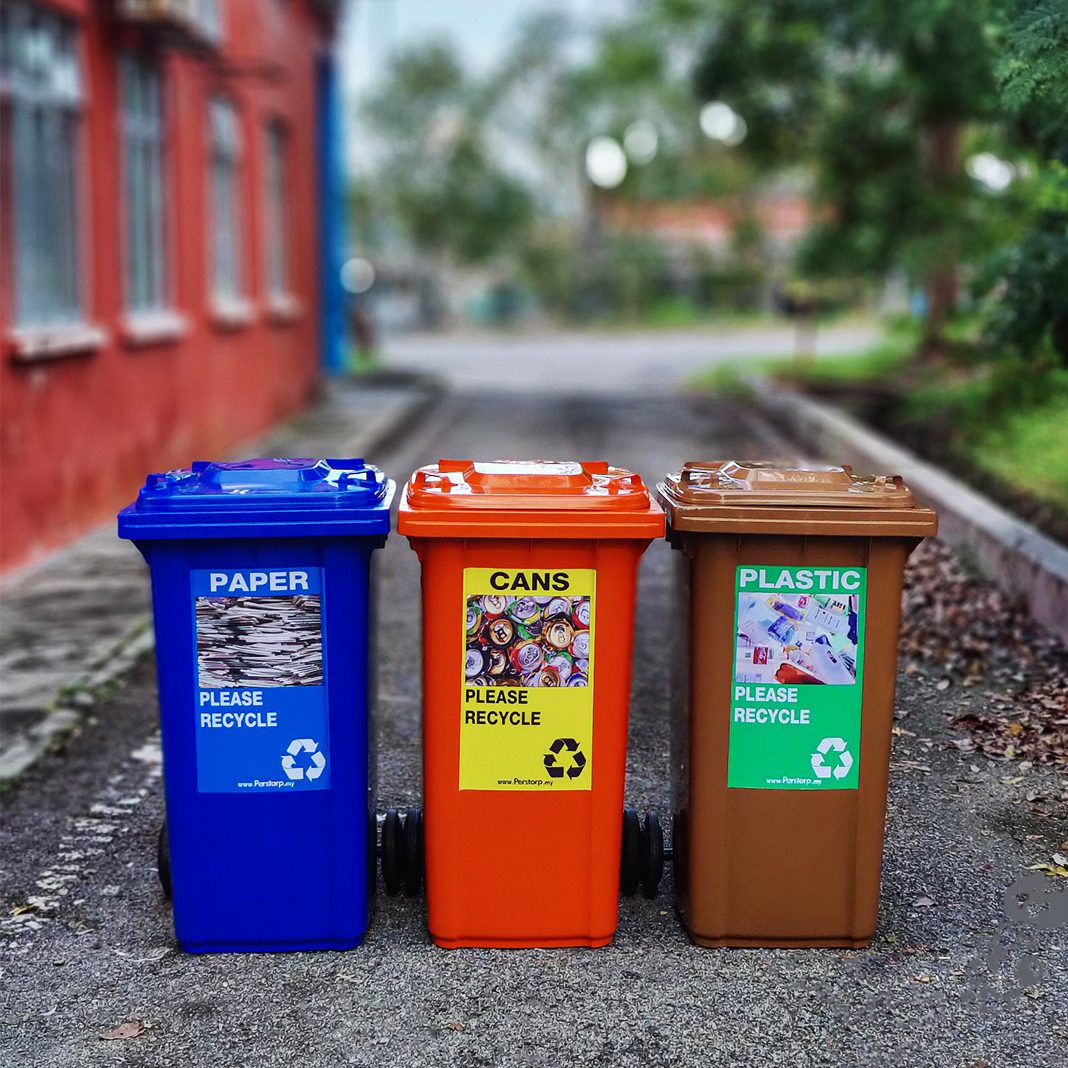
Recycling smartphones offers substantial environmental advantages, significantly reducing the harmful effects of electronic waste on our planet. Proper disposal and recycling processes mitigate the negative impacts of these devices on natural resources and ecosystems. This approach fosters a more sustainable future by minimizing environmental damage.The environmental impact of electronic waste, or e-waste, is substantial. By recycling smartphones, we can significantly reduce the strain on natural resources and the generation of hazardous waste, ultimately preserving our planet’s health.
Reduction of Landfill Waste
Recycling smartphones drastically diminishes the amount of electronic waste ending up in landfills. Landfills pose significant environmental risks, including the leaching of hazardous chemicals into the soil and groundwater. The accumulation of e-waste in landfills contributes to the depletion of valuable resources and the contamination of ecosystems. Recycling diverts these devices from landfills, mitigating these risks and promoting a more sustainable waste management approach.
Conservation of Resources
Recycling smartphones plays a crucial role in conserving valuable resources. The manufacturing of new smartphones requires significant extraction of raw materials like metals and minerals. Recycling recovers these materials, reducing the demand for new mining operations. This conservation effort protects fragile ecosystems and promotes a more sustainable approach to resource management. For example, recovering copper from a recycled smartphone requires significantly less energy than extracting it from a mine.
Reduction in Raw Material Demand
Recycling smartphones reduces the need for extracting virgin raw materials, thereby decreasing the strain on natural resources. Mining operations often cause significant environmental damage, including deforestation, habitat destruction, and water pollution. Recycling programs reduce the demand for new mining operations, safeguarding ecosystems and promoting responsible resource management. By recycling a single smartphone, the need for extracting new materials can be reduced, leading to fewer environmental damages and a more sustainable supply chain.
Reduction of Harmful Emissions
Manufacturing new smartphones often involves processes that generate significant greenhouse gas emissions. Recycling smartphones reduces these emissions by minimizing the need for new production. The energy consumption associated with extracting and processing raw materials for new devices is significantly reduced through recycling, leading to lower carbon footprints and a more environmentally conscious approach to manufacturing. For instance, recycling aluminum from smartphones reduces energy consumption by approximately 95% compared to producing it from raw bauxite ore.
Environmental Impact Comparison
| Characteristic | Discarding a Smartphone | Recycling a Smartphone |
|---|---|---|
| Landfill Space Required | Significant space required, contributing to landfill expansion and environmental risks. | No landfill space required; resources are recovered for reuse. |
| Resource Depletion | Contributes to the depletion of natural resources, necessitating further extraction. | Conserves natural resources by recovering valuable materials for reuse. |
| Greenhouse Gas Emissions | High greenhouse gas emissions associated with manufacturing new devices. | Significantly lower greenhouse gas emissions, minimizing environmental impact. |
| Hazardous Waste Generation | Generates hazardous waste, posing risks to human health and ecosystems. | Minimizes hazardous waste generation, promoting a cleaner environment. |
| Energy Consumption | High energy consumption associated with the extraction and processing of raw materials. | Significantly lower energy consumption, reducing carbon footprint. |
Recycling Programs and Initiatives
Smartphone recycling is not just an environmental responsibility; it’s a crucial step towards a more sustainable future. Effective recycling programs minimize electronic waste (e-waste) and recover valuable materials, reducing the strain on natural resources. This section explores various global initiatives and the roles individuals and organizations play in fostering responsible disposal.
Prominent Smartphone Recycling Programs Worldwide
Many organizations and governments have established programs to collect and recycle smartphones. These programs often offer incentives to encourage participation and streamline the process. Examples include partnerships with retailers, community drop-off locations, and online platforms.
- Several major electronics retailers often partner with recycling companies to offer in-store smartphone recycling services. This convenient option allows customers to return their old phones for recycling while purchasing new ones. This integrated approach encourages consumer participation.
- Numerous municipalities and environmental organizations facilitate community-based smartphone recycling programs. These initiatives often involve designated drop-off points or collection events, making it easier for individuals to recycle responsibly. This grassroots approach is effective in reaching a broader audience.
- Dedicated online platforms or mobile apps streamline the recycling process by providing convenient options for scheduling pickups, arranging drop-offs, or providing shipping labels. These digital tools improve accessibility and reduce the burden on individuals.
Successful Smartphone Recycling Campaigns
Successful recycling campaigns highlight the positive impact of targeted initiatives. These campaigns often involve clear communication strategies, partnerships with key stakeholders, and incentives to drive participation.
- Companies like Apple and Samsung have implemented robust recycling programs, showcasing a commitment to responsible e-waste management. These programs often include take-back initiatives and partnerships with recycling facilities. Their success reflects the impact of corporate responsibility in addressing e-waste.
- Many successful recycling campaigns leverage public awareness campaigns and educational materials. These initiatives often inform the public about the environmental benefits of recycling, fostering a culture of responsible disposal. This approach significantly enhances participation.
- Some campaigns employ creative incentives, such as discounts on new products or charitable donations linked to recycling. This encourages participation by offering tangible rewards for responsible behavior. These strategies contribute to the program’s success.
Role of Individuals and Companies in Supporting Recycling Programs
Individuals and companies play crucial roles in supporting smartphone recycling programs. Their active participation strengthens the effectiveness of these initiatives.
- Individuals can contribute by choosing to recycle their old smartphones rather than discarding them. This simple act significantly reduces electronic waste and promotes a more sustainable lifestyle. Their conscious decision directly contributes to the program’s success.
- Companies can support these programs by offering convenient recycling options to their customers. This commitment to sustainability enhances their corporate image and demonstrates their responsibility towards environmental stewardship. Their active involvement amplifies the impact of these programs.
Steps Involved in Starting a Local Smartphone Recycling Program
Establishing a local smartphone recycling program requires careful planning and execution. This process involves a series of steps to ensure success.
- Identifying potential partners: Collaborating with local businesses, community organizations, and government agencies can significantly expand the program’s reach. This strategic partnership strengthens the program’s sustainability.
- Developing a clear collection strategy: Defining collection methods, including drop-off locations, pickup services, or online platforms, ensures efficient operation. A clear plan ensures effective program management.
- Establishing a robust recycling infrastructure: Collaborating with certified recycling facilities guarantees proper handling and processing of collected smartphones. This strategic partnership guarantees environmentally sound recycling.
- Communicating the program effectively: Educating the public about the program’s benefits, procedures, and environmental impact is vital for promoting participation. Clear communication is essential for program success.
Successful Case Studies of Smartphone Recycling Initiatives
Several successful smartphone recycling initiatives demonstrate the positive impact of these programs.
- The [Specific Company Name] program, for example, has successfully recycled thousands of smartphones, recovering valuable materials and reducing e-waste. This successful program demonstrates the effectiveness of dedicated recycling programs.
- The [Specific Local Initiative] initiative showcases the potential of community-based recycling efforts, effectively reducing e-waste in the region. This community-based approach demonstrates the positive impact of local programs.
Recycling Programs by Region/Country
A table showcasing prominent smartphone recycling programs by region, highlighting key features, provides a comparative overview.
| Region/Country | Program Name | Key Features |
|---|---|---|
| North America | Apple iPhone Recycling | In-store drop-off, mail-in options, partnerships with certified recyclers. |
| Europe | EU Smartphone Recycling Initiative | Incentivized collection programs, e-waste regulations, public awareness campaigns. |
| Asia | [Specific Asian Program] | Community collection centers, partnerships with telecommunication companies, online platform for tracking. |
Troubleshooting and Common Issues
Recycling smartphones, while beneficial for the environment, can present some challenges. Understanding potential issues and solutions is crucial for a smooth and effective recycling process. This section addresses common problems encountered during smartphone recycling, emphasizing data security, device damage, and program limitations.
Common Smartphone Recycling Problems
Many issues can arise during the smartphone recycling process. These range from simple data removal concerns to more complex problems related to damaged devices or program limitations. Proper preparation and understanding of potential pitfalls are essential for a successful recycling experience.
- Data Recovery Concerns: Data security is paramount. Many recycling programs offer data wiping services, but the effectiveness depends on the program and the device’s condition. Users should verify the methods used for data erasure and understand the limitations of these services.
- Device Damage: Physical damage to the smartphone, such as cracked screens, water damage, or malfunctioning components, can affect the recycling process. Different recycling programs handle damaged devices differently. Some might refuse the device, while others may offer a reduced value or a different recycling option.
- Recycling Program Limitations: Recycling programs may have limitations on the types of devices they accept or the geographic areas they serve. Users should thoroughly research the specific recycling program’s guidelines before attempting to recycle a device.
- Verifying Recycling Service Legitimacy: The legitimacy of a recycling service is critical. Users should always research the company’s reputation, customer reviews, and any certifications or licenses before sending their device for recycling. Reputable recycling companies typically offer clear terms and conditions for their services.
Data Recovery and Removal Solutions
Data recovery and removal procedures vary significantly depending on the device’s condition and the recycling program’s specifications. Understanding the process is crucial to ensuring the privacy and security of personal data.
- Factory Reset: A factory reset can remove most user data but may not erase sensitive data stored in specific areas of the device’s memory. It is important to verify the program’s policy on data erasure.
- Dedicated Data Erasure Tools: Specialized software tools may be necessary to ensure complete data erasure. Some recycling programs offer these services, while others may provide specific guidelines or resources for data removal.
- Professional Data Removal Services: For high-security data, professional data removal services may be necessary. These services often employ specialized techniques to ensure complete data destruction, ensuring compliance with data privacy regulations.
Addressing Damaged Devices
Handling damaged smartphones during the recycling process requires careful consideration. Different recycling programs may handle damaged devices in unique ways.
- Program Guidelines: Each program has its own set of guidelines for handling damaged devices. Users should consult the specific program’s website or contact them directly to determine the appropriate procedure.
- Reduced Value/Different Options: Damaged devices may result in a lower recycling value or a different recycling option, such as component-level recycling. Understanding these implications is essential for informed decision-making.
- Refusal of Damaged Devices: Some programs may refuse to accept damaged devices due to safety concerns or technical limitations. This is important to understand before shipping or bringing a damaged phone to a recycling facility.
Solutions to Recycling Program Limitations
Some recycling programs may not offer coverage in certain areas or for specific devices. Alternative options can address these limitations.
- Exploring Alternative Programs: Users can research and contact alternative recycling programs or organizations that cater to their specific needs.
- Local Retailers or Repair Shops: Some local retailers or repair shops may offer smartphone recycling services. Investigating these local options might provide a viable alternative.
- Component-Level Recycling: If a program doesn’t accept the entire device, component-level recycling can be an option, allowing for the responsible handling of individual parts.
Verifying Recycling Service Legitimacy
Ensuring the legitimacy of a recycling service is critical to avoid scams or ineffective data erasure.
- Company Background Research: Thoroughly research the company’s history, reputation, and customer reviews before committing to their services. Check for any certifications or licenses.
- Contact Information and Terms: Verify that the company provides clear contact information and terms and conditions for their services.
- Scavenger Approach: Be cautious of programs that seem too good to be true or offer unrealistic recycling values. Thorough investigation is always recommended.
Potential Issues and Solutions Table
| Potential Issue | Possible Solutions |
|---|---|
| Data not fully erased | Use dedicated data erasure tools; contact the recycling program for assistance; consider professional data removal services. |
| Damaged device | Consult recycling program guidelines; explore component-level recycling; find alternative recycling programs. |
| Program limitations (geographical or device type) | Explore alternative recycling programs; investigate local retailers or repair shops; consider component-level recycling. |
| Recycling service legitimacy concerns | Research the company thoroughly; check for certifications; verify contact information and terms; avoid unrealistic offers. |
Final Summary
In conclusion, recycling smartphones is not just an environmentally conscious act, but also a responsible one. By understanding the various recycling options, the processes involved, and the environmental benefits, you can effectively contribute to a more sustainable future. This guide has provided a comprehensive resource to navigate the process of responsible disposal, promoting a circular economy and minimizing the impact of electronic waste.