Proper battery recycling is crucial for environmental sustainability and societal well-being. This guide provides a comprehensive overview of the entire battery recycling process, from identifying recyclable types to understanding the associated risks and benefits.
Learn about the importance of responsible battery disposal, the various recycling methods available, and the steps to follow for safe and effective home recycling. Discover the environmental and economic advantages of recycling batteries and how to find local recycling programs.
Introduction to Battery Recycling
Proper battery recycling is crucial for a sustainable future. The environmental impact of improper battery disposal is significant, as many batteries contain hazardous materials that can leach into the soil and water, contaminating ecosystems and posing risks to human health. Recycling batteries helps to conserve valuable resources, reduce pollution, and minimize the strain on landfills. By understanding the importance of battery recycling and the different types of batteries that can be recycled, we can contribute to a healthier planet.
Importance of Battery Recycling
Recycling batteries is vital for environmental protection and societal well-being. Proper recycling minimizes the environmental footprint of battery production, reducing the need for mining raw materials and the associated ecological damage. It also mitigates the risk of hazardous materials entering the environment, preventing contamination of soil and water resources. Furthermore, recycling recovers valuable metals, such as lead, nickel, and cobalt, extending the life cycle of these resources and reducing the demand for new extraction, which ultimately contributes to a more sustainable economy.
Types of Recyclable Batteries
A wide variety of batteries can be recycled. This includes alkaline batteries, commonly used in household devices and toys; rechargeable batteries, such as those found in laptops and mobile phones; and specialized batteries, including those used in vehicles and industrial equipment. Proper sorting and processing methods are tailored to the specific composition of each type to ensure safe and effective recovery of valuable materials.
Common Misconceptions About Battery Recycling
Several misconceptions surround battery recycling. One common belief is that all batteries can be recycled in the same way. In reality, different battery types require specific handling and processing methods. Another misconception is that battery recycling is unnecessary or that it doesn’t make a difference. In fact, widespread recycling of batteries is vital for environmental protection and resource conservation.
Battery Recycling Methods and Risks
| Battery Type | Recycling Methods | Associated Risks (if not handled properly) | Further Considerations |
|---|---|---|---|
| Alkaline Batteries | Alkaline batteries are typically collected separately and processed using methods that concentrate and recover the contained metals. | Improper handling can lead to the release of harmful chemicals, potentially causing environmental contamination. | Recycling alkaline batteries is important for reducing the demand for raw materials and preventing hazardous waste. |
| Rechargeable Batteries (Ni-Cd, Ni-MH, Lithium-ion) | Rechargeable batteries, due to their varied composition, require specialized processing. Different types often undergo separate treatments. Lithium-ion batteries, for instance, require careful dismantling and separation of components. | Improper handling of rechargeable batteries, particularly lithium-ion batteries, can lead to fire or explosion hazards. Leaking electrolytes can also contaminate the environment. | Recycling rechargeable batteries helps conserve resources and reduces the need for new battery production. |
| Automotive Batteries | Automotive batteries, containing lead and other heavy metals, require specialized recycling facilities equipped with appropriate safety protocols. Lead is typically recovered and reused. | Exposure to lead and other heavy metals during improper handling can pose health risks. Leaks can pollute the environment. | Recycling automotive batteries is critical to minimize lead contamination and conserve lead resources. |
| Button Batteries | Button batteries, often used in watches and other small devices, are usually collected separately. Specific methods are used for safe disassembly and recovery of valuable metals. | Improper disposal can result in chemical leakage and pose a choking hazard, especially for children. | Button battery recycling is crucial for preventing contamination and maintaining public safety. |
Identifying Recyclable Batteries
Proper battery disposal is crucial for environmental protection. Incorrectly discarded batteries can contaminate soil and water sources, posing significant risks to ecosystems. Understanding how to identify recyclable batteries is essential for responsible waste management.Identifying recyclable batteries often involves recognizing specific markings and symbols. These markings serve as visual cues, guiding users towards the appropriate disposal methods. Knowing the different types of batteries and their corresponding recycling procedures is equally important.
Recognizing Recycling Symbols
Battery manufacturers often include recycling symbols to aid in proper disposal. These symbols, often found on the battery’s packaging or the battery itself, are crucial visual cues that indicate recyclability. The most common symbol is a stylized depiction of a recycling bin or a stylized arrow looping, indicating the battery’s compatibility with recycling programs.
Identifying Different Battery Types
Different battery types have unique characteristics and physical appearances. Understanding these distinctions facilitates appropriate recycling procedures. Alkaline batteries, for example, typically have a smooth, cylindrical shape. Rechargeable batteries often exhibit a slightly different shape or may have additional markings.
Local Recycling Centers and Programs
Numerous local recycling centers and programs are available to support battery recycling initiatives. These programs vary by region and city. To locate nearby programs, consult local government websites, environmental agencies, or online search engines. A simple online search will provide a list of facilities in your area that accept batteries.
Table of Battery Types, Symbols, and Recycling Locations
| Battery Type | Recycling Symbol | Description | Recycling Location(s) |
|---|---|---|---|
| Alkaline Batteries | (Image of a recycling bin or looping arrows) | Commonly used in flashlights, toys, and remote controls. Typically cylindrical and smooth. | Local Household Hazardous Waste Collection Centers, some retail stores, or battery recycling programs. |
| Rechargeable Batteries (Ni-Cd, Ni-MH, Lithium-ion) | (Image of a recycling bin or looping arrows) | Used in laptops, cell phones, and power tools. Often have a distinct shape or markings. | Local Household Hazardous Waste Collection Centers, electronics retailers, and dedicated battery recycling programs. |
| Button Cells | (Image of a recycling bin or looping arrows) | Small, disc-shaped batteries commonly found in watches and calculators. | Local Household Hazardous Waste Collection Centers, some electronics retailers, and battery recycling programs. |
Differentiating Rechargeable and Disposable Batteries
Distinguishing between rechargeable and disposable batteries is critical for correct recycling procedures. Rechargeable batteries (Ni-Cd, Ni-MH, Lithium-ion) are marked with symbols indicating their rechargeability. Disposable batteries (alkaline, zinc-carbon) usually lack these symbols. Recycling procedures often differ for each type.
Collection and Handling Procedures
Proper battery collection and handling are crucial for successful recycling and environmental protection. Incorrect disposal can lead to hazardous material leakage, contaminating soil and water sources. Following the correct procedures ensures that batteries are processed safely and effectively, minimizing potential risks and maximizing resource recovery.Safe handling procedures for batteries are essential to prevent accidents and ensure the well-being of individuals and the environment.
Adhering to these procedures minimizes the risks associated with handling potentially hazardous materials. Proper disposal methods are vital for minimizing environmental damage and maximizing resource recovery.
Correct Methods for Collecting and Handling Different Battery Types
Different battery types require distinct handling procedures to prevent risks and ensure efficient recycling. Lead-acid batteries, for example, contain corrosive materials, necessitating specialized handling equipment and protective gear. Alkaline batteries, while generally less hazardous, should still be disposed of properly to prevent leakage. Lithium-ion batteries, due to their potential for thermal runaway, demand particular attention and should be handled according to specific guidelines.
Safety Precautions When Handling Batteries
Safe handling practices are essential for preventing accidents and protecting both individuals and the environment. Always wear appropriate personal protective equipment (PPE), such as gloves and eye protection, when handling batteries. Avoid short-circuiting batteries, as this can generate heat and cause fires. Store batteries in a cool, dry place, away from direct sunlight and heat sources. Never mix different battery types in the same container.
Dispose of damaged or leaking batteries immediately and properly.
Step-by-Step Guide to Safely Dispose of Batteries at Home
To ensure safe battery disposal at home, follow these steps:
- Identify the battery type: Determine the type of battery (e.g., alkaline, lead-acid, lithium-ion). Knowing the type is crucial for proper disposal procedures.
- Gather necessary materials: Collect a sturdy container, ideally a hard plastic box, and any required protective gear, such as gloves and eye protection.
- Separate batteries: Sort batteries by type to facilitate efficient recycling. This separation prevents potential hazards and allows for appropriate handling during recycling.
- Secure the container: Seal the container securely to prevent leaks and spills.
- Dispose of batteries at designated drop-off locations: Take the properly sealed container to a designated battery recycling center or collection point.
Comparison of Battery Collection Methods
This table compares different battery collection methods, evaluating their effectiveness and environmental impact:
| Collection Method | Effectiveness | Environmental Impact | Notes |
|---|---|---|---|
| Curbside collection | Moderate | Low to moderate | Suitable for smaller volumes of batteries, often integrated with other waste collection systems. |
| Dedicated drop-off centers | High | Low | Facilitates specialized handling and sorting, increasing recycling rates. |
| Retailer collection programs | Variable | Moderate | Effectiveness depends on retailer participation and consumer compliance. |
| Household composting | Low | High | Not recommended for batteries due to potential environmental contamination. |
Examples of Battery Recycling Drop-off Locations
Many locations offer battery recycling services, including:
- Local recycling centers
- Retail stores (electronics and hardware stores often participate)
- Municipalities and county recycling programs
- Specialized battery recycling facilities
Recycling Processes and Technologies
Battery recycling facilities employ various sophisticated processes to recover valuable materials from spent batteries, ensuring responsible resource management and minimizing environmental impact. These processes are crucial for extracting metals like lithium, nickel, cobalt, and manganese, which are essential components in modern technologies. Effective recycling methods contribute significantly to the circular economy and reduce reliance on mining new resources.The recovery of these metals often involves multiple stages, from initial separation of battery components to refining the extracted materials.
The specific processes used depend heavily on the type of battery being recycled, taking into account the varying compositions and structures. This approach ensures that the process is tailored to maximize the recovery of valuable materials while minimizing waste generation.
Separation and Refining of Battery Components
The initial stages of battery recycling focus on separating the different components of the battery. This often involves physical methods, such as sorting and shredding, followed by chemical treatments. Advanced technologies are also employed to achieve efficient and accurate separation. The different components within the battery are usually treated differently to maximize recovery.
- Physical Separation: Mechanical processes such as crushing, grinding, and screening are commonly used to break down the battery into its constituent parts. This allows for the initial separation of different materials, like the metal casing, plastic components, and the battery’s active materials. These techniques are often the first step in the recycling process, as they are cost-effective and efficient for large-scale operations.
- Chemical Separation: Chemical processes are then applied to further refine the separated components. These treatments, such as leaching and solvent extraction, are designed to selectively dissolve specific materials, leaving others behind. For example, acids are used to leach metals from the battery’s active materials. Careful selection of chemical agents is essential to avoid contamination and maximize the purity of the extracted materials.
- Refining: The extracted metals, often in a less pure form, need further processing to meet the quality standards required for industrial applications. This refining process, which can include techniques such as smelting, electrolysis, and purification, ensures that the metals are suitable for use in manufacturing new batteries or other products. The refining stage significantly impacts the overall efficiency and cost-effectiveness of the recycling process.
Materials Extracted from Batteries
Battery recycling yields a diverse range of valuable materials, significantly reducing the demand for raw materials. The recovery and reuse of these materials are crucial for sustainability and economic viability.
- Metals: Lithium, nickel, cobalt, manganese, and other metals are extracted from the battery’s active materials. These metals are crucial components in various modern technologies, including electric vehicles and consumer electronics. Recycling efforts contribute significantly to the supply of these metals, reducing the reliance on primary mining sources.
- Plastics: The plastic casings and other plastic components of the battery are also recovered and recycled. This recovered plastic can be used to create new products, thereby reducing plastic waste and conserving resources.
- Other Materials: Other materials, like separators, conductive materials, and traces of various additives, are also recovered and processed according to their nature. These materials are often recycled into new products or disposed of safely.
Recycling Processes for Different Battery Types
The recycling processes vary depending on the type of battery being processed. Lead-acid batteries, for example, have a simpler composition than lithium-ion batteries, leading to different recycling strategies. This approach ensures the most efficient and effective recovery of valuable materials.
| Battery Type | Primary Recycling Process | Specific Considerations |
|---|---|---|
| Lead-acid | Chemical leaching and smelting | Relatively straightforward separation due to the simpler composition. |
| Nickel-metal hydride | Combination of physical and chemical separation | Requires careful consideration of different components to ensure optimal metal recovery. |
| Lithium-ion | Advanced chemical separation and refining techniques | Complex composition requires sophisticated processes to extract valuable metals effectively and minimize contamination. |
Environmental Impact of Battery Recycling
Proper battery recycling plays a crucial role in mitigating the negative environmental consequences associated with improper disposal. This process significantly reduces the harmful effects of battery waste on ecosystems and human health. By diverting batteries from landfills and extracting valuable materials, recycling fosters a more sustainable approach to managing these essential components of modern life.The environmental impact of not recycling batteries is substantial and multifaceted.
Improper disposal leads to the release of hazardous substances into the environment, contaminating soil and water sources. This poses risks to both human health and the delicate balance of ecosystems. Furthermore, the extraction of raw materials for new batteries from virgin sources contributes to deforestation, habitat loss, and resource depletion. Consequently, recycling offers a more sustainable and environmentally responsible alternative.
Environmental Impact of Not Recycling Batteries
The improper disposal of batteries results in the leaching of harmful chemicals into the environment. Heavy metals like lead, cadmium, and mercury, commonly found in batteries, can contaminate soil and water sources. This contamination can negatively impact plant and animal life, potentially leading to health problems for humans who consume contaminated food products. Uncontrolled battery disposal can also lead to air pollution, particularly if batteries are burned or improperly processed.
These environmental consequences underscore the importance of responsible battery handling and recycling.
Environmental Benefits of Recycling Compared to Landfilling
Recycling batteries presents significant environmental advantages over landfilling. Landfilling allows hazardous substances to leach into the surrounding environment, creating long-term pollution. Recycling, conversely, recovers valuable materials like metals and other components. This recovery reduces the need for mining new raw materials, thereby minimizing the environmental footprint associated with resource extraction. The reduction in pollution and resource consumption associated with recycling directly translates into a healthier environment.
For instance, recycling one ton of batteries can prevent the emission of significant amounts of greenhouse gases compared to the extraction and processing of virgin materials.
Potential Environmental Risks Associated with Improper Battery Disposal
Improper battery disposal presents several significant environmental risks. The leakage of hazardous chemicals from batteries into the soil and groundwater contaminates the environment, harming ecosystems and potentially impacting human health. Uncontrolled dumping can also lead to the release of harmful fumes and gases, particularly during incineration or uncontrolled decomposition. Furthermore, improper handling and processing of batteries during recycling can also introduce environmental risks if not performed safely.
It is crucial to adhere to strict safety guidelines and regulations during all stages of the battery lifecycle to mitigate these risks.
Role of Recycling in Reducing Pollution and Conserving Resources
Battery recycling plays a pivotal role in reducing pollution and conserving natural resources. By recovering valuable materials from discarded batteries, recycling minimizes the demand for new raw materials, reducing the environmental impact of mining and processing. This conservation effort directly translates into a reduction in pollution, resource depletion, and habitat loss. The recovery of valuable materials also reduces the overall amount of waste sent to landfills, thereby mitigating the environmental risks associated with improper disposal.
Long-Term Impact of Battery Recycling on the Environment
The long-term impact of battery recycling on the environment is profound and positive. By diverting batteries from landfills, recycling prevents the leaching of hazardous substances, safeguarding ecosystems and human health for generations to come. Reduced reliance on raw material extraction contributes to the preservation of natural resources, preserving habitats and biodiversity. This long-term benefit highlights the crucial role of battery recycling in ensuring a sustainable future.
Furthermore, recycling creates a circular economy, reducing the environmental burden of waste and promoting resource efficiency.
Community and Societal Impact
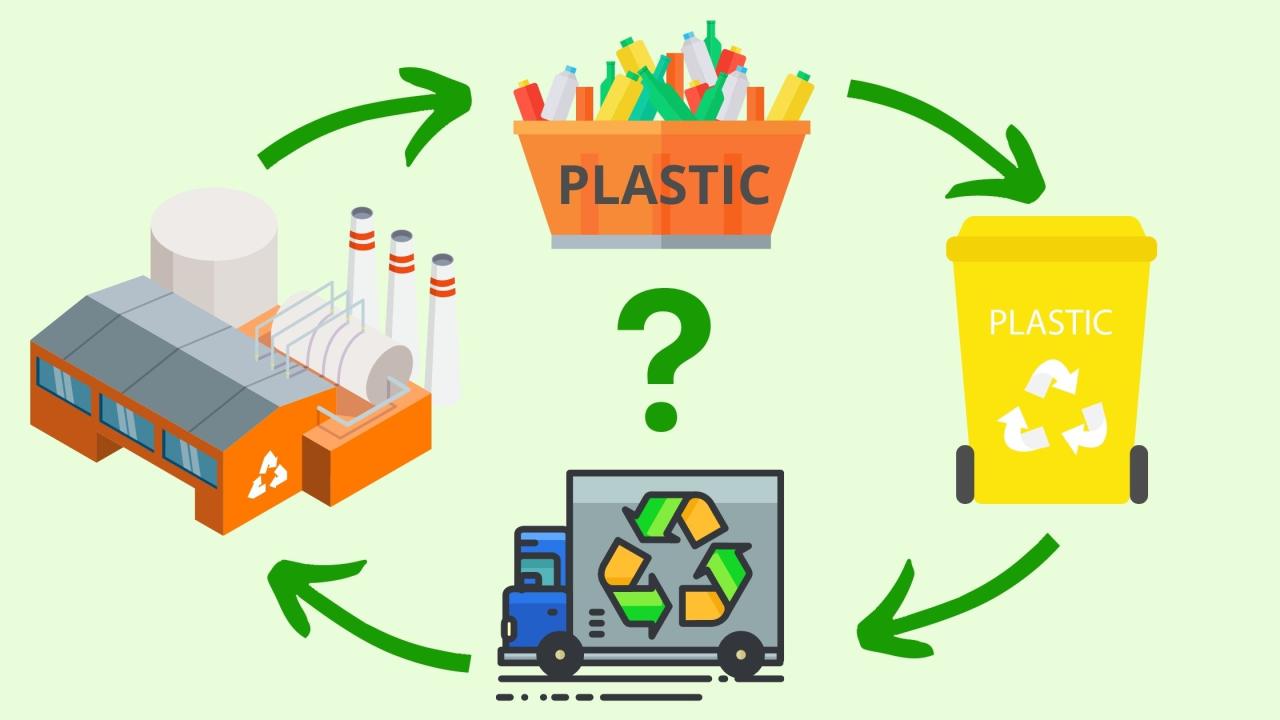
Battery recycling initiatives extend far beyond the technical processes. They contribute significantly to environmental sustainability, but also have important implications for communities and society as a whole. Understanding these impacts is crucial for fostering widespread support and engagement in these vital programs.The benefits of battery recycling extend from reducing environmental harm to generating economic opportunities and enhancing community well-being.
By fostering responsible disposal practices and supporting sustainable resource management, these initiatives contribute to a more resilient and environmentally conscious society.
Community Role in Promoting Battery Recycling
Community engagement is essential for the success of battery recycling programs. Public awareness campaigns, educational workshops, and convenient collection points can effectively promote responsible battery disposal. Partnerships with schools, community centers, and local businesses can further amplify the message, fostering a culture of environmental responsibility. Effective communication strategies are vital in educating the public about the importance of recycling batteries and the available collection methods.
Economic Benefits of Battery Recycling
Battery recycling generates substantial economic benefits at various levels. The recovery of valuable metals from spent batteries creates new revenue streams for recycling facilities and related industries. This can stimulate local economies by creating jobs and attracting investment. The demand for recycled materials, like nickel, cobalt, and lithium, fuels a circular economy, minimizing reliance on primary resources and potentially lowering the cost of new batteries.
Examples of Successful Battery Recycling Programs
Numerous successful battery recycling programs exist globally. Many municipalities have established curbside collection programs, while others have implemented partnerships with retailers to facilitate battery drop-offs. These initiatives often incorporate incentives, such as discounts or rebates, to encourage participation and increase collection rates. For example, some regions have successfully implemented extended producer responsibility (EPR) schemes, where manufacturers are held accountable for the end-of-life management of their products.
Benefits of Battery Recycling for Workers and Businesses
Battery recycling creates employment opportunities in collection, processing, and related industries. These jobs can contribute to local economic development and provide training and skill-building opportunities for workers. Businesses involved in battery recycling can benefit from cost savings associated with the recovery of valuable materials, improving their overall profitability and competitiveness. This can be seen in many industries that utilize recycled metals for manufacturing new products.
Case Studies of Communities Implementing Successful Programs
Several communities have successfully implemented battery recycling programs, demonstrating the effectiveness of different approaches. For example, a study in [Region Name] analyzed the impact of a community-based battery recycling program and found a significant increase in the collection rate and a noticeable positive effect on local employment. Similarly, in [Another Region], a retailer-partnership program for battery collection resulted in a notable reduction in hazardous waste and a boost in local recycling infrastructure.
These case studies illustrate the positive impact of community-based recycling programs on both the environment and the local economy.
Recycling Myths and Misconceptions

Misinformation surrounding battery recycling can deter individuals and organizations from participating in responsible disposal practices. Understanding the inaccuracies surrounding battery recycling is crucial for encouraging proper handling and maximizing the environmental benefits of this process. Addressing these myths and misconceptions is vital for promoting widespread adoption of sustainable practices.
Common Misconceptions About Battery Recycling
Misunderstandings about battery recycling are prevalent, often hindering the efficient and effective reuse of valuable materials. These misconceptions range from concerns about the safety of the process to doubts about the effectiveness of recovery methods. A clear understanding of these misconceptions and their refutations is essential for fostering public trust and engagement in battery recycling initiatives.
Accurate Information vs. Misconceptions
A significant number of people hold misconceptions about battery recycling. It is essential to dispel these myths with accurate information to ensure effective participation in recycling programs. This includes highlighting the environmental benefits of battery recycling and the importance of proper disposal methods.
Table of Common Battery Recycling Myths and Their Rebuttals
| Myth | Accurate Explanation |
|---|---|
| Recycling batteries is too expensive and inefficient. | Battery recycling, while requiring careful handling and specialized facilities, is demonstrably cost-effective. The recovery of valuable metals like lithium, nickel, and cobalt from batteries results in a substantial return on investment. Furthermore, the cost of extracting these metals from raw ore is significantly higher than the recycling process. |
| Recycling batteries is harmful to the environment. | Properly managed battery recycling is environmentally sound. It reduces the demand for raw materials, thus lessening the environmental impact associated with mining and refining. The process is designed to minimize environmental risks, such as contamination, through stringent protocols and technological advancements. In contrast, improper disposal of batteries leads to environmental contamination. |
| Recycled batteries are not as good as new batteries. | While some performance characteristics might differ slightly, recycled batteries are perfectly suitable for many applications. Modern recycling technologies effectively recover valuable materials, allowing for the creation of new batteries with comparable performance. For instance, recycled lithium-ion batteries have been used in various devices, demonstrating their functional viability. |
| Recycling batteries is difficult and inconvenient. | Dedicated battery recycling programs, either through community drop-off points or mail-back services, make battery recycling accessible. These programs are often supported by local governments and retailers. The convenience of these programs reduces the burden on individuals and increases the likelihood of participation. |
Importance of Accurate Information
Correct information about battery recycling is vital for encouraging participation in recycling programs. This knowledge empowers individuals to make informed decisions about their battery disposal. By dispelling myths and misconceptions, the public can better understand the environmental and economic benefits of battery recycling, ultimately promoting a more sustainable future.
Future of Battery Recycling
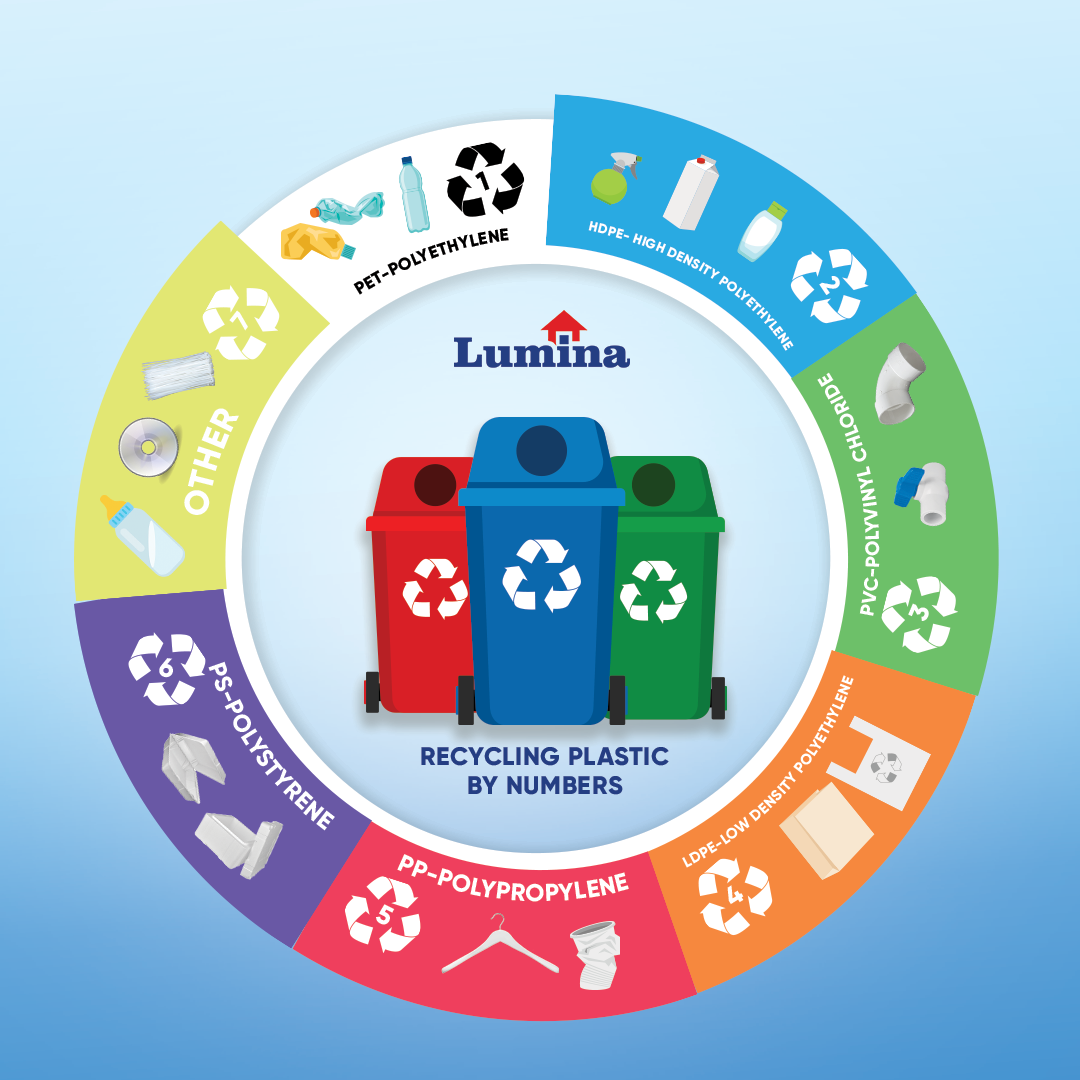
The future of battery recycling hinges on innovative approaches to extract valuable materials from increasingly complex battery chemistries. The growing demand for electric vehicles and energy storage systems necessitates efficient and sustainable recycling processes to minimize environmental impact and secure critical resources. This necessitates a shift towards more comprehensive and technologically advanced recycling methods.Emerging trends and technologies promise significant improvements in battery recycling efficiency and environmental friendliness.
The need for sustainable practices in the extraction and use of battery components is paramount. This section delves into the future of battery recycling, outlining emerging trends, challenges, and opportunities.
Emerging Trends and Technologies
Several innovative technologies are being developed and implemented to enhance battery recycling processes. These include advanced hydrometallurgical methods for selective extraction of valuable metals, pyrometallurgical techniques for recovering materials from complex battery compositions, and novel materials separation technologies using advanced magnetic and electrochemical methods. The use of artificial intelligence (AI) and machine learning (ML) is also expected to play a crucial role in optimizing recycling processes and predicting outcomes.
Challenges and Opportunities
Despite the promising advancements, challenges remain in achieving truly sustainable and economically viable battery recycling. The complexity of modern battery chemistries presents a significant hurdle, requiring sophisticated separation techniques. The economic viability of recycling is contingent upon the market value of recovered materials. Moreover, the scale-up of recycling infrastructure and the development of standardized procedures across different battery types are essential.
Opportunities lie in the development of closed-loop recycling systems that integrate the recycling process with battery manufacturing. This integration minimizes material waste and reduces the overall environmental impact of the battery lifecycle.
Role of Research and Development
Research and development (R&D) plays a critical role in advancing battery recycling techniques. Researchers are actively exploring new separation technologies, developing efficient extraction methods, and investigating the economic feasibility of large-scale recycling operations. Funding for R&D projects focused on battery recycling is essential for driving progress in this area. The development of cost-effective, high-throughput processes is vital for making battery recycling economically viable and environmentally sound.
Potential Future Innovations and Challenges
| Innovation | Description | Challenge | Mitigation Strategy |
|---|---|---|---|
| Advanced Hydrometallurgical Methods | Utilizing chemical leaching to selectively extract valuable metals from complex battery materials. | High energy consumption in certain processes and potential environmental contamination from chemical agents. | Developing more energy-efficient leaching methods and implementing stringent environmental control measures. |
| Pyrometallurgical Techniques | Using high temperatures to recover metals from battery components. | Potential air and water pollution from emissions and the generation of hazardous waste. | Implementing advanced emission control technologies and developing integrated waste management systems. |
| AI/ML-Driven Optimization | Employing AI and ML algorithms to optimize recycling processes, predict outcomes, and improve resource recovery. | Data availability and the need for sophisticated algorithms for complex battery compositions. | Developing comprehensive data sets on different battery chemistries and training AI models for accurate predictions. |
| Closed-Loop Recycling Systems | Integrating recycling into battery manufacturing processes. | Integrating recycling facilities with battery manufacturing plants and ensuring material compatibility. | Establishing partnerships between battery manufacturers and recyclers and developing standardized recycling protocols. |
Conclusive Thoughts
In conclusion, recycling batteries is a vital step toward a greener future. By understanding the different types of batteries, safe handling procedures, and the various recycling processes, individuals and communities can contribute to a more sustainable world. This guide equips you with the knowledge to effectively recycle batteries and minimize their environmental impact.