Glass recycling is a vital aspect of environmental stewardship. This comprehensive guide delves into the entire process, from understanding the science behind glass recycling to practical tips for effective home recycling. We’ll explore the various glass types, the collection and sorting methods, and the reprocessing steps. Furthermore, we’ll discuss the environmental impact of recycling glass and its benefits compared to creating new glass from raw materials.
Understanding the different types of glass, the various collection methods, and the efficient processing techniques are all crucial to maximizing the impact of glass recycling. This guide provides a thorough overview, equipping you with the knowledge to participate effectively in this essential environmental practice.
Understanding Glass Recycling
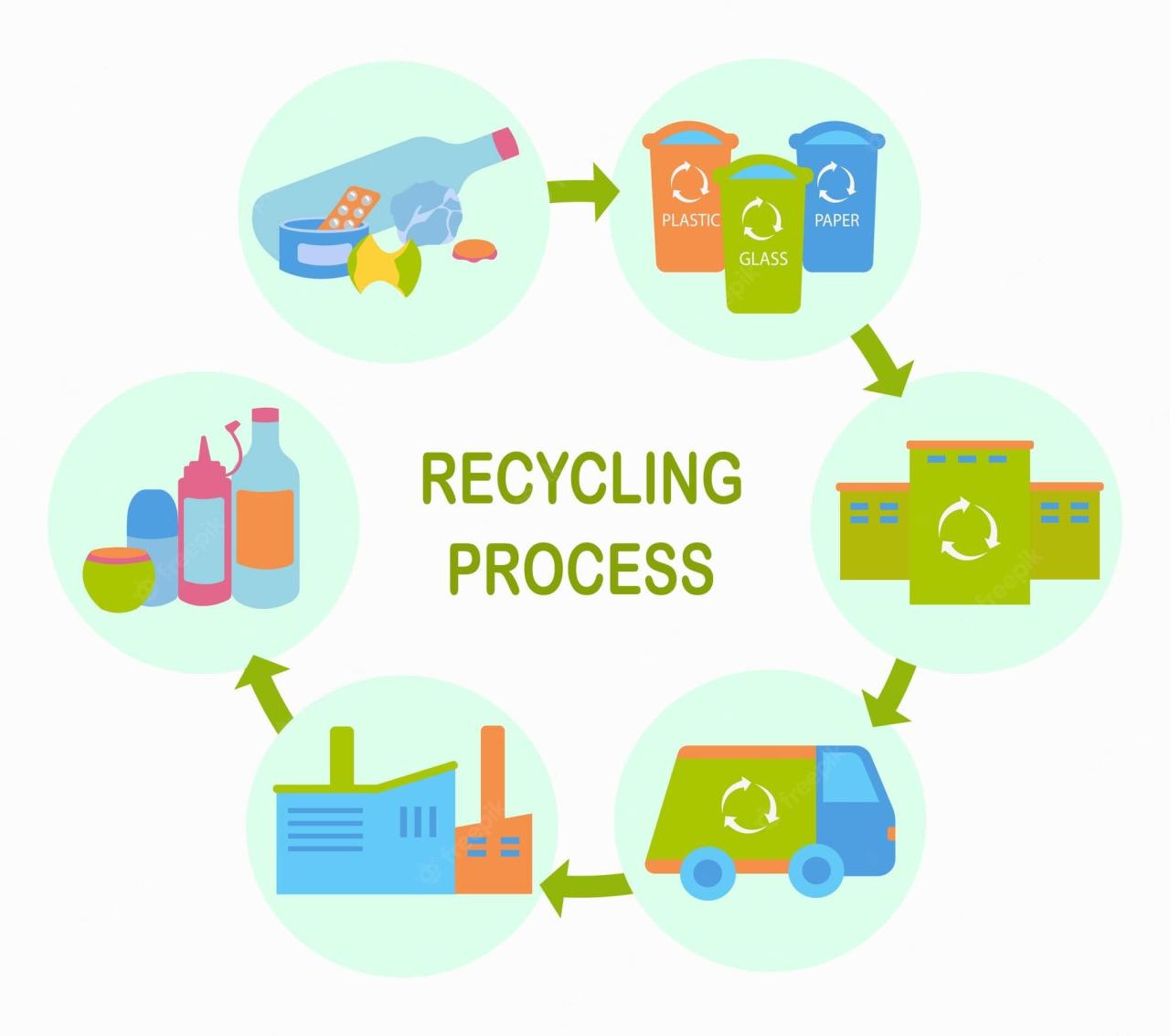
Glass recycling is a crucial component of sustainable waste management, significantly reducing the environmental footprint of our consumption patterns. By effectively reprocessing used glass, we lessen the demand for raw materials, conserve energy, and minimize landfill waste. This process is more than just a method of disposal; it’s a vital step in preserving our planet’s resources.The glass recycling process is a remarkable feat of material science, efficiently transforming discarded glass into reusable components.
This transformative process is environmentally beneficial and economically sound. Understanding the various facets of this process allows us to appreciate its multifaceted contributions to a sustainable future.
The Glass Recycling Process
The glass recycling process involves several distinct stages, from initial collection to the final reprocessing of the material. Each step is carefully orchestrated to ensure efficient resource recovery and minimal environmental impact.
- Collection and Sorting: The initial phase involves collecting various types of glass from diverse sources. This includes residential curbside collection programs, commercial facilities, and specialized collection centers. Sorted glass is categorized based on type (e.g., clear, colored, or tempered) to ensure proper reprocessing. This sorting process is critical, as different types of glass have varying compositions and require specific processing techniques.
- Crushing and Cleaning: Collected glass undergoes crushing and cleaning to remove contaminants like food debris, labels, and other foreign materials. The crushing process reduces the volume of glass for more efficient transportation and processing. This step is vital in ensuring the purity and quality of the recycled glass.
- Melting and Reforming: The cleaned glass is then melted in a furnace at extremely high temperatures. This melting process breaks down the glass into its constituent components, preparing it for re-shaping. The precise temperature control is crucial to achieve the desired consistency and quality of the recycled glass.
- Re-shaping and Manufacturing: The molten glass is molded into new products, such as bottles, jars, or other containers. The use of recycled glass reduces the need to extract new raw materials from the Earth. This process represents a circular economy in action, maximizing the use of existing resources.
Types of Glass Recyclable
Not all glass is created equal. The ability to recycle glass hinges on its composition.
- Common Glass Types: Most glass types, including clear, green, and amber bottles and jars, can be recycled. These are typically soda-lime-silica glass, which is easily melted and reformed.
- Special Glass Types: Specialty glass types, such as glass used in windows or certain laboratory equipment, might require specialized processing or are not typically part of standard recycling programs. However, some recycling facilities are equipped to handle these types of glass.
- Contaminated Glass: Glass contaminated with food residues, metal shards, or other debris should be separated from clean glass. This contamination can hinder the recycling process and compromise the quality of the recycled material.
Environmental Benefits of Glass Recycling
Glass recycling plays a critical role in environmental sustainability.
- Reduced Raw Material Extraction: Recycling glass reduces the need to mine and process raw materials, thereby minimizing the environmental impact associated with these activities. This includes the energy used in extraction and the land disturbed by mining.
- Energy Conservation: Producing glass from recycled materials requires significantly less energy than manufacturing it from raw materials. This energy savings contributes to a reduction in greenhouse gas emissions and a lower carbon footprint.
- Landfill Reduction: Recycling glass diverts substantial quantities of waste from landfills, conserving valuable space and preventing the release of harmful substances that may leach into the environment.
Benefits of Recycling Glass Compared to New Glass Production
Recycling glass is a more sustainable alternative to manufacturing glass from raw materials.
- Reduced Energy Consumption: The energy required to produce glass from recycled materials is substantially lower than the energy required to manufacture it from raw materials. This reduction in energy consumption leads to significant savings in energy costs and a decrease in greenhouse gas emissions.
- Reduced Greenhouse Gas Emissions: The production of new glass from raw materials generates a higher volume of greenhouse gas emissions compared to recycling. Recycling reduces the carbon footprint associated with glass production.
- Conservation of Natural Resources: Recycling glass conserves natural resources like sand, soda ash, and limestone, which are essential components of glass production. This conservation supports the long-term sustainability of these resources.
Collection and Sorting
Collecting and sorting glass for recycling is a crucial step in the process, ensuring that valuable materials are recovered efficiently and effectively. Proper collection methods, coupled with advanced sorting techniques, maximize the amount of glass suitable for reuse and minimize waste. This process plays a vital role in resource conservation and environmental sustainability.
Glass Collection Methods
Various methods are employed to collect glass for recycling. Understanding the effectiveness, efficiency, and associated costs of each method is important for optimizing recycling programs.
| Collection Method | Effectiveness | Efficiency | Cost |
|---|---|---|---|
| Curbside collection | Generally high, as it reaches a large portion of the population. | Moderate to high, depending on the efficiency of the collection route and sorting infrastructure. | Relatively low per household, but can increase with the scale of the program and the complexity of the sorting system. |
| Drop-off centers | Lower than curbside, as participation is dependent on individual willingness and location. | High, as items are typically sorted at the collection point. | Low, as the cost per participant is lower compared to curbside collection. |
| Specialized collection vehicles | High, as it allows for targeted collection of larger quantities. | High, due to the streamlined process of collection and transportation. | High, due to the specialized equipment and labor required. |
Glass Sorting Processes
The sorting of glass is a critical step in recycling. The process ensures that different types of glass are separated for appropriate processing.Glass is primarily sorted based on color (clear, green, brown, etc.). Different types of glass have varying compositions and recycling processes, and separating them is essential for optimal material recovery. For instance, clear glass is typically used for food and beverage containers, while colored glass is often found in bottles for certain beverages or specialty products.
Automated Sorting Systems
Automated sorting systems are increasingly utilized in glass recycling facilities. These systems utilize advanced technologies to effectively separate different types of glass, improving the quality and quantity of recycled materials. Sophisticated optical sensors, conveyors, and robotic arms are integral components of these systems. Automated systems allow for faster and more accurate sorting compared to manual methods.
Manual vs. Automated Sorting
The choice between manual and automated sorting methods depends on factors such as the volume of glass to be processed, budget constraints, and the desired level of purity in the recycled material.
| Sorting Method | Advantages | Disadvantages |
|---|---|---|
| Manual Sorting | Lower initial investment, suitable for smaller facilities. | Lower throughput, potential for human error, slower processing times. |
| Automated Sorting | Higher throughput, increased accuracy, reduced labor costs, and improved quality of recycled material. | Higher initial investment, specialized expertise required for maintenance and operation. |
Processing and Reprocessing
The journey of glass from discarded container to valuable resource involves a series of crucial steps, most notably the processing and reprocessing phases. These stages transform discarded glass into new products, minimizing waste and conserving resources. This section delves into the details of cleaning, crushing, melting, and re-forming glass, alongside the energy consumption and environmental implications of this process.The recycling process for glass is an efficient and effective method of managing waste and creating new products from old ones.
This process begins with the collection and sorting of glass, followed by the crucial steps of cleaning, crushing, melting, and re-forming the glass. Understanding the specifics of these processes provides a deeper insight into the environmental benefits and economic viability of glass recycling.
Cleaning and Crushing Glass
The initial step in the reprocessing of glass involves meticulous cleaning to remove any contaminants, such as food residue, labels, or other debris. This careful cleaning is vital to ensure the quality of the recycled glass and prevent impurities from affecting the properties of the new products. Contaminants can interfere with the melting process and affect the final product’s strength and appearance.
Specialized equipment, often involving mechanical brushes and high-pressure water jets, is used to thoroughly clean the glass. Once cleaned, the glass is typically crushed into smaller pieces, facilitating easier handling and melting. The crushing process involves specialized machinery, such as hammer mills or shredders, which break the glass into consistent sizes. This preparation ensures uniformity in the melting process, optimizing energy use and product quality.
Melting and Re-forming Glass
The crushed glass is then transported to a furnace, where it undergoes a crucial melting process. The furnace is meticulously controlled to achieve a precise temperature, typically between 1500°C and 1600°C. At these high temperatures, the glass transforms from a solid state to a molten liquid, allowing for the subsequent re-forming process. The precise temperature control during melting is vital to ensure that the glass does not degrade or overheat.
This is a crucial step to maintain the quality and consistency of the recycled glass. After the melting phase, the molten glass is carefully molded and shaped into various forms. This step can include techniques like blowing, pressing, or drawing, which are essential for creating different shapes and sizes of products. Modern techniques utilize computer-aided design and automated machinery to ensure precision and efficiency in the re-forming process.
Types of Recycled Glass Products
A wide array of products can be manufactured from recycled glass. These include:
- Glass Bottles and Jars: Recycled glass is frequently used to create new bottles and jars, demonstrating the circularity of the process.
- Glass Containers for Food and Beverages: The recycled glass is ideal for food and beverage containers due to its inherent safety and inertness.
- Glass Tiles and Panels: Recycled glass can be re-formed into aesthetically pleasing and durable tiles and panels, often used in construction and design.
- Glass Fibers and Wool: Glass fibers and wool, created from recycled glass, find application in insulation materials and other construction-related uses.
- Glass Beads and Decorative Items: Recycled glass is used to craft decorative beads, sculptures, and other artistic pieces, showcasing its versatility.
These examples highlight the diverse applications of recycled glass, showcasing its versatility and reducing the need for raw materials.
Energy Consumption in Glass Recycling
The energy consumption associated with glass recycling is a critical aspect of the process. The melting process, requiring high temperatures, is the most energy-intensive stage. While recycling glass requires energy, the energy required is significantly less than extracting and processing raw materials. For example, producing new glass from raw materials necessitates a considerably higher energy input compared to recycling existing glass.
The energy efficiency of the recycling process is often measured in terms of the amount of energy saved compared to producing glass from virgin materials. Advanced furnace technologies and efficient energy management strategies play a crucial role in minimizing the energy footprint of glass recycling facilities. The reduction in energy consumption contributes to lower carbon emissions, thereby lessening the environmental impact of glass recycling.
Environmental Impact Comparison
Recycling glass offers significant environmental advantages compared to using virgin materials. The extraction and processing of raw materials for glass production contribute significantly to environmental impacts. These impacts include habitat destruction, water pollution, and greenhouse gas emissions. Recycling glass reduces the demand for raw materials, minimizing these negative impacts. Moreover, the recycling process itself has a lower environmental footprint compared to the production of glass from raw materials.
Recycling glass saves energy, reduces landfill waste, and conserves natural resources. For example, recycling a ton of glass can save about 1,000 kilowatt-hours of energy, reducing carbon emissions and conserving natural resources. This demonstrably positive impact highlights the importance of glass recycling in sustainable practices.
Glass Types and Recycling
Glass recycling is a crucial component of waste management, contributing to resource conservation and environmental sustainability. Understanding the various types of glass and their characteristics is essential for optimizing the recycling process. Different glass types present varying levels of difficulty and potential for reuse, requiring specific handling and processing methods.
Identifying Glass Container Types
Glass containers encompass a wide range of forms, including bottles, jars, and other specialized shapes. Different shapes and sizes are designed for specific applications, such as food storage, beverages, or industrial products. Variations in these shapes and sizes require specialized handling during collection and processing.
Glass Composition and Characteristics
Glass composition significantly influences its durability, melting point, and suitability for recycling. The fundamental components of glass typically include silica (sand), soda ash, and lime. Variations in the proportions of these components can alter the glass’s properties, affecting its recyclability and potential for reprocessing. For example, the addition of different metallic oxides can result in colored glass, each with its own unique chemical makeup.
The presence of heavy metals or other contaminants can pose challenges during the recycling process.
Impact of Glass Types on Recycling
Different glass types present varying degrees of recyclability. Clear glass, typically composed of standard ingredients, is generally highly recyclable. Colored glass, however, may contain additional metallic oxides that affect the reprocessing process. Contamination, such as the presence of non-glass materials or significant amounts of food residue, can further complicate the recycling of any glass type.
Recyclability of Different Glass Types
| Glass Type | Recyclability | Challenges |
|---|---|---|
| Clear glass | High | Generally easily separated and reprocessed into new glass products, but can still be affected by contamination. |
| Colored glass | Medium | The presence of metallic oxides may affect the melting process or result in unwanted color variations in the recycled glass. Separation from other glass types can be challenging. |
| Glass with Metal Components | Low | Glass containing metal components often cannot be effectively recycled with other glass types, requiring separate handling and processing to prevent contamination. |
| Tempered glass | Low | Tempered glass, often used in windows or automotive parts, is typically more difficult to recycle due to its enhanced strength, which necessitates specific procedures for safe and efficient processing. |
Potential for Recycling Colored Glass
While colored glass presents some challenges, recycling is possible. Advanced sorting technologies and specialized processing methods can effectively separate colored glass from other types and prepare it for reprocessing. Furthermore, advancements in glass manufacturing technologies are addressing the potential issues with color variation in recycled glass. This can result in the production of glass suitable for specific applications, even with varying degrees of color.
Consumer Guidelines and Tips

Proper glass recycling practices are crucial for maintaining a healthy environment and ensuring the efficient utilization of valuable resources. Consumers play a vital role in the success of glass recycling programs, and understanding the guidelines and best practices can significantly improve the overall process.Consumer engagement is paramount to the efficacy of any recycling program. Adhering to these guidelines not only benefits the environment but also helps contribute to a more sustainable future.
Proper Glass Recycling at Home
Effective glass recycling starts at home. Following a few simple steps can make a big difference.
- Rinse and Empty Containers:
- Remove Lids and Caps:
- Dispose of Broken Glass Separately:
- Avoid Mixing Glass with Other Materials:
- Check Local Guidelines:
Thoroughly rinse all glass containers to remove any food residue or debris. Empty them completely to prevent contamination and ensure efficient processing.
Always remove lids and caps from glass containers. These components can interfere with the sorting process and contaminate the glass.
Broken glass should be disposed of separately in designated containers. Avoid placing it with whole glass containers to prevent damage to the sorting equipment.
Do not mix glass containers with plastic, metal, or other materials. Mixing different types of recyclables can lead to contamination and hinder the recycling process.
Always consult local guidelines and regulations regarding glass recycling. Different municipalities may have specific requirements or restrictions.
Separating Different Glass Types for Recycling
Different types of glass have varying compositions and require specific handling during recycling. Proper separation ensures optimal processing and prevents contamination.
- Different Glass Types:
Glass is categorized into different types, such as clear glass, colored glass, and tempered glass. These different types are often treated separately due to their unique chemical compositions and potential for contamination. Clear glass is generally easier to recycle, while colored glass may require special processing due to its pigments. Tempered glass, used in items like car windshields, is typically treated separately.
Proper separation is essential for maintaining the quality of recycled glass.
Consumer Behavior and Glass Recycling Success
Consumer behavior significantly influences the success of glass recycling programs. Understanding and promoting the importance of proper recycling practices is key.
- Importance of Consumer Awareness:
- Community Participation:
Consumer awareness regarding the proper handling and disposal of glass is essential for effective recycling. Educating consumers about the value of recycling glass and the environmental impact of not recycling is crucial.
Community participation and support are key to the success of glass recycling programs. Active participation by individuals and communities drives the recycling process forward.
Common Mistakes During Glass Recycling
Several common mistakes can negatively impact glass recycling efforts. Recognizing these mistakes can help improve recycling practices.
- Contamination:
- Incorrect Disposal:
- Improper Rinsing:
Contamination is one of the most common mistakes. Food residue, plastic labels, or other materials mixed with glass can make it unusable for recycling.
Incorrect disposal of glass in the wrong bins or with other materials can hinder the recycling process.
Insufficient rinsing of glass containers before recycling can lead to contamination and hinder the process.
Helpful Resources for Learning More
Various resources can provide additional information about glass recycling in your area. Exploring these resources can enhance your understanding of the process.
- Local Recycling Centers:
- Local Government Websites:
- Environmental Organizations:
Local recycling centers or waste management companies often provide brochures, websites, or workshops about glass recycling.
Local government websites frequently have dedicated pages or information about recycling programs.
Environmental organizations and non-profits offer valuable information and resources regarding glass recycling.
Future of Glass Recycling
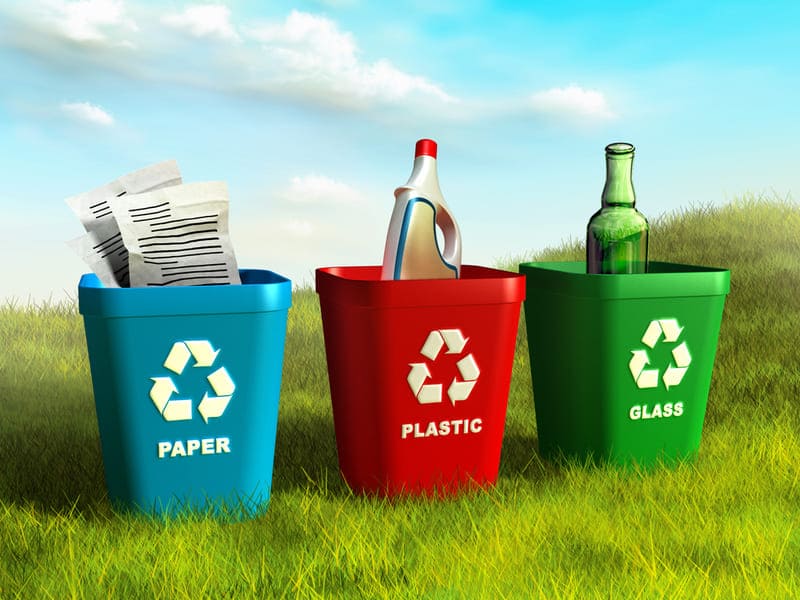
The future of glass recycling hinges on innovation and a collective effort to increase the volume of recycled glass. Proactive measures by governments and businesses, coupled with technological advancements, will be crucial in ensuring the long-term sustainability of this vital process. These improvements will not only minimize environmental impact but also create new economic opportunities.The existing glass recycling infrastructure, while effective, has the potential for substantial enhancement.
Further improvements in collection, sorting, and processing technologies can lead to more efficient and cost-effective recycling operations. This, in turn, will make glass recycling more attractive to consumers and industries.
Potential Innovations in Glass Recycling Technologies
Technological advancements are poised to revolutionize glass recycling. Improvements in sorting technologies, such as advanced optical sensors and automated robotic systems, can increase the accuracy and efficiency of separating different types of glass. This enhanced sorting will minimize contamination and maximize the yield of usable recycled glass. Further research and development in chemical processing methods, including innovative techniques for glass-to-glass recycling, can improve the quality of recycled glass and reduce energy consumption.
These improvements will allow for a more cost-effective and environmentally sound process.
Potential for Increasing the Volume of Recycled Glass
Significant increases in the volume of recycled glass are achievable through a combination of targeted strategies. Encouraging consumer participation by educating them about the benefits of glass recycling, and implementing incentives for returning glass containers, can drive a noticeable increase. Public awareness campaigns, along with the design of more user-friendly recycling programs, will be crucial. Businesses can also contribute by implementing internal recycling programs, using recycled glass in new products, and advocating for policies that support glass recycling.
Furthermore, partnerships between local governments and businesses can lead to more streamlined collection and processing systems, enhancing the recycling rate.
Factors Affecting the Growth of Glass Recycling
Several factors influence the growth of glass recycling. Government policies, including regulations and incentives, play a significant role. Policies that encourage glass recycling and penalize the improper disposal of glass containers are essential. Economic conditions, particularly costs associated with collection, sorting, and processing, can also impact the volume of glass recycled. Consumer attitudes and behaviours, as well as the availability and convenience of recycling programs, are key factors.
Ultimately, a supportive environment encompassing policies, economic considerations, and consumer behaviour is crucial for the success of glass recycling programs.
Potential Impact of Glass Recycling on Waste Management
Glass recycling significantly contributes to waste management by reducing landfill burden. A substantial portion of waste is glass, and recycling significantly reduces the environmental impact. It conserves natural resources, as producing glass from recycled materials requires less energy than creating it from raw materials. Reduced waste disposal costs are another notable impact, saving valuable resources that could be allocated elsewhere.
By lowering the need for new glass production, glass recycling contributes to the reduction of greenhouse gas emissions associated with the manufacturing process.
How Governments and Businesses Can Support Glass Recycling Initiatives
Governments can support glass recycling by enacting policies that encourage recycling and penalize improper disposal. These policies can include tax incentives for businesses implementing recycling programs, funding for recycling infrastructure development, and public awareness campaigns. Businesses can support glass recycling by incorporating recycled glass into their products, implementing internal recycling programs, and partnering with local governments for streamlined collection and processing systems.
The combination of government policies and corporate support will help establish a strong foundation for increased glass recycling.
Environmental Impact and Benefits
Glass recycling plays a crucial role in mitigating the environmental impact of waste disposal and resource consumption. By diverting glass from landfills and utilizing recycled materials, we significantly reduce the strain on natural resources and minimize the environmental footprint of our consumption patterns. This process fosters a circular economy, promoting sustainability and resource efficiency.
Reduction in Landfill Waste
Glass, being an inert material, does not decompose in landfills. Accumulation of glass waste contributes to landfill expansion, reducing available space for other waste materials. Recycling glass drastically reduces the volume of waste entering landfills. This space conservation directly impacts the need for new landfill sites, mitigating the environmental impact associated with their development. Furthermore, the absence of decomposition reduces the release of harmful greenhouse gases often associated with organic waste breakdown.
Energy Savings from Recycling
Producing new glass from raw materials requires significantly more energy than reprocessing recycled glass. Recycling glass conserves energy by reducing the demand for raw materials. The energy savings are substantial, ranging from 20% to 70% depending on the specific production process and raw material composition. This reduced energy consumption translates to a decrease in greenhouse gas emissions associated with energy production.
Reduction in Greenhouse Gas Emissions
The energy saved through glass recycling translates directly into a reduction in greenhouse gas emissions. Manufacturing new glass from raw materials is an energy-intensive process, often relying on fossil fuels. Recycling glass significantly decreases the reliance on these fuels, thus lowering the overall carbon footprint of the production process. This reduction is demonstrably significant, impacting air quality and mitigating the effects of climate change.
Environmental Benefits of Recycling Different Glass Types
Recycling different glass types, while similar in fundamental principles, can yield varying levels of environmental benefits depending on the specific composition and the processes involved. Different types of glass, such as clear, colored, and tempered glass, often contain varying concentrations of minerals and materials that might require specific processing methods. The energy savings from recycling each type are directly correlated to the specific composition.
For instance, recycling clear glass usually yields more significant energy savings than recycling colored glass due to the added complexity in separating the colors.
Environmental Benefits of Recycling Glass
| Glass Type | Environmental Benefit |
|---|---|
| Clear Glass | Significant energy savings, reduced landfill waste, reduced greenhouse gas emissions. |
| Colored Glass | Reduced landfill waste, reduced greenhouse gas emissions, though slightly lower energy savings compared to clear glass due to additional processing. |
| Tempered Glass | Reduced landfill waste, reduced energy consumption in manufacturing, potential for reuse and repurposing in construction. |
| Glass Bottles | Significant energy savings, reduced landfill space, potential for creating new containers and products. |
Closure
In conclusion, recycling glass is a multifaceted process that requires understanding the various steps involved, from collection and sorting to processing and reprocessing. By following the guidelines and tips provided, individuals and communities can contribute significantly to environmental sustainability and conserve valuable resources. The future of glass recycling depends on continued innovation and collaborative efforts. Ultimately, responsible recycling practices are essential for a greener future.