Coffee grounds, a ubiquitous byproduct of our daily routines, offer a surprising wealth of benefits for home gardeners. This comprehensive guide delves into the art of composting coffee grounds, highlighting the process’s environmental and horticultural advantages. From understanding the types of grounds suitable for composting to optimizing your composting methods, we’ll equip you with the knowledge to transform kitchen waste into enriching soil for your garden.
This guide explores the diverse aspects of composting coffee grounds, providing detailed information on suitable types, effective methods, and troubleshooting common issues. We’ll examine the environmental impact of improper disposal and the positive contribution of composting. Learn how to maximize the benefits of this readily available resource for your garden and the environment.
Introduction to Composting Coffee Grounds
Composting coffee grounds is a simple and effective way to enrich your garden soil and reduce waste. These seemingly insignificant remnants of your morning ritual hold valuable nutrients that can dramatically improve plant health and yield. This practice not only benefits your plants but also contributes to a more sustainable lifestyle. By understanding the basic principles of composting and the environmental advantages of this practice, you can easily integrate this beneficial process into your routine.Coffee grounds, a readily available organic material, are an excellent addition to compost piles.
Their high nitrogen content provides essential nourishment for plants, while their structure helps improve soil aeration and water retention. This process of decomposition, a natural cycle of the environment, transforms waste into a valuable resource for your garden. Furthermore, this method significantly minimizes the environmental impact of discarding these grounds.
Benefits of Coffee Grounds in Composting
Coffee grounds are a valuable addition to compost piles due to their high nitrogen content, which is a key nutrient for plant growth. They also contain other beneficial compounds that enhance soil health. Their unique structure improves soil aeration and water retention, creating an ideal environment for plant roots to thrive.
Basic Principles of Composting
Composting is a natural process of decomposition where organic materials, such as coffee grounds, break down into nutrient-rich compost. The process involves a complex interplay of microorganisms, moisture, and air, creating a favorable environment for decomposition. A balanced mix of ‘brown’ materials (like dried leaves, twigs, and cardboard) and ‘green’ materials (like coffee grounds, vegetable scraps, and grass clippings) is crucial for efficient decomposition.
Maintaining appropriate moisture levels and ensuring adequate aeration are vital for optimal composting.
History of Coffee Consumption and Composting
The history of coffee cultivation and consumption spans centuries. From its origins in Ethiopia, coffee has become a global beverage, with significant cultural and economic impact. The growing popularity of coffee has led to increased production and, consequently, a significant amount of coffee waste. The concept of composting is an age-old practice, adapted and refined over generations to maximize the use of organic materials.
The modern understanding of composting as an environmentally friendly approach to waste management further strengthens its relevance in the context of coffee consumption.
Environmental Impact of Discarding Coffee Grounds
Disposing of coffee grounds in landfills contributes to environmental problems, including methane emissions and the depletion of landfill space. These organic materials, if not properly composted, decompose slowly, releasing greenhouse gases and occupying valuable landfill space. Composting coffee grounds, on the other hand, transforms these materials into a valuable soil amendment, reducing the burden on landfills and promoting a sustainable approach to waste management.
Designing a Compost Pile for Coffee Grounds
A well-designed compost pile ensures efficient decomposition of coffee grounds and other organic materials. The ideal pile should include a balance of ‘green’ and ‘brown’ materials, with sufficient moisture and aeration. A simple method involves layering materials like coffee grounds, twigs, and leaves in alternating layers. Monitoring moisture levels and ensuring proper air circulation within the pile are essential for successful composting.
This ensures the rapid decomposition of coffee grounds into valuable compost.
Types of Coffee Grounds Suitable for Composting

Composting coffee grounds is a fantastic way to repurpose a common kitchen byproduct and contribute to a healthy garden. Understanding the nuances of different coffee brewing methods and the potential presence of additives is crucial for successful composting. This section will delve into the suitability of various coffee grounds for composting, helping you maximize the benefits of this practice.Different brewing methods produce coffee grounds with varying characteristics, impacting their suitability for composting.
Factors such as the brewing process, the presence of added chemicals or filters, and the origin of the beans can all influence the effectiveness of the composting process.
Brewing Method Suitability
Different coffee brewing methods result in varying levels of suitability for composting. The essential factor to consider is the absence of additives and chemicals.
- Drip Coffee Maker: Generally excellent for composting. Drip coffee makers typically use minimal additives, making the grounds well-suited for the process. The grounds are usually finely ground and easily break down in the compost bin.
- French Press: Suitable for composting, though some sediment may be present. French press grounds often have a slightly coarser texture compared to drip coffee grounds. The sediment, while not detrimental, might take slightly longer to decompose.
- Espresso Machine: Excellent for composting. Espresso grounds are typically well-suited for composting, similar to drip grounds, due to the absence of significant additives. Their finer grind aids in the decomposition process.
- Cold Brew: Generally suitable for composting. Cold brew grounds, like those from drip coffee makers, are usually free from additives and are well-suited for composting.
Additives and Chemicals
The presence of additives or chemicals in coffee grounds significantly impacts their suitability for composting. Avoid using grounds treated with bleach, pesticides, or other harmful substances. These chemicals can contaminate the compost and harm plants. Stick to coffee grounds produced from standard brewing methods.
Coffee Filters and Sources
The suitability of coffee filters and the source of the coffee beans are important considerations.
- Paper Filters: Most standard paper coffee filters are biodegradable and compostable. However, some filters may contain additives that could hinder the composting process. Ensure to check the filter’s composition.
- Reusable Filters: Reusable coffee filters are an environmentally friendly alternative to paper filters. They are usually made from materials like stainless steel or metal, which are readily compostable. Their use doesn’t introduce additional materials into the compost.
- Coffee Bean Origin: The origin of the coffee beans themselves does not directly affect their suitability for composting. The focus should remain on the brewing method and the absence of harmful additives.
Comparison of Brewing Methods
The table below summarizes the suitability of various coffee brewing methods for composting.
| Brewing Method | Suitable for Composting? | Comments |
|---|---|---|
| Drip Coffee Maker | Yes | Generally good, minimal additives |
| French Press | Yes | May have some sediment, minimal additives |
| Espresso Machine | Yes | Generally good, minimal additives |
| Cold Brew | Yes | Generally good, minimal additives |
Methods for Composting Coffee Grounds
Composting coffee grounds offers a valuable way to recycle this often-discarded material and enrich your garden soil. Understanding the different composting methods available allows you to select the most suitable approach for your needs and resources. Choosing the right method is key to successful composting and maximizing the benefits for your garden.Different methods offer varying degrees of ease, space requirements, and environmental impact.
This section will delve into the specifics of various composting techniques, outlining their procedures and comparing their strengths and weaknesses.
Backyard Compost Bin Composting
Backyard compost bins are a popular and accessible option for composting coffee grounds. Their effectiveness relies on the decomposition of organic matter through a process facilitated by microorganisms and beneficial insects. This method is relatively straightforward, requiring a compost bin, consistent moisture, and a good mix of materials.The process involves layering coffee grounds with other organic materials like yard waste, food scraps, and dried leaves.
Turning the compost regularly helps aerate the pile and speeds up the decomposition process. This process generally takes several weeks to several months, depending on factors like the climate and the consistency of the compost mix. Careful monitoring of moisture levels is essential to maintain optimal conditions for decomposition.
Worm Composting
Worm composting, or vermicomposting, utilizes worms to break down organic materials, including coffee grounds. This method is known for its efficiency, minimal space requirements, and environmentally friendly nature. It relies on the digestive processes of worms to convert organic matter into nutrient-rich castings.To initiate this method, a worm bin is essential. This bin provides a controlled environment for the worms, ensuring proper moisture and temperature levels.
Adding coffee grounds to the worm bin, along with other food scraps and plant materials, is crucial for optimal worm activity. Regular monitoring of moisture levels and the introduction of new materials are important for maintaining a thriving worm population and ensuring effective decomposition.
Bokashi Composting
Bokashi composting is an anaerobic method that uses a special composting material (bokashi bran) to break down organic matter. It excels in reducing odors and is particularly well-suited for kitchen waste, including coffee grounds. This method creates a compost that is ready for use much faster than other methods.The process typically involves layering coffee grounds and other food scraps with bokashi bran in a sealed container.
The bran acts as a microbial food source, accelerating the decomposition process. The anaerobic environment minimizes odors, making this method suitable for urban environments. After a few weeks, the resulting compost is ready to be added to the garden soil or used as a fertilizer.
Comparison of Composting Methods
| Composting Method | Pros | Cons |
|---|---|---|
| Backyard Compost Bin | Accessible, cost-effective, readily available materials | Requires space, time commitment for turning, potential for odors |
| Worm Composting | Environmentally friendly, minimal space needed, produces valuable castings | Requires specific conditions (moisture, temperature), worms may not handle all materials |
| Bokashi Composting | Reduces odors, excellent for kitchen waste, relatively fast composting time | Requires specific materials (bokashi bran), needs proper container, potential for mold if not handled correctly |
Step-by-Step Procedure for Worm Composting Coffee Grounds
- Prepare a worm bin with proper bedding materials (shredded cardboard, newspaper). This provides a suitable habitat for the worms.
- Introduce the worms to the bin, ensuring they are acclimated to their new environment.
- Carefully layer coffee grounds with other organic materials (vegetable scraps, fruit peels) within the worm bin.
- Maintain proper moisture levels. A damp, but not soggy, environment is crucial.
- Monitor the worm bin regularly, adding new materials and removing finished castings.
Optimizing Composting for Best Results
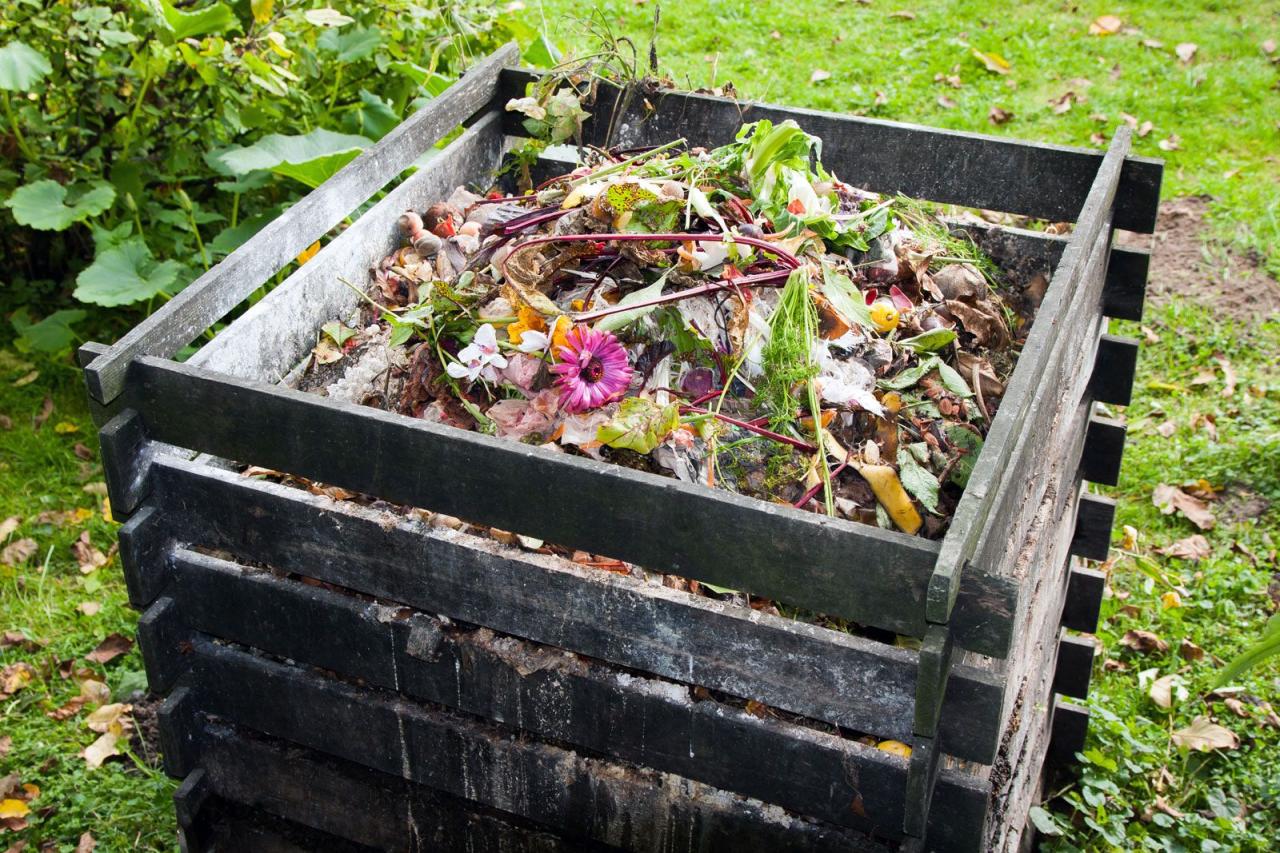
Achieving successful composting relies heavily on understanding and maintaining optimal conditions. This involves careful attention to moisture, carbon-to-nitrogen ratios, and the avoidance of common mistakes. Proper incorporation methods are also crucial for efficient decomposition and nutrient creation.Understanding these key factors will lead to a healthier, more productive composting process, yielding a rich, valuable soil amendment for your garden.
Ideal Moisture Content
Maintaining the appropriate moisture level is essential for microbial activity in the compost pile. Too little moisture inhibits the crucial microorganisms that break down organic matter, while excessive moisture can lead to anaerobic conditions, creating unpleasant odors and slowing decomposition. The ideal moisture content should be similar to a damp sponge, easily squeezed but not dripping. This consistency allows for sufficient moisture without excessive waterlogging.
Maintaining the Carbon-to-Nitrogen Ratio (C:N)
The carbon-to-nitrogen ratio is a critical aspect of composting. A balanced C:N ratio supports the decomposition process. A good C:N ratio is typically between 25:1 and 30: A ratio that is too high in carbon may lead to slow decomposition, while one that is too high in nitrogen can result in unpleasant odors and the production of ammonia.
Coffee grounds, being relatively high in nitrogen, need to be balanced with carbon-rich materials like dried leaves, shredded cardboard, or straw. Monitoring and adjusting the C:N ratio is vital for efficient composting.
Avoiding Common Composting Mistakes
Several mistakes can hinder the composting process. One common error is adding too much of a single material, such as coffee grounds, without sufficient balancing with other components. Another is insufficient turning and mixing of the pile, leading to uneven decomposition. Furthermore, improper moisture management can lead to problems. In addition, neglecting to add air, which is vital for aerobic composting, can also significantly impact the process.
Careful attention to these factors can avoid common mistakes and maintain a smooth, efficient composting process.
Incorporating Coffee Grounds into Different Compost Piles
The method of incorporating coffee grounds into your compost pile depends on the type of compost system you use. For a bin system, simply layer coffee grounds with other organic materials, ensuring a balanced C:N ratio. For a pile system, incorporate coffee grounds into the pile, turning it regularly to ensure even decomposition. The key is to distribute coffee grounds evenly throughout the compost pile to ensure optimal decomposition and avoid creating hot spots.
Crucial Factors for Success
- Balanced C:N Ratio: Maintaining a balanced carbon-to-nitrogen ratio is vital. A ratio of approximately 25:1 to 30:1 is generally ideal for effective decomposition. This ratio can be achieved by combining coffee grounds with carbon-rich materials like dried leaves or straw.
- Proper Moisture Management: The compost pile should be consistently moist, like a damp sponge. Excessive moisture can lead to anaerobic conditions, while dryness inhibits microbial activity. Regularly checking and adjusting moisture levels is essential.
- Consistent Turning and Mixing: Turning and mixing the compost pile is essential to promote aeration and even decomposition. This ensures that all materials are exposed to the beneficial microorganisms and prevents the formation of anaerobic pockets.
- Regular Monitoring: Regularly check the temperature, moisture content, and the decomposition process. This will help identify any issues early on and allow for timely adjustments to maintain optimal conditions.
- Choosing the Right Location: Select a location that is easily accessible and provides adequate drainage. This will help prevent waterlogging and ensure the composting process proceeds smoothly.
Troubleshooting Common Composting Issues
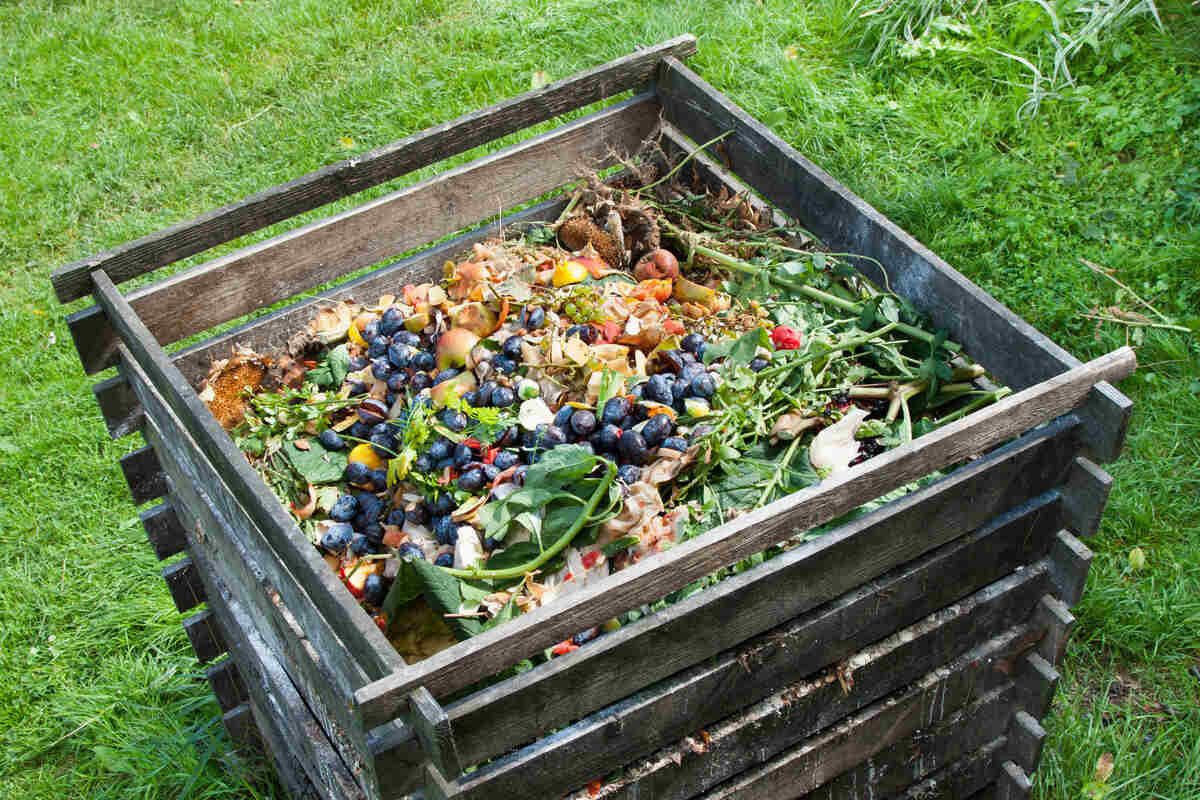
Composting coffee grounds, while generally straightforward, can sometimes encounter challenges. Understanding these common issues and their solutions is crucial for maintaining a healthy and productive compost bin. Addressing problems promptly prevents the build-up of undesirable conditions and ensures optimal decomposition.Troubleshooting issues in composting, particularly when involving coffee grounds, necessitates a keen eye for detail and an understanding of the factors influencing the process.
This includes monitoring moisture levels, the presence of appropriate carbon-nitrogen ratios, and the overall temperature of the compost pile.
Identifying Odor Problems
Unpleasant odors in a compost bin can signal a problem with the composting process. Often, excessive moisture or an imbalance in the carbon-nitrogen ratio contribute to these issues. Insufficient decomposition is another common culprit. A strong, sour smell can indicate that the material is not breaking down effectively, potentially due to a lack of oxygen or excessive nitrogen.
Addressing Excessive Moisture
Excessive moisture is a common problem in composting, particularly in humid climates or when adding too much wet material. It can lead to anaerobic conditions, which stifle decomposition and produce unpleasant odors. The moisture content of the compost should be similar to damp soil. If your compost is overly wet, you can add more dry materials, such as shredded cardboard or dried leaves, to absorb the excess moisture.
Turning the compost pile regularly can also help to improve aeration and reduce moisture.
Dealing with Slow Decomposition
Slow decomposition in a compost bin can result from several factors. Inadequate carbon content, an excessive nitrogen content from a large amount of coffee grounds without enough other materials, insufficient aeration, or an inappropriate moisture level can all impede the breakdown process. To rectify this, add more carbon-rich materials such as brown leaves, wood chips, or shredded newspaper to the compost pile.
Ensure the pile is properly aerated and has the appropriate moisture content.
Monitoring the Composting Process
Regular monitoring is vital for successful composting. Checking the moisture level, temperature, and the presence of any unpleasant odors is key to detecting issues early. This allows for timely intervention and adjustments to the composting process. Turning the compost pile regularly is essential to maintain proper aeration and prevent the build-up of excess moisture.
Troubleshooting Guide: Specific Steps
| Problem | Possible Cause | Solution |
|---|---|---|
| Unpleasant odor | Excessive moisture, inadequate aeration, imbalance in carbon-nitrogen ratio | Add dry materials, turn the pile frequently, adjust the ratio of carbon-rich and nitrogen-rich materials. |
| Slow decomposition | Inadequate carbon content, insufficient aeration, improper moisture levels | Add more carbon-rich materials, ensure proper aeration, adjust moisture levels. |
| Excessive moisture | Too much wet material, insufficient aeration | Add more dry materials, turn the pile regularly. |
Regular monitoring and timely adjustments are crucial for effective composting.
Using Coffee Grounds in the Garden
Composted coffee grounds, a valuable byproduct of your morning brew, offer a wealth of benefits for your garden. Their unique properties, combined with their readily available nature, make them an excellent addition to various garden beds and plants. Understanding how to effectively incorporate them into your soil and the specific plant types that thrive with this amendment is crucial for maximizing their positive impact.
Incorporating Composted Coffee Grounds into Different Garden Beds
Composted coffee grounds are a versatile addition to diverse garden beds. Their application varies depending on the existing soil conditions and the specific plants being cultivated. For instance, adding composted coffee grounds to raised beds, containers, and in-ground gardens provides a natural nutrient boost. Properly incorporating the grounds into the soil ensures a gradual release of nutrients, fostering healthy plant growth.
For container gardens, the lighter consistency of the coffee grounds can be beneficial for drainage.
Benefits of Composted Coffee Grounds in Soil
Adding composted coffee grounds to your soil offers several advantages. They improve soil structure by increasing aeration and drainage, leading to better water retention. The grounds’ acidity, typically between 5.5 and 6.5 pH, can be beneficial for acid-loving plants. This acidity also helps break down organic matter, making nutrients more readily available to the plants. Furthermore, they introduce beneficial microbes into the soil, promoting a healthier microbial community.
Effects of Coffee Grounds on Plant Growth
Coffee grounds, rich in nitrogen, phosphorus, and potassium, can positively impact plant growth. Nitrogen is essential for foliage development, while phosphorus promotes root growth and flowering. Potassium contributes to overall plant health and disease resistance. The presence of these nutrients, especially in composted form, supports the plants’ overall development. However, it’s important to remember that coffee grounds alone are not a complete fertilizer and should be used in conjunction with other soil amendments.
Proper Incorporation of Composted Coffee Grounds
Proper incorporation is key to maximizing the benefits of composted coffee grounds. Avoid adding them directly to the planting hole, as this can create localized acidity issues. Instead, gently mix the grounds into the top few inches of the soil during the initial tilling or planting. This distributes the nutrients evenly and allows for gradual release into the soil.
The amount of coffee grounds added should be tailored to the specific needs of the plants. For instance, newly planted seedlings may require less than established mature plants.
Garden Plants Benefitting from Coffee Grounds
A variety of plants benefit from the addition of composted coffee grounds to their soil. Acid-loving plants, such as blueberries, azaleas, and rhododendrons, often respond favorably to the acidic properties. These plants are well-suited for the pH level provided by the composted grounds.
- Acid-Loving Plants: Blueberries, azaleas, rhododendrons, and camellias.
- Vegetables: Some vegetables, like tomatoes and peppers, might also benefit from the addition of coffee grounds to the soil, especially if the soil is naturally alkaline.
- General Garden Plants: Coffee grounds can be beneficial for most garden plants, enhancing soil structure and nutrient availability, but their impact may vary based on individual plant needs and the existing soil conditions.
Environmental Considerations and Sustainability

Composting coffee grounds is more than just a gardening technique; it’s a vital step towards a more sustainable lifestyle. By diverting coffee waste from landfills and enriching our gardens, we contribute to a healthier environment and a more responsible approach to coffee consumption. This section explores the profound environmental benefits of composting coffee grounds and the role they play in a sustainable future.The environmental impact of coffee production and consumption extends beyond the cup.
From deforestation and water usage to the transportation and packaging of beans, the industry presents significant challenges. Composting coffee grounds provides a practical and impactful solution to mitigate these issues, demonstrating a clear pathway towards a more environmentally conscious approach.
Environmental Benefits of Composting Coffee Grounds
Composting coffee grounds reduces the environmental footprint of coffee consumption by diverting organic waste from landfills. This, in turn, minimizes methane emissions, a potent greenhouse gas. Landfills, which are often poorly managed, release significant amounts of methane during the decomposition of organic waste, contributing significantly to climate change. By composting coffee grounds, we can reduce the volume of waste sent to landfills, ultimately lowering methane emissions.
Role of Composting in Reducing Landfill Waste
Landfills are often overflowing with organic waste, including coffee grounds. Proper composting systems can efficiently break down these materials, transforming them into valuable soil amendments. This process significantly reduces the amount of waste destined for landfills, freeing up space and mitigating the environmental impact associated with landfill expansion. Furthermore, compost created from coffee grounds can substitute for chemical fertilizers, reducing the demand for synthetic products with their associated environmental burdens.
Impact of Coffee Consumption on the Environment and Mitigation through Composting
The coffee industry’s environmental footprint is substantial. From land use for cultivation to water consumption and transportation, the production process often comes at a cost to the environment. Composting coffee grounds directly addresses this impact by reducing the amount of waste generated and by creating a valuable soil amendment, thereby reducing the need for synthetic fertilizers and pesticides.
Importance of Responsible Coffee Consumption Practices
Responsible coffee consumption practices go beyond simply composting coffee grounds. Supporting ethically sourced coffee from farms that prioritize environmental sustainability is essential. This approach promotes responsible agricultural practices and helps minimize the environmental consequences of coffee production. Supporting local roasters, who prioritize sustainable practices and reduce transportation emissions, is another important aspect of responsible coffee consumption.
Composting Coffee Grounds and Sustainable Gardening Practices
Composting coffee grounds enriches the soil with nitrogen, which is essential for plant growth. This nutrient-rich compost improves soil structure, aeration, and water retention, leading to healthier plants and a more productive garden. The use of compost derived from coffee grounds reduces the reliance on synthetic fertilizers, promoting sustainable and environmentally friendly gardening practices.
Wrap-Up

In conclusion, composting coffee grounds is a straightforward yet rewarding practice that benefits both your garden and the planet. By understanding the nuances of different composting methods, selecting suitable coffee grounds, and addressing potential issues, you can effectively transform waste into a valuable resource. This guide provides a complete framework for successful coffee ground composting, empowering you to cultivate a thriving garden while minimizing environmental impact.