Apartment living often presents challenges for environmentally conscious individuals, but composting offers a practical solution. This comprehensive guide explores the diverse ways to compost in an apartment setting, covering everything from choosing the right system to maintaining a thriving compost pile. From small-scale indoor setups to considerations for different apartment types, this guide provides practical advice and expert insights to make composting in your apartment a reality.
We’ll delve into the benefits of composting in urban environments, highlighting the advantages for your apartment and the surrounding community. The guide will equip you with the knowledge to navigate the challenges of apartment composting and successfully integrate this sustainable practice into your daily life.
Introduction to Apartment Composting
Apartment composting offers a practical and environmentally conscious way to manage food scraps and yard waste within urban settings. This method reduces landfill waste, creates nutrient-rich soil amendments, and fosters a sense of community engagement with sustainability. It’s a valuable tool for minimizing environmental impact and maximizing resourcefulness in densely populated areas.Composting in apartments presents a unique set of advantages and challenges compared to traditional methods.
It promotes a sustainable lifestyle in a compact space, reducing the environmental footprint of urban living while providing valuable resources for home gardening and landscaping.
Benefits of Apartment Composting
Apartment composting offers several crucial benefits in urban environments. Reduced landfill waste contributes to environmental preservation, while the creation of nutrient-rich compost enhances the quality of home gardens and landscaping. This contributes to a healthier ecosystem and a more sustainable lifestyle.
Challenges of Apartment Composting
Apartment composting faces specific challenges. Space limitations and potential odors are common concerns. Proper management of compost materials is critical to prevent these issues. Additionally, the need for readily available composting systems and community support can impact the success of the initiative.
Apartment Composting Systems
Various composting systems are suitable for apartment living. These include vermicomposting, which utilizes worms to break down organic matter, and small-scale bin composting systems, which can be easily incorporated into a balcony or apartment space. Other systems, such as Bokashi composting, which uses a fermented process, are also appropriate.
Examples of Small-Scale Setups
Small-scale vermicomposting systems are popular choices. These systems often use containers with appropriate bedding for the worms and can be situated on balconies or windowsills. Alternatively, small bin composting systems, often made of durable materials, can be placed in designated areas. For those seeking a more odor-controlled approach, Bokashi composting systems can be considered.
Comparison of Apartment Composting Systems
| Composting System | Space Requirements | Cost | Maintenance |
|---|---|---|---|
| Vermicomposting | Relatively low, suitable for balconies or windowsills | Moderate, depending on the size and features of the system | Low, regular monitoring and worm care |
| Small-Scale Bin Composting | Moderate, depending on the size of the bin | Low to Moderate, depending on the materials and features of the system | Moderate, regular turning and emptying of the bin |
| Bokashi Composting | Moderate, depending on the size of the container | Moderate to High, depending on the complexity of the system | Low, minimal handling of compost material |
The table above provides a general comparison. Specific requirements may vary based on the chosen system and individual apartment conditions.
Choosing the Right Composting System
Apartment composting offers a fantastic way to reduce waste and contribute to a healthier environment, even with limited space. Selecting the appropriate composting system is crucial for success. Different methods cater to varying apartment setups and lifestyles, ensuring you find a solution that works best for your needs.Understanding the advantages and disadvantages of each approach will empower you to make an informed decision.
This section details various composting methods, compares their pros and cons, and guides you through choosing the ideal system for your apartment.
Indoor Composting Methods
Indoor composting, particularly suitable for smaller apartments, offers a convenient solution for composting food scraps and yard waste. Vermicomposting, using worms to break down organic matter, is a popular choice. This method typically involves a self-contained bin, often made of plastic or wood.
Vermicomposting
Vermicomposting is a popular indoor method that utilizes worms to decompose organic waste. This method is relatively low-maintenance and produces nutrient-rich compost. A crucial aspect of vermicomposting is choosing the right type of worms, which are specifically adapted to decomposing organic matter. Red wigglers are commonly used for their efficiency in this process.
Outdoor Composting Options
Outdoor composting is another viable option for apartment dwellers. If your apartment complex permits composting on a balcony or shared outdoor space, this approach can be very effective. Composting bins, made of various materials like plastic or wood, can be used for this purpose.
Choosing a Composting System Based on Apartment Size and Space
The available space in your apartment is a primary factor in choosing the right composting system. For smaller spaces, indoor vermicomposting is ideal. For larger apartments with outdoor space, an outdoor bin might be a better choice. A crucial step is evaluating the available space and considering the system’s size and potential impact on your living environment.
Setting Up a Simple Indoor Composting Bin
A simple indoor composting bin, suitable for vermicomposting, usually involves a plastic container with drainage holes. The bin should be placed in a well-ventilated area. A crucial step is layering the composting materials, ensuring a mix of browns (cardboard, paper) and greens (food scraps).
Essential Composting Supplies
- Vermicomposting: A container (plastic or wooden), bedding material (shredded newspaper or cardboard), worms (red wigglers), and a lid or cover for the container.
- Outdoor Composting: A composting bin (plastic or wooden), a shovel or trowel, and a watering can (if needed).
Comparison of Composting Methods
The following table summarizes the space requirements and maintenance needs for various composting systems:
| Composting Method | Space Requirements | Maintenance Needs |
|---|---|---|
| Vermicomposting (Indoor) | Small (typically a few cubic feet) | Relatively low (regular feeding and moisture checks) |
| Outdoor Composting | Moderate to large (depending on the bin size) | Moderate (regular turning, moisture control, and monitoring) |
Composting Materials Suitable for Apartments
Apartment composting offers a convenient way to reduce food waste and create nutrient-rich soil. Careful selection of composting materials is crucial for successful composting in a confined space. Understanding which materials are suitable and which should be avoided is key to a thriving composting system.Choosing the right materials ensures a healthy and balanced compost mixture, contributing to the overall efficiency and effectiveness of the process.
This section will guide you through suitable food scraps, prohibited items, and important considerations for successful composting in your apartment.
Suitable Food Scraps for Apartment Composting
A variety of food scraps are suitable for composting in apartment settings. Focus on readily biodegradable organic materials. Fruits and vegetables, coffee grounds and filters, tea bags (without the string), eggshells, and bread are excellent additions to your compost bin. Meat, dairy, oily foods, and diseased plants should be avoided, as they can attract pests or create unpleasant odors.
Proper selection is vital to maintain a healthy composting environment.
Types of Food Waste to Avoid Composting
Certain food scraps should not be composted due to their potential negative impacts on the process. These include meat, dairy products, oily foods, diseased plants, and pet waste. These materials can attract pests, create unpleasant odors, and potentially introduce pathogens into the compost pile. Avoiding these items is crucial for a successful and pleasant composting experience.
Acceptable and Unacceptable Materials for Apartment Composting
Proper selection of composting materials is paramount for a successful composting process. Here’s a list to aid in your selection process:
- Acceptable: Fruits and vegetables, coffee grounds and filters, tea bags (without the string), eggshells, bread, plant-based food scraps, vegetable peels, and coffee filters.
- Unacceptable: Meat, dairy products, oily foods, diseased plants, pet waste, greasy foods, oily foods, bones, charcoal, and glossy paper.
Categorizing Food Scraps for Apartment Composting
Effective composting involves careful separation of food scraps. This table provides a guide to categorize your food waste for proper composting in your apartment.
| Food Scrap Category | Acceptable Items | Explanation |
|---|---|---|
| Fruits and Vegetables | Apple cores, banana peels, carrot tops, potato peels | These are readily compostable and contribute beneficial nutrients to the compost. |
| Plant-Based Food | Rice, grains, legumes | These materials break down relatively quickly and provide valuable nutrients. |
| Coffee and Tea | Coffee grounds, tea bags (without string) | These materials add nitrogen and improve the texture of the compost. |
| Eggshells | Eggshells | Eggshells are a good source of calcium and add structure to the compost. |
| Unacceptable | Meat, dairy, oily foods | These materials should be kept separate to prevent odors and attract pests. |
Importance of Proper Food Waste Separation
Proper food waste separation is essential for maintaining a healthy and effective composting system. Mixing incompatible materials can lead to unpleasant odors, attract pests, and hinder the composting process. This careful sorting ensures a smooth and odor-free composting experience in your apartment.
Moisture Levels in Composting Success
Maintaining appropriate moisture levels is crucial for the composting process to proceed effectively. The compost material should be consistently moist, akin to a damp sponge. Overly dry materials will slow down decomposition, while excessive moisture can lead to unpleasant odors and the growth of mold. Maintaining the right moisture content is key to a successful compost bin.
Composting in Different Apartment Types
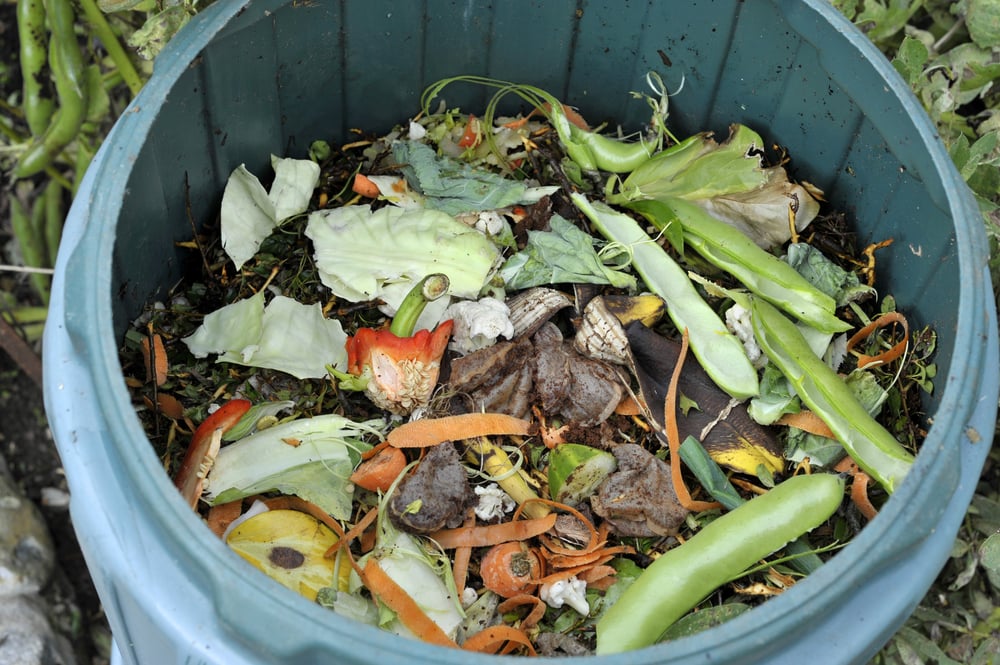
Apartment composting presents unique challenges and opportunities depending on the building’s structure and communal living environment. Successfully integrating composting into apartment life requires understanding these nuances and adapting composting strategies accordingly. Flexibility and communication are key to making composting work in shared spaces.
Composting in High-Rise Buildings
High-rise apartment buildings often have limited space for individual composting solutions. Centralized composting areas or designated balconies might be available, requiring coordination and adherence to building rules. This centralized approach necessitates a collaborative effort among residents to maintain the composting area and ensure proper waste segregation. Residents must understand and comply with building regulations for compost collection and disposal.
Solutions like communal composting bins, strategically placed, can be very effective. Building management should actively promote composting through resident engagement initiatives.
Composting in Low-Rise Buildings and Condos
Low-rise buildings and condos offer more possibilities for individual or shared composting setups. Balconies or patios can often accommodate smaller composting bins or systems. Shared composting areas in hallways or designated spaces can also be practical, but require clear guidelines and monitoring to maintain cleanliness and prevent odors. Individual composting bins might also be acceptable, though shared guidelines are still crucial to prevent issues with overflowing bins or contamination.
Building management should proactively educate residents on composting best practices and provide guidelines for the safe operation of composting systems.
Considerations for Shared Apartment Spaces
Shared apartment spaces present particular challenges related to space constraints, differing composting preferences, and the need for consensus. Clear communication channels between residents and building management are vital for establishing composting guidelines and resolving any potential conflicts. A collaborative approach, where residents actively participate in setting up and maintaining the composting system, can foster a sense of shared responsibility and promote success.
Consideration should be given to individual needs and preferences while maintaining the overall cleanliness and efficiency of the shared space. Having clear, concise guidelines for composting, including rules on what can and cannot be composted, will help ensure everyone understands their role.
Communicating Composting Guidelines
Effective communication with building management and roommates is essential for establishing a successful composting program. Building management should provide clear guidelines regarding composting materials, disposal procedures, and potential challenges. Residents should proactively communicate their needs and concerns to building management, such as requesting composting bins or providing suggestions for improvements. Roommates should establish clear communication about their composting practices, ensuring everyone is on the same page.
A shared document outlining composting rules, or a dedicated forum for discussions, can be helpful. Creating a sense of community and shared responsibility is crucial.
Potential Solutions for Composting Challenges
Several solutions can address composting challenges in different apartment types. Communal composting bins can be installed in designated areas, reducing individual space needs. Building-wide composting programs, coordinated by management, can streamline the process and maximize participation. Education and awareness campaigns can encourage responsible composting practices among residents. The use of easily transportable and stackable compost bins can be particularly helpful in high-rise buildings.
Implementing a reward system for active participation in the program can encourage more residents to compost.
Table Summarizing Composting Solutions
| Apartment Type | Composting Solution | Specific Considerations |
|---|---|---|
| High-Rise | Centralized composting areas, designated balconies | Coordination with building management, adherence to rules, communal responsibility |
| Low-Rise/Condos | Individual or shared composting areas on balconies or patios | Clear guidelines, shared space management, resident education |
| Shared Spaces | Clear communication, shared composting rules, collaborative approach | Resident participation, shared responsibility, preventing conflicts |
Maintaining a Healthy Compost Pile
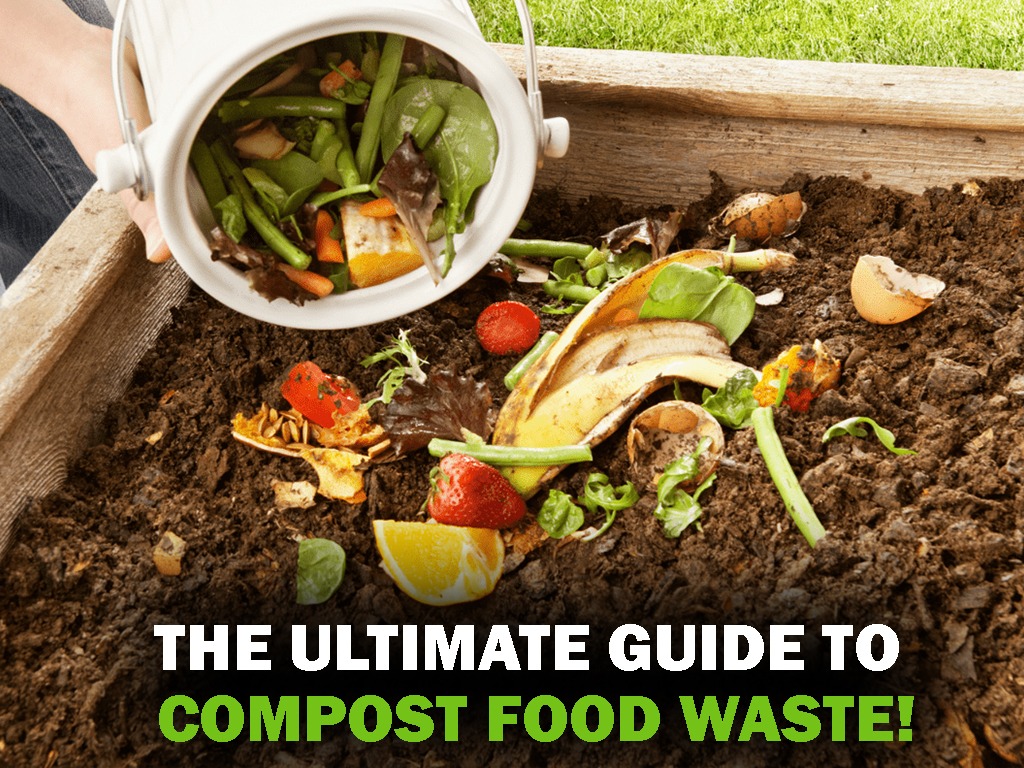
Maintaining a healthy compost pile in an apartment setting requires careful attention to several key factors. Proper maintenance ensures a quick decomposition process, minimizing odors and maximizing the nutrient-rich compost you’ll harvest. Consistent effort in these areas will contribute to a successful composting experience, even in the confines of an apartment.
Importance of Regular Turning or Aeration
Regular turning or aeration is crucial for a healthy compost pile. This process introduces oxygen to the decomposing materials, which is vital for aerobic microorganisms. Without adequate aeration, anaerobic conditions can develop, leading to unpleasant odors and slower decomposition. In an apartment, turning can be accomplished with a simple pitchfork or even by gently mixing the materials with your hands.
This process encourages the decomposition of organic matter, preventing unpleasant odors and speeding up the composting process.
Significance of Maintaining Appropriate Moisture Levels
Maintaining the right moisture level is equally important for optimal composting. The compost should be consistently moist, similar to a damp sponge. Too dry, and decomposition slows down; too wet, and it can become soggy and attract pests. Monitoring the moisture content is key to maintaining a consistently active and odor-free compost pile. Regularly checking the moisture level and adjusting it as needed is a simple yet effective strategy.
Common Composting Problems and Their Solutions in an Apartment Setting
Several issues can arise during apartment composting. Unpleasant odors often stem from inadequate aeration or excessive moisture. Pests, such as fruit flies or rodents, may be attracted to the compost if it’s not properly managed. Overcrowding can also hinder decomposition. Addressing these problems promptly is crucial for maintaining a successful composting process.
Regular monitoring, careful material selection, and proper maintenance are key to preventing and solving these issues.
Steps for Troubleshooting Composting Issues in an Apartment
Troubleshooting composting problems is an iterative process. If odors arise, ensure proper aeration by turning the pile and adjusting moisture levels. If the compost is too dry, add water gradually until it reaches the desired dampness. If pests are present, remove affected materials and ensure the compost pile is sealed properly. If the pile seems too compacted, gently fluff it up to improve aeration.
Weekly/Monthly Maintenance Schedule for Apartment Composting
A consistent maintenance schedule is essential for a smooth composting process in an apartment. This table provides a sample weekly/monthly routine.
| Task | Frequency | Description |
|---|---|---|
| Check Moisture Level | Daily | Ensure compost is consistently damp, like a damp sponge. |
| Turn Compost Pile | Weekly | Introduce oxygen and encourage decomposition; use a pitchfork or hands. |
| Inspect for Pests | Weekly | Check for any signs of pests and address immediately. |
| Add New Materials | As Needed | Add fresh food scraps and yard waste to the compost pile. |
| Remove Finished Compost | Monthly | Harvest and store finished compost. |
Using Composted Materials

Composted materials offer a valuable resource for enriching gardens, landscaping, and even indoor plant care within an apartment setting. The nutrient-rich nature of compost makes it an excellent soil amendment, improving plant health and overall aesthetic appeal. Properly composted materials are free of harmful pathogens, making them safe for use around plants and pets.
Enhancing Apartment Gardens and Window Boxes
Compost significantly improves the soil structure in apartment gardens and window boxes. It enhances drainage, aeration, and water retention, leading to healthier plant growth. The addition of compost creates a more fertile environment, promoting the development of strong roots and vibrant foliage. By amending the soil with compost, you can cultivate a thriving mini-garden or window box that provides fresh produce or attractive greenery.
Improving Indoor Plant Health
Compost can be a valuable addition to the soil mix for indoor plants. Its ability to retain moisture and provide essential nutrients helps plants thrive in the often-limited environment of an apartment. A small amount of compost mixed into the potting soil can help maintain the optimal moisture level and provide essential minerals. This contributes to the overall health and vigor of the indoor plants.
Creative Apartment Compost Utilization
Compost offers a wide range of creative applications within an apartment setting. It can be used as a mulch to retain moisture and suppress weeds in potted plants. Compost can also be incorporated into self-watering planters to create a more sustainable and self-sufficient system. For example, a layer of compost in a planter can significantly reduce the frequency of watering and enhance the overall appearance.
Further, compost can be incorporated into DIY potting mixes for specific plant needs.
Versatility of Compost in Different Apartment Environments
The following table illustrates the versatility of compost in different apartment environments. Different apartment setups may benefit from specific composting applications.
| Apartment Environment | Compost Application | Benefits |
|---|---|---|
| Small Studio Apartment | Potted plants, window boxes, small herb gardens | Maximizes space utilization, provides fresh herbs and greenery, enhances indoor aesthetics. |
| Apartment with Balcony | Balcony herb gardens, vertical gardening systems, potted vegetables | Provides fresh produce, increases outdoor space utilization, enhances visual appeal. |
| Apartment with a Shared Courtyard | Large-scale composting, shared gardening plots, creating a communal garden | Reduces waste, enhances shared space, promotes community interaction. |
| Apartment with Limited Outdoor Space | Indoor plants, small planters, DIY potting mixes | Improves indoor plant health, enhances aesthetic appeal, creates a more sustainable environment. |
Environmental Impact of Apartment Composting
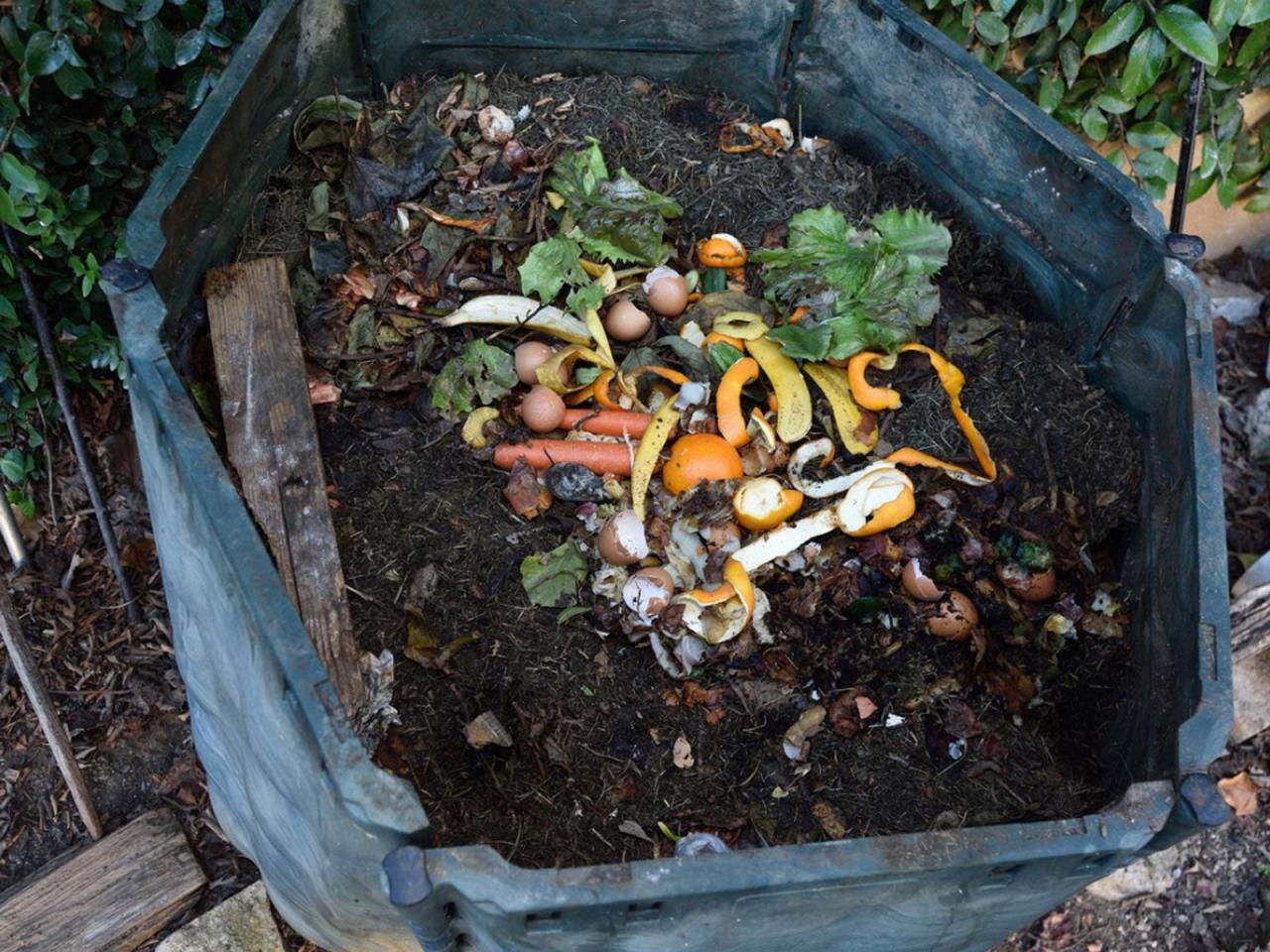
Apartment composting offers a multitude of environmental benefits, contributing significantly to a healthier urban ecosystem. By diverting organic waste from landfills and promoting healthier soil, apartment composting empowers residents to play an active role in environmental stewardship. It fosters a more sustainable lifestyle, reducing reliance on synthetic fertilizers and enhancing the overall quality of the environment.Apartment composting significantly mitigates the negative environmental impact of organic waste disposal.
The process converts organic matter into valuable compost, reducing the volume of waste sent to landfills. This, in turn, conserves landfill space and minimizes the release of harmful greenhouse gases, such as methane, which are often produced during the decomposition of organic matter in landfills.
Reduction in Waste Sent to Landfills
Properly implemented apartment composting programs effectively reduce the amount of organic waste entering landfills. This reduction in waste volume directly impacts the strain on landfill capacity and the environmental consequences associated with landfill operations. By diverting food scraps, yard waste, and other organic materials, apartment composting alleviates the burden on our existing landfill infrastructure.
Role of Composting in Creating Healthier Soil
Composting enriches soil with essential nutrients and beneficial microorganisms, fostering a healthier and more fertile growing environment. This process of nutrient cycling enhances soil structure, water retention capacity, and aeration, creating a more productive and resilient ecosystem. Compost derived from apartment composting provides a natural alternative to synthetic fertilizers, reducing the environmental impact associated with their production and application.
Benefits of Reducing Reliance on Synthetic Fertilizers
The use of synthetic fertilizers can have adverse environmental effects, including water pollution, soil degradation, and harm to aquatic ecosystems. Apartment composting, by providing a natural source of nutrients, minimizes the reliance on these harmful substances. Compost is a natural and sustainable alternative that nourishes plants without negatively impacting the environment.
Detailed Explanation of Environmental Benefits of Apartment Composting
Apartment composting offers a multifaceted approach to environmental stewardship. The process conserves natural resources by reducing the need for synthetic fertilizers, minimizing the volume of waste destined for landfills, and decreasing the release of harmful greenhouse gases. Furthermore, the creation of nutrient-rich compost promotes healthy soil, which in turn supports thriving plant life. By embracing apartment composting, residents contribute to a healthier environment, a more sustainable future, and a more resilient urban ecosystem.
This multifaceted approach underscores the critical role apartment composting plays in achieving environmental sustainability.
Conclusion
In conclusion, composting in an apartment is achievable and rewarding. By carefully considering your space, selecting the appropriate system, and maintaining a healthy compost pile, you can contribute to a more sustainable and environmentally friendly lifestyle. This guide has provided a comprehensive roadmap for transforming your apartment into a miniature urban ecosystem. Embrace the opportunity to reduce waste, enhance your indoor environment, and contribute to a greener future, all within the confines of your apartment.