Worm composting is a fantastic way to transform kitchen scraps and yard waste into nutrient-rich soil for your garden. This comprehensive guide will walk you through every step, from selecting the right worms and creating the perfect environment to harvesting the compost and troubleshooting common issues. Discover the benefits of this eco-friendly method and learn how to create a thriving worm composting system at home.
We’ll explore various worm composting bin types, delve into the crucial role of bedding materials, and provide a detailed list of suitable and unsuitable food scraps. Furthermore, you’ll find insights into maintaining optimal moisture levels, aeration, and pest control. The guide culminates in a discussion of advanced techniques and resources for further learning.
Introduction to Worm Composting
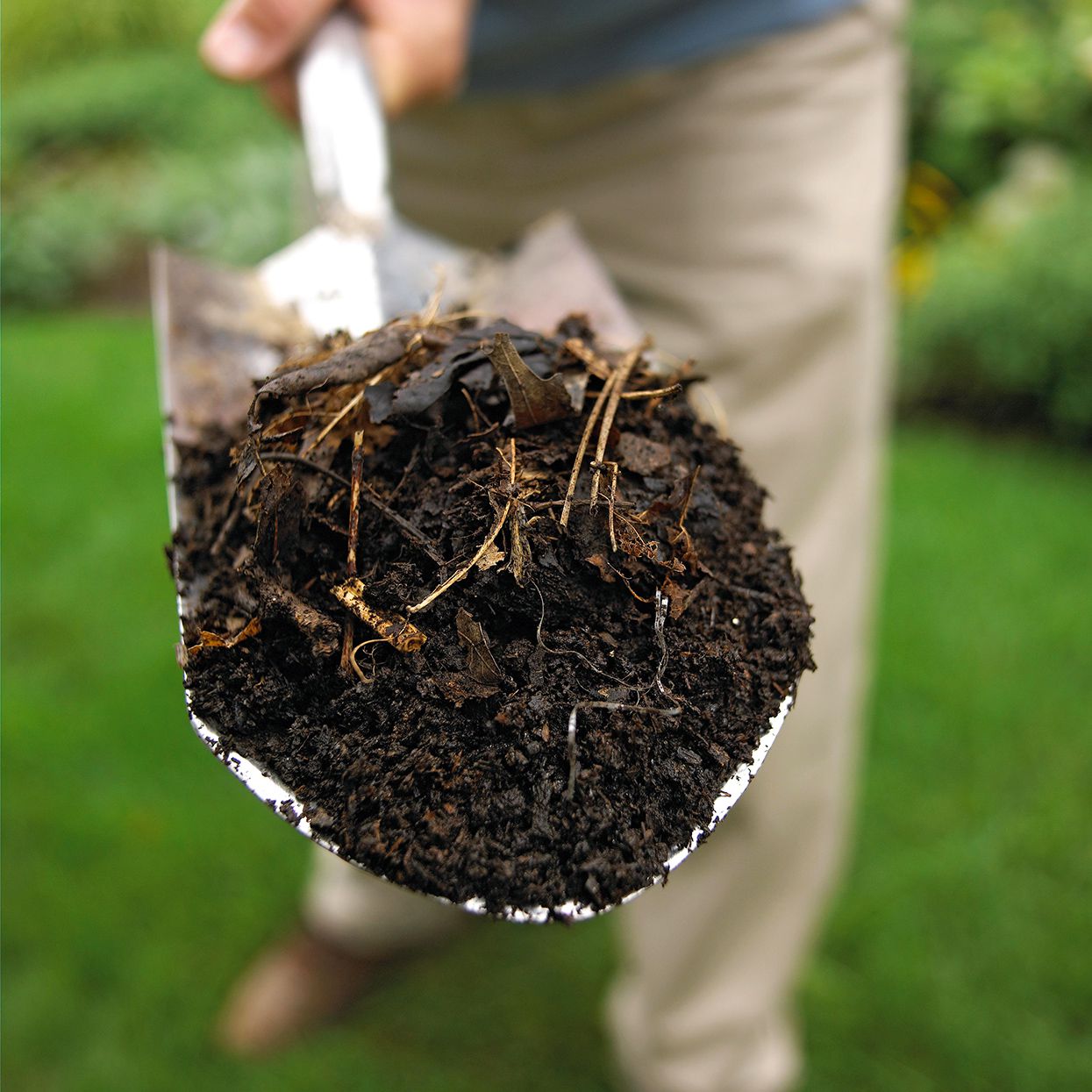
Worm composting, also known as vermicomposting, is a method of composting organic waste using earthworms. This process efficiently transforms food scraps, yard waste, and other biodegradable materials into nutrient-rich compost, a valuable soil amendment for gardens. This method is a sustainable and environmentally friendly alternative to traditional composting methods, reducing landfill waste and enriching garden soil.The benefits of worm composting extend beyond simply creating compost.
It promotes a healthier soil environment, reduces reliance on synthetic fertilizers, and fosters a more sustainable approach to gardening. The process is relatively easy to manage and can be incorporated into various home gardening setups. It is also an excellent way to introduce children to the wonders of composting and the vital role of earthworms in the ecosystem.
Basic Principles of Worm Composting Systems
Worm composting systems rely on the natural process of decomposition facilitated by earthworms. The process involves providing a suitable environment for the worms, maintaining optimal moisture levels, and introducing appropriate food sources. The worms consume the organic matter, breaking it down into nutrient-rich compost.
Different Worm Composting Setups
Worm composting systems can be adapted to various needs and preferences. The most common setups include bins, containers, and even simple, DIY arrangements. The choice of setup depends on factors such as space constraints, the volume of organic waste generated, and desired aesthetic appeal. A well-maintained system allows for the efficient processing of organic waste and the production of valuable compost.
Examples of Worm Composting Setups
Various containers can be used for worm composting. These include plastic bins, wooden boxes, and even repurposed containers like old tubs or buckets. The key is to select a container with adequate ventilation, drainage, and a suitable size to accommodate the worm population and the amount of waste you intend to process.
Comparison of Worm Composting Bin Types
| Bin Type | Materials | Typical Size (L x W x H) | Pros | Cons |
|---|---|---|---|---|
| Plastic Bin | High-density polyethylene (HDPE) | Various, typically 30cm x 45cm x 30cm | Durable, waterproof, readily available, and often affordable. | Can be less aesthetically pleasing; less breathable than wooden bins. |
| Wooden Box | Wood (treated or untreated) | 30cm x 45cm x 30cm to 60cm x 90cm x 45cm | Aesthetically pleasing, allows for better air circulation, and can be custom-built. | More expensive than plastic; susceptible to rot and insect infestations if not properly maintained. |
| Repurposed Container | Plastic tubs, buckets, etc. | Variable, depending on the container | Cost-effective and environmentally friendly, using materials that would otherwise be discarded. | May require modifications for proper ventilation and drainage; durability varies greatly depending on the original container. |
The table above highlights the different characteristics of common worm composting bins. Choosing the appropriate bin type depends on individual preferences and resources.
Worm Selection and Housing
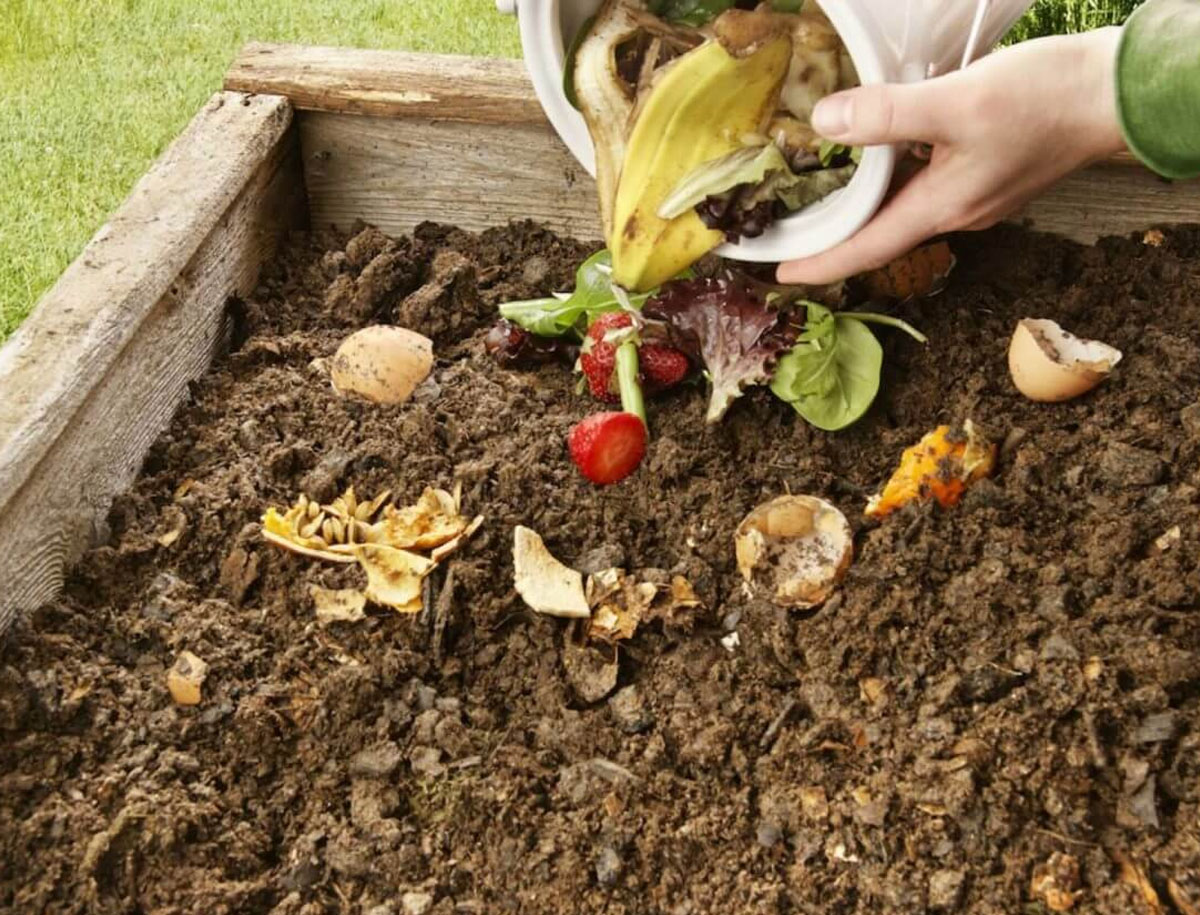
Choosing the right worms and providing them with suitable housing is crucial for successful worm composting. The ideal worm species and their environment directly impact the composting process, ensuring optimal waste breakdown and nutrient production. Selecting the appropriate worms and creating a proper habitat fosters a thriving ecosystem, facilitating efficient decomposition.
Ideal Worm Species for Composting
Red wigglers, scientifically known as Eisenia fetida, are the most common and effective composting worms. Their high tolerance to varying environmental conditions and rapid reproduction rate make them a popular choice for beginners. Other suitable species include tiger worms (Dendrobaena veneta) and brandling worms (Eudrilus eugeniae). The selection of worm species depends on the specific composting goals and local environmental factors.
Tiger worms, for instance, are known for their fast-working ability in warm climates, while red wigglers are well-suited for a broader range of temperatures.
Ideal Environmental Conditions for Worms
Worms thrive in a moist, consistently cool environment. Maintaining a stable temperature between 55°F and 77°F (13°C and 25°C) is essential. Excessive heat or cold can stress the worms, slowing down their activity and potentially harming their health. High humidity levels, ideally around 80%, are also important for maintaining moisture in the bedding, crucial for optimal worm activity and preventing desiccation.
Fluctuations in temperature and humidity can disrupt the worm’s natural processes, potentially leading to mortality.
Importance of Bedding Materials
Proper bedding is vital for worm health and composting efficiency. The bedding provides a suitable environment for the worms to burrow, reproduce, and process the organic matter. The right bedding type will retain moisture, promote aeration, and prevent the build-up of unpleasant odors. Suitable bedding materials should be free of toxins and chemicals that could harm the worms.
Creating a Proper Worm Composting Bin
A well-constructed worm composting bin is essential for maintaining a healthy worm population. The bin should be large enough to accommodate the anticipated worm population and the amount of organic waste to be processed. A crucial aspect of bin design is adequate drainage to prevent waterlogging and maintain a stable moisture level. The bin should also have a secure lid to regulate temperature and humidity while keeping odors contained.
The materials used for constructing the bin should be non-toxic and durable.
Table of Bedding Materials and Suitability
| Bedding Material | Suitability for Worms | Advantages | Disadvantages |
|---|---|---|---|
| Shredded Paper | Excellent | Affordable, readily available, absorbs moisture well | Can become compacted over time, may not retain moisture as long as other options |
| Shredded Cardboard | Good | Affordable, readily available, good moisture retention | Can become compacted over time, can have some inks that are not suitable for worms |
| Wood Chips (shredded) | Excellent | Excellent moisture retention, good aeration | Potential for introducing harmful substances if not treated properly, can be expensive depending on source |
| Coconut Coir | Excellent | Excellent moisture retention, good aeration, sustainable | Can be more expensive than other options, may not be readily available |
| Vermiculite | Good | Excellent moisture retention, good aeration | Can be more expensive than other options |
Composting Materials
Proper selection and preparation of composting materials are crucial for successful worm composting. These practices ensure the worms have a balanced diet, promoting their health and the efficiency of the composting process. A well-maintained worm bin with the correct materials will result in nutrient-rich compost that enriches your garden soil.
Suitable Food Scraps
A balanced diet for your composting worms is essential for their health and the effectiveness of the composting process. Suitable food scraps provide the necessary nutrients for the worms and facilitate the decomposition of organic matter. These materials are readily available from household kitchens and gardens.
- Fruits and vegetables: Include items such as banana peels, apple cores, melon rinds, carrot tops, and citrus peels. These provide essential nutrients for the worms and decompose relatively quickly.
- Grains and starches: Bread, rice, pasta, and cooked grains are excellent additions. These are easily broken down and provide a good energy source for the worms.
- Coffee grounds and tea bags: These are rich in nitrogen and contribute to the composting process, though they should be used in moderation.
- Eggshells: Crushed eggshells are a valuable source of calcium for the worms and help maintain the proper pH level in the bin.
- Plant materials: Dead flowers, leaves, and other plant matter can be added, but ensure they are not diseased or heavily treated.
Unsuitable Food Scraps
Certain food scraps can negatively impact the health of the worms or hinder the composting process. Avoiding these items will maintain a healthy environment for your worms and ensure a high-quality compost.
- Meat and dairy products: Meat, fish, poultry, and dairy products contain high levels of fat and protein, which can attract pests and slow down the composting process. They can also cause unpleasant odors.
- Oily foods: Foods high in oil, such as fried foods and fatty meats, can also slow down the composting process and potentially attract pests.
- Processed foods: Processed foods often contain preservatives, additives, and other ingredients that are not suitable for composting and can disrupt the composting process.
- Dairy products: Dairy products like milk, yogurt, and cheese can lead to unpleasant odors and attract pests. These materials are generally not suitable for worm composting.
- Diseased plants: Avoid adding diseased or pest-infested plants to the bin, as this can introduce pathogens or pests to the entire compost system.
Proper Food Scrap Preparation
Properly preparing food scraps is vital for efficient composting. It ensures the worms can consume the material effectively, prevents the build-up of unpleasant odors, and maintains a healthy environment.
- Chop food scraps: Chop food scraps into small pieces before adding them to the bin. Smaller pieces decompose faster, allowing the worms to consume them more easily.
- Avoid large quantities: Do not introduce excessive amounts of food scraps at one time. This can lead to anaerobic conditions and create odors. Introduce food scraps in small, manageable quantities.
- Mix with other materials: Mix food scraps with other suitable composting materials, such as bedding or dried leaves, to create a balanced mixture.
Introducing Food Scraps to the Worm Bin
The proper introduction of food scraps is key to maintaining a healthy worm bin and maximizing compost production. This ensures the worms have access to a consistent and balanced diet.
- Introduce food scraps gradually: Start by adding small quantities of food scraps to the bin to allow the worms to adjust to the new material.
- Monitor for signs of overfeeding: Observe the worm bin for signs of overfeeding, such as excessive moisture or unpleasant odors. Adjust the amount of food scraps accordingly.
- Maintain proper moisture level: Ensure the bin maintains a consistent moisture level to support worm activity and decomposition.
Classification of Food Scraps
The following table categorizes food scraps based on their suitability for worm composting.
| Food Scrap | Suitable | Unsuitable | Conditional |
|---|---|---|---|
| Fruits and vegetables | Yes | No | No |
| Meat and dairy products | No | Yes | No |
| Bread and grains | Yes | No | No |
| Oily foods | No | Yes | No |
| Coffee grounds | Yes | No | No |
| Eggshells | Yes | No | No |
Maintaining the Worm Composting System
Maintaining a thriving worm composting system hinges on consistent care. Proper moisture, aeration, and vigilance against potential problems are crucial for the health of your worms and the quality of your finished compost. Ignoring these aspects can lead to unhappy worms, unpleasant odors, and reduced composting efficiency.
Consistent Moisture Levels
Maintaining consistent moisture is paramount for worm health and composting success. Worms require a consistently damp environment, akin to a damp sponge. Over-drying the bedding can dehydrate the worms, hindering their activity and reproduction. Conversely, excessively wet conditions can lead to anaerobic decomposition, creating unpleasant odors and potentially harming the worms. Ideal moisture levels should be like a consistently damp newspaper or cardboard.
Regularly checking the bedding’s moisture content with your fingers is a simple way to gauge the right level.
Monitoring Worm Bin Activity
Regularly monitoring the worm bin allows you to observe the worms’ activity and adjust conditions as needed. A healthy worm bin will exhibit active worm movement throughout the bedding, with castings readily visible. Reduced activity or a noticeable change in casting production could signal a problem. Look for signs of worm activity like burrowing, castings, and general movement within the bedding.
If the worms seem sluggish or are clumped together, this may indicate an issue that needs addressing.
Maintaining Aeration
Adequate aeration is essential for preventing anaerobic conditions, which can lead to unpleasant odors and harm the worms. Worms require oxygen to thrive. Adding a layer of air to the bin can help maintain a good level of oxygen for the worms to breathe. Ensure proper aeration by periodically turning or mixing the bedding to introduce air.
Aeration also helps in evenly distributing moisture and composting materials. A well-aerated bin will smell fresh and earthy, not musty or sour.
Managing Potential Issues
Occasionally, worm composting systems encounter issues such as odor or pest problems. Unpleasant odors often indicate improper moisture or aeration levels. If you detect a strong odor, immediately address the moisture and aeration conditions. Regular maintenance and consistent monitoring can prevent most issues. For pest problems, maintaining a clean environment is crucial.
Regular removal of excess food scraps and prompt cleanup of any spills can prevent attractants for unwanted insects. Keeping the bin well-maintained and promptly addressing any issues will help prevent pest infestations.
Common Worm Composting Problems and Solutions
| Problem | Solution |
|---|---|
| Strong odor | Check moisture levels. Ensure proper aeration by turning the bedding. If the odor persists, add more bedding material to absorb excess moisture. |
| Slow or no worm activity | Check moisture levels. Ensure proper aeration. If the bin is too dry, add water. If too wet, add more bedding material. Consider adding more food scraps. |
| Pest infestation (e.g., ants, flies) | Remove any food scraps or spills immediately. Clean the bin thoroughly. Place sticky traps near the bin to catch pests. |
| Worms disappearing | Check moisture levels. Ensure adequate food supply. Check for predators. Avoid sudden changes in the environment. |
| Wet and mushy bedding | Add more dry bedding material to absorb excess moisture. Turn the bedding to improve aeration. |
Harvesting the Compost
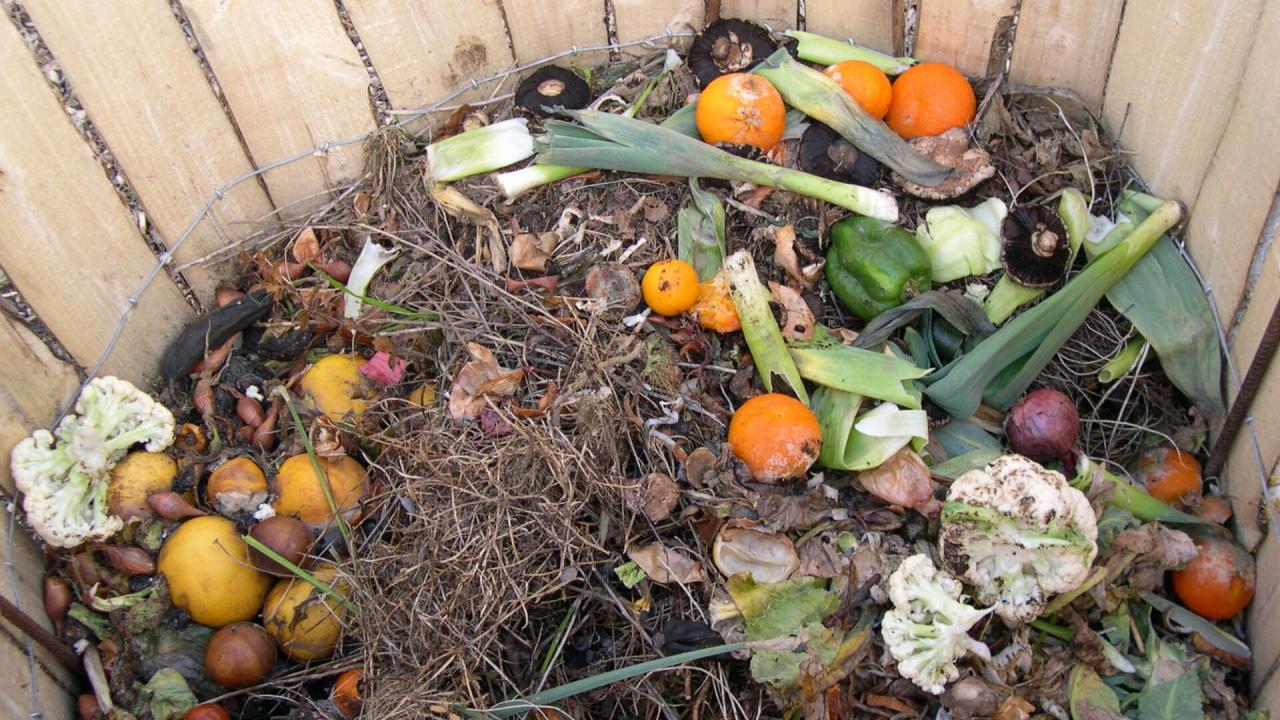
Collecting the rich bounty of worm castings is a rewarding part of the composting process. These nutrient-packed castings are a valuable addition to any garden. Proper harvesting and storage ensure the castings maintain their quality and effectiveness as a fertilizer.Harvesting worm castings is a straightforward process that yields a valuable fertilizer. By carefully separating the castings from the bedding material, gardeners can readily obtain a soil amendment brimming with essential nutrients.
Harvesting Worm Castings
To obtain high-quality castings, carefully remove a section of the bedding material. Avoid disturbing the worms excessively. Use a sieve or screen with small openings to separate the castings from the bedding material. This process effectively isolates the valuable castings. Thorough rinsing removes any remaining bedding material, ensuring a clean product.
Benefits of Worm Castings
Worm castings are renowned for their remarkable nutrient content. These castings are rich in essential plant nutrients, such as nitrogen, phosphorus, and potassium. The presence of beneficial microbes further enhances the soil’s health and fertility. These castings are a fantastic alternative to synthetic fertilizers, as they are a natural, organic soil amendment.
Storing Worm Castings
Proper storage is crucial to maintaining the quality and efficacy of worm castings. Store castings in airtight containers in a cool, dry place to prevent moisture loss and microbial growth. This storage method ensures that the castings retain their valuable nutrients for extended periods. Avoid storing them in direct sunlight or humid areas.
Applying Worm Castings to Gardens
Applying worm castings to gardens enhances soil health and plant growth. Work the castings into the soil to a depth of 2-3 inches. This incorporation allows the beneficial nutrients to readily become available to the plants. The exact amount will depend on the size of the garden and the specific needs of the plants.
Comparison of Worm Castings with Other Fertilizers
| Characteristic | Worm Castings | Compost | Synthetic Fertilizers |
|---|---|---|---|
| Nutrient Content | High in essential nutrients (N, P, K), rich in beneficial microbes | Good source of nutrients, but less concentrated than castings | High concentration of specific nutrients, but often lacks beneficial microbes |
| Soil Structure Improvement | Excellent, improves soil aeration and water retention | Improves soil structure, but not as dramatically as castings | Minimal impact on soil structure |
| Environmental Impact | Environmentally friendly, derived from natural sources | Environmentally friendly, derived from natural sources | Potentially harmful to the environment if misused |
| Cost | Generally, moderate cost per unit. | Generally, lower cost per unit. | Generally, low cost per unit, but overall higher cost due to long-term effects. |
Worm castings are a superior alternative to chemical fertilizers, providing a natural and effective way to enrich garden soil.
Troubleshooting Common Issues
Maintaining a healthy worm composting system requires vigilance and attention to detail. Unexpected problems can arise, but with the right approach, these issues can be addressed effectively. Understanding the common problems and their solutions is crucial for maintaining a thriving worm bin and achieving optimal composting results.Troubleshooting involves identifying the root cause of the problem. Careful observation and analysis of the worm bin’s environment, including the materials introduced and the bin’s overall condition, are key steps in diagnosing the issue.
Identifying Worm Disappearances or Deaths
Worm populations are susceptible to environmental changes. Changes in moisture levels, temperature fluctuations, or inappropriate food sources can negatively impact worm health and lead to their disappearance or death. Consistent monitoring of the bin’s conditions is vital to prevent these issues.
- Inspect the bin’s moisture level. Excessive dryness or moisture can cause stress and mortality. Adjust the moisture content as needed to maintain an ideal environment.
- Evaluate the temperature of the bin. Extreme temperatures can be detrimental to worm health. Ensure the bin is situated in a location with moderate temperature variations.
- Assess the food source. Introduce a balanced diet of decaying plant matter and avoid introducing inappropriate items such as meat, dairy, or oily foods.
- Examine the bin’s structure and ventilation. Adequate ventilation is crucial for preventing anaerobic conditions that can harm worms. Ensure proper air circulation.
Addressing Moisture and Dryness Issues
Maintaining the appropriate moisture level in the worm bin is critical for the worms’ well-being. Excessive moisture or dryness can disrupt the bin’s ecosystem, leading to unpleasant odors and hindering the composting process.
- Excessive Moisture: If the bin is excessively wet, the worms may struggle to breathe. Reduce the amount of moisture-rich food additions and ensure adequate drainage. Consider adding dry materials like shredded paper or cardboard to absorb excess moisture.
- Dryness: If the bin feels dry, the worms may become dehydrated. Increase the moisture level by adding water, but avoid overwatering. Sprinkle water gently over the composting material, ensuring the entire surface is evenly moistened.
Troubleshooting Table
| Problem | Cause | Solution |
|---|---|---|
| Worms disappearing or dying | Inadequate moisture, extreme temperatures, inappropriate food sources, poor ventilation | Check moisture level, maintain optimal temperature, avoid introducing inappropriate materials, ensure adequate air circulation |
| Excessive moisture | Overwatering, excessive moisture-rich food additions | Reduce watering frequency, adjust food type and quantity, add dry materials like shredded paper or cardboard |
| Dryness | Insufficient watering, inadequate moisture-rich food additions | Increase watering, add moisture-rich materials, ensure proper hydration |
| Unpleasant odors | Excessive moisture, insufficient ventilation, improper food source | Adjust moisture level, improve ventilation, ensure appropriate food choices, add carbon-rich materials |
Advanced Techniques
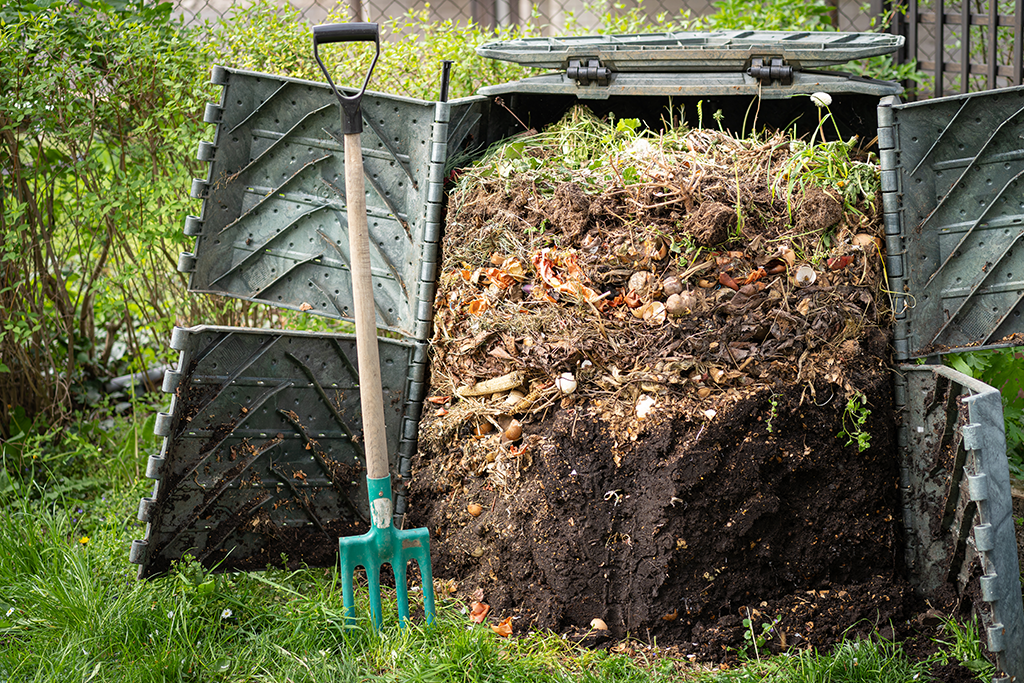
Enhancing your worm composting system can significantly increase its efficiency and yield. Beyond the foundational practices, advanced techniques explore diverse bin designs, the crucial role of beneficial microbes, and targeted composting strategies. This section provides insights into optimizing your system for maximum results.Optimizing worm composting involves understanding and employing advanced methods that go beyond basic setups. These techniques unlock greater efficiency, allowing for the handling of more complex waste streams and achieving higher compost production.
Alternative Bin Designs
Various bin designs can cater to specific needs and space constraints. The choice of bin design depends on factors such as available space, the amount of waste to be processed, and the desired level of automation. For example, a multi-compartment system can facilitate staged decomposition and improve overall efficiency.
- Multi-compartment bins: These systems often feature separate compartments for different stages of decomposition, allowing for a more controlled process. This approach can accelerate the decomposition rate and reduce odors. Imagine a bin with one section for initial breakdown, a second for worm processing, and a third for the final compost product.
- Vertical bins: Vertical bins are space-saving solutions, especially suitable for apartment dwellers or those with limited horizontal space. They maximize vertical space and can be designed with multiple layers for increased capacity.
- Aerated bins: These bins promote better aeration, which is crucial for microbial activity and worm health. Increased aeration can also reduce odors and speed up decomposition. The addition of air-circulation features in the bin design enhances the composting process.
Beneficial Microbes
Beneficial microbes play a critical role in worm composting, contributing to the breakdown of organic matter. These microbes work in synergy with worms, facilitating a more efficient and faster composting process. Different microbes thrive in different conditions, and maintaining optimal conditions for specific microbial groups can optimize decomposition.
- Importance of microbial diversity: A balanced microbial community is essential for complete decomposition. Different microbes target different components of the waste, ensuring that the entire organic material is broken down. Introducing a variety of organic materials can support a more diverse microbial population.
- Supporting microbial activity: Factors such as temperature and moisture levels significantly impact microbial activity. Maintaining appropriate conditions ensures the microbes can thrive and work effectively with the worms.
Specific Waste Composting
Certain types of waste may require specific handling techniques to ensure efficient composting and avoid potential issues. Understanding these techniques can help you achieve successful composting results.
- Meat and dairy products: These materials can attract pests and produce unpleasant odors if not handled properly. Limit their inclusion and ensure adequate composting time to reduce these issues. Avoid adding large amounts of meat or dairy to prevent odors and attract pests.
- Diseased plant matter: Avoid adding plant matter showing signs of disease to prevent spreading the disease to other plants in your garden. This also minimizes the risk of pathogens being introduced to the compost.
- Yard waste: The composition of yard waste varies, requiring careful consideration. Balancing different types of yard waste in your compost bin promotes optimal conditions for composting.
Maximizing Worm Activity and Efficiency
Optimizing worm activity and composting efficiency involves understanding worm preferences and maintaining ideal conditions.
- Worm feeding frequency: Overfeeding can lead to unpleasant odors and slow down the composting process. Adjust feeding amounts to ensure the worms can adequately process the materials.
- Maintaining optimal moisture: The moisture level is critical for worm activity and microbial function. Ensure consistent moisture without excessive waterlogging to maintain a healthy environment.
- Temperature control: Maintaining a suitable temperature range can enhance microbial activity and worm health. Proper ventilation can help maintain optimal temperature.
Illustrative Complex Worm Composting System
A complex worm composting system typically features multiple compartments, each designed for a specific stage of the composting process. This allows for controlled decomposition and a more efficient system.
Imagine a system with three compartments. The first compartment is for initial breakdown of larger food scraps and yard waste. The second compartment is for the worms to actively process the material. The third compartment is for collecting the final compost, which is ready to be used in the garden.
(Visual representation of a multi-compartment worm composting system. The illustration should show a structure with clearly defined compartments, indicating the flow of materials through each stage. Labels would highlight the different stages.)
Resources and Further Learning

Expanding your knowledge about worm composting can significantly enhance your success. This section provides valuable resources, both online and offline, to deepen your understanding and equip you with practical tools for a thriving worm bin.
Books for Further Learning
Delving into dedicated literature provides in-depth insights and practical guidance. Numerous books offer comprehensive explorations of worm composting, covering various aspects from worm selection to advanced techniques. These resources often offer detailed descriptions of different worm species, composting strategies, and troubleshooting common issues. Specific examples include “The Worm Composting Handbook” by [Author Name] or “Vermicomposting for Beginners” by [Author Name].
Websites for Learning
Numerous online resources provide valuable information and support for worm composting enthusiasts. These sites often feature articles, tutorials, and forums where you can connect with other individuals. Examples include websites like Worm Composting World, which offer in-depth articles and tutorials on various worm composting techniques, and The Worm Farmer’s Guide.
Local Resources for Supplies
Identifying local suppliers can save you time and effort. Local nurseries, garden centers, and agricultural supply stores often carry worm composting supplies. Contacting local gardening clubs or community groups can provide valuable leads. For instance, a local gardening club may know of suppliers in your area.
Joining Online Communities
Online communities provide a valuable platform for connecting with fellow worm composting enthusiasts. These groups offer opportunities to share experiences, ask questions, and receive support. Sites like Reddit’s r/Composting or dedicated Facebook groups provide opportunities for community interaction. These forums allow you to engage with other hobbyists and receive advice on specific issues.
Organizations Supporting Worm Composting Initiatives
Several organizations actively promote and support worm composting. These organizations often host workshops, provide educational materials, and advocate for sustainable practices. The Environmental Protection Agency (EPA) and various local environmental groups often organize educational events and resources for worm composting.
Reputable Online Resources and Their Focus
| Website | Specific Focus |
|---|---|
| Worm Composting World | Comprehensive articles and tutorials on various worm composting techniques, including troubleshooting and advanced methods. |
| The Worm Farmer’s Guide | In-depth guides on worm composting, covering topics from worm selection to harvesting compost. |
| EPA (Environmental Protection Agency) | Provides general information on composting and its environmental benefits, potentially including information on worm composting. |
| Local Gardening Clubs | Offer valuable local leads on suppliers, workshops, and community resources related to worm composting. |
Final Summary
In conclusion, worm composting is a rewarding and sustainable practice that benefits both your garden and the environment. By following the steps Artikeld in this guide, you’ll be well-equipped to establish and maintain a thriving worm composting system. From selecting the right worms to harvesting valuable castings, this guide provides a comprehensive roadmap to success. Enjoy the process and reap the rich rewards of this eco-friendly gardening technique.