Reusable shopping bags are gaining widespread adoption as a crucial tool in our fight against plastic pollution. This guide provides a comprehensive overview of how to effectively reuse shopping bags, from understanding their history and environmental benefits to selecting the right bag for your needs and creatively repurposing them.
This resource explores various types of reusable bags, including tote bags, string bags, and backpacks, and discusses the factors to consider when choosing the right one. We’ll also delve into practical tips for maximizing their lifespan, from proper storage and cleaning to creative ways to use them beyond shopping trips.
Introduction to Reusable Shopping Bags
Reusable shopping bags have evolved significantly from simple cloth sacks to stylish and functional options, reflecting a growing global awareness of environmental concerns. Initially, the focus was primarily on practicality and cost-effectiveness. However, as awareness of plastic pollution increased, reusable bags gained significant traction as a tangible way to reduce environmental impact. This shift in consumer behavior highlights a clear trend towards sustainable practices.The environmental benefits of choosing reusable shopping bags over single-use plastic bags are substantial.
Single-use plastic bags contribute significantly to landfills, posing a threat to wildlife and ecosystems. Reusable bags, on the other hand, can be used repeatedly, reducing the demand for new plastic production and the resulting waste. This conscious choice reduces our collective carbon footprint and promotes a circular economy.
Environmental Impact of Plastic Bags
A considerable amount of plastic waste ends up in landfills and oceans, harming marine life and ecosystems. Statistics show a dramatic increase in plastic bag usage globally, creating a pressing need for alternatives. For example, in the US alone, billions of plastic bags are used annually, with a large percentage ending up in landfills and waterways. This contributes to the pervasive problem of plastic pollution.
The sheer volume of plastic waste generated from single-use bags highlights the urgency of adopting reusable alternatives.
Materials Used in Reusable Shopping Bags
A variety of materials are used in the production of reusable shopping bags, each with its own unique properties. The selection of material depends on factors such as durability, aesthetics, and environmental impact. Common choices include cotton, canvas, and recycled plastic.
Comparison of Reusable Bag Materials
| Material | Pros | Cons |
|---|---|---|
| Cotton | Durable, Eco-friendly, often aesthetically pleasing | Can be heavy, may not be as water-resistant as other options |
| Canvas | Durable, often stylish and fashionable | Can be heavy, may not be as water-resistant as other options |
| Recycled Plastic | Durable, lightweight, water-resistant, often more affordable | May not offer the same range of aesthetic choices as cotton or canvas |
This table provides a concise overview of the advantages and disadvantages of each material, enabling consumers to make informed decisions based on their specific needs and preferences. Understanding these characteristics is crucial for selecting a reusable bag that aligns with individual priorities and environmental concerns.
Different Types of Reusable Shopping Bags
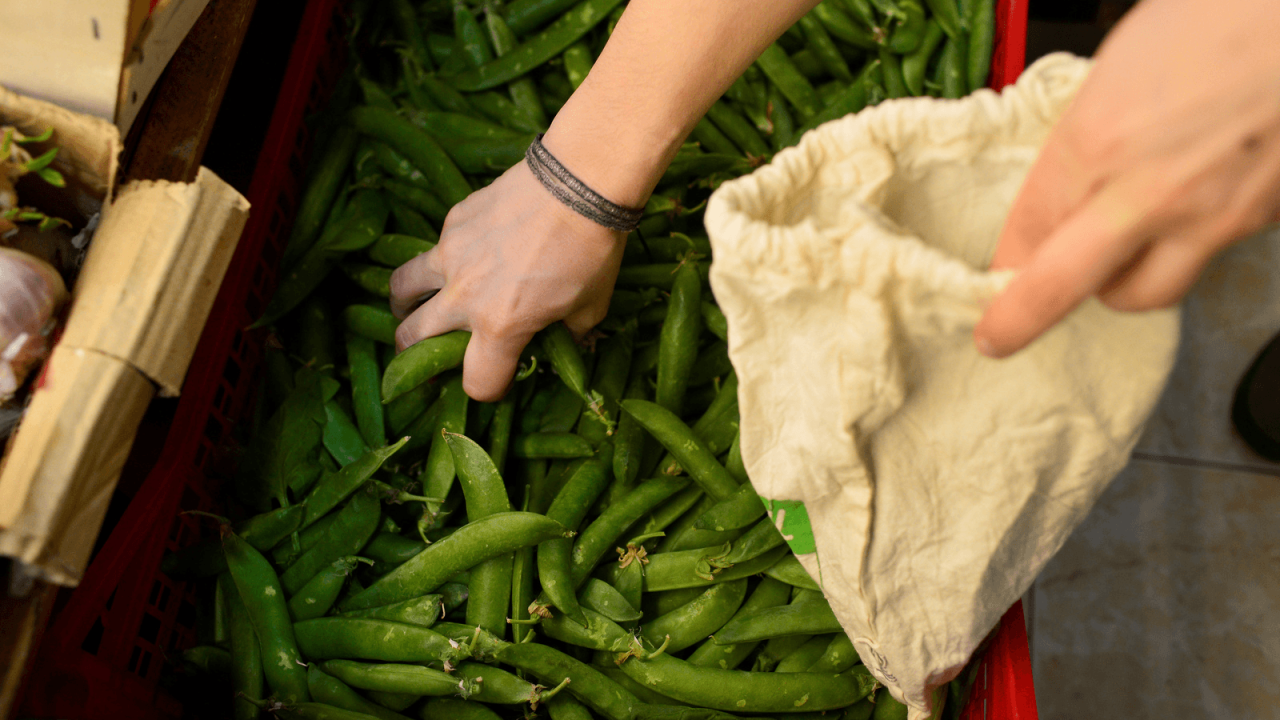
Reusable shopping bags offer a practical and eco-friendly alternative to single-use plastic bags. They come in a variety of styles, each with its own unique characteristics. Understanding these differences allows consumers to select the bag best suited to their needs and lifestyle.Choosing the right reusable shopping bag depends on the intended use. A shopper needing a bag for carrying bulky groceries will have different requirements than someone seeking a compact bag for everyday errands.
This section will explore the various types of reusable bags, their features, and how they can be utilized.
Styles and Sizes of Reusable Shopping Bags
Different styles of reusable shopping bags cater to diverse needs and preferences. Understanding the characteristics of each type helps consumers select the most suitable option.
- Tote Bags: Tote bags are typically rectangular in shape and come in various sizes. Their large capacity makes them ideal for grocery shopping, carrying bulk items, or general everyday use. Often featuring sturdy handles, tote bags offer excellent carrying comfort for heavier loads. Their versatility makes them popular choices for carrying items like books, clothes, and other essentials.
- String Bags: String bags, sometimes called drawstring bags, often feature a round or oval shape. These bags typically have a drawstring closure, which makes them compact and easy to store. Their medium size is suitable for carrying smaller items, such as groceries, personal items, or even books. The drawstring design allows for customized tightness and prevents items from falling out.
- Backpack Bags: Backpack bags, as the name suggests, are designed to be carried on the back. They often feature a rectangular shape and a larger carrying capacity, making them useful for grocery shopping, travel, or carrying larger items. Backpack bags are especially practical for situations where both hands are needed for other tasks. The adjustable straps and padded back panels ensure comfort during extended use.
Features and Functionalities
Understanding the features of different reusable shopping bags helps consumers make informed decisions. Features like size, carrying capacity, and handle type significantly impact the bag’s usability.
| Bag Type | Shape | Size | Potential Use |
|---|---|---|---|
| Tote Bag | Rectangular | Large | Grocery shopping, everyday use, carrying bulky items |
| String Bag | Round or Oval | Medium | Shopping, carrying essentials, travel |
| Backpack | Rectangular | Large | Grocery shopping, travel, carrying larger items |
How to Choose the Right Reusable Shopping Bag
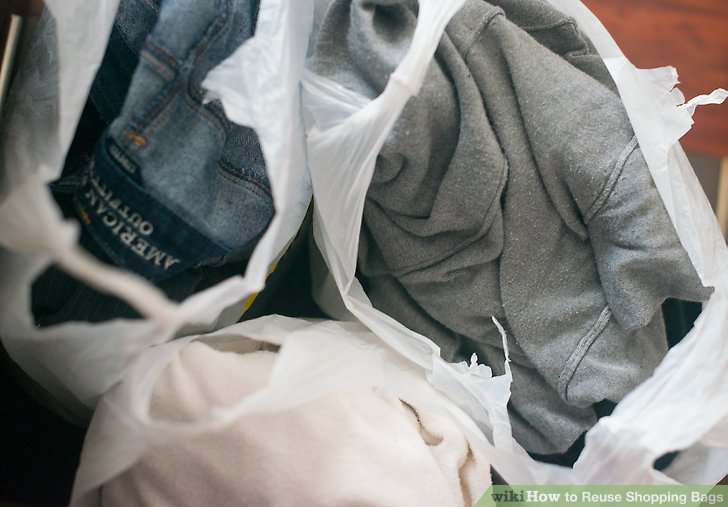
Selecting the ideal reusable shopping bag involves careful consideration of various factors. A well-chosen bag can not only reduce plastic waste but also enhance your shopping experience. This process goes beyond simply picking a bag; it involves understanding your needs and matching them with the right characteristics.Choosing a reusable bag is about more than just aesthetics. It’s about practicality and long-term sustainability.
Understanding the different materials, sizes, and designs available will guide you towards the perfect bag for your needs, ensuring you’re making an informed and environmentally conscious choice.
Material Considerations
Different materials offer varying degrees of durability, weight, and cost. Understanding these aspects is crucial in selecting a bag that meets your long-term needs. Factors such as thickness, weave, and resistance to tearing or punctures significantly impact the longevity of the bag.
- Durability: Sturdy materials like canvas, reinforced cotton, or high-quality nylon are ideal for frequent use and heavy loads. Bags made from these materials generally resist wear and tear better than thinner materials like polyester or flimsy woven fabrics.
- Water Resistance: For outdoor shopping or potential rain, look for water-resistant or waterproof materials. This is especially important for bags that will be exposed to the elements.
- Weight: Consider the weight of the bag itself. A heavier bag might feel cumbersome, especially if you are carrying a large amount of groceries. Lightweight options are more manageable for frequent use.
- Cost: The price of a reusable bag varies significantly based on the material, design, and brand. A higher price tag often correlates with higher quality and durability.
Size and Design Considerations
The size and design of a reusable shopping bag directly impact its functionality. Selecting a bag that adequately accommodates your typical shopping load is paramount.
- Carrying Capacity: Assess the volume of items you typically purchase. A smaller bag might be sufficient for a quick trip to the store, but a larger one is needed for bulkier purchases. Consider the dimensions of the bag and how much it can hold.
- Shape and Structure: Some bags have a more structured shape, which can help maintain their form and hold their contents well. Others are more flexible, offering greater adaptability but potentially less structure.
- Handles and Straps: Ergonomic handles and straps are crucial for comfortable carrying. Consider the length and width of the handles, and whether the bag is designed for carrying over the shoulder or by hand.
Frequency of Use and Carrying Capacity
The frequency of your shopping trips and the average weight of your purchases will influence your selection.
- Daily Shopper: For daily use, prioritize durability, lightweight materials, and comfortable handles. Consider bags with easy-to-grip handles and sufficient capacity to accommodate daily purchases.
- Occasional Shopper: If you shop less frequently, the material and capacity may be less of a concern. However, consider the practicality of the bag for the occasion.
- Heavy Purchases: For heavy loads, choose bags made from durable materials and with reinforced handles. The bag’s structure should also be able to withstand the weight.
Brand Comparison
Comparing different brands can reveal significant differences in durability and quality.
- Durability and Quality: Reputable brands often invest in higher-quality materials and manufacturing processes. Look for brands with a history of producing durable products and positive customer reviews.
- Customer Reviews: Online reviews can provide valuable insights into a brand’s products. Consider reviews regarding durability, material quality, and customer satisfaction.
Tips and Tricks for Using Reusable Shopping Bags
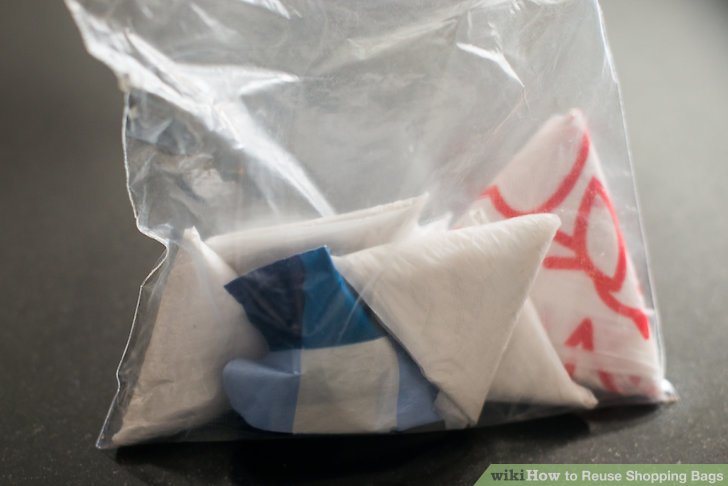
Maximizing the lifespan of your reusable shopping bags hinges on proper care and usage. By understanding efficient storage, cleaning methods, and creative applications, you can extend the usefulness of these environmentally friendly tools. This section offers practical advice for optimal bag maintenance and versatile use.
Folding and Packing for Storage
Proper folding and packing prevent creases and maintain the bag’s shape, extending its life and preserving its aesthetic appeal. Efficient storage also saves space and makes retrieval easier.
- Folding Techniques: A simple, flat fold is often the most space-saving method. For bags with handles, fold them inwards and then fold the bag in half lengthwise. Alternatively, a triangular or accordion fold can be used, depending on the bag’s size and shape. Experiment to find the method that works best for your bag type.
- Storage Solutions: Use designated storage areas, such as drawer dividers, closet shelves, or designated hooks for bags. Consider using a cloth organizer or a bag-specific storage container for easy access and to prevent wrinkles or damage.
Cleaning and Maintaining Reusable Bags
Regular cleaning and maintenance are essential to keeping your reusable shopping bags looking their best and extending their life span.
- Cleaning Procedures: Most reusable bags are machine washable, but always check the care instructions. Remove any loose debris before washing and use a mild detergent. Avoid harsh chemicals or bleach, which can damage the fabric. A delicate cycle is often recommended. Allow the bags to air dry completely to prevent mildew or shrinkage.
Alternatively, spot cleaning can be effective for minor spills or stains.
- Preventing Damage: Handle your bags gently to avoid tears or punctures. Avoid dragging them on rough surfaces. Be mindful of sharp objects that may cause damage while storing them.
Creative Uses Beyond Shopping
Reusable shopping bags offer a plethora of practical uses beyond their primary function. Their durability and versatility make them ideal for various tasks.
- Storage Solutions: Use them as laundry bags, to transport small items like shoes or books, or even to organize toys or sporting equipment.
- Travel Accessories: Consider them as travel-friendly alternatives to plastic bags for packing toiletries, or to organize electronics and accessories during travel.
- Gardening and Home Improvement: Reusable shopping bags can be utilized for transporting plants, gardening tools, or storing small household items.
Importance of Proper Bag Care
Investing in proper care and maintenance for your reusable shopping bags ensures long-term usability and a positive environmental impact.
- Durability: By following proper care guidelines, you can extend the lifespan of your bags, thereby reducing the need for frequent replacements and promoting a circular economy.
- Environmental Impact: Maintaining your bags properly helps to ensure they are in use for as long as possible, minimizing the need for new bags and the subsequent impact on the environment.
Storage for Long-Term Usability
Proper storage prevents damage and preserves the aesthetic appeal of your reusable shopping bags.
- Avoiding Damage: Store your bags in a cool, dry place away from direct sunlight, moisture, and extreme temperatures. This will prevent fading, mildew, or damage to the bag’s structure.
- Maintaining Aesthetics: Proper storage helps to maintain the bag’s original shape and color. Avoid storing bags with heavy items, which can lead to distortion.
Creative Uses of Reusable Shopping Bags
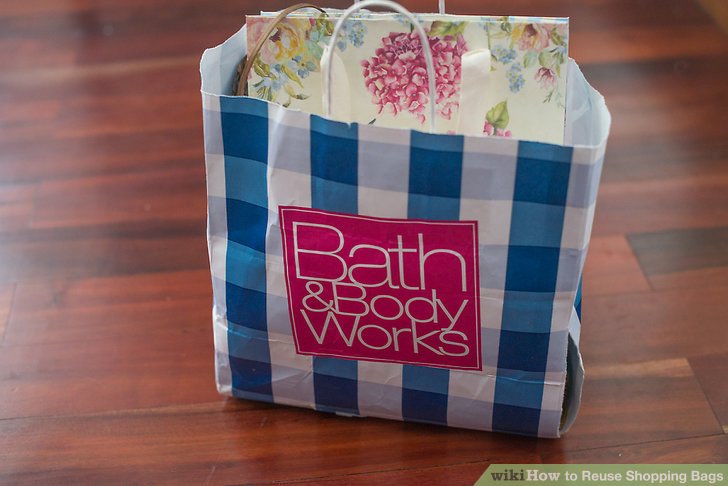
Beyond their primary purpose, reusable shopping bags offer a surprising array of creative applications. These practical and stylish containers can be repurposed for numerous household tasks, transforming them from simple carriers into versatile storage solutions and even fashionable accessories. This section explores innovative ways to breathe new life into your reusable shopping bags, transforming them from everyday essentials into unique and practical items.
Repurposing for Household Tasks
Reusable shopping bags are surprisingly adaptable for a variety of household tasks. Their durability and versatility make them ideal for carrying items beyond groceries. For instance, they can be used as laundry hampers for small items like socks or underwear, or as a convenient way to transport items from one room to another. Their size and shape are well-suited for organizing small tools or craft supplies in a workshop or garage.
Storage Solutions
Reusable shopping bags provide exceptional storage solutions for various items. Their large size and durable construction make them perfect for organizing and storing items. For instance, you can use them to store blankets, pillows, or extra towels in a closet or under a bed. They can also be used to organize seasonal clothing or linens. Consider using them to store toys, especially for younger children, as they can be easily cleaned and washed.
Fashionable Accessories
The versatility of reusable shopping bags extends to the fashion world. They can be transformed into unique and stylish accessories. For example, they can be used as tote bags or purses, adding a personalized touch to your everyday style. Depending on the material and design, these bags can be customized with embroidery, fabric paint, or other decorative elements to create a unique look.
Insulation and Decorative Items
Old shopping bags, especially those made of thicker materials, can be repurposed as insulation. For example, they can be used to insulate a cooler bag for picnics or outings, providing an inexpensive alternative to commercial insulation. Furthermore, the fabric of these bags can be creatively used as decorative elements. These bags can be used as table runners or placemats, adding a touch of unique character to your dining space.
Unique Projects
Numerous creative projects can be crafted using old shopping bags. For instance, they can be used to create reusable shopping bags for other uses. Transforming them into stylish shopping bags for other uses or for a different occasion demonstrates their practical value and sustainable nature. Another possibility is to sew them together to create storage bins or baskets for various household items.
Old shopping bags can also be used as a base for creating unique and personalized artwork or decorations. Imagine using them as a base for a painted backdrop or a unique textile piece.
Environmental Impact of Reusable Shopping Bags
Transitioning to reusable shopping bags offers significant environmental benefits, contributing to a healthier planet. By reducing reliance on single-use plastic bags, we lessen the detrimental effects of plastic pollution on our ecosystems and promote a more sustainable future. This shift has profound implications for marine life, landfill waste, and the long-term health of our environment.The pervasive use of plastic shopping bags has led to a critical environmental crisis.
These bags, designed for a single use, often end up polluting our natural world, with devastating consequences. Reusable alternatives offer a practical and impactful solution to this growing problem.
Significant Environmental Benefits of Reusable Bags
Reusable shopping bags provide numerous advantages over single-use plastic bags. They reduce the environmental footprint associated with plastic production, transportation, and disposal. This transition is crucial for minimizing our collective impact on the planet.
- Reduced Plastic Pollution: Reusable bags directly curb the production and subsequent pollution caused by plastic bags. This reduction in plastic waste translates into a healthier environment, particularly for marine ecosystems and wildlife.
- Protection of Marine Ecosystems: Plastic bags, often ending up in oceans and waterways, pose a serious threat to marine life. Animals can become entangled, ingest the plastic, or be harmed by its presence. Reusable bags eliminate this significant risk to marine ecosystems.
- Reduced Landfill Waste: Plastic bags take hundreds of years to decompose. Their accumulation in landfills contributes to environmental degradation. Reusable bags drastically reduce this burden, promoting a more sustainable approach to waste management.
Impact of Plastic Bags on the Environment
The environmental impact of plastic bags is substantial and multifaceted. Their long lifespan and widespread use contribute to a range of environmental problems.
- Marine Entanglement and Ingestion: Plastic bags often end up in the ocean, where marine animals, including turtles, fish, and birds, can become entangled or ingest them, leading to injury or death. For instance, a study by the National Oceanic and Atmospheric Administration (NOAA) highlighted the significant impact of plastic debris on sea turtle populations. Numerous instances of entanglement and ingestion have been observed, emphasizing the need for alternatives.
- Landfill Accumulation: Plastic bags are notorious for their slow decomposition rate. This leads to their accumulation in landfills, occupying valuable space and releasing harmful greenhouse gases over time. A 2020 report by the Environmental Protection Agency (EPA) underscored the volume of plastic waste accumulating in landfills globally, underscoring the necessity of sustainable alternatives like reusable bags.
Role of Reusable Bags in Sustainability
Reusable shopping bags play a crucial role in promoting a more sustainable approach to consumerism. By reducing reliance on single-use plastics, we can collectively contribute to a healthier environment.
- Promoting Sustainable Practices: Transitioning to reusable bags is a tangible step toward minimizing our environmental footprint. It’s a practical way to demonstrate commitment to sustainability in our daily routines.
- Reducing Greenhouse Gas Emissions: The production of plastic bags requires significant energy and resources. By choosing reusable alternatives, we reduce the demand for plastic, thus lowering the related greenhouse gas emissions associated with its manufacture and transport.
Long-Term Effects of Plastic Bag Usage
The consequences of prolonged plastic bag use extend beyond immediate environmental concerns. The cumulative effect of plastic pollution poses a long-term threat to the health of our planet.
- Persistent Pollution: Plastic bags are persistent in the environment, lasting for hundreds of years. Their slow decomposition contributes to long-term pollution in ecosystems, impacting both terrestrial and aquatic environments. This long-term persistence means that plastic pollution continues to have detrimental effects, highlighting the importance of immediate action.
- Biodiversity Loss: The persistent presence of plastic bags in ecosystems can disrupt natural food chains, harm wildlife, and ultimately lead to biodiversity loss. This can have cascading effects on the delicate balance of our natural world. A study published in the journal Science highlighted the link between plastic pollution and biodiversity decline in various ecosystems.
Final Summary

By embracing reusable shopping bags, we can significantly reduce our environmental footprint and contribute to a more sustainable future. This guide has provided a thorough exploration of the different aspects of reusing shopping bags, empowering individuals to make informed choices and creatively incorporate these eco-friendly alternatives into their daily lives. From the historical context to practical tips and creative repurposing ideas, we’ve covered it all.