Landfill waste poses significant environmental and social challenges. This comprehensive guide explores various strategies to reduce landfill waste, from understanding its composition and impact to implementing effective waste reduction strategies at the source, recycling and composting, developing sustainable waste management infrastructure, and promoting public awareness and education. The economic aspects and technological advancements in waste management will also be examined.
Understanding the different types of waste, their environmental impact, and the various methods for reducing their generation at source are critical steps. By implementing effective waste prevention strategies and promoting responsible consumption choices, we can make significant strides in minimizing the volume of waste sent to landfills. Further, the economic viability of various waste management strategies and the latest technological advancements in waste sorting and processing will be detailed.
Understanding Landfill Waste
Landfills, while a necessary component of modern waste management, pose significant environmental and social challenges if not properly managed. A deep understanding of the composition, impacts, and types of waste within landfills is crucial for developing effective waste reduction strategies. This understanding allows us to better target solutions and minimize the negative consequences of uncontrolled waste disposal.Landfill waste is a complex mixture of materials, with varying degrees of biodegradability and environmental impact.
The composition of this waste significantly influences its decomposition rate, potential for leachate generation, and overall impact on the surrounding environment. Uncontrolled landfill operations lead to environmental pollution, including soil and water contamination, greenhouse gas emissions, and health risks for nearby communities.
Composition of Landfill Waste
Landfill waste encompasses a broad spectrum of materials, ranging from food scraps and yard waste to plastics, metals, and construction debris. This diverse composition significantly influences the landfill’s overall characteristics. The breakdown of these materials into biodegradable and non-biodegradable components is essential to understanding the long-term effects on the environment.
Environmental and Social Impacts of Uncontrolled Landfill Waste Disposal
Uncontrolled landfill waste disposal leads to a multitude of environmental problems. These include the contamination of groundwater and soil with harmful chemicals, leachate, and the release of greenhouse gases. Furthermore, uncontrolled landfills can result in the spread of diseases and create unsanitary conditions that negatively impact human health and well-being. The presence of hazardous waste within the landfill further exacerbates the potential risks.
Types of Waste Contributing to Landfill Waste
Numerous types of waste contribute to the volume of landfill waste. Residential waste, commercial waste, industrial waste, and construction debris all significantly impact landfill capacity. The specific composition of each type of waste differs, impacting the decomposition process and environmental impact.
Biodegradable vs. Non-biodegradable Waste
The distinction between biodegradable and non-biodegradable waste is crucial for landfill management. Biodegradable waste, like food scraps and yard waste, decomposes naturally over time, although the process can be influenced by factors such as moisture content and temperature. Non-biodegradable waste, including plastics, metals, and glass, does not decompose naturally, leading to a persistent presence in landfills.
Categories of Landfill Waste
| Waste Type | Composition | Impact | Solution |
|---|---|---|---|
| Residential Waste | Food scraps, yard waste, paper, cardboard, textiles | High decomposition rate; potential leachate generation | Improved composting, waste segregation, and recycling programs |
| Commercial Waste | Packaging materials, food waste, office supplies | Varied decomposition rates; potential for contamination | Waste audits, recycling programs, and improved waste management practices |
| Industrial Waste | Hazardous chemicals, solvents, paints, batteries, electronic waste | Significant risk of contamination; leachate generation | Specialized waste handling procedures, hazardous waste treatment, and recycling programs |
| Construction and Demolition Debris | Wood, concrete, metal, asphalt | High volume, slow decomposition rate, potential for contamination | Material recovery facilities (MRFs), reuse of materials, and recycling programs |
Reducing Waste Generation at Source
Minimizing waste at its source is crucial for effectively reducing landfill waste. By altering our habits and consumption patterns, we can significantly lessen the amount of material destined for disposal. This approach not only conserves resources but also mitigates the environmental impact associated with landfill operations.Effective waste prevention strategies, implemented at the household level, form a critical component of a sustainable waste management approach.
These strategies, when combined with proper recycling and composting initiatives, can lead to a substantial decrease in landfill waste. They also save money and foster a sense of responsibility for our environment.
Household Waste Prevention Strategies
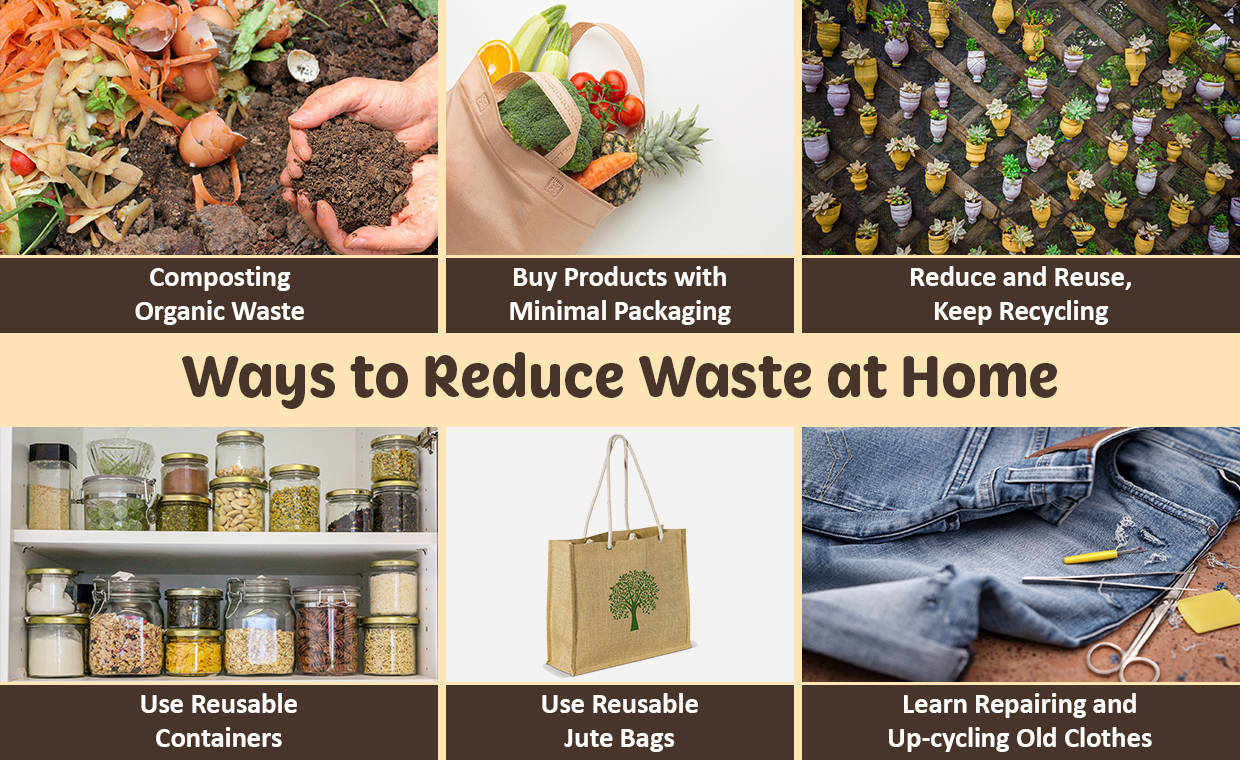
A proactive approach to waste reduction begins at home. By implementing simple changes in our daily routines, we can significantly curb waste generation. These changes range from conscious purchasing decisions to mindful food preparation.
- Adopting reusable alternatives for single-use items. This involves replacing disposable items with reusable equivalents, thereby minimizing waste generation.
- Reducing food waste. Implementing strategies to minimize food spoilage and consumption can lessen the amount of food waste sent to landfills.
- Making conscious consumer choices. Consumers can make a difference by prioritizing products with minimal packaging and opting for durable, long-lasting items.
Reusable Alternatives for Single-Use Items
Transitioning from disposable to reusable items is a cornerstone of waste reduction. This shift can significantly reduce the volume of waste destined for landfills.
| Single-Use Item | Reusable Alternative | Benefits | Examples |
|---|---|---|---|
| Plastic bags | Reusable shopping bags | Reduces plastic pollution, promotes sustainability, and can be personalized. | Cotton, canvas, or jute bags |
| Plastic straws | Stainless steel or glass straws | Reduces plastic pollution, promotes health (no chemicals), and is durable. | Stainless steel, bamboo, or glass straws |
| Paper cups | Reusable mugs or tumblers | Reduces paper consumption, promotes durability, and is often insulated for hot/cold drinks. | Stainless steel, ceramic, or glass mugs |
| Plastic cutlery | Stainless steel cutlery | Reduces plastic pollution, promotes durability, and is often reusable for years. | Stainless steel, bamboo, or wooden cutlery |
| Plastic food wraps | Reusable beeswax wraps or silicone wraps | Reduces plastic pollution, promotes health (no chemicals), and is often reusable for years. | Beeswax wraps, silicone wraps |
Reducing Food Waste in Households
Food waste contributes significantly to landfill volume. Implementing practical strategies can dramatically lessen this problem.
- Proper food storage. Maintaining appropriate storage conditions for various food items can extend their shelf life and reduce spoilage.
- Planning meals. Creating a meal plan based on existing ingredients minimizes food purchases and reduces the risk of buying excess items.
- Freezing leftovers. Freezing leftovers allows for later consumption, reducing food waste and promoting efficiency.
- Using up leftovers creatively. Creative recipes using leftover food prevents waste and reduces the amount of food destined for disposal.
Conscious Consumer Choices for Waste Reduction
By making informed decisions when shopping, we can significantly contribute to waste reduction.
- Prioritizing products with minimal packaging. Selecting products with less packaging reduces the overall waste generated by the item.
- Choosing durable and long-lasting products. Opting for products built to last reduces the need for frequent replacements, and lessens waste over time.
- Supporting businesses committed to sustainability. Supporting businesses that prioritize sustainable practices helps foster a culture of responsible consumption.
Waste Recycling and Composting
Recycling and composting are crucial components of a comprehensive waste management strategy. They divert valuable resources from landfills, conserve natural resources, and reduce the environmental impact of waste disposal. Proper implementation of these methods leads to a more sustainable future and minimizes the strain on our planet’s finite resources.Efficient recycling and composting programs contribute significantly to a healthier environment.
By reducing the need for new raw materials, these programs lessen the environmental burden of resource extraction and processing. Further, diverting waste from landfills preserves valuable land and minimizes the release of harmful greenhouse gases.
Recycling Methods for Various Materials
Recycling methods vary significantly based on the material type. Different materials require specific processing techniques to ensure efficient and effective recycling. Paper, plastics, metals, and glass, for instance, have distinct recycling processes. Paper recycling typically involves pulping the paper into fibers, which are then reprocessed into new paper products. Plastics recycling, on the other hand, often involves sorting and melting the plastic into pellets that can be reshaped into new products.
Metal recycling generally involves melting down scrap metal to recover the base metal, and glass recycling involves melting down glass cullet to create new glass products. Each method requires careful handling and processing to ensure quality and avoid contamination.
Benefits of Composting Organic Waste
Composting organic waste offers substantial environmental and economic advantages. Organic waste, including food scraps, yard waste, and other biodegradable materials, can be transformed into nutrient-rich compost. This compost can be used to enrich soil, promote plant growth, and reduce the need for chemical fertilizers. Furthermore, composting reduces the volume of waste sent to landfills, decreasing the environmental impact of waste disposal.
The reduction in landfill waste also conserves valuable land resources and minimizes methane emissions.
Comparison of Recycling Program Efficiency
The efficiency of recycling programs varies significantly across different regions. Factors such as the availability of recycling infrastructure, public awareness, and government support play a critical role in program success. Regions with well-established recycling programs, robust infrastructure, and strong public support tend to achieve higher recycling rates. Conversely, regions with limited infrastructure, lower public awareness, and insufficient government support often face challenges in achieving high recycling rates.
Comparing efficiency requires considering these contextual differences.
Material Recovery from Landfill Waste
Material recovery from landfill waste, often called “landfill mining”, is a process that recovers recyclable materials from existing landfill sites. This process involves sorting through the waste, extracting valuable materials, and then processing them for reuse. While this approach can be cost-effective in certain circumstances, it often faces challenges like contamination and the presence of mixed materials, requiring careful and specialized sorting methods.
The overall efficiency of material recovery from landfill waste depends on the specific composition of the waste, the technology employed, and the economic feasibility of the process.
Flowchart of Paper Recycling
This flowchart illustrates the process of recycling paper from collection to product. 
The flowchart depicts the sequential steps from collection of used paper to its transformation into new paper products. The stages include collection, sorting, pulping, de-inking, and papermaking. The process typically involves removing ink and other contaminants, and then pulping the paper to reclaim the fibers. These fibers are then processed into new paper products, completing the recycling cycle.
Waste Management Infrastructure
Modern waste management infrastructure is crucial for a sustainable and healthy environment. Effective systems minimize environmental impact, promote resource recovery, and contribute to public health by properly handling and disposing of waste. This involves a multi-faceted approach encompassing the entire waste lifecycle, from generation to disposal.Waste management facilities must be meticulously designed to ensure safety and efficiency. Modern landfill design emphasizes environmental protection, mitigating risks like leachate contamination and greenhouse gas emissions.
Advanced technologies and stringent regulations are implemented to address these concerns.
Landfill Design for Waste Disposal
Modern landfills are engineered to minimize environmental risks. They employ layered designs, including a bottom liner made of impermeable material, to prevent leachate from contaminating groundwater. These liners are often combined with collection systems to channel leachate to treatment facilities. The landfill’s surface is covered with a layer of soil or other suitable material to prevent erosion and minimize odors.
Methane collection systems are integral to modern landfill design, capturing this potent greenhouse gas for energy recovery or flaring. This proactive approach demonstrates a commitment to environmental responsibility.
Innovative Waste-to-Energy Technologies
Waste-to-energy technologies offer an alternative to traditional landfill disposal. These technologies convert non-recyclable waste into usable energy, reducing reliance on fossil fuels. Examples include incineration, gasification, and anaerobic digestion. Incineration plants are designed with advanced pollution control equipment to minimize emissions. Gasification processes convert waste into synthetic gas that can power turbines.
Anaerobic digestion breaks down organic waste to produce biogas, a renewable energy source. These technologies are crucial in the transition toward a circular economy.
Importance of Waste Segregation and Collection
Proper waste segregation and collection systems are fundamental to effective waste management. Sorted waste facilitates targeted recycling and composting, optimizing resource recovery. Comprehensive collection systems ensure that waste is properly collected and transported to appropriate facilities. Well-designed collection routes and schedules maximize efficiency and minimize environmental impact. Effective segregation and collection programs are essential for the successful implementation of other waste management strategies.
Comparison of Waste Management Policies Across Countries
Waste management policies vary significantly across countries, reflecting diverse cultural values, economic priorities, and environmental concerns. Some countries emphasize extensive recycling programs, while others focus on advanced waste-to-energy solutions. Policies often address issues such as landfill capacity, waste diversion, and the use of innovative technologies. This variance underscores the importance of context-specific solutions.
Waste Management Technologies: Benefits and Drawbacks
| Technology | Benefits | Drawbacks | Applicability |
|---|---|---|---|
| Landfilling | Relatively low cost; suitable for large volumes of waste; readily available infrastructure | Environmental risks (leachate, methane emissions); limited resource recovery; land use constraints | Appropriate for areas with limited resources for advanced technologies, but strict environmental regulations are required. |
| Incineration | High energy recovery potential; reduces volume of waste; suitable for hazardous waste | Air pollution concerns; ash disposal issues; potential for toxic emissions if not properly managed; high upfront cost. | Applicable in areas with strong environmental regulations and proper air pollution control measures. |
| Recycling | Reduces landfill burden; conserves resources; creates jobs; promotes circular economy | Sorting and processing costs; material purity issues; market demand fluctuations; contamination concerns | Applicable in regions with established recycling infrastructure and strong market demand for recycled materials. |
| Composting | Produces valuable soil amendment; reduces organic waste; reduces landfill burden | Requires specialized facilities; susceptible to contamination; odors can be an issue | Effective in areas with readily available organic waste streams and dedicated composting facilities. |
Public Awareness and Education
Public awareness campaigns are crucial for fostering a culture of waste reduction. Effective programs educate the public about responsible waste management practices, thereby influencing individual behaviors and promoting systemic change. By understanding the importance of waste reduction, individuals can actively participate in creating a more sustainable environment.A well-structured public awareness campaign is essential for driving behavioral changes towards sustainable waste management.
This approach empowers individuals to take ownership of their waste disposal choices, ultimately reducing the strain on landfills and promoting a circular economy. Community engagement and targeted media campaigns further amplify the message, leading to wider adoption of responsible waste practices.
Importance of Public Awareness Campaigns
Public awareness campaigns play a pivotal role in driving waste reduction initiatives. These campaigns educate the public about the environmental and economic consequences of improper waste disposal. They highlight the benefits of recycling, composting, and reducing consumption, ultimately fostering a collective responsibility towards sustainable waste management. This education transcends individual actions, promoting a systemic shift towards environmental stewardship.
Examples of Effective Educational Programs
Numerous educational programs effectively promote waste management. Interactive workshops, community presentations, and online resources are commonly used to disseminate information about recycling, composting, and waste segregation. School programs, incorporating waste management into the curriculum, instill responsible practices early in life. Local government initiatives, offering workshops and educational materials, also play a vital role in community engagement. Public service announcements (PSAs) and documentaries further raise awareness and provide valuable insights.
Role of Community Engagement
Community engagement is vital for successful waste reduction initiatives. Local communities can actively participate in waste management programs by organizing workshops, participating in clean-up drives, and supporting recycling centers. Collaborating with local businesses and community organizations fosters a shared responsibility and enhances the impact of waste reduction programs. Community leaders can play a critical role in driving these initiatives, demonstrating the importance of waste reduction to their constituents.
Impact of Media Campaigns on Waste Management Behavior
Media campaigns, through various channels, can significantly influence waste management behavior. Television commercials, radio announcements, and online advertisements can raise awareness about waste reduction strategies. Public service announcements (PSAs) often highlight the environmental benefits of responsible waste management, reinforcing the importance of individual actions. Visual media, including documentaries and social media campaigns, often demonstrate the tangible impacts of waste management decisions, thereby driving positive behavioral changes.
Educational Strategies for Promoting Waste Reduction
| Strategy | Target Audience | Content | Evaluation |
|---|---|---|---|
| Interactive Workshops | Residents, Students, Businesses | Hands-on demonstrations of recycling, composting, and waste segregation. Interactive games and quizzes to reinforce learning. | Feedback forms, observation of participant engagement, pre- and post-workshop knowledge assessments. |
| Community Presentations | Community members | Presentations by experts on waste management, featuring case studies and success stories. Discussion forums to address concerns and answer questions. | Audience feedback surveys, attendance records, and community response measured through post-presentation surveys. |
| Online Resources | General Public | Informative websites, mobile applications, and social media platforms providing detailed information on waste reduction techniques. Videos demonstrating proper sorting and disposal methods. | Website traffic data, social media engagement metrics, and user feedback on online platforms. |
| School Programs | Children and Students | Incorporating waste management principles into the curriculum. Interactive activities and competitions to promote responsible waste practices. | Student feedback forms, classroom observations, and assessment of waste management practices in school. |
Economic Aspects of Waste Reduction
Reducing landfill waste presents significant economic benefits, extending beyond environmental considerations. By minimizing the need for landfill space, communities can save on costly infrastructure development and maintenance. Furthermore, efficient waste management strategies can create new economic opportunities and stimulate innovation in related industries.Economic benefits are substantial, ranging from decreased disposal costs to the potential for new revenue streams.
The transition towards a circular economy, driven by waste reduction, can unlock opportunities for cost savings and increased profitability for businesses and municipalities alike. Implementing sustainable waste management practices not only protects the environment but also contributes positively to the economic well-being of communities.
Economic Benefits of Landfill Waste Reduction
Implementing effective waste reduction strategies yields a multitude of economic advantages. Decreased reliance on landfills translates into savings on land acquisition, construction, and maintenance costs. Moreover, diverting waste from landfills through recycling and composting frees up valuable space, allowing for repurposing or redevelopment of the land. This has a direct impact on the local economy, potentially creating new jobs and investment opportunities.
Cost-Effectiveness of Different Waste Management Strategies
The cost-effectiveness of waste management strategies varies significantly based on factors such as the composition of waste, local infrastructure, and the specific strategies employed. For instance, source reduction programs, aimed at minimizing waste generation at its source, often prove to be the most cost-effective in the long run. These strategies typically involve educating consumers about responsible consumption patterns and promoting product durability and reusability.
| Waste Management Strategy | Potential Costs | Potential Savings |
|---|---|---|
| Landfilling | High land acquisition, construction, and maintenance costs; potential environmental remediation costs. | None, potentially high disposal costs |
| Recycling | Initial investment in sorting and processing facilities; potential labor costs. | Reduced disposal costs; potential revenue from recycled materials. |
| Composting | Investment in composting facilities; potential labor costs. | Reduced disposal costs; potential revenue from compost products; improved soil quality. |
| Source Reduction | Education and awareness campaigns; potential changes in product design. | Significant long-term savings on waste management; reduced environmental impact. |
Job Creation Potential in the Waste Management Sector
The waste management sector offers a significant potential for job creation. Investing in recycling facilities, composting operations, and waste reduction initiatives can lead to the creation of new jobs in sorting, processing, and distribution. Furthermore, the shift towards a circular economy fosters innovation in related industries, such as product design and material science, creating additional employment opportunities. This includes the development of new technologies and processes aimed at reducing waste and maximizing resource recovery.
Examples of Successful Waste Reduction Initiatives and Their Economic Impact
Numerous communities worldwide have implemented successful waste reduction initiatives, yielding substantial economic benefits. For example, the city of [Example City] has experienced a significant reduction in landfill costs and a noticeable increase in recycling rates through public awareness campaigns and the implementation of a comprehensive waste management program. This has led to substantial cost savings, which were reinvested in other community development projects.
Another example is [Example Company], a manufacturing company that successfully reduced packaging waste by implementing a redesign of their products. This resulted in reduced material costs and enhanced customer appeal.
Comparison of Costs and Benefits of Landfill Waste Reduction Initiatives with Different Methods for Waste Disposal
Comparing the costs and benefits of landfill waste reduction initiatives with alternative methods for waste disposal is crucial for informed decision-making. Landfilling, while currently a prevalent method, carries substantial environmental and economic drawbacks. Conversely, strategies like recycling and composting offer significant cost savings and environmental benefits. The cost-benefit analysis must consider the lifecycle costs of each method, including initial investments, operational expenses, and potential revenue generation from recovered materials.
Technological Advancements in Waste Management
Innovative technologies are rapidly transforming waste management practices, offering solutions for efficient sorting, processing, and reduction of landfill waste. These advancements promise to significantly improve environmental sustainability and economic viability in the waste management sector. By exploring new approaches, we can move towards a circular economy model, minimizing waste and maximizing resource recovery.
Latest Technologies in Waste Sorting and Processing
Advanced technologies are enabling more accurate and efficient waste sorting, significantly improving the quality and quantity of recovered materials. Sophisticated optical sensors, coupled with artificial intelligence, are used to identify and categorize different waste streams in real-time. These systems can differentiate between various plastics, metals, and other materials, leading to a higher percentage of recyclables and a reduction in contamination.
Furthermore, automated sorting lines, equipped with robotic arms and conveyor systems, can handle large volumes of waste with increased speed and accuracy, minimizing manual labor and processing costs.
Potential of AI and Machine Learning in Waste Management
Artificial intelligence (AI) and machine learning (ML) are revolutionizing waste management. AI algorithms can analyze vast amounts of data, including waste composition, generation patterns, and transportation routes, to optimize collection schedules and routes. Predictive modeling based on AI can anticipate waste generation peaks, enabling efficient resource allocation and preventing overflowing landfills. Furthermore, AI-powered image recognition can detect contamination in sorted materials, leading to improved quality control and reduced contamination in the recycled materials.
Applications of Advanced Materials in Waste Reduction
Advanced materials play a critical role in enhancing waste reduction strategies. Composites made from recycled materials are increasingly used in construction, creating durable and sustainable products. Bio-based plastics derived from renewable sources are being developed to reduce reliance on fossil fuels and decrease the amount of plastic waste entering landfills. Furthermore, advanced materials can be used to create new technologies for waste separation and processing, increasing the efficiency of waste management systems.
Use of Bioplastics in Reducing Landfill Waste
Bioplastics, derived from renewable resources like corn starch or sugarcane, offer a promising alternative to conventional petroleum-based plastics. These materials are biodegradable and compostable, reducing the environmental impact of plastic waste. While still under development in certain applications, bioplastics are gradually finding their place in packaging, consumer products, and other sectors. Their use can help to minimize reliance on traditional plastics and lessen the burden on landfills.
Converting Plastic Waste into Fuel
The conversion of plastic waste into fuel is a significant advancement in waste management, offering a means to reduce landfill burden and generate energy. This process, often involving pyrolysis or gasification, breaks down plastic into its constituent components. The resulting gases or oils can then be processed into usable fuels, such as gasoline, diesel, or even electricity. This process reduces the reliance on fossil fuels and creates a valuable resource from waste.
| Process Step | Description |
|---|---|
| Collection and Sorting | Plastic waste is collected and sorted into different types to ensure efficient processing. |
| Pyrolysis/Gasification | Plastic waste is heated in the absence/presence of oxygen, respectively, to break down the polymer chains into smaller molecules.
|
| Fuel Production | The produced gases or oils are further processed to yield usable fuels. |
A visual representation of this process would show a series of containers and processing units, beginning with a collection area and moving towards pyrolysis/gasification units, and finally, refining and fuel production facilities. The diagram would clearly illustrate the transformation of plastic waste into fuel, highlighting the various stages involved.
Final Thoughts
This guide has provided a thorough overview of the multifaceted issue of landfill waste reduction. From analyzing the composition and impact of waste to exploring sustainable waste management strategies, we’ve examined the crucial steps towards minimizing the environmental burden of landfills. By implementing a combination of waste reduction strategies at the source, improved recycling and composting methods, efficient waste management infrastructure, public awareness campaigns, and harnessing technological advancements, a sustainable and effective approach to waste reduction can be achieved.