Winter composting presents unique challenges, but with the right strategies, you can continue creating nutrient-rich compost even in the coldest months. This guide delves into the specifics of winter composting, offering practical advice for maintaining composting activity, selecting appropriate materials, and optimizing techniques for success. From understanding the challenges to troubleshooting common issues, we’ll equip you with the knowledge to transform your yard waste into valuable soil amendment.
Maintaining a healthy compost bin in winter requires careful attention to temperature and moisture regulation. Effective insulation, proper material selection, and a methodical approach to turning and monitoring the compost pile are crucial for successful winter composting. This comprehensive guide will walk you through the steps to ensure a productive composting process throughout the colder months, enabling you to enrich your garden with rich, nutrient-filled compost, regardless of the season.
Understanding Winter Composting Challenges
Winter presents unique challenges to composting, primarily stemming from the lower temperatures and potential for freezing. Maintaining optimal composting conditions requires adjustments to traditional methods. Successfully navigating these hurdles allows for continued decomposition and nutrient-rich compost creation even in the colder months.Composting activity slows considerably in winter due to the reduced microbial activity that is vital for the decomposition process.
Lower temperatures directly impact the speed of decomposition, often leading to a noticeable slowdown or complete cessation of heat generation in some composting systems. This necessitates proactive strategies to counteract these effects and ensure the composting process continues efficiently.
Common Challenges of Winter Composting
Winter composting faces challenges stemming from low temperatures and potential moisture issues. Reduced microbial activity and the risk of freezing are significant concerns. Freezing can disrupt the decomposition process, while excessively moist conditions can lead to anaerobic conditions, potentially hindering the decomposition process. This can result in a buildup of undesirable odors and potentially unpleasant outcomes in the composting bin.
A well-managed composting process helps to mitigate these issues.
Maintaining Composting Activity in Winter
Several methods can be employed to maintain composting activity during the winter. One method involves providing insulation to the compost bin, which can help retain some heat and prevent rapid temperature drops. Another strategy is to cover the compost pile to minimize heat loss and maintain moisture. Using a well-insulated bin, a layer of mulch, or covering the compost pile with a tarp or other insulating materials are examples of how to maintain a certain temperature in the compost bin.
Additionally, maintaining adequate moisture levels is essential.
Preventing Composting Materials from Freezing
Freezing can significantly disrupt the composting process. To prevent materials from freezing, careful moisture management is critical. Maintaining a consistent moisture level, rather than allowing the compost to become too wet or dry, is crucial. Avoiding excessive moisture helps to prevent the formation of ice crystals that can damage the composting process.
Adjusting Composting Practices for Optimal Results in Winter
Adapting composting practices in winter involves a shift in focus. Adjusting the amount of green and brown materials is essential. Using a ratio that will maintain moisture content without excessive wetness is critical. Maintaining a consistent moisture level throughout the composting process is important. This will allow the compost to decompose properly, even in cooler temperatures.
Comparison of Composting Methods in Winter
Different composting methods exhibit varying levels of effectiveness in winter. Cold composting, which relies on natural decomposition, may experience significantly slower decomposition rates in the cold. Hot composting, while often more efficient in warmer months, can still be viable in winter with careful insulation and moisture management. The choice of method depends on the desired speed of decomposition and the available resources.
Best Composting Materials for Winter
Certain materials are more suitable for winter composting. Using materials that retain moisture, while avoiding those that will readily freeze, is crucial. Adding materials such as shredded leaves or wood chips can provide insulation and moisture retention, and reduce the risk of the materials freezing. This can maintain moisture in the composting bin and prevent the composting materials from freezing.
Moisture and Temperature in Winter Composting
Moisture and temperature play crucial roles in winter composting. Maintaining the proper moisture content is vital for preventing freezing and ensuring microbial activity. Monitoring the temperature of the compost pile is important, and can be helpful in identifying the need for insulation or other adjustments. The interplay of moisture and temperature directly influences the rate and effectiveness of decomposition in winter.
Maintaining Compost Bin Temperature
Winter composting presents unique challenges, including the potential for freezing temperatures to halt decomposition. Maintaining a consistent temperature within the compost bin is crucial for continued activity and effective decomposition. This involves several strategies for insulation and heat retention.Effective winter composting relies on maintaining a temperature conducive to microbial activity. This requires a proactive approach to insulation and material management, which are key to achieving optimal decomposition rates despite the cold weather.
Insulation Methods for Compost Bins
Maintaining a suitable temperature in your compost bin during winter requires insulation strategies. These methods effectively mitigate the negative effects of low temperatures. Different materials provide varying degrees of insulation, influencing the overall temperature within the bin.
- Straw: Straw is an excellent insulator, offering a natural barrier against heat loss. Its loose structure traps air, creating an effective layer of insulation. A layer of straw placed atop the compost pile can help insulate the pile and maintain a warmer temperature inside.
- Wood Chips: Wood chips, like straw, also provide excellent insulation due to their ability to trap air pockets. They help retain heat and prevent excessive temperature fluctuations. The chips should be relatively dry to maximize their insulating properties.
- Cardboard: Cardboard, while not as effective as straw or wood chips, can offer a modest level of insulation. Its fibrous structure can help trap some air, slowing down heat loss. A layer of cardboard placed around the compost bin can help insulate it and maintain the temperature inside.
- Plastic Sheeting: Plastic sheeting, while not a natural insulator, can provide a barrier against cold air. A plastic sheet placed over the top of the compost bin can help retain heat, but should be used in conjunction with other insulating materials for optimal results. The plastic should not directly contact the compost to prevent overheating.
Designing a Heat-Retaining Compost Bin
A well-designed compost bin can significantly enhance heat retention. Consider the following setup for winter composting.
- Elevated Design: Elevating the compost bin above the ground minimizes heat loss to the surrounding cold earth. This strategy can contribute to a noticeable difference in temperature retention.
- Double-Walled Structure: A double-walled bin with a space filled with insulation material (like straw or wood chips) creates an air gap. This air gap significantly reduces heat transfer, allowing for more effective temperature regulation.
- South-Facing Orientation: Orienting the compost bin towards the south can maximize exposure to sunlight. This can contribute to a slight increase in temperature, especially during periods of sunlight.
Maintaining Compost Temperature and Moisture
Adding certain materials can help maintain the temperature within the compost bin. These materials can provide a source of heat and prevent freezing.
- Adding Materials with Internal Heat: Adding materials that generate heat, such as vegetable scraps or food scraps, can contribute to maintaining a warmer temperature inside the bin. This can be particularly helpful in cold weather.
- Preventing Freezing: Ensure that the moisture content in the compost is properly managed to avoid ice formation. Avoid over-watering, which can lead to freezing and hinder decomposition. A balanced moisture level is essential for optimal composting in winter.
Compost Bin Covers and Effectiveness
Compost bin covers are essential for retaining heat during winter. Their effectiveness varies depending on the material and design.
- Types of Covers: Various types of covers are available, from simple tarps to more elaborate insulated covers. Choosing the right cover depends on the specific needs of your compost bin and the severity of the winter conditions.
- Effectiveness: Insulated covers, in general, offer better insulation than simple tarps. The use of insulated covers can significantly contribute to the maintenance of the internal temperature of the compost bin.
Insulation Materials for Compost Bins
This table compares the effectiveness of different insulation materials for compost bins.
Choosing the Right Compost Materials
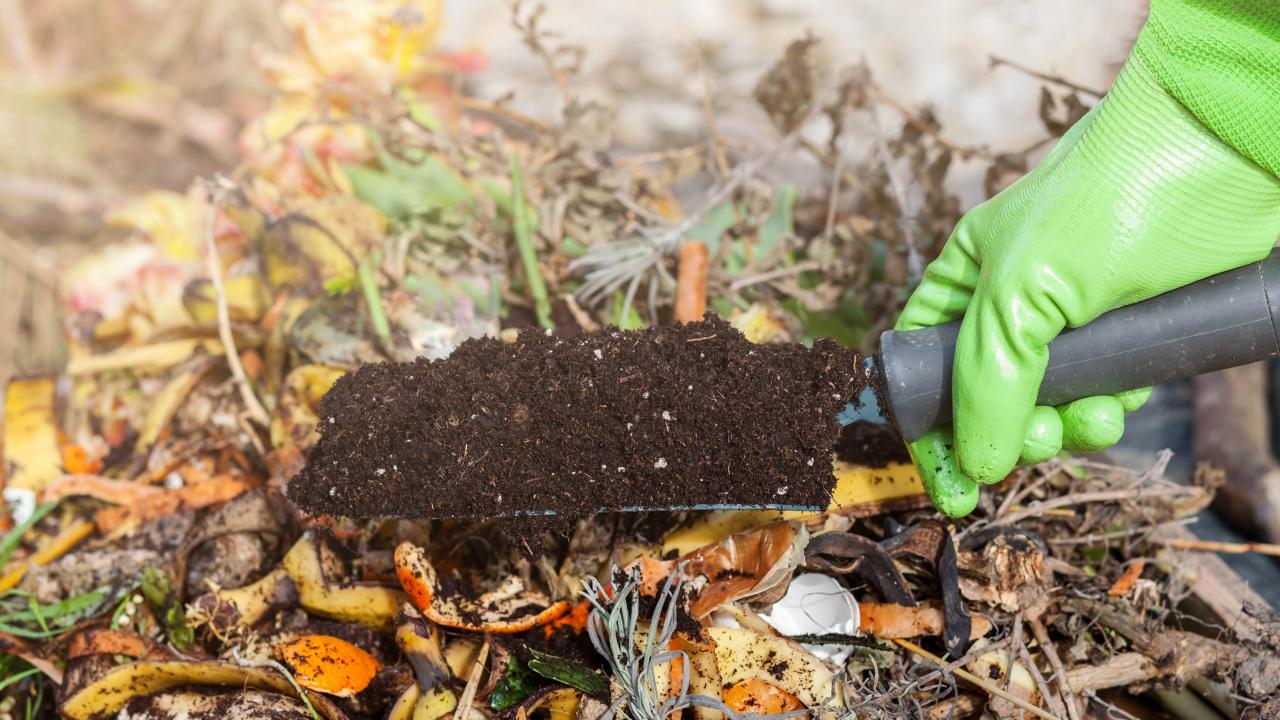
Winter composting presents unique challenges, but careful material selection can significantly impact the success of your efforts. Understanding which materials are best suited for cold temperatures and how to manage the carbon-nitrogen balance is key to maintaining a healthy composting process during the winter months. This selection process ensures optimal decomposition and prevents issues that might arise from inappropriate materials.Proper material selection directly affects the composting process’s efficiency.
The right mix of materials promotes microbial activity, even in colder conditions. By understanding the characteristics of different materials and their impact on the carbon-nitrogen ratio, you can create a dynamic composting environment throughout the winter.
Appropriate Plant Materials
A balanced mix of plant materials is essential for a healthy compost pile in winter. Choosing appropriate plant materials helps to maintain the necessary conditions for decomposition. Prioritize plant materials that are readily available during the winter. These include fallen leaves, straw, and evergreen boughs.
- Fallen leaves, especially from deciduous trees, provide a significant amount of carbon and are readily available in winter.
- Straw, a readily available agricultural by-product, contributes substantial carbon to the compost pile.
- Evergreen boughs, such as pine needles, offer a source of carbon, although they may decompose more slowly in cold temperatures.
Adjusting the Carbon-Nitrogen Ratio
The carbon-nitrogen (C:N) ratio is crucial for efficient composting. Maintaining the ideal C:N ratio in winter composting requires careful attention. A balanced C:N ratio supports the decomposition process and promotes the growth of beneficial microorganisms.
The ideal C:N ratio for composting is typically between 25:1 and 30:1.
In winter, you may need to adjust the ratio based on the available materials. A higher proportion of carbon-rich materials, such as dry leaves or straw, may be necessary to compensate for the slower decomposition rates observed in cold temperatures.
Suitable Food Scraps
Carefully selecting food scraps is essential for winter composting. Avoid excessively oily or fatty food scraps, as these can slow down decomposition and attract pests.
- Vegetable scraps, such as carrot peels or potato skins, are generally suitable for winter composting.
- Fruit scraps, such as apple cores or banana peels, can also be included, but their moisture content should be balanced with other materials.
- Avoid meat, dairy, and oily foods, as these are prone to attracting pests and can create unpleasant odors.
Impact of Food Waste Types
Different types of food waste have varying effects on the winter composting process. For example, acidic fruits might slow down decomposition compared to neutral vegetables.
- Acidic fruits, like citrus peels, can potentially lower the pH of the compost pile and slightly inhibit the decomposition process.
- Vegetable scraps, due to their generally neutral pH, decompose more readily in a compost pile.
- Meat and dairy products, with their high fat content, should be avoided due to the risk of attracting pests and potential odor problems.
Materials to Avoid
Certain materials can hinder the winter composting process. Avoid materials that are not readily decomposable in cold temperatures, or materials that could attract pests.
- Meat and dairy products are often problematic due to attracting pests and creating odors, even in warm weather. Their decomposition is particularly slow in cold conditions.
- Diseased plants and weeds should be avoided to prevent the spread of diseases in your compost.
- Glossy or waxy food packaging is not compostable and should be removed from your food scraps.
Appropriate and Inappropriate Materials
The table below summarizes appropriate and inappropriate materials for winter composting.
| Material | Suitable? | Why/Why not? |
|---|---|---|
| Fallen leaves | Yes | Rich in carbon, readily available, and decompose well in winter. |
| Straw | Yes | High carbon content, good for balancing moisture and adding bulk. |
| Meat scraps | No | Attract pests, create odors, and decompose very slowly in cold temperatures. |
| Vegetable scraps | Yes | Generally decompose well, providing nitrogen and moisture. |
| Diseased plants | No | May spread diseases to other plants in the compost pile. |
Optimizing Winter Composting Techniques
Winter composting presents unique challenges, but with careful planning and attention to detail, you can maintain composting activity effectively even in the coldest months. Understanding the impact of low temperatures on decomposition rates and implementing appropriate strategies is key to successful winter composting. By adjusting moisture levels, turning techniques, and material choices, you can keep your compost bin active and productive throughout the season.
Maintaining Compost Bin Temperature
Maintaining a consistent temperature in your compost bin is crucial for decomposition, especially during winter. Lower temperatures slow down microbial activity, which is essential for breaking down organic matter. A cold compost bin will take longer to decompose materials. Therefore, insulation plays a significant role. Using a well-insulated bin can help maintain the heat generated by decomposition.
A layer of insulation, such as straw or wood chips, around the bin’s exterior, can minimize heat loss.
Turning Compost in Winter
Turning compost in winter is essential to maintain aeration and promote even decomposition. Regular turning helps to distribute moisture and heat more evenly throughout the pile. The frequency of turning depends on the temperature and moisture levels. In very cold climates, turning every two to three weeks may suffice. In milder winters, turning once a week may be necessary.
Managing Moisture Levels
Moisture levels are critical for composting, regardless of the season. Winter’s lower humidity and potential for frost can lead to compost becoming too dry, inhibiting microbial activity. It is important to maintain the right moisture content by regularly adding water, if needed. If the compost is too wet, it can lead to anaerobic decomposition, producing unpleasant odors.
The consistency should be similar to a damp sponge.
Effective Composting Techniques in Cold Temperatures
Several techniques can be implemented to enhance composting activity in winter. Using a larger compost bin can help maintain heat better. Adding a layer of brown material (dry leaves, straw) to the top can also help retain heat and prevent water loss. Consider adding a layer of insulation such as cardboard or old newspapers to the compost pile for better temperature retention.
Monitoring Temperature and Moisture Levels
Regular monitoring of temperature and moisture levels is essential for maintaining a healthy compost pile. A compost thermometer can be used to check the internal temperature of the pile. Maintaining a temperature of at least 130°F (54°C) is ideal for optimal microbial activity. Use your hand to check the moisture content. The compost should have a damp, but not soggy, consistency.
Step-by-Step Guide for Winter Composting
- Inspect the compost bin for any signs of damage or leaks.
- Add a layer of insulation around the bin.
- Add a layer of brown material (dry leaves, straw) to the top of the compost pile.
- Turn the compost pile every two to three weeks, depending on the temperature and moisture levels.
- Monitor the internal temperature and moisture content regularly.
- Add water as needed to maintain a damp, but not soggy, consistency.
- Continue to add composting materials to the pile.
Winter Composting Maintenance Checklist
- Check for any signs of damage or leaks in the compost bin.
- Add insulation around the bin.
- Monitor moisture content (damp, not soggy).
- Check temperature (at least 130°F or 54°C).
- Turn compost pile regularly (2-3 weeks or as needed).
- Add water as needed.
Troubleshooting Winter Composting Issues
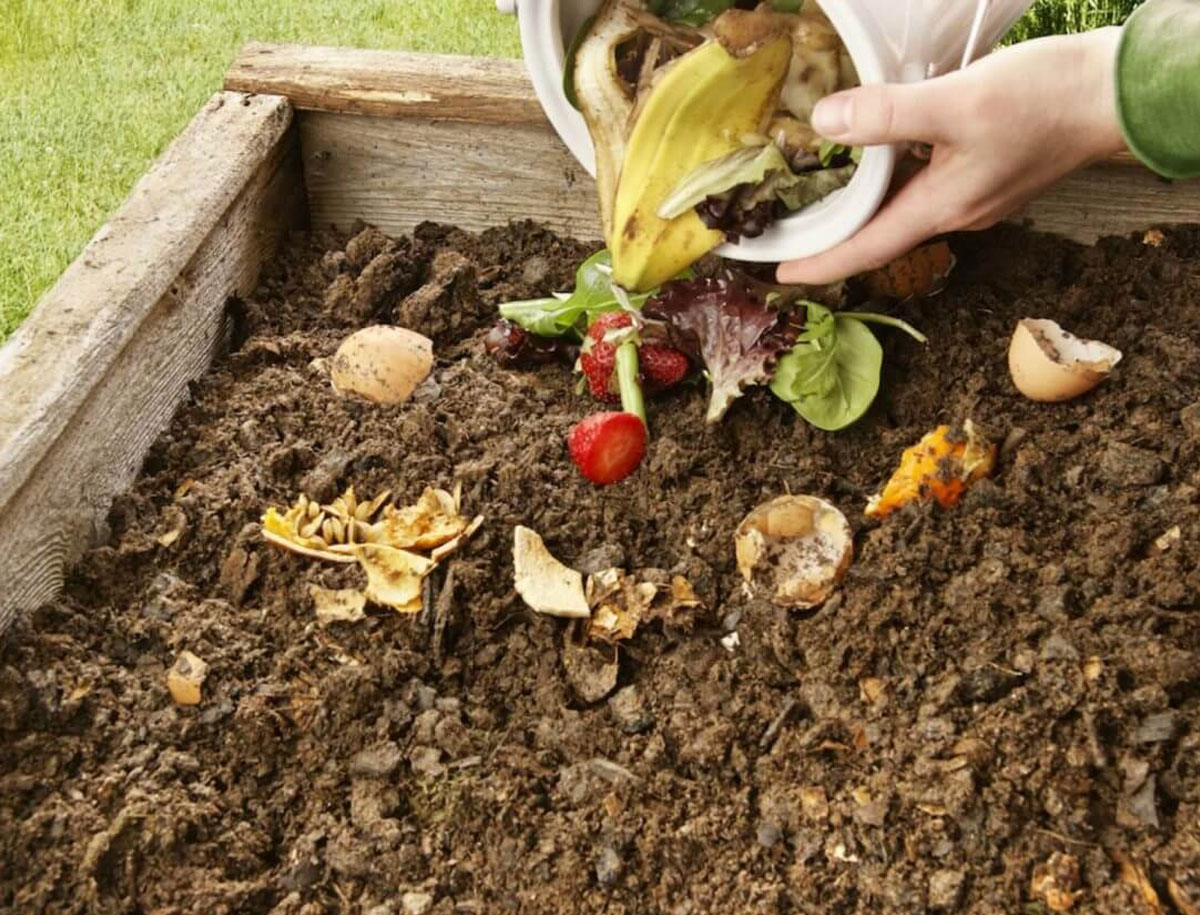
Winter composting presents unique challenges that can affect the decomposition process. Understanding these issues and their solutions is crucial for maintaining a healthy and productive compost bin throughout the colder months. Proper troubleshooting ensures optimal nutrient recycling and a successful composting experience.Troubleshooting involves identifying potential problems, understanding their underlying causes, and implementing effective solutions. By proactively addressing issues, you can maintain a productive compost system even during the winter months.
This includes recognizing signs of poor composting, dealing with slow decomposition, and mitigating the impact of freezing and thawing cycles.
Common Winter Composting Problems
Winter composting often faces challenges related to reduced microbial activity and fluctuating temperatures. Knowing the common problems and their causes can help you address them efficiently. Several factors influence decomposition rates, including temperature fluctuations, moisture levels, and the composition of the compost materials.
- Freezing Issues: Freezing temperatures can significantly hinder microbial activity, leading to a halt in decomposition. This is often exacerbated by moisture in the compost, which expands when frozen, potentially damaging the bin. Unprotected or poorly insulated bins are more susceptible to these problems.
- Slow Decomposition Rates: Reduced temperatures and moisture content during winter lead to slower decomposition. The lack of microbial activity in cold temperatures directly impacts the rate of decomposition, making the process considerably slower compared to warmer months.
- Moisture Management Problems: Maintaining the correct moisture level in a compost bin during winter is critical. Over-watering can lead to a soggy, anaerobic environment, while insufficient moisture can impede decomposition. This balance is especially important in cold weather, where moisture can freeze and disrupt the decomposition process.
- Insufficient Insulation: Without adequate insulation, the compost bin loses heat rapidly, leading to significantly lower temperatures within the pile. This results in decreased microbial activity and, subsequently, a slower decomposition process. This is a critical factor in preventing freezing.
Solutions to Freezing Issues in the Compost Pile
Freezing can severely disrupt the composting process. Several strategies can be employed to mitigate the impact of freezing temperatures.
- Insulation: Proper insulation is paramount. Adding layers of insulation around the compost bin, such as straw, wood chips, or even bubble wrap, can help retain heat and prevent freezing. Consider using a well-insulated bin specifically designed for cold weather composting.
- Moisture Management: Maintaining the right moisture level is essential. Ensure the compost pile isn’t overly wet, which can exacerbate freezing issues. Add dry materials like shredded leaves or wood chips to absorb excess moisture if needed.
- Covering the Bin: A well-fitting cover can effectively protect the compost pile from freezing temperatures. Consider using a tarp or a specialized compost bin cover designed for cold weather.
Strategies for Dealing with Slow Decomposition Rates
Winter’s reduced temperatures can significantly impact the speed of decomposition. Employing these strategies can help maintain a productive compost system.
- Adding Internal Heat: Incorporating materials like hot water or heated compost from a warmer period can provide an initial temperature boost to the compost pile. Be cautious about the amount of water used to avoid over-watering.
- Adjusting Materials: The ratio of carbon-rich and nitrogen-rich materials in the compost pile is important. Ensuring a balanced mix can help promote decomposition even in cooler temperatures. Consider adding materials like manure or kitchen scraps to boost nitrogen levels.
- Patience: Understanding that decomposition will be slower in winter is key. Avoid adding materials too frequently, and allow the compost to naturally decompose over time.
Recognizing Signs of Poor Composting in Winter
Recognizing signs of poor composting is crucial for effective troubleshooting.
- Unchanged Material: If the materials in the compost pile remain largely unchanged after a significant period, it indicates that decomposition is not progressing properly. This can be due to insufficient moisture, inadequate insulation, or other issues.
- Unusual Odors: Unusual or strong odors, such as ammonia or sulfur, can be a sign of anaerobic decomposition or issues with moisture management.
- Frozen or Frozen Material: A noticeable layer of ice or frozen materials within the compost pile signifies freezing issues. This is a clear indicator of the need for additional insulation or moisture adjustment.
Impact of Freezing and Thawing Cycles on Compost Decomposition
Freezing and thawing cycles can disrupt the delicate balance of the composting process.
- Disruption of Microbial Activity: Repeated freezing and thawing can damage the microbial activity crucial for decomposition, slowing down the process significantly.
- Moisture Issues: Freezing and thawing cycles can alter the moisture content within the compost pile, leading to either excessive dryness or sogginess, which affects microbial activity.
- Structural Damage: The expansion and contraction of water during freezing and thawing can physically damage the compost pile structure.
Addressing Issues Related to Moisture Management in Winter
Maintaining the proper moisture level in the compost pile is essential for optimal decomposition, especially in winter.
- Regular Monitoring: Regularly check the moisture level of the compost pile to ensure it’s consistently moist but not waterlogged.
- Adding Dry Materials: Adding dry materials, like shredded leaves or wood chips, can help absorb excess moisture.
- Avoiding Overwatering: Avoid overwatering, which can create a soggy environment that inhibits decomposition.
Recognizing and Fixing Issues with Insufficient Insulation
Insulation is crucial for maintaining optimal composting temperatures, particularly during winter.
- Identify Weak Spots: Locate areas where the compost bin is exposed to cold temperatures and lacks insulation.
- Adding Insulation Materials: Employ suitable insulation materials, such as straw, wood chips, or specialized compost bin covers, to address these weak spots.
- Assessing the Bin’s Design: If the bin’s design doesn’t allow for sufficient insulation, consider upgrading to a more insulated model.
Winter Composting for Specific Environments
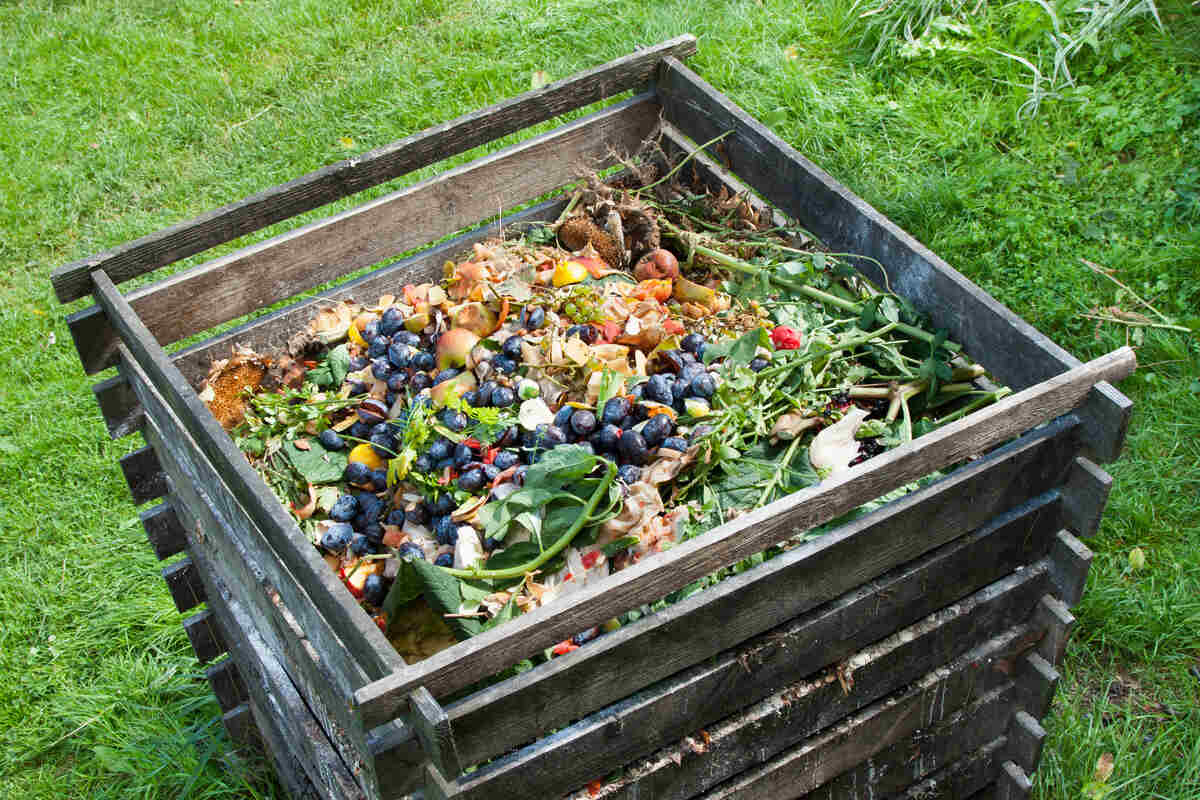
Winter composting presents unique challenges that necessitate adjustments to standard techniques. Understanding regional variations in temperature, precipitation, and soil conditions is crucial for successful winter composting. Different climates demand specific strategies to maintain optimal composting temperatures and prevent material degradation due to extreme cold.
Adapting Techniques for Various Climates
Successful winter composting hinges on tailoring techniques to the specific climate. This involves considering the region’s average winter temperatures, snowfall patterns, and the availability of protective coverings. Cold climates will require more proactive strategies to maintain heat and moisture within the compost bin, while warmer climates may only need minor adjustments.
Winter Composting Practices in Different Climates
Various composting methods are effective in different climates. In regions with consistently freezing temperatures, a covered compost bin, insulated with layers of straw or wood chips, can help maintain composting temperatures. In areas experiencing heavy snowfall, covering the compost bin with a thick layer of snow or building a snow-covered structure around the bin can protect it from extreme cold.
In milder climates, composting can often continue with minimal adjustments, potentially requiring only occasional covering or turning to maintain adequate aeration and moisture.
Impact of Extreme Cold on Composting Processes
Extreme cold can significantly impact composting processes. Low temperatures can slow down microbial activity, hindering the decomposition of organic matter. This reduced activity can lead to longer composting times and potentially less efficient decomposition. Furthermore, the freezing and thawing cycles can lead to the formation of ice crystals that damage the structure of the compost materials, potentially delaying the decomposition process.
Understanding these impacts allows for better preparation and adjustment of composting strategies.
Winter Composting in Areas with Heavy Snowfall
Heavy snowfall presents a unique challenge in winter composting. Snow accumulation can bury the compost bin, potentially hindering airflow and access to the compost materials. To mitigate this, consider elevating the compost bin above the ground level, or covering the compost bin with a thick layer of snow to provide insulation. Careful consideration of snowfall patterns and potential drifts is essential.
Managing Compost Piles in Freezing Temperatures
Managing compost piles in freezing temperatures requires a proactive approach. Maintaining moisture within the compost bin is critical. Adding water to the compost pile as needed, especially during periods of freezing temperatures, can help prevent the compost from drying out and becoming brittle. Regular turning or mixing of the compost pile is also crucial for ensuring sufficient aeration and heat generation, even in cold temperatures.
Monitoring the temperature of the compost pile and adjusting moisture and aeration as needed are essential strategies for success.
Outcome Summary
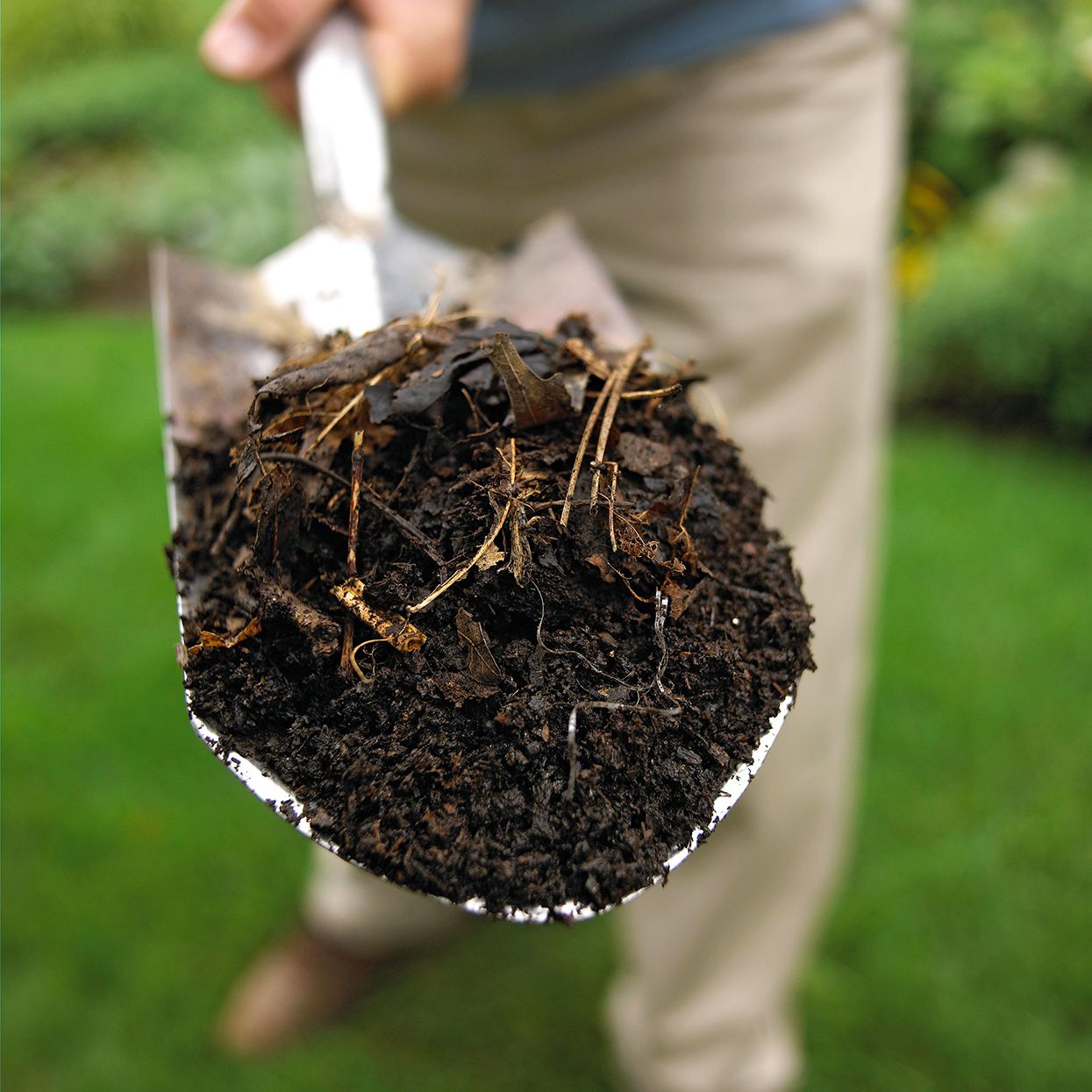
In conclusion, successful winter composting is achievable with the right preparation and approach. By understanding the challenges, implementing effective insulation methods, selecting suitable materials, and optimizing techniques, you can maintain a productive composting process even during the coldest months. This guide has provided a comprehensive overview, offering actionable strategies to overcome obstacles and achieve optimal results. Now you’re equipped to embrace winter composting and continue enriching your garden throughout the year.