Plastic containers are ubiquitous in our daily lives, from food storage to organizing household items. However, the environmental impact of discarding these containers is significant. This guide delves into the practical and sustainable approach of reusing plastic containers, exploring everything from identifying suitable containers to creative reuse ideas and safe storage techniques. It’s a journey towards a more eco-conscious lifestyle, one reusable container at a time.
From understanding the different types of plastic and their suitability for reuse to mastering effective cleaning methods, this guide provides a comprehensive overview. We’ll explore innovative storage solutions and address important safety considerations, empowering you to make informed choices about reusing plastic containers responsibly.
Introduction to Plastic Container Reuse
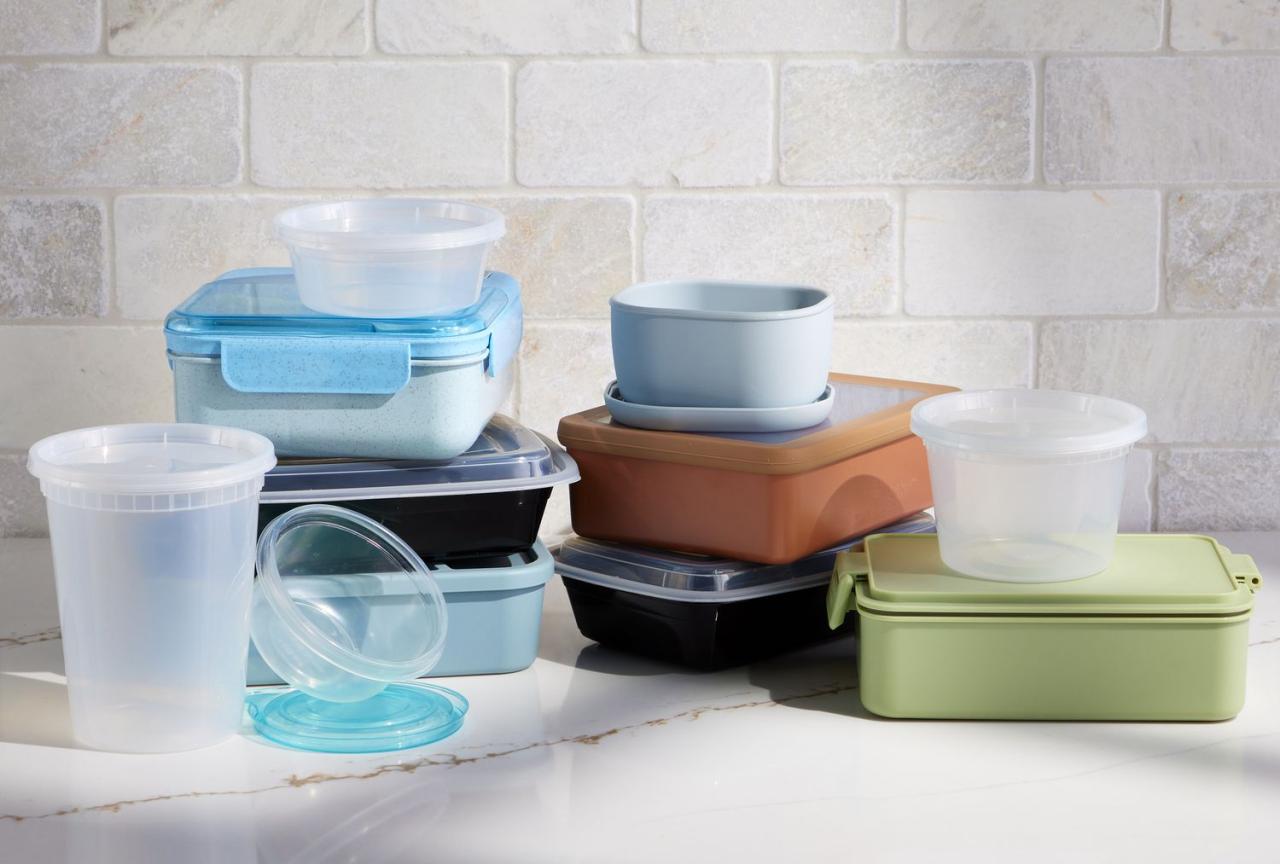
Plastic containers, ubiquitous in modern life, encompass a vast array of forms, from food storage containers to packaging for consumer goods. Their versatility stems from their lightweight nature, durability, and resistance to moisture and many substances. Common uses include storing food, transporting goods, and holding various products. However, the widespread production and disposal of these containers pose significant environmental challenges.The environmental impact of discarding plastic containers is substantial.
Plastic is a non-biodegradable material, meaning it does not decompose naturally. Consequently, discarded containers accumulate in landfills and pollute natural environments, from oceans and rivers to forests and deserts. This pollution harms wildlife, disrupts ecosystems, and contributes to climate change. The long lifespan of plastic containers exacerbates the problem. The process of manufacturing plastic also consumes significant resources and releases greenhouse gases.Reusing plastic containers offers a compelling solution to this problem.
By extending the lifespan of these containers, we reduce the need for new plastic production. This directly mitigates the environmental impact associated with resource extraction, manufacturing, and disposal. Reusing containers also conserves natural resources, which reduces the strain on the environment. Furthermore, reusing plastic containers contributes to a more sustainable and environmentally conscious lifestyle.Responsible plastic container management is crucial for minimizing environmental harm.
This encompasses a variety of strategies, from promoting reusable alternatives to developing effective recycling programs. By encouraging consumers to reuse containers, we can foster a culture of environmental stewardship. Education and awareness campaigns play a vital role in this process. Proper sorting and recycling of plastic containers are also essential to ensure effective waste management and minimize environmental pollution.
Definition and Common Uses
Plastic containers are manufactured from polymers, often petroleum-based, and come in various sizes, shapes, and materials. They are widely used in food packaging, personal care products, and industrial applications. Specific examples include plastic bottles, jars, tubs, and bags. Their durability, lightweight nature, and resistance to moisture make them suitable for a wide range of purposes.
Environmental Impact of Discarding Plastic Containers
The accumulation of plastic containers in landfills and natural environments poses a serious threat to ecosystems. The non-biodegradable nature of plastic means that it persists in the environment for hundreds of years. Plastic waste fragments into microplastics, which contaminate soil, water, and air. This contamination affects wildlife, potentially entering the food chain and harming human health. Plastic pollution also disrupts natural processes, harming ecosystems and the biodiversity they support.
Benefits of Reusing Plastic Containers
Reusing plastic containers offers a significant reduction in the environmental impact associated with their production and disposal. Reduced demand for new plastic production conserves natural resources, minimizing the strain on ecosystems. Furthermore, reusing containers saves energy and reduces greenhouse gas emissions. The act of reusing plastic containers contributes to a more sustainable lifestyle and promotes environmental responsibility.
Importance of Responsible Plastic Container Management
Responsible plastic container management encompasses a multifaceted approach. It includes encouraging the use of reusable alternatives, developing effective recycling programs, and raising public awareness about the environmental impact of plastic waste. Proper sorting and recycling procedures are crucial for successful waste management. The goal is to minimize the environmental footprint associated with plastic containers. By implementing these strategies, we can create a more sustainable future.
Identifying Suitable Containers for Reuse
Choosing the right plastic container for reuse is crucial for both practicality and environmental responsibility. Proper selection considers the material’s characteristics, intended use, and potential durability. Carefully evaluating these factors ensures the container can effectively serve its purpose while minimizing waste.Careful consideration of the material’s properties is paramount to ensure successful reuse. Understanding the specific plastic type, its inherent durability, and its suitability for various applications is essential for responsible reuse.
Different Types of Plastic Containers
Various types of plastic containers exist, each with unique properties. Understanding these distinctions is vital for selecting suitable containers for specific tasks. Polyethylene terephthalate (PET), high-density polyethylene (HDPE), and polypropylene (PP) are common examples, each possessing different strengths and weaknesses.
Importance of Material Identification
Accurate identification of the plastic type is critical for successful reuse. Recycling codes, typically depicted as numbers within a triangle symbol, are widely used to indicate the type of plastic. These codes, often found on the bottom or side of the container, aid in determining suitability for reuse. The identification allows users to understand the container’s resilience to various conditions and potential limitations.
Limitations of Reusing Certain Plastics
Not all plastics are equally suited for reuse. Some types, particularly those with lower heat resistance or chemical resistance, may degrade or become unsafe for certain applications. For instance, some plastics might become brittle or leach harmful chemicals over time. Careful consideration of the plastic’s intended use and potential limitations is essential to avoid safety hazards or material degradation.
Durability Comparison of Different Plastics
The durability of different plastic types varies significantly. HDPE, for example, often exhibits greater resistance to impact and chemical degradation than other types. PP, another durable plastic, demonstrates good heat resistance and chemical resistance. The choice of plastic for reuse should align with the anticipated stresses and conditions the container will experience.
Table of Plastic Container Suitability for Reuse
| Material Type | Durability | Typical Uses |
|---|---|---|
| Polyethylene Terephthalate (PET) | Moderate. Can be brittle with repeated use, particularly if subjected to extreme temperatures. | Food packaging (bottles), drink containers, some storage containers |
| High-Density Polyethylene (HDPE) | High. Resistant to impact and chemicals. | Milk jugs, laundry detergent bottles, some food containers, storage containers |
| Polypropylene (PP) | High. Good heat resistance and chemical resistance. | Food containers, storage containers, lids, reusable water bottles |
| Polyvinyl Chloride (PVC) | Variable, often lower. Can soften or become brittle at high temperatures. | Pipes, some food packaging (rarely reused). |
| Polystyrene (PS) | Low. Can be easily deformed or brittle. | Food containers (often single-use), packaging materials. |
Cleaning and Preparing Containers for Reuse
Proper cleaning is crucial for ensuring the safety and effectiveness of reused plastic containers. Contaminants from previous food items can pose health risks if not adequately removed. A thorough cleaning process not only prevents potential health hazards but also maintains the integrity of the container, extending its lifespan.
Essential Cleaning Methods for Plastic Containers
Thorough cleaning is paramount for safe reuse. Different cleaning methods are suitable for various types of plastic containers and the nature of the residues. Employing appropriate techniques ensures that all traces of previous food items are eliminated. This prevents the development of bacteria and molds, ensuring the containers are safe for subsequent use.
- Manual Cleaning: For smaller containers or those with intricate designs, manual cleaning is often the most effective approach. Use warm, soapy water and a scrub brush to remove food particles and residues. Pay close attention to crevices and corners, as these areas can harbor contaminants.
- Dishwashing Machine Cleaning: Many plastic containers are dishwasher safe, offering a convenient alternative to manual cleaning. Check the container’s manufacturer label for dishwasher-safe recommendations. Follow the dishwasher’s recommended cycle and settings for optimal cleaning results. Avoid using harsh detergents or abrasive cleaners, as these can damage the plastic.
- Specialized Cleaning Solutions: Certain cleaning solutions, such as enzymatic cleaners, are designed to target specific food residues. These specialized solutions can effectively remove stubborn stains and residues, ensuring a more thorough cleaning process.
Preparing Containers for Safe Reuse
Proper preparation steps after cleaning are vital for extending the lifespan of the containers and maintaining their structural integrity. This process helps to prevent any issues with contamination and promotes their safe reuse.
- Thorough Rinse: After cleaning, thoroughly rinse the containers with clean water to remove all traces of soap or cleaning solutions. This step prevents any lingering cleaning agents from potentially interacting with future food items.
- Drying: Allow the containers to air dry completely before storing. Avoid storing damp containers, as this can create an environment conducive to bacterial growth.
- Storage: Store the cleaned and dried containers in a clean, dry, and sanitary location, preferably in a sealed container to prevent dust or other contaminants from adhering.
Choosing the Right Cleaning Solution
Selecting the appropriate cleaning solution is contingent upon the type of plastic and the nature of the residue. Different plastics can react differently to various cleaning agents, so careful consideration is crucial. The following table provides guidance for selecting suitable cleaning solutions:
| Plastic Type | Recommended Cleaning Solution | Important Considerations |
|---|---|---|
| Polyethylene Terephthalate (PETE/PET) | Warm, soapy water | Avoid harsh chemicals or abrasive cleaners. |
| High-Density Polyethylene (HDPE) | Warm, soapy water or mild dish soap | Follow manufacturer’s recommendations for safe cleaning practices. |
| Polyvinyl Chloride (PVC) | Warm, soapy water | Avoid abrasive cleaners, as these may damage the plastic. |
| Polypropylene (PP) | Warm, soapy water or specialized enzymatic cleaners | Dishwasher-safe, but check manufacturer’s recommendations. |
Creative Reuse Ideas
Beyond simple storage, plastic containers offer a wealth of creative repurposing opportunities. Imagination and a little ingenuity can transform these often-overlooked items into functional and aesthetically pleasing elements within the home and beyond. From decorative accents to unique storage solutions, the possibilities are vast.Repurposing plastic containers not only reduces waste but also fosters a sense of resourcefulness and creativity.
The aesthetic appeal of these transformed containers can enhance any space, adding a personal touch to organization and decor. Furthermore, the process of repurposing often encourages environmental awareness and a mindful approach to consumption.
Creative Storage Solutions
Plastic containers, with their varied shapes and sizes, lend themselves well to a multitude of storage solutions. Transforming these containers into custom-designed organizers can improve efficiency and aesthetic appeal. Creative use of containers can address specific storage needs, from organizing craft supplies to keeping pantry staples tidy.
- Spice Rack Organization: Use various sized containers to categorize spices by type or frequency of use. Label each container clearly with the spice name and possibly an image for visual reference. This visually appealing organization system will also keep spices organized and easy to find in the kitchen. Adding a decorative label to the spice rack container will further personalize the storage area.
- Craft Supplies Storage: Small containers can be used to store beads, buttons, sequins, and other craft supplies. Color-coding containers or using decorative labels can add an aesthetic touch and make finding specific items quick and easy. The containers can also be stacked or grouped together in a pleasing manner to make them visually appealing on a shelf or table.
- Pantry Organization: Larger containers can be used to store dry goods like pasta, rice, and beans. Clear labeling and consistent organization will maintain a tidy pantry. Using different colored containers for various food groups can visually distinguish items, while also enhancing the overall aesthetic appeal.
Aesthetic Possibilities
The versatility of plastic containers extends to their aesthetic potential. With a bit of creativity, these containers can become stylish accents that enhance the beauty of a space.
- Decorative Planters: Transform larger containers into unique planters for herbs, succulents, or small flowers. Adding paint, decoupage, or other decorative elements can personalize these containers to fit the aesthetic of a space. For example, painted planters can add a pop of color to a balcony or patio, while embellished planters can serve as a centerpiece or accent piece in a living room.
- Vases and Candle Holders: Small containers can be repurposed into elegant vases or candle holders. Adding decorative paint, glitter, or patterned paper can enhance their aesthetic appeal. This can create unique centerpieces or add visual interest to a tabletop. For example, painted containers can be used to create a cohesive and eye-catching color scheme in a dining area.
Practicality and Effectiveness
The practicality and effectiveness of repurposing plastic containers depend on the specific project and the materials used. Careful planning and consideration of the intended use are essential for a successful outcome. Factors like durability, size, and material compatibility should be considered.
- Durability: The durability of the plastic container should be evaluated based on the intended use. Heavily used containers should be made of a sturdy material to withstand the wear and tear. For decorative items, the material’s aesthetic properties are as important as its durability.
- Size and Shape: Containers should be chosen based on the amount of items to be stored. Consider the specific shape and size needed for a particular item to maximize storage space and minimize waste. This is critical for maximizing the efficiency of the storage space.
- Material Compatibility: The material of the container should be compatible with the items stored within. Consider any potential chemical reactions or material degradation. The material’s resistance to moisture or other elements should be assessed to ensure the safety and longevity of the product.
Comparison of Creative Reuse Ideas
| Reuse Idea | Materials Used | Steps Involved | Final Product |
|---|---|---|---|
| Spice Rack Organization | Plastic containers, labels, paint (optional) | Clean containers, label, arrange on rack | Organized spice rack |
| Craft Supplies Storage | Small plastic containers, labels, decorative items (optional) | Clean containers, label, store supplies | Organized craft storage |
| Pantry Organization | Large plastic containers, labels, markers | Clean containers, label, store items | Organized pantry |
| Decorative Planters | Plastic containers, paint, soil, plants | Clean containers, paint, add soil, plant | Decorative planters |
| Vases and Candle Holders | Small plastic containers, paint, decorative items (optional) | Clean containers, paint, add decorative items (optional) | Vases or candle holders |
Storage and Organization Techniques
Proper storage and organization of reused plastic containers are crucial for maintaining their structural integrity, maximizing their usability, and preventing potential damage. A well-organized system allows for easy access to the containers, enabling quick retrieval when needed. This also promotes efficient use of space and prevents clutter, contributing to a more aesthetically pleasing and functional storage environment.Effective storage methods ensure that containers are protected from physical damage, such as dents or scratches, and from moisture or other environmental factors that could compromise their long-term usability.
This proactive approach guarantees the longevity and usefulness of your reusable containers.
Methods for Storing Reused Plastic Containers
Careful consideration of storage methods is vital for preserving the quality and usability of reused plastic containers. Different storage techniques cater to various needs and space constraints.
- Shelving and Cabinets: Shelves and cabinets provide a structured and organized environment for storing containers of various sizes and shapes. Containers can be categorized and arranged based on type, size, or intended use. Consider using adjustable shelving to maximize space utilization, and ensure shelves can bear the weight of the stored containers.
- Drawer Organization: Drawers are ideal for smaller containers and items. Use dividers or drawer organizers to keep containers neatly arranged, preventing them from shifting or colliding. Labeling the drawers with the contents helps in quick retrieval.
- Vertical Storage Systems: Vertical storage systems, such as stackable bins or storage units, are excellent for maximizing vertical space. They are particularly useful for kitchens or pantries where space is often limited. Containers can be organized within these systems based on size, type, or frequency of use.
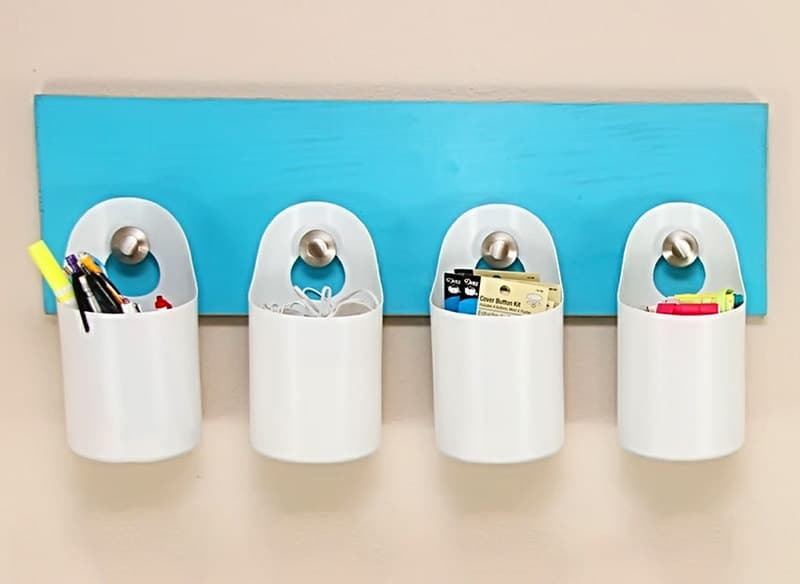
- Wall-Mounted Storage: Wall-mounted organizers or shelves are a space-saving option, especially for items that are less frequently used. These solutions are particularly well-suited for areas where floor space is limited. They can be used to store containers for various purposes, such as food storage, craft supplies, or household items.
Innovative Storage Solutions
Creative storage solutions leverage reused containers themselves for further organization.
- Nested Containers: Utilize larger containers to house smaller ones. This system not only saves space but also prevents smaller containers from being damaged. This is especially useful for storing food items or craft supplies. Ensure the nested containers are compatible in size and weight capacity.
- DIY Container Shelves: Upcycle larger containers, such as plastic tubs or buckets, into custom shelves. This approach not only provides a unique storage solution but also adds a personalized touch to the area. Reinforce the containers to ensure structural integrity for shelving purposes.
- Labeling Systems: Implementing a consistent labeling system for reused containers significantly enhances organization. Use clear and concise labels that identify the contents of each container, making retrieval quick and easy. Consider color-coding labels for different categories or using waterproof labels for containers that may come into contact with moisture.
Benefits of Organized Storage
Organized storage systems for reused plastic containers provide numerous benefits.
- Space Efficiency: Optimized storage maximizes space utilization, preventing clutter and maximizing the use of available area. This is particularly valuable in smaller kitchens or pantries. Employing vertical storage techniques can significantly enhance space utilization.
- Easy Retrieval: A well-organized system allows for quick and easy retrieval of containers, saving time and effort. This is especially important in situations where items are frequently needed. A clear labeling system will contribute to this benefit.
- Preservation of Container Integrity: Proper storage protects containers from damage and ensures their long-term usability. This reduces the need for frequent replacements, promoting sustainability. Secure storage methods are critical to prevent damage from impacts or moisture.
- Reduced Clutter: Organized storage minimizes clutter, creating a more functional and aesthetically pleasing environment. This is important for both personal satisfaction and for the efficiency of the space.
Diagram of Storage Methods
The following diagram illustrates various storage and organization methods for reused plastic containers:
| Storage Method | Description | Image Description |
|---|---|---|
| Shelving/Cabinets | Containers stored on shelves or in cabinets, categorized by type or use. | A series of shelves with clearly labeled containers of varying sizes and colors, neatly arranged. |
| Drawer Organization | Containers stored in drawers, using dividers or organizers for neat arrangement. | A drawer with dividers, showcasing various containers neatly organized and labeled. |
| Vertical Storage | Containers stacked vertically in bins or storage units, maximizing vertical space. | Stackable plastic bins filled with different containers, stacked vertically to utilize the space efficiently. |
| Wall-Mounted Storage | Containers stored on wall-mounted shelves or organizers, suitable for less frequently used items. | Wall-mounted shelves with containers of varying sizes and colors, mounted on a wall, to save floor space. |
Safety Considerations

Reusing plastic containers offers a practical and environmentally friendly solution. However, careful consideration of safety measures is paramount to ensure both food safety and personal well-being. Proper handling and inspection are crucial to minimize potential risks.Understanding the potential hazards associated with reused containers is essential for responsible reuse. This includes recognizing the importance of thorough cleaning, the risks of contamination, and the need for regular inspections to identify and address any damage.
By adhering to these safety guidelines, individuals can enjoy the benefits of container reuse without compromising their health or safety.
Potential Hazards of Reused Plastic Containers
Using reused plastic containers can pose potential safety risks if not handled properly. These risks include the possibility of chemical leaching, contamination from previous contents, and physical damage that can lead to injury or contamination. The safety of the container directly affects the safety of the food stored within.
Importance of Food Safety Guidelines
Adhering to rigorous food safety guidelines is critical when reusing plastic containers. Food safety standards dictate that containers must be thoroughly cleaned and sanitized before storing any food. Improper cleaning can lead to the accumulation of harmful bacteria and other contaminants. The use of soap, water, and hot water is crucial for removing residue and ensuring a sanitary environment.
Risks of Damaged or Contaminated Containers
Using damaged or contaminated containers for food storage presents significant risks. Damage to the container, such as cracks or punctures, can compromise its structural integrity, potentially leading to leakage or spillage. Contamination from previous food items or improper cleaning can introduce harmful bacteria or chemicals into the stored food, posing a health risk. Inspecting containers for any visible damage or unusual markings is critical before reuse.
Safety Precautions for Handling and Using Reused Plastic Containers
A series of safety precautions should be followed when handling and using reused plastic containers, particularly when storing food. These precautions ensure the safety of the food stored and the well-being of those consuming it.
- Thoroughly clean and sanitize all reused containers before each use. Ensure all traces of previous food are removed. The cleaning process should include the use of hot, soapy water and potentially a dishwasher cycle, depending on the container’s material and design.
- Inspect containers for any visible damage, such as cracks, chips, or warping. Discard any containers exhibiting damage that compromises structural integrity. Even small cracks can allow contaminants to enter.
- Do not reuse containers that have been exposed to toxic substances, such as cleaning products or harsh chemicals. Properly dispose of containers that have come into contact with potentially hazardous materials.
- Use containers made from food-grade plastics, specifically designed for food storage. Ensure the container material is appropriate for the type of food being stored. Consult the container manufacturer’s instructions.
- Store food in containers that are tightly sealed to prevent contamination from insects or pests. Proper sealing is vital for maintaining food quality and preventing the growth of microorganisms.
Importance of Regular Inspection
Regular inspection of reused containers for damage or wear is essential to maintain their safety and prevent potential contamination or health risks. Inspecting containers for damage helps ensure their suitability for food storage. This proactive approach safeguards both the health of consumers and the quality of stored food.
- Visual inspection should include checking for any cracks, chips, punctures, or warping. Pay particular attention to areas where the container joins or seams are located.
- Regularly check for signs of discoloration or unusual odors. These could indicate chemical leaching or contamination. Discard containers that show signs of discoloration or odors.
- Thoroughly examine containers after cleaning to ensure no remnants of previous food contents remain. Discard any container that has been exposed to potential contaminants.
Environmental Impact of Reuse
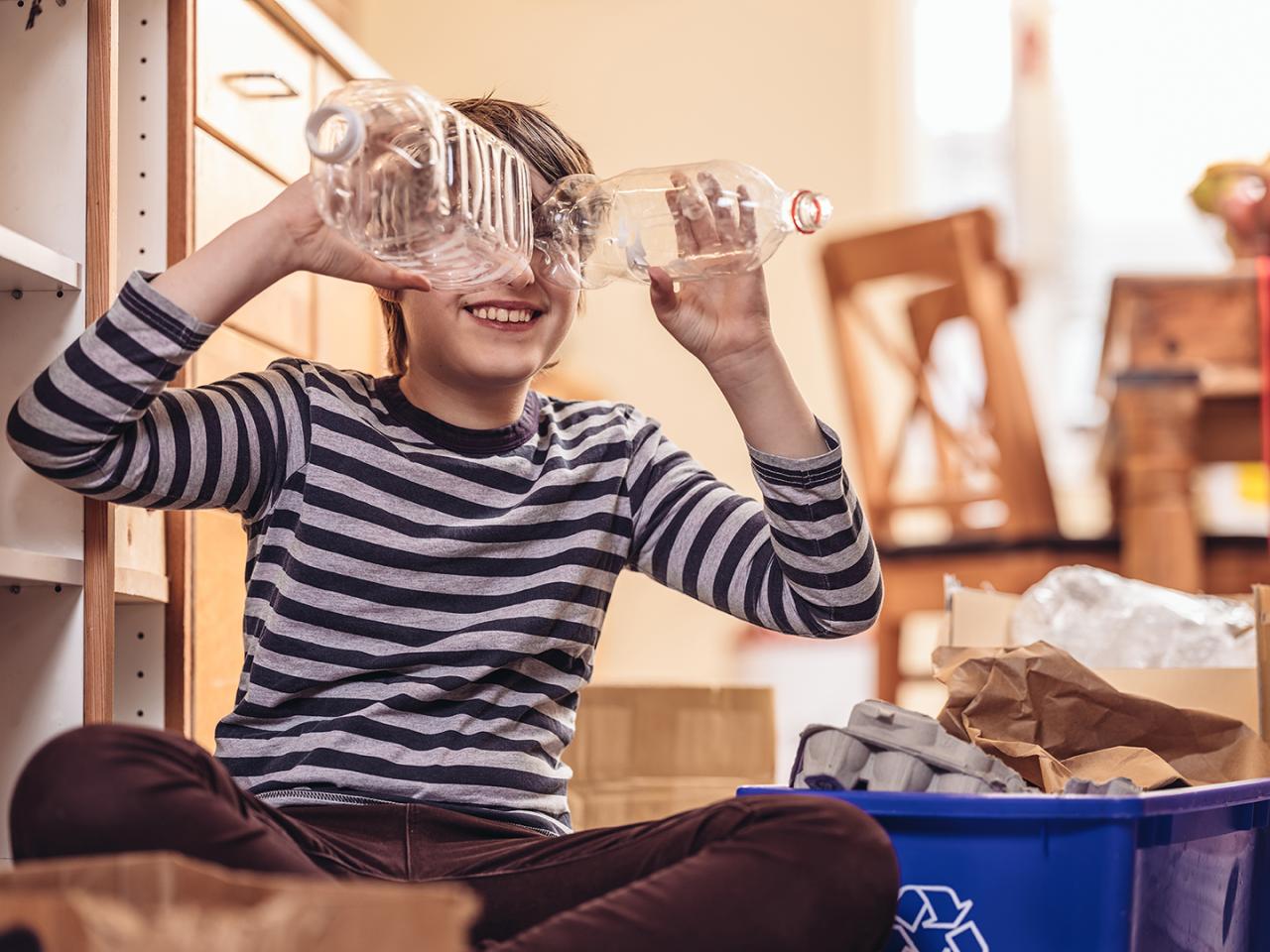
Reusing plastic containers is a crucial step in mitigating the environmental damage caused by plastic waste. By extending the life cycle of these containers, we reduce the demand for new plastic production, which in turn minimizes the extraction of raw materials and the energy consumption associated with manufacturing. This approach directly impacts greenhouse gas emissions and pollution levels.
Environmental Benefits of Reuse
Reusing plastic containers significantly reduces the environmental footprint associated with plastic production and disposal. Reduced demand for new plastic minimizes the need for extracting fossil fuels, a primary component in plastic manufacturing. This, in turn, reduces greenhouse gas emissions. Furthermore, reuse minimizes landfill space requirements and the release of harmful pollutants during incineration. These actions contribute to cleaner air and water, healthier ecosystems, and a more sustainable future.
Plastic Waste Reduction Through Reuse
Plastic waste is a global concern. Reuse programs offer a powerful solution. Studies have shown that large-scale adoption of reuse programs can substantially decrease plastic waste sent to landfills and incinerators. By diverting plastic containers from the waste stream, we reduce the strain on waste management systems and promote a circular economy. A key example is the growing trend of reusable water bottles and coffee cups, which have significantly impacted single-use plastic consumption.
Environmental Footprint Comparison: Reuse vs. Single-Use Plastics
The environmental impact of reuse is considerably lower than that of single-use plastics. The production of a single-use plastic item requires significant energy and resources. These resources, including fossil fuels, water, and minerals, have associated environmental costs, such as greenhouse gas emissions and habitat destruction. Reusing a plastic container avoids the entire manufacturing process, reducing the overall environmental footprint.
This comparison is evident in the lifecycle assessments conducted for various plastic products, where reuse demonstrates a significantly smaller environmental impact.
Contribution to a Sustainable Lifestyle
Reusing plastic containers is a practical and impactful step toward a sustainable lifestyle. It empowers individuals to actively participate in reducing plastic waste and conserving resources. By making conscious choices to reuse containers, individuals contribute to a collective effort to protect the environment. This conscious choice promotes a shift from a “take-make-dispose” model to a circular economy model.
Visual Representation of Environmental Impact
| Container Type | Waste Produced (kg/year) |
|---|---|
| Reusable Plastic Containers | 10 |
| Single-Use Plastic Containers | 50 |
The table above illustrates a simplified comparison. The vertical bar graph visually depicts the difference in waste produced annually from using reusable versus single-use plastic containers. The graph would show a considerably smaller bar for reusable containers, highlighting the significant reduction in waste associated with reuse.
Final Summary
In conclusion, reusing plastic containers offers a powerful path towards sustainability. By understanding the various aspects of reuse, from selecting appropriate materials to implementing safe storage practices, you can significantly reduce your environmental footprint. This guide equips you with the knowledge and tools to make informed choices, fostering a more eco-friendly approach to daily life. Implementing these strategies can transform your home into a more sustainable space and contribute to a healthier planet.