Transforming discarded clothing into stylish and useful items is a fantastic way to reduce textile waste and embrace sustainable practices. This guide explores innovative upcycling techniques, from simple projects for beginners to complex designs, offering practical tips and inspiration for breathing new life into old garments.
Discover a world of possibilities by reimagining old t-shirts, jeans, and sweaters. This comprehensive resource provides detailed instructions, creative ideas, and essential information on the environmental benefits of upcycling. Learn how to transform ordinary items into unique and stylish pieces for yourself and your loved ones.
Introduction to Upcycling
Upcycling is the art of transforming discarded materials into something new and valuable. It’s a creative and sustainable approach to resource management, offering a powerful way to minimize waste and maximize the lifespan of existing items. This approach extends far beyond just clothing, encompassing various materials and products. The core principle revolves around finding new purposes for items that would otherwise be thrown away.Reusing old clothes instead of discarding them offers a multitude of benefits.
It reduces the environmental impact of textile production, conserves resources, and minimizes landfill waste. This sustainable practice not only saves the planet but also encourages creativity and ingenuity in repurposing items. Moreover, upcycling often results in unique and personalized pieces, reflecting a commitment to both environmental consciousness and individual style.
Creative Upcycling Examples
Upcycling old clothes allows for a wide range of creative transformations. T-shirts, for example, can be easily transformed into tote bags, patchwork quilts, or even decorative cushions. Jeans can be repurposed into trendy bags or stylish jackets. Skirts and dresses can be creatively deconstructed and reassembled into entirely new garments. Embroidery, applique, and other embellishments can add personal flair to transformed items, making them truly unique.
Environmental Impact of Reducing Textile Waste
The textile industry is a significant contributor to global pollution. Reducing textile waste through upcycling is crucial in mitigating this impact. Manufacturing new garments requires substantial resources, including water, energy, and raw materials. By repurposing existing clothing, we lessen the demand for these resources, leading to reduced pollution and a smaller carbon footprint. Moreover, diverting textiles from landfills prevents the release of harmful greenhouse gases and reduces the strain on natural resources.
The environmental benefits of upcycling are substantial and far-reaching.
Categories of Old Clothes Suitable for Reuse
| Category | Examples | Potential Reuse Ideas | Difficulty |
|---|---|---|---|
| T-shirts | Plain, patterned, graphic tees, oversized shirts | Tote bags, patchwork quilts, decorative cushions, headbands, reusable grocery bags, cleaning cloths, rag rugs, and even clothing for dolls. | Easy to Medium |
| Jeans | Various washes and styles | Bags, jackets, patchwork quilts, decorative wall hangings, repurposed into unique skirts or shorts. | Medium to Hard |
| Skirts and Dresses | Various fabrics and styles | Tops, jackets, patchwork quilts, headbands, decorative trims, or even repurposed into completely new garments. | Medium to Hard |
| Sweaters and Sweatshirts | Various materials and styles | Blankets, throws, decorative cushions, or even repurposed into new warm clothing items. | Easy to Medium |
Transforming Old Clothes
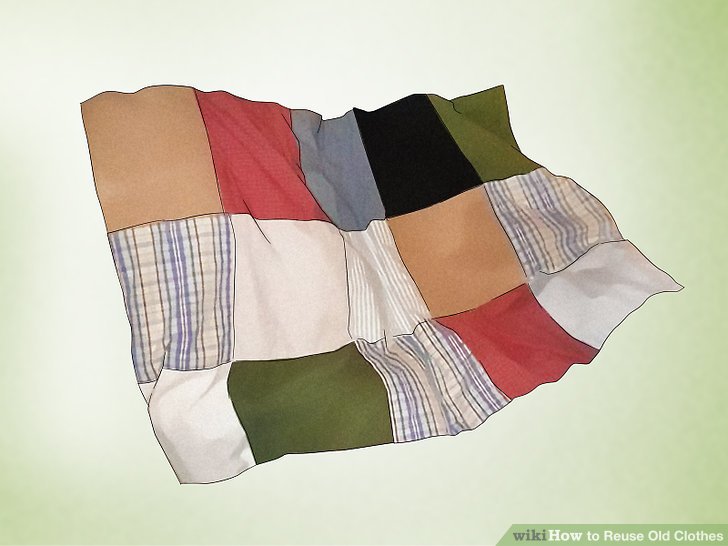
Transforming old clothes into something new and useful is a rewarding and environmentally friendly practice. Upcycling offers a creative outlet while minimizing textile waste. By repurposing existing garments, we can extend their lifespan and reduce the demand for new materials, contributing to a more sustainable fashion industry.Repurposing old clothes involves a multifaceted approach, ranging from simple alterations to complex designs.
Careful assessment of the fabric’s condition, combined with creative techniques and the right tools, allows for the transformation of worn-out garments into unique and functional items. This section will delve into various techniques for transforming old clothes, focusing on different materials, assessments, sewing and cutting, beginner-friendly projects, and accessory creation.
Techniques for Transforming Old Clothes
Various techniques can be employed to transform old clothes. These include simple alterations like shortening or lengthening, adding decorative embellishments, and restructuring the garment’s shape. More complex methods involve deconstructing the garment to create entirely new pieces or using the fabric scraps for patchwork designs. Each technique offers different levels of complexity and allows for unique outcomes.
Materials for Repurposing Clothes
A variety of materials can be used in repurposing clothes. Common options include buttons, zippers, trims, ribbons, laces, and other embellishments. Fabric scraps from other projects or even leftover materials from home décor can be incorporated. This creative approach allows for a variety of design possibilities, combining different textures and colors. Additionally, repurposing can utilize materials beyond fabrics, like leather or metal accents, to add unique character to the transformed item.
Assessing the Condition of Old Garments
Before embarking on any transformation, a thorough assessment of the garment’s condition is crucial. Inspect the fabric for damage like tears, holes, or stains. Evaluate the quality of the seams and zippers. Consider the garment’s overall wear and tear, as well as the original fabric quality and design. A realistic assessment helps in determining the feasibility of a project and guides decisions regarding the best repurposing method.
Cutting and Sewing Old Clothes for a New Purpose
Cutting and sewing old clothes requires precision and care. Begin by carefully measuring and marking the garment according to the desired new design. Use sharp, well-maintained scissors for precise cuts. Sewing involves appropriate stitching techniques for the fabric type and desired durability. Ensure proper seam allowances and secure stitches to prevent unraveling or gaps.
Accurate cutting and precise sewing are essential for a successful transformation.
Simple Upcycling Projects for Beginners
Simple upcycling projects offer a great starting point for beginners. Transforming old t-shirts into tote bags, repurposing jeans into pencil skirts, or turning old shirts into patchwork quilts are excellent examples. These projects require minimal tools and skills, allowing for quick and satisfying results. Beginners can explore simple alterations like shortening or lengthening, adding decorative elements, or creating patchwork designs.
Examples include transforming old jeans into shorts or skirts, or creating reusable shopping bags from old t-shirts.
Repurposing Clothes into Accessories
Repurposing clothes into accessories, such as bags or belts, is a popular and creative approach. For example, transforming old skirts into unique handbags or utilizing old shirts to create belts with decorative accents. Consider the garment’s original structure and fabric when deciding on an accessory design. This allows for the transformation of clothing into unique and functional accessories.
Tools and Materials Needed for Various Projects
The tools and materials required will vary based on the chosen project. Basic tools include scissors, sewing machine (or needle and thread), measuring tape, pins, and marking pens. Additional materials might include buttons, zippers, trims, or other embellishments. A well-stocked sewing kit is beneficial for various projects, allowing for adaptability in design. A comprehensive list of materials for each project should be considered to ensure smooth execution.
Creative Upcycling Ideas
Transforming old clothes into something new and stylish is a rewarding experience. This creative process, known as upcycling, allows individuals to express their unique style while reducing textile waste. It’s a fantastic way to give new life to garments that might otherwise be discarded.Upcycling goes beyond simply altering an existing garment. It involves a thoughtful approach to design, material selection, and technique.
This section will delve into diverse upcycling projects, highlighting various styles and trends in repurposed fashion, and illustrating the process of creating unique pieces from discarded materials.
Patchwork Designs from Old Clothes
Patchwork designs, often featuring a combination of colors and patterns, offer a captivating way to transform old clothes into stunning creations. Carefully selecting fabrics with complementary or contrasting hues, textures, and patterns is key to achieving a cohesive and visually appealing design. The process involves carefully cutting out sections from old garments and strategically piecing them together to form a new pattern.
The technique allows for the use of scraps and leftover fabrics, minimizing waste and maximizing creativity. A skillful application of this technique can transform a simple t-shirt into a statement piece or a pair of jeans into a unique jacket.
Stylish Accessories from Repurposed Clothes
Creating stylish accessories from repurposed clothes is a practical and aesthetically pleasing approach to upcycling. This method allows for the transformation of old fabrics into functional and fashionable items. Repurposed scarves, belts, and bags, often featuring unique details, can be excellent additions to any wardrobe. For example, a worn-out denim jacket could be transformed into a stylish tote bag, while an old t-shirt could be repurposed into a vibrant and unique scarf.
The selection of fabrics and embellishments are key elements in creating an accessory that reflects personal style.
Different Upcycling Techniques for Various Fabrics
Different fabrics respond differently to various upcycling techniques. For example, denim, with its durable and sturdy nature, is ideal for creating bags, jackets, and even furniture. Lighter fabrics like cotton or linen are suitable for creating scarves, dresses, and other garments. Understanding the characteristics of each fabric is crucial for selecting the appropriate upcycling technique and achieving the desired result.
This understanding enables the creation of durable and aesthetically pleasing items, considering the potential for each material. Techniques like quilting, patchwork, and layering can be applied to different fabrics with varying degrees of success.
Inspirational Upcycled Fashion Images
- A vibrant patchwork dress made from various colored t-shirts, showcasing the use of different patterns and textures.
- A stylish denim jacket transformed into a tote bag, demonstrating the versatility of denim.
- A unique scarf crafted from old sweaters, highlighting the use of different knit textures.
- A pair of jeans turned into a patchwork skirt, emphasizing the ability to create new styles using old pieces.
- A vintage-style handbag made from a combination of silk scarves and lace, illustrating the use of delicate fabrics for an elegant accessory.
Practical Upcycling Guides
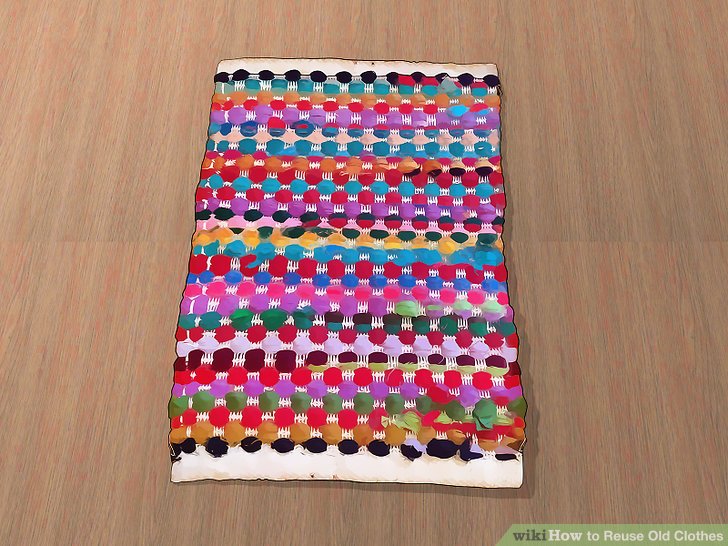
Transforming old clothes into new and useful items is a rewarding and eco-friendly approach to fashion. These practical guides provide step-by-step instructions to turn your unwanted garments into stylish and functional creations. From simple tote bags to cozy blankets, the possibilities are endless.These guides demonstrate the ease and creativity involved in upcycling, empowering individuals to give new life to items that might otherwise be discarded.
Each project showcases a unique transformation, providing a tangible example of the positive impact of upcycling on both your wardrobe and the environment.
Turning Old Jeans into Shorts or Skirts
Old jeans, often considered worn-out, can be easily transformed into stylish shorts or skirts. The process involves careful cutting and potentially some sewing, depending on the desired style. Choosing the right jeans is crucial; well-maintained jeans with good fabric quality will yield better results. Consider the length and style you desire for your shorts or skirt before starting.
Transforming Old T-shirts into Tote Bags or Pillowcases
Old t-shirts, often accumulating in wardrobes, are ideal candidates for upcycling into practical items like tote bags or pillowcases. The strength and durability of cotton t-shirts make them suitable for these projects. These projects are especially useful for repurposing colorful or patterned t-shirts. The outcome is a reusable tote bag or decorative pillowcase, adding a personal touch to your home.
Creating a Patchwork Quilt from Old Shirts
Creating a patchwork quilt from old shirts is a rewarding project that brings together multiple garments into a unique and cozy creation. The process involves careful cutting and sewing of various shirt fabrics. The resulting quilt displays a vibrant and personalized design. This method allows for creative expression through the arrangement and selection of fabrics. The variety of colors and patterns from the shirts will result in a distinctive quilt.
Upcycling Old Sweaters into Scarves or Blankets
Old sweaters, often forgotten in wardrobes, can be transformed into warm and cozy scarves or blankets. The softness and warmth of the wool or acrylic materials are ideal for these projects. The result is a practical and comfortable item that adds a touch of personality. Consider the size and desired use of the scarf or blanket when choosing the sweater.
Transforming Old Clothes into Children’s Toys
Old clothes can be creatively transformed into fun and engaging children’s toys. This involves a combination of cutting, sewing, and embellishing old fabrics. Consider the durability and safety aspects of the fabrics. The outcome is unique and personalized toys, promoting creativity and imagination. The process can be tailored to create stuffed animals, dolls, or even simple play-cloths.
Upcycling Projects Table
| Project | Materials | Steps | Images |
|---|---|---|---|
| T-shirt Tote Bag | Old t-shirt, fabric glue, scissors | Cut, glue, sew | (Image of a well-constructed t-shirt tote bag, showing the various steps in the process, such as cutting, gluing, and sewing.) |
| Patchwork Quilt | Old shirts, fabric scissors, sewing machine | Cut, arrange, sew | (Image showcasing a finished patchwork quilt, highlighting the vibrant and personalized design from the various shirts.) |
| Old Sweater Blanket | Old sweater, sewing machine | Cut, sew, stitch | (Image demonstrating the transformation of a sweater into a blanket, showing the finished product, with clear view of the stitches and seams.) |
Environmental Considerations
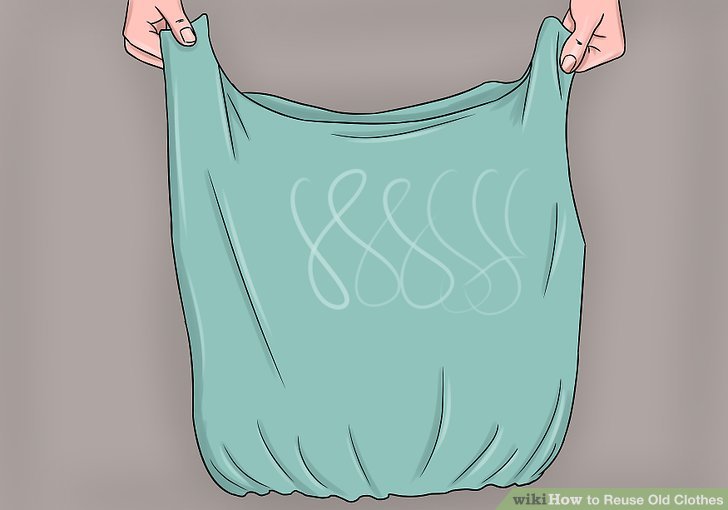
Upcycling old clothes offers significant environmental benefits, contrasting sharply with the detrimental impact of textile waste. By repurposing existing garments, we reduce the demand for new materials and the associated environmental footprint. This conscious approach to fashion is crucial in mitigating the escalating global textile waste crisis.Textile waste is a significant contributor to environmental problems, impacting ecosystems and depleting resources.
The production of new clothing often involves high energy consumption, water pollution, and the release of harmful chemicals. This process contributes to greenhouse gas emissions and negatively affects biodiversity. These detrimental effects are amplified by the global volume of discarded textiles.
Environmental Benefits of Reusing Old Clothes
The environmental benefits of reusing old clothes are numerous and far-reaching. By extending the life cycle of garments, we reduce the demand for raw materials, minimizing the environmental impact of mining and processing these resources. Furthermore, reducing textile waste diminishes the strain on landfills and decreases pollution from decomposition. This conscious approach to fashion plays a vital role in fostering a more sustainable future.
Impact of Textile Waste on the Environment
Textile waste poses a significant environmental threat. Landfills overflowing with discarded clothing contribute to greenhouse gas emissions as organic matter decomposes. The production of synthetic fabrics often involves the use of harmful chemicals, which can contaminate water sources and harm ecosystems. The sheer volume of textile waste annually generated highlights the urgent need for sustainable practices. Globally, millions of tons of textile waste are produced each year.
This volume underscores the urgent need for sustainable fashion solutions.
Sustainable Fashion Practices
Sustainable fashion practices prioritize environmental and social responsibility throughout the entire lifecycle of a garment. These practices encompass eco-friendly material choices, ethical production methods, and responsible consumption. Examples include using organic cotton, recycled fibers, and minimizing water usage during manufacturing. Transparent supply chains and fair labor practices are also essential components of sustainable fashion.
Data on Annual Textile Waste Production
The annual production of textile waste is staggering, highlighting the urgent need for sustainable solutions. Reliable estimates indicate that millions of tons of textiles are discarded annually, contributing significantly to landfill waste. The environmental impact of this discarded material is substantial, impacting ecosystems and resource depletion. This waste further emphasizes the crucial role of upcycling in mitigating the textile waste crisis.
Upcycling’s Contribution to a Circular Economy
Upcycling plays a vital role in a circular economy. By transforming discarded clothes into new items, upcycling reduces waste and promotes resource efficiency. This process minimizes the extraction of raw materials and reduces the demand for virgin resources, contributing to a more sustainable system. This aligns with the fundamental principles of circularity. Upcycling fosters a closed-loop system where resources are reused and waste is minimized.
Proper Disposal of Unreusable Clothes
Proper disposal of clothes that cannot be reused is essential for environmental protection. Ensure that discarded clothes are sorted and disposed of according to local regulations. This might involve donating to charities or recycling centers, ensuring these garments are handled in an environmentally responsible manner. This approach mitigates the environmental impact of discarded textiles.
Resources and Inspiration
Embarking on an upcycling journey can be incredibly rewarding, not just for the new creations but also for the positive impact on the environment. A wealth of resources and inspiration are readily available to guide you through this exciting process. From online tutorials to inspiring social media accounts, numerous avenues offer valuable support.Finding the right resources is key to unlocking your creative potential and making your upcycling projects successful.
By exploring various online platforms and learning from established upcyclers, you can gain a deeper understanding of the techniques and approaches involved. This exploration also allows you to discover new ideas and discover innovative ways to transform old clothes into something fresh and new.
Online Resources for Upcycling Ideas
Numerous websites dedicated to crafting and sustainable fashion offer a plethora of upcycling ideas. These platforms often feature articles, tutorials, and inspiration galleries. They serve as invaluable hubs for exploring diverse techniques and gaining creative impetus.
- Pinterest: A visual platform brimming with upcycling ideas, showcasing a wide array of projects from simple alterations to intricate transformations.
- Instagram: Explore the work of dedicated upcyclers and discover inspiring visuals. Many individuals and businesses share their unique creations, offering a diverse range of ideas.
- YouTube: An abundance of tutorials and demonstrations are available, showcasing step-by-step guides on various upcycling techniques. These tutorials offer practical, visual instructions.
- Etsy: This platform features a wide variety of upcycled clothing items, providing examples of the creative potential and diverse styles achievable.
Tutorials and Guides for Upcycling Projects
A range of online resources provide detailed tutorials and guides for specific upcycling projects. These resources offer step-by-step instructions, often including photos and videos, making the process more accessible and understandable.
- Websites like “The Spruce Crafts” and “Instructables” offer numerous tutorials on various upcycling projects, covering everything from transforming old t-shirts into bags to repurposing jeans into jackets.
- Blogs and articles from fashion designers and sustainability advocates often feature in-depth guides, providing insightful information and creative ideas for transforming old clothing into unique pieces.
- Many online platforms dedicated to sewing and crafting feature detailed tutorials and patterns specifically tailored for upcycling projects, allowing for greater precision and control over the outcome.
Popular Social Media Accounts Showcasing Upcycled Fashion
Numerous social media accounts spotlight the creativity and artistry involved in upcycling. These accounts not only showcase stunning transformations but also inspire new ideas and techniques. Following these accounts can be an invaluable source of inspiration and encouragement.
- Instagram accounts dedicated to sustainable fashion often feature stunning upcycled creations. These accounts serve as a visual testament to the artistic potential of upcycling.
- Individuals and small businesses actively sharing their upcycled designs provide a platform for diverse ideas and approaches to upcycling.
- Many designers and artists specialize in upcycled fashion, sharing their unique styles and inspiring creativity. These accounts often highlight the artistry and individuality possible with upcycling.
Finding Inspiration for Upcycling Projects
Inspiration for upcycling projects can be found in unexpected places. Look for ideas that align with your personal style and interests.
- Explore different styles and trends in fashion. Identify elements or pieces that resonate with your personal aesthetic and consider how they might be incorporated into an upcycling project.
- Gather inspiration from nature. The shapes, colors, and textures found in nature can provide a source of inspiration for creating unique upcycled pieces.
- Browse vintage clothing stores or thrift shops. These environments offer a wealth of unique pieces and styles that can spark creative ideas for upcycling.
Books and Articles on Sustainable Fashion and Upcycling
Books and articles on sustainable fashion and upcycling provide valuable insights into the ethical and environmental aspects of this practice. They offer a broader understanding of the principles of sustainable fashion and the impact of upcycling.
- Many books offer in-depth analyses of sustainable fashion practices and the benefits of upcycling, providing a wealth of knowledge on the subject.
- Articles and publications from reputable sources provide comprehensive insights into the environmental and social aspects of upcycling, emphasizing its importance in addressing sustainability concerns.
- Blogs and magazines dedicated to sustainability often feature articles and interviews with experts in the field, providing insights into the principles of sustainable fashion and the potential of upcycling.
Epilogue
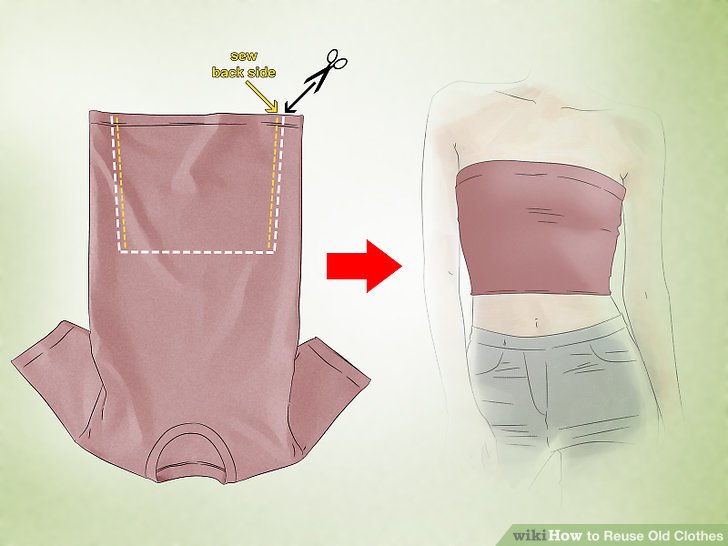
Upcycling old clothes is not just about creating new items; it’s about fostering creativity, reducing waste, and embracing sustainability. This guide provides a roadmap to transform discarded garments into treasured possessions. From simple tote bags to intricate patchwork quilts, the possibilities are endless. By understanding the techniques and exploring the creative options, you can contribute to a more sustainable future while expressing your unique style.