Water pollution poses a significant threat to our planet and its inhabitants. From industrial discharge to agricultural runoff, various sources contribute to this global concern. Understanding these sources, their impacts, and the available solutions is crucial for effective mitigation strategies. This comprehensive guide explores the multifaceted aspects of water pollution, providing detailed insights into prevention and remediation.
This guide examines the diverse origins of water contamination, highlighting the effects on human health, aquatic ecosystems, and the environment. It delves into the specific pollutants released from various sources, categorizing them for clarity. Furthermore, the guide explores a range of practical methods for reducing water pollution, including technological advancements, sustainable practices, and the critical role of individuals, industries, and governments.
Sources of Water Pollution
Water pollution, a significant global concern, stems from various human activities and natural processes. Understanding these sources is crucial to developing effective strategies for prevention and remediation. This section details the diverse origins of water contamination, highlighting the types of pollutants released and their detrimental effects on water quality.
Industrial Sources of Water Pollution
Industrial activities release a wide array of harmful substances into water bodies. Manufacturing processes, particularly in chemical, metal, and paper industries, often discharge toxic chemicals, heavy metals, and organic compounds. These contaminants can accumulate in aquatic ecosystems, posing risks to aquatic life and potentially impacting human health through the food chain.
- Chemical Industries: These industries often release solvents, acids, and other hazardous chemicals. Examples include pesticides, fertilizers, and various industrial chemicals. These chemicals can severely harm aquatic life by disrupting their reproductive cycles, causing deformities, and leading to death. High concentrations of certain chemicals can also contaminate drinking water sources, posing risks to human health.
- Metal Processing Industries: Mining and metal processing operations can release heavy metals like lead, mercury, and cadmium into water bodies. These heavy metals can accumulate in the tissues of aquatic organisms, entering the human food chain and causing serious health problems like neurological disorders.
- Paper and Pulp Mills: The process of making paper often involves the release of organic matter and chemicals, such as chlorine and lignin, into the water. These contaminants can reduce dissolved oxygen in water bodies, harming aquatic life and potentially affecting the quality of drinking water.
Agricultural Sources of Water Pollution
Agricultural practices are another major contributor to water pollution. Runoff from agricultural lands carries fertilizers, pesticides, and animal waste into rivers, lakes, and streams. These pollutants can lead to eutrophication, harming aquatic ecosystems.
- Fertilizers: Excess nitrogen and phosphorus from fertilizers can cause algal blooms, depleting oxygen levels in water bodies and harming fish and other aquatic life. This phenomenon, known as eutrophication, can lead to dead zones where aquatic life cannot survive.
- Pesticides: Pesticides used in agriculture can contaminate water sources, affecting aquatic organisms and potentially entering the human food chain. Many pesticides are toxic to aquatic life, causing developmental issues, reproductive problems, and death.
- Animal Waste: Animal waste from livestock operations contains high concentrations of nutrients, pathogens, and organic matter. Runoff from these operations can lead to contamination of water bodies, increasing the risk of waterborne diseases and causing oxygen depletion.
Domestic Sources of Water Pollution
Domestic activities also contribute to water pollution, although often on a smaller scale compared to industrial and agricultural sources. Sewage, detergents, and other household chemicals can pollute water bodies.
- Sewage: Untreated or inadequately treated sewage carries pathogens and organic matter, contaminating water sources and increasing the risk of waterborne diseases like cholera and typhoid. Proper sewage treatment is essential to mitigate this threat.
- Detergents: Household detergents contain chemicals that can disrupt the delicate balance of aquatic ecosystems. These chemicals can affect the reproductive cycles of aquatic organisms and reduce their survival rates.
- Other Household Chemicals: Various household chemicals, including paints, solvents, and cleaning agents, can contaminate water bodies if not disposed of properly. These chemicals can have harmful effects on aquatic life and potentially enter the human food chain.
Summary of Pollution Sources
| Source Type | Pollutants | Impact on Water Quality |
|---|---|---|
| Industrial | Heavy metals (lead, mercury), toxic chemicals, organic compounds | Contamination, toxicity, reduced oxygen levels, harm to aquatic life |
| Agricultural | Fertilizers (nitrogen, phosphorus), pesticides, animal waste | Eutrophication, contamination, harm to aquatic life, increased risk of waterborne diseases |
| Domestic | Sewage, detergents, household chemicals | Pathogens, contamination, harm to aquatic life, waterborne diseases |
Effects of Water Pollution
Water pollution, stemming from various sources, poses significant threats to human health, aquatic ecosystems, and the environment. The consequences of this contamination extend far beyond the immediate vicinity of pollution sources, impacting global biodiversity and human well-being. Understanding these effects is crucial for developing effective mitigation strategies.
Impacts on Human Health
Contaminated water can transmit numerous diseases, posing a severe threat to public health. Exposure to pollutants through drinking water, recreational activities, or even food derived from contaminated water sources can lead to a range of health problems. These problems range from mild discomfort to severe and long-term illnesses. Microbial contamination, for example, can cause gastrointestinal illnesses, while heavy metals can lead to neurological damage and other severe health issues.
The severity of the impact depends on the concentration and type of pollutants, as well as the duration and frequency of exposure.
Impacts on Aquatic Ecosystems
Aquatic ecosystems, including rivers, lakes, and oceans, are particularly vulnerable to water pollution. Pollutants can disrupt the delicate balance of these ecosystems, affecting the health and survival of various aquatic species. Chemical pollutants, for instance, can accumulate in the food chain, biomagnifying their effects and posing risks to higher trophic levels, including humans. Physical pollutants, such as sediment, can cloud the water, reducing the amount of sunlight reaching aquatic plants, impacting photosynthesis and disrupting the food web.
Biological pollutants, such as excess nutrients, can cause algal blooms, depleting oxygen levels and creating “dead zones” where aquatic life cannot survive.
Impacts on Plants
Water pollution can directly affect plant life in various ways. Nutrients like nitrates and phosphates, often present in agricultural runoff, can cause excessive algal growth, which can block sunlight and harm aquatic plant life. Similarly, heavy metal contamination can harm plant growth and development. The presence of these pollutants in water can prevent plants from absorbing essential nutrients, potentially leading to stunted growth and reduced yields.
This can have significant implications for agriculture and ecosystems dependent on plant life.
A Comparative Overview of Effects
The table below summarizes the various effects of water pollution on humans, fish, and plants.
| Affected Entity | Chemical Pollution (e.g., heavy metals) | Physical Pollution (e.g., sediment) | Biological Pollution (e.g., excess nutrients) |
|---|---|---|---|
| Humans | Increased risk of cancer, neurological damage, developmental issues, and other health problems. | Skin irritation, respiratory issues from dust and sediment, and potential contamination of drinking water. | Gastrointestinal illnesses, skin rashes, and other health problems due to microbial contamination. |
| Fish | Organ damage, reduced growth rates, reproductive problems, and even death. | Reduced oxygen levels, difficulty in feeding, and potential suffocation. | Algal blooms depleting oxygen levels, causing fish kills, and harming aquatic habitats. |
| Plants | Reduced growth, stunted development, and death due to nutrient deficiencies or toxic effects. | Reduced sunlight penetration, hindering photosynthesis and impacting growth. | Excessive algal growth blocking sunlight, disrupting plant life cycles, and potentially harming crops. |
Methods for Reducing Water Pollution
Addressing water pollution necessitates a multifaceted approach that targets the source of contamination and implements effective prevention and remediation strategies. This involves a combination of technological advancements, policy interventions, and community engagement. By understanding the various methods available, we can create a more sustainable future for our water resources.A comprehensive strategy for reducing water pollution requires a shift towards preventative measures.
This involves not only treating existing pollution but also actively preventing it from entering water bodies in the first place. This proactive approach prioritizes minimizing the impact of human activities on water quality. Different methods prove effective depending on the specific source of pollution.
Source-Based Pollution Prevention Techniques
Various methods are available for preventing water pollution at its source. These techniques aim to reduce or eliminate the release of pollutants into water bodies. Implementing these strategies effectively can significantly improve water quality and safeguard aquatic ecosystems.
- Industrial Wastewater Treatment: Implementing stringent regulations and upgrading industrial wastewater treatment facilities are crucial. These facilities can effectively remove or neutralize harmful substances before they enter waterways. Examples include advanced oxidation processes and membrane filtration, which effectively remove a wide range of pollutants. These techniques are particularly effective in reducing contamination from heavy metals, organic chemicals, and other industrial discharges.
- Agricultural Runoff Management: Agricultural activities are a significant source of water pollution. Practices like contour plowing, crop rotation, and the use of cover crops can significantly reduce the amount of sediment and nutrients carried by runoff into water bodies. Proper fertilizer application and manure management are also essential. Implementing these techniques reduces the negative impact on water quality while maintaining agricultural productivity.
- Urban Stormwater Management: Urban runoff carries pollutants from streets, parking lots, and other impervious surfaces. Implementing measures like permeable pavements, rain gardens, and green roofs can significantly reduce the volume and pollutant load of stormwater runoff. These practices can effectively reduce the amount of sediment, oil, and other contaminants that enter waterways.
- Household Waste Management: Proper disposal of household hazardous waste, like paints, solvents, and batteries, is essential to prevent them from entering the water supply. Safe collection and recycling programs for these materials can significantly reduce the risk of contamination.
Comparison of Pollution Prevention Techniques
Different techniques have varying degrees of effectiveness and feasibility. Evaluating the advantages and disadvantages of each is critical for selecting the most appropriate approach for a specific context.
| Technique | Effectiveness | Feasibility |
|---|---|---|
| Industrial Wastewater Treatment | High, especially with advanced technologies | High, but depends on the industry’s resources |
| Agricultural Runoff Management | Moderate to High, with proper implementation | High, with incentives and technical support |
| Urban Stormwater Management | Moderate to High, with comprehensive plans | Moderate, often requiring significant upfront investment |
| Household Waste Management | High, with awareness and access to proper disposal | High, with public awareness campaigns and infrastructure |
Implementing Sustainable Practices for Agricultural Runoff
Implementing sustainable practices to reduce pollution from agricultural runoff requires a holistic approach. This involves understanding the specific sources of pollution in the agricultural area and implementing tailored solutions.
- Precision Agriculture: Employing technologies like GPS-guided equipment and soil sensors allows farmers to apply fertilizers and pesticides more precisely, minimizing the amount that runs off into waterways. This method targets areas where nutrients are needed, reducing the risk of excess.
- Conservation Tillage: Leaving crop residue on the fields helps to prevent soil erosion and reduces the amount of sediment carried by runoff. This method maintains soil health and reduces the pollutants in runoff.
- Cover Cropping: Planting cover crops between main crops helps to stabilize the soil, reduce erosion, and improve water quality by absorbing nutrients and reducing nutrient runoff. This strategy is essential for protecting water resources from agricultural runoff.
- Manure Management: Implementing proper manure storage and application techniques can prevent nutrient pollution. This includes using appropriate storage facilities and controlled application methods.
Wastewater Treatment Technologies
Various technologies are available for treating wastewater, removing pollutants before they enter water bodies. These technologies differ in their effectiveness and suitability for various types of pollutants.
- Activated Sludge Process: This process uses microorganisms to break down organic matter in wastewater. It’s a common method for treating municipal wastewater, and its effectiveness varies based on the specific design and operating conditions.
- Membrane Bioreactors (MBRs): Combining biological treatment with membrane filtration, MBRs offer a highly effective method for removing a wide range of pollutants. This technology provides high-quality treated water, making it suitable for reuse in many applications.
- Advanced Oxidation Processes (AOPs): These processes use advanced chemical methods to break down organic pollutants, often those that are resistant to conventional treatment methods. This technology is particularly effective in removing persistent organic pollutants.
Role of Individuals and Communities
Individual actions, when combined with community-wide efforts, play a crucial role in mitigating water pollution. Responsible behavior from each person, coupled with collective initiatives, can significantly improve water quality and safeguard the health of aquatic ecosystems. These efforts are essential for sustainable development and preserving resources for future generations.Addressing water pollution requires a multifaceted approach that encompasses individual responsibility and collaborative community initiatives.
Effective solutions necessitate a shared understanding of the impact of personal choices and the power of collective action in achieving positive change. This section details the responsibilities of individuals and communities in preventing water pollution.
Individual Responsibilities
Individual actions, though seemingly small, contribute significantly to the overall water quality. Consistent adherence to responsible practices can have a substantial impact.
- Wastewater Management: Properly disposing of household waste, including hazardous materials, is paramount. Avoid dumping chemicals, paints, or other harmful substances down drains or into water bodies. Utilizing appropriate receptacles for waste disposal and recycling programs minimizes the risk of contamination. Individuals should actively participate in local waste management programs and encourage others to do the same.
- Water Conservation: Reducing water consumption through conscious habits, such as fixing leaky faucets and toilets, and adopting water-efficient appliances, can significantly decrease the strain on water resources. Minimizing water usage in daily activities like showering and washing dishes can conserve water and reduce the need for increased water treatment, lessening the chance of pollution.
- Responsible Pesticide and Fertilizer Use: Avoid using excessive amounts of pesticides and fertilizers in gardens and lawns. These chemicals can leach into water sources, contaminating them. Select environmentally friendly alternatives whenever possible. Implementing practices like composting and using organic fertilizers helps minimize the pollution potential from these sources.
- Proper Vehicle Maintenance: Regularly maintaining vehicles to prevent oil leaks is crucial. Oil spills can severely contaminate water bodies, harming aquatic life. Proper disposal of used oil and other automotive fluids is critical. Individuals should actively seek out and participate in initiatives for responsible vehicle maintenance and oil disposal.
- Supporting Sustainable Practices: Supporting businesses and industries that prioritize environmental responsibility and adopt sustainable practices helps drive a change in the market. Choosing products with reduced packaging and recycled materials can further contribute to responsible consumption.
Community Initiatives
Community involvement is crucial for effective water pollution control. Collaborative efforts can foster positive change and create a collective responsibility.
- Community Cleanup Programs: Organizing regular cleanup drives in local water bodies, parks, and surrounding areas can effectively remove pollutants. These initiatives promote awareness and encourage community participation in maintaining clean environments.
- Educational Programs: Organizing educational programs for schools and community members on water conservation and pollution prevention can raise awareness and foster a culture of responsibility. These programs provide practical knowledge and motivate individuals to adopt sustainable practices.
- Advocacy for stricter regulations: Communities can advocate for stricter regulations on industrial discharge and other pollution sources. Supporting policies that prioritize water quality can create a more sustainable future.
- Partnerships with local authorities: Collaborating with local authorities and environmental organizations for implementing water quality monitoring programs and establishing pollution control measures is vital. Community participation in such initiatives can effectively improve water quality.
Public Awareness Campaigns
Effective public awareness campaigns are instrumental in promoting responsible water usage.Public awareness campaigns play a critical role in promoting responsible water usage and fostering a collective commitment to water quality. These campaigns utilize various communication channels to educate the public about the importance of water conservation and pollution prevention.
- Public Service Announcements (PSAs): PSAs on radio, television, and social media can raise awareness about the impacts of water pollution and highlight the importance of responsible water usage. These announcements can inform and motivate individuals to adopt sustainable practices.
- Community Events and Workshops: Organizing community events, workshops, and demonstrations on water conservation and pollution prevention can educate individuals about the importance of their role in safeguarding water quality. These interactive sessions provide hands-on experiences and reinforce the message.
- Partnerships with media outlets: Collaborating with local media outlets to promote water quality initiatives through articles, interviews, and documentaries can enhance the reach of awareness campaigns. This collaboration ensures the message reaches a wider audience and promotes a positive change.
Role of Industries and Governments
Industrial activities, while crucial for economic development, can significantly contribute to water pollution. A shared responsibility, encompassing both industrial practices and governmental regulations, is essential to mitigate these impacts and protect water resources. Effective strategies must consider the unique needs and challenges of various industries while ensuring environmental sustainability.Industrial processes frequently release pollutants into water bodies, including chemicals, heavy metals, and excess nutrients.
Governments and industries must collaborate to establish and enforce stringent regulations to minimize these discharges. Sustainable practices, combined with robust monitoring and enforcement mechanisms, are vital for safeguarding water quality.
Industrial Responsibilities in Preventing Water Pollution
Industrial facilities have a critical role in preventing water pollution. Proactive measures are paramount, including implementing best practices in their operations and investing in advanced treatment technologies. Minimizing the release of pollutants into waterways through careful process optimization and waste management is crucial.
- Implementing pollution prevention measures at the source, such as using less hazardous materials and improving waste management systems. For example, industries can shift to greener production methods that generate less waste, employing closed-loop systems where possible.
- Investing in advanced wastewater treatment technologies to remove pollutants before discharging treated water. This includes using more efficient filtration systems, advanced oxidation processes, or other innovative methods to eliminate contaminants from wastewater.
- Adhering to stringent discharge standards set by environmental regulations. Compliance with established limits for various pollutants is vital to prevent water contamination.
Examples of Industrial Policies and Regulations
Many countries have implemented policies and regulations to curb industrial water pollution. These policies often include specific limits on pollutant discharges, mandatory treatment standards, and penalties for non-compliance.
- The European Union’s Water Framework Directive sets out a comprehensive framework for water quality management, encompassing various industrial sectors. This directive encourages member states to adopt strategies for water quality improvement, including stringent discharge limits and water quality monitoring programs.
- Many countries have specific regulations for industries like mining, chemical manufacturing, and food processing. These regulations detail permissible levels of specific contaminants and require specific wastewater treatment processes. For instance, mining regulations may include requirements for sediment control to prevent erosion and runoff.
- The US Environmental Protection Agency (EPA) sets national standards for industrial wastewater discharges. These standards mandate specific treatment processes and set limits on the concentration of various pollutants that can be released into waterways.
Government Role in Regulating and Monitoring Water Quality
Governments play a critical role in establishing and enforcing regulations, monitoring water quality, and promoting sustainable industrial practices.
- Establishing and enforcing water quality standards, including permissible levels of pollutants in water bodies. Governments use these standards to protect human health and the environment.
- Monitoring water quality through regular sampling and analysis to identify pollution sources and assess the effectiveness of regulations. This involves deploying various monitoring technologies and procedures.
- Providing incentives for industries to adopt sustainable practices, such as tax breaks or subsidies for cleaner technologies. These incentives encourage a shift toward environmentally responsible practices.
Strategies for Promoting Sustainable Industrial Practices and Enforcing Environmental Regulations
Several strategies can promote sustainable industrial practices and effective enforcement of environmental regulations. These include public-private partnerships, capacity building, and community engagement.
- Implementing public-private partnerships to share best practices and resources for pollution control. These partnerships can foster knowledge sharing and innovation.
- Investing in capacity building programs to train industrial personnel on pollution prevention techniques. These programs equip industries with the necessary expertise to manage their water-related operations sustainably.
- Engaging with communities to raise awareness about water pollution issues and the importance of sustainable industrial practices. Community engagement can promote support for environmental protection efforts.
Technological Solutions
Technological advancements offer powerful tools for detecting, monitoring, and mitigating water pollution. Innovative sensors, sophisticated treatment processes, and data-driven analysis are transforming our ability to safeguard water resources. This section will explore various technological solutions currently being implemented and developed.Advanced technologies play a crucial role in addressing water pollution by enabling more precise identification of contaminants, facilitating efficient treatment processes, and enabling proactive monitoring of water quality.
These advancements improve our understanding of pollution sources, enabling us to implement more effective and targeted solutions.
Innovative Technologies for Detecting and Monitoring Water Pollution
Numerous technologies are revolutionizing our ability to detect and monitor water pollution. These advancements allow for real-time data collection, enabling swift responses to pollution events.
- Remote Sensing: Satellites and aerial platforms equipped with high-resolution imaging systems can map water bodies, identifying areas of contamination and tracking the spread of pollutants. This remote sensing data, combined with ground-based monitoring, provides a comprehensive picture of water quality, enabling proactive intervention strategies. For example, satellite imagery can identify algal blooms, a significant water quality concern, enabling timely interventions to prevent the proliferation of these harmful algae.
- Advanced Sensors: Sophisticated sensors, deployed in various locations, continuously monitor key water parameters such as pH, temperature, dissolved oxygen, and nutrient levels. These sensors, often integrated into automated systems, offer real-time data transmission, allowing for rapid detection of pollution events. These sensors can be deployed in rivers, lakes, and coastal areas, providing a continuous stream of data for effective water quality management.
- Bioindicators: Certain organisms, such as aquatic plants and microorganisms, react sensitively to changes in water quality. Monitoring their presence or absence can serve as early warning indicators of pollution. For instance, the decline in populations of certain fish species can indicate the presence of toxic pollutants in the water. These bioindicators can provide an early warning system for potential water quality problems.
Advanced Technologies for Treating Wastewater and Reducing Pollution
Wastewater treatment plants are increasingly adopting advanced technologies to enhance the removal of pollutants. These advancements lead to a reduction in the discharge of contaminants into water bodies.
- Membrane Bioreactors (MBRs): These systems use membranes to separate solids and liquids, enabling more effective removal of pollutants. MBRs significantly improve the quality of treated wastewater, reducing the risk of contamination of receiving water bodies. These advanced treatment processes are becoming increasingly important in urban areas with high wastewater volumes.
- Activated Carbon Adsorption: Activated carbon, a highly porous material, effectively adsorbs many organic pollutants. This method is particularly useful for removing persistent organic pollutants that are difficult to eliminate through conventional methods. This technique plays a significant role in treating industrial wastewater containing various organic pollutants.
- Advanced Oxidation Processes (AOPs): These processes employ advanced chemical reactions to degrade organic pollutants in wastewater. AOPs are particularly effective in removing toxic pollutants, making treated water safer for discharge. AOPs are an important method for addressing industrial wastewater contamination.
Implementing Water Purification Systems
Water purification systems play a critical role in providing safe drinking water in various contexts. These systems ensure the removal of harmful contaminants from water sources.
- Rural Communities: Implementing decentralized water purification systems in rural areas is vital to address limited access to clean water. Small-scale filtration systems, using readily available materials, can provide safe drinking water. These solutions often rely on gravity-fed filtration systems and locally sourced materials, which can be more sustainable and accessible to remote communities.
- Urban Environments: Large-scale water treatment plants in urban areas employ advanced purification technologies to provide safe drinking water to a large population. These plants use coagulation, sedimentation, filtration, and disinfection processes to remove impurities. These technologies are crucial in ensuring a consistent supply of safe drinking water to urban populations.
Using Sensors and Data Analysis to Track Water Quality
Data-driven approaches using sensors and analysis tools are crucial for monitoring water quality and pollution levels. These approaches enable more effective management of water resources.
- Real-time Monitoring Networks: Networks of sensors strategically placed throughout water bodies provide real-time data on water quality parameters. This data can be analyzed to identify pollution sources and track the effectiveness of mitigation strategies. Such systems are vital for ensuring swift responses to pollution events, enabling rapid intervention to protect water quality.
- Data Visualization and Analysis: Visualizing water quality data helps identify patterns and trends, enabling informed decision-making. This analysis helps track pollution levels, understand their sources, and optimize treatment strategies. This visualization tool is crucial for effective water resource management.
Sustainable Practices
Sustainable practices are crucial for mitigating water pollution and ensuring the long-term health of our water resources. Implementing these practices requires a multifaceted approach encompassing agricultural methods, water management strategies, and responsible consumption habits. By prioritizing sustainability, we can create a healthier environment for present and future generations.
Importance of Sustainable Practices
Sustainable practices are essential for reducing water pollution by minimizing the environmental impact of human activities. These practices aim to balance human needs with the health of ecosystems, ensuring that resource use does not compromise the ability of future generations to meet their own needs. This holistic approach prevents the depletion of natural resources and protects the delicate balance of aquatic environments.
Eco-Friendly Agricultural Methods
Adopting eco-friendly agricultural practices is vital for preventing water pollution from agricultural runoff. These methods focus on minimizing the use of harmful chemicals and maximizing soil health. By reducing the reliance on synthetic fertilizers and pesticides, we can significantly decrease the amount of pollutants entering water bodies.
- Reduced tillage practices, such as no-till farming, minimize soil erosion and the subsequent transport of pollutants into waterways. These methods enhance soil structure and water infiltration, reducing runoff.
- Crop rotation and cover cropping help maintain soil fertility and suppress weed growth, further reducing the need for chemical inputs and the risk of contamination.
- Integrated pest management (IPM) strategies employ biological controls, cultural practices, and targeted applications of pesticides to control pests effectively while minimizing environmental harm.
- Precision agriculture techniques, including targeted fertilizer application and variable rate technology, optimize resource use and minimize the potential for excess nutrients to enter waterways.
Sustainable Water Management Strategies
Sustainable water management strategies are critical for optimizing water use and minimizing pollution. These strategies emphasize efficient water use in various sectors, including agriculture, industry, and domestic use. The goal is to ensure the availability of clean water for all while protecting water resources.
- Implementing water-efficient irrigation systems in agriculture can significantly reduce water consumption and minimize the potential for runoff carrying pollutants into waterways.
- Water conservation measures in industries, such as recycling and reuse of water, can greatly reduce the demand for fresh water and minimize the discharge of contaminated wastewater.
- Promoting rainwater harvesting and greywater recycling systems in urban areas can reduce reliance on freshwater sources and decrease the strain on wastewater treatment plants.
- Implementing strict regulations on industrial discharge and promoting the use of advanced wastewater treatment technologies can reduce the volume of pollutants entering water bodies.
Promoting Responsible Consumption and Waste Management
Responsible consumption and waste management are crucial components of sustainable practices. Reducing consumption, reusing materials, and properly disposing of waste can significantly minimize pollution. Individuals and communities play a vital role in preventing pollution through responsible behavior.
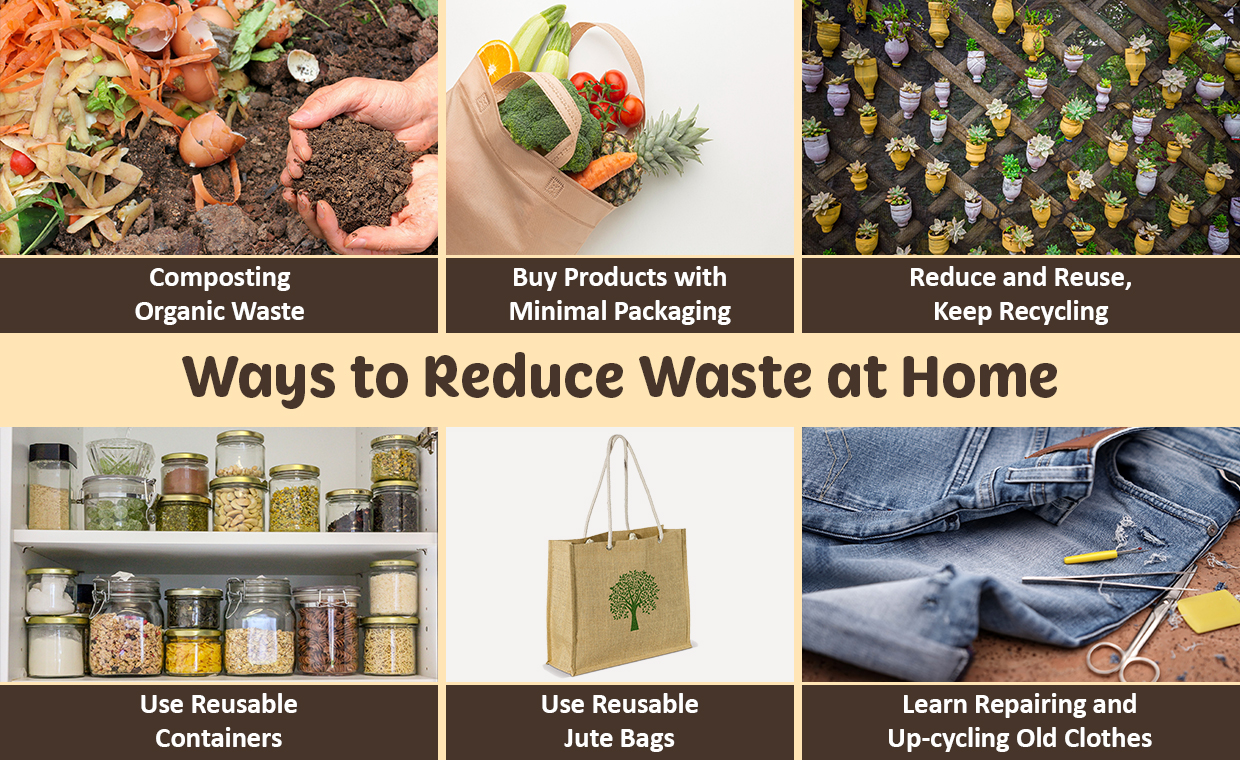
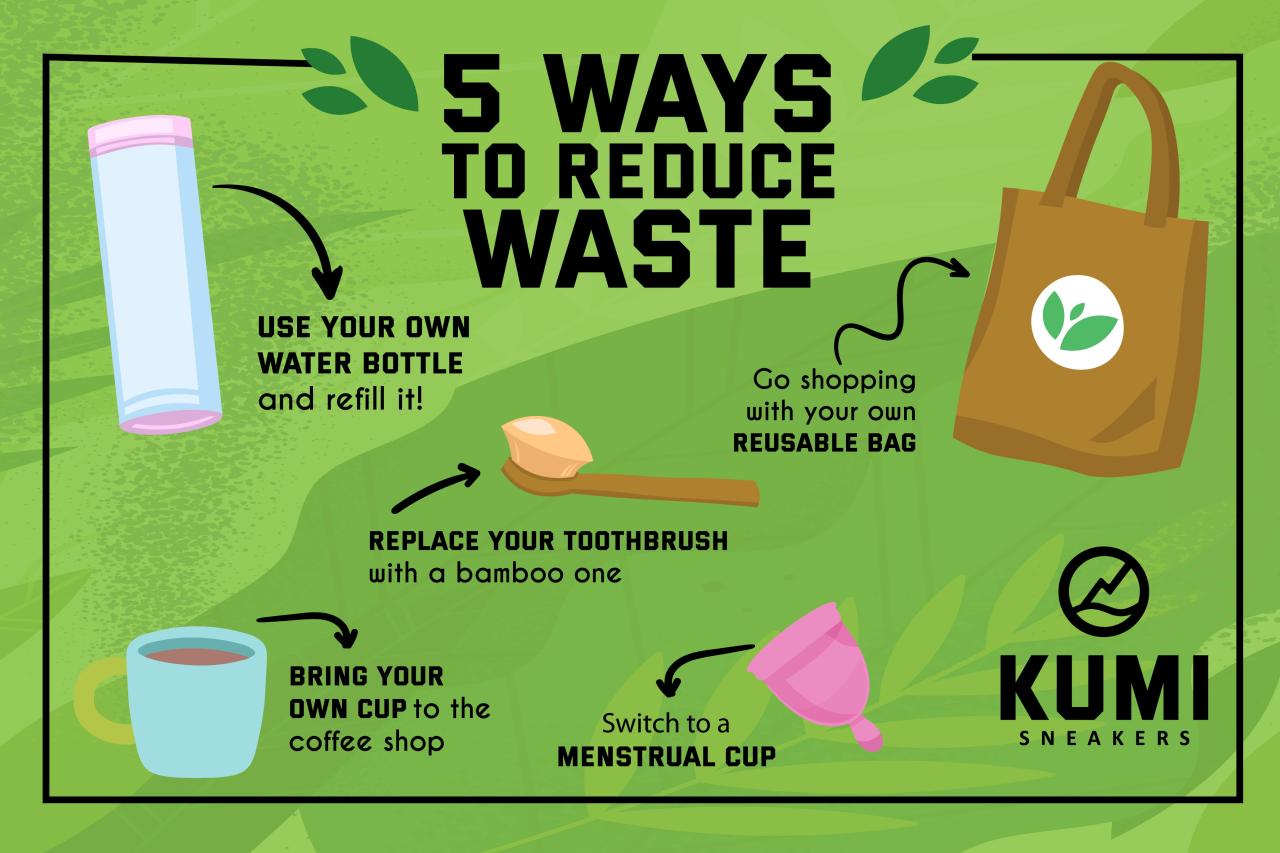
- Minimizing single-use plastics and promoting reusable alternatives can drastically reduce plastic waste entering waterways.
- Properly disposing of hazardous waste, such as batteries and paints, prevents the leakage of harmful substances into the environment and water bodies.
- Composting organic waste reduces landfill waste and provides valuable nutrients for soil health, thereby contributing to sustainable agriculture.
- Promoting responsible purchasing habits, such as buying products with minimal packaging and avoiding excessive consumption, reduces waste generation and the associated pollution.
Case Studies
Examining real-world examples of water pollution reduction initiatives provides valuable insights and practical applications of the discussed methods. These case studies demonstrate the successful implementation of strategies and highlight the challenges faced, offering lessons learned for future endeavors. Understanding the context of these initiatives—community, industrial, or environmental—is crucial to appreciating their impact.Successful water pollution reduction efforts often result from a combination of factors, including community engagement, industrial responsibility, government regulations, and technological advancements.
Analyzing these case studies helps us identify key components for effective strategies.
Successful Water Pollution Reduction Initiative in [Example Country/Region]
The [Example Country/Region] implemented a comprehensive program focusing on agricultural runoff. The program integrated best management practices (BMPs) for farmers, including precision irrigation techniques and fertilizer management strategies. The initiative involved extensive education and training for farmers, highlighting the economic benefits of sustainable agricultural practices. This led to a significant decrease in nutrient pollution in local waterways, improving water quality and supporting aquatic ecosystems.
Monitoring programs regularly assessed the impact of the initiative, allowing for adjustments and refinements to the strategy.
Community-Based Water Pollution Reduction
A community in [Example Location] successfully reduced industrial wastewater contamination through community organizing. The community formed a coalition that actively engaged with local industries, advocating for responsible wastewater treatment and discharge practices. The community also conducted public awareness campaigns, educating residents about the importance of water quality and the impact of industrial discharge. This collaborative approach resulted in stricter enforcement of environmental regulations and improved wastewater treatment facilities, significantly reducing pollution levels in the local water bodies.
Analysis of a Specific Water Pollution Incident
A recent incident of [Specific Type of Pollution] contamination in [Specific Location] highlighted the vulnerability of water resources to industrial accidents. The incident prompted immediate response measures, including containment and cleanup operations, to mitigate the environmental damage. Authorities also initiated investigations to identify the cause of the incident and implemented stricter safety regulations for industries handling [Specific Type of Material].
Lessons learned emphasized the need for robust emergency response plans, stringent safety protocols, and proactive monitoring to prevent similar incidents.
Lessons Learned and Best Practices for Water Pollution Control
A comprehensive review of various case studies reveals several best practices for effective water pollution control:
- Collaboration and Stakeholder Engagement: Successful initiatives often involve collaboration among communities, industries, governments, and NGOs. This collaborative approach ensures diverse perspectives are considered and promotes shared responsibility.
- Targeted Education and Awareness: Public awareness campaigns educate individuals and communities about the causes and consequences of water pollution, motivating responsible behaviors and supporting policy changes.
- Stricter Regulations and Enforcement: Clear and enforced regulations on industrial discharge and agricultural practices are crucial for controlling pollution sources. This includes regular monitoring and stringent penalties for violations.
- Technological Advancements: Innovative technologies can play a significant role in preventing and remediating water pollution. These include advanced wastewater treatment plants, sensors for early detection, and pollution control devices.
Final Summary
In conclusion, reducing water pollution requires a multi-pronged approach that encompasses source control, technological solutions, and a commitment to sustainable practices. The collaborative efforts of individuals, communities, industries, and governments are vital for effective pollution reduction. This guide provides a framework for understanding the complexities of water pollution and offers actionable strategies for a cleaner, healthier future for all.