Single-use plastics have become ubiquitous in modern life, from packaging to personal care items. However, their environmental impact is undeniable. This guide delves into the problem, exploring the lifecycle of these items, from production to disposal, and examines the various ways we can reduce our reliance on them. It offers practical steps for individuals and businesses, highlighting the benefits of sustainable alternatives and showcasing successful initiatives.
The guide provides a comprehensive understanding of single-use plastics, including their environmental and social implications. It then explores effective strategies for identifying and implementing sustainable alternatives. By examining different plastic types and their associated impacts, the guide empowers readers to make informed decisions and participate in creating a more sustainable future.
Understanding Single-Use Plastics
Single-use plastics are ubiquitous in modern society, finding their way into various aspects of our daily lives. From food packaging to personal care items, these products are often convenient but come with significant environmental and societal costs. Understanding their lifecycle, impact, and implications is crucial for developing sustainable alternatives and reducing their widespread use.Single-use plastics are defined as items designed for a single use before being discarded.
This encompasses a broad spectrum of products, including plastic bags, bottles, cutlery, food containers, and packaging for various goods. Their widespread adoption has profoundly shaped our consumption patterns and, unfortunately, contributed significantly to environmental challenges.
Definition and Types of Single-Use Plastics
Single-use plastics encompass a wide array of products, each designed for a single use and subsequent disposal. These items are commonly made from petroleum-based polymers, often derived from fossil fuels. The diversity of single-use plastics includes, but is not limited to, plastic bags, bottles (water, soda, etc.), disposable cutlery, food containers, packaging for various goods, and personal care items like shampoo bottles and straws.
These diverse applications underscore the pervasive nature of single-use plastics in contemporary life.
Environmental Impact of Single-Use Plastics
The environmental impact of single-use plastics is substantial and multifaceted. The primary concern lies in the immense pollution they generate, both in the environment and in the human ecosystem. These plastics persist in the environment for extended periods, breaking down into microplastics that contaminate soil, water, and air. This poses a serious threat to wildlife and ecosystems, leading to a variety of negative ecological consequences.
Waste management systems often struggle to handle the sheer volume of single-use plastic waste, leading to overflowing landfills and visual pollution.
Lifecycle of a Single-Use Plastic Item
The lifecycle of a typical single-use plastic item begins with the extraction of raw materials, typically petroleum, to create the plastic. This extraction process can have significant environmental consequences, impacting ecosystems and potentially releasing greenhouse gases. The production process itself often involves energy-intensive manufacturing, contributing to carbon emissions. Once used, the item is often discarded, where it either ends up in landfills, litters the environment, or enters the water systems, where it is consumed by wildlife.
The end-of-life stage is crucial, as it highlights the lasting impact of single-use plastics on the environment and the need for effective waste management.
Applications Across Various Sectors
Single-use plastics are prevalent in various sectors, each with unique applications and implications. In the food industry, plastic packaging is essential for preserving food and maintaining its quality. However, this often leads to significant waste generation. The personal care sector also relies heavily on single-use plastic packaging for products like shampoo, conditioner, and lotions. In addition, sectors such as agriculture and construction utilize single-use plastics for packaging and various applications.
Social Implications of Single-Use Plastics
Single-use plastics have far-reaching social implications, impacting human health and economic factors. The presence of microplastics in the food chain raises concerns about potential health risks to consumers. The environmental consequences of plastic pollution, such as water contamination and habitat destruction, can also negatively impact human communities that rely on these resources. The economic costs associated with waste management, cleanup efforts, and the loss of biodiversity can strain public resources.
Identifying Alternatives to Single-Use Plastics
Reducing reliance on single-use plastics necessitates a shift towards sustainable alternatives. This involves understanding the environmental impact of different materials and exploring practical replacements for everyday items. The transition to more sustainable practices requires careful consideration of both the environmental and economic implications of each alternative.Understanding the diverse range of available alternatives is crucial for informed decision-making. By comparing the characteristics of various materials, consumers and businesses can make choices that align with their values and contribute to a more sustainable future.
Alternative Materials for Single-Use Plastic Applications
Various materials can effectively replace single-use plastics, each with its own set of advantages and disadvantages. Paper, biodegradable plastics, and reusable materials are among the most common alternatives. Evaluating the environmental impact and practicality of these options is essential for successful implementation.
- Paper: Paper, derived from renewable resources like trees, is a readily available alternative for packaging and some disposable items. Its production, however, can have environmental consequences if not managed sustainably. Properly managed forestry practices and responsible paper sourcing are crucial to mitigate these impacts.
- Biodegradable Plastics: These plastics are designed to break down naturally under specific conditions. While they offer a potential solution, the conditions needed for biodegradation are not always readily available or predictable. Further research and development are necessary to improve their performance and environmental compatibility.
- Reusable Materials: This category encompasses items like reusable shopping bags, water bottles, and coffee cups. Their long-term use significantly reduces waste compared to single-use plastics. The initial investment in reusable alternatives can be higher, but the long-term cost savings and reduced environmental impact often outweigh the initial outlay.
Environmental Impact Comparison
Assessing the environmental impact of various alternatives is critical. The life cycle assessment of each material, encompassing its production, use, and disposal, provides valuable insights.
- Paper: Paper production can impact forests and water resources if not sustainably managed. Proper recycling and responsible sourcing are crucial for minimizing the environmental footprint.
- Biodegradable Plastics: The effectiveness of biodegradation depends heavily on environmental factors like temperature and moisture. Currently, the full lifecycle impact assessment of biodegradable plastics is still evolving, and standardization is needed.
- Reusable Materials: The environmental impact of reusable materials is generally lower than single-use plastics, especially over their lifespan. The initial manufacturing process, however, can have a potential environmental cost. The environmental impact is also influenced by the material’s composition and manufacturing process.
Reusable Alternatives for Everyday Items
Numerous reusable alternatives can replace single-use plastic items.
- Bags: Reusable shopping bags made from various materials, such as cotton, canvas, or jute, are readily available and offer a practical replacement for single-use plastic bags.
- Water Bottles: Stainless steel or glass water bottles are durable and reusable alternatives to single-use plastic bottles.
- Coffee Cups: Reusable coffee cups made from materials like stainless steel or ceramic offer a sustainable alternative to disposable paper or plastic cups.
Comparison Table: Single-Use Plastics vs. Alternatives
| Characteristic | Single-Use Plastics | Paper | Biodegradable Plastics | Reusable Materials |
|---|---|---|---|---|
| Durability | Generally low | Variable | Variable | High |
| Cost | Low | Variable | Variable | Variable, often higher initially |
| Sustainability | Low | Variable | Variable | High |
| Environmental Impact (Life Cycle Assessment) | High | Variable | Variable | Lower |
Reusable Options for Different Scenarios
| Scenario | Reusable Option |
|---|---|
| Shopping | Reusable shopping bags |
| Dining Out | Reusable cutlery, plates, and cups |
| Travel | Reusable water bottles, coffee cups |
Practical Steps for Reducing Single-Use Plastics
Reducing single-use plastics is a collective effort requiring individual and community-wide actions. By adopting sustainable practices, we can significantly decrease our reliance on these harmful products and promote environmental responsibility. This section Artikels practical steps for individuals, businesses, and communities to minimize single-use plastic consumption.Implementing sustainable practices for single-use plastics involves understanding the impact of our choices and taking proactive steps to reduce reliance.
This involves making informed decisions about the products we purchase and using, while also supporting businesses that are committed to sustainability.
Individual Actions for Reducing Single-Use Plastics
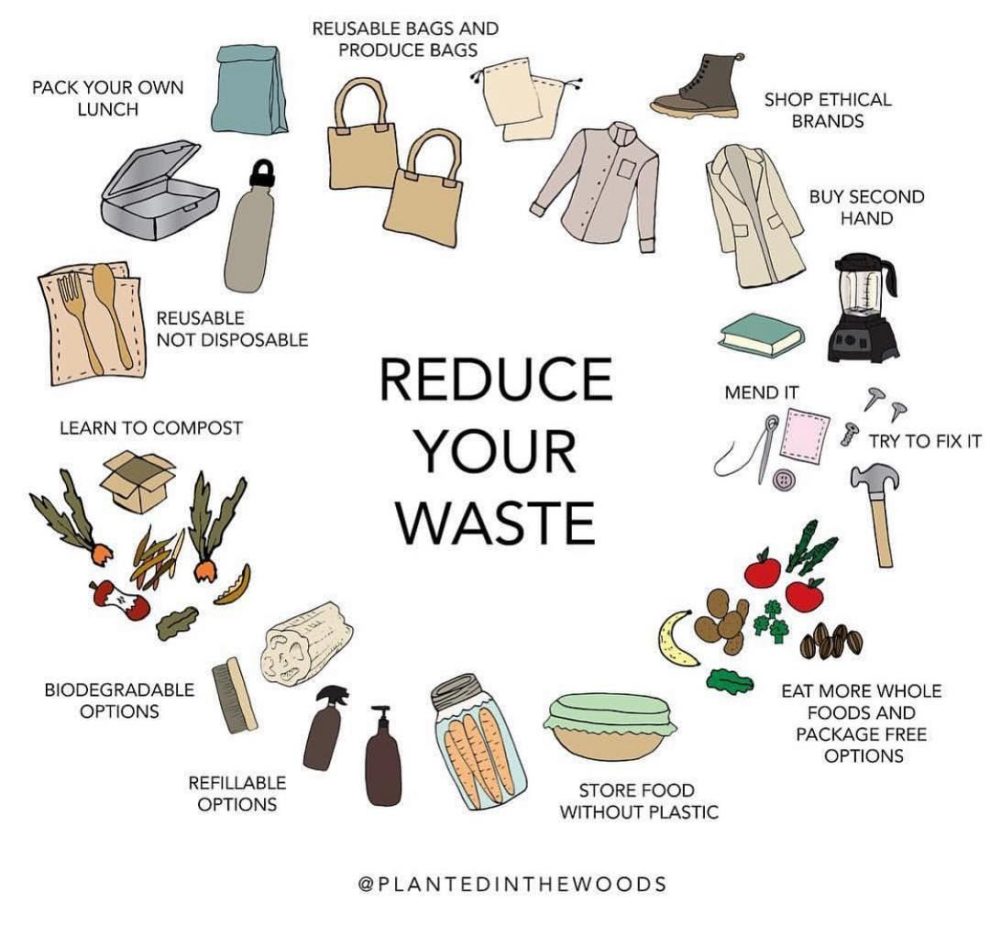
Individual actions are crucial in the fight against single-use plastics. Small, consistent changes in daily routines can have a significant cumulative impact. Embracing reusable alternatives can reduce waste and support a healthier environment.
- Carry a reusable water bottle and coffee cup: Invest in a durable, reusable water bottle and coffee cup. This simple change eliminates the need for disposable plastic bottles and cups, reducing waste significantly. Consider the environmental and economic benefits of this practice. For example, the average person can save hundreds of dollars annually by reducing plastic water bottle purchases.
- Choose reusable bags for shopping: Carry reusable shopping bags when grocery shopping or running errands. Avoid using plastic bags at stores, and encourage retailers to offer reusable alternatives.
- Opt for reusable food containers and utensils: Pack your lunch or snacks in reusable containers and utensils. This eliminates the need for single-use plastic wrap, bags, and cutlery. This practice promotes a more sustainable lifestyle and helps conserve resources.
- Decline single-use plastics whenever possible: When offered single-use plastics, politely decline them. For example, refuse plastic straws, stirrers, and cutlery. This simple act of refusal sends a clear message to businesses and encourages them to adopt more sustainable practices.
- Buy products with minimal packaging: Choose products with minimal packaging. Look for items with less plastic and opt for products with recyclable or compostable packaging.
Business Strategies for Single-Use Plastic Reduction
Businesses play a vital role in reducing single-use plastic consumption. Implementing sustainable practices can positively impact the environment and improve their public image.
- Switch to reusable packaging options: Businesses should explore and implement reusable packaging options for products. This includes using reusable containers, boxes, and bags. For example, consider switching to reusable shipping containers to decrease plastic waste.
- Offer reusable alternatives to customers: Provide customers with reusable alternatives to single-use plastics, such as reusable water bottles, coffee cups, and shopping bags. Offer discounts or incentives to encourage their use. For instance, a coffee shop can provide a discount for customers who bring their own reusable cups.
- Reduce packaging materials: Reduce the amount of packaging used for products. Employ eco-friendly packaging materials where possible. Minimize unnecessary packaging materials. For example, a food manufacturer can reduce the amount of plastic used in packaging by using lighter materials or smaller containers.
- Support recycling and composting programs: Support local recycling and composting programs. Ensure proper disposal of materials. Implement waste reduction programs.
- Educate employees and customers about sustainable practices: Educate employees and customers about the importance of reducing single-use plastics. Promote responsible consumption and waste management practices. For example, businesses can host workshops or seminars on waste reduction and recycling.
Community Initiatives for Single-Use Plastic Reduction
Communities can implement initiatives to encourage the reduction of single-use plastics. These initiatives can foster a sense of collective responsibility and create a more sustainable environment.
- Organize awareness campaigns: Organize awareness campaigns to raise public awareness about the environmental impact of single-use plastics. Use various platforms like social media, local events, and educational programs to spread awareness. For example, community centers can host workshops to educate people on plastic reduction.
- Implement community-wide recycling programs: Implement or improve community-wide recycling programs. Provide educational materials to promote proper recycling practices. For example, a local council can launch a campaign to encourage community participation in a recycling program.
- Partner with businesses to reduce plastic use: Partner with local businesses to encourage them to reduce their single-use plastic consumption. For example, a local council can work with restaurants to promote the use of reusable plates and cutlery.
- Support local initiatives for sustainable packaging: Support local initiatives for sustainable packaging solutions. For example, communities can partner with local companies to promote and use compostable packaging materials.
- Promote reusable alternatives in public spaces: Promote the use of reusable alternatives in public spaces, such as parks and community centers. For example, a park can offer reusable water bottle stations for visitors.
Promoting Sustainable Practices
Cultivating sustainable consumption habits regarding single-use plastics requires a multifaceted approach encompassing individual actions, community initiatives, and supportive policies. This involves understanding the environmental impact of plastic waste and actively seeking out alternative solutions. By fostering a culture of conscious consumerism, we can collectively reduce our reliance on single-use plastics and contribute to a more environmentally friendly future.Effective strategies to promote sustainable consumption habits often target education and incentivization.
These strategies aim to raise awareness about the environmental consequences of single-use plastics, encouraging individuals to adopt sustainable alternatives. This can be achieved through campaigns that highlight the benefits of reusable items and the drawbacks of disposable plastics.
Effective Strategies for Sustainable Consumption
Strategies for fostering sustainable consumption habits concerning single-use plastics involve a multifaceted approach, focusing on education, incentivization, and community engagement. Comprehensive campaigns promoting reusable alternatives, alongside initiatives that highlight the drawbacks of single-use plastics, can drive positive behavioral change.
- Education and Awareness Campaigns: Public awareness campaigns play a crucial role in changing consumer behavior. These campaigns can educate individuals about the environmental impact of single-use plastics, emphasizing the importance of reducing consumption and utilizing sustainable alternatives. They can showcase the benefits of reusable items and the drawbacks of disposable plastics, thereby driving behavioral change.
- Incentivizing Sustainable Choices: Incentivizing sustainable choices can encourage broader adoption of reusable alternatives. Examples include offering discounts or rebates for purchasing reusable items, providing subsidies for reusable water bottles in schools, or implementing deposit-refund schemes for plastic bottles.
- Community-Based Initiatives: Encouraging community-based initiatives can foster a collective responsibility towards single-use plastic reduction. This can involve organizing community clean-ups, establishing local recycling programs, and promoting the use of reusable bags and containers in local businesses.
Successful Initiatives in Various Contexts
Numerous successful initiatives demonstrate the effectiveness of implementing sustainable practices to reduce single-use plastic use. These initiatives can be successfully replicated in various contexts, demonstrating the potential for widespread adoption.
- Schools: Schools can implement programs to reduce single-use plastics by promoting reusable water bottles, food containers, and lunch bags. Schools can also organize campaigns to educate students about the impact of plastic waste and encourage responsible waste management. For example, a school in California successfully reduced single-use plastic consumption by 75% after implementing a comprehensive program emphasizing reusable alternatives.
- Municipalities: Municipalities can implement policies that incentivize the use of reusable alternatives, such as implementing deposit-refund schemes for plastic bottles or banning single-use plastics in public spaces. For instance, the city of San Francisco has implemented a comprehensive ban on single-use plastic bags, which has demonstrably reduced plastic waste in the city.
Government Policies for Sustainable Alternatives
Government policies play a critical role in promoting sustainable alternatives to single-use plastics. These policies can create a supportive environment for businesses and consumers to transition towards sustainable practices.
- Regulations and Bans: Government regulations and bans on single-use plastics can significantly reduce plastic consumption. These regulations can include bans on specific types of single-use plastics, or restrictions on their distribution in specific areas.
- Tax Incentives: Tax incentives for businesses and consumers can encourage the adoption of sustainable alternatives. This can involve tax breaks for purchasing reusable items, or tax penalties for using single-use plastics.
- Investment in Infrastructure: Investment in infrastructure that supports the use of sustainable alternatives is crucial. This can include the development of more efficient recycling facilities, or the promotion of reusable packaging systems.
Resources for Further Learning
Numerous organizations and resources provide valuable information on reducing single-use plastic use. Accessing these resources can aid in understanding the issue and implementing sustainable practices.
- Websites: Numerous websites offer comprehensive information on single-use plastics, sustainable alternatives, and related initiatives. These websites often provide resources, guides, and educational materials.
- Organizations: Environmental organizations and advocacy groups frequently publish research, conduct campaigns, and provide support for initiatives related to single-use plastic reduction.
- Campaigns: Various campaigns focus on raising awareness about single-use plastics and promoting sustainable alternatives. These campaigns often utilize social media and public outreach to disseminate information and inspire action.
Consumer Awareness and Education
Consumer awareness and education are vital for driving positive change regarding single-use plastic use. Understanding the impact of plastic waste and actively choosing sustainable alternatives are essential for creating a culture of conscious consumption.
- Education Programs: Education programs that highlight the environmental consequences of single-use plastics can foster greater consumer awareness. These programs can effectively convey the importance of making conscious choices about consumption.
- Product Labeling: Product labeling that clearly indicates the environmental impact of a product can empower consumers to make informed decisions. Clear labeling can help consumers understand the environmental footprint of their choices.
- Transparency and Communication: Transparent communication from businesses and organizations regarding their plastic use can enhance consumer awareness. This transparency can empower consumers to make more sustainable choices.
Addressing Specific Plastic Types
Single-use plastics pose a significant threat to the environment, impacting ecosystems and human health. Understanding the specific environmental impact of different plastic types, coupled with knowledge of effective alternatives, is crucial for developing targeted solutions. This section delves into the environmental consequences of common single-use plastics and explores viable replacements, along with their recycling potential and waste management challenges.Identifying the environmental impact of each type of single-use plastic and understanding the potential of alternatives allows for informed choices and effective waste management strategies.
This includes considering the lifecycle of a product, from production to disposal, and evaluating the potential environmental and societal consequences of each option.
Plastic Bags
Plastic bags are ubiquitous, yet their environmental footprint is substantial. They often end up in landfills, taking centuries to decompose, and can contribute to marine pollution, harming wildlife and disrupting ecosystems. The massive production and disposal of plastic bags strain waste management systems, resulting in increased landfill space usage and the release of harmful greenhouse gases.
- Alternatives: Reusable shopping bags made from materials like cotton, jute, or recycled plastic are excellent alternatives. These offer a more sustainable and environmentally friendly option, reducing reliance on single-use plastic bags.
- Recycling Potential: While some plastic bags can be recycled, the process is often complex and the quality of recycled plastic is frequently compromised, hindering widespread adoption. The contamination of plastic bags with other materials significantly impacts their recyclability.
- Waste Management Challenges: The sheer volume of plastic bags produced and discarded presents a significant waste management challenge. Efforts to promote reusable alternatives and improve waste sorting and collection processes are crucial to mitigate this issue.
Plastic Straws
Plastic straws are another common single-use item that contributes to plastic pollution. Their small size often makes them difficult to collect, and they can become lodged in marine animals, leading to injury and death. The production of plastic straws consumes significant resources, adds to the plastic waste stream, and generates pollution throughout the manufacturing process.
- Alternatives: Metal straws, bamboo straws, and reusable silicone straws are viable alternatives. These offer a long-lasting solution, reducing the need for frequent replacements and decreasing the plastic waste stream.
- Recycling Potential: Metal and silicone straws have high recycling potential as they are easily separable from other materials. The potential for recycling is high and contributes to a circular economy.
- Waste Management Challenges: The challenges associated with straw disposal and collection are similar to other single-use plastics. Educating consumers about proper disposal methods and supporting infrastructure for straw collection are essential for effective waste management.
Food Packaging
Food packaging, including plastic containers and wrappers, significantly contributes to plastic waste. The production of plastic packaging consumes significant energy and resources, releasing greenhouse gases into the atmosphere. The disposal of this packaging adds to landfill burdens and marine pollution, harming ecosystems and wildlife.
- Alternatives: Compostable packaging made from plant-based materials, reusable containers, and glass or metal alternatives offer viable options. These alternatives prioritize reducing reliance on petroleum-based plastics and promote compostability or recyclability.
- Recycling Potential: The recycling potential of food packaging varies greatly depending on the specific material. Some types of plastic food packaging can be recycled, while others are difficult or impossible to recycle. The sorting and processing of different materials are crucial factors.
- Waste Management Challenges: The complexity of food packaging materials and the inconsistent waste management infrastructure make it a significant challenge. Developing effective sorting methods and expanding recycling facilities are crucial steps to address this challenge.
Comparison Table of Plastic Types and Alternatives
| Plastic Type | Environmental Impact | Alternatives | Recycling Potential | Waste Management Challenges |
|---|---|---|---|---|
| Plastic Bags | Significant marine pollution, landfill burden | Reusable bags (cotton, jute, recycled plastic) | Limited | High volume of discarded bags |
| Plastic Straws | Marine animal entanglement, pollution | Metal straws, bamboo straws, reusable silicone straws | High (metal, silicone) | Collection and disposal |
| Food Packaging | Resource intensive, landfill burden, marine pollution | Compostable packaging, reusable containers, glass, metal | Variable | Material complexity, inconsistent infrastructure |
The Future of Single-Use Plastic Reduction
The fight against single-use plastics extends beyond immediate actions; it necessitates a forward-looking approach that considers emerging trends, technological innovations, and the long-term implications for environmental sustainability. This section explores the promising future of single-use plastic reduction, emphasizing the crucial role of both technological advancements and consumer engagement.Technological advancements offer significant potential for reducing single-use plastic consumption. Innovations in material science, design, and manufacturing are driving the development of sustainable alternatives, prompting a shift towards a circular economy model.
Emerging Trends and Innovations
Numerous initiatives are reshaping the landscape of single-use plastic reduction. Bio-based plastics, derived from renewable resources like corn starch or sugarcane, are gaining traction as a potential alternative. These materials offer a viable path to minimizing reliance on petroleum-based plastics, although their full environmental impact requires ongoing assessment. Furthermore, advancements in 3D printing are enabling the creation of customized, on-demand products, potentially minimizing waste associated with mass production.
These innovations are not isolated events but rather represent a broader movement towards more sustainable practices.
Technological Advancements for Reduction
Technological advancements are poised to revolutionize single-use plastic reduction. Additive manufacturing, also known as 3D printing, enables the creation of customized products on demand, minimizing the waste associated with mass production. The development of biodegradable plastics, derived from renewable sources, is another significant area of progress. These bio-based plastics, though not a complete solution, provide an alternative to conventional petroleum-based plastics.
Moreover, innovations in packaging design and material science are leading to more efficient and environmentally friendly alternatives. For instance, companies are exploring ways to create packaging that can be easily recycled or composted. These advancements offer promising avenues for minimizing single-use plastic consumption.
Long-Term Implications for the Environment
Reducing single-use plastics has far-reaching implications for the environment. Decreased plastic pollution in oceans, rivers, and landfills will have a profound positive effect on marine ecosystems. The preservation of biodiversity and the protection of wildlife are also crucial considerations. A shift towards sustainable practices could lead to a reduction in greenhouse gas emissions, contributing to mitigating climate change.
Future Role of Consumers
Consumers play a pivotal role in fostering a sustainable future by embracing mindful consumption habits. This includes choosing reusable alternatives to single-use plastics, actively supporting companies committed to sustainability, and advocating for policy changes that promote plastic reduction. Furthermore, consumer education and awareness campaigns are vital for driving widespread adoption of sustainable practices.
Challenges and Opportunities
The transition to a world with reduced single-use plastics presents both challenges and opportunities. Cost-effectiveness, scalability, and accessibility of sustainable alternatives are key considerations. Overcoming logistical challenges in recycling and waste management is also crucial. Furthermore, consumer education and behavior change are vital to achieving widespread adoption. However, the opportunities for innovation, economic growth, and environmental protection are significant.
A collaborative approach involving governments, businesses, and consumers is crucial for achieving widespread single-use plastic reduction.
Last Recap
In conclusion, reducing single-use plastics requires a multifaceted approach encompassing individual actions, business strategies, and community initiatives. This guide has provided a roadmap for understanding the problem, exploring alternatives, and implementing practical steps towards a more sustainable future. By embracing reusable options and promoting conscious consumption, we can collectively mitigate the environmental impact of single-use plastics and foster a healthier planet.