Household toxins pose a significant threat to both human health and the environment. This comprehensive guide delves into the various aspects of identifying, reducing exposure to, and safely managing these substances within your home. Understanding the potential risks and implementing proactive measures are crucial for creating a healthier living space.
The guide meticulously examines the presence of toxins in common household products, from cleaning supplies to personal care items. It also explores the detrimental impact of these toxins on indoor air quality, food safety, and the environment. Furthermore, it provides practical strategies for reducing exposure through safe handling, storage, and disposal practices, while offering environmentally sound alternatives and DIY solutions.
Identifying Household Toxins
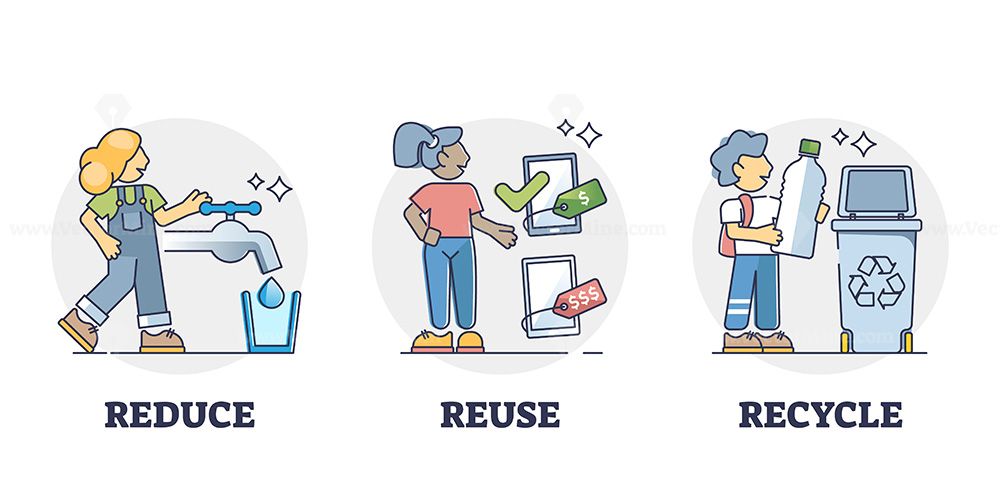
A significant portion of our daily exposure to toxins originates from common household products. Understanding the types of toxins present and the potential risks associated with them is crucial for creating a healthier home environment. This knowledge empowers individuals to make informed decisions about product selection and usage.Household products, while convenient, can often contain a variety of chemicals that, if improperly handled, can pose a risk to human health.
Understanding the nature of these toxins and the routes of exposure is key to mitigating potential harm. Proper identification and handling are essential to maintaining a safe and healthy living space.
Common Household Products Containing Toxins
Many household products, used regularly in kitchens, bathrooms, and living rooms, contain chemicals that may pose health risks. A comprehensive understanding of these products and their potential dangers is essential for minimizing exposure.
- Kitchen: Cleaning products (e.g., dish soap, bleach-based cleaners), cookware (e.g., non-stick pans), food packaging materials (e.g., certain plastics), and some food additives. These products often contain volatile organic compounds (VOCs), heavy metals, and other potentially harmful chemicals.
- Bathroom: Cleaning products (e.g., toilet bowl cleaners, shower cleaners), personal care products (e.g., shampoos, conditioners, lotions), and certain building materials (e.g., some paints and sealants). These products can contain disinfectants, fragrances, and preservatives, many of which can be harmful with prolonged exposure.
- Living Room: Cleaning products (e.g., carpet cleaners, furniture polish), air fresheners, and certain building materials (e.g., adhesives, paints). These products often contain solvents, fragrances, and formaldehyde, which can contribute to indoor air pollution and pose inhalation risks.
Types of Toxins and Health Risks
A range of chemical compounds, categorized by their potential harm, can be found in household products. Exposure to these toxins can lead to a variety of health issues, ranging from minor irritation to serious long-term health problems.
- Volatile Organic Compounds (VOCs): These compounds are often found in cleaning products and paints. Exposure can cause headaches, dizziness, eye irritation, and respiratory problems. Chronic exposure may contribute to long-term health issues.
- Heavy Metals: Lead, mercury, and cadmium are examples of heavy metals sometimes present in some cookware, paints, and cleaning products. These metals can accumulate in the body and cause neurological damage, kidney problems, and other serious health concerns.
- Disinfectants: Products like bleach and ammonia, while effective for cleaning, contain chemicals that can cause severe irritation to skin and eyes, and if inhaled in concentrated form, may cause respiratory issues. Care must be taken when handling these products.
Routes of Exposure
Exposure to household toxins can occur in several ways. Understanding these pathways is crucial for taking preventive measures.
- Inhalation: Breathing in fumes or vapors from cleaning products or certain building materials is a common route of exposure. This can lead to respiratory problems and other health issues.
- Ingestion: Accidental consumption of cleaning products or contaminated food or water can lead to poisoning. Children are particularly vulnerable to this route of exposure.
- Skin Contact: Direct contact with cleaning products or other chemicals can cause skin irritation, allergic reactions, and other skin problems. Repeated contact can lead to more severe skin conditions.
Toxicity Comparison of Cleaning Products
The following table provides a general comparison of the toxicity levels of various cleaning products. Note that this is not an exhaustive list and specific product formulations can vary.
| Product Category | Examples | Potential Toxins | Toxicity Level (General) |
|---|---|---|---|
| Bleach-based Cleaners | Bleach, chlorine-based cleaners | Sodium hypochlorite | Moderate to High |
| Ammonia-based Cleaners | Ammonia-based glass cleaners | Ammonia | Moderate to High |
| Acidic Cleaners | Drain cleaners, some toilet bowl cleaners | Acids | High |
| Alkaline Cleaners | Oven cleaners, some drain cleaners | Caustics | High |
| Solvent-based Cleaners | Many all-purpose cleaners | VOCs, petroleum distillates | Moderate |
Reducing Exposure to Toxins
Minimizing exposure to household toxins is crucial for maintaining a healthy and safe living environment. Proactive measures can significantly reduce potential health risks associated with these substances. This section details strategies for minimizing inhalation, safe handling, and replacement of harmful products, as well as methods for reducing skin contact.Proper handling and storage of cleaning products and other household chemicals are essential for preventing accidental exposure and minimizing the risk of adverse health effects.
Understanding the risks associated with specific products and implementing preventive measures can safeguard family members and pets. The following sections Artikel practical steps to mitigate these risks.
Minimizing Inhalation of Toxins
To reduce inhalation of toxins, good ventilation is paramount. Opening windows and using exhaust fans during cleaning tasks can effectively remove harmful vapors from the air. This allows for faster dissipation of potentially hazardous substances. Proper ventilation systems can drastically decrease the concentration of airborne toxins. Consider using a well-ventilated area for cleaning activities, or a space with proper air circulation, such as a porch or garage.
If possible, avoid cleaning activities in enclosed spaces. Additionally, wearing appropriate personal protective equipment (PPE), such as respirators, when dealing with strong-smelling or potentially hazardous cleaning products, is crucial.
Safe Handling and Storage of Cleaning Products
Safe handling and storage practices are essential to prevent accidents and exposure. Cleaning products should be stored in their original containers, clearly labeled, and placed in a designated area out of reach of children and pets. Secure storage prevents accidental spills and misuse. Avoid mixing different cleaning products, as this can create hazardous reactions or produce harmful fumes.
Always follow product instructions carefully. If unsure about mixing products, it’s always best to consult the product labels or a safety data sheet (SDS) for clarification.
Replacing Harmful Products with Safer Alternatives
Transitioning to safer alternatives can significantly reduce exposure to harmful chemicals. Many readily available cleaning products contain harsh chemicals that pose health risks. Consider using baking soda, vinegar, lemon juice, and Castile soap for various cleaning tasks. These natural alternatives are often just as effective as conventional cleaning products, while being less harmful. Thorough research into the ingredients and potential health effects of cleaning products is important when making a switch to safer alternatives.
Reducing Exposure Through Skin Contact
Skin contact with cleaning products can lead to irritation, allergic reactions, or other health problems. Always wear gloves when handling cleaning products. Latex, nitrile, or vinyl gloves can provide a barrier against skin contact. Regularly washing hands with soap and water after handling cleaning products helps remove any residue. This precaution prevents lingering toxins from entering the body.
Consider using less concentrated solutions of cleaning products to reduce the potential for skin irritation. Additionally, be mindful of any skin sensitivities or allergies when choosing cleaning products.
Examples of Safer Cleaning Products and Their Substitutes
| Harmful Product | Safer Alternative | Cleaning Task |
|---|---|---|
| Bleach | White vinegar | Disinfecting surfaces |
| Ammonia-based cleaners | Baking soda paste | Cleaning countertops |
| Glass cleaner with alcohol | Distilled white vinegar and water | Cleaning windows and mirrors |
| Commercial drain cleaners | Baking soda and vinegar | Unclogging drains |
Always prioritize safety when handling cleaning products. Thoroughly read labels and follow instructions carefully.
Safe Cleaning Practices
Safe cleaning practices are crucial for reducing household toxins and promoting a healthy living environment. Proper ventilation, responsible waste disposal, and mindful cleaning techniques significantly minimize exposure to harmful chemicals. By understanding and implementing these practices, you can create a cleaner and healthier home for yourself and your family.Effective cleaning practices go beyond simply achieving a sparkling surface.
They encompass a thoughtful approach that considers the potential hazards of various cleaning agents and methods. This includes choosing environmentally friendly products, properly ventilating spaces during cleaning, and safely disposing of used cleaning supplies and hazardous waste.
Proper Ventilation Techniques
Adequate ventilation is essential during cleaning activities to prevent the inhalation of harmful fumes and vapors released by cleaning products. Open windows and doors, or use exhaust fans, especially in enclosed spaces like bathrooms and kitchens. This helps dilute and remove potentially toxic substances from the air. Ensure sufficient airflow to facilitate the dissipation of volatile organic compounds (VOCs) emitted by many cleaning products.
Maintaining proper ventilation minimizes exposure to these potentially harmful substances, improving indoor air quality.
Hazardous Waste Disposal
Proper disposal of hazardous household waste is critical to protect the environment and public health. Never pour cleaning products, paint thinners, or other hazardous materials down the drain or into the trash. Check local regulations for designated hazardous waste collection programs. Many municipalities offer drop-off locations or scheduled pick-up services for safe disposal of these materials. Recycling options may also be available for certain items, such as certain types of plastic containers.
Properly labeling and storing hazardous materials in secure containers is also important to prevent accidental exposure.
Safe Cleaning Practices for Specific Areas
Implementing safe cleaning practices for different areas of the house is important.
- Kitchen: Choose non-toxic, biodegradable cleaners for countertops, sinks, and stovetops. When cleaning grease, use natural methods like baking soda or vinegar solutions. Ensure adequate ventilation during cleaning tasks. Avoid using harsh chemicals near food preparation areas.
- Bathroom: Employ natural cleaners like lemon juice or baking soda for cleaning and disinfecting. Use well-ventilated areas, particularly when using bleach or other strong disinfectants. Choose cleaning products that are specifically formulated for bathroom use. Clean the bathroom regularly to prevent the buildup of mildew and mold, which can release harmful spores into the air.
- Laundry Room: Select laundry detergents that are free of harsh chemicals. Use natural alternatives to bleach for whitening. Always follow manufacturer instructions for product usage and dilution. Proper ventilation is important when using bleach or other strong cleaning agents.
Cleaning Task Checklist
A checklist can help you remember safe cleaning practices.
| Task | Safe Practice |
|---|---|
| Cleaning countertops | Use non-toxic cleaner, ensure good ventilation |
| Cleaning sinks | Use non-toxic cleaner, ensure good ventilation |
| Cleaning floors | Use non-toxic cleaner, mop in well-ventilated areas |
| Disinfecting surfaces | Use diluted disinfectants, ventilate properly |
| Cleaning bathrooms | Use natural cleaners, ventilate, clean mold/mildew |
| Cleaning laundry | Use natural detergents, follow instructions, use appropriate ventilation |
Comparing Cleaning Methods
Different cleaning methods offer varying levels of safety and effectiveness. Natural cleaners, often made from ingredients like vinegar, baking soda, and lemon juice, are generally less harmful to human health and the environment. Commercial cleaning products, while often more effective at removing specific stains or dirt, may contain harsh chemicals and potentially harmful ingredients. Consider the trade-offs between efficacy and safety when choosing a cleaning method.
When possible, favor natural cleaning methods for their environmental and health benefits.
Food Safety and Toxins
Maintaining safe food practices is crucial for preventing illness and ensuring the well-being of individuals and families. Proper food handling and storage minimize the risk of contamination by harmful microorganisms and toxins. This section details common food contaminants, preventative measures, and safe food handling techniques.Foodborne illnesses, often caused by microbial contamination, can range from mild discomfort to severe health complications.
Implementing safe food handling procedures in the home significantly reduces the likelihood of these illnesses.
Common Food Contaminants
Food can become contaminated by various factors, leading to the presence of harmful substances. Knowing these contaminants is the first step towards preventing their introduction into the food chain.
- Bacteria: Pathogenic bacteria like Salmonella, E. coli, and Listeria are common causes of food poisoning. These bacteria can multiply rapidly under favorable conditions, leading to illness if consumed.
- Viruses: Viruses like norovirus and hepatitis A can contaminate food, leading to gastrointestinal distress and liver problems. Poor hygiene practices during food preparation are often linked to viral contamination.
- Parasites: Parasites, such as tapeworms and roundworms, can infect humans through contaminated food or water. These parasites can cause various health problems.
- Chemical Contaminants: Food can be contaminated by chemical substances such as pesticides, heavy metals (lead, mercury), or industrial chemicals. These can enter the food chain through agricultural practices or industrial processes.
- Natural Toxins: Certain foods contain natural toxins that can be harmful if not properly handled. Examples include toxins produced by some mushrooms or certain types of seafood.
Preventing Food Contamination
Implementing appropriate measures throughout the food preparation and storage process can prevent contamination and associated risks.
- Proper Hygiene: Thorough handwashing with soap and water before, during, and after handling food is essential. Using clean utensils and cutting boards for different types of food is crucial. Maintaining a clean kitchen environment prevents cross-contamination.
- Safe Food Storage: Storing food at the correct temperatures is vital. Refrigerate perishable items promptly and avoid leaving them at room temperature for extended periods. Properly seal food containers to prevent contamination from pests and airborne particles.
- Safe Food Preparation Techniques: Cooking food to the appropriate internal temperature is critical to kill harmful microorganisms. Using a food thermometer ensures food reaches a safe internal temperature.
- Pest Control: Preventing pest infestation is essential to avoid contamination. Store food in airtight containers and regularly inspect for signs of pests.
Methods to Reduce Foodborne Illness
Adopting specific practices can substantially reduce the risk of foodborne illnesses.
- Thorough Cooking: Cooking food to the recommended internal temperature kills harmful microorganisms. Using a food thermometer is crucial for ensuring the food is cooked thoroughly.
- Safe Food Handling Practices: Maintaining proper hygiene throughout the preparation process minimizes the risk of contamination. Washing hands frequently, using separate cutting boards, and storing food correctly are critical.
- Avoiding Cross-Contamination: Using separate cutting boards and utensils for raw and cooked foods prevents the spread of bacteria. Properly washing and sanitizing surfaces is essential.
- Refrigeration Practices: Keeping perishable foods at the correct temperature prevents the growth of bacteria. Knowing the recommended temperature range for different foods is crucial.
Safe Food Storage and Preparation Practices
These practices ensure that food is handled and stored in a way that prevents contamination and maintains its quality.
- Refrigeration: Refrigerate perishable foods promptly. Store raw meat, poultry, and seafood on the bottom shelf to prevent cross-contamination.
- Freezing: Freezing is an effective way to preserve food for longer periods. Properly label and date frozen foods for easy identification.
- Thawing: Thaw frozen foods safely in the refrigerator, cold water, or a microwave oven.
- Food Handling Utensils: Use separate cutting boards and utensils for raw and cooked foods to prevent cross-contamination.
Safe Food Handling Procedures in Different Kitchens
| Kitchen Type | Specific Procedures |
|---|---|
| Residential Kitchen | Thorough handwashing, proper food storage, separate cutting boards, use of thermometers |
| Commercial Kitchen (Restaurant) | Strict adherence to food safety standards, regular staff training, and rigorous sanitation protocols, advanced equipment for precise temperature control, and careful monitoring of food preparation |
| Mobile Food Service | Portable refrigerators, strict temperature control, careful handling of perishable items, and maintaining cleanliness during transport |
Personal Care Products and Toxins
Personal care products, while essential for hygiene and well-being, often contain a variety of chemicals that can pose potential health risks. Understanding the toxins in these products and opting for safer alternatives is crucial for minimizing exposure and promoting better health. This section details common toxins, associated health risks, and guidance on choosing safer products.
Common Toxins in Personal Care Products
Personal care products frequently include ingredients that can negatively impact human health. These substances can enter the body through various routes, such as absorption through the skin, inhalation, and ingestion. Common culprits include synthetic fragrances, preservatives, and certain dyes. These ingredients, while often used in small quantities, can accumulate over time, potentially leading to long-term health issues.
Potential Health Risks Associated with Toxins
Exposure to certain chemicals in personal care products can trigger a range of adverse health effects. Skin irritation, allergic reactions, hormonal disruptions, and respiratory problems are some possible consequences. Some studies suggest a link between certain toxins and more serious conditions, although further research is needed in many cases. Individual sensitivities and exposure levels play a significant role in the manifestation and severity of these effects.
Choosing Safer Alternatives
Several strategies can help consumers make more informed choices regarding personal care products. Prioritizing products with natural ingredients, minimal processing, and transparency in labeling are key steps. Reading ingredient labels carefully and understanding the potential risks associated with specific chemicals is essential. Researching reputable brands and organizations that promote safer personal care products is also helpful.
Safer Personal Care Brands and Product Types
Numerous brands and product types prioritize natural and safer ingredients. Look for brands that use natural extracts, essential oils, and plant-derived ingredients. Consider alternatives such as solid shampoos, bar soaps, and natural lotions. These options often contain fewer potentially harmful chemicals and are a more sustainable choice.
Ingredients to Avoid in Personal Care Products
| Category | Examples of Ingredients to Avoid | Potential Health Concerns |
|---|---|---|
| Parabens | Methylparaben, Ethylparaben, Propylparaben | Possible endocrine disruption, allergic reactions |
| Phthalates | DEHP, DBP, BBP | Reproductive and developmental issues |
| Synthetic Fragrances | Various | Allergic reactions, respiratory problems, potential endocrine disruption |
| Sodium Lauryl Sulfate (SLS) and Sodium Laureth Sulfate (SLES) | SLS, SLES | Skin irritation, dryness, allergic reactions |
| Formaldehyde Donors | Quaternium-15, DMDM Hydantoin | Allergic reactions, respiratory irritation |
This table highlights common ingredients to avoid in personal care products. Understanding the potential risks associated with these ingredients allows consumers to make more informed choices. Always prioritize products with natural, plant-derived ingredients and minimal processing.
Air Quality and Toxins
Indoor air quality plays a crucial role in overall household health. Poor indoor air quality can exacerbate existing respiratory conditions and contribute to new health issues. Understanding the sources of indoor air pollutants and implementing strategies to mitigate them is essential for a healthier home environment.Indoor air quality is often overlooked, yet it significantly impacts our well-being. Factors such as inadequate ventilation, improperly sealed spaces, and certain household products can contribute to elevated levels of indoor pollutants.
Understanding the dynamics of indoor air and the potential health consequences is paramount to fostering a healthier living space.
Common Sources of Indoor Air Pollutants
Indoor air pollution can stem from a multitude of sources, ranging from everyday household products to environmental factors. Identifying these sources is the first step towards mitigating their impact.
- Building Materials: Certain building materials, such as plywood, particleboard, and insulation, can release volatile organic compounds (VOCs) into the air. These VOCs can have adverse health effects, including headaches, eye irritation, and respiratory problems. Proper ventilation and choosing low-VOC building materials are important steps to minimize exposure.
- Cleaning Products: Many cleaning products contain harsh chemicals, such as ammonia and bleach, that can contribute to poor indoor air quality. Using these products in poorly ventilated spaces can lead to significant health risks.
- Combustion Sources: Sources like fireplaces, wood stoves, and gas-powered appliances release pollutants like particulate matter and carbon monoxide into the air. Using these appliances responsibly, including adequate ventilation, is critical.
- Outdoor Air Pollution: Air pollution from external sources can infiltrate homes through open windows and doors, impacting indoor air quality. Minimizing exposure from outside sources is essential for maintaining a healthy indoor environment.
Methods for Improving Indoor Air Quality
Numerous strategies can enhance indoor air quality, fostering a healthier living environment. Implementing these methods can significantly reduce the risk of exposure to harmful pollutants.
- Improved Ventilation: Ensuring proper ventilation is crucial. Opening windows and using exhaust fans, especially when using cleaning products or cooking, can effectively reduce the concentration of pollutants.
- Air Purifiers: Air purifiers with HEPA filters can remove particulate matter and allergens from the air. Choosing an appropriate model for the size of the space is essential for optimal results.
- Regular Cleaning and Maintenance: Regular cleaning and maintenance of HVAC systems, appliances, and other equipment can prevent the release of pollutants into the air. Routine cleaning of surfaces and thorough vacuuming can also help control dust and allergens.
Strategies for Reducing Exposure to Air Pollutants from Outside
Outdoor air pollution can negatively affect indoor air quality. Implementing strategies to reduce outside exposure is vital for maintaining a healthy home environment.
- Closing Windows and Doors: Closing windows and doors during periods of high outdoor air pollution can help prevent pollutants from entering the home. This is especially important in urban areas with heavy traffic or industrial activity.
- Using Air Filters: Air filters, especially those with HEPA technology, can help remove outdoor pollutants from the air that enters the home.
- Monitoring Air Quality Reports: Staying informed about local air quality reports can help residents anticipate periods of high pollution and take appropriate precautions to minimize exposure.
Plants That Can Filter Indoor Air
Certain plants are known for their ability to filter indoor air, removing pollutants and improving air quality. Their presence can enhance the overall well-being of those in the home.
- Snake Plant (Sansevieria trifasciata): Known for its air-purifying properties, this plant effectively removes toxins like formaldehyde and benzene.
- Spider Plant (Chlorophytum comosum): This plant is highly effective at removing pollutants such as ammonia and toluene.
- Peace Lily (Spathiphyllum): This plant is known for its ability to absorb VOCs, improving indoor air quality. However, peace lilies may be toxic to pets.
- English Ivy (Hedera helix): This plant is a good choice for filtering the air, particularly removing harmful VOCs and other toxins.
- Aloe Vera (Aloe barbadensis miller): This succulent is known for its ability to purify the air, removing pollutants and improving overall indoor air quality.
DIY Cleaning Solutions
Creating your own cleaning solutions is a practical and eco-friendly approach to maintaining a healthy home. By using readily available ingredients, you can significantly reduce your reliance on commercially produced cleaners, which often contain harsh chemicals. This method allows for customization, ensuring the cleaning solution effectively addresses specific cleaning needs.Understanding the potential health impacts of common household cleaners and exploring alternatives is key to creating a healthier living environment.
This section will explore homemade cleaning solutions, outlining their benefits, effectiveness, and ingredient comparisons with conventional products.
Homemade Cleaning Solution Recipes
Many common household cleaning tasks can be effectively handled with natural solutions. These recipes are designed to be versatile and adaptable to various cleaning needs.
- All-Purpose Cleaner: Combine 1 cup white vinegar, 1/2 cup rubbing alcohol, and 1/4 cup castile soap in a spray bottle. Fill the rest with water. This solution is effective for cleaning countertops, floors, and other surfaces.
- Glass Cleaner: Mix equal parts white vinegar and water in a spray bottle. Spray onto glass surfaces and wipe clean with a microfiber cloth for streak-free results. The acidity of vinegar effectively cuts through grime and leaves surfaces sparkling.
- Toilet Bowl Cleaner: Pour 1/2 cup baking soda down the toilet bowl, followed by 1/4 cup white vinegar. Let it fizz for 30 minutes before scrubbing. The combination of baking soda and vinegar creates a powerful cleaning action, effectively removing stains and odors.
- Drain Cleaner: Pour 1/2 cup baking soda down the drain, followed by 1/2 cup white vinegar. Let it sit for 30 minutes before flushing with hot water. This natural approach helps to unclog drains and remove buildup, avoiding harsh chemical drain cleaners.
Ingredients for Natural Cleaning Products
Using readily available and safe ingredients is crucial when creating your own cleaning products. These ingredients are typically safe for both the environment and human health.
- White Vinegar: A versatile acid that cuts through grease and grime. It’s also effective at disinfecting surfaces.
- Baking Soda: An abrasive that effectively removes dirt and stains. It’s also a deodorizer.
- Castile Soap: A plant-based soap with mild properties that is effective at cutting through grease and grime.
- Rubbing Alcohol: Effective for disinfecting surfaces and cleaning.
- Water: Essential for diluting cleaning solutions and ensuring they work effectively.
Benefits of Natural Cleaning Products
Using natural cleaning products offers several advantages over commercial products.
- Reduced Exposure to Harsh Chemicals: Natural cleaners eliminate exposure to potentially harmful chemicals found in conventional cleaning products. This reduction is particularly beneficial for individuals with sensitivities or respiratory issues.
- Environmental Friendliness: Natural cleaning products often have a smaller environmental footprint compared to their commercial counterparts. Many natural ingredients are biodegradable and do not harm the environment.
- Cost-Effectiveness: Natural ingredients are generally less expensive than many commercial cleaning products. The long-term cost savings can be substantial.
Effectiveness Comparison of DIY vs. Commercial Cleaners
Homemade cleaning solutions can achieve comparable or even superior results compared to store-bought products.
| Ingredient | DIY Cleaner | Store-Bought Cleaner |
|---|---|---|
| White Vinegar | Effective cleaner and disinfectant | May contain additional harsh chemicals |
| Baking Soda | Abrasive cleaner and deodorizer | May contain fillers and additives |
| Castile Soap | Mild grease cutter | May contain synthetic fragrances and preservatives |
| Rubbing Alcohol | Effective disinfectant | May contain additives |
DIY cleaning solutions, when properly prepared and used, can be just as effective as commercial products.
Environmental Impact of Toxins
Household toxins have far-reaching consequences beyond our homes. Their release into the environment contributes to a range of ecological problems, from water contamination to soil degradation. Understanding these impacts is crucial for making informed choices about the products we use and the practices we adopt. This section explores the environmental consequences of household toxins and suggests strategies for minimizing their impact.
Environmental Effects of Household Toxins
Household toxins, from cleaning agents to personal care products, can enter the environment through various pathways, such as improper disposal, runoff from storm drains, and leaching into the soil. These substances can accumulate in the environment, leading to a cascade of negative effects. Water pollution, for example, can harm aquatic life, disrupting delicate ecosystems and impacting the food chain.
Soil contamination can lead to the depletion of soil nutrients, affecting plant growth and ultimately impacting agricultural yields.
Reducing the Environmental Footprint of Cleaning and Personal Care Products
Minimizing the environmental footprint of cleaning and personal care products begins with conscious purchasing decisions. Prioritizing products with low toxicity and eco-friendly formulations is essential. Consider products that are biodegradable, derived from natural sources, or packaged sustainably. Choosing concentrated cleaners, reducing usage, and reusing containers can further decrease environmental impact.
Eco-Friendly Alternatives to Harmful Products
Many eco-friendly alternatives to harmful cleaning and personal care products are readily available. Natural cleaning solutions, such as vinegar, baking soda, and lemon juice, can effectively clean surfaces without harsh chemicals. For personal care, explore plant-based alternatives to synthetic ingredients. Look for products certified by organizations dedicated to sustainable practices and ethical sourcing. These alternatives offer a powerful way to reduce the environmental burden of our daily routines.
Effects of Toxins on Water and Soil
Household toxins, when released into the environment, can significantly impact water bodies and soil quality. For instance, pesticides and certain cleaning agents can contaminate water sources, harming aquatic life. Persistent organic pollutants (POPs) can accumulate in the food chain, posing risks to wildlife and humans. Similarly, certain cleaning products can leach into the soil, disrupting soil microbial communities and affecting plant health.
Understanding these effects is crucial to promoting sustainable practices.
Sustainable Practices for Minimizing Toxin Discharge
Sustainable practices are crucial to minimize toxin discharge. These practices include responsible disposal of cleaning and personal care products, using less water and energy in cleaning, and implementing water-efficient fixtures in homes. Composting organic waste can also help reduce the environmental impact of cleaning products. Ultimately, responsible consumption and waste management practices are critical in protecting our environment.
Protecting Children and Pets
Protecting children and pets from household toxins is paramount. Careful planning and proactive measures can significantly reduce the risks associated with exposure to hazardous substances. Implementing these strategies creates a healthier and safer environment for all family members.Proper storage and handling of potentially harmful materials, coupled with educating family members about safe practices, are essential to mitigate risks.
Understanding the specific vulnerabilities of children and pets allows for targeted precautions.
Strategies for Protecting Children
Careful consideration must be given to the unique vulnerability of children, whose smaller bodies and developing systems make them more susceptible to the effects of toxins. Children often explore their surroundings by putting objects in their mouths.
- Keep potentially hazardous products out of reach: Store cleaning supplies, medications, and other harmful substances in high cabinets or locked cupboards. Use child-resistant containers for all medications and other substances that could be harmful.
- Educate children about dangers: Explain to children the risks associated with certain substances and teach them about safe handling practices. Emphasize the importance of not touching or ingesting anything that is not specifically meant for them.
- Regularly inspect the home environment: Routinely check for spills, leaks, or any signs of potential exposure. If a spill occurs, clean it up promptly and thoroughly.
- Choose safer alternatives: Where possible, opt for safer, non-toxic cleaning products, personal care items, and other household products.
Strategies for Protecting Pets
Pets, like children, are susceptible to poisoning from household toxins. A thorough understanding of potential hazards and proactive measures are crucial for their safety.
- Keep cleaning products, medications, and other potentially harmful items out of their reach: Store these items in high cabinets or locked cupboards. Use pet-proof containers or storage solutions.
- Identify pet-specific hazards: Be aware of common household toxins that are especially dangerous to pets. This includes certain plants, cleaning products, and medications.
- Supervise pets closely when they are outside: Be cautious about their interactions with plants, fertilizers, or other outdoor chemicals.
- Monitor pet behavior: Observe pets for any unusual symptoms, such as vomiting, diarrhea, or lethargy. If you suspect poisoning, contact your veterinarian immediately.
Importance of Child-Resistant Containers
Child-resistant containers are crucial for safeguarding children from accidental ingestion of harmful substances.
Child-resistant containers are designed to be difficult for young children to open, but they should not be considered a substitute for adult supervision.
Child-resistant containers significantly reduce the risk of accidental poisoning.
Safe Storage of Hazardous Materials
Proper storage is a crucial aspect of preventing accidents and exposures to hazardous materials.
- Use designated storage areas: Establish specific areas for storing cleaning supplies, medications, and other potentially hazardous materials.
- Keep labels clear and visible: Ensure all containers are clearly labeled with accurate and easily understandable warnings.
- Follow manufacturer’s instructions: Adhere to the manufacturer’s recommendations for storage and handling of products.
- Store flammable materials separately from heat sources: Avoid storing flammable liquids near open flames or high heat.
Pet-Safe Cleaning Products
Many pet-safe cleaning products are available on the market, and choosing the right one can ensure a healthy environment for your furry friends.
- Baking soda: A natural deodorizer and cleaning agent.
- White vinegar: Effective for cleaning and deodorizing surfaces.
- Castile soap: A gentle, plant-derived soap suitable for cleaning pet-related areas.
- Commercial pet-safe cleaning products: Look for products specifically labeled as pet-safe or non-toxic.
Final Review
In conclusion, mitigating household toxins requires a multi-faceted approach that addresses various aspects of our daily routines. By implementing the strategies Artikeld in this guide, you can significantly reduce your exposure to harmful substances, promote a healthier living environment, and contribute to a more sustainable lifestyle. From identifying sources of toxins to adopting safer cleaning practices and choosing eco-friendly alternatives, this comprehensive resource empowers you to make informed choices for a healthier home and a healthier planet.