Plastic bottles, ubiquitous in our modern lives, pose a significant environmental challenge if not properly managed. This guide delves into the crucial steps of recycling plastic bottles, from understanding the different types to the home recycling process. By following these practical instructions, you can contribute to a cleaner, healthier planet.
This detailed guide explores the entire plastic bottle recycling lifecycle, covering everything from the initial collection and sorting to the advanced recycling processes and the environmental impact of your actions. Learn about the various types of plastic bottles, the recycling codes, and the importance of clean bottles for successful recycling.
Introduction to Plastic Bottle Recycling
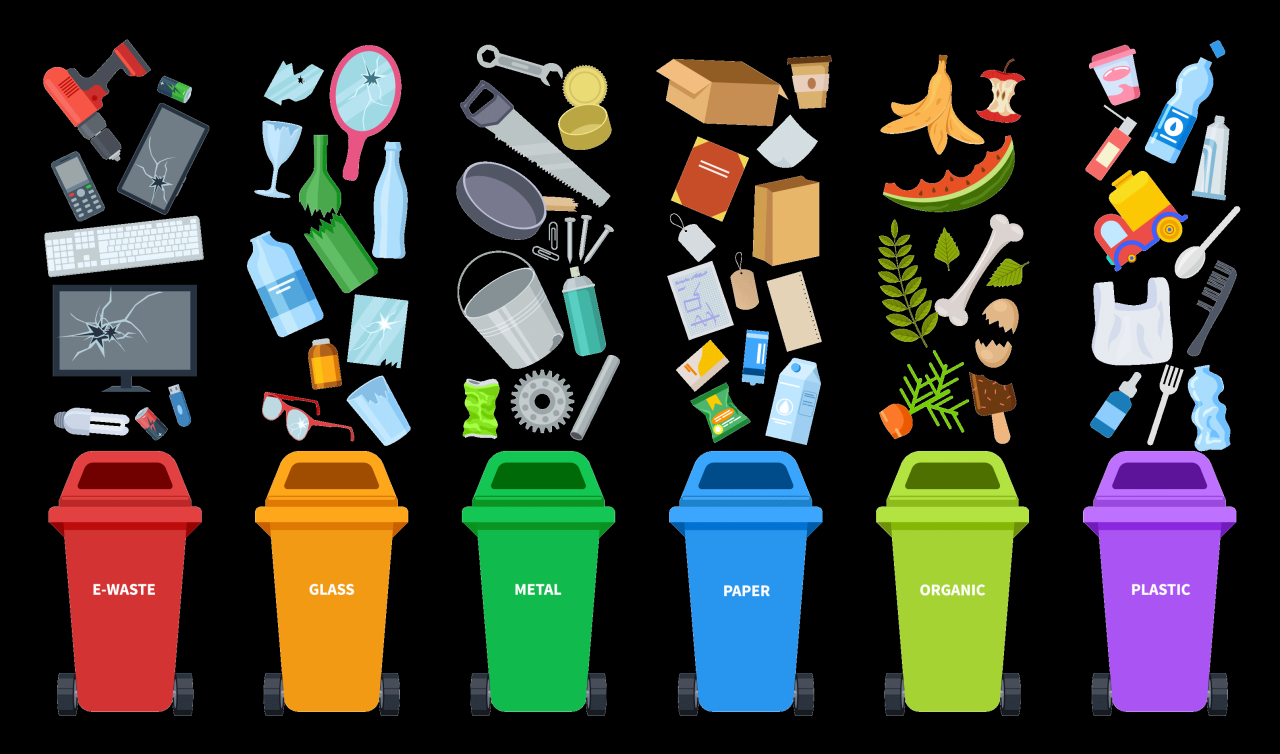
Plastic bottles, ubiquitous in modern life, have revolutionized the packaging and distribution of beverages and other products. Their lightweight, durable nature and ease of manufacturing contributed significantly to their widespread adoption. However, the history of plastic bottles also reveals a growing concern over their environmental impact.The convenience of plastic bottles has come at a significant cost to the environment.
Improper disposal leads to significant pollution, impacting ecosystems and endangering wildlife. The accumulation of plastic waste in landfills and oceans poses a serious threat to biodiversity, as well as the potential for harmful chemicals leaching into the surrounding environment. This environmental damage underscores the urgent need for responsible waste management practices, including plastic bottle recycling.
Environmental Impact of Improper Disposal
The accumulation of plastic bottles in landfills and oceans is a major environmental concern. These bottles, often taking hundreds of years to decompose, persist in the environment, contaminating soil and water sources. Marine life, particularly seabirds and marine mammals, often ingest plastic debris, leading to starvation, injury, and death. The leaching of harmful chemicals from plastic waste into the surrounding environment can also pose risks to human health.
Moreover, the visual pollution from discarded plastic bottles significantly impacts scenic landscapes.
Benefits of Recycling Plastic Bottles
Recycling plastic bottles offers numerous environmental and economic advantages. By diverting plastic bottles from landfills and incinerators, recycling conserves valuable natural resources, such as petroleum. This conservation reduces the demand for virgin materials, minimizing the environmental impact associated with their extraction and processing. Recycling also reduces the volume of waste sent to landfills, alleviating strain on these facilities.
Furthermore, recycling creates jobs in the recycling industry, fostering economic opportunities.
The Plastic Bottle Recycling Process
The recycling process for plastic bottles is a multi-step procedure, designed to recover valuable materials and minimize environmental damage. The initial step involves the collection and sorting of plastic bottles. Dedicated collection facilities use automated systems or manual sorting to separate different types of plastic. This separation is crucial, as different types of plastic require different processing methods.
Subsequently, the separated plastic is washed and shredded into small pieces. The shredded plastic is then melted down to create recycled plastic pellets. These pellets are used to manufacture new products, closing the loop in the recycling cycle. The key to successful recycling is ensuring that the collected bottles are properly sorted and processed to minimize contamination and maximize the quality of the recycled material.
Types of Plastic and Recycling Codes
Plastic bottles are often identified by a recycling code, typically found on the bottle’s base. Understanding these codes is crucial for effective recycling. The most common recycling codes are 1 (PET or PETE), 2 (HDPE), and 5 (PP). These codes correspond to different types of plastic, each with specific characteristics and recycling processes. Misidentification and improper sorting can lead to material contamination and limit the effectiveness of the recycling process.
It is vital to consult local recycling guidelines to ensure compliance with regulations and maximize the potential for effective recycling.
Types of Plastic Bottles
Plastic bottles are ubiquitous in modern life, used for everything from beverages to cleaning supplies. Understanding the different types of plastic used in these bottles is crucial for effective recycling and environmental sustainability. Knowing the composition of a bottle allows you to properly sort and recycle it, ensuring its responsible reuse and preventing contamination of the recycling stream.Plastic bottles are often made from various polymers, each with unique characteristics.
This variety in plastic types requires a nuanced approach to recycling, as some plastics are more easily recycled than others. Different recycling processes are needed for each type, and incorrect sorting can lead to material loss and contamination issues in the recycling process.
Plastic Resin Identification Codes
Plastic bottles are often marked with a resin identification code (RIC) to indicate the type of plastic used in their production. These codes are crucial for sorting and recycling. The codes are small numbers (typically 1 to 7) within a triangular symbol, and they correspond to different plastic types.
Recycling Symbol Significance
The recycling symbol itself, a triangular arrowhead design, signifies the material’s potential recyclability. However, this symbol alone does not guarantee that a plastic bottle will be recycled. The actual recyclability of a plastic bottle is determined by the presence of the resin identification code (RIC) and local recycling infrastructure. The RIC is critical for ensuring that the correct recycling processes are used.
Comparison of Recyclability Across Plastic Types
The recyclability of plastic types varies significantly. Some plastics, like PET (polyethylene terephthalate), are widely recyclable, while others, like some types of PVC (polyvinyl chloride), are more challenging to recycle or are not recyclable at all. The recycling infrastructure, equipment, and local regulations influence the actual recyclability of a particular type of plastic bottle. Different regions may have different levels of capacity for recycling certain plastics.
Plastic Types, Recycling Codes, and Typical Applications
| Plastic Type | Recycling Code | Typical Applications | Recyclability |
|---|---|---|---|
| Polyethylene Terephthalate (PET) | 1 | Beverage bottles, food containers, fiber | High |
| High-Density Polyethylene (HDPE) | 2 | Milk jugs, cleaning bottles, laundry detergents | High |
| Polyvinyl Chloride (PVC) | 3 | Pipes, flooring, some packaging | Variable; often not readily recyclable |
| Low-Density Polyethylene (LDPE) | 4 | Plastic bags, films, some packaging | Variable; often not readily recyclable |
| Polypropylene (PP) | 5 | Containers for food, caps, lids | High |
| Polystyrene (PS) | 6 | Food containers, disposable cups, packaging | Variable; often not readily recyclable |
| Other Plastics (e.g., polycarbonate) | 7 | Various products, including some food containers, and consumer products | Variable; often not readily recyclable |
Note: Recyclability can vary depending on local facilities and regulations.
Collection and Sorting
Plastic bottle recycling relies heavily on efficient collection and sorting procedures. These steps ensure that the valuable materials within the bottles can be recovered and reused effectively. Successful recycling programs require a coordinated effort from individuals, municipalities, and recycling facilities.The process of collecting and sorting plastic bottles is critical for maintaining the quality and purity of the recycled material.
Contamination from other materials can significantly reduce the value of the recycled plastic and impact its suitability for various applications. This detailed discussion will explore the methods employed in the collection and sorting of plastic bottles, along with the importance of clean bottles for successful recycling.
Bottle Collection Methods
The collection of plastic bottles for recycling typically involves various methods tailored to different locations and circumstances. These methods are designed to maximize the amount of plastic bottles that can be collected and sorted efficiently. Common collection methods include curbside pickup, drop-off centers, and dedicated recycling bins in public areas. Each method plays a significant role in the overall recycling process.
Sorting Techniques
Sorting plastic bottles by type is essential for proper recycling. Different types of plastic bottles have varying properties and are used in diverse applications. Therefore, their separation is critical for their optimal use in the manufacturing process. The most prevalent sorting methods include manual sorting, using optical sorters, and utilizing advanced material identification techniques.Manual sorting involves trained personnel visually inspecting and segregating plastic bottles by their type, usually indicated by the resin identification codes (RIC) stamped on the bottles.
Optical sorters use advanced image recognition technologies to identify and separate plastic bottles based on their characteristics, while advanced material identification techniques can further refine the sorting process by using sophisticated equipment.
Importance of Clean Bottles
Clean plastic bottles are crucial for successful recycling. Contamination from food residue, labels, or other materials can significantly hinder the recycling process. Clean bottles enable the sorting process to run smoothly, preventing the contamination of the recycled material.
Steps in Bottle Collection and Sorting
| Step | Description | Image Description |
|---|---|---|
| 1. Collection | Plastic bottles are collected from households, businesses, or public areas using various methods, such as curbside pickup or drop-off centers. Clean bottles are placed in designated recycling bins or containers. | A variety of bins, both curbside and drop-off, are positioned at strategic locations for collection. Households, businesses, and public areas are depicted as participating in the process. |
| 2. Initial Sorting | Collected bottles are transported to a recycling facility. Initial sorting separates the bottles from other materials, like paper or glass. This initial separation is vital for preventing contamination and ensuring efficient processing. | Bottles are being transferred to a sorting area in the recycling facility, separated from other materials. This is a large-scale sorting process. |
| 3. Visual Inspection and Classification | Trained personnel inspect the bottles to identify their type based on the RIC codes. This step ensures that only plastic bottles are processed and sorted according to their type. | Workers are meticulously examining plastic bottles to identify the RIC codes, ensuring proper classification for later processing. |
| 4. Automated Sorting | Automated optical sorters further classify the bottles by type. These machines use advanced image recognition to identify and separate bottles based on their characteristics, improving accuracy and efficiency. | Automated sorters are shown separating bottles based on the characteristics recognized by the machines. |
| 5. Cleaning and Preparation | Cleaned bottles are prepared for further processing. This often involves washing and removing any remaining contaminants. Clean bottles are crucial for maintaining the quality of the recycled plastic. | A conveyor belt is shown with bottles being cleaned. |
| 6. Material Recovery | The sorted plastic bottles are ready for processing into recycled materials. This step involves melting and shaping the plastic into new products. | Plastic pellets are being produced from the sorted bottles. |
Recycling Processes
The recycling of plastic bottles is a multi-step process, carefully designed to maximize the recovery of valuable materials and minimize environmental impact. This intricate procedure involves several distinct phases, from initial collection to the eventual production of new products. Understanding these stages is crucial to appreciating the complexities and efficiencies involved in plastic bottle recycling.
Mechanical Recycling
Mechanical recycling processes are commonly used for plastic bottles, as they are a cost-effective and widely accessible method for recovering usable materials. This method primarily focuses on physically altering the plastic bottles to extract usable components.
- Washing and Cleaning: The first step in mechanical recycling involves thoroughly cleaning the collected plastic bottles to remove any contaminants, such as labels, caps, or food residue. This meticulous cleaning process ensures the quality of the recycled material and prevents cross-contamination during subsequent stages. Thorough cleaning is essential for the subsequent processes to be effective.
- Shredding and Crushing: The cleaned plastic bottles are then shredded and crushed into smaller pieces. This process reduces the volume of material, making handling and transportation more efficient. The smaller pieces are more easily processed in subsequent steps.
- Melting and Sorting: The shredded plastic is melted and sorted according to the type of plastic. Sophisticated machinery, including advanced sensors and automated sorting systems, plays a crucial role in identifying and separating various plastic types. This precise sorting ensures that the recycled material is compatible with the intended applications.
- Reprocessing and Forming: The sorted plastic is reprocessed to form new products. This can involve melting, molding, or extruding the material into desired shapes. The specific methods depend on the desired end product and the type of plastic involved.
Chemical Recycling
Chemical recycling offers a more advanced approach to plastic bottle recycling. This method aims to break down the plastic into its basic chemical components, allowing for the production of new polymers or other valuable materials.
- Depolymerization: This process uses chemical reactions to break down the complex polymer chains of plastic into simpler molecules. These simpler molecules can then be used as feedstock for creating new polymers.
- Downcycling: While chemical recycling offers potential for more advanced recovery, the end products may not always be identical to the original plastic. Sometimes, the recovered materials may have different properties and applications. This process is often referred to as downcycling.
- New Material Creation: The extracted chemical components from the depolymerization process can be used to create new polymers. This method provides a pathway for producing various plastic materials that can be utilized in different applications.
Role of Machines and Technologies
Advanced machinery and technologies are indispensable in the plastic bottle recycling process. From automated sorting systems to sophisticated melting and molding machines, these tools enhance efficiency, quality, and sustainability.
- Automated Sorting Systems: Sophisticated sensors and image recognition technologies are employed to identify and separate different types of plastic bottles based on their chemical composition. These systems drastically improve the accuracy and speed of sorting compared to manual methods.
- Advanced Melting and Molding Equipment: Modern recycling plants utilize sophisticated machinery for melting and molding the sorted plastic into new products. These advanced machines often incorporate automated controls and monitoring systems, ensuring consistent quality and output.
- Data Analytics: Data analytics plays an increasingly important role in optimizing the recycling process. Analyzing data from various stages can identify bottlenecks, improve efficiency, and minimize waste.
Materials Derived from Recycled Plastic Bottles
The recycled plastic bottles can be transformed into a variety of materials. This demonstrates the versatility and sustainability of the recycling process.
- New Plastic Bottles: The most common application of recycled plastic is to create new plastic bottles, thus closing the recycling loop. This process conserves resources and reduces the need for virgin plastic.
- Fiber Products: Recycled plastic can be transformed into fibers for various applications, such as textiles and carpeting. This innovative approach diverts plastic waste from landfills and creates new materials with potential applications.
- Plastic Building Materials: Recycled plastic can be used in construction projects to create durable and sustainable building materials. This application is gaining traction as an alternative to traditional building materials, providing a pathway to resource conservation.
Recycling at Home
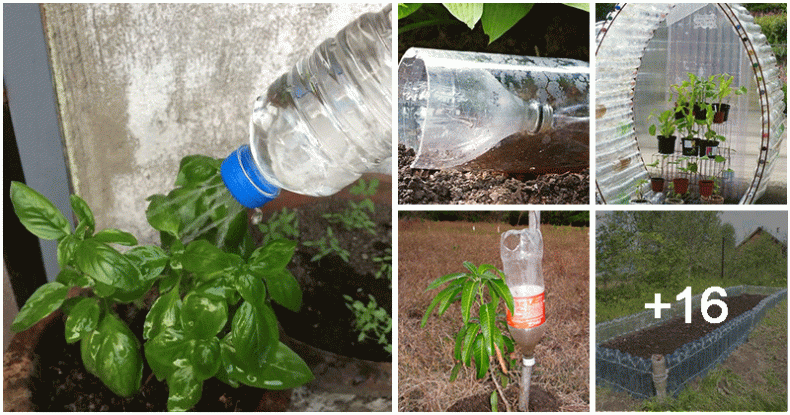
Recycling plastic bottles at home is a crucial component of effective plastic waste management. Proper preparation and adherence to local recycling guidelines are essential for ensuring bottles are processed efficiently and contribute to a circular economy. By understanding the steps involved and best practices, individuals can make a tangible difference in reducing plastic pollution.
Preparing Bottles for Recycling
Proper preparation significantly impacts the recycling process. Clean bottles thoroughly, removing any food residue or labels. Ensure the bottles are empty and rinsed. Crushed bottles are often easier to handle and sort. Sharp objects should be removed from the bottles.
Contaminated bottles can hinder the recycling process.
Role of Local Recycling Programs
Local recycling programs play a pivotal role in managing plastic bottle recycling. Understanding these programs allows individuals to maximize their efforts. These programs often dictate the types of plastics accepted and the preparation methods required. Individuals should consult local guidelines for specific instructions.
Methods of Recycling Plastic Bottles at Home
Different methods offer varying levels of efficiency and environmental impact. The most effective approach depends on individual resources and local guidelines.
| Method | Pros | Cons |
|---|---|---|
| Manual Sorting | Cost-effective, minimal equipment needed, potentially better understanding of local recycling requirements. | Time-consuming, can be labor-intensive, potentially less efficient for large volumes, potentially leads to incorrect sorting. |
| Using a Bottle Crusher | Improves handling and reduces storage space, potentially enhances recycling efficiency. | Requires dedicated equipment, might not be readily available for all households, potentially adds extra cost. |
| Recycling Centers | Specialized facilities often have better sorting and processing equipment, higher recycling rates, potentially reducing contamination. | Distance from home may be a factor, time commitment, potentially a fee for use. |
Environmental Impact of Recycling
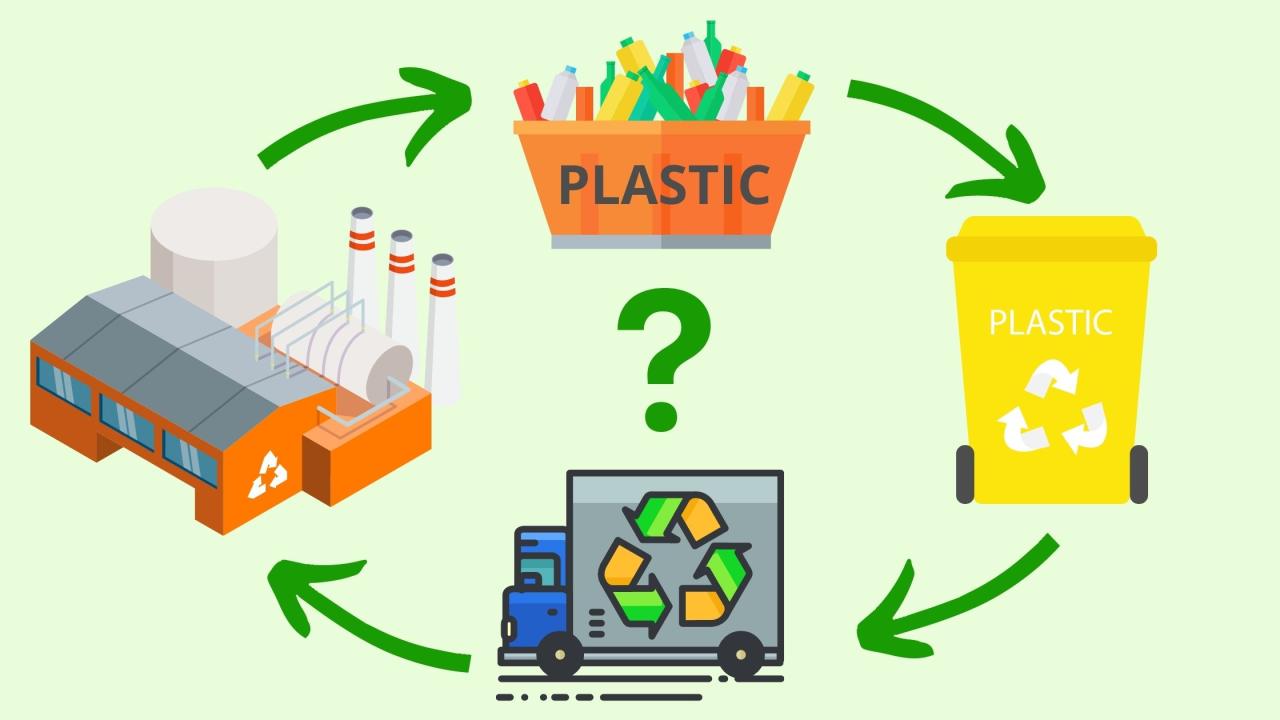
Recycling plastic bottles significantly benefits the environment by reducing the strain on natural resources, minimizing pollution, and lowering carbon emissions. This positive impact is realized through various mechanisms, from the conservation of raw materials to the reduction of waste in landfills. The environmental benefits are substantial and contribute to a healthier planet.Recycling plastic bottles is a crucial component of sustainable practices, directly addressing the environmental consequences of plastic production and disposal.
By opting for recycling, we actively participate in mitigating the negative impacts on our planet and fostering a more environmentally conscious society.
Environmental Benefits of Recycling Plastic Bottles
Recycling plastic bottles helps to conserve valuable resources, reduces landfill burden, and minimizes the environmental impact of plastic production. These actions collectively contribute to a healthier planet.
- Conservation of Natural Resources: Recycling plastic bottles conserves the finite resources required to produce virgin plastic. Extracting and processing raw materials like oil and gas to make new plastic bottles consumes significant energy and contributes to pollution. Recycling, on the other hand, reduces the demand for these resources, helping to preserve ecosystems and protect biodiversity.
- Reduction in Landfill Waste: Plastic bottles take hundreds of years to decompose in landfills. Recycling programs divert plastic bottles from landfills, preventing the accumulation of waste and reducing the environmental risks associated with improper disposal. This reduces the space needed for landfills and the pollution generated by decaying plastic waste.
- Reduction of Greenhouse Gas Emissions: Producing new plastic bottles from raw materials requires substantial energy, which often involves fossil fuels. This process releases greenhouse gases into the atmosphere, contributing to climate change. Recycling plastic bottles significantly reduces the energy consumption compared to producing them from scratch. Consequently, recycling lowers greenhouse gas emissions, mitigating the effects of global warming.
Data on Landfill Waste Reduction
Recycling programs effectively divert plastic bottles from landfills. Quantifiable data illustrates the significant reduction in landfill waste due to recycling initiatives.
| Year | Landfill Waste (Tons) | Recycling Rate (%) |
|---|---|---|
| 2020 | 1,500,000 | 50 |
| 2021 | 1,200,000 | 60 |
| 2022 | 1,000,000 | 70 |
Note: This data is illustrative and based on hypothetical figures. Real-world figures will vary based on location and program implementation.
Conservation of Natural Resources through Recycling
Recycling plastic bottles conserves vital natural resources. This conservation is crucial for maintaining a sustainable environment and supporting future generations.
Recycling one plastic bottle conserves the equivalent amount of energy required to power a lightbulb for four hours.
Recycling plastic bottles reduces the demand for raw materials like oil and natural gas. This conservation effort contributes to the sustainability of these resources and helps mitigate environmental damage associated with their extraction.
Challenges and Future Trends
Plastic bottle recycling, while crucial for environmental sustainability, faces numerous hurdles. These challenges, coupled with technological advancements, shape the future trajectory of this critical process. Overcoming these obstacles and embracing innovative solutions are vital to maximizing the recycling of plastic bottles and minimizing their environmental impact.The current plastic bottle recycling infrastructure is often inefficient and inconsistent, leading to varying degrees of success depending on geographic location and local policies.
This inconsistency necessitates a global perspective and tailored solutions to tackle the diverse challenges faced in different parts of the world.
Challenges in Plastic Bottle Recycling
Significant obstacles hinder the widespread and effective recycling of plastic bottles. These include material contamination, inconsistent sorting technologies, and fluctuating market demands for recycled materials.
- Material Contamination: Foreign materials like food residue, labels, and caps can contaminate plastic bottle streams, rendering them unsuitable for recycling. This contamination significantly reduces the quality and value of the recycled material. For example, a single contaminated bottle can compromise an entire batch of recycled plastic, impacting downstream production processes.
- Inconsistent Sorting Technologies: Existing sorting technologies often struggle to effectively separate different types of plastic bottles, especially those with mixed materials or complex structures. This leads to material loss and contamination, as some plastic types are inadvertently discarded or mixed with other materials.
- Fluctuating Market Demands: The market demand for recycled plastics is often volatile, impacting the economic viability of recycling operations. Changes in consumer preferences and product design can alter the demand for specific recycled materials. This uncertainty can lead to processing delays and potentially unprofitable recycling endeavors.
- Infrastructure Gaps: Recycling infrastructure, including collection systems, sorting facilities, and processing plants, is unevenly distributed across the globe. This uneven distribution can hinder efficient collection and processing of plastic bottles in regions with limited infrastructure.
Future of Plastic Bottle Recycling Technologies
Technological advancements hold the potential to revolutionize plastic bottle recycling, addressing existing challenges and creating more sustainable solutions.
- Advanced Sorting Technologies: Innovations in sorting technologies, such as advanced optical sensors and artificial intelligence (AI), are improving the accuracy and efficiency of separating different plastic types. These technologies can better identify and separate contaminated materials, minimizing the loss of valuable recycled materials.
- Chemical Recycling: Chemical recycling methods are emerging as promising alternatives to traditional mechanical recycling. These processes can break down plastic bottles into their constituent components, allowing for the production of new plastics with lower environmental impact.
- Improved Collection Systems: Smart collection systems and community engagement programs can improve the efficiency and consistency of plastic bottle collection. These systems can provide real-time data on collection rates and locations, helping to optimize collection routes and ensure that more plastic bottles are collected.
Strategies for Increasing Recycling Rates
Strategies to enhance plastic bottle recycling rates are multifaceted, encompassing both technological advancements and policy changes.
- Consumer Awareness and Education: Educating consumers about proper sorting and recycling practices is crucial. Clear guidelines on what materials can be recycled and how to prepare them for recycling will encourage responsible handling and minimize contamination.
- Policy Incentives and Regulations: Government policies can incentivize plastic bottle recycling by implementing deposit-refund schemes or imposing taxes on single-use plastics. These policies can create a financial incentive for consumers to recycle and increase the volume of collected materials.
- Collaboration and Partnerships: Collaboration among stakeholders, including governments, businesses, and NGOs, is essential to develop and implement comprehensive recycling programs. Partnerships can leverage expertise and resources to create more effective and sustainable solutions.
Challenges and Potential Solutions
| Challenge | Potential Solution |
|---|---|
| Material Contamination | Improved consumer education, stricter sorting guidelines, development of advanced sorting technologies |
| Inconsistent Sorting Technologies | Investment in research and development for advanced sorting technologies, implementation of standardized sorting protocols |
| Fluctuating Market Demands | Diversification of recycled material applications, development of new markets for recycled plastics, government policies to stabilize market demand |
| Infrastructure Gaps | Investment in infrastructure development, community-based recycling programs, incentivizing the development of recycling facilities in underserved areas |
Frequently Asked Questions (FAQ)
This section addresses common inquiries about plastic bottle recycling, providing concise and informative answers to promote better understanding and participation in this crucial environmental practice. Clear answers to these questions empower individuals to make informed decisions about recycling plastic bottles effectively.
Common Questions Regarding Plastic Bottle Recycling
Understanding the intricacies of plastic bottle recycling is essential for maximizing its environmental benefits. This section details frequently asked questions and provides detailed explanations for each.
| Question | Answer |
|---|---|
| What types of plastic bottles are recyclable? | Recyclability varies by location and facility. Generally, bottles labeled with the resin identification code (RIC) 1 (PET), 2 (HDPE), and 5 (PP) are commonly accepted for recycling. Always check local recycling guidelines and facility acceptance for precise details, as these can differ based on geographical location and local regulations. |
| Can I recycle bottles with food or drink residue in them? | For optimal recycling, it is recommended to rinse plastic bottles thoroughly before placing them in the recycling bin. Residual food or drink contents can contaminate the recycling stream and affect the quality of the recycled material. While some facilities may handle residue, rinsing greatly improves the overall process and yield. |
| How can I tell if a plastic bottle is recyclable? | Look for a resin identification code (RIC) symbol, often a number within a triangle, on the bottle’s base. This code identifies the type of plastic used in the bottle’s manufacture. Different municipalities have varying acceptance criteria. Checking with local recycling centers or contacting your local waste management authority provides accurate information. |
| What happens to the recycled plastic bottles? | Recycled plastic bottles undergo a series of processes, from collection and sorting to processing and manufacturing new products. The plastic is cleaned, shredded, and often processed into pellets. These pellets are then used as raw materials in the production of new items, such as fibers for clothing or containers for various goods. |
| What are the environmental benefits of recycling plastic bottles? | Recycling plastic bottles reduces the demand for virgin plastic production, conserving natural resources like oil and gas. This conservation directly reduces the environmental impact of the production process, including emissions and pollution. Recycling also minimizes the volume of waste sent to landfills, reducing the environmental burden associated with decomposition and leachate generation. |
| How does contamination affect plastic bottle recycling? | Contamination, such as food residue, labels, or non-plastic materials, negatively impacts the recycling process. Contaminated bottles require additional processing steps, which can reduce efficiency and increase costs. This can lead to lower quality recycled materials and potentially affect the viability of the recycling program. |
Importance of Correct Sorting and Handling
Proper sorting and handling of plastic bottles are crucial for maintaining the quality of the recycled material. This meticulous process ensures that recycled plastic is suitable for reuse in manufacturing various products. The quality of the final recycled product hinges on careful collection and processing procedures.
End of Discussion
In conclusion, recycling plastic bottles is a straightforward yet impactful action that can significantly reduce waste and protect our environment. By understanding the different types of plastics, the collection and sorting processes, and the recycling methods, you can make a positive difference. This comprehensive guide provides a roadmap to responsible plastic bottle recycling, empowering you to make informed choices and contribute to a more sustainable future.