Discarded clothing often ends up in landfills, contributing significantly to textile waste. Recycling old clothes offers a sustainable solution, reducing environmental impact and promoting resource conservation. This guide provides a comprehensive overview of various methods, from repurposing to finding local recycling centers, enabling you to effectively manage your old garments.
This guide explores the entire lifecycle of clothing, from its production to recycling, addressing environmental concerns and offering practical steps for responsible disposal and upcycling. We will examine different materials, recycling processes, and community initiatives to empower you with knowledge and tools for sustainable clothing management.
Introduction to Clothing Recycling
The textile industry is a significant contributor to global environmental challenges. Vast quantities of clothing are produced annually, leading to substantial waste. A substantial portion of this waste ends up in landfills, contributing to pollution and resource depletion. This waste also has a detrimental impact on ecosystems through the release of harmful greenhouse gases during the manufacturing and disposal processes.
Recycling old clothes is a crucial step in mitigating these negative impacts.Recycling old clothing offers numerous advantages. It conserves natural resources by reducing the need for new raw materials, minimizing pollution from textile manufacturing, and lessening the burden on landfills. This approach also helps to create a more sustainable fashion industry, promoting environmentally responsible practices throughout the supply chain.
These benefits extend to reducing the overall carbon footprint associated with the clothing lifecycle.
Disposal Methods of Old Clothes
The methods by which individuals and communities dispose of old clothing vary widely. Many individuals donate unwanted garments to charities or thrift stores. Other common practices include throwing clothes away in landfills, discarding them in bins or piles, or selling them to secondhand stores. These different approaches have varying degrees of environmental and social impact.
Methods for Recycling Clothes
There are diverse ways to recycle clothes, each with specific characteristics and outcomes. The most common methods include textile recycling programs, upcycling, and composting. Each approach has unique implications for the environment and society.
Table of Recycling Methods
| Method | Description | Materials | Benefits |
|---|---|---|---|
| Textile Recycling Programs | These programs collect used clothing and textiles, processing them to recover valuable materials like fibers for reuse in new products. | Used clothing, textiles, and fabrics | Reduces landfill waste, conserves resources, and promotes the creation of new products from recycled materials. Examples include the repurposing of old cotton t-shirts into cleaning cloths. |
| Upcycling | This involves transforming old clothes into new, more valuable items. | Used clothing, textiles, and fabrics | Reduces waste, creatively repurposes materials, and creates unique and desirable items. Examples include converting old jeans into bags or jackets into quilts. |
| Composting | Certain organic fabrics, such as natural fibers, can be composted, breaking them down into nutrient-rich soil. | Organic fabrics (e.g., cotton, linen) | Reduces textile waste, enriches soil, and contributes to sustainable agriculture. This method is most suitable for natural fabrics that do not contain synthetics. |
Types of Clothing Materials
Understanding the different textile materials used in clothing is crucial for effective recycling. This knowledge allows individuals and organizations to properly sort and process fabrics, maximizing their potential for reuse and minimizing environmental impact. Proper identification ensures that materials are directed to appropriate recycling streams, fostering sustainable practices in the fashion industry.
Common Textile Materials
Various materials are used in clothing production, each with unique characteristics and recycling potential. Cotton, polyester, wool, and silk are among the most prevalent. Understanding their individual properties is essential to effective recycling.
- Cotton: A natural fiber derived from the cotton plant, cotton is widely used due to its softness, breathability, and absorbency. Recycled cotton can be used in various products, from textiles to upholstery. Methods for recycling cotton include mechanical separation and chemical treatment, often combined to remove impurities and prepare the material for reuse.
- Polyester: A synthetic fiber known for its durability, wrinkle resistance, and affordability. Polyester is often blended with other materials to enhance these qualities. Polyester recycling often involves mechanical processes that separate the fibers and melt them down for reprocessing into new products, such as fleece jackets or plastic bottles. Sorting is crucial, as different types of polyester may have varying recycling processes.
- Wool: A natural fiber derived from sheep, wool is prized for its warmth, resilience, and breathability. Wool recycling can involve mechanical processes that clean and sort the fibers, preparing them for use in new garments or other textiles. The quality of recycled wool depends on the extent of processing and the original quality of the wool. Proper handling and cleaning prevent the spread of impurities.
- Silk: A natural protein fiber produced by silkworms. Silk is highly valued for its luxurious texture, sheen, and drape. Silk recycling often involves careful cleaning and sorting to maintain the fiber’s integrity. Methods may include mechanical processes to separate and clean the silk, potentially for reuse in high-end garments or other textiles. The potential for silk recycling is high, but the methods need to be delicate to avoid damaging the fiber.
Recyclability Comparison
The recyclability of different fabrics varies significantly. Factors such as the material’s composition, processing, and the availability of appropriate recycling facilities influence the success of the recycling process. Some materials are easier to recycle than others, often depending on the purity of the fabric.
| Material | Recycling Process | Challenges | Alternatives |
|---|---|---|---|
| Cotton | Mechanical separation and chemical treatment | Contamination from other fibers, inconsistent quality | Upcycling into home goods, repurposing into rags |
| Polyester | Mechanical separation, melting | Sorting complexities, material degradation | Repurposing into fleece jackets, plastic bottles |
| Wool | Mechanical cleaning and sorting | Dye removal, potential for damage | Use in carpets, insulation, felted products |
| Silk | Careful cleaning and sorting | Potential for damage during processing, high cost | Use in high-end garments, upholstery |
Clothing Recycling Methods
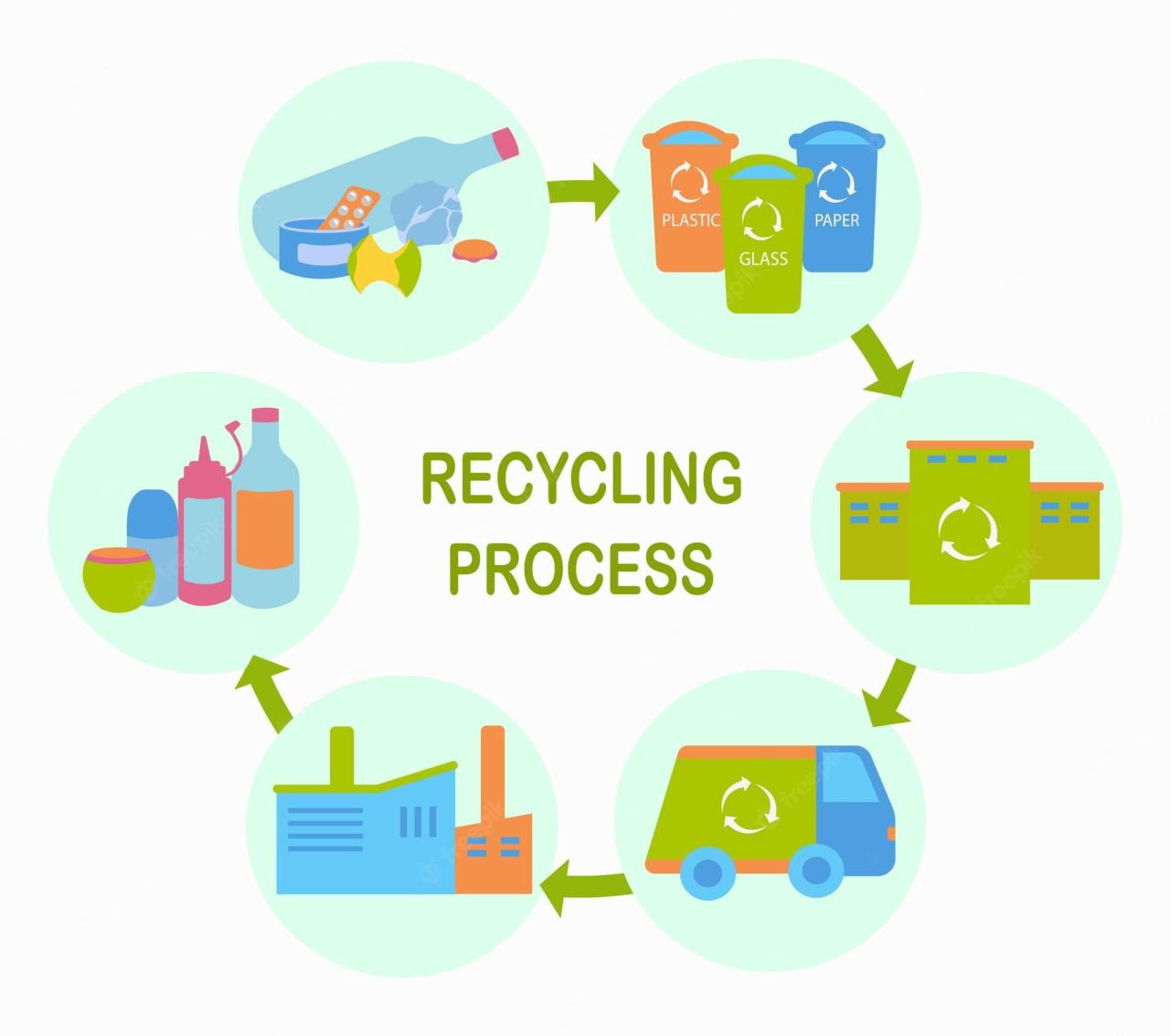
Recycling old clothes is crucial for minimizing textile waste and promoting sustainability. Proper disposal methods can prevent harmful environmental impacts and reduce the need for new fabric production. This section details various approaches to clothing recycling, encompassing repurposing and formal textile recycling programs.
Repurposing Old Clothes
Repurposing old clothes offers a creative and cost-effective method for extending their lifespan and reducing waste. It involves transforming garments into new items, maximizing their utility. This approach is highly beneficial as it diverts clothing from landfills and promotes resourcefulness.
- Creative Repurposing Ideas: Old t-shirts can be transformed into tote bags, pillowcases, or even patchwork quilts. Jeans can be upcycled into fashionable bags, skirts, or decorative wall hangings. Draped fabrics from discarded dresses can be used as unique tablecloths or decorative wall hangings.
Textile Recycling Centers
Textile recycling centers provide structured and organized pathways for managing discarded clothing. These centers are equipped to process various fabrics and materials, often diverting them from landfills. They may focus on specific types of materials or partner with organizations to handle large volumes of collected clothing.
- Types of Materials Accepted: Textile recycling centers often accept a wide range of clothing materials, including cotton, polyester, wool, and linen. The specific materials accepted can vary by center, so it’s essential to check with local facilities.
- Benefits of Textile Recycling Centers: Recycling through these centers can help reclaim valuable resources and materials from clothing, potentially reducing the environmental impact of new fabric production. This method often involves separating and sorting fabrics for reuse in various applications, such as stuffing for furniture or making new fabrics.
Donation Programs
Donating old clothes to charities or thrift stores is another practical recycling method. It extends the lifespan of clothing and provides opportunities for individuals in need. This approach can be highly effective in promoting social good alongside environmental sustainability.
- Charities and Thrift Stores: Numerous charities and thrift stores actively accept donations of gently used clothing. These organizations provide a platform to redistribute clothing, helping individuals who might not otherwise have access to new garments.
- Extended Lifespan: Donating old clothes allows them to be reused by others, extending their lifespan significantly. This approach helps reduce the demand for new clothing and the associated environmental impact of production.
Table of Clothing Recycling Methods
| Method | Steps | Materials Needed | Resulting Item |
|---|---|---|---|
| Repurposing (T-shirt to Tote Bag) | 1. Cut and prepare the t-shirt. 2. Add handles or straps. 3. Stitch together. | Old t-shirt, fabric scissors, sewing machine (or needle and thread), handles/straps | Tote bag |
| Textile Recycling Center | 1. Gather old clothes. 2. Check center’s guidelines for acceptable items. 3. Deliver clothes to the center. | Old clothes, bags/containers for transportation. | Recycled textiles/materials for various applications. |
| Donation to Charity | 1. Sort and clean the clothing. 2. Deliver to a local charity or thrift store. | Old clothes, bags/containers for transportation. | Gently used clothing for individuals in need. |
Finding Recycling Centers
Discovering local clothing recycling centers or drop-off points is a crucial step in responsible clothing management. Knowing where to take your unwanted garments ensures they are properly processed and prevents them from ending up in landfills. Efficient recycling programs help minimize environmental impact and promote sustainable practices.
Locating Recycling Centers
Effective identification of clothing recycling programs begins with utilizing online resources. Numerous websites provide comprehensive directories of local recycling centers, drop-off points, and donation organizations. These online tools often include detailed maps and contact information, streamlining the search process.
Online Resources for Recycling Options
Numerous online platforms offer convenient access to recycling options. Search engines and dedicated environmental websites can provide comprehensive listings of clothing recycling programs. These programs often specify the types of materials accepted, facilitating informed decision-making. Examples include local government websites, environmental organizations’ websites, and community forums. These resources are particularly useful for finding specific recycling programs in your area.
Donating Clothes to Charities
Charitable organizations play a vital role in clothing recycling. Donating clothes to local charities often provides an efficient and reliable way to recycle garments. Many charities have specific donation guidelines and processes, so understanding these details is essential. This approach can help support local communities while contributing to a sustainable environment.
Recycling Center Directory
| Location | Contact Information | Accepted Materials | Donation Guidelines |
|---|---|---|---|
| Local Goodwill | (123) 456-7890 | Most clothing types, shoes, and small household items | Clean, gently used items. Check their website for specific guidelines on donation. |
| Green Earth Recycling Center | (987) 654-3210 | Textiles, fabrics, and other recyclable materials. | Pre-sort materials according to the center’s guidelines. Check their website for details on donation processes. |
| Community Clothing Bank | (555) 123-4567 | Gently used clothing, shoes, and accessories. | Ensure items are clean and in good condition. Specific guidelines regarding the condition of items are available on their website. |
| [Your Local Community Center] | [Contact Information] | [Accepted Materials] | [Donation Guidelines] |
Repurposing and Upcycling Techniques
Transforming old clothing into new, useful items is a fantastic way to reduce textile waste and showcase creativity. Upcycling allows for the transformation of discarded garments into something fresh and unique, maximizing the lifespan of the materials and promoting a more sustainable approach to fashion. This process not only conserves resources but also sparks imagination and fosters a sense of personal satisfaction.Repurposing old clothes is more than just recycling; it’s about reinventing discarded garments into new and valuable items.
By utilizing various upcycling techniques, individuals can breathe new life into their old clothes, creating unique and functional items that align with their personal style and environmental values. This process allows for creativity and innovation, while minimizing the impact on landfills.
Different Upcycling Techniques for Clothing
Various methods can transform old garments into new creations. These techniques include, but are not limited to, patchwork, sewing, and deconstruction. Each method offers distinct possibilities for altering and reinventing clothing.
Patchwork
Patchwork involves combining different pieces of fabric, often from old garments, to create a new design. This technique is particularly well-suited for creating quilts, bags, or even new garments with a unique and eclectic style.
“Patchwork is a fantastic way to give old clothes a new life, transforming them into one-of-a-kind items.”
The beauty of patchwork lies in its ability to create a new aesthetic from the collection of old fabrics, often highlighting the textures and colors of the original garments.
Sewing
Sewing offers a wide array of possibilities for repurposing old clothes. Transforming old shirts into bags, skirts, or even headwear is achievable with sewing skills. The possibilities are limited only by the creativity of the individual.
“Sewing allows for the complete reimagining of garments, transforming them into new pieces of clothing or accessories.”
This technique allows for a more precise and controlled alteration of the original garment, offering more flexibility in terms of design and functionality.
Deconstruction
Deconstruction is a method that involves dismantling an existing garment to extract usable materials, which can then be used to create new items. This technique is particularly useful for items with intricate patterns or high-quality fabrics. The materials can be used to create accessories, or even incorporated into the construction of new garments.
“Deconstructing garments allows for the creative reuse of high-quality fabrics and embellishments, offering the opportunity to create new pieces with a unique look and feel.”
Deconstructing clothes allows the reuse of valuable materials, and it’s a way to explore and innovate with the existing fabrics and designs.
Repurposing Clothing Projects
Here are some examples of clothing repurposing projects:
- Transforming an old t-shirt into a tote bag: Cut and sew the shirt into a bag, adding handles for carrying. The tote bag can be customized with additional decorations or embellishments.
- Turning old jeans into a skirt: Deconstruct old jeans and use the fabric to create a skirt, possibly adding details such as lace or embroidery.
- Creating a patchwork quilt from old shirts and blouses: Gather old shirts and blouses in various colors and patterns. Cut them into squares or rectangles and sew them together to create a unique and warm quilt.
Advantages of Upcycling Over Traditional Recycling
Upcycling offers several advantages over traditional recycling. It fosters creativity and individuality, transforming waste into desirable items, whereas traditional recycling often results in the loss of the original garment’s design and form.
- Reduced Waste: Upcycling minimizes textile waste by maximizing the use of existing materials, whereas traditional recycling often involves discarding the material entirely after its initial use.
- Increased Creativity: Upcycling encourages the creative reuse of materials, fostering unique designs and personal expressions.
- Enhanced Value: Upcycled items can often command higher value compared to traditionally recycled materials due to their unique designs and creative repurposing.
Environmental Impact of Clothing Recycling
Clothing recycling plays a crucial role in mitigating the significant environmental footprint of the fashion industry. By diverting used garments from landfills and repurposing materials, we can lessen the strain on natural resources and reduce harmful emissions throughout the textile life cycle. This process directly contributes to a more sustainable future.Recycling old clothes reduces the environmental impact of textile production by minimizing the demand for new raw materials.
This translates into fewer greenhouse gas emissions, less water consumption, and a smaller overall ecological footprint.
Reduced Landfill Waste
The textile industry generates a considerable amount of waste, a significant portion of which ends up in landfills. This poses a serious environmental problem, as decaying textiles release harmful greenhouse gases like methane and contribute to soil and water contamination. Recycling programs help to prevent this waste from accumulating, thereby protecting natural ecosystems and reducing the overall environmental burden.
Conserving Resources
Producing new textiles from raw materials requires substantial energy and resources. Recycling clothes allows us to recover valuable fibers, reducing the need to extract virgin materials. This conservation effort directly impacts resource depletion and the associated environmental damage. For example, recycling cotton saves significant amounts of water and pesticides compared to growing new cotton. Repurposing existing materials also minimizes the demand for chemical treatments and dyes, contributing to a more environmentally friendly production process.
Reduced Textile Pollution
The textile industry is a significant source of pollution, stemming from the production processes, including dyeing and finishing. Recycling clothes helps to reduce this pollution by diverting contaminated wastewater and minimizing the use of harmful chemicals. This reduction in pollution benefits both human health and the environment. For example, using recycled polyester in new products decreases the reliance on virgin oil, thus lessening the impact on oil reserves and associated pollution.
Reduced Carbon Emissions
The production of new clothing from raw materials contributes substantially to carbon emissions. Recycling existing clothes drastically reduces these emissions by avoiding the energy-intensive processes involved in creating new garments. Recycling existing clothes avoids the release of greenhouse gases in the textile manufacturing process, thus reducing the overall environmental impact. A life cycle assessment of a recycled garment often shows a substantially lower carbon footprint compared to a newly manufactured garment.
Life Cycle Assessment of Clothing
A life cycle assessment (LCA) of clothing examines the environmental impact of a garment from its raw material extraction to its disposal. Recycling significantly alters this assessment. By extending the life of garments and diverting them from landfills, recycling minimizes the environmental damage throughout the entire life cycle. The LCA demonstrates that recycled clothing frequently exhibits a lower environmental impact compared to newly produced clothing, emphasizing the importance of clothing recycling programs.
Community Initiatives and Programs
Community-based clothing recycling programs are vital for maximizing the positive impact of recycling efforts. These initiatives not only divert clothing waste from landfills but also provide valuable resources for those in need. They often foster a sense of community responsibility and engagement, encouraging active participation in environmental stewardship.
Examples of Community-Based Clothing Recycling Programs
Community-based clothing recycling programs can take many forms. Some programs collect donations for local charities or shelters, while others focus on upcycling and repurposing old garments for reuse. These initiatives can be spearheaded by local organizations, schools, or even individual volunteers.
- Many community centers and libraries host clothing drives. These drives often partner with local shelters or charities, providing much-needed clothing to those in need. The donated clothing is sorted, cleaned, and distributed based on need.
- Some schools implement clothing recycling programs as part of their environmental education initiatives. Students and teachers participate in collecting old clothes, which are then donated to shelters or reused in crafting projects.
- Volunteer groups or local businesses can organize clothing swaps. These swaps allow people to exchange unwanted clothes for new items, reducing textile waste and promoting sustainable fashion practices.
- Certain organizations might facilitate collaborations with textile recycling businesses, creating opportunities for proper disposal and material recovery, such as turning old garments into reusable fibers.
Local Initiatives Focused on Clothing Recycling
Identifying local initiatives focused on clothing recycling often involves researching local organizations, contacting community centers, and checking online platforms. Government websites and community bulletin boards can provide details about clothing recycling programs.
Roles of Community Groups in Clothing Recycling
Community groups play multifaceted roles in clothing recycling initiatives. They can raise awareness about the importance of recycling, collect donations, sort and clean clothing, and ensure proper distribution to those in need. These groups also often educate the community on the environmental impact of textile waste and encourage sustainable practices.
Table of Community Clothing Recycling Programs
| Organization | Program Details | Target Audience | Contact Information |
|---|---|---|---|
| Local Community Center | Monthly clothing drive partnering with local shelters. Clothes are sorted, cleaned, and distributed to those in need. | General public; individuals looking to donate clothes. | (Phone Number) or (Email Address) |
| Green Friends Environmental Club (School) | School-wide clothing recycling program, with collected clothing donated to a local women’s shelter. | Students, faculty, and staff of the school. | (Email Address) |
| Neighborhood Association | Organized clothing swap events, allowing community members to exchange unwanted clothes for new items. | Neighborhood residents. | (Website/Social Media Link) |
| Textile Recycling Company | Partnership with local businesses to collect old clothes for material recovery and reuse in new products. | Businesses and individuals with large amounts of clothing. | (Website/Contact Form) |
Clothing Recycling for Specific Needs
Recycling old clothes offers a multitude of benefits beyond simply reducing landfill waste. It extends to specific needs, allowing us to repurpose materials for practical applications and support vulnerable communities. This section will explore various methods of recycling clothes for diverse purposes, from crafting useful items to ensuring equitable access to resources.
Recycling Clothes for Practical Applications
Repurposing old clothing materials can create valuable and practical items. The process often involves simple techniques that require minimal resources.
- Making Rags and Cleaning Cloths: Many fabrics, such as cotton and linen, are excellent for creating durable rags and cleaning cloths. These items are highly useful in households and workplaces, minimizing the need for new disposable cleaning supplies. Carefully sorting items for desired durability and softness is key. Old t-shirts and towels are excellent candidates.
- Crafting Upholstery and Padding: Old clothing can be transformed into stuffing for furniture or cushions. This process often involves shredding or cutting fabrics into smaller pieces and combining them to create soft filling material. This is particularly effective for repurposing items like jackets or blankets.
- Creating Insulation and Warmth: Fleece, wool, and other insulating fabrics can be used to create warm blankets or insulation materials for cold weather. This method involves layering and combining the materials to ensure optimal insulation. A key consideration is the need to check for damage or deterioration.
Recycling Baby Clothes
Recycling baby clothes is an important aspect of sustainable practices. The delicate nature of baby garments and the need to maintain hygiene during handling must be addressed carefully.
- Sorting and Cleaning: Before recycling, baby clothes should be thoroughly washed and inspected for any damage or stains. Sorting clothes by size and material is also crucial for effective repurposing. Consider the material composition and any potential allergies.
- Donating or Reselling: Many organizations and individuals accept gently used baby clothes. This is an excellent option to extend the life of these items. Websites and local groups often facilitate the process.
- Repurposing for Rags or Other Uses: Fabric scraps or smaller items can be used for craft projects or other creative endeavors. Ensure the fabrics are clean and free from harmful substances.
Recycling for Vulnerable Populations
Clothing recycling significantly benefits vulnerable populations. It provides access to necessary resources, promotes self-sufficiency, and helps reduce environmental impact.
- Providing Warmth and Shelter: Recycled clothing can be a valuable source of warmth and protection for individuals experiencing homelessness or living in poverty. It allows them to manage harsh weather conditions. Clothes are often distributed through shelters or outreach programs.
- Promoting Community Support: Clothing recycling initiatives can foster community support and engagement. People can come together to collect and distribute clothes to those in need.
Recycling Damaged or Worn Clothes
Damaged or worn-out clothing can still contribute to a circular economy. Different approaches are suitable for various situations.
- Repurposing for Cleaning Cloths: Damaged or worn-out fabrics can be excellent for making cleaning cloths. The material’s durability and absorbency remain useful even after damage.
- Creating Rugs or Other Decorative Items: A patchwork of damaged or worn clothes can be transformed into unique rugs or decorative items. The creative use of fabrics adds character and originality to the finished product.
- Donation to Organizations: Some organizations collect damaged clothes to be reused or repurposed in other projects. This ensures that resources are not wasted.
Future of Clothing Recycling
The future of clothing recycling is poised for significant transformation, driven by technological advancements and evolving societal awareness. This evolution promises a more sustainable and efficient approach to textile waste management, potentially reducing the environmental impact of the fashion industry. Emerging technologies and innovative materials are reshaping the landscape, creating exciting possibilities for recycling and reuse.The increasing recognition of the environmental consequences of textile production and disposal is fostering a global push towards sustainable practices.
This includes a heightened focus on recycling, repurposing, and upcycling old clothes. This trend will continue to drive innovation in the field, ensuring that more and more clothing can be given a second life.
Emerging Technologies in Clothing Recycling
Technological advancements are rapidly transforming clothing recycling processes. Automated sorting systems, utilizing artificial intelligence (AI) and computer vision, are becoming increasingly sophisticated. These systems can identify and separate different fabric types with greater precision, enabling more efficient recycling and reducing contamination. This automation will lead to a more streamlined and scalable recycling process. For example, AI-powered systems can analyze fabric composition in real time, ensuring that different materials are separated for optimal recycling outcomes.
Potential of New Materials in Clothing Recycling
The development of innovative materials is expanding the scope of clothing recycling. Bio-based fabrics, derived from natural sources like seaweed or mushrooms, offer a sustainable alternative to traditional synthetic fibers. These materials are increasingly being incorporated into clothing production and, importantly, their biodegradability makes them easier to recycle. Additionally, advancements in polymer chemistry are creating new methods for recycling synthetic fabrics.
For example, innovative technologies are enabling the extraction of recycled polyester from discarded plastic bottles, offering a circular economy approach to material sourcing. The growing use of these materials will enhance the possibilities for effective clothing recycling.
Future of Clothing Recycling Practices
Future clothing recycling practices will likely involve a combination of existing and emerging technologies. Centralized collection points, coupled with sophisticated sorting systems, will be more common. Consumer awareness and participation will also play a crucial role. Encouraging consumers to sort their textiles at home and use designated recycling programs will enhance efficiency. This will encourage better segregation and reduce contamination in the recycling stream.
For example, the rise of clothing swaps and secondhand markets is promoting a shift in consumer behavior, emphasizing the importance of extending the lifespan of garments.
Global Impact of Clothing Recycling
The global impact of clothing recycling extends beyond environmental benefits. It creates new job opportunities in the recycling industry and contributes to economic growth. Recycling facilities, both large and small, can create jobs in areas where textile production and disposal are prevalent. It also promotes circularity in the fashion industry, reducing reliance on virgin resources and promoting a more sustainable approach to production.
For instance, the increase in recycled textile production has the potential to lower the environmental footprint of the industry and reduce dependence on finite resources.
Conclusive Thoughts
In conclusion, recycling old clothes is a vital step towards a more sustainable future. By understanding the various methods, finding local resources, and embracing creative repurposing techniques, you can significantly reduce textile waste and minimize the environmental footprint of your clothing choices. This guide equips you with the knowledge and resources to make informed decisions and contribute to a greener tomorrow.