Old tires, once vital for transportation, often end up in landfills, contributing to environmental issues. Fortunately, a wealth of creative and practical solutions exist for repurposing these discarded tires. This guide explores a wide range of innovative ways to transform old tires into useful objects, from functional furniture to artistic creations, and even commercial applications.
This comprehensive resource details the environmental, economic, and practical aspects of tire reuse. We delve into the benefits of responsible waste management, showcasing how reusing old tires can create beautiful, sustainable solutions for various needs. From community initiatives to innovative DIY projects, we’ll explore the entire spectrum of tire reuse.
Introduction to Tire Reuse
The global reliance on automobiles has led to a significant increase in tire production and, consequently, the accumulation of discarded tires. This discarded material poses a substantial environmental concern. Tire reuse offers a crucial pathway to mitigate this problem and foster a more sustainable approach to waste management.The environmental impact of improperly disposed tires is substantial. Landfills often lack the capacity to effectively manage these bulky items, leading to visual pollution and potential environmental hazards.
Tire fragments can contaminate soil and water sources, hindering agricultural productivity and impacting aquatic ecosystems. Moreover, the decomposition of tires in landfills releases harmful greenhouse gases, contributing to climate change. Responsible reuse strategies can mitigate these negative consequences.
Environmental Benefits of Tire Reuse
Tire reuse significantly reduces the environmental burden associated with traditional disposal methods. By repurposing old tires, we lessen the demand for new rubber, thereby decreasing the extraction of natural resources and associated pollution from the production process. This conservation effort directly contributes to the preservation of natural habitats. Reduced landfill space requirements also minimize the environmental degradation caused by waste management facilities.
Global Tire Disposal Problem
The global production of tires continues to rise, and with it, the volume of discarded tires needing proper disposal. The problem is not limited to developed nations; developing countries often lack the infrastructure and resources to handle the waste effectively. This can lead to illegal dumping and uncontrolled disposal sites, negatively impacting both human health and the environment.
A sustainable approach to tire disposal is vital.
Importance of Responsible Waste Management Practices
Responsible waste management is crucial for safeguarding the environment. Proper handling and disposal of waste materials like tires are essential to prevent contamination and pollution. Tire reuse initiatives play a vital role in responsible waste management, offering an alternative to traditional disposal methods. Such initiatives are integral in achieving sustainable development goals.
Existing Tire Reuse Methods
Various innovative approaches are already being employed to repurpose old tires. These range from utilizing tire rubber in road construction and creating playground surfaces to transforming them into durable products like garden edging and planters. Tire shreds are also used as a material for various construction projects. These creative applications demonstrate the untapped potential for tire reuse.
- Road Construction Materials: Tire rubber can be ground into crumb rubber, which is then mixed with asphalt to create durable and cost-effective road surfaces. This approach reduces the need for virgin asphalt and minimizes landfill burden.
- Playground Surfaces: Crumb rubber from tires can be used to create safe and durable surfaces for playgrounds and other recreational areas. This material offers superior shock absorption compared to traditional surfaces.
- Garden Edging and Planters: Repurposed tires can be transformed into unique and long-lasting garden edging and planters. This creative reuse method provides a sustainable and aesthetically pleasing option for landscaping.
- Construction Materials: Tire shreds are often used in various construction projects, from building foundations to creating sound barriers. This reduces the reliance on virgin materials and minimizes waste.
History of Tire Reuse Initiatives
Tire reuse initiatives have a long history, driven by the need to address environmental concerns and explore innovative waste management strategies. Early efforts focused on finding creative ways to repurpose discarded tires, showcasing a growing awareness of the environmental impact of improper waste disposal. These early efforts paved the way for more sophisticated and widespread tire reuse programs.
The need to address the growing problem of tire waste has led to increased research and development in tire reuse technologies.
“Early tire recycling initiatives focused on the creation of simple products like garden planters and playground surfaces, showcasing the potential of tire reuse in addressing waste and environmental concerns.”
Creative Uses for Old Tires
Transforming discarded tires into functional and aesthetically pleasing objects offers a practical and environmentally conscious solution. Repurposing old tires allows for a unique approach to sustainable design, extending the life of a resource and reducing landfill waste. This approach fosters creativity and resourcefulness, turning discarded materials into valuable assets.Old tires, often perceived as waste, can be repurposed into a multitude of useful items.
The robust nature of rubber allows for various applications, from outdoor furniture to artistic creations. This section explores the diverse ways old tires can be transformed, showcasing innovative crafting techniques and real-world examples.
Outdoor Furniture
Repurposing tires for outdoor furniture provides a durable and often inexpensive solution. The strength and weather resistance of rubber make it ideal for seating, tables, and other outdoor structures. The process involves careful cutting, shaping, and often reinforcing the tires to create functional pieces.
- Tire benches: These can be simple, using a single tire, or elaborate, involving multiple tires stacked and connected. A tire bench can be easily customized with paint, fabric, or other decorative elements to match the surrounding décor.
- Tire tables: Similar to benches, tire tables can be constructed by cutting and shaping tires to form the table top and base. They can be painted or stained for a unique aesthetic.
- Tire chairs: Cutting and shaping tires to create comfortable seating options requires careful planning. The size and shape of the tire will determine the final design and comfort of the chair.
- Tire planters: Tires can also be used as planters, providing a unique look and adding a touch of rustic charm to any garden. Planting a variety of flowers and plants can be done to add vibrancy to the tire planter.
Garden Decorations and Planters
Old tires can be transformed into eye-catching garden decorations and functional planters. The versatility of rubber allows for creative shaping and designs, adding character to outdoor spaces. These projects can range from simple to elaborate, depending on the desired aesthetic and available resources.
- Tire bird baths: Tires can be fashioned into decorative bird baths. A simple tire, cut and shaped with a hole for drainage, can be painted or stained to enhance its appeal and functionality.
- Tire planters: Old tires can be used as planters, offering a rustic and unique touch to garden beds. Adding soil and planting flowers or herbs creates a charming and functional element.
- Tire mosaics: Old tires can be painted and decorated with mosaics, creating a visually striking garden decoration. This requires careful planning and preparation of the tire surface.
Tire Swings and Play Equipment
Tires can be repurposed into engaging and durable play equipment, providing hours of fun for children and adults. The robust nature of rubber ensures safety and longevity for these outdoor activities.
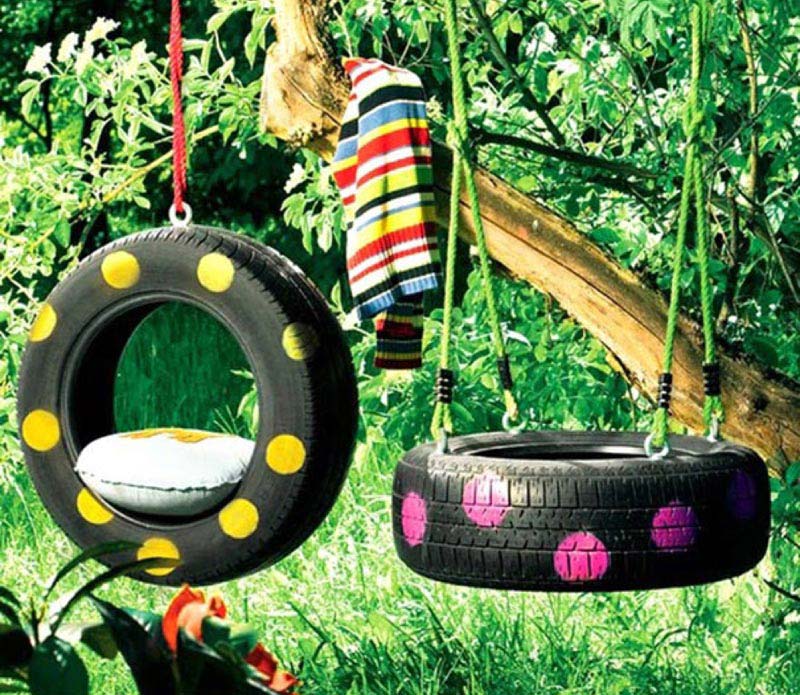
- Tire swings: Tires can be hung from trees or sturdy structures to create fun swings. Appropriate safety measures, such as secure mounting and straps, should be implemented for safe use.
- Tire slides: Cutting and shaping tires can create exciting slides for children’s play areas. Safety features like smooth surfaces and proper support are essential.
- Tire obstacle courses: Multiple tires can be used to create engaging and challenging obstacle courses, offering opportunities for physical activity and play.
Raised Garden Beds and Landscaping Elements
Tires provide a unique and sustainable way to create raised garden beds and other landscaping elements. Their durable nature and water retention properties make them ideal for this purpose.
- Raised garden beds: Tires can be used as a base for raised garden beds, allowing for easy access and efficient use of space. Soil and plants can be added to create a productive and attractive gardening area.
- Tire retaining walls: Multiple tires can be stacked and secured to create retaining walls, providing support for slopes and adding aesthetic appeal.
- Tire pathways: Tires can be laid out to create attractive pathways within gardens, offering a unique and visually appealing addition to the landscaping design.
Artistic Projects
Tires can serve as a versatile canvas for artistic expression. Their unique shape and texture can be utilized to create various art forms.
- Tire sculptures: Tires can be sculpted and shaped to create intricate designs and sculptures. Painting, staining, or adding other decorative elements can further enhance the artistic expression.
- Tire mosaics: Old tires can be painted and decorated with mosaics, creating a visually striking garden decoration. This requires careful planning and preparation of the tire surface.
DIY Projects Using Old Tires
Repurposing old tires into functional and decorative items is a fantastic way to reduce waste and add unique flair to your outdoor spaces. These projects not only transform discarded rubber into useful pieces but also contribute to environmental responsibility. By following the detailed steps and safety guidelines Artikeld below, you can confidently embark on these creative endeavors.
Tire Planter
Tire planters offer a simple yet impactful way to cultivate your favorite plants. They are surprisingly versatile, suitable for a wide range of plants and aesthetic styles. This project is relatively straightforward, requiring basic tools and materials.
- Preparation: Carefully clean the tire, removing any debris or dirt. Mark the desired planting area on the tire’s surface.
- Drainage Holes: Drill several drainage holes in the bottom of the tire to prevent waterlogging. The size and number of holes should be appropriate to the type of plant being grown.
- Base Layer: Place a layer of gravel or broken pottery shards in the bottom of the tire. This layer will provide essential drainage and prevent soil compaction. A 2-3 inch layer is typically sufficient.
- Potting Mix: Fill the tire with a suitable potting mix, ensuring it’s rich in nutrients and well-draining. Avoid using heavy clay soil.
- Planting: Carefully place the plants in the prepared tire, ensuring they are properly spaced. Add more potting mix as needed to fill any gaps.
- Finishing Touches: Add mulch around the base of the plants to retain moisture and suppress weeds. Consider adding decorative accents to the planter, such as paint or pebbles.
Tire Swing
Transforming an old tire into a sturdy and engaging tire swing is a rewarding project. The swing’s longevity and unique charm make it a desirable addition to any outdoor play area.
- Securing the Tire: Find a sturdy tree branch or a designated swing frame to hang the tire from. Ensure the mounting point is strong enough to support the swing’s weight.
- Fastening the Rope: Drill holes around the tire’s perimeter to securely fasten ropes or chains. Use a sturdy material capable of withstanding the weight of a person or children. Ensure proper spacing between the attachment points.
- Safety Precautions: Use thick ropes or chains that are rated for the intended weight capacity. Check the tire for any sharp edges or potential hazards before installation.
- Testing the Swing: Before allowing anyone to use the swing, thoroughly test its stability and safety. Ensure that the mounting point is secure and the ropes are not frayed or damaged.
Tire Bench
Creating a tire bench combines functionality with rustic charm. It’s a surprisingly easy project, suitable for a variety of outdoor spaces.
- Preparation: Clean the tire thoroughly and prepare the desired seating area.
- Cutting and Shaping: Cut the tire to the desired dimensions, ensuring the cut surfaces are smooth. Cut away any unnecessary parts, and create a flat seating area.
- Adding Supports: Install supports to reinforce the bench structure, particularly if the tire is large. This will prevent sagging and ensure stability. Use wood planks or metal rods.
- Finishing: Paint or stain the bench to match the desired aesthetic. Use protective coatings to ensure durability.
Tire Flower Bed
Designing a tire flower bed offers a distinctive and visually appealing way to add a touch of nature to any outdoor setting. Tire flower beds are highly adaptable, allowing you to design a unique planter that suits your specific needs and style.
- Preparing the Tire: Thoroughly clean the tire, ensuring all debris is removed.
- Drainage System: Create drainage holes in the tire’s bottom to prevent waterlogging. This will ensure optimal growth conditions for the plants.
- Adding Soil and Planting: Fill the tire with a rich and well-draining potting mix. Carefully select plants suitable for the chosen location and planting area.
- Maintenance: Regularly water and fertilize the plants. Ensure the potting mix is kept moist but not waterlogged.
Materials List and Safety Precautions
The necessary materials and safety precautions vary depending on the specific project. Here’s a general guideline:
| Project | Materials | Safety Precautions |
|---|---|---|
| Tire Planter | Tire, potting mix, gravel, plants, tools (shovel, trowel, drill) | Wear safety glasses and gloves while drilling. Ensure proper ventilation. |
| Tire Swing | Tire, ropes/chains, mounting hardware, tools (drill, pliers) | Use appropriate safety equipment and inspect all materials before use. |
| Tire Bench | Tire, wood planks/metal rods, tools (saw, drill, screws) | Use caution when cutting and drilling the tire. Ensure the supports are strong enough. |
| Tire Flower Bed | Tire, potting mix, plants, tools (shovel, trowel) | Use gloves to protect hands during handling. |
Commercial Applications of Tire Reuse
Tire reuse offers significant economic and environmental benefits. By diverting used tires from landfills and repurposing them, we can reduce waste and create valuable products. This approach also minimizes the demand for virgin materials, thus preserving natural resources. The commercial applications of tire reuse are diverse and offer profitable avenues for businesses and industries.Tire recycling and reuse generate substantial economic benefits.
The reduction in landfill space requirements, the decrease in the demand for virgin materials, and the creation of new products and job opportunities all contribute to a positive economic impact. This positive feedback loop demonstrates the potential of sustainable practices to boost the economy.
Economic Benefits of Tire Recycling
Tire recycling initiatives often yield substantial economic benefits, both directly and indirectly. These include reduced landfill costs, the creation of new job opportunities in recycling plants and related industries, and the lower costs associated with sourcing raw materials for products derived from recycled tires. Furthermore, recycling reduces the environmental footprint of the tire industry and fosters a more sustainable economy.
Tire Shredding and its Applications in Road Construction
The process of tire shredding is crucial in the commercial reuse of tires. Shredded tires are transformed into a granular material, which can be incorporated into various construction applications. This process involves crushing the tires into smaller pieces, often through specialized equipment. The resulting material is then used as a filler or additive in asphalt mixes for road construction, improving the durability and cost-effectiveness of the roads.
Shredded tires can also be used in other road construction applications.
Tire-Derived Products in Construction and Other Industries
Shredded tires are a versatile material finding use in a variety of construction applications. They are commonly incorporated into asphalt mixtures for road surfacing, offering cost savings and enhanced road performance. Furthermore, shredded tires can be used in the production of rubberized materials, which are used in playgrounds and sports fields, offering improved safety and durability. These rubberized materials are also used in other construction and industrial settings.
Role of Tire Recycling Plants
Tire recycling plants play a critical role in the entire reuse process. These facilities employ specialized equipment for shredding, cleaning, and processing tires, preparing them for various applications. Properly managed recycling plants ensure that the recycled materials are consistently high quality and meet the standards required for various end-uses.
Companies Involved in Tire Recycling
Numerous companies are involved in tire recycling and the production of tire-derived products. These companies often specialize in different stages of the process, from collection and shredding to the manufacturing of final products. Identifying and collaborating with these companies is crucial for efficient tire recycling and reuse. Examples of companies engaged in this process vary by region and specialize in different aspects of tire recycling.
Uses of Shredded Tires in Various Applications
| Application | Use of Shredded Tires |
|---|---|
| Road Surfacing | Shredded tires are often blended with asphalt to create a more durable and cost-effective road surface. |
| Playground Surfacing | Rubberized materials made from shredded tires are used to create safe and resilient playground surfaces. |
| Construction Fill | Shredded tires can serve as a cost-effective fill material for various construction projects. |
| Erosion Control | The use of shredded tires can help in erosion control and soil stabilization projects. |
Environmental Impact of Tire Reuse
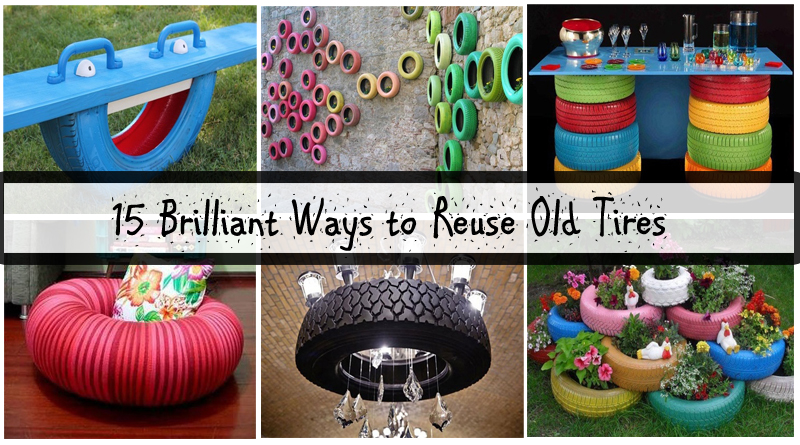
Tire reuse offers significant environmental benefits, reducing the strain on natural resources and minimizing pollution. By diverting old tires from landfills and repurposing them, we can lessen the environmental footprint associated with traditional disposal methods. This approach not only conserves resources but also mitigates greenhouse gas emissions, contributing to a healthier planet.The environmental impact of tire reuse is multifaceted, encompassing the reduction of landfill waste, conservation of raw materials, and mitigation of greenhouse gas emissions.
The shift towards tire reuse demonstrates a crucial step towards sustainable practices in the manufacturing and disposal sectors.
Comparison to Traditional Disposal Methods
Traditional disposal methods for old tires often lead to environmental problems. Landfills can contaminate groundwater and soil, releasing harmful gases into the atmosphere. Improperly disposed tires can become breeding grounds for pests and contribute to visual pollution. Tire reuse, in contrast, offers a more sustainable alternative. By diverting tires from landfills and finding creative applications for them, we can prevent these environmental damages.
Reduction in Landfill Waste
Tire reuse directly reduces the volume of waste sent to landfills. Landfills are often overflowing, and the disposal of tires adds to this problem. Tire reuse helps alleviate the strain on these facilities. By repurposing tires, we can create a more sustainable waste management system and help to preserve the integrity of our ecosystems. This reduced landfill burden is vital for the protection of natural resources and the preservation of our planet’s health.
Raw Material Savings
Tire recycling and reuse significantly reduce the need for raw materials in manufacturing. Producing new tires from virgin materials requires substantial energy and resources. Repurposing old tires saves valuable resources, such as rubber, steel, and other components. For example, reclaimed rubber from old tires can be used in various applications, including road surfacing, sports surfaces, and playground equipment, reducing the demand for new materials.
Quantifiable data on the exact amount of raw materials saved varies based on the specific applications and recycling processes.
Greenhouse Gas Emission Reduction
The production of new tires is an energy-intensive process, often resulting in substantial greenhouse gas emissions. Recycling and reusing tires helps reduce these emissions. By avoiding the manufacturing process, we reduce the need for energy, and thereby lessen the carbon footprint. For instance, replacing a portion of virgin rubber with reclaimed rubber in asphalt production can significantly reduce greenhouse gas emissions compared to using entirely new materials.
This reduction in emissions contributes to the global effort to mitigate climate change.
Natural Resource Conservation
Tire reuse directly contributes to the conservation of natural resources. Producing new tires requires significant quantities of rubber, oil, and other raw materials, often sourced from ecologically sensitive areas. Recycling and repurposing tires reduces the demand for these resources, thereby preserving natural habitats and biodiversity. This conservation effort safeguards natural ecosystems and ensures the long-term availability of these crucial resources for future generations.
Mitigation of Environmental Pollution
Tire reuse plays a crucial role in mitigating environmental pollution. Traditional tire disposal methods can lead to various forms of pollution, including soil and water contamination. Tire reuse minimizes these risks by preventing the release of harmful substances into the environment. For instance, using tire rubber in asphalt production prevents the release of pollutants associated with the manufacturing of new asphalt.
This helps to maintain a cleaner environment for present and future generations.
Environmental Impact Comparison
| Factor | Landfilling | Tire Reuse |
|---|---|---|
| Landfill space | Consumes valuable landfill space, leading to potential overflow and environmental hazards. | Reduces landfill burden, conserving valuable space and preventing environmental issues. |
| Resource depletion | Requires extraction of virgin materials for new tires, impacting natural resources. | Conserves raw materials by utilizing recycled components, reducing strain on natural resources. |
| Greenhouse gas emissions | Contributes to greenhouse gas emissions from tire manufacturing and landfill decomposition. | Reduces greenhouse gas emissions by eliminating the need for new tire production. |
| Environmental pollution | Potentially contaminates soil and water, contributing to environmental pollution. | Minimizes environmental pollution through responsible reuse and recycling processes. |
| Economic cost | Involves significant costs associated with landfill management and disposal. | Offers potential economic benefits through resource conservation and reduced waste management costs. |
Safety Considerations When Handling Old Tires
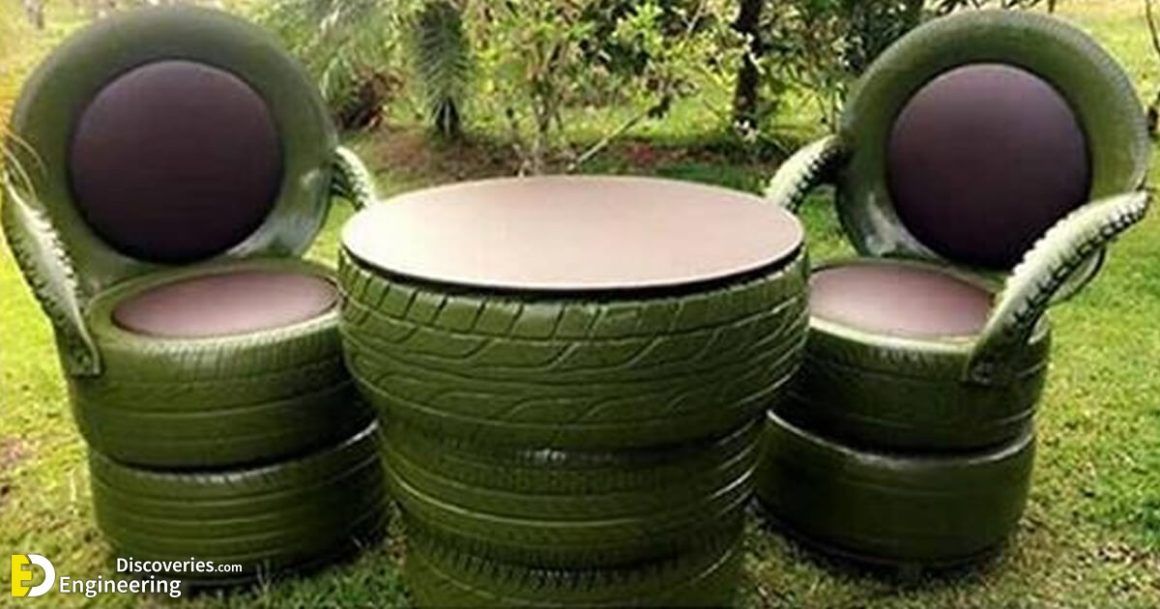
Reusing old tires offers numerous benefits, but careful handling is crucial to prevent accidents and injuries. Understanding the potential hazards associated with old tires and implementing appropriate safety precautions is paramount for both personal well-being and the successful implementation of reuse projects.Proper handling and storage practices minimize the risk of injury and ensure responsible disposal of any damaged or compromised tires.
Adhering to these safety considerations is essential for a safe and efficient reuse process.
Potential Hazards Associated with Old Tires
Old tires, often discarded and potentially damaged, pose various safety risks. These risks include sharp edges, exposed metal parts, and potential for tire deflation or rupture. Furthermore, the heavy weight and size of tires can cause serious injuries if not handled correctly. These hazards must be addressed with appropriate safety measures.
Importance of Wearing Protective Gear
Working with old tires necessitates the use of protective gear. Safety glasses protect eyes from flying debris, gloves prevent cuts and abrasions, and sturdy work boots provide foot protection from falling objects or sharp edges. These precautions safeguard workers from potential injuries during tire handling, storage, or reuse projects.
Safety Tips for Working with Heavy Tires
Handling heavy tires requires special consideration. Using proper lifting techniques, such as employing mechanical lifting equipment whenever possible, is critical. Ensure a stable surface for tire placement to avoid slipping or toppling. Two or more people should always lift large tires to distribute the weight and reduce the risk of injury.
Potential Risks of Improper Tire Handling and Storage
Improper handling and storage of old tires can lead to various safety hazards. Tires stored in disorganised piles or in unstable areas can cause falls or crushing injuries. Unsecured tires can roll or shift, potentially striking individuals or damaging property. Furthermore, improper storage can accelerate tire degradation, increasing the risk of punctures or explosions.
Importance of Proper Disposal Methods for Damaged or Unsafe Tires
Damaged or unsafe tires should be disposed of correctly. These tires may contain hazardous materials or pose a safety risk, making improper disposal detrimental to the environment and to public safety. Contacting local authorities or designated recycling centers is crucial for safe and compliant disposal methods.
Examples of Injuries from Improper Tire Handling
Examples of injuries from improper tire handling include cuts, abrasions, contusions, sprains, and fractures. More severe injuries, such as head trauma or back injuries, are also possible in cases of falls or tire-related accidents. These examples highlight the importance of employing safe practices when working with old tires.
Community Initiatives and Local Resources
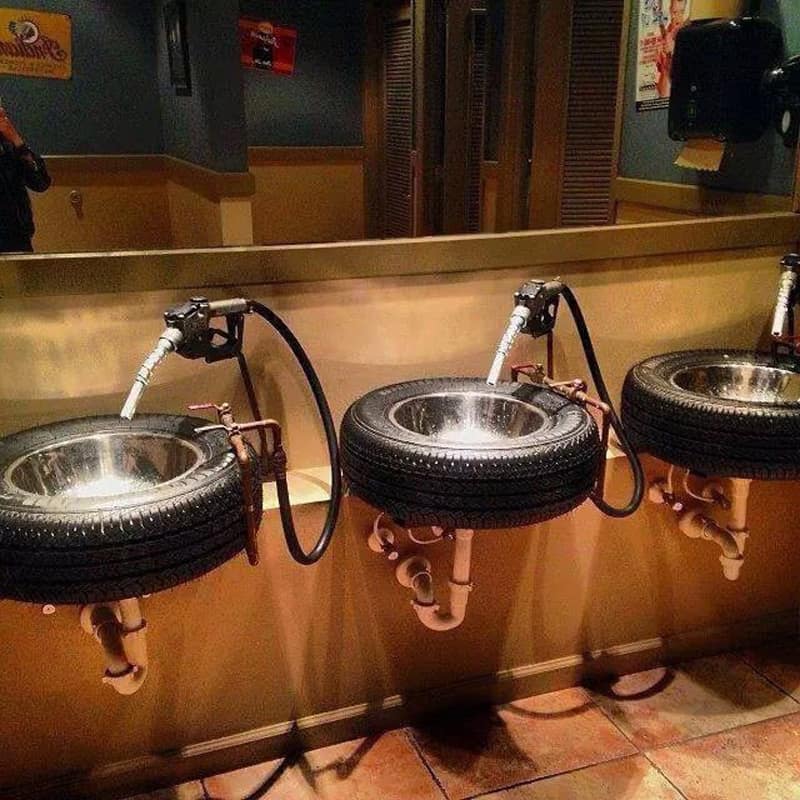
Community involvement plays a vital role in fostering tire reuse initiatives. Local organizations and programs often spearhead efforts to collect, recycle, and repurpose old tires, fostering environmental awareness and promoting creative solutions. By understanding these community-level activities, individuals can effectively participate in and support these valuable endeavors.
The Role of Community Organizations
Community organizations, ranging from environmental groups to local government agencies, frequently play a crucial role in promoting tire reuse. These groups often organize collection drives, workshops, and awareness campaigns to encourage residents to participate in tire recycling programs. They may also partner with businesses to create drop-off locations and establish recycling centers. Their initiatives often extend beyond simply collecting tires, encompassing education and skill-building through workshops and demonstrations.
Local Programs and Initiatives Supporting Tire Recycling
Numerous local programs and initiatives exist to support tire recycling. These programs often include partnerships with businesses, schools, and community centers. They might offer financial incentives for residents to participate in tire collection drives, or they may provide grants or subsidies to individuals or organizations for projects involving tire reuse. Examples include city-sponsored recycling programs, collaborations with tire retailers, and grants for community-based projects utilizing recycled tires.
Examples of Community Events and Workshops on Tire Reuse
Community events and workshops on tire reuse offer opportunities for education and hands-on learning. These events might include demonstrations on creating tire planters, building outdoor furniture, or crafting other items from recycled tires. Workshops could be conducted by local organizations or professionals in the field, enabling participants to develop practical skills and gain insights into the various applications of tire reuse.
Finding Local Tire Recycling Centers
Locating local tire recycling centers is often straightforward. Online search engines, local government websites, and community bulletin boards are valuable resources. Searching for “tire recycling centers [city name]” or “tire recycling [state]” on platforms like Google, Bing, or DuckDuckGo can yield useful results.
Local Tire Recycling Facilities
| Facility Name | Address | Contact Information |
|---|---|---|
| [Example Facility 1] | [Address of Facility 1] | [Phone number or website of Facility 1] |
| [Example Facility 2] | [Address of Facility 2] | [Phone number or website of Facility 2] |
| [Example Facility 3] | [Address of Facility 3] | [Phone number or website of Facility 3] |
Note: This table is an example. Actual facility information should be obtained from reliable local sources.
Locating Nearby Workshops or Classes for Tire Reuse
Finding workshops or classes on tire reuse involves checking community centers, local colleges, and online platforms that list community events. These venues may offer introductory courses, advanced workshops, or specialized training programs on tire recycling and crafting. Contacting local environmental groups or organizations focused on sustainability can also yield relevant information about upcoming workshops or courses.
Future Trends and Innovations in Tire Reuse
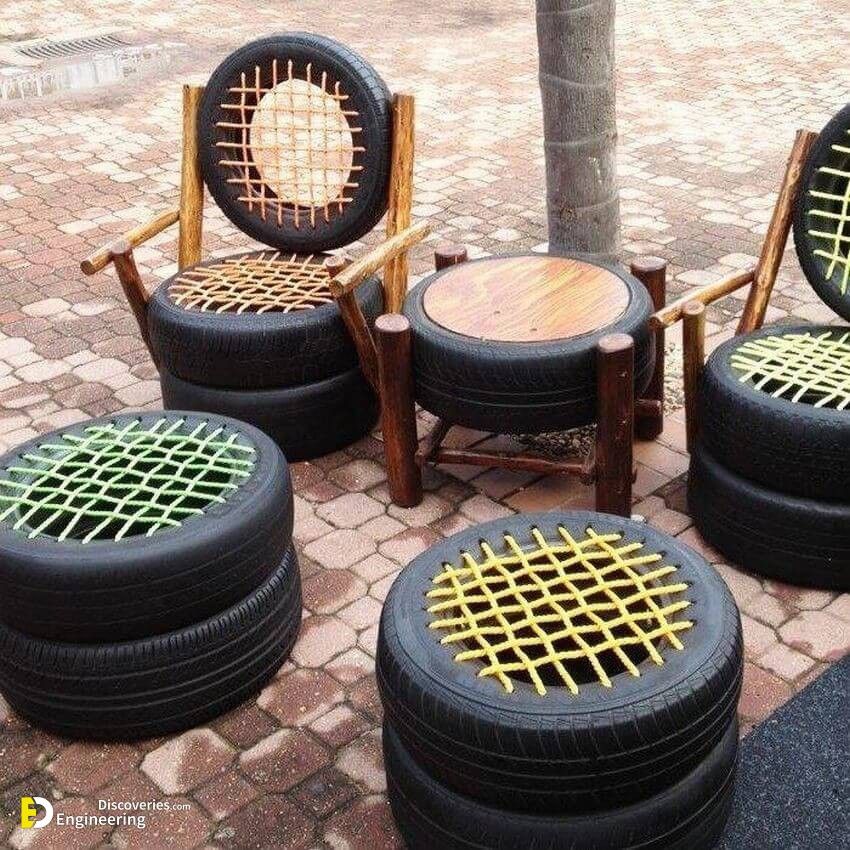
The future of tire reuse hinges on innovative approaches to recycling and material recovery. Emerging technologies are promising to significantly increase the efficiency and sustainability of the process, leading to a wider range of applications for recycled tire materials. This shift is driven by growing environmental concerns and the desire for circular economy principles.
Emerging Technologies in Tire Recycling
Advanced technologies are transforming tire recycling. These technologies include improved shredding techniques, which increase the yield of usable material and reduce waste. Pyrolysis and chemical depolymerization processes are also being developed to break down tire polymers into basic building blocks, enabling the creation of new materials from recycled rubber. These processes are more complex but offer the potential for higher-value products.
Innovative Approaches to Tire Material Recovery
Several innovative approaches are being explored for extracting higher-quality rubber and other components from tires. These include enhanced mechanical separation techniques, which effectively sort different materials like steel belts, fabric, and rubber. Research into specialized solvents and chemical treatments is also ongoing to effectively separate and purify rubber compounds. This process allows for a more controlled and targeted approach to recovering valuable components, thereby enhancing the overall efficiency and quality of the recycling process.
Potential Uses of Recycled Tire Materials in Products
Recycled tire materials are finding a growing number of applications. For example, rubber from recycled tires is used in asphalt and road construction to improve its performance and reduce costs. Furthermore, recycled rubber is incorporated into playground surfacing, making it safer and more durable. Other potential applications include creating composite materials for construction, footwear, and automotive parts.
These examples highlight the adaptability and versatility of recycled tire rubber.
Future Research in Tire Reuse and its Potential Impact
Future research will focus on developing more efficient and cost-effective methods for tire recycling. Researchers are investigating new technologies for extracting specific compounds from tire rubber, enabling the production of advanced materials with unique properties. This research will also explore the potential for creating new products using these extracted compounds, opening up new markets for recycled tire materials and reducing reliance on virgin resources.
The impact of these advancements will be significant, leading to a more sustainable and circular economy for the tire industry.
Potential New Uses for Recycled Tire Materials
- Construction Materials: Recycled tire rubber can be used as a component in concrete and asphalt, enhancing their durability and reducing costs. The addition of rubber can improve the resilience of these materials to impacts and cracking. This is a proven and widely adopted application.
- Playground Surfacing: Recycled tire rubber crumb is frequently used in playground surfacing to create safe and durable surfaces. This material effectively absorbs shock and prevents injuries during play.
- Automotive Parts: Rubber compounds derived from recycled tires are being explored for use in various automotive parts. These recycled materials can offer enhanced performance and durability, and can help to reduce the reliance on petroleum-based products in the automotive sector.
- Textiles and Composites: Research is ongoing to develop innovative ways to incorporate recycled tire rubber into textiles and composite materials. This will provide new avenues for producing lightweight, durable, and sustainable products.
- Soundproofing and Insulation: Recycled tire rubber can be formulated into effective soundproofing and insulation materials. This is an area with potential to reduce noise pollution and improve energy efficiency in various applications.
Final Summary
In conclusion, repurposing old tires offers a compelling solution to the global problem of tire disposal. This guide provides a thorough understanding of the many ways to reuse old tires, from crafting stylish furniture and decorative items to utilizing them in commercial applications and landscaping projects. By embracing these innovative solutions, we can significantly reduce landfill waste, conserve resources, and create a more sustainable future.