Nature education plays a vital role in fostering a child’s appreciation for the natural world and developing essential skills. This guide offers a comprehensive approach to teaching children about nature, from foundational concepts to practical activities and resources. Early exposure to nature fosters curiosity, creativity, and a deeper understanding of the environment, ultimately contributing to their holistic development.
This resource explores various aspects of nature education, including age-appropriate activities, outdoor learning environments, connecting with local ecosystems, and utilizing valuable learning resources. It also addresses common challenges and provides strategies for success.
Introduction to Nature Education
Nature education for children is a vital process that fosters a deep understanding and appreciation for the natural world. It involves engaging children with the environment, its diverse inhabitants, and the intricate ecological relationships that sustain life. This approach cultivates a sense of responsibility and stewardship for the planet.Early exposure to nature is crucial for a child’s holistic development.
It provides opportunities for exploration, discovery, and learning that are often unavailable in a traditional classroom setting. This exposure fosters a profound connection with the environment, nurturing a lifelong love for the natural world.
Definition of Nature Education
Nature education for children encompasses a broad spectrum of activities and experiences designed to foster an understanding and appreciation of the natural world. It encourages children to observe, question, and explore the environment, thereby developing a deep understanding of ecosystems and their interdependencies. This encompasses everything from simple observations of local plants and animals to complex explorations of ecological processes.
Importance of Early Exposure
Early exposure to nature is paramount for a child’s cognitive, emotional, and social development. Children who engage with nature regularly develop stronger problem-solving skills, enhanced creativity, and a deeper understanding of cause and effect. This exposure also fosters empathy and respect for other living things, nurturing emotional intelligence and social responsibility.
Benefits of Nature-Based Learning
Nature-based learning provides a wealth of benefits for children’s development across various domains. It enhances cognitive skills by encouraging critical thinking, observation, and problem-solving. Emotionally, it promotes empathy, self-awareness, and a sense of wonder about the natural world. Socially, it fosters collaboration, communication, and respect for others and the environment.
Examples of Activities
Engaging children in activities that spark their curiosity about the natural world is key to successful nature education. These activities can be as simple as observing insects in a garden, identifying different types of trees, or collecting leaves and creating a nature journal. Nature walks, creating bird feeders, or even a simple visit to a local park can spark a child’s imagination and curiosity.
Comparison of Nature-Based and Traditional Classroom Learning
| Feature | Nature-Based Learning | Traditional Classroom Learning |
|---|---|---|
| Learning Environment | Outdoor, hands-on, experiential | Indoor, structured, primarily theoretical |
| Learning Style | Inquiry-based, exploration-driven | Teacher-led, passive reception |
| Engagement | Active participation, higher engagement | Potentially lower engagement, reliance on passive learning |
| Cognitive Development | Stronger observation, critical thinking, problem-solving | Focus on memorization, rote learning |
| Emotional Development | Empathy, appreciation, sense of wonder | Potentially less opportunity for emotional development |
| Social Development | Collaboration, communication, teamwork | Potentially less opportunity for social interaction and group work |
Engaging Activities for Different Age Groups
Encouraging children to connect with nature requires tailored activities that spark their curiosity and enthusiasm. Effective nature education programs should consider developmental stages, fostering a love for the natural world through hands-on experiences. These activities should not only provide knowledge but also cultivate essential skills like observation, critical thinking, and problem-solving.A carefully curated selection of activities can make nature exploration a positive and enriching experience for children of all ages and learning styles.
By engaging in sensory exploration, observation, and experimentation, children develop a deeper understanding and appreciation for the intricate workings of the natural world.
Preschool Activities (Ages 3-5)
Preschool children thrive on sensory exploration, learning through touch, smell, and sight. Activities focusing on these senses are particularly engaging for this age group. These activities are designed to foster curiosity and build a foundational understanding of the natural world.
- Nature Scavenger Hunt: Provide a list of items for children to find in a designated area. Items could include smooth stones, different leaf shapes, or specific colors of flowers. This activity encourages observation skills and introduces the concept of identifying and classifying objects in nature.
- Sensory Bin Exploration: Fill a bin with natural materials like leaves, twigs, pebbles, and sand. Allow children to explore these materials using their hands, and discuss the textures and shapes. They can also use their senses of smell to determine the different scents. This promotes tactile and olfactory exploration.
- Nature Collages: Provide various natural elements like leaves, flowers, twigs, and pinecones, along with glue and construction paper. Children can create collages, fostering creativity and encouraging them to appreciate the beauty and diversity of natural materials.
Elementary Activities (Ages 6-11)
Elementary-aged children are eager to explore and experiment. Activities that encourage observation and simple experimentation are well-suited for this stage. These activities are designed to build upon the foundations laid in preschool, fostering a more scientific approach to understanding nature.
- Plant Life Cycles: Observe the growth stages of a plant from seed to seedling to mature plant. This activity demonstrates the concept of growth and change in nature and can be enhanced by creating a journal to document the observations.
- Simple Weather Observations: Encourage children to track daily weather conditions using simple tools like a rain gauge and thermometer. This introduces the concept of data collection and analysis. Discussions on weather patterns and their impact on nature can be included.
- Building a Mini Ecosystem: Provide children with a small container (e.g., a terrarium or a clear plastic box). Guide them in creating a mini ecosystem by placing soil, water, and small plants or insects (with appropriate safety precautions). This activity fosters understanding of interconnectedness within an ecosystem.
Activities by Age Group
| Age Range | Activity Focus | Examples |
|---|---|---|
| Preschool (3-5) | Sensory exploration, basic observation | Nature scavenger hunt, sensory bin exploration, nature collages |
| Elementary (6-11) | Observation, experimentation, simple scientific inquiry | Plant life cycles, simple weather observations, building a mini ecosystem |
| Middle School (12-14) | Advanced observation, experimentation, ecosystem analysis | Creating a nature journal, conducting simple experiments on plant growth, studying animal behavior in a designated area |
Adapting Activities for Diverse Learning Styles and Needs
Activities should be adaptable to accommodate diverse learning styles and needs. For example, visual learners may benefit from diagrams or illustrations while kinesthetic learners may prefer hands-on activities. Modifying the complexity of tasks and providing alternative ways to express learning outcomes can ensure all children participate and succeed. Offering choices in materials and methods can cater to individual interests.
Making Nature Exploration Fun and Engaging
Making nature exploration enjoyable for all children involves creating a positive and supportive environment. Emphasize the wonder and beauty of nature. Allow children to explore at their own pace and to ask questions without fear of judgment. Incorporate games, storytelling, and creative expression to make learning engaging. Incorporate positive reinforcement to encourage participation and a love for learning.
Outdoor Learning Environments
Nature education thrives in outdoor settings, fostering a deeper connection with the natural world. These environments offer opportunities for hands-on exploration, sensory experiences, and a more holistic understanding of ecological principles. Outdoor learning spaces, whether in a classroom or at home, can be designed to enhance the learning experience and encourage a lifelong appreciation for nature.
Identifying Suitable Outdoor Learning Environments
Various locations can serve as effective outdoor learning environments. Parks, gardens, forests, and even local waterways provide diverse ecosystems and opportunities for exploration. The choice of environment should align with the specific learning objectives and the age and abilities of the students or children. Consider the available resources and safety concerns when selecting an outdoor location. Accessibility and proximity to the learning space are also important factors.
Creating a Nature-Rich Learning Space
A nature-rich learning space, whether in a classroom or at home, can be developed through careful planning and implementation. Incorporate natural elements such as plants, rocks, and logs. These natural materials can be used for various educational activities, from building shelters to creating miniature ecosystems. Simple installations like bird feeders, insect hotels, or compost bins can enhance the learning environment and attract diverse wildlife.
Furthermore, consider incorporating educational signage or maps to enhance the learning experience.
Using Natural Materials for Hands-On Learning
Natural materials offer a wealth of opportunities for hands-on learning activities. Leaves, twigs, flowers, stones, and soil can be used for creating art projects, conducting scientific experiments, or exploring ecological concepts. For example, children can create leaf rubbings to learn about leaf shapes, collect and classify different types of rocks to understand geology, or observe soil texture to study different types of soil.
These activities promote sensory exploration and practical learning.
Respecting Nature and Minimizing Environmental Impact
Respecting nature and minimizing environmental impact are paramount in outdoor learning environments. Educate students or children about the importance of responsible resource use, waste management, and the preservation of natural habitats. Encourage practices like minimizing waste, reducing water consumption, and respecting wildlife. Promote activities that encourage conservation and responsible interaction with the natural world. For example, students can learn about recycling and composting, and how these practices help the environment.
Examples of Outdoor Learning Environments and Activities
| Outdoor Learning Environment | Types of Activities Supported |
|---|---|
| Park | Observing different plant and animal species, identifying trees and flowers, collecting natural specimens, learning about local ecosystems. |
| Garden | Planting seeds, nurturing plants, observing plant growth cycles, learning about pollination and plant life, creating miniature gardens, exploring different types of soil and plants. |
| Forest | Identifying different tree species, observing wildlife, creating nature trails, learning about forest ecology, building shelters and using natural materials for crafts. |
| Beach | Observing marine life, collecting seashells and sand, learning about tides and oceanography, understanding coastal ecosystems, studying the impact of human activity on the beach environment. |
Connecting with Local Ecosystems
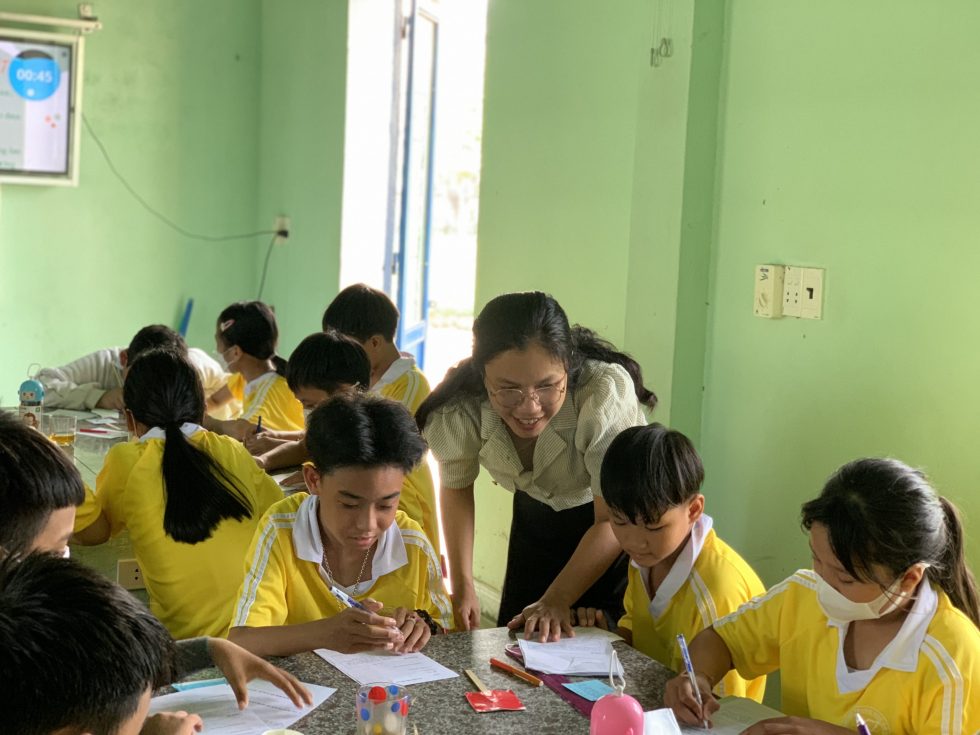
Discovering and appreciating the unique ecosystems surrounding us is crucial for fostering a sense of responsibility and stewardship. Understanding the interconnectedness of plants, animals, and the environment within our local area is a powerful way to cultivate a deeper connection with nature. Children can develop a profound understanding of the natural world through exploration and hands-on experiences.Learning about local ecosystems empowers children to become active participants in environmental conservation efforts.
By recognizing the specific needs of their local flora and fauna, they can actively contribute to maintaining a healthy and balanced environment. This knowledge also fosters a sense of place and belonging, encouraging them to protect the unique biodiversity of their surroundings.
Introducing Children to the Local Ecosystem
The initial introduction should be engaging and memorable. Begin with a simple field trip to a nearby park or natural area. Encourage children to observe and describe what they see. This initial experience sparks curiosity and sets the stage for more detailed exploration.
Identifying and Learning About Local Plants and Animals
Using field guides and online resources, learn to identify common plants and animals in the local area. Start with easily recognizable species. Encourage children to draw, sketch, or photograph their observations. This process aids in visual memorization and fosters a deeper connection with the species. Use local libraries and nature centers to access resources, or even better, connect with local naturalists and experts for guided identification walks.
Understanding Local Biodiversity
Local biodiversity encompasses the variety of life in a specific area. This includes the different types of plants, animals, fungi, and microorganisms. Emphasize that each species plays a vital role in maintaining the balance of the ecosystem. Explain that the loss of even one species can have cascading effects throughout the food web. Point out the benefits of biodiversity for local economies, such as supporting agriculture and tourism.
Simple Experiments to Study the Local Environment
Simple experiments can enhance children’s understanding of ecological processes. For example, set up a small terrarium or a compost bin. Observe how different organisms interact with their environment. Another experiment is to measure the water quality of a local stream or pond. Using simple tools, like a thermometer, and comparing the results with known standards, allows children to learn about environmental impacts.
Introduce concepts of water cycle and nutrient cycles in simple terms.
Creating a Nature Journal
A nature journal is a powerful tool for documenting observations. Provide notebooks or sketchpads for children to record their findings. Encourage them to draw pictures, write descriptions, and note down dates and times of observations. The journal should include sketches of plants and animals, notes on weather patterns, and records of any interesting events observed. Guide children to understand the importance of accurate and detailed recording, as this data can be used for future analysis and comparison.
Example entries could include descriptions of a bird’s song, a specific plant’s growth pattern, or the presence of particular insects.
Nature-Based Learning Resources
Encouraging children’s connection with nature requires access to high-quality learning resources. This section highlights various avenues for enriching their natural world explorations, from reputable websites and books to interactive apps and local resources. These tools will support educators and parents in providing engaging and educational experiences.
Reputable Websites and Books
Reliable online resources and engaging books are crucial for fostering a deeper understanding of nature. These platforms offer diverse content, from detailed information about ecosystems to captivating stories about animals and plants. By exploring these sources, children can develop a strong foundation for their nature-based learning journey.
- National Geographic Kids: This website offers age-appropriate articles, videos, and interactive games covering various aspects of nature, from animals to habitats. It often features stunning photography and detailed information.
- Audubon: A renowned ornithological society, Audubon provides educational materials on birds, other wildlife, and conservation efforts. Their website often features engaging articles, quizzes, and activities, along with stunning images of birds in their natural environment.
- The Nature Conservancy: This organization promotes conservation efforts and offers educational materials about various ecosystems. Their website features articles, videos, and information on local conservation initiatives.
- Books by renowned nature writers like Jane Goodall, David Attenborough, and Carl Safina offer inspiring narratives and insights into the natural world. These books are excellent for sparking curiosity and understanding.
Nature-Based Learning Apps and Software
Interactive apps and software can make learning about nature more engaging and interactive. These tools often incorporate elements of gamification, making learning enjoyable and accessible for children of different ages.
- iNaturalist: This app allows users to identify plants and animals by taking photos and uploading them to a database. Children can learn to identify local flora and fauna through this interactive platform.
- Merlin Bird ID: This app uses audio recordings and visual guides to help users identify birds. It’s an excellent tool for children interested in birds and birdwatching.
- National Geographic Kids app: A companion to the website, the app offers engaging activities, games, and interactive content related to nature. It complements the website’s educational materials.
Nature Centers and Parks
Local nature centers and parks offer hands-on experiences and opportunities for children to connect with their natural environment. These centers often host educational programs and events.
- Many cities and towns have nature centers and parks that offer guided tours, workshops, and educational programs. These facilities often have knowledgeable staff who can guide children and adults in exploring the natural world.
Local Organizations Offering Nature-Based Programs
Numerous local organizations offer nature-based programs specifically designed for children. These programs cater to different age groups and interests.
- Local conservation groups, environmental organizations, and educational institutions often organize nature-based programs for children. Parents and educators should explore opportunities in their local communities.
Summary of Learning Resources
| Resource Type | Target Age Group | Description |
|---|---|---|
| Websites (e.g., National Geographic Kids) | Preschool – Middle School | Provides articles, videos, and interactive games about nature. |
| Apps (e.g., iNaturalist) | Elementary – High School | Interactive tools for identifying plants and animals, often using photos. |
| Books (e.g., by Jane Goodall) | All Ages | Engaging narratives and insights into the natural world. |
| Nature Centers/Parks | All Ages | Offer hands-on experiences, guided tours, and workshops. |
| Local Organizations | All Ages | Provide nature-based programs, workshops, and events tailored to different age groups. |
Cultivating a Love for Nature
Instilling a lifelong appreciation for nature in children is crucial for their environmental stewardship and overall well-being. This love is not simply a fleeting interest but a fundamental connection that fosters empathy, responsibility, and a deep understanding of the world around them. It involves nurturing their innate curiosity and providing opportunities for exploration and discovery.A deep connection with nature fosters a sense of wonder and awe, encouraging children to observe, question, and understand the complex systems that sustain life.
By engaging with the natural world, children develop a profound respect for its delicate balance and the importance of conservation. This connection often translates into a desire to protect and preserve these environments for future generations.
Strategies for Fostering a Lifelong Love of Nature
These strategies aim to cultivate a genuine appreciation for nature in children, building a foundation for environmental stewardship. A key element is creating a welcoming and accessible environment that inspires wonder and exploration. This involves creating opportunities for sensory experiences and active engagement with the natural world.
Methods for Connecting Children with the Beauty and Wonder of Nature
A crucial aspect of nurturing a love for nature is connecting children with its beauty and wonder. This involves providing opportunities for observation, exploration, and active engagement with the natural world. Experiential learning is key, encouraging children to actively participate in nature-based activities rather than just passively observing.
Importance of Nurturing Children’s Curiosity and Wonder
Children are naturally curious and inquisitive. Nurturing this innate curiosity is vital for fostering a deep connection with nature. Encouraging open-ended exploration, asking questions, and providing opportunities for discovery are crucial in igniting and sustaining this passion. Supportive adults who encourage questioning and exploration are essential in this process.
Examples of Nature-Based Stories and Poems
Nature-based stories and poems can significantly enhance children’s appreciation for the natural world. They offer a creative and engaging way to introduce them to various ecosystems, animals, and environmental concepts. These narratives can inspire wonder and foster a deeper understanding of nature’s intricacies. Examples include classic children’s books like “The Giving Tree” or “The Lorax” and nature poems by renowned poets like Robert Frost or Mary Oliver.
These stories provide a platform for discussing environmental themes and the importance of nature conservation.
Simple Ways to Encourage Independent Exploration
To cultivate a love for nature that transcends a single activity or lesson, encouraging independent exploration is key. Children need opportunities to explore nature at their own pace, developing a sense of self-discovery and a deep understanding of their environment.
- Designated Nature Spaces: Creating a dedicated outdoor area in the home or community can provide a readily accessible space for exploration. This space could be as simple as a designated corner in a garden or a small patch of land in a park.
- Nature Journals: Providing children with nature journals and encouraging them to document their observations and experiences in nature can deepen their engagement and connection with the environment. This can include drawings, descriptions, and collected specimens (leaves, flowers, rocks).
- Nature Scavenger Hunts: Designing age-appropriate nature scavenger hunts can be a fun and engaging way to encourage children to explore and discover different aspects of their surroundings. These hunts can focus on specific types of plants, animals, or natural features.
- Nature Walks: Regular nature walks provide an opportunity for children to immerse themselves in the environment. Encouraging them to observe and interact with nature during these walks can be a crucial step in fostering their love for the natural world.
Addressing Common Challenges

Introducing children to the wonders of nature can be incredibly rewarding, but it also presents unique challenges. Educators and parents often face hurdles in maintaining engagement, ensuring safety, and addressing potential anxieties or disruptions. Overcoming these obstacles requires a thoughtful and adaptable approach that prioritizes the child’s well-being and fosters a positive learning environment.Effective strategies for teaching about nature are crucial for maximizing the learning experience and ensuring a positive interaction with the natural world.
A well-structured approach can help mitigate potential difficulties and create an atmosphere where children feel comfortable exploring and learning.
Common Challenges in Nature Education
Many factors can hinder the success of nature education programs. Children may struggle with maintaining focus, expressing themselves, or adapting to outdoor settings. Similarly, educators may encounter logistical or organizational difficulties, while parents may face issues with managing children’s anxieties or disruptive behavior.
Strategies for Overcoming Challenges
Developing strategies for dealing with challenges is essential for creating a positive and productive nature education experience.
- Maintaining Engagement: Varied activities and interactive learning methods are key. For instance, incorporating games, storytelling, or hands-on experiments can transform passive learning into an engaging adventure. This keeps children motivated and interested in exploring nature.
- Ensuring Safety: A comprehensive safety plan is critical. This includes clear rules, appropriate supervision ratios, and awareness of potential hazards. Thorough pre-trip preparation, including weather checks, route assessments, and clear communication protocols, is paramount. Emergency procedures should also be discussed and practiced beforehand.
- Managing Children’s Anxieties or Fears: Acknowledging and addressing children’s fears is crucial. Allowing them to express concerns, offering reassurance, and gradually introducing them to new situations can help alleviate anxiety. For example, a child afraid of insects might benefit from a guided observation session, where they can learn about their role in the ecosystem, rather than a direct confrontation.
- Handling Disruptive Behavior: Establishing clear expectations and positive reinforcement strategies can address disruptive behavior effectively. Implementing a system of rewards for positive behavior can help guide children towards appropriate conduct. In case of persistent disruptions, a brief and calm discussion about the behavior’s impact on the group can be beneficial.
Safety Considerations for Outdoor Activities
Prioritizing safety is paramount when engaging in outdoor nature activities. A well-defined safety protocol minimizes risks and promotes a positive learning experience.
- Supervision Ratios: Appropriate supervision ratios are critical for managing safety and ensuring the well-being of all children. One adult for every four children, or fewer, is often recommended in nature settings, depending on the specific activity and potential hazards.
- Hazard Awareness: Educators should be aware of potential hazards, such as uneven terrain, water sources, or wildlife. Proper preparation, including a risk assessment before the activity, is crucial for mitigating potential risks.
- Emergency Procedures: A clear understanding of emergency procedures, including first aid protocols, evacuation plans, and communication channels, is essential. Practice these procedures beforehand to ensure preparedness.
Assessment and Evaluation

Assessing children’s understanding of nature concepts is crucial for tailoring educational experiences and ensuring their continued growth. Effective assessment methods allow educators to identify areas where children are excelling and where additional support might be needed, fostering a more dynamic and personalized learning environment. This process also helps evaluate the effectiveness of the overall nature-based learning program.
Methods for Assessing Understanding
A variety of methods can be used to gauge children’s comprehension of nature concepts. These methods range from informal observations to more structured activities, adapting to the specific age group and learning style. Careful consideration of these approaches ensures a comprehensive understanding of each child’s progress.
- Informal Observation: Regular observation of children interacting with nature provides valuable insights into their understanding. This includes noting their questions, comments, and actions while exploring natural environments. For example, noticing a child carefully examining a leaf’s veins or asking questions about the lifecycle of a butterfly suggests a deeper understanding of plant structures and biological processes.
- Structured Activities: These activities provide opportunities for children to demonstrate their knowledge and skills in a more controlled setting. Examples include drawing nature scenes, creating nature journals, or participating in nature-based games and challenges. Observing how children approach these tasks offers clues to their understanding.
- Discussions and Interviews: Open-ended discussions and targeted interviews can uncover children’s thoughts and reasoning about nature concepts. Encouraging them to explain their ideas and observations helps reveal their understanding. For instance, prompting a child to explain why they think a particular bird builds its nest in a specific location can unveil their understanding of environmental factors.
- Written Work: For older children, written work, such as short essays or nature-based stories, can provide a deeper insight into their understanding of nature concepts. The quality and depth of their writing can be assessed in terms of accuracy and their ability to apply their knowledge.
Simple Assessments for Different Age Groups
The type of assessment should align with the developmental stage of the children. Adapting the methods to their cognitive abilities and maturity levels ensures a fair and accurate evaluation.
- Preschool (3-5 years): Informal observation, such as noting their curiosity during nature walks and their engagement in play-based activities involving natural materials, are suitable methods. Simple drawing exercises, matching activities, and storytelling about nature-related themes can also be incorporated. Encourage the use of creative expression.
- Elementary School (6-10 years): Short answer questions, simple labeling exercises, and creating basic diagrams of natural processes can assess understanding. Guided discussions and simple experiments, like observing seed germination, can provide insights into their comprehension of scientific concepts. Encourage critical thinking and problem-solving.
- Middle School (11-14 years): Short reports or presentations on nature topics, participation in group discussions on environmental issues, and analyzing nature-related data can be employed. More complex experiments and research projects can be used to assess their critical thinking and application of scientific knowledge. Foster critical analysis and research skills.
Constructive Feedback Strategies
Providing constructive feedback is vital for fostering learning and motivation. Focusing on specific strengths and areas for improvement can be incredibly beneficial for children.
- Specific and Positive: Frame feedback around observable actions and behaviors, using specific examples. Focus on the positive aspects of their learning, and offer suggestions for improvement in a supportive manner. “I noticed you carefully observed the bird’s beak shape; that shows good attention to detail. To further deepen your understanding, try thinking about how that shape might help it find food.” is an example of positive and specific feedback.
- Encourage Reflection: Ask children to reflect on their learning process and identify areas where they can improve. “What did you learn about the plants during our walk today? What questions do you still have?” can encourage self-assessment.
- Collaborative Feedback: Encourage peer-to-peer feedback and learning. This can create a supportive environment where children can learn from one another. “What did you notice about your friend’s drawing? How did they use their observation skills?”
Assessment Method Table
| Assessment Method | Purpose |
|---|---|
| Informal Observation | Gathering insights into children’s natural curiosity and understanding of nature concepts. |
| Structured Activities | Providing a platform for children to demonstrate their knowledge and skills in a controlled environment. |
| Discussions and Interviews | Uncovering children’s thoughts, reasoning, and interpretations regarding nature concepts. |
| Written Work | Evaluating deeper understanding and application of knowledge for older children. |
Evaluating Program Effectiveness
Evaluating the effectiveness of nature-based learning programs is a crucial aspect of ensuring program improvement and adaptation. This involves collecting data and analyzing its impact on student learning and engagement.
- Student Learning Outcomes: Track changes in children’s understanding of nature concepts and their ability to apply their knowledge. This can be measured using pre- and post-program assessments and observing improvements in participation.
- Program Participation: Monitoring participation rates, attendance, and engagement levels helps identify aspects of the program that are successful and areas that need adjustments. Tracking the time spent by children in nature-based activities provides an indication of their enthusiasm and involvement.
- Teacher Feedback: Gathering feedback from educators about the program’s strengths and weaknesses offers valuable insights into the program’s design and implementation. Using questionnaires or interviews can gather this feedback.
Summary

In conclusion, nurturing a love for nature in children is a rewarding journey. By implementing the strategies Artikeld in this guide, educators and parents can empower children to appreciate the beauty and wonder of the natural world, fostering a lifelong connection with nature. This holistic approach to learning will equip children with the knowledge, skills, and appreciation needed to become responsible stewards of the environment.