Transforming kitchen waste into valuable garden soil is easier than you think. This guide provides a comprehensive overview of how to compost vegetable scraps, from the initial sorting to the final harvest of rich, nutrient-packed compost. Learn about the environmental and economic benefits of this sustainable practice, and discover various composting methods suitable for different spaces and needs.
From understanding the ideal types of vegetable scraps for composting to troubleshooting common issues, this guide is your complete resource for successful composting. We will delve into the intricacies of maintaining a healthy compost pile, ensuring optimal conditions for decomposition and a rich finished product. This guide will equip you with the knowledge and practical steps to transform kitchen waste into a valuable asset for your garden.
Introduction to Composting Vegetable Scraps
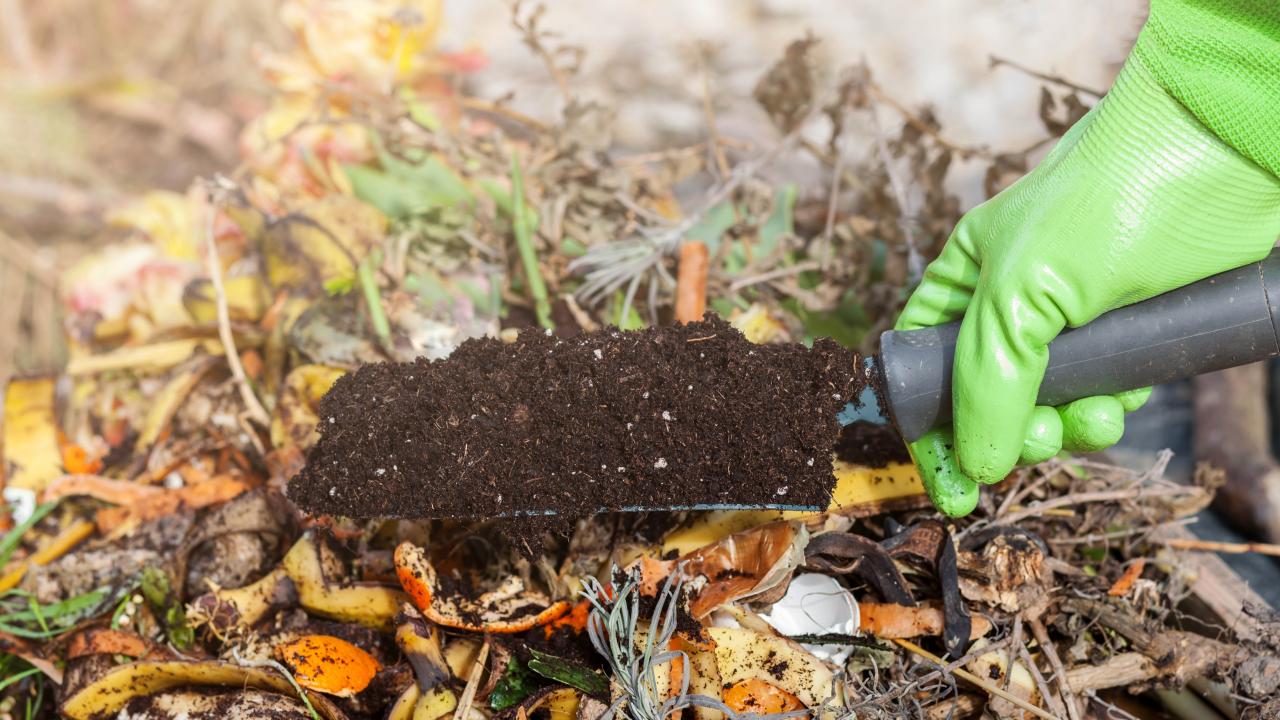
Composting is a natural process that transforms organic matter, such as vegetable scraps, into nutrient-rich soil amendment. This process mimics nature’s decomposition cycle, effectively recycling valuable resources and reducing waste. By understanding the fundamentals of composting, individuals can contribute to a more sustainable and environmentally friendly lifestyle.Composting vegetable scraps offers numerous benefits, including enhancing soil health, reducing landfill waste, and promoting biodiversity in gardens.
This practice supports a closed-loop system, minimizing reliance on synthetic fertilizers and pesticides, while also promoting a healthier and more productive ecosystem.
Benefits of Composting Vegetable Scraps
Composting vegetable scraps yields numerous advantages, extending far beyond simply discarding food waste. The process enriches the soil, improves plant growth, and reduces the strain on natural resources.
- Improved Soil Health: Composting adds essential nutrients, such as nitrogen, phosphorus, and potassium, to the soil. These nutrients enhance the soil’s structure, water retention capacity, and aeration, fostering a healthier environment for plant growth. A rich, well-composed soil supports robust root development, leading to healthier and more resilient plants.
- Reduced Landfill Waste: Vegetable scraps, when composted, are diverted from landfills, significantly reducing the amount of organic waste filling landfills. Landfills produce methane, a potent greenhouse gas, and composting prevents the release of these harmful emissions into the atmosphere. By composting, we contribute to minimizing the environmental impact of waste disposal.
- Enhanced Plant Growth: The nutrient-rich compost derived from vegetable scraps provides an excellent soil amendment for gardens and farms. This organic matter enriches the soil, promotes beneficial microbial activity, and improves the overall health and vigor of plants, leading to increased yields and healthier harvests.
Environmental Advantages of Composting
Composting plays a vital role in mitigating environmental problems, particularly concerning waste management and greenhouse gas emissions.
- Reduced Greenhouse Gas Emissions: Landfills release methane, a potent greenhouse gas. By diverting organic waste from landfills and composting it, we significantly reduce the emission of methane into the atmosphere, mitigating climate change.
- Conservation of Natural Resources: Composting reduces the need for synthetic fertilizers, which are often produced using fossil fuels and contribute to environmental pollution. This practice conserves natural resources and promotes sustainable agriculture.
- Improved Air Quality: Composting contributes to improved air quality by reducing the release of harmful pollutants associated with the production and use of synthetic fertilizers and pesticides.
Economic Benefits of Composting
Composting offers a multitude of economic benefits, from reduced waste disposal costs to increased garden productivity.
- Reduced Waste Disposal Costs: Composting minimizes the need for waste disposal services, which can be a significant expense for households and businesses. By diverting waste from landfills, composting reduces these costs.
- Increased Garden Productivity: The use of compost derived from vegetable scraps leads to increased yields and healthier plants, ultimately improving the productivity of gardens and farms.
- Potential for Income Generation: In some cases, individuals and communities can generate income from selling excess compost. This can provide a financial incentive to participate in composting initiatives.
Brief History of Composting Practices
Composting has been practiced for centuries, with early forms appearing in various cultures and societies.
Historically, composting was a common practice, particularly in agricultural communities. Early forms involved piling organic matter and allowing natural decomposition processes to take place. Modern composting techniques build upon these traditional methods, incorporating scientific understanding and improved technologies to optimize the process.
Comparison of Composting Methods
Different composting methods cater to various needs and contexts. Choosing the right method depends on factors such as space availability, desired output, and environmental conditions.
| Composting Method | Description | Pros | Cons |
|---|---|---|---|
| Indoor Composting | Suitable for smaller spaces and apartments, typically using a small bin. | Convenient, minimal mess, ideal for urban settings. | Slower decomposition, potential for odor issues if not managed properly. |
| Outdoor Composting | Larger bins or piles are used for more significant amounts of waste. | Faster decomposition, less odor, larger volume of compost possible. | Requires more space, may be affected by weather conditions. |
| Vermicomposting | Utilizes worms to break down organic matter. | Odorless, relatively quick process, good for small spaces. | Requires specific conditions for worm health, potential for attracting pests. |
Gathering Vegetable Scraps for Composting
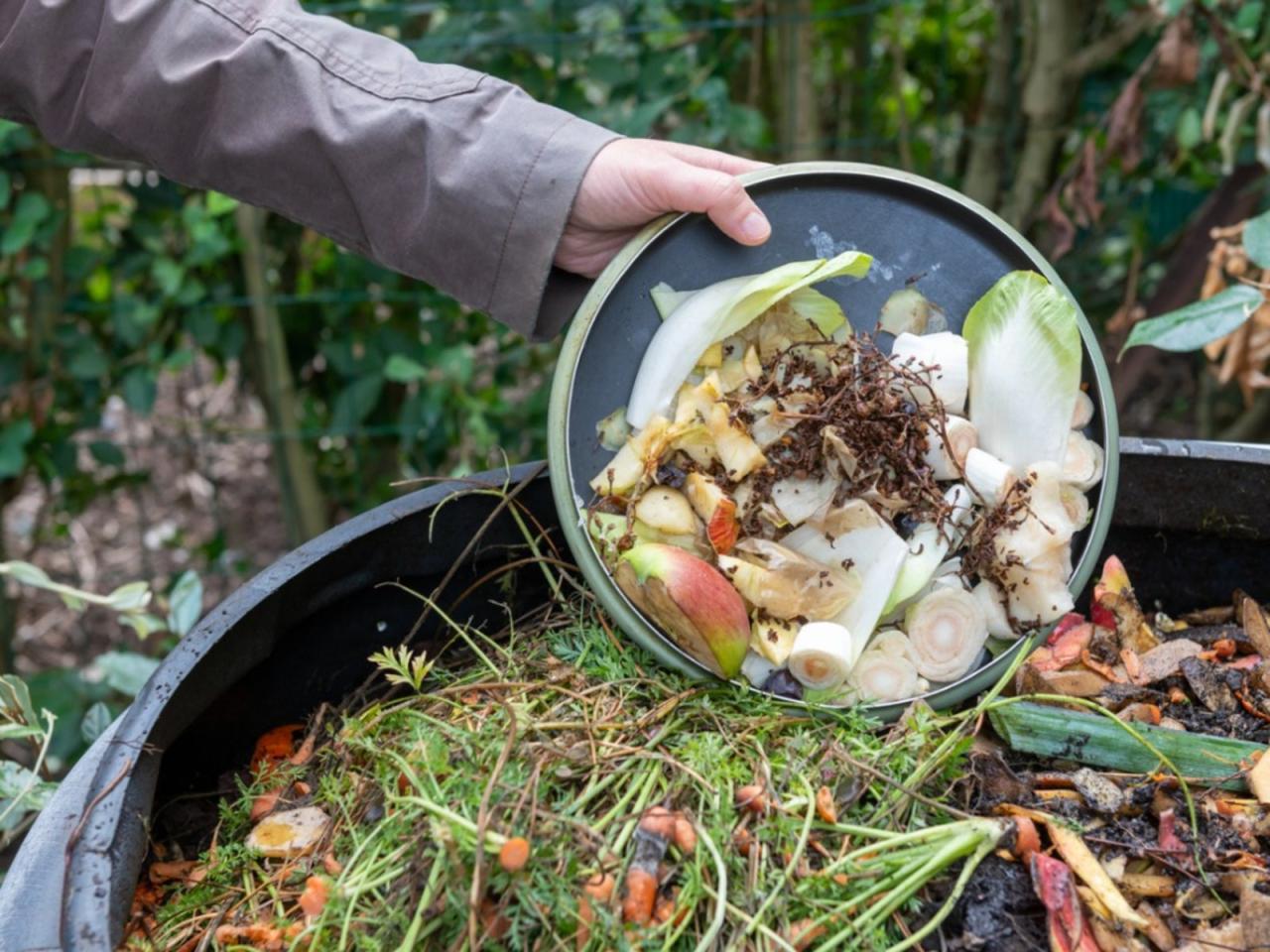
Properly gathering vegetable scraps is crucial for successful composting. Careful selection and preparation of materials significantly impact the composting process, influencing its efficiency and the quality of the final compost. This section details the ideal types of vegetable scraps to include and those to avoid, emphasizing the importance of proper sorting and preparation for optimal results.
Suitable Vegetable Scraps
Vegetable scraps that are generally suitable for composting include: vegetable peels (potatoes, carrots, zucchini, etc.), vegetable cores (onions, peppers, etc.), fruit scraps (bananas, apples, berries, etc.), and coffee grounds. These materials break down readily, providing valuable nutrients for the compost pile. Thorough washing before composting is highly recommended, to remove any dirt or pesticides that might be present.
Unsuitable Vegetable Scraps
Certain vegetable scraps should be avoided to maintain the health and balance of the compost. Meat, dairy products, oily foods, and diseased plant materials should not be added. These items can attract pests, introduce pathogens, or hinder the composting process. Improperly composted meat products can also lead to the development of unpleasant odors.
Importance of Proper Food Waste Sorting
Proper sorting of vegetable scraps is vital for a successful compost pile. Separating suitable from unsuitable materials ensures a healthy decomposition process. This prevents the introduction of materials that can negatively affect the composting process and its final product.
Ideal Consistency of Vegetable Scraps
The ideal consistency of vegetable scraps for composting is relatively small pieces. This allows for quicker decomposition and prevents large pieces from taking longer to break down. A consistent size reduces the overall time required for the composting process to be complete.
| Scrap Type | Ideal Consistency |
|---|---|
| Vegetable peels | Small pieces (1-2 inches) |
| Vegetable cores | Small pieces (1-2 inches) |
| Fruit scraps | Small pieces (1-2 inches) |
| Coffee grounds | Small pieces (1-2 inches) |
Washing Vegetable Scraps
Thoroughly washing vegetable scraps before composting is highly recommended. This step removes any dirt, pesticides, or other contaminants that might be present on the scraps. Clean scraps decompose more effectively and contribute to a healthier compost pile.
Items to Avoid Adding to the Compost Bin
Avoid adding the following items to your compost bin:
- Meat and dairy products:
- Oily foods:
- Diseased plant materials:
- Charcoal or ash:
- Pet waste:
- Yard waste with significant amounts of weed seeds or diseased plants:
- Plastic or other non-biodegradable materials:
- Unwanted food scraps:
These items can negatively impact the composting process or introduce unwanted elements into the final compost.
Choosing a Composting Method
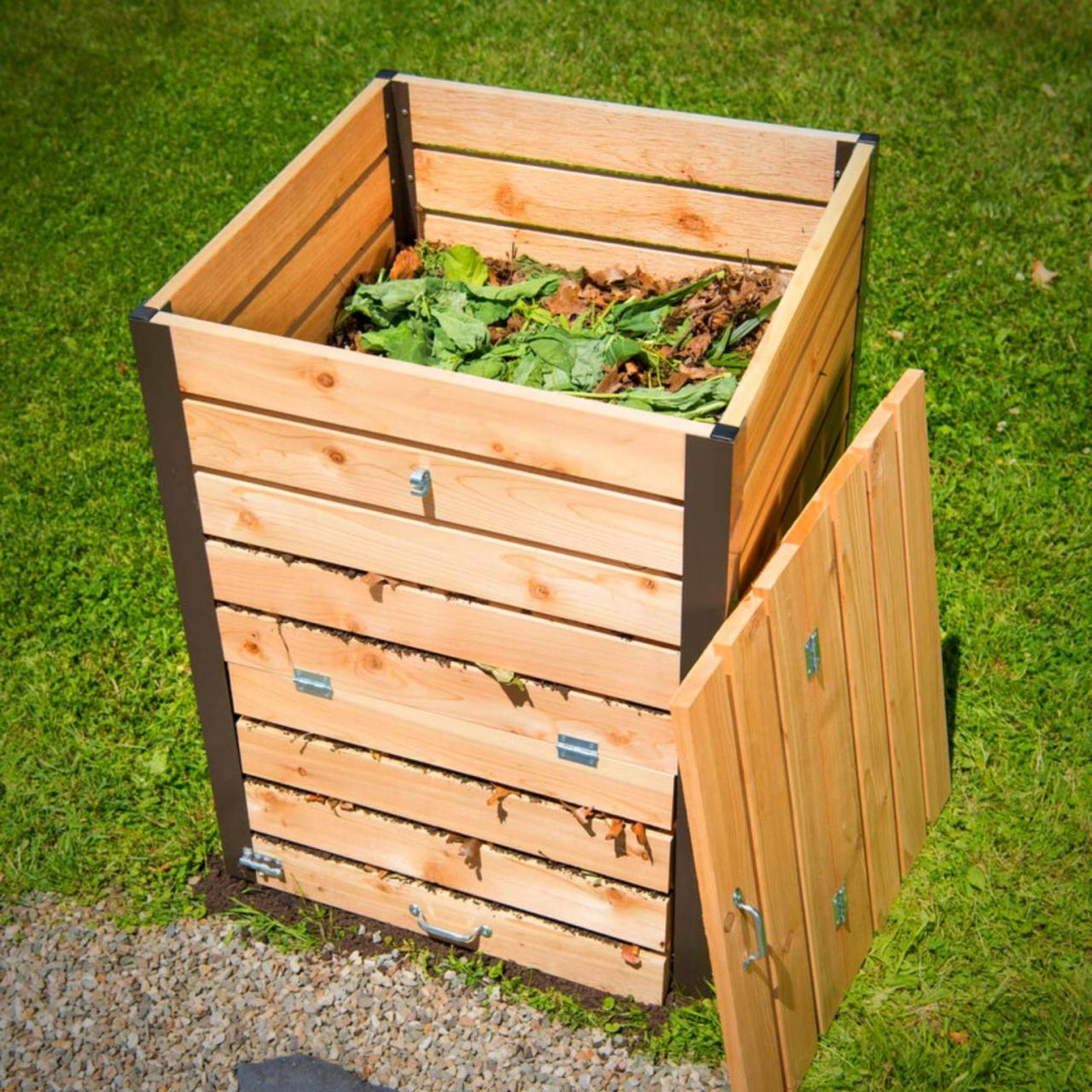
Selecting the right composting method is crucial for successful and efficient waste management. Different methods cater to various needs and spaces, allowing individuals to tailor their composting practice to their specific circumstances. Careful consideration of factors such as available space, time commitment, and desired output will help determine the optimal approach.Choosing a composting method depends on a variety of factors.
These factors include the amount of vegetable scraps being generated, the available space for the composting system, the desired level of effort involved, and the climate of the region. Consideration of these factors will guide you in selecting a composting method that is best suited for your specific needs.
Indoor Composting
Indoor composting is an excellent option for those with limited outdoor space. It is ideal for apartment dwellers or those living in areas with inclement weather. A simple container, such as a large bin or a repurposed storage container, can be used for indoor composting. It is important to ensure adequate ventilation to prevent odors. Moisturizing the compost regularly is crucial to maintain the composting process.
Outdoor Composting
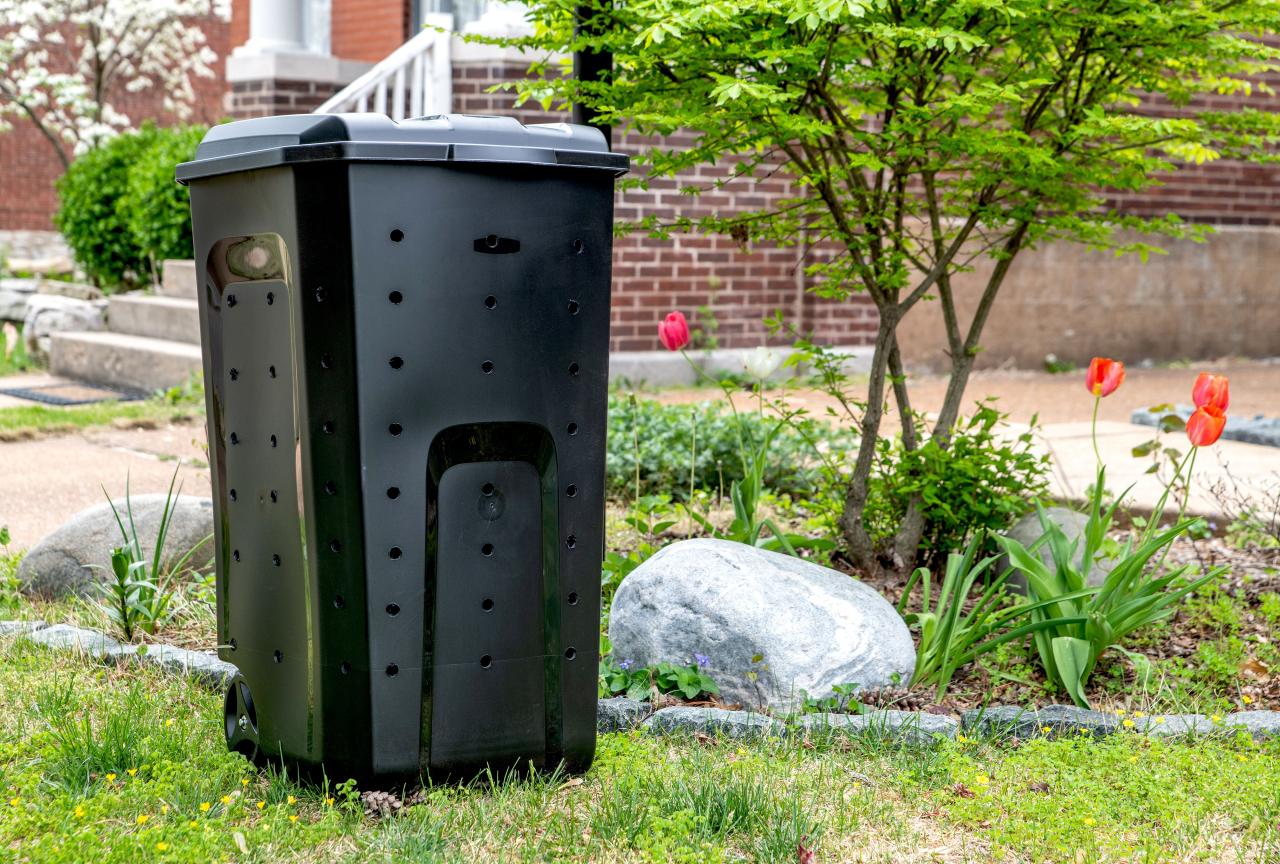
Outdoor composting is a popular choice for its efficiency in large-scale composting. This method is suitable for those with ample outdoor space and access to sunlight. A simple outdoor compost bin can be constructed from readily available materials. This method often involves layering organic materials, such as vegetable scraps, leaves, and grass clippings, to create a rich compost.
Worm Composting
Worm composting, also known as vermicomposting, utilizes worms to break down organic materials. This method is relatively low-maintenance and produces a nutrient-rich compost known as vermicast. A simple worm composting system can be created using a container, bedding material, and of course, worms. It is important to maintain the proper moisture level for the worms and their environment.
Setting up a Simple Outdoor Compost Bin
A simple outdoor compost bin can be built using readily available materials such as wood planks, metal sheets, or even repurposed containers. Constructing a bin involves creating a rectangular structure with a lid. The bin should have proper ventilation to facilitate decomposition. This method promotes the creation of nutrient-rich compost for use in gardens.
- Materials: Gather lumber (or other suitable material), nails, screws, or other fasteners. A measuring tape and saw will be helpful.
- Construction: Measure and cut the lumber to your desired dimensions. Assemble the sides and bottom of the bin, securing the pieces together using appropriate fasteners. Attach a lid to the top for covering.
- Placement: Choose a location that receives some sunlight, is accessible, and has good drainage. Avoid placing the bin directly on the ground to prevent moisture buildup.
Creating a Worm Composting System
A worm composting system requires a container, bedding material, and red wiggler worms. The container should be appropriately sized and have drainage holes. The bedding material, often made of shredded paper, cardboard, or straw, provides a suitable environment for the worms. Properly maintaining the moisture level in the bedding is essential for the worms’ health and the composting process.
- Container Selection: Choose a container with drainage holes to prevent waterlogging. A plastic bin or a wooden box are suitable options. Ensure the container is appropriately sized for the intended number of worms.
- Bedding Preparation: Layer the bedding material, such as shredded newspaper, cardboard, or straw, within the container. Maintain the moisture level, but avoid over-saturation.
- Worm Introduction: Introduce the red wiggler worms to the prepared bedding. Ensure the worms are acclimated to the environment before adding food scraps.
Comparing Composting Methods
| Method | Pros | Cons ||—|—|—|| Indoor | Space-saving, odor control | Limited capacity, potential for moisture issues || Outdoor | Larger capacity, cost-effective | Odor concerns, weather dependence || Worm Composting | Low maintenance, high-quality compost | Slower process, smaller output |
Factors to Consider When Choosing a Composting Method
Factors such as space availability, desired output, and level of effort involved play a critical role in choosing a composting method. Consider the time commitment, the climate, and the amount of organic waste generated. This will help determine the most suitable approach for individual circumstances.
Maintaining a Proper Compost Pile
Maintaining a proper compost pile involves consistent moisture management and turning. This ensures that the organic matter decomposes efficiently and produces high-quality compost. Regular turning of the pile facilitates proper aeration and prevents odors.
Maintaining a Healthy Compost Pile
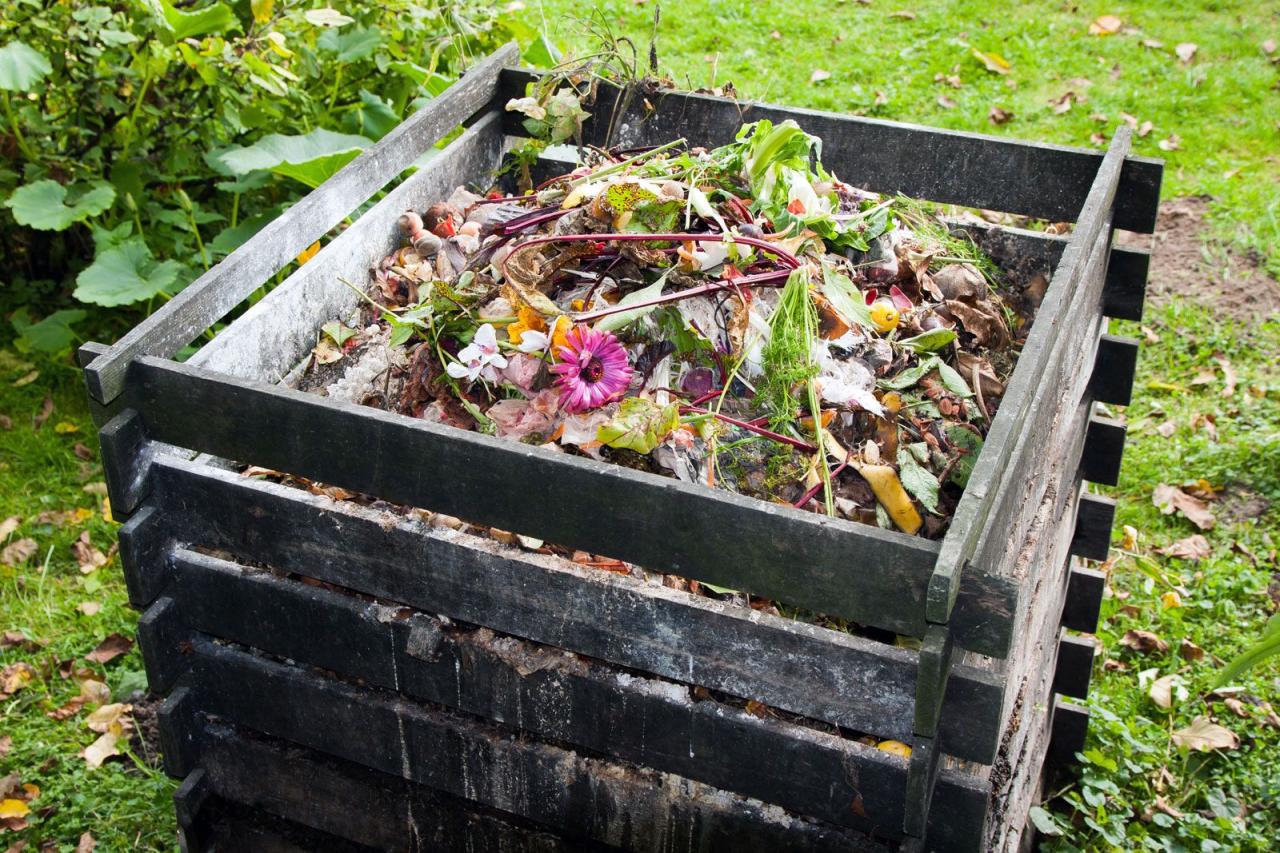
Maintaining a healthy compost pile is crucial for successful composting. A well-maintained compost pile decomposes organic matter efficiently and produces rich, nutrient-rich compost that benefits your garden. Proper moisture, turning, and monitoring temperature are key factors in this process.A well-maintained compost pile facilitates the breakdown of organic matter, generating valuable compost. This process is essential for maximizing the benefits of composting.
By carefully managing moisture, turning, and monitoring temperature, gardeners can optimize decomposition and yield high-quality compost.
Moisture Levels in the Compost Pile
Maintaining the right moisture level is critical for proper decomposition. Too little moisture inhibits microbial activity, slowing the breakdown process. Conversely, excessive moisture can lead to anaerobic conditions, creating unpleasant odors and hindering decomposition.
- Maintaining a consistent moisture level is crucial. Ideally, the compost should feel like a wrung-out sponge. It should hold its shape but not drip water when squeezed.
- If the compost is too dry, add water gradually, ensuring thorough soaking to moisten the entire pile. If the compost is too wet, incorporate dry materials, such as shredded brown leaves or cardboard, to absorb excess moisture.
- Regular checks are essential. Monitor the moisture level frequently, adjusting as needed. The consistency of the compost should be comparable to a damp sponge.
Turning the Compost Pile
Turning the compost pile is a vital step in maintaining its health and accelerating decomposition. Turning aerates the pile, introducing oxygen to the microbes. This promotes aerobic decomposition, generating heat and hastening the composting process.
- Turning the compost pile ensures even decomposition. This distributes materials evenly, allowing all components to break down more uniformly. This is important for complete decomposition.
- Frequency of turning depends on the size and type of compost pile. For a smaller pile, turning every 1-2 weeks might be sufficient. Larger piles may require turning every 3-4 weeks. A good rule of thumb is to turn the pile when it begins to lose its heat.
- Turning the compost pile is usually done with a pitchfork or shovel. Carefully mix the contents to ensure all parts of the pile are exposed to the necessary oxygen and moisture. The pile should be thoroughly mixed to ensure even decomposition.
Signs of a Healthy Compost Pile
Recognizing signs of a healthy compost pile is essential for ensuring successful composting. A healthy compost pile is characterized by specific visual and tactile cues.
- A healthy compost pile exhibits a dark brown or black color. This color indicates the breakdown of organic matter.
- The texture of a healthy compost pile is crumbly and resembles soil. This texture signifies the advanced stage of decomposition.
- The temperature of a healthy compost pile will typically reach between 130-160 degrees Fahrenheit (54-71 degrees Celsius). This temperature range facilitates microbial activity, accelerating decomposition.
Ideal Temperature Range for a Compost Pile
The ideal temperature range for a compost pile is crucial for successful decomposition. Higher temperatures are beneficial for killing pathogens and accelerating the breakdown process.
The optimal temperature range for a compost pile is between 130-160 degrees Fahrenheit (54-71 degrees Celsius). This range is conducive to aerobic decomposition, the process where oxygen is crucial.
Monitoring temperature fluctuations is vital. If the temperature drops below this range, consider adding more moisture or turning the pile to promote airflow and raise the temperature. This will accelerate the process.
Identifying When Compost Is Ready
Identifying when the compost is ready is a crucial step in the composting process. Recognizing the characteristics of finished compost ensures that the product is suitable for use in gardens.
- Compost is ready when it has a dark brown color and a crumbly texture, resembling soil. The material should not contain any recognizable pieces of plant material.
- The finished compost should not have any strong odors. A pleasant earthy smell signifies proper decomposition.
- The compost is ready when it’s cool to the touch. The temperature should be close to room temperature. This signifies that the decomposition process is complete.
Using the Compost
Transforming kitchen scraps and yard waste into a valuable resource, compost, opens doors to enriching your garden. Properly prepared compost provides a multitude of benefits, improving soil structure and plant health. This section will detail the diverse ways to use your finished compost, focusing on enhancing your garden’s soil and promoting robust plant growth.
Ways to Use Finished Compost
Compost, a nutrient-rich soil amendment, finds applications beyond the garden. Its versatility extends to various landscaping and gardening needs. It improves soil structure, increases water retention, and provides essential nutrients for healthy plant growth. Here are the many uses for your finished compost:
- Soil Amendment: Compost serves as an excellent soil amendment, enhancing the soil’s texture and structure. It improves drainage, aeration, and water retention. This, in turn, creates an optimal environment for root development and overall plant health. Incorporating compost into your garden soil improves its overall quality, making it more fertile and supportive of plant growth.
- Potting Mix: Mix compost with other potting materials to create a rich, fertile potting mix for houseplants and container gardens. This provides a balanced environment for healthy root growth, leading to thriving houseplants and vibrant container gardens.
- Mulch: Apply a layer of compost as mulch around plants. This helps retain moisture, suppress weeds, and regulate soil temperature. Compost mulch also gradually releases nutrients, feeding the plants throughout the growing season. Mulching with compost protects the soil, prevents erosion, and helps maintain the ideal moisture level for healthy growth.
- Seed Starting: Incorporate compost into seed-starting mixes to provide a rich medium for germination and early growth. The nutrients and beneficial microbes in compost promote healthy root development and strong seedlings, contributing to successful plant growth from the start.
Benefits of Compost in Gardens
The use of compost in gardens provides a multitude of benefits, significantly impacting plant health and soil quality. Its role extends far beyond mere aesthetics, influencing the overall health and vitality of your garden.
- Improved Soil Structure: Compost improves soil structure by increasing its porosity and aeration. This allows for better water infiltration and drainage, preventing waterlogging and promoting healthy root development. This is a crucial element in creating a well-drained and oxygenated soil.
- Enhanced Water Retention: Compost helps retain water in the soil, reducing the frequency of watering and ensuring consistent moisture for plant roots. This is particularly beneficial during dry periods, providing resilience to plants.
- Nutrient Enrichment: Compost is a natural source of essential nutrients, such as nitrogen, phosphorus, and potassium, which plants need for growth and development. This reduces the need for synthetic fertilizers, supporting a more natural approach to gardening.
- Increased Microbial Activity: Compost contains a vast array of beneficial microbes that improve soil fertility and contribute to a healthy soil ecosystem. This boosts the activity of beneficial organisms, further enhancing nutrient availability to plants.
Incorporating Compost into the Garden
The proper incorporation of compost into your garden is crucial for maximizing its benefits. Following these steps ensures optimal results.
- Preparation: Before incorporating compost, prepare the soil by removing any weeds or debris. This ensures the compost mixes effectively and is not hindered by obstructions.
- Mixing: Work the compost into the soil, ensuring a thorough mix to distribute the nutrients evenly. This is best done by hand or with a garden tool, depending on the soil type and the amount of compost being used.
- Application Rate: A general guideline is to apply 2-3 inches of compost to the garden beds. This is sufficient for most garden needs and provides a good balance of nutrients and soil improvement.
- Watering: After incorporating the compost, water the soil to help the nutrients dissolve and the compost break down. This facilitates the absorption of nutrients and supports healthy plant growth.
Compost and Healthy Soil
Compost plays a pivotal role in creating a healthy soil environment. Its presence promotes the growth of beneficial microorganisms, leading to a vibrant and fertile soil. This enhanced soil provides the essential support for healthy plant development.
“Healthy soil is the foundation of a thriving garden.”
Compost and Plant Growth
Compost’s contribution to plant growth is multifaceted. By improving soil structure, water retention, and nutrient availability, compost creates an environment that supports robust root development and optimal plant growth. This leads to healthier, more productive plants.
Uses of Compost in Landscaping and Gardening
| Use | Description |
|---|---|
| Soil Amendment | Improves soil structure, drainage, and water retention. |
| Potting Mix | Creates a rich, fertile medium for container plants. |
| Mulch | Retains moisture, suppresses weeds, and regulates soil temperature. |
| Seed Starting | Provides a rich medium for germination and early plant growth. |
Troubleshooting Common Compost Problems
Composting vegetable scraps can be a rewarding experience, enriching your garden soil. However, occasionally, you may encounter challenges. Understanding the common problems and their solutions is crucial for successful composting. This section provides a comprehensive guide to troubleshoot issues you might encounter.Troubleshooting composting problems is essential for maintaining a healthy and productive compost pile. By identifying and addressing issues promptly, you can prevent unpleasant odors, maintain proper moisture levels, and ensure a smooth composting process.
Unpleasant Odors in the Compost Pile
Unpleasant odors in the compost pile often indicate an imbalance in the composting process. These odors typically stem from anaerobic decomposition, a process where insufficient oxygen leads to the production of undesirable smells.
- Inadequate Turning/Aeration: Insufficient turning of the compost pile can lead to anaerobic conditions. Regular turning introduces oxygen, which is crucial for aerobic decomposition and the breakdown of organic matter. Insufficient aeration results in the buildup of gases like ammonia and hydrogen sulfide, causing foul smells.
- Excessive Moisture: Excessive moisture creates anaerobic conditions, reducing oxygen availability. This can lead to a putrid smell, often described as rotten eggs. Ensuring proper moisture balance is crucial for effective composting.
- Presence of Meat or Dairy Products: Meat, dairy, and oily foods are often problematic in composting due to their high nitrogen content and potential to attract pests. These materials can contribute to an unpleasant odor if not properly incorporated and managed within the compost pile.
- Unbalanced Carbon-to-Nitrogen Ratio: An unbalanced carbon-to-nitrogen ratio can also lead to anaerobic conditions and odors. A high nitrogen content from excessive green waste can lead to unpleasant smells.
Excessive Moisture or Dryness
Maintaining the right moisture level is critical for a healthy compost pile. Too much or too little moisture can significantly impact the decomposition process.
- Excessive Moisture: A compost pile that is excessively wet will not break down properly and will create an anaerobic environment. This often results in unpleasant odors. Solutions include adding more carbon-rich materials (like dry leaves or straw) to absorb excess moisture, or turning the pile to allow for better aeration.
- Dryness: A compost pile that is too dry will not decompose efficiently. Adding water can help to maintain the appropriate moisture level. Adding moisture is especially important in dry climates or during periods of low rainfall. A general rule is to ensure the pile is consistently moist, like a wrung-out sponge.
Pests or Rodents
Attracting pests and rodents to your compost pile is a common concern. They are often drawn to the food source and can disrupt the composting process.
- Rodent Control: Rodents like rats and mice may be attracted to compost piles. Using wire mesh or hardware cloth to create a barrier around the compost bin can deter them. Also, regularly maintaining the pile and ensuring it is not overly wet can reduce attractiveness to pests.
- Pest Control: Insects like flies and beetles may also be attracted to a compost pile. Adding a layer of mulch or covering the pile with a tarp can help to control these pests. Keeping the pile moist, but not overly wet, will also deter insects.
Slow Composting
Slow composting can be frustrating, but it can be resolved with careful attention to the composting process.
- Insufficient Carbon: A compost pile with an insufficient amount of carbon-rich materials like dried leaves or wood chips will decompose slower. Adding more carbon-rich materials will help to improve decomposition.
- Inadequate Turning: Regular turning is essential to introduce oxygen to the compost pile and to mix the materials. Regular turning accelerates the composting process. Turning should be done approximately every week to ensure proper mixing and aeration.
- Unbalanced Carbon-to-Nitrogen Ratio: Maintaining a proper carbon-to-nitrogen ratio (C:N) is critical for optimal decomposition. A high nitrogen content, often from excessive green waste, can slow down the process.
Weed Seeds in the Compost
Weed seeds can be a concern in a compost pile. While composting breaks down many organic materials, it might not always destroy all seeds.
- Seed Control: Composting weed seeds usually results in their decomposition. However, if your compost pile is not hot enough or is not adequately maintained, there is a risk of spreading weed seeds into your garden. Using a hot composting method, where the pile reaches high temperatures, can effectively eliminate weed seeds.
Troubleshooting Guide for Compost Issues
| Problem | Possible Causes | Solutions |
|---|---|---|
| Unpleasant Odor | Inadequate turning, excessive moisture, improper material balance | Turn the pile, adjust moisture, add more carbon |
| Excessive Moisture | Too much green waste, insufficient aeration | Add dry materials, turn the pile |
| Dryness | Too much dry material, low rainfall | Add water, cover the pile |
| Slow Composting | Inadequate turning, unbalanced C:N ratio, insufficient carbon | Turn regularly, add carbon materials, adjust C:N ratio |
Ultimate Conclusion
In conclusion, composting vegetable scraps is a rewarding and eco-friendly practice. By following the steps Artikeld in this guide, you can transform food waste into a valuable resource for your garden, contributing to a more sustainable lifestyle. Remember, proper sorting, consistent maintenance, and a well-chosen composting method are key to achieving a thriving compost pile and bountiful garden harvests.