Rediscovering the beauty and practicality of salvaged wood, this guide provides a comprehensive approach to reusing old wood. From understanding its environmental benefits to exploring creative repurposing techniques, we delve into the world of sustainable design. This exploration will showcase how old wood can be transformed into stunning furniture, architectural elements, and artistic masterpieces.
This guide provides a detailed overview of the history, environmental impact, and practical methods for reusing old wood. We’ll explore different types of old wood, from salvaged lumber to reclaimed beams, and analyze the potential benefits and challenges associated with each. The guide also includes safety considerations and a wealth of resources to help you embark on your own sustainable reuse project.
Introduction to Reusing Old Wood
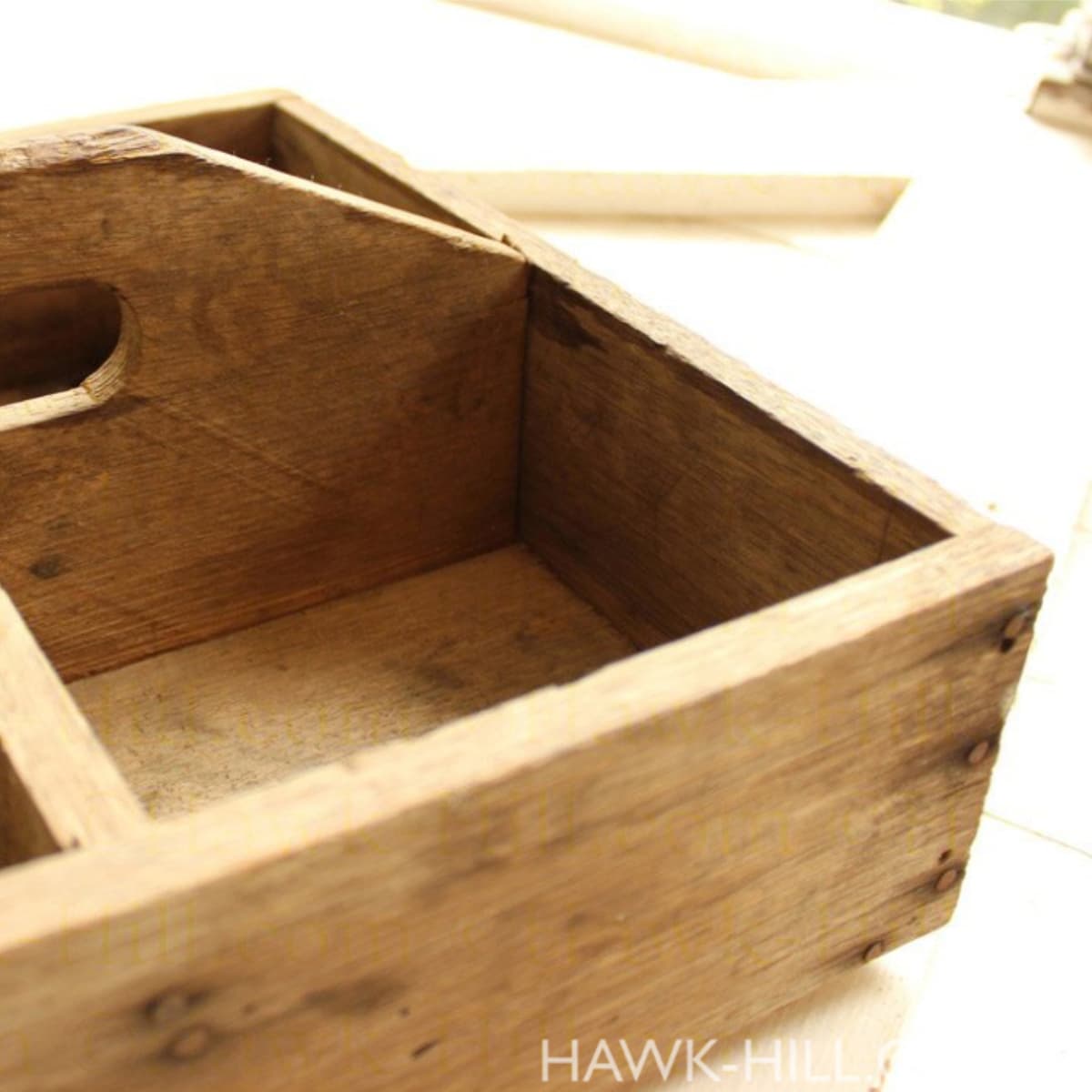
Reusing old wood, often referred to as reclaimed or salvaged wood, involves repurposing existing wooden materials rather than harvesting new trees. This practice offers a significant advantage in terms of environmental sustainability and cost-effectiveness. This approach not only reduces the demand for new timber but also leverages the inherent value and character of previously used wood.This sustainable practice extends far beyond simple cost savings; it offers a unique opportunity to appreciate the rich history and craftsmanship embedded within these materials.
The environmental benefits are substantial, mitigating deforestation and reducing the carbon footprint associated with the entire wood production cycle.
Environmental Benefits of Reusing Old Wood
Reusing old wood significantly reduces the environmental impact compared to using newly harvested timber. This is due to the reduced energy consumption and resource depletion associated with logging, transportation, and processing. The carbon sequestration properties of existing trees are preserved, avoiding the need to establish new forests. Furthermore, the reuse of old wood minimizes the demand for new lumber, thereby decreasing the overall ecological footprint.
History of Wood Reuse Across Cultures and Time Periods
The practice of reusing wood has deep roots in human history. Throughout various cultures and time periods, people have sought to maximize the utility of existing resources. Ancient civilizations often employed salvaged wood for construction, furniture, and other essential items. The use of reclaimed materials, like old beams and lumber, was particularly common in times of scarcity or resource constraints.
In many older buildings, reusing existing structural wood was a common practice, showcasing a deep-rooted understanding of sustainable resource management.
Types of Old Wood for Reuse
A diverse range of materials can be reclaimed for reuse. Salvaged lumber, often from demolished buildings or old structures, is a common source of reclaimed wood. Reclaimed beams, frequently found in older buildings, offer substantial structural support and aesthetic appeal. Old furniture, cabinets, and other wooden objects also provide an excellent opportunity for reuse, either by repurposing existing pieces or salvaging the wood for new creations.
These materials often boast a unique character and inherent beauty, adding charm to modern designs.
Comparison of Reusing Old Wood vs. New Wood
| Feature | Reusing Old Wood | New Wood |
|---|---|---|
| Cost | Potentially lower, as the material is already available, reducing the need for sourcing, transportation, and processing | Potentially higher, as it involves harvesting, transporting, and processing raw timber. |
| Sustainability | Higher, as it conserves forests and reduces the environmental impact of new timber production | Lower, as it involves the depletion of natural resources and contributes to deforestation. |
| Durability | Variable, depending on the original quality and treatment of the wood | Variable, depending on the species and treatment of the wood. |
Methods for Reusing Old Wood
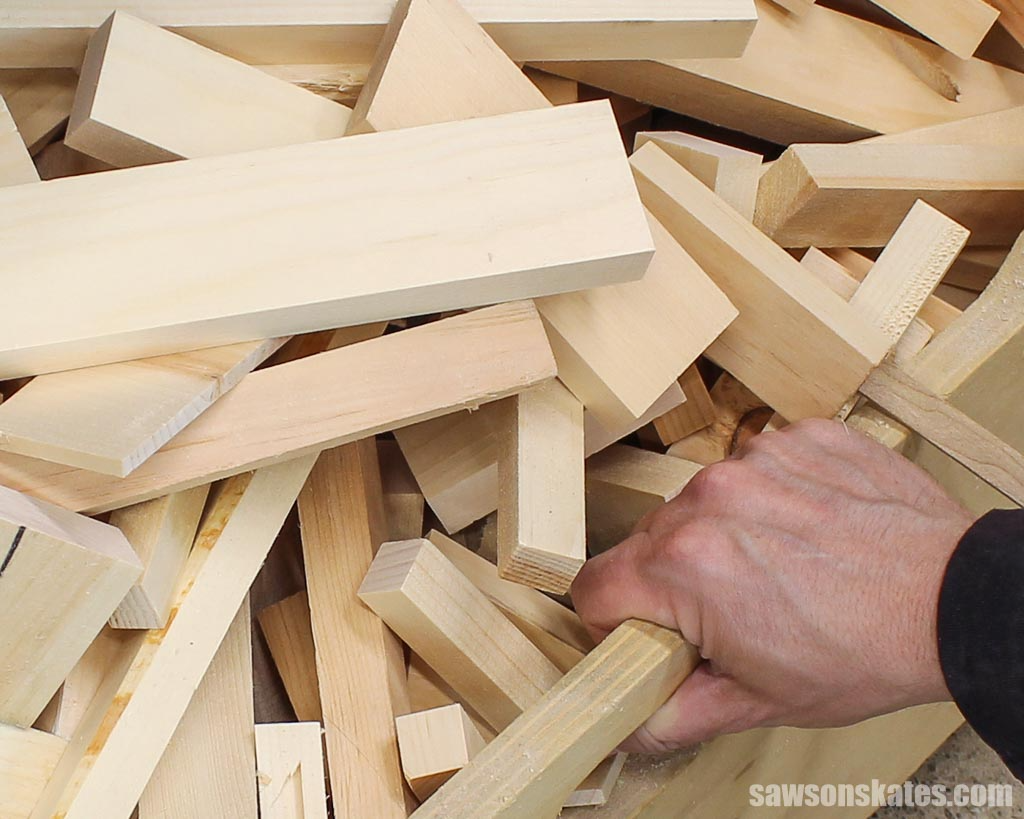
Repurposing old wood offers a sustainable and creative approach to construction and design. This method reduces waste, conserves resources, and often yields unique and aesthetically pleasing results. By understanding the various techniques and considerations involved, individuals can transform discarded wood into valuable assets.Old wood, with its inherent character and history, can be transformed into a wide array of objects, from functional furniture to decorative accents.
The key is in understanding the proper handling, preparation, and techniques to ensure longevity and quality.
Repurposing Furniture
Transforming old wooden furniture into new designs is a common method of reuse. This involves disassembling existing pieces, carefully evaluating the condition of the wood, and selecting suitable components. The process might include repairing damaged areas, applying a fresh coat of stain or paint, and replacing hardware. The possibilities are limitless, from repurposing an old dining table into a coffee table to turning an antique dresser into a unique storage unit.
Building Structures
Old wood can be effectively used in various building structures. Its durability and inherent strength can be leveraged in projects such as constructing fences, sheds, or even small-scale outdoor structures. Careful assessment of the wood’s structural integrity and treatment for pest control are essential. For example, reclaimed beams from old barns can be incorporated into modern homes for architectural interest and sustainability.
Creating Crafts and Decorative Elements
Old wood’s versatility extends to crafting unique and decorative items. Techniques like carving, sculpting, and inlaying can be employed to create intricate designs, decorative panels, and personalized artwork. The natural variations in the wood grain provide a unique aesthetic quality. For instance, old wooden planks can be transformed into decorative wall hangings or serve as a base for creating intricate sculptures.
Cleaning and Preparing Old Wood
Thorough cleaning and preparation are crucial for extending the lifespan and improving the appearance of reused wood. Sanding is essential to smooth rough surfaces and remove imperfections. Various grades of sandpaper can be used depending on the desired finish. Staining or painting enhances the wood’s appearance and protects it from the elements. Choosing the right stain or paint color can significantly influence the overall aesthetic.
Handling Old Wood Safely
Safety should be paramount when working with old wood. Inspecting the wood for signs of pests, such as termites or carpenter ants, is vital. Damaged areas should be repaired or replaced to prevent further infestation. Assessing the structural integrity of the wood is also important. Using appropriate safety gear, such as gloves and eye protection, while handling old wood is crucial to prevent injuries.
Working with Old Wood
Woodworking techniques, including joinery, cutting, and shaping, are vital in repurposing old wood. Different tools, from hand saws to power tools, are employed depending on the project’s complexity. Carving and sculpting techniques can be used to create intricate designs. The skill level and tools required will vary depending on the desired outcome.
Transforming Old Wood into Different Items
Examples of transforming old wood include creating a rustic coffee table from old barnwood, turning a discarded door into a unique wall hanging, or crafting a set of decorative bowls from reclaimed planks. The creative possibilities are vast, limited only by the individual’s imagination and skills.
Creative Applications of Old Wood

Repurposing old wood offers a unique opportunity to breathe new life into discarded materials and create truly distinctive pieces. This approach not only reduces waste but also allows for the expression of creativity and a connection to the past through the tangible beauty of reclaimed wood. From intricate furniture designs to rustic garden structures, the possibilities are as diverse as the imagination.This section will explore various creative avenues for utilizing old wood, focusing on aesthetic appeal, functional considerations, and the artistic possibilities inherent in this material.
We will delve into the selection process for different wood types, showcasing how specific choices can influence the final product’s appearance and durability. Furthermore, we will highlight the innovative approaches to crafting unique home decor items using old wood, providing a glimpse into the transformative power of this versatile material.
Unique and Innovative Repurposing Methods
Old wood provides an excellent medium for a wide range of creative endeavors. Transforming discarded beams into stylish decks or crafting distinctive garden structures showcases the material’s versatility. Furthermore, restoring antique items with old wood pieces breathes new life into cherished heirlooms, preserving history within modern design.
Home Decor Items from Old Wood
Many decorative items can be fashioned from reclaimed wood, ranging from shelves and picture frames to intricate wall hangings and decorative boxes. These projects often combine the rustic charm of the wood with contemporary design elements.
- Shelves: Reclaimed wood planks, especially those with interesting grain patterns, can be transformed into unique shelves. The natural imperfections of the wood add character and visual appeal, making them stand out in any room. A visually appealing design can further highlight the wood’s natural beauty.
- Picture Frames: Old wood pieces can be used to create personalized picture frames. The varying colors and textures within the wood can be combined to create visually striking designs. This allows for a unique way to display photographs and artwork.
- Wall Hangings: Thin, sculpted pieces of old wood can be arranged to create abstract or patterned wall hangings. The different hues and textures can be strategically combined to create a captivating visual impact.
- Decorative Boxes: Smaller pieces of wood can be shaped and assembled to make decorative boxes. These can be used to store trinkets, jewelry, or other small items. The rustic appeal of the wood complements various decorative styles.
Aesthetics and Functionality Comparison
The aesthetic appeal of old wood often stems from its unique characteristics, including variations in color, grain, and texture. These variations influence the final product’s visual appeal. The functionality of old wood projects depends on the specific application and the wood’s condition. For instance, a weathered plank might be ideal for a rustic-style garden structure, while a smooth, polished piece might be better suited for a modern furniture design.
Consider the specific needs and desired aesthetics when selecting wood for each project.
Selecting the Appropriate Wood for Projects
Choosing the right wood is crucial for the success of any project. Factors such as the wood’s species, moisture content, and overall condition must be considered. Wood with high moisture content might warp or crack during processing, while wood with structural defects could compromise the project’s integrity. Furthermore, the intended use of the final product influences the appropriate wood type.
Artistic Possibilities of Old Wood
The inherent character of old wood provides boundless artistic possibilities. The natural variations in color, grain, and texture create a canvas for artistic expression. Carving, painting, and staining techniques can further enhance the aesthetic appeal and create a unique and personal touch. The unique character of each piece of old wood allows for the creation of truly original artwork.
Safety and Preservation Considerations
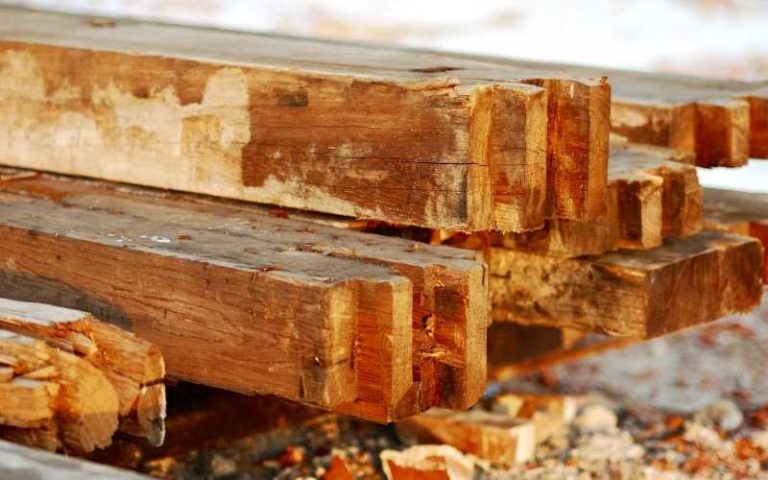
Properly assessing and preserving old wood is crucial for both safety and longevity when repurposing it. This involves careful evaluation of its structural integrity, proactive treatment of potential issues, and implementing preventative measures to maintain its condition over time. Understanding these aspects is vital for successful and safe repurposing projects.Careful consideration of the wood’s history and potential hazards is paramount.
For instance, old wood might have been exposed to harsh weather conditions or treated with chemicals that could pose risks. Thorough assessment and appropriate handling procedures are essential to ensure a safe and successful outcome.
Assessing Structural Integrity
Thorough inspection is essential for determining the structural soundness of old wood. Visual examination should focus on identifying any signs of damage, such as cracks, splinters, or significant bowing. Assessing the wood’s overall stability is key to preventing collapse or injury during use. If the wood has been previously used in a structural capacity, understanding its original design and load-bearing characteristics is important.
Historical records or professional assessments can provide valuable insights.
Identifying and Treating Wood Rot and Insect Damage
Wood rot and insect damage are common issues affecting old wood. Visual inspection is the first step, looking for soft spots, discoloration, or unusual textures. These signs can indicate the presence of fungal decay or insect infestation. Using tools like a chisel or a small drill to carefully test for hidden decay is advisable. For insect damage, looking for galleries or holes, or signs of sawdust accumulation is important.
Professional pest control measures may be necessary for extensive infestations.
Preventing Further Deterioration
Preventing further damage is a proactive approach. Protecting the wood from moisture is paramount. Regular inspection and prompt repairs can prevent further decay. Storage in a dry, well-ventilated area is crucial to minimize moisture absorption. Applying a suitable sealant or preservative can also offer effective protection.
This will significantly prolong the lifespan of the wood and maintain its structural integrity.
Safety Precautions
Safety is paramount when working with old wood. Always wear appropriate safety gear, such as gloves and eye protection. Be cautious when handling potentially unstable pieces. Ensure the work area is well-lit and clear of obstructions. If the wood has been treated with chemicals, take extra precautions to avoid inhalation or skin contact.
Proper disposal of contaminated materials is vital.
Preserving Old Wood
Proper preservation methods can significantly enhance the longevity and aesthetic appeal of old wood. Selecting the right treatment depends on the specific application and the desired outcome. Different finishes and preservatives offer varying degrees of protection and aesthetic appeal. Consult with professionals for guidance on appropriate treatment methods to ensure the best results.
Resources and Further Learning
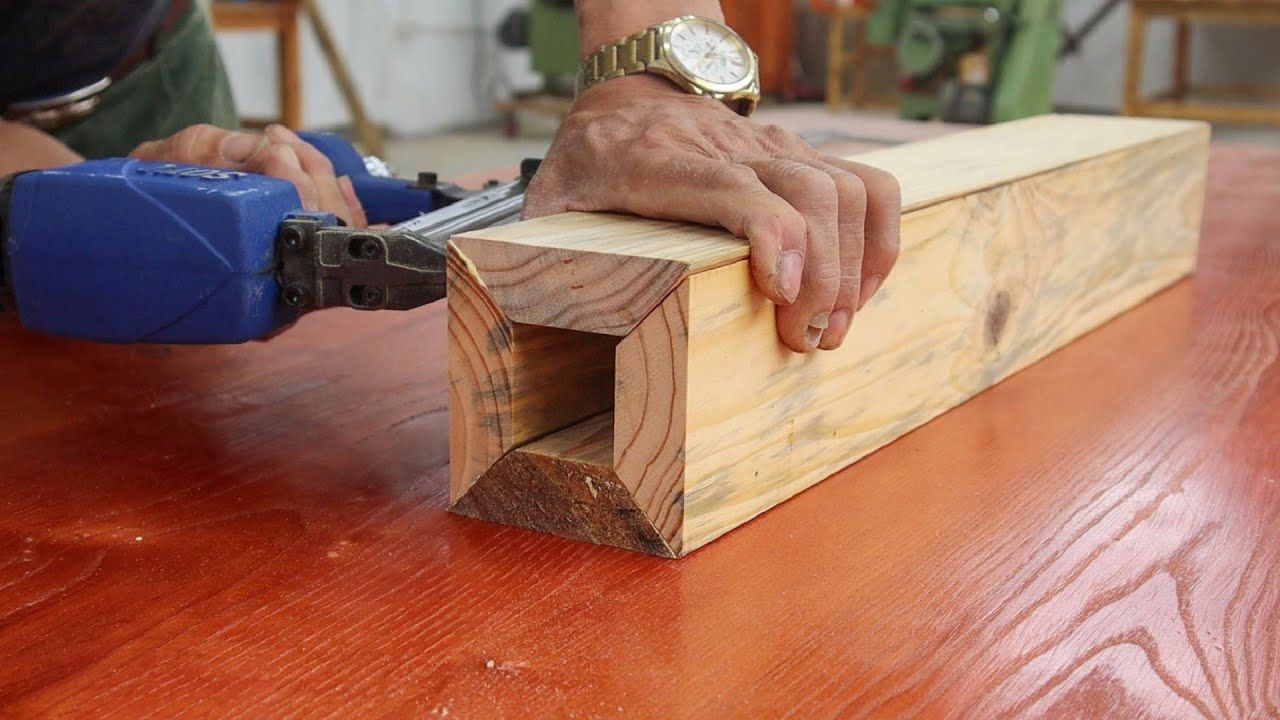
Expanding your knowledge about reclaimed wood and its applications requires access to reliable resources and further learning opportunities. This section provides essential information on finding old wood, connecting with communities, and understanding successful projects.Finding and utilizing reclaimed wood involves a network of resources, from online marketplaces to local organizations. A comprehensive approach to learning about this practice is essential for successful implementation.
Online Resources for Finding Old Wood
Locating sources for reclaimed wood is easier than ever with the abundance of online marketplaces. These platforms offer a diverse selection of materials, allowing you to discover unique pieces for your projects.
- Online Marketplaces: Platforms like Etsy and Craigslist often feature listings for reclaimed wood, ranging from planks and beams to intricate furniture components. These platforms provide a centralized marketplace where individuals and businesses offer their surplus wood.
- Salvage Yards: Many cities and towns have salvage yards that collect and resell surplus materials, including reclaimed wood. These locations provide an opportunity to discover high-quality, sustainable options.
Finding Local Sources of Reclaimed Wood
Identifying local sources of reclaimed wood can lead to unique, sustainable projects. This involves proactive engagement with your community and its resources.
- Community Resources: Contact local building supply stores or contractors. They might have access to reclaimed wood or know of individuals or businesses that do.
- Online Forums and Groups: Engage with online forums or groups dedicated to woodworking or sustainable practices. These communities often host discussions about reclaimed wood sources and projects.
- Local Construction Sites: While not always feasible, contacting construction sites, especially during demolitions, might offer opportunities to source materials directly. This requires careful consideration of safety and legality.
The Role of Community Organizations
Community organizations play a vital role in supporting the reuse of old wood. They often host workshops, events, and initiatives that highlight the value of this practice.
- Woodworking Clubs and Groups: Woodworking clubs and groups frequently feature discussions and projects focused on reclaimed wood, fostering a community around this practice.
- Environmental Organizations: Environmental groups often champion sustainable practices, including the reuse of wood and other materials. They might organize workshops or initiatives to promote awareness.
Examples of Projects Using Reclaimed Wood
Reclaimed wood is incredibly versatile and can be incorporated into various projects, offering a unique aesthetic and historical element. Consider the following examples:
- Furniture: Reclaimed wood is a popular choice for creating custom furniture pieces, offering a rustic, personalized touch. Examples include tables, chairs, and shelving units.
- Interior Design: Reclaimed wood can be incorporated into interior design projects in diverse ways. This includes flooring, wall panels, and decorative accents.
- Outdoor Structures: Reclaimed wood is excellent for creating durable and aesthetically pleasing outdoor structures, such as decks, fences, and gazebos.
Woodworking Tools and Materials Resources
A table showcasing examples of woodworking tools and materials resources follows:
| Resource Type | Example |
|---|---|
| Online Marketplaces | Etsy, Craigslist |
| Salvage Yards | Local salvage yards |
| Woodworking Tools | Planer, sander, saw |
| Hardware Stores | Home Depot, Lowe’s |
Environmental Impact of Reusing Old Wood
Reusing old wood offers significant environmental advantages compared to extracting new timber from forests. This practice plays a crucial role in mitigating the negative impacts of deforestation and reducing the overall carbon footprint associated with construction and furniture production. The inherent benefits of reusing existing resources are undeniable and contribute to a more sustainable approach to material sourcing.
Positive Environmental Impact of Reusing Old Wood
The environmental benefits of reusing old wood are substantial and far-reaching. Employing reclaimed wood minimizes the demand for newly harvested timber, thereby reducing pressure on forests and slowing deforestation. This conservation effort directly contributes to biodiversity preservation and safeguards vital ecological habitats. Furthermore, the process of reusing existing wood reduces the energy required for manufacturing new products, minimizing the overall environmental footprint.
Role of Wood Reuse in Reducing Deforestation
The demand for new timber frequently leads to deforestation, a significant environmental concern. Reusing old wood directly combats this issue by decreasing the need to cut down more trees. By providing a sustainable alternative, the reuse of old wood contributes to the preservation of forested areas, crucial ecosystems that support diverse plant and animal life. Using existing materials in construction and manufacturing minimizes the pressure on forests, thereby protecting biodiversity.
Connection Between Wood Reuse and Carbon Footprint Reduction
Reusing old wood contributes to a lower carbon footprint compared to using newly harvested timber. Trees absorb carbon dioxide from the atmosphere during their growth. When new wood is harvested, this stored carbon is released back into the environment. In contrast, reusing existing wood avoids this carbon release, thereby reducing the overall carbon footprint of construction and manufacturing processes.
The embodied carbon of a product refers to the total amount of greenhouse gases emitted during the entire life cycle of that product.
Data Supporting Environmental Benefits of Reusing Old Wood
Studies have demonstrated a significant reduction in greenhouse gas emissions when old wood is reused instead of new timber. For example, a report by the Environmental Protection Agency highlighted the lower carbon footprint of reclaimed wood compared to conventionally harvested wood. The actual figures and specific studies can vary depending on the type of wood, the methods of harvesting and processing, and the specific product being produced.
Data on carbon savings can also vary based on the manufacturing process and the energy used to create new products.
Methods of Measuring the Carbon Footprint of Using Old Wood
Several methodologies exist for quantifying the carbon footprint associated with using old wood. One approach involves calculating the carbon stored in the trees that were felled to produce the new wood and then comparing that figure to the carbon content of the reused wood. This comparison accounts for the energy consumption in transportation and processing. Another method is to assess the life cycle of the product using reclaimed wood and measure the emissions during each stage, including harvesting, processing, manufacturing, and transportation.
Further, the amount of energy consumed during the reprocessing of old wood contributes to the overall carbon footprint calculation. For instance, calculating the carbon footprint of a reclaimed wood table will involve evaluating the carbon sequestered by the original tree, the energy required to transport and process the wood, and the energy required for manufacturing the table.
Closing Summary
In conclusion, reusing old wood offers a powerful combination of environmental responsibility and artistic expression. By understanding the various methods for cleaning, preparing, and working with old wood, you can create beautiful and sustainable projects. This guide has provided a comprehensive overview, highlighting the potential of old wood and offering a wealth of resources for your next sustainable woodworking project.
Embrace the beauty and value hidden within the past and contribute to a more sustainable future, one reclaimed piece of wood at a time.