Paper recycling is a crucial environmental practice that significantly reduces waste and conserves resources. This comprehensive guide delves into the entire process, from the initial preparation of paper to its eventual transformation into new products. We’ll explore the history, methods, and environmental benefits of paper recycling, equipping you with the knowledge and tools to effectively participate in this vital endeavor.
This guide provides a detailed overview of the various stages involved in paper recycling, from initial collection to final product. Understanding the process, from the types of paper that can be recycled to the methods used by recycling facilities, empowers individuals and businesses to make informed choices and contribute to a more sustainable future.
Introduction to Paper Recycling
Paper recycling is a crucial process for environmental sustainability. It significantly reduces the demand for virgin wood pulp, conserving forests and mitigating deforestation. This process also decreases the amount of waste sent to landfills, reducing the environmental impact of these sites. The recycling of paper is a key component of a sustainable waste management system.The paper recycling process involves the collection, sorting, pulping, and manufacturing of new paper products from recycled materials.
This closed-loop system allows for the reuse of resources, minimizing the need for raw materials and lowering carbon emissions.
Types of Recyclable Paper
A wide variety of paper products can be recycled. The key is separating them based on their composition. Commonly recycled papers include newsprint, magazines, office paper, and cardboard. Different types of paper have varying degrees of contamination, which affects the quality of the recycled product. For instance, colored paper, paper with staples, or paper with ink can create contamination issues during the pulping process, potentially requiring additional cleaning steps or limiting its reusability.
- Newsprint: A common type of paper used for newspapers, it is typically made from wood pulp and is readily recyclable.
- Magazines: Often contain a mixture of paper types, including glossy stock and coated paper, which may require additional processing steps for effective recycling.
- Office Paper: A widely used paper for documents, letters, and reports. It is generally recyclable but may have contaminants like staples or paper clips that need to be removed.
- Cardboard: A strong, sturdy paperboard material commonly used for packaging. It is highly recyclable and often has a high recovery rate.
History of Paper Recycling
The history of paper recycling demonstrates a growing awareness of environmental concerns. Early efforts focused on simple methods of reusing paper scraps, such as making new paper from old documents. Over time, advancements in technology and environmental awareness led to more sophisticated and efficient recycling processes. The 20th century witnessed significant growth in the paper recycling industry, with the development of new technologies to process different types of paper more effectively.
This increased efficiency helped to lower costs and enhance the quality of recycled paper products.
Materials Required for Paper Recycling
A successful paper recycling process depends on several key materials and procedures. These include:
- Collection Facilities: Designated areas for collecting recyclable paper are essential for efficient collection and sorting.
- Sorting Equipment: Specialized machinery to separate different types of paper is necessary to ensure the quality of the recycled material.
- Pulping Machinery: Equipment to break down paper into pulp, which is a crucial step in the process. The types of pulping machines vary depending on the type of paper being recycled. Some processes use mechanical pulping, while others use chemical pulping to separate the fibers.
- Processing Plants: Facilities to process and clean the pulp, removing impurities and preparing it for manufacturing.
- Staff and Workers: Dedicated personnel to manage the entire process, including collection, sorting, and processing.
Environmental Benefits of Paper Recycling
Recycling paper significantly reduces the environmental impact associated with paper production. These benefits include:
- Reduced Deforestation: Recycling paper reduces the demand for virgin wood pulp, conserving forests and mitigating deforestation.
- Lower Water Consumption: Producing paper from recycled materials generally requires less water than making paper from wood pulp.
- Reduced Landfill Waste: Recycling paper prevents paper waste from accumulating in landfills, reducing the environmental problems associated with landfill waste.
- Energy Conservation: Manufacturing paper from recycled materials often uses less energy compared to producing paper from virgin wood pulp.
Preparation and Collection
Proper preparation and collection of paper for recycling are crucial for maintaining the quality of the recycled material and ensuring its efficient processing. Effective sorting and cleaning procedures contribute significantly to the overall success of the recycling process. These steps minimize contamination and maximize the value of the recovered paper.Effective paper recycling relies heavily on the careful preparation of materials.
This involves separating different paper types and ensuring they are clean to avoid contamination of the entire batch. Clean paper is essential for the recycling process to run smoothly and produce high-quality recycled products.
Paper Preparation Steps
Thorough preparation is vital for successful paper recycling. This includes removing all non-paper materials like plastic, metal, and food scraps. The presence of these contaminants can disrupt the recycling process and result in lower-quality recycled products.
- Removal of Non-Paper Items: Carefully inspect each piece of paper and remove any non-paper items, such as plastic wrappers, metal staples, or food debris. This step is essential to prevent contamination of the entire batch.
- Sorting by Type: Different types of paper have varying recycling qualities. Sorting by type helps to ensure that the paper is processed appropriately, optimizing the outcome of the recycling process.
- Cleaning: Cleaning the paper is crucial for optimal recycling. This involves removing any visible dirt, dust, or other contaminants. This step ensures that the recycled paper is of high quality and suitable for use in new products.
Sorting Different Paper Types
Effective sorting is a key factor in paper recycling. Different types of paper react differently during the recycling process, and mixing them can negatively impact the outcome.
- Newspapers: Newspapers are often collected separately, as their ink content may impact the recycling process.
- Magazines: Magazines, often coated with inks and glossy finishes, are frequently sorted separately.
- Cardboard: Cardboard, a strong and versatile material, is commonly sorted and processed separately due to its different structure and composition.
- Office Paper: Standard office paper, typically uncoated and plain, is frequently collected separately and recycled as a distinct category.
Importance of Clean Paper
Maintaining cleanliness throughout the process is crucial for successful paper recycling. Contamination from other materials can hinder the recycling process and compromise the quality of the recycled paper.
- Contamination Prevention: Minimizing contamination from non-paper materials is vital. Small amounts of contaminants can significantly affect the overall quality of the recycled paper. This often involves meticulous sorting and cleaning procedures.
- Quality Control: Maintaining a high standard of cleanliness ensures the production of high-quality recycled paper. This directly influences the use of the recycled product.
- Efficiency of Recycling: Clean paper simplifies the recycling process, improving its efficiency and minimizing any potential issues during processing.
Common Paper Types and Recycling Considerations
The table below Artikels common paper types, their descriptions, recommended cleaning methods, and recycling considerations.
| Paper Type | Description | Cleaning Steps | Recycling Considerations |
|---|---|---|---|
| Newspapers | Printed on uncoated paper, often with ink | Remove staples, paper clips, and any non-paper items. | Often sorted separately due to ink content. |
| Magazines | Printed on coated paper, often with glossy finishes | Remove staples, paper clips, and any non-paper items. | May require additional cleaning to remove ink and coatings. |
| Cardboard | Corrugated or solid, used for packaging | Remove tape, labels, and any non-cardboard items. | Often collected separately for its structural integrity. |
| Office Paper | Plain, uncoated paper for general use | Remove staples, paper clips, and any non-paper items. | Generally recyclable, though some types may contain coatings. |
Examples of Improper Paper Preparation
Improper preparation can have significant consequences for the recycling process.
- Contamination with Plastics: Including plastic bags or food wrappers with paper can contaminate the entire batch, rendering the paper unusable for recycling. This can lead to the loss of the entire batch and a waste of resources.
- Mixing Different Paper Types: Mixing different paper types, like glossy magazines with office paper, can negatively impact the recycling process, reducing the quality of the final product. This may necessitate additional processing steps, increasing the overall cost.
- Incomplete Cleaning: Failure to remove all visible dirt or contaminants from paper can lead to contamination during processing, resulting in lower-quality recycled products.
Recycling Methods and Facilities
Paper recycling employs various methods, each with its own advantages and environmental impact. Efficient paper recycling hinges on effective collection, processing, and ultimately, the utilization of recycled paper products. This section details the diverse methods and facilities crucial to this process.
Different Recycling Methods
Various methods exist for processing paper into usable products. These methods differ significantly in their complexity and environmental impact. Mechanical pulping, a more basic method, is widely used, while chemical pulping, a more involved process, yields higher quality paper. The choice of method depends on factors like the type of paper being recycled and the desired end product.
- Mechanical Pulping: This method involves grinding paper into a pulp using mechanical force. It is a simpler and less energy-intensive process compared to chemical pulping. The resulting pulp, however, often contains impurities and is less refined. Newspapers and cardboard are frequently recycled using this method.
- Chemical Pulping: This method utilizes chemicals to break down the paper fibers. This process yields a cleaner pulp, enabling the production of higher-quality paper products, including writing paper and packaging. While it offers better quality, it often demands more energy and creates more chemical waste.
- De-inking: This crucial process specifically targets the removal of ink from paper, a significant challenge in recycling. Various methods, such as solvent-based and mechanical methods, are employed to separate ink from the fibers. De-inking is essential for producing high-quality recycled paper suitable for printing.
Paper Recycling Facilities
Paper recycling facilities play a critical role in transforming collected paper into reusable resources. These facilities vary significantly in size and capacity, each catering to specific needs and volumes. Large-scale facilities often handle significant volumes of paper, employing advanced technologies for efficient processing. Smaller facilities, conversely, might focus on specific paper types or serve localized communities.
- Large-Scale Facilities: These facilities typically employ advanced machinery and technologies, including automated sorting systems and sophisticated pulping equipment. They are capable of handling massive volumes of paper, processing different types of paper, and producing a wide range of recycled products. They are often situated in strategic locations, considering the logistics of paper collection.
- Small-Scale Facilities: These facilities, often community-based, may specialize in processing particular paper types or serving specific geographic areas. Their capacity is limited, but they can be more flexible in terms of handling different paper types. They often play a crucial role in local recycling initiatives.
Recycling Process Stages
The recycling process encompasses several crucial stages, each contributing to the transformation of collected paper into new products.
- Collection and Sorting: The initial stage involves collecting and sorting paper by type (e.g., newspapers, magazines, office paper). This careful sorting ensures that different paper types are processed appropriately, maximizing the quality of the recycled material.
- Cleaning and Shredding: Paper is cleaned to remove contaminants like staples and paper clips. Shredding is often necessary to break down larger pieces of paper into smaller, more manageable sizes, enabling efficient processing in subsequent stages.
- Pulping and Refining: This stage involves dissolving the paper into fibers, typically through mechanical or chemical processes. Refining further improves the pulp’s quality and consistency.
- De-inking (if applicable): This crucial stage is often employed to remove ink from paper, ensuring that the resulting pulp is suitable for producing high-quality recycled paper.
- Manufacturing: The final stage involves converting the refined pulp into new paper products. This process may involve bleaching, drying, and shaping the pulp into paper sheets.
Comparison of Recycling Methods
The table below summarizes the different recycling methods, their descriptions, advantages, and disadvantages.
| Method | Description | Advantages | Disadvantages |
|---|---|---|---|
| Mechanical Pulping | Grinding paper into pulp using mechanical force. | Simple, less energy-intensive, lower cost. | Lower quality pulp, impurities may remain, less suitable for high-quality paper. |
| Chemical Pulping | Using chemicals to break down paper fibers. | Higher quality pulp, suitable for various paper products. | More energy-intensive, chemical waste generation. |
| De-inking | Removing ink from paper. | Produces high-quality recycled paper. | Complex process, dependent on ink type, potentially expensive. |
Environmental Impact of Paper Recycling
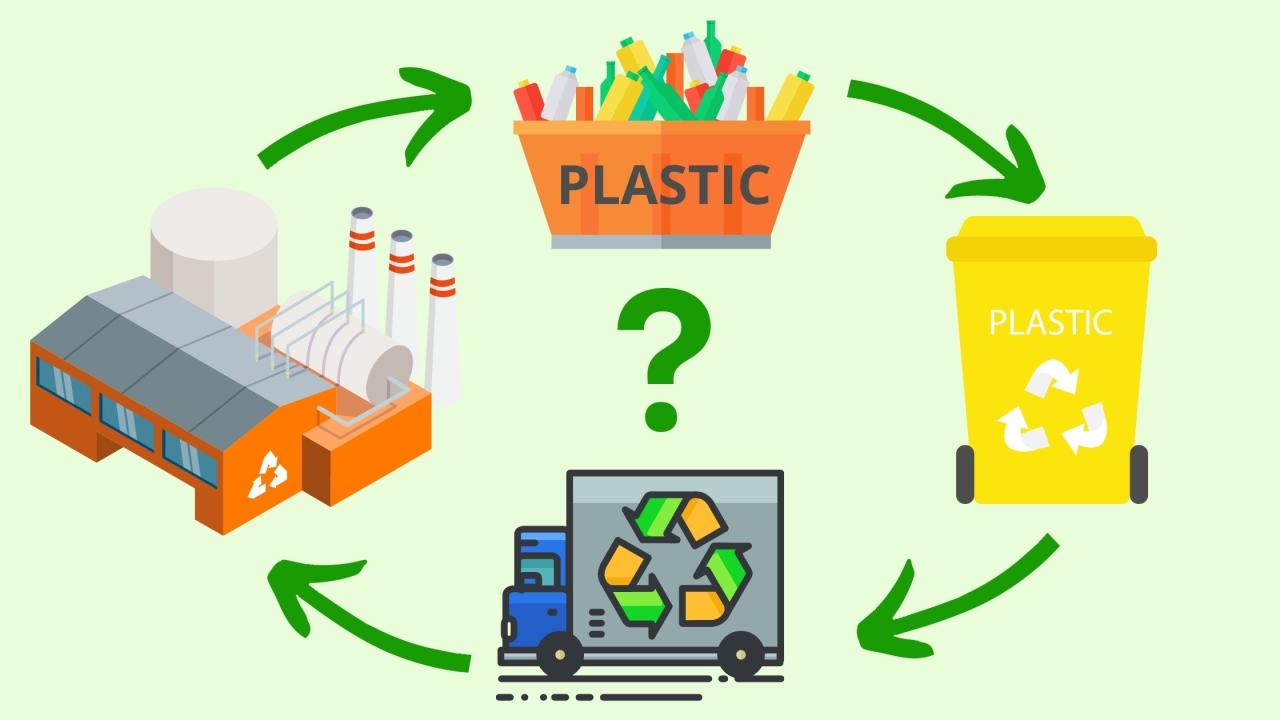
Paper recycling plays a crucial role in mitigating the environmental impact of paper production. By diverting used paper from landfills and utilizing recycled materials, we conserve natural resources and reduce the strain on the environment. This process significantly contributes to a more sustainable future, minimizing the negative effects of our consumption habits.
Resource Conservation and Waste Reduction
Recycling paper conserves valuable natural resources, primarily trees. Producing paper from virgin wood requires significant amounts of raw materials and energy. Recycling paper, on the other hand, reduces the demand for virgin wood, helping to protect forests and biodiversity. This conservation effort directly combats deforestation and its associated environmental consequences. Furthermore, diverting paper from landfills significantly reduces the volume of waste requiring disposal.
This reduced landfill burden mitigates the environmental risks associated with landfill leachate and greenhouse gas emissions.
Greenhouse Gas Emissions Reduction
Manufacturing paper from virgin wood is an energy-intensive process, generating substantial greenhouse gas emissions. Recycling paper, conversely, requires significantly less energy, resulting in a substantial reduction in these emissions. The energy saved in the recycling process translates into a lower carbon footprint compared to producing paper from virgin materials. This reduced carbon footprint is crucial in combating climate change.
For instance, studies have shown that recycling one ton of paper can save approximately 17 trees, which in turn reduces the carbon emissions equivalent to driving a car for 26,000 miles.
Impact on Deforestation and Landfill Space
Recycling paper has a profound impact on deforestation, as it reduces the demand for virgin wood pulp. This conservation effort protects forests and the biodiversity they support. Less paper waste also translates to less space required in landfills. This reduced landfill burden is essential in mitigating environmental risks, such as leachate contamination and the release of greenhouse gases.
For example, recycling a significant amount of paper can prevent millions of trees from being cut down annually, preserving vital ecosystems.
Impact of Recycling Versus Virgin Paper
Using recycled paper instead of virgin paper offers significant environmental advantages. The energy required to manufacture paper from recycled materials is considerably lower than that needed for virgin paper. This energy efficiency directly translates into reduced greenhouse gas emissions. Moreover, recycling conserves valuable natural resources, protecting forests and biodiversity. The use of recycled paper directly contributes to a lower environmental impact compared to the production of paper from virgin materials.
Data Supporting Environmental Benefits
Numerous studies and reports demonstrate the environmental benefits of paper recycling. The Environmental Protection Agency (EPA) provides data highlighting the reduction in energy consumption and greenhouse gas emissions associated with recycling. For example, the EPA estimates that recycling one ton of paper saves approximately 17 trees, 7,000 gallons of water, and 4 cubic yards of landfill space. These figures highlight the substantial environmental benefits of recycling paper.
Tips and Tricks for Effective Recycling
Maximizing the positive environmental impact of paper recycling requires a multifaceted approach that goes beyond simply separating paper from other waste. This section details practical tips and strategies for individuals and businesses to optimize their paper recycling efforts, ensuring that as much paper as possible is diverted from landfills and repurposed.Effective recycling is not just about the act of separating materials; it’s about mindful consumption and responsible disposal.
Understanding the nuances of the recycling process and adopting practical strategies can significantly improve the overall efficiency of paper recycling programs, both at home and in the workplace.
Practical Tips for Successful Home Recycling
Proper sorting and preparation of paper materials are crucial for successful recycling. Improperly prepared paper can contaminate the entire batch, rendering it unusable. Carefully adhering to local guidelines for acceptable materials is essential for maximizing the recycling potential.
- Sort Carefully: Ensure that only acceptable paper types are placed in the recycling bin. Newspapers, magazines, cardboard, and office paper are generally accepted, but check local guidelines for specific materials like glossy paper, colored paper, or paper with plastic coatings.
- Clean and Flatten: Remove staples, paperclips, and other metallic items from paper before placing it in the recycling bin. Flattening cardboard boxes and other bulky items maximizes space and minimizes bulk in the recycling collection containers.
- Dry Paper: Avoid placing wet paper in the recycling bin, as it can cause issues with the recycling process and potentially contaminate other materials. If wet paper must be recycled, allow it to dry completely before disposal.
- Check Local Guidelines: Contact your local recycling center or municipality for detailed guidelines on acceptable paper types and preparation methods. These guidelines can vary by region.
Community Participation in Paper Recycling Programs
Community engagement is vital for successful paper recycling initiatives. Collective action and widespread awareness are essential to achieving significant reductions in paper waste. Encouraging residents to participate and adhere to recycling guidelines through education and awareness campaigns will maximize the efficiency of recycling programs.
- Public Awareness Campaigns: Organizing workshops, distributing educational materials, and utilizing social media platforms can educate the community about proper paper recycling practices and their environmental benefits.
- Incentivize Participation: Implementing programs that reward individuals and families for their participation in recycling programs can motivate greater community involvement. For example, a community recycling competition could be organized.
- Partnerships with Schools and Businesses: Collaboration with schools and businesses to incorporate paper recycling into educational programs and workplace routines can create a culture of sustainability within the community.
Effective Paper Recycling Strategies for Businesses
Implementing robust paper recycling programs within businesses can have a significant positive environmental impact. These programs can not only reduce waste but also promote a culture of sustainability.
- Designated Recycling Areas: Establish dedicated recycling bins throughout the workplace for different paper types (e.g., office paper, cardboard). Clear labeling and signage can improve sorting accuracy.
- Employee Training: Provide training to employees on proper paper recycling procedures to ensure consistent and efficient sorting.
- Waste Audits: Conduct regular waste audits to assess the volume of paper waste and identify areas for improvement in the recycling process. This can help identify specific waste streams that can be reduced.
Step-by-Step Guide for Recycling Paper at Home
This step-by-step guide provides a simple and effective method for recycling paper at home.
- Collect Acceptable Paper Types: Gather newspapers, magazines, cardboard boxes, and office paper for recycling.
- Remove Contaminants: Remove staples, paperclips, and other metallic items from the paper.
- Flatten Cardboard and Other Bulky Items: Compact cardboard boxes and other bulky items for easier transport and storage.
- Place Paper in Designated Recycling Bin: Ensure the paper is clean and dry before placing it in the designated recycling bin.
- Follow Local Guidelines: Check local guidelines for specific paper types or requirements for effective recycling.
Reusing Paper Products
Reusing paper products is a crucial aspect of minimizing waste and maximizing resource efficiency. Many paper products can be repurposed for various creative or practical purposes, thus extending their lifespan and reducing reliance on new paper production.
- Using Old Envelopes as Gift Bags: Transform old envelopes into decorative gift bags by adding ribbon or other embellishments.
- Turning Old Magazines into Scrapbooks: Use old magazines as inspiration and source material for creating personalized scrapbooks.
- Creating Paper Crafts: Employ creative techniques like paper quilling, origami, or paper mache to transform old paper into unique and functional items.
Challenges and Future of Paper Recycling
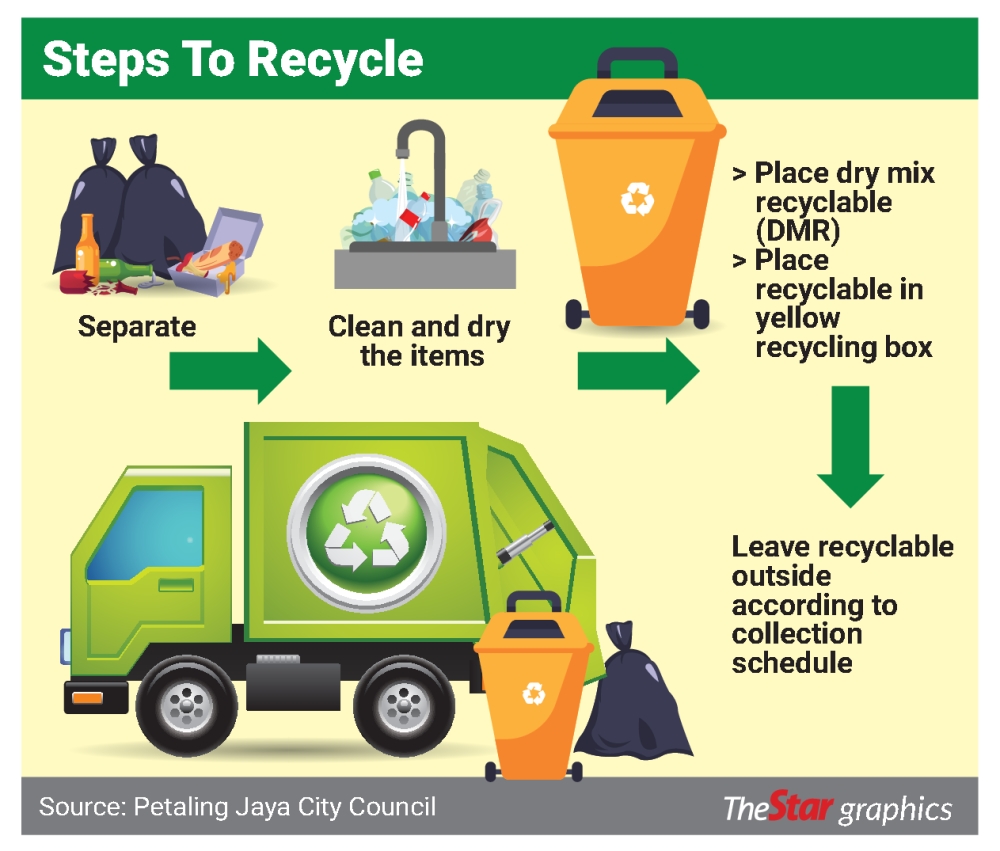
Paper recycling, while a crucial component of sustainable practices, faces various hurdles. These challenges, coupled with evolving consumer demands and technological advancements, shape the future of this industry. Addressing these issues is essential to maintaining the efficacy and environmental benefit of paper recycling.
Challenges Faced by Paper Recycling Facilities
Paper recycling facilities often encounter significant operational difficulties. Contamination from non-paper materials, like plastic or metal, severely impacts the quality of the recycled product and necessitates costly sorting procedures. Furthermore, fluctuating market prices for recycled paper can create economic instability for facilities, impacting their ability to maintain operations. This price volatility often necessitates careful cost management and efficient resource allocation.
Challenges Faced by Communities
Community participation plays a vital role in the success of paper recycling programs. Public awareness regarding proper sorting and collection methods is often inconsistent, leading to contamination of collected materials. Furthermore, the accessibility and availability of recycling bins and collection services vary significantly across different areas, affecting participation rates and hindering recycling efforts. Effective outreach programs and strategic placement of recycling infrastructure are crucial for overcoming these obstacles.
Future Trends in Paper Recycling Technology and Innovation
Technological advancements are revolutionizing paper recycling processes. Advanced sorting technologies, such as optical character recognition (OCR) and near-infrared (NIR) spectroscopy, can detect and separate different types of paper more accurately, reducing contamination and improving the quality of the recycled product. This innovation is crucial for enhancing the overall efficiency and effectiveness of recycling processes.
Development of New Materials Mimicking Paper
The development of new materials that mimic the functionality of paper is a promising avenue for sustainable applications. These materials often utilize plant-based fibers or other renewable resources, minimizing the environmental footprint of traditional paper production. For instance, companies are experimenting with bioplastics derived from agricultural waste, aiming to create a more sustainable alternative to conventional paper. This development aligns with the global trend toward eco-friendly alternatives and emphasizes resource optimization.
Increasing Demand for Recycled Paper and Its Market Impact
The demand for recycled paper is steadily increasing, driven by a growing awareness of environmental concerns and a desire for sustainable products. This rising demand influences the market dynamics, creating new opportunities for paper recycling facilities and promoting investment in the sector. For example, major retailers are increasingly incorporating recycled content into their packaging, creating a substantial market for recycled paper products.
Importance of Education and Awareness Campaigns
Public education and awareness campaigns are crucial for fostering a culture of responsible recycling practices. Educating communities about the importance of proper sorting, the environmental benefits of recycling, and the practical steps to participate in paper recycling initiatives is essential for ensuring the success of these programs. Effective campaigns can significantly improve community participation and create a positive impact on the environment.
Examples and Case Studies
Successful paper recycling programs demonstrate the significant environmental and economic benefits that can be achieved through dedicated efforts. These programs, often developed and implemented at local, regional, and national levels, showcase how communities can actively participate in sustainable practices and contribute to a healthier planet. Understanding successful case studies provides valuable insights into strategies that can be replicated and adapted to achieve similar positive outcomes in other areas.
Successful Paper Recycling Programs in Different Regions
Numerous regions around the world have implemented effective paper recycling programs, yielding positive results. These initiatives vary in scope and approach, but consistently demonstrate the importance of community engagement and dedicated infrastructure. For example, some programs focus on public awareness campaigns, while others concentrate on streamlining the collection and processing procedures.
- The city of Portland, Oregon, boasts a highly successful curbside recycling program, which has achieved high participation rates and impressive recycling yields. Their success is attributed to a multifaceted approach, including extensive public education campaigns, convenient collection bins, and a robust sorting facility.
- In the Netherlands, the implementation of a nationwide paper recycling program has resulted in a significant reduction in landfill waste and a notable increase in the reuse of paper products. Their comprehensive strategy includes both incentives for businesses and citizens to participate and a strong emphasis on technological advancements in paper recycling facilities.
- Singapore’s innovative approach to waste management, including paper recycling, emphasizes comprehensive waste segregation from the source. This, combined with modern processing technologies, allows for higher quality recycled paper products, contributing to a more sustainable material cycle.
Case Studies Illustrating Impact on Communities
The positive impact of paper recycling programs extends beyond environmental benefits, influencing communities in various ways. These initiatives often create employment opportunities, reduce reliance on virgin materials, and generate revenue for local governments.
- A case study from a small town in the United States showed that the establishment of a community paper recycling program not only reduced landfill waste but also generated additional revenue for the town through the sale of recycled paper. This program stimulated local economies by providing jobs in collection and processing.
- Many European municipalities have reported a noticeable improvement in public health due to the reduction in landfill waste and associated environmental pollutants, resulting from their paper recycling programs. Improved air quality and reduced waste management costs are direct results of these programs.
Successful Partnerships between Companies and Organizations
Collaboration between businesses and environmental organizations is crucial for effective paper recycling initiatives. These partnerships leverage the resources and expertise of both parties, resulting in more comprehensive and sustainable programs.
- A successful partnership between a major retail chain and a paper recycling company involved the development of a system for collecting used paper from store locations. This initiative not only reduced the retail chain’s environmental footprint but also fostered positive public perception.
- Several schools and educational institutions have partnered with recycling organizations to implement paper recycling programs within their facilities. This approach provides a valuable educational opportunity for students, fostering a culture of environmental responsibility from a young age.
Benefits of Large-Scale Paper Recycling Initiatives
Large-scale recycling initiatives offer significant benefits, encompassing environmental protection and economic advantages. These initiatives often involve significant investments in infrastructure and technology, resulting in long-term positive outcomes.
- A significant reduction in deforestation and the need for new trees to produce paper is a primary benefit of large-scale paper recycling. This directly contributes to the preservation of forests and biodiversity.
- The reduction of greenhouse gas emissions from paper production and transportation is a substantial outcome of widespread recycling efforts. This directly contributes to a healthier environment.
Summary of Case Study Findings
| Location | Program | Results | Lessons Learned |
|---|---|---|---|
| Portland, Oregon | Curbside recycling program | High participation rates, impressive recycling yields | Multifaceted approach, including public education and convenient collection, is key to success. |
| Netherlands | Nationwide paper recycling program | Significant reduction in landfill waste, increased paper reuse | Incentives for participation and technological advancements are important for comprehensive success. |
| Singapore | Comprehensive waste management system | Higher quality recycled paper, sustainable material cycle | Source segregation and modern processing technologies contribute to efficient recycling. |
Ultimate Conclusion
In conclusion, recycling paper is a multifaceted process with significant environmental benefits. By understanding the steps involved, from proper preparation and sorting to the different recycling methods and facilities, we can all play a part in conserving resources, reducing waste, and minimizing the environmental impact of our consumption habits. This guide provides a roadmap for effective paper recycling, encouraging individual and community participation in creating a more sustainable world.