Reducing textile waste and embracing sustainable practices are increasingly important in today’s world. Reusing old towels is a simple yet impactful way to contribute to a more environmentally friendly lifestyle. This comprehensive guide will walk you through the process of reusing old towels, offering practical advice on how to maximize their lifespan and minimize their environmental impact. From understanding the various types of towels and their optimal reuse methods to setting up effective towel reuse programs in different settings, this guide provides a thorough approach to sustainable towel management.
This guide explores the environmental benefits of towel reuse, covering different towel types and their suitability for various reuse methods. It provides a detailed comparison of different reuse methods, outlining procedures, pros, and cons. Furthermore, the guide delves into the practical implementation of towel reuse in homes, hotels, and businesses, including practical examples and the associated challenges and solutions.
Introduction to Towel Reuse
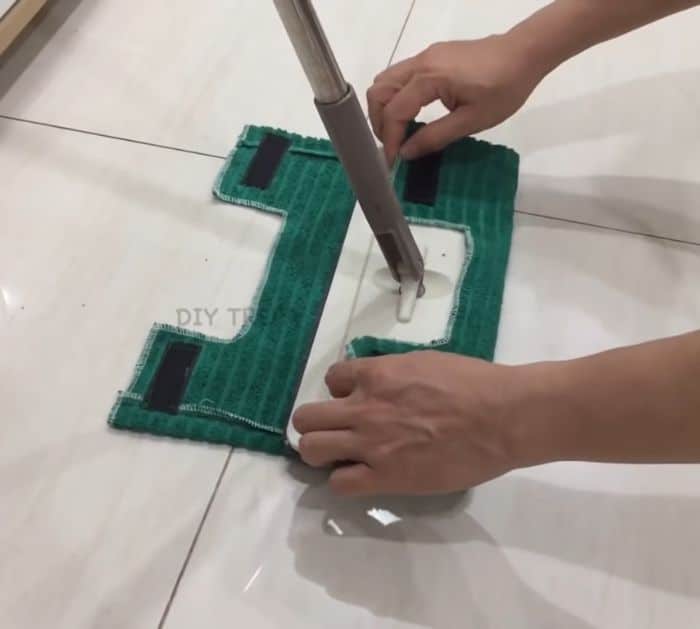
Reusing towels offers significant environmental advantages by reducing water and energy consumption associated with laundering. By extending the lifespan of towels, we lessen the demand for new textile production, thereby decreasing the overall environmental impact of our daily routines. This approach contributes to a more sustainable lifestyle.Different types of towels, such as bath towels and hand towels, have varying uses and thus different optimal reuse strategies.
Bath towels, for instance, are better suited for longer reuse cycles than hand towels, which might require more frequent laundering due to their frequent contact with germs. Careful selection of suitable reuse methods and consistent maintenance are crucial for effective towel reuse.
Towel Material Considerations
Proper care and maintenance of towels are vital to ensuring their longevity and effectiveness. Regular cleaning, appropriate drying techniques, and storage methods can extend the lifespan of your towels. Consistent attention to these details ensures that towels remain absorbent, soft, and hygienic throughout their lifespan.
| Material | Pros | Cons |
|---|---|---|
| Cotton | Highly absorbent, soft, and readily available. Cotton towels are generally affordable and durable. | Can shrink or fade with repeated washing, and may require more frequent laundering than other materials due to its tendency to hold onto moisture. |
| Linen | Naturally strong and durable, providing excellent absorbency and a luxurious feel. Linen towels are known for their longevity and beautiful drape. | Linen towels can be more expensive than cotton towels and require special care to avoid wrinkles. They may also take longer to dry. |
| Microfiber | Exceptionally absorbent and quick-drying. Microfiber towels are lightweight and often offer a smoother feel. | Microfiber towels can lose absorbency over time with repeated washing. They may also be more prone to pilling or snagging. |
Methods for Towel Reuse
Reusing towels is an effective way to conserve resources and reduce environmental impact. Proper handling and care are crucial to maintain the quality and longevity of reused towels. This section Artikels the best methods for towel reuse, encompassing washing, drying, and storage procedures.
Comparative Analysis of Towel Reuse Methods
Different methods of towel reuse cater to various needs and circumstances. The table below compares the procedures, advantages, and disadvantages of hanging, washing, and drying towels.
| Method | Procedure | Pros | Cons |
|---|---|---|---|
| Hanging | Towels are hung to air dry after use. This is often the quickest method. | Reduces water usage and energy consumption. Minimizes the need for a dryer. Maintains softness if the towel is a quick-drying type. | May not be suitable for all towel types or climates. Can take longer to dry fully, depending on humidity. Not suitable for frequent reuse. |
| Washing | Towels are machine-washed with appropriate detergent and water temperature, then dried according to type. | Effective for removing dirt and odors. Suitable for frequent reuse. Ideal for heavily soiled towels. | Requires energy for washing and drying. More time-consuming than hanging. May lead to shrinkage if not properly handled. |
| Drying | Drying techniques vary based on the type of towel and the desired outcome. | Ensures complete drying and prevents mildew. Allows towels to maintain their absorbency. | Drying can damage towels if improper techniques are used. Requires energy for drying in most cases. |
Optimal Drying Techniques for Different Towel Types
The ideal drying method depends on the material and construction of the towel. Microfiber towels, for example, are often suitable for hanging to air dry. Heavily absorbent cotton towels, on the other hand, might benefit from machine drying, though low heat is recommended to prevent damage. Thick terry cloth towels may require a combination of hanging and machine drying for the best results.
Fabric composition and the desired softness and absorbency should guide the selection of the drying technique.
Best Practices for Storing Reused Towels
Proper storage of reused towels is essential for maintaining their quality and preventing damage. Store clean towels in a dry, well-ventilated area, away from direct sunlight. Avoid folding towels tightly, as this can lead to wrinkles and creases. Roll or hang them neatly to maximize space and prevent mildew. Using towel racks or shelves can aid in maintaining a clean and organized storage space.
Role of Laundry Detergent in Towel Reuse
Choosing the right laundry detergent is vital for maintaining the quality and longevity of reused towels. Mild detergents are generally recommended, especially for frequent reuse. Harsh detergents can damage the fibers over time, impacting the absorbency and softness of the towels. Environmentally friendly detergents are also a good option for reducing the environmental impact of towel reuse.
Using the correct amount of detergent, as per the manufacturer’s instructions, is also crucial.
Towel Reuse in Different Settings
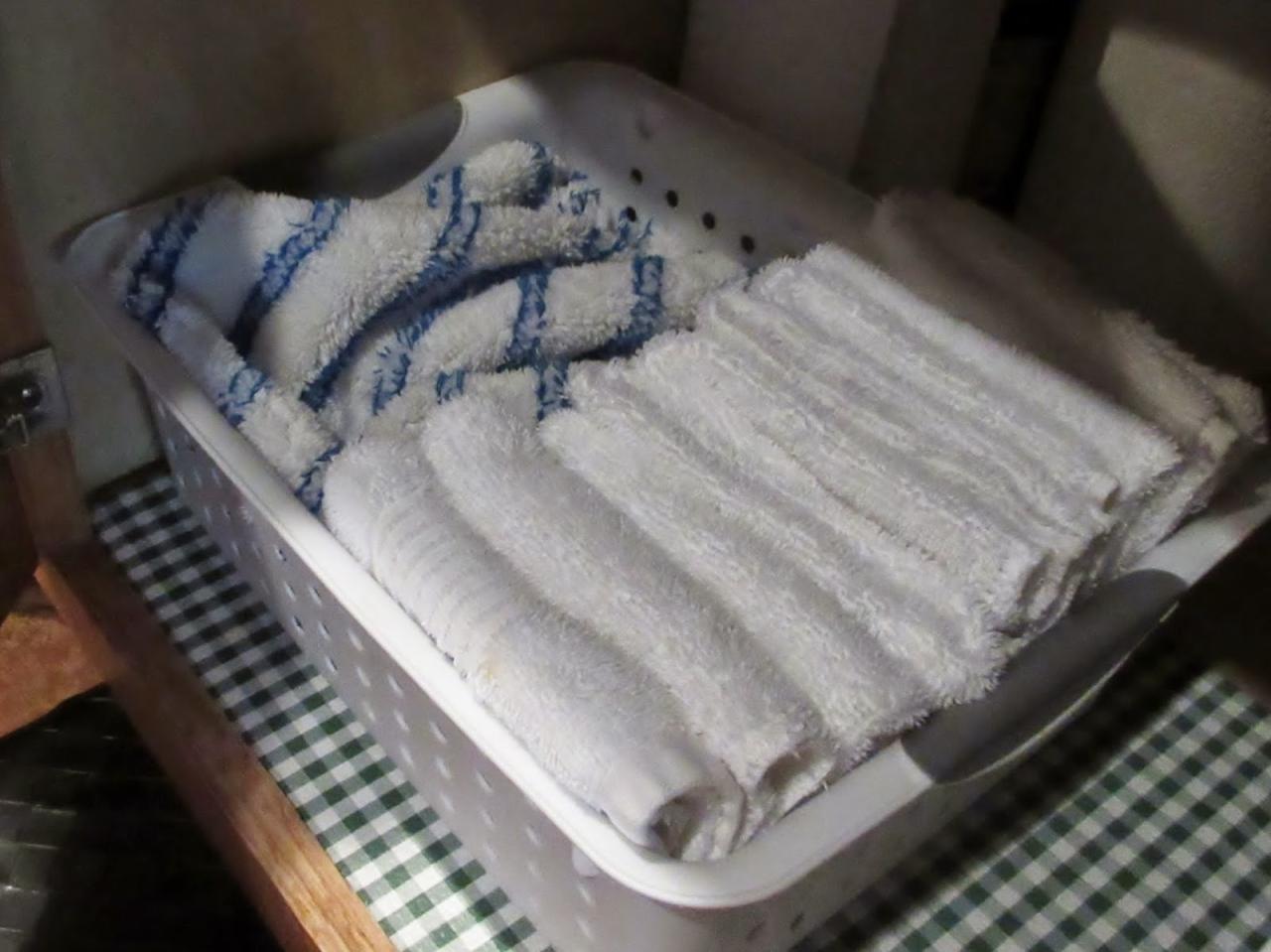
Implementing towel reuse extends beyond individual homes, encompassing various settings like hotels and businesses. This approach not only conserves resources but also fosters environmental responsibility. By understanding how towel reuse programs operate in diverse contexts, we can better appreciate its practical application and potential for widespread adoption.A well-structured towel reuse program requires careful planning and implementation, considering factors such as the specific needs of each environment.
This tailored approach ensures effective and sustainable towel management across different settings, contributing to overall environmental benefits.
Towel Reuse in Residential Homes
Residential towel reuse programs are often straightforward and can be easily integrated into daily routines. Encouraging family members to participate in the program can lead to a significant reduction in towel consumption. Education plays a key role in promoting the environmental benefits and practical aspects of towel reuse. Families can adopt simple strategies like hanging towels to dry and reusing them for multiple days.
Towel Reuse in Hotels
Hotels often lead the way in implementing comprehensive towel reuse programs. Many hotels have successfully implemented systems that allow guests to participate in conserving resources. Examples include clearly labeled signage and incentives for reusing towels, promoting responsible water and energy conservation. Furthermore, some hotels offer guest options to participate in environmental initiatives, like opting to reuse their towels to help reduce water consumption.
Eco-Friendly Towel Programs in Hotels
Several hotels have embraced eco-friendly towel programs, demonstrating the practicality and success of these initiatives. These programs often involve visual cues, such as signage that clearly indicates the program’s purpose and encourages guest participation. Incentives, like discounts or points programs, can also be offered to guests who opt for towel reuse. Some hotels have adopted a color-coding system for towels, with different colors indicating different reuse cycles.
This method helps ensure towels are appropriately cleaned and sanitized between uses.
Comparing and Contrasting Towel Reuse Practices in Different Countries
Towel reuse practices vary across countries, reflecting diverse cultural norms and environmental regulations. Some countries have more stringent water conservation regulations, leading to more widespread adoption of towel reuse programs. In contrast, countries with less stringent regulations might see less widespread implementation. Cultural attitudes towards sustainability and environmental awareness also influence towel reuse adoption rates.
Organizing a Towel Reuse Program in a Residential Building
A residential building can implement a towel reuse program through a collaborative effort among residents. The program can be launched with a community meeting to explain the program’s benefits and how to participate. Clear signage and communication channels are essential to keep residents informed. A designated team can be formed to oversee the program’s operation and maintenance.
Building management should also provide guidelines on the frequency of towel replacement and proper handling.
Towel Reuse Scenarios and Associated Challenges
| Scenario | Challenges | Solutions |
|---|---|---|
| Residential Homes | Limited space for drying towels, potential for mold or mildew if not properly dried, lack of consistent participation from all residents. | Allocate dedicated drying areas, ensure proper ventilation, and provide clear guidelines for drying and storage, incentivize participation. |
| Hotels | Maintaining consistent towel quality and cleanliness across numerous guest rooms, managing guest preferences and requests, ensuring sufficient towel inventory. | Invest in high-quality, durable towels, establish standardized cleaning procedures, implement a reservation system for towel replacement, and provide clear communication about the program. |
| Businesses | Maintaining a sufficient supply of clean towels, balancing employee needs with the environmental benefits of reuse, managing potential hygiene concerns. | Establish a consistent cleaning and sanitization protocol, maintain a dedicated towel storage and distribution system, and ensure adequate staff training to address hygiene concerns. |
Towel Reuse and Sustainability
Embracing towel reuse extends beyond personal convenience; it fosters a profound connection to environmental stewardship. By minimizing towel consumption, we actively participate in a crucial effort to reduce the environmental footprint of textile production and consumption. This involves a shift in perspective, recognizing the significant impact of our choices on the planet’s resources.Implementing towel reuse practices leads to substantial environmental benefits, including reduced water and energy consumption, minimized textile waste, and a more sustainable approach to personal hygiene.
This section will explore the various facets of towel reuse’s contribution to a healthier planet.
Environmental Impact of Reduced Towel Use
Reducing towel use directly translates to a decrease in the environmental burden associated with textile production. Manufacturing processes often involve significant water and energy consumption, chemical use, and the potential for greenhouse gas emissions. Lowering demand for new towels mitigates these negative impacts.
Alternative Sustainable and Durable Fabrics for Towels
Sustainable and durable fabrics offer viable alternatives to conventional cotton towels. These fabrics, carefully selected for their ecological credentials, minimize the environmental impact associated with their production. Examples include:
- Bamboo: Known for its rapid growth and remarkable absorbency, bamboo fibers require significantly less water and pesticides compared to cotton. Bamboo towels are exceptionally soft and durable.
- Recycled Materials: Recycled polyester and other recycled fibers represent a compelling solution for creating durable and absorbent towels. Using recycled materials dramatically reduces the demand for virgin resources.
- Organic Cotton: Organic cotton cultivation avoids the use of harmful pesticides and fertilizers, promoting soil health and reducing pollution. Organic cotton towels provide both comfort and environmental consciousness.
Role of Towel Reuse in Minimizing Textile Waste
Towel reuse directly contributes to minimizing textile waste. When towels are used repeatedly, the need for frequent replacements diminishes. This reduction in textile waste translates into lower demand for raw materials, reduced manufacturing processes, and decreased landfill burden.
Statistics on Water and Energy Savings Associated with Towel Reuse
Implementing towel reuse strategies yields demonstrable water and energy savings. Specific figures vary depending on the region and local conditions, but significant reductions are attainable. Studies have shown that using towels repeatedly can result in a substantial reduction in water and energy consumption in comparison to the production of new towels.
Detailed Procedure for Towel Donation to Local Charities or Shelters
Donating reusable towels to local charities or shelters is a meaningful way to contribute to the well-being of communities in need. This act of generosity fosters a positive ripple effect, offering essential resources to those in need.
- Identify Local Charities or Shelters: Research and identify local organizations dedicated to providing essential items to vulnerable populations.
- Gather Clean and Reusable Towels: Collect clean and reusable towels that are in good condition. Ensure they are free of any visible stains or damage.
- Contact the Charity or Shelter: Reach out to the selected organization to inquire about their donation policies and procedures.
- Arrange Delivery: Coordinate a suitable time and method for delivering the donated towels, whether by drop-off or scheduled delivery.
Addressing Common Concerns

Reusing towels offers numerous environmental benefits, but some common concerns may arise. Proper care and attention to detail are crucial for maintaining hygiene and extending the lifespan of your reused towels. This section addresses these concerns, providing practical solutions to ensure a smooth transition to towel reuse.
Mold and Mildew Prevention
Mold and mildew growth on reused towels can be a significant concern. Maintaining proper hygiene and drying practices are key to preventing these issues. Regular cleaning and prompt drying are essential.
- Thorough Washing: Use a high-temperature wash cycle (at least 60°C or 140°F) with a good quality detergent to eliminate microorganisms. This is vital in preventing mold and mildew growth.
- Air Drying: Allow towels to air dry completely after washing. Direct sunlight exposure can help accelerate the drying process and further reduce the risk of moisture buildup.
- Proper Storage: Store towels in a well-ventilated area to prevent moisture accumulation. Avoid storing them in damp or enclosed spaces. Ensure adequate airflow around the towels to maintain dryness.
Stain and Odor Removal
Stains and odors can sometimes persist despite thorough washing. A proactive approach to stain removal and odor control is important.
- Pre-Treatment: Pre-treat any visible stains with appropriate stain removers. Different stains require different solutions. For example, a protein-based stain, like food, might need a different treatment than a grease-based stain, like oil. Test any stain remover in an inconspicuous area first to avoid damaging the fabric.
- Dedicated Stain Removal Solutions: Research specific stain removers tailored to the type of stain. Specialized stain removers are available to tackle stubborn stains, like those from coffee or wine.
- Baking Soda: For stubborn odors, sprinkle baking soda on the towel before washing. The baking soda acts as a deodorizer, helping to neutralize odors and leaving a fresh scent.
Cleaning and Disinfecting
Effective cleaning and disinfecting practices are vital to maintain hygiene and prevent the spread of bacteria.
- High-Temperature Washing: As mentioned previously, using a high-temperature wash cycle is crucial for eliminating microorganisms. This step is fundamental in the disinfection process.
- Disinfecting Agents: Consider using disinfecting agents specifically designed for textiles. Follow the manufacturer’s instructions carefully when using these agents.
- Sanitizing Rinse: A final rinse cycle with a sanitizer can further reduce the presence of microorganisms. This step can be helpful in enhancing the overall disinfection process.
Risks of Improper Cleaning
Reusing towels without proper cleaning can pose health risks. The accumulation of microorganisms can lead to skin irritation, allergies, or infections.
- Health Risks: Towels that are not cleaned adequately can harbor bacteria, fungi, and other microorganisms. This can lead to potential health risks, especially for individuals with compromised immune systems.
- Hygiene Concerns: Inadequate cleaning can create a breeding ground for harmful bacteria, which can spread through contact with the towels. This highlights the importance of adhering to proper hygiene practices.
- Environmental Concerns: Towels with microorganisms may not be suitable for reuse. This impacts the environmental benefit of reusing towels, as they will require more frequent replacement.
Proper Towel Maintenance
Maintaining your reused towels involves a consistent routine.
- Washing Frequency: Wash towels frequently enough to prevent the buildup of microorganisms. The frequency will depend on usage patterns and personal preferences.
- Drying Techniques: Proper drying techniques are vital in preventing mold and mildew. Use high heat and direct sunlight to dry towels thoroughly.
- Storage Practices: Store towels in a well-ventilated area to prevent moisture buildup and promote dryness. Ensure proper ventilation to avoid mold or mildew.
Illustrative Examples

Embracing reusable towels offers tangible benefits across various settings, from households to commercial establishments. Illustrative examples showcase the practical application and positive impact of this sustainable practice. This section provides detailed scenarios to further solidify the understanding of towel reuse.
A Reusable Towel Set for a Family of Four
A practical reusable towel set for a family of four should consider factors such as absorbency, durability, and ease of care. A good set would include at least four bath towels, four hand towels, and four washcloths. Materials like microfiber or absorbent cotton blends are excellent choices. Microfiber towels are exceptionally absorbent and dry quickly, making them a desirable option for families.
Furthermore, durable construction ensures longevity, minimizing the need for frequent replacements. Consider a variety of sizes and styles to cater to different members of the family and their preferences. The set should also include a washing instruction card emphasizing proper care for maintaining the towels’ quality and longevity.
Hotel Towel Reuse Program
A successful hotel towel reuse program typically involves a combination of education and incentives. Hotels implementing such programs often display informative signage in guest rooms, educating guests about the environmental benefits of reusing towels. The signage should clearly communicate the program’s purpose and encourage participation. Guest feedback is crucial for program success. Hotels often use clear and concise language to encourage reuse.
A common method is to offer a small incentive, such as a discount on the next stay, for guests who participate in the towel reuse program. Staff training is essential to ensure consistency in communicating the program and encouraging reuse. Data collection on towel usage and feedback from guests allows hotels to refine their programs over time.
Community Towel-Sharing Initiative
A successful community towel-sharing initiative requires a coordinated effort among community members. Establish clear guidelines regarding towel use and hygiene to foster trust and encourage participation. Consider setting up designated collection points where community members can drop off their towels for washing and exchange. Transparency and clear communication are vital for building trust and maintaining the integrity of the initiative.
Partnerships with local laundromats or community centers can streamline the washing process, ensuring the hygiene of the shared towels. The program should be publicized through local media outlets, community events, and online platforms to maximize participation.
Frequently Asked Questions About Towel Reuse
- What types of towels are best for reuse? Microfiber, absorbent cotton blends, and durable cotton towels are excellent choices for reuse due to their absorbency, durability, and ease of care.
- How often should reusable towels be washed? Regular washing is essential to maintain hygiene. A general recommendation is to wash towels after every use in high-traffic areas or at least once a week for families.
- What are the environmental benefits of using reusable towels? Reducing the demand for new towels helps conserve resources, minimizes water usage during production, and reduces landfill waste, contributing to a more sustainable lifestyle.
- Are reusable towels more expensive upfront? While the initial investment might seem higher, the long-term cost savings outweigh the initial expense, given the reduced need for frequent towel replacements.
Benefits of Reusable Towels in a Restaurant
Implementing reusable towels in a restaurant yields several advantages. Firstly, reduced laundry costs and water usage contribute to significant savings. Improved hygiene practices and consistent towel quality are ensured through regular washing and maintenance. Enhanced sustainability initiatives positively impact the restaurant’s image and attract environmentally conscious customers. Improved employee satisfaction can result from a smoother workflow with efficient towel management.
Conclusion
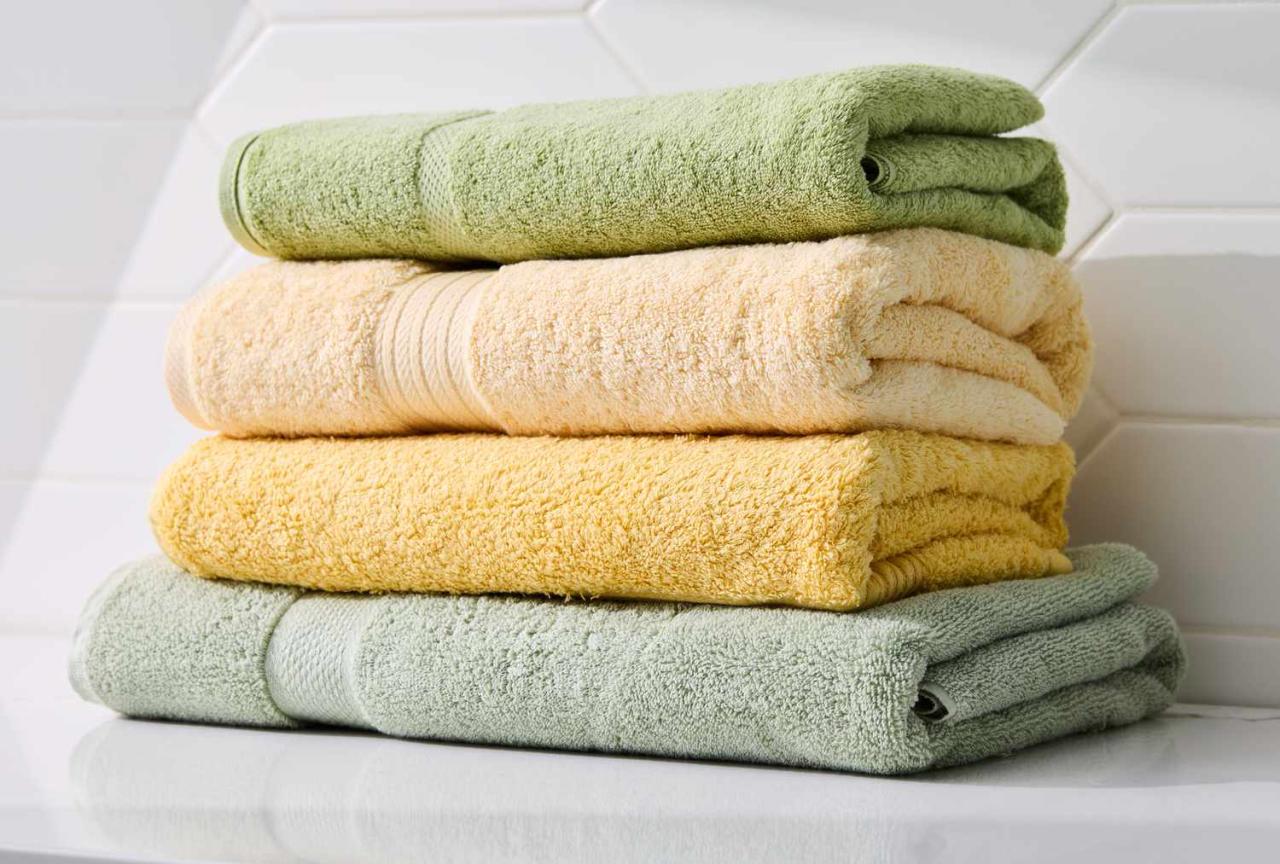
In conclusion, reusing old towels offers a multitude of benefits, ranging from environmental consciousness to practical cost savings. By implementing the methods and strategies Artikeld in this guide, individuals, families, and businesses can significantly reduce their environmental footprint and contribute to a more sustainable future. The information provided offers a comprehensive framework for implementing effective towel reuse programs, while addressing potential concerns and providing practical solutions.