Turning garden waste into valuable resources is a rewarding and environmentally conscious practice. This guide provides a comprehensive overview of how to recycle garden waste effectively, from understanding the various types of waste to setting up a home composting system and exploring community recycling programs. By following these steps, you can significantly reduce your environmental impact while enhancing the health and vitality of your garden.
This detailed guide will cover the different types of garden waste, their suitable recycling methods, and the steps involved in each process, including composting, mulching, and vermicomposting. We’ll also explore the benefits of these methods, their impact on the environment, and the steps to establishing a successful home composting system.
Introduction to Garden Waste Recycling
Recycling garden waste offers numerous benefits, both for the environment and for our communities. By diverting this organic material from landfills, we reduce greenhouse gas emissions, conserve valuable resources, and create fertile soil amendments. This practice is crucial for maintaining a healthy ecosystem and promoting sustainable living practices.Recycling garden waste is an environmentally conscious choice that contributes significantly to a healthier planet.
Diverting organic matter from landfills prevents the release of methane, a potent greenhouse gas. This, in turn, helps mitigate climate change and protect natural habitats. Furthermore, recycling garden waste conserves valuable resources by reducing the need for synthetic fertilizers and soil amendments.
Types of Recyclable Garden Waste
Garden waste recycling programs typically accept a variety of organic materials. A comprehensive approach to recycling encompasses a broad spectrum of plant matter, including grass clippings, leaves, twigs, branches, and vegetable scraps. These materials, when properly composted or recycled, can enrich the soil, reduce reliance on synthetic fertilizers, and create valuable soil amendments.
Environmental Benefits of Garden Waste Recycling
Recycling garden waste offers significant environmental advantages. By diverting this organic matter from landfills, we reduce the production of methane, a potent greenhouse gas that contributes to climate change. Furthermore, composting garden waste generates valuable nutrient-rich soil amendments, reducing the need for synthetic fertilizers and promoting sustainable agricultural practices. This approach fosters a more balanced ecosystem, protecting natural resources and enhancing biodiversity.
In essence, recycling garden waste is a crucial component of sustainable living.
Negative Impacts of Not Recycling Garden Waste
Failing to recycle garden waste can have detrimental effects on the environment and our communities. Landfills filled with organic waste contribute to the release of methane, a potent greenhouse gas. This release exacerbates climate change and negatively impacts air quality. Furthermore, the lack of recycling diminishes the availability of natural soil amendments, increasing reliance on synthetic fertilizers and potentially harming soil health.
Ultimately, not recycling garden waste can contribute to a less sustainable and more polluted environment.
The Value of Composting
Composting garden waste is a crucial aspect of effective recycling. Composting transforms organic materials into nutrient-rich soil amendments, known as compost. These amendments enhance soil fertility, reduce reliance on synthetic fertilizers, and improve plant growth. The process of composting involves the decomposition of organic materials, a natural process that enriches the soil. Composting creates a closed-loop system, minimizing waste and maximizing resource utilization.
Compost is a valuable addition to any gardening or landscaping endeavor.
Types of Garden Waste and Their Recycling Methods
Properly recycling garden waste is essential for maintaining healthy soil and reducing landfill burden. Effective methods not only minimize environmental impact but also contribute to the creation of valuable resources, like nutrient-rich compost. This section details various types of garden waste and their corresponding recycling methods.
Categorization of Garden Waste
Different types of garden waste require specific recycling techniques. Categorizing these materials allows for targeted and efficient recycling practices. The table below provides a concise overview of common garden waste types and their suitable recycling methods.
| Waste Type | Recycling Method | Description | Suitable for |
|---|---|---|---|
| Leaves | Composting | Decomposition into nutrient-rich soil, enhancing soil structure and fertility. | Vegetable gardens, flowerbeds, and landscaping projects |
| Grass Clippings | Composting, Mulching | Composting converts grass clippings into valuable compost. Mulching involves spreading the clippings as a layer on the soil, which helps retain moisture and suppress weeds. | Lawns, flowerbeds, and vegetable gardens |
| Branches and Twigs | Composting, Mulching, Chipping | Composting breaks down smaller branches and twigs, while mulching spreads them as a protective layer over the soil. Chipping reduces branches to smaller pieces, suitable for mulch or fuel. | Landscaping, shrubbery areas |
| Fruit and Vegetable Scraps | Composting, Vermicomposting | Composting or vermicomposting can process these materials to create nutrient-rich compost, ideal for enhancing soil quality. | Vegetable gardens, and indoor composting |
| Dead Flowers and Plants | Composting | Decomposition into nutrient-rich compost, adding organic matter to the soil. | Vegetable gardens, flowerbeds, and landscaping |
Composting Methods
Composting is a widely used method for recycling organic garden waste. It involves creating an environment that encourages the decomposition of organic matter.
| Method | Steps |
|---|---|
| Traditional Composting |
|
| Vermicomposting |
|
Mulching Techniques
Mulching involves spreading organic materials like wood chips, shredded leaves, or grass clippings as a layer over the soil. This technique has several benefits.
| Method | Steps |
|---|---|
| Mulching |
|
Setting up a Home Composting System
Transforming your garden waste into nutrient-rich soil is a rewarding and environmentally friendly practice. Home composting offers a simple solution for managing organic materials and reducing landfill waste. By understanding the various composting methods and essential components, you can establish a successful and efficient composting system at home.
Benefits of Home Composting
Home composting presents numerous advantages, extending beyond environmental benefits. It significantly reduces the amount of organic waste sent to landfills, conserving valuable space and minimizing the release of harmful greenhouse gases. The resulting compost enriches garden soil, boosting plant growth and reducing the need for chemical fertilizers. This natural fertilization method fosters healthier plants, while also promoting a more sustainable and environmentally conscious gardening approach.
Composting reduces the reliance on manufactured fertilizers and improves soil structure, ultimately benefiting both the environment and your garden’s health.
Different Composting Methods
Various composting methods cater to different needs and preferences. These methods differ in their approach to decomposition, influencing the time required for the process.
- Hot Composting: This method accelerates decomposition by creating optimal conditions for microorganisms to thrive. Higher temperatures, achieved through proper layering and turning, rapidly break down organic materials, producing compost in a shorter timeframe. Hot composting is particularly suited for those seeking quicker results and a method for managing larger volumes of garden waste. The higher temperatures also help eliminate many potential pathogens, thus increasing the safety of the finished product.
- Cold Composting: A slower process, cold composting relies on natural decomposition, typically taking several months to produce compost. It requires less maintenance compared to hot composting, making it an accessible option for those with limited time or space. The process is generally less demanding, and the resulting compost is equally beneficial for plants, although the time taken is considerably longer.
Creating a Basic Composting System
A basic composting system can be easily established with readily available materials. This step-by-step guide will help you get started:
- Choose a Location: Select a sheltered, well-drained area, preferably in a sunny or partially shaded location. Accessibility is crucial for regular turning and maintenance.
- Construct a Bin: A simple composting bin can be constructed using readily available materials, such as wooden pallets or wire mesh. Alternatively, commercially available bins offer a structured and aesthetically pleasing option.
- Layering Materials: A crucial aspect of composting is proper layering. Combine “brown” materials (dry leaves, twigs, shredded paper) with “green” materials (vegetable scraps, fruit peels, grass clippings). Maintaining a balanced ratio of brown to green materials is essential for optimal decomposition. This crucial step ensures that the compost bin has the necessary carbon and nitrogen to decompose efficiently.
- Turn the Compost Regularly: Periodic turning aerates the compost pile, improving decomposition. This activity is crucial for the hot composting method and accelerates the process.
- Monitor Moisture Levels: Maintain adequate moisture in the compost pile; it should be consistently damp, not soaking wet. This will facilitate the decomposition process and promote microbial activity.
Essential Components for Successful Composting
Several components contribute to the success of a home composting system.
- Compost Bin: The bin provides structure and containment for the composting materials, preventing them from scattering and attracting pests.
- Organic Materials: The combination of “brown” and “green” materials is crucial for balanced decomposition. This ensures the right mix of carbon and nitrogen for optimal results.
- Moisture: Maintaining adequate moisture levels in the compost pile is essential for microbial activity and decomposition. The compost should be consistently damp, not soaking wet.
- Airflow: Ensuring proper airflow within the compost pile is essential for the decomposition process. Turning the compost pile regularly improves airflow and accelerates decomposition.
Composting Methods Comparison
| Composting Method | Pros | Cons |
|---|---|---|
| Hot Composting | Faster decomposition, eliminates pathogens, higher yield | Requires more effort (turning), needs appropriate ventilation |
| Cold Composting | Less demanding, requires less maintenance, suitable for smaller quantities | Slower decomposition, may attract pests, lower yield |
Vermicomposting for Garden Waste
Vermicomposting, a fascinating method of organic waste decomposition, leverages the remarkable capabilities of worms to transform garden waste into nutrient-rich compost. This process is becoming increasingly popular for its environmental benefits and ease of implementation. It offers a sustainable alternative to traditional composting methods, particularly for those with limited space or specific needs.This process effectively converts organic matter into valuable compost, while simultaneously reducing landfill waste.
The result is a rich soil amendment that can be incorporated into gardens and landscapes, enhancing plant growth and soil health.
The Vermicomposting Process
Vermicomposting relies on the natural digestive processes of specific worms, breaking down organic matter into a nutrient-rich compost called vermicast. The process involves creating a suitable environment for the worms, providing them with a consistent supply of organic waste, and maintaining optimal moisture and temperature levels. Careful monitoring and management of the environment are crucial for successful vermicomposting.
Benefits of Vermicomposting
Compared to other composting methods, vermicomposting offers several advantages. It is generally faster than traditional composting methods, producing usable compost in a shorter time frame. Vermicomposting also requires less space, making it suitable for urban gardens and smaller spaces. Furthermore, the process generates less odor than some traditional methods. The finished product, vermicast, is typically a finer, more readily usable compost.
Types of Worms Used in Vermicomposting
Red wiggler worms (Eisenia fetida) are the most commonly used species in vermicomposting. These worms are highly efficient at consuming and processing organic waste. They are robust, reproduce quickly, and thrive in the specific conditions required for vermicomposting. Other species, like tiger worms, can also be utilized, although red wigglers are generally preferred for their prolific nature and adaptability.
The role of the worms is to consume the organic matter, break it down through their digestive systems, and excrete a nutrient-rich, dark-colored compost.
Vermicomposting Setup
The setup for a vermicomposting system is relatively straightforward. The key components are the container, bedding material, and, of course, the worms. The table below Artikels the materials and setup.
| Material | Description | Quantity |
|---|---|---|
| Vermicomposting bin | A container, typically made of plastic or wood, with adequate drainage holes. | 1 |
| Bedding Material | Moist, absorbent material like shredded newspaper, cardboard, or coco coir. This provides a suitable environment for the worms. | Sufficient to fill the bin |
| Worms | Red wiggler worms (Eisenia fetida). | Approximately 1-2 lbs of worms |
| Organic waste | Kitchen scraps, fruit and vegetable peels, yard waste (shredded leaves, grass clippings). | Consistent supply |
| Water | Maintain optimal moisture level in the bedding. | As needed |
| Thermometer | To monitor the temperature of the bin | Optional, but helpful |
Mulching Garden Waste
Mulching with garden waste is a practical and environmentally friendly method for enriching garden soil and suppressing weeds. This technique involves using shredded or chopped plant materials to create a layer on the soil surface. This layer, known as mulch, benefits plants by retaining moisture, regulating soil temperature, and preventing weed growth. Understanding the process and advantages of mulching is crucial for effective garden management.
Mulching Process
The process of mulching garden waste involves several key steps. First, gather suitable plant material such as leaves, grass clippings, and small branches. These materials should be free of disease or pests. Next, shred or chop the collected material into smaller pieces. This ensures even distribution and prevents large pieces from hindering the soil’s beneficial processes.
Finally, spread the shredded material evenly over the garden beds, creating a layer approximately 2-4 inches thick.
Advantages of Mulching
Mulching offers numerous benefits for garden health and maintenance. It effectively retains soil moisture, reducing the need for frequent watering. This moisture retention is particularly beneficial during dry periods, ensuring consistent hydration for plants. Mulch also regulates soil temperature, preventing extreme heat in summer and cold in winter, creating a more stable and comfortable environment for plant roots.
Furthermore, it suppresses weed growth by preventing sunlight from reaching weed seeds and inhibiting their germination.
Types of Mulch Derived from Garden Waste
Various types of mulch can be derived from garden waste, each with its unique characteristics and benefits. Shredded leaves provide a rich, brown mulch that decomposes relatively quickly. Grass clippings, when properly composted, can form a dark, fertile mulch that adds nutrients to the soil. Small branches and twigs, when chipped, create a coarse mulch that enhances drainage and aeration.
Wood chips and bark also serve as excellent mulches, providing long-term benefits and aesthetic appeal.
Mulching vs. Composting
| Feature | Mulching | Composting |
|---|---|---|
| Purpose | To suppress weeds, retain moisture, and regulate soil temperature. | To create nutrient-rich soil amendment. |
| Material Preparation | Shredding or chopping of plant material into smaller pieces. | Shredding or chopping of plant material and allowing decomposition. |
| Application | Layering on top of the soil surface. | Mixing with soil. |
| Advantages | Effective weed control, improved soil moisture retention, reduced watering needs. | Enhanced soil fertility, improved soil structure, enriched nutrients for plants. |
| Disadvantages | Can take longer to decompose fully, may not be suitable for all types of plants, potentially less rich in nutrients than compost. | Requires time and space, may attract pests and animals if not managed properly. |
Mulching offers a quicker, simpler approach for improving garden soil health, while composting provides a more intensive method to create a high-quality soil amendment.
Community Recycling Programs for Garden Waste
Community recycling programs provide valuable avenues for managing garden waste responsibly. These initiatives often offer convenient solutions for residents to dispose of yard debris while contributing to environmental sustainability. Properly implemented, these programs can significantly reduce landfill waste and promote a healthier environment.
Local Programs and Their Benefits
Community recycling programs for garden waste vary widely depending on local regulations and resources. Curbside pickup services are common, allowing residents to place designated garden waste at their curb for collection. Drop-off centers, typically located in community parks or designated areas, provide an alternative option for larger quantities of yard debris. Participating in these programs benefits the community by diverting waste from landfills, reducing environmental impact, and often offering convenient methods for disposal.
Furthermore, some programs may provide educational materials and support for composting at home.
Rules and Regulations for Participation
Understanding the rules and regulations of a community recycling program is crucial for successful participation. Specific guidelines regarding acceptable garden waste types, collection schedules, and appropriate disposal methods should be carefully reviewed. Regulations may vary based on the season, amount of waste collected, or any specific restrictions related to plant materials or invasive species. Adherence to these guidelines is vital to ensure efficient waste management and prevent contamination of the recycling stream.
Examples of Community Recycling Programs
- Many municipalities offer curbside pickup for yard waste during specific collection periods. Residents must follow the designated schedule and properly bag or bundle their garden waste to ensure efficient collection and prevent contamination. This typically involves the collection of leaves, grass clippings, and small branches. Residents are expected to follow the specific guidelines for volume and type of materials that can be included.
- Some communities establish drop-off centers for garden waste. These centers usually accept larger quantities of yard debris and may have specific guidelines for the types of materials accepted. For example, certain branches or wood may not be accepted, while others might have limits on the size and weight of the items. Residents should check the program’s website or contact the relevant authorities for detailed guidelines.
- Some programs offer specific guidance for the collection of invasive species. They may have dedicated disposal areas or specific guidelines for managing such plant materials to prevent their spread.
Program Contact Information
The table below provides examples of the types of information typically available for local garden waste recycling programs. Contact information should be readily accessible for residents to inquire about program details, schedules, and any specific guidelines.
| Community | Program Name | Contact Information | Website |
|---|---|---|---|
| Example Town | Curbside Yard Waste Pickup | (123) 456-7890 | exampletown.gov/recycling |
| Example City | Garden Waste Drop-off Center | (987) 654-3210 | examplecity.org/yardwaste |
| Another City | Invasive Species Removal Program | (555) 123-4567 | anothercity.net/invasives |
Benefits of Recycling Garden Waste for the Environment
Recycling garden waste offers significant environmental advantages, extending far beyond the aesthetics of a tidy garden. By diverting organic matter from landfills and utilizing it for soil enrichment, we contribute to a healthier planet. This practice reduces our environmental footprint and promotes a more sustainable approach to gardening and resource management.
Reduced Landfill Waste
Diverting garden waste from landfills is crucial for environmental sustainability. Landfills, by their very nature, are spaces where organic matter decomposes under anaerobic conditions, generating significant amounts of methane, a potent greenhouse gas. Composting and other recycling methods prevent this process from occurring in landfills, substantially decreasing the volume of waste requiring disposal. This conservation of landfill space is crucial for protecting natural habitats and preserving the landscape.
Properly managed composting systems transform garden waste into nutrient-rich soil amendments, thereby reducing the overall demand for landfills.
Reduced Greenhouse Gas Emissions
Recycling garden waste plays a vital role in mitigating greenhouse gas emissions. Landfill decomposition of organic matter produces methane, a greenhouse gas with a global warming potential significantly higher than carbon dioxide. By composting garden waste, we effectively reduce methane emissions. The decomposition process in a properly managed compost bin is aerobic, producing carbon dioxide instead of methane.
This shift in decomposition methods translates to a lower overall impact on the atmosphere. For instance, the reduction in methane emissions from diverting a single ton of yard waste from a landfill can have a significant effect.
Improved Soil Health
Recycled garden waste significantly contributes to soil health. Compost and other recycled garden materials enrich the soil, improving its structure, water retention, and aeration. This improvement benefits plant growth by providing essential nutrients and improving the soil’s overall fertility. The organic matter in compost improves soil texture, making it more conducive to water absorption and drainage. The presence of beneficial microorganisms in compost further enhances the soil’s ability to support healthy plant life.
These improvements in soil health translate to healthier, more productive gardens and reduced reliance on synthetic fertilizers.
Summary of Environmental Benefits
| Environmental Benefit | Explanation |
|---|---|
| Reduced Landfill Waste | Diverting garden waste from landfills conserves space and reduces the production of harmful greenhouse gases. |
| Reduced Greenhouse Gas Emissions | Composting garden waste reduces methane emissions, a potent greenhouse gas, by facilitating aerobic decomposition. |
| Improved Soil Health | Recycled garden waste enriches soil, improving its structure, water retention, and fertility, promoting healthier plant growth and reducing the need for synthetic fertilizers. |
Tips for Successful Garden Waste Recycling
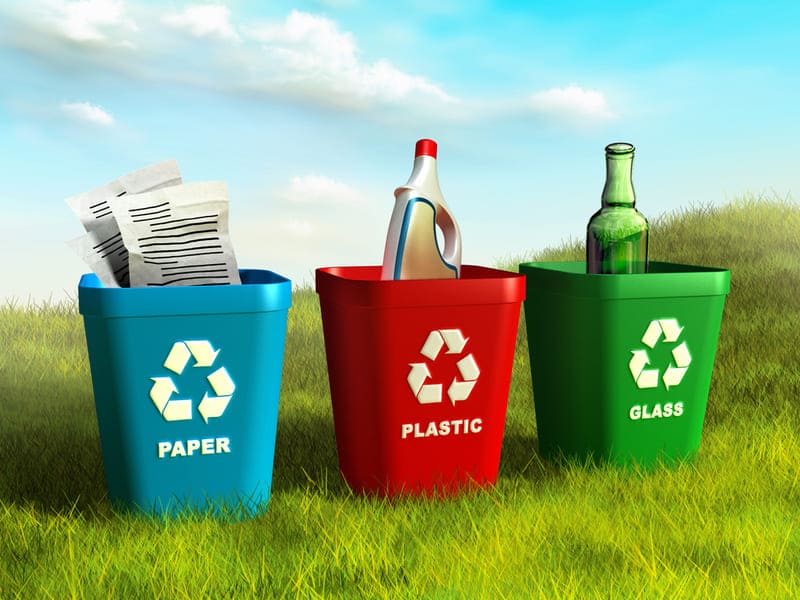
Effective garden waste recycling contributes significantly to a healthier environment and a more sustainable lifestyle. Proper practices ensure that organic matter decomposes efficiently, enriching soil and reducing landfill waste. This section provides practical tips for achieving successful garden waste recycling, focusing on crucial aspects like segregation, best practices, and do’s and don’ts.Successful garden waste recycling hinges on meticulous planning and execution.
By understanding the nuances of proper segregation, adopting responsible practices, and adhering to guidelines, individuals can significantly contribute to environmental conservation. Following the provided tips ensures the successful decomposition of organic materials, leading to a rich and fertile soil environment.
Proper Waste Segregation
Effective garden waste recycling starts with careful segregation. Separating different types of organic matter ensures efficient decomposition and prevents contamination. This practice maximizes the benefits of recycling and maintains the quality of the resulting compost or mulch. Mixed waste can hinder decomposition processes, leading to undesirable outcomes. For example, introducing non-organic materials like plastic or metal into a compost bin can lead to contamination and impede the composting process.
By meticulously segregating garden waste, you maintain the purity and efficacy of the recycling process.
Do’s and Don’ts for Recycling Garden Waste
Following a set of guidelines can significantly improve the effectiveness of garden waste recycling. Adhering to these practices ensures that the process is efficient and produces high-quality compost or mulch. The following list Artikels crucial do’s and don’ts:
- Do thoroughly separate different types of garden waste, such as leaves, grass clippings, and vegetable scraps.
- Do avoid adding diseased plants or weeds to compost piles to prevent the spread of diseases.
- Do maintain a proper moisture level in the compost bin to facilitate decomposition.
- Do turn the compost regularly to ensure even decomposition and aeration.
- Do not add meat, dairy products, or oily food scraps to compost piles, as they attract pests and can lead to unpleasant odors.
- Do not use treated wood or chemically treated plants in compost bins, as the chemicals can contaminate the finished product.
- Do not introduce non-organic materials like plastic bags, styrofoam, or metal objects to the compost.
- Do not overfill the compost bin, as this can hinder proper decomposition.
Best Practices Summary
The following table summarizes the best practices for recycling garden waste, highlighting key considerations for effective and efficient recycling.
| Practice | Description | Benefits |
|---|---|---|
| Segregation | Carefully separate different types of garden waste, including leaves, grass clippings, vegetable scraps, and twigs. | Ensures efficient decomposition and prevents contamination. |
| Moisture Control | Maintain a consistent moisture level in the compost bin to facilitate decomposition. | Promotes a balanced environment for microorganisms to thrive, accelerating the decomposition process. |
| Turning and Aeration | Regularly turn the compost to ensure even decomposition and aeration. | Improves the mixing of materials and provides essential oxygen for the microorganisms responsible for decomposition. |
| Material Selection | Avoid adding diseased plants, meat, dairy products, oily food scraps, treated wood, or chemically treated plants to compost piles. | Prevents the spread of diseases, unpleasant odors, and contamination of the finished compost. |
| Bin Management | Avoid overfilling the compost bin and maintain appropriate spacing between layers to facilitate proper decomposition. | Ensures proper airflow and prevents anaerobic conditions that can inhibit decomposition. |
Troubleshooting Common Recycling Issues
Effective garden waste recycling hinges on understanding and addressing potential problems. A well-maintained composting system, or a smoothly running vermicomposting bin, requires proactive management to ensure optimal decomposition and avoid setbacks. This section details common issues encountered and provides practical solutions for maintaining a successful recycling process.
Identifying Common Composting Problems
Composting, like any process, can face challenges. These problems often stem from imbalances in the composting materials or inadequate management techniques. Recognizing these issues is the first step to resolving them. Common problems include slow decomposition, unpleasant odors, the presence of pests, and the accumulation of excess moisture or dryness.
Causes of Slow Decomposition
Slow decomposition in a composting pile or bin often results from an improper balance of carbon and nitrogen-rich materials. A lack of sufficient ‘brown’ materials (carbon-rich) like dried leaves or twigs can hinder the decomposition process. Conversely, an excess of ‘green’ materials (nitrogen-rich) like grass clippings or fruit and vegetable scraps can lead to anaerobic conditions and slow down the decomposition process.
Furthermore, insufficient moisture or excessive moisture can also significantly impact the decomposition rate. Incorrect layering techniques can also impede the composting process.
Causes of Unpleasant Odors
Unpleasant odors in a composting pile or bin frequently indicate an imbalance in the composting materials or insufficient turning and aeration. An excessive amount of green waste, inadequate moisture levels, or the presence of decaying meat or dairy products can lead to anaerobic conditions, generating foul smells. Insufficient turning prevents proper oxygenation, further exacerbating the issue. Failure to manage moisture levels appropriately can also contribute to odor problems.
Causes of Pests in Composting Bins
Attracting pests to a composting bin is often a result of improperly managed materials or inadequate bin maintenance. If the composting bin isn’t sealed properly, rodents, insects, or other pests can access the decomposing materials. Uncovered food scraps or inadequately processed materials can also attract pests. Improperly managed moisture levels and the presence of decaying meat products, which can be a magnet for pests, also contributes to this problem.
Causes of Excess Moisture or Dryness
Maintaining the correct moisture level is critical for optimal composting. Excessive moisture can lead to anaerobic conditions, resulting in unpleasant odors and slow decomposition. Conversely, excessively dry conditions can impede decomposition as the microorganisms responsible for breaking down the materials need sufficient moisture. Inadequate or inconsistent watering of the composting pile can contribute to this issue. The type and proportion of materials used can also significantly influence moisture levels.
Troubleshooting Table for Composting Problems
| Problem | Cause | Solution |
|---|---|---|
| Slow Decomposition | Imbalance of carbon and nitrogen materials, insufficient moisture, inadequate layering | Ensure a balanced mix of brown and green materials, maintain adequate moisture levels, and improve layering techniques. |
| Unpleasant Odors | Excessive green waste, inadequate moisture, lack of turning, presence of non-compostable materials | Reduce the proportion of green waste, maintain appropriate moisture levels, regularly turn the compost pile, and remove non-compostable materials. |
| Pests | Open bin, uncovered food scraps, improper material management | Seal the bin, store food scraps separately, and ensure materials are processed appropriately. |
| Excess Moisture | Overwatering, improper material selection | Reduce watering frequency, adjust material proportions, and ensure proper drainage. |
| Dryness | Insufficient watering, improper material selection | Increase watering frequency, add more moisture-rich materials, and maintain consistent moisture levels. |
Closing Summary
In conclusion, recycling garden waste is a crucial step towards a more sustainable lifestyle. By implementing the methods and tips discussed in this guide, you can transform organic waste into valuable resources for your garden, reducing landfill waste and minimizing your environmental footprint. Whether you choose composting, mulching, or vermicomposting, remember the importance of proper waste segregation and careful maintenance of your chosen recycling system.
Understanding the specific needs of different garden waste types, and engaging with community recycling programs, ensures that you’re making the most of this valuable resource.