Aluminum, a remarkably versatile metal, plays a crucial role in modern society. From beverage cans to intricate machinery, its applications are vast. However, the environmental impact of aluminum production is significant. This guide delves into the responsible recycling of aluminum cans, exploring the history, benefits, and practical steps involved in transforming discarded cans into valuable resources.
The recycling process for aluminum cans is efficient and environmentally friendly. By understanding the proper collection, preparation, and recycling procedures, individuals and communities can contribute significantly to reducing waste and conserving resources. This guide will provide clear, step-by-step instructions for effective aluminum can recycling.
Introduction to Aluminum Recycling
Aluminum, a lightweight and versatile metal, has become an indispensable part of modern life. Its use in everything from beverage cans to aircraft underscores its significance. However, the environmental impact of aluminum production and disposal necessitates a focus on responsible practices, including recycling. This section explores the history and benefits of aluminum recycling, highlighting its crucial role in a sustainable future.
History of Aluminum Recycling
The practice of recycling aluminum has a relatively short history compared to other materials. The early days of aluminum production were energy-intensive, relying heavily on bauxite ore. The development of more efficient recycling methods, driven by environmental concerns and the need for resource conservation, has transformed the aluminum industry. Significant advancements in the late 20th and early 21st centuries have made aluminum recycling a cornerstone of sustainability efforts.
This transition showcases the evolution of industrial practices to embrace environmentally conscious processes.
Environmental Benefits of Aluminum Recycling
Recycling aluminum significantly reduces the environmental footprint compared to producing new aluminum from raw materials. The process of recycling aluminum consumes considerably less energy than extracting and refining aluminum ore. This energy savings translates to a lower carbon footprint, reducing greenhouse gas emissions and mitigating the effects of climate change. Furthermore, aluminum recycling conserves valuable natural resources, such as bauxite, reducing the strain on finite reserves.
Importance of Responsible Aluminum Disposal
Responsible aluminum disposal is crucial for maintaining the efficacy of recycling programs. Ensuring proper sorting and collection of aluminum cans, foils, and other products significantly increases the quality of the recycled material. This process minimizes contamination and maximizes the yield of usable aluminum. Proper disposal practices also protect the environment from the potential risks associated with improper waste management.
Comparison of Recycling Aluminum and Virgin Aluminum Production
The environmental impact of aluminum recycling is markedly lower than that of virgin aluminum production. Recycling aluminum conserves energy, reduces pollution, and conserves valuable natural resources. The energy savings are substantial, and the environmental benefits are substantial. The comparison below illustrates the significant difference in energy consumption between the two processes.
| Process | Energy Consumption (MJ/ton) |
|---|---|
| Recycling Aluminum | 5-10 |
| Producing Virgin Aluminum | 100-150 |
Recycling aluminum saves substantial energy compared to producing aluminum from raw materials. The figures in the table demonstrate the significant energy savings associated with recycling.
Collection and Preparation
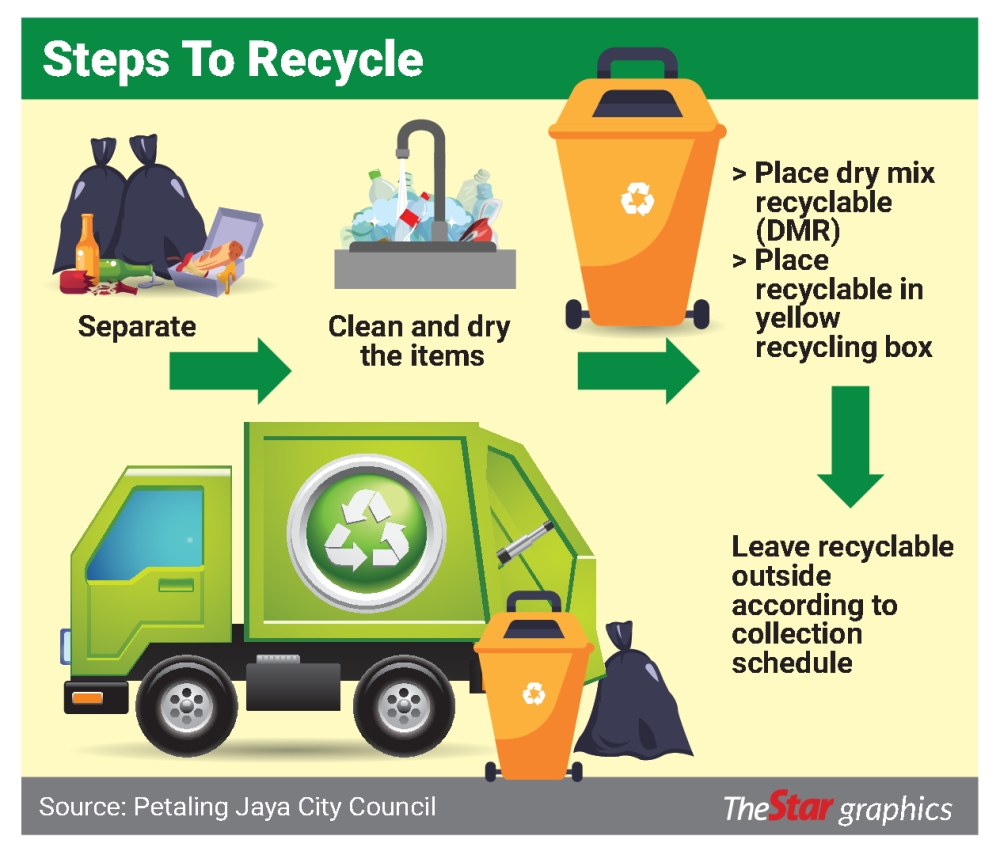
Proper aluminum can recycling begins with responsible collection and meticulous preparation. A well-organized collection process, combined with thorough cleaning, ensures the highest quality of recycled aluminum, minimizing contamination and maximizing the efficiency of the recycling process. This crucial stage directly impacts the quality and quantity of aluminum that can be successfully recycled.
Proper Methods for Collecting Aluminum Cans
Efficient aluminum can collection is vital to the recycling process. Designated recycling bins or containers, clearly marked for aluminum cans, should be readily available. Ensuring these containers are easily accessible and visible to residents and businesses will promote proper sorting. Collection points should be strategically located to minimize transportation distances and ensure efficient collection schedules. Employing dedicated collection vehicles or designated routes can optimize the process.
Significance of Cleaning Aluminum Cans Before Recycling
Cleaning aluminum cans before recycling is essential. Food residue, labels, and other contaminants can negatively impact the quality of the recycled aluminum. Cleaning removes these contaminants, improving the purity of the recycled material and enabling its reprocessing into new products with high quality. This significantly reduces the amount of energy required to reprocess the material, which in turn minimizes the environmental impact.
Types of Contamination to Avoid
Contamination in aluminum can recycling compromises the quality of the final product. Common contaminants include food residue, which can affect the melt process and cause problems with the consistency of the resulting aluminum. Labels and other non-aluminum materials also represent a contamination issue, reducing the purity of the recycled metal. Furthermore, glass, plastic, and other non-aluminum items can damage the recycling equipment, requiring additional processing and causing inefficiencies in the recycling stream.
Separating Aluminum from Other Recyclables
Separating aluminum from other recyclables is a critical step. Proper sorting procedures, including using specialized sorting equipment or manual separation techniques, are necessary to ensure that only aluminum cans are collected for recycling. This minimizes cross-contamination and facilitates the efficient processing of the recycled aluminum. Visual inspection and the use of color-coded bins or containers can help in the separation process.
Step-by-Step Procedure for Cleaning Aluminum Cans
| Step | Action | Description |
|---|---|---|
| 1 | Rinse the can | Thoroughly rinse the can to remove any visible food residue. |
| 2 | Remove labels | Carefully remove any labels or stickers from the can using a scraper or similar tool. Avoid using harsh chemicals that could contaminate the can. |
| 3 | Inspect for contamination | Visually inspect the can for any remaining contaminants, such as large pieces of food or other debris. If any contamination is found, repeat steps 1 and 2. |
| 4 | Place in designated container | Place the cleaned aluminum can in the designated recycling bin or container. |
Recycling Facilities and Processes
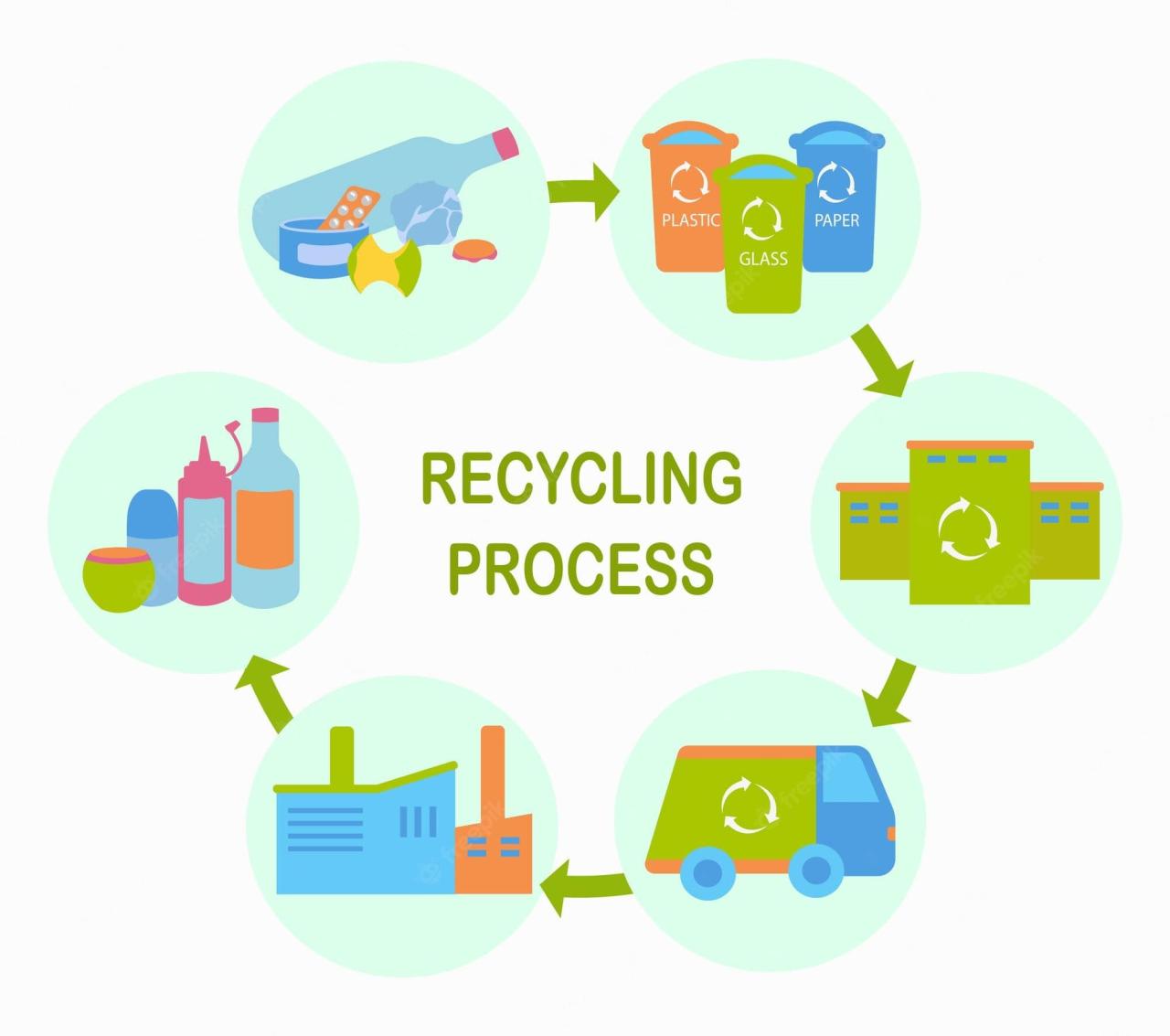
Aluminum recycling is a crucial component of a sustainable materials management system. Efficient recycling facilities and processes are essential to maximizing the environmental and economic benefits of this process. These facilities play a critical role in the circular economy, reducing the demand for primary aluminum production, thereby lowering energy consumption and greenhouse gas emissions.Recycling aluminum is significantly more energy-efficient than producing it from raw materials.
This translates to substantial cost savings and a smaller environmental footprint. This process involves sophisticated technologies and well-defined steps, ensuring the highest quality recycled aluminum is produced.
Types of Aluminum Recycling Facilities
Aluminum recycling facilities vary in size and complexity, depending on their capacity and the specific processes they employ. Smaller facilities may focus on the initial collection and sorting of aluminum materials, while larger facilities are equipped for more complex processing steps. Facilities may specialize in specific types of aluminum, such as beverage cans, automotive parts, or scrap from industrial processes.
Some facilities even integrate different recycling methods, providing a more comprehensive recycling solution.
Steps in the Aluminum Recycling Process
The aluminum recycling process is a multi-step procedure, carefully designed to maximize material recovery and quality. This typically involves the following stages:
- Collection and Sorting: The process begins with the collection of aluminum scrap from various sources, including households, businesses, and industrial facilities. Effective sorting is crucial, separating aluminum from other materials like plastic, steel, and glass to ensure the purity of the recycled aluminum. Manual sorting is still common in smaller facilities, but automated systems are increasingly used in larger facilities to improve efficiency and accuracy.
- Shredding and Crushing: The collected aluminum scrap is then shredded and crushed into smaller pieces. This reduces the size and weight of the material, making subsequent processing steps easier and more efficient. The size and type of equipment used depends on the specific type of aluminum scrap being processed.
- Melting and Refining: The shredded aluminum is melted in large furnaces at high temperatures. This process recovers the aluminum in its molten state, removing impurities and contaminants. Refining techniques, such as electrolysis, are used to further purify the aluminum and ensure high-quality recycled metal.
- Casting and Shaping: The refined molten aluminum is then cast into molds to create ingots. These ingots are subsequently shaped into various products, from new beverage cans to complex automotive parts, using a variety of casting and shaping techniques.
- Quality Control: Rigorous quality control measures are implemented throughout the process to ensure the recycled aluminum meets the required standards for various applications. Tests are conducted to measure the purity, strength, and other relevant properties of the recycled metal.
Technologies Used in Aluminum Recycling
Several advanced technologies are employed in aluminum recycling to optimize efficiency and reduce environmental impact. These technologies include:
- Automated Sorting Systems: These systems use optical sensors, eddy current separators, and other advanced technologies to automatically sort aluminum from other materials with high accuracy and speed.
- Electrolysis: Electrolysis is used to further purify the aluminum, removing impurities and contaminants, leading to a higher quality recycled product.
- High-Temperature Furnaces: Specialized high-temperature furnaces are crucial for efficiently melting and refining the aluminum scrap. They need to be controlled to maintain optimal temperatures and reduce energy consumption.
- Computerized Process Control Systems: Sophisticated software and hardware systems monitor and control the various stages of the recycling process, enabling precise adjustments and maximizing efficiency.
Comparison of Recycling Methods for Different Aluminum Types
Different types of aluminum, such as beverage cans, automotive parts, and industrial scrap, may require different recycling methods. The specific techniques used depend on the purity and characteristics of the aluminum scrap.
- Beverage Cans: Recycling beverage cans is typically a straightforward process, often involving manual or automated sorting and melting. The high purity of this material allows for relatively simple processing.
- Automotive Parts: Recycling automotive parts is more complex due to the presence of various alloys and contaminants. Specialized techniques, such as mechanical separation and chemical treatment, may be needed to effectively separate different metals and alloys.
- Industrial Scrap: Industrial aluminum scrap may contain a mix of different aluminum alloys and impurities, demanding more sophisticated separation and refining techniques to achieve the desired purity level.
Recycling Process Flowchart
(A visual flowchart depicting the process from collection to finished product would be included here if this were a document format capable of hosting images. A detailed textual description would be provided here if an image wasn’t possible.)
Environmental Impact
Recycling aluminum significantly reduces the environmental footprint of this essential material. The process of extracting aluminum from its ore, bauxite, is an energy-intensive process, contributing substantially to greenhouse gas emissions and resource depletion. Recycling aluminum offers a sustainable alternative, minimizing these impacts.Aluminum’s inherent recyclability makes it a prime example of a circular economy. By recovering and reusing aluminum, we reduce the need for new resources, conserve energy, and lessen the strain on our planet’s finite resources.
The environmental benefits of aluminum recycling are substantial and far-reaching.
Impact of Aluminum Production
Aluminum production, primarily from bauxite ore, demands considerable energy. Electrolysis, the key process, requires vast amounts of electricity, often sourced from fossil fuels, which releases significant greenhouse gas emissions. This energy-intensive process also contributes to air and water pollution. The extraction and processing of raw materials from the earth also have a considerable environmental impact through deforestation, habitat destruction, and soil erosion.
Reduction in Raw Material Needs
Recycling aluminum conserves valuable natural resources. A single aluminum can, for instance, can be recycled and reused multiple times without compromising its quality. This reduces the need for mining new bauxite, significantly minimizing the environmental damage associated with resource extraction. By recycling aluminum, we reduce the demand for virgin aluminum, leading to a decrease in the environmental impacts of mining, refining, and processing.
Energy Savings through Recycling
Recycling aluminum consumes significantly less energy than producing it from raw materials. Recycling aluminum requires approximately 95% less energy than extracting and processing virgin aluminum. This substantial energy reduction translates directly into a decrease in greenhouse gas emissions. For example, recycling one aluminum can saves the energy equivalent to running a 100-watt lightbulb for approximately three hours.
Impact on Greenhouse Gas Emissions
Recycling aluminum dramatically reduces greenhouse gas emissions. The energy savings associated with recycling translate to a considerable decrease in carbon dioxide and other greenhouse gas emissions. The environmental benefits of recycling extend to reduced air and water pollution. Studies show that recycling one aluminum can reduces carbon dioxide emissions by approximately 95% compared to creating new aluminum.
Comparison of Environmental Impacts
| Criteria | Virgin Aluminum Production | Aluminum Recycling |
|---|---|---|
| Energy Consumption (kWh per kg) | 150-200 | 5-10 |
| Greenhouse Gas Emissions (kg CO2e per kg) | 11-15 | 0.3-0.5 |
| Water Consumption (L per kg) | 500-700 | 10-20 |
| Land Use (m2 per kg) | 1-2 | 0.05-0.1 |
| Air Emissions (kg per kg) | 0.01-0.03 | 0.001-0.003 |
This table illustrates the substantial environmental advantages of recycling aluminum compared to primary aluminum production across various critical indicators. Recycling demonstrably lowers the environmental burden associated with aluminum production, showcasing its significant role in sustainable practices.
Consumer Responsibilities
Aluminum recycling relies heavily on the active participation of consumers. Their choices regarding collection, sorting, and overall engagement significantly impact the success of recycling programs and the environmental benefits they provide. By understanding their responsibilities, consumers can play a crucial role in minimizing environmental impact and maximizing the resource recovery from aluminum.
Actions to Increase Aluminum Recycling Rates
Consumer actions are paramount in achieving high aluminum recycling rates. Proper sorting and consistent participation in collection programs are key to the success of recycling initiatives. Educating oneself and others about aluminum recycling is an important part of this process.
- Proper Sorting and Disposal Methods: Correct sorting is essential for efficient recycling. Aluminum cans should be thoroughly cleaned to remove contaminants like food residue or other materials. Ensure cans are separated from other recyclables like paper or glass to maintain the quality of the aluminum stream. Incorrect sorting contaminates the recycled aluminum, leading to lower-quality end products and potentially higher processing costs.
This highlights the importance of clear guidelines and education for effective sorting practices. For example, a local recycling center may provide specific guidelines about what types of aluminum are accepted, helping consumers to properly sort their materials.
- Participating in Community Recycling Programs: Community recycling programs offer convenient and accessible ways for consumers to contribute to aluminum recycling. These programs often provide designated collection points, making it easier for individuals to dispose of aluminum cans responsibly. The success of these programs depends on consistent participation, fostering a sense of collective responsibility in environmental stewardship. For instance, some cities offer curbside pickup or designated drop-off locations for aluminum cans, reducing the burden on consumers and encouraging broader participation.
- Encouraging Others to Recycle Aluminum: Spreading awareness about aluminum recycling is a vital component of increasing recycling rates. Consumers can share their knowledge with friends, family, and colleagues, motivating others to adopt responsible recycling practices. Sharing information through social media, community events, or even casual conversations can make a positive impact. For instance, organizing a neighborhood aluminum can drive-in collection event or promoting recycling in local schools can significantly expand the reach of the message and increase recycling participation.
A Guide to Easier Aluminum Recycling
Making recycling easier for consumers involves a multi-faceted approach. The key is to simplify the process and make it as convenient as possible.
| Tip | Action |
|---|---|
| Cleanliness is Key | Thoroughly clean aluminum cans to remove food residue and other contaminants. This prevents contamination of the recycling stream. |
| Proper Sorting | Separate aluminum cans from other recyclables, ensuring they are not mixed with materials like glass, plastic, or paper. |
| Community Engagement | Utilize community recycling programs, such as curbside pickup or designated drop-off locations. This makes recycling more accessible and convenient. |
| Spread the Word | Educate friends, family, and colleagues about the importance of aluminum recycling and encourage them to participate. |
| Stay Informed | Keep up-to-date on local recycling guidelines and regulations. This ensures you are adhering to the correct procedures for your community. |
Economic Aspects of Aluminum Recycling
Aluminum recycling presents significant economic benefits, extending beyond environmental advantages. The process of recovering aluminum from scrap creates a viable and profitable industry, fostering job creation and contributing to a more sustainable circular economy. Financial incentives for both individuals and businesses engaged in recycling aluminum further bolster the economic viability of this crucial process.
Economic Benefits of Aluminum Recycling
Recycling aluminum requires significantly less energy than producing it from raw materials. This energy efficiency translates directly into lower production costs for recycled aluminum, making it a more attractive alternative. Moreover, the recycling process often reduces the need for mining new bauxite, a crucial aluminum ore. This reduces the environmental impact associated with mining, such as deforestation and habitat destruction, further lowering production costs.
Job Creation Potential in the Recycling Industry
The aluminum recycling industry creates jobs across various sectors, from collection and processing to transportation and distribution. These jobs span a range of skill levels, from manual labor to specialized technical roles, offering opportunities for individuals across different demographics. The expansion of recycling facilities, particularly in areas with readily available scrap aluminum, is a significant contributor to local employment.
Role of Recycling in the Circular Economy
Aluminum recycling plays a critical role in the circular economy model, minimizing waste and maximizing resource utilization. By recovering and reprocessing aluminum, we close the loop on material use, decreasing the reliance on virgin resources and reducing the environmental burden of waste disposal. This circular approach fosters a sustainable material flow and contributes to long-term economic stability. Recycling reduces the demand for new aluminum, thereby supporting sustainable production methods.
Financial Incentives for Individuals and Businesses
Various financial incentives encourage both individuals and businesses to participate in aluminum recycling programs. Many municipalities offer subsidies or rebates for participating in recycling programs, incentivizing residents to responsibly dispose of aluminum cans. For businesses, there may be tax credits or other financial benefits for establishing or expanding recycling facilities. These incentives help offset costs associated with the collection, sorting, and processing of aluminum scrap.
Comparison of Economic Benefits
| Factor | Recycled Aluminum Production | Virgin Aluminum Production |
|---|---|---|
| Energy Consumption | 5-10% of virgin production energy | 95-90% of virgin production energy |
| Raw Material Cost | Lower due to recycled material use | Higher due to mining and processing costs |
| Environmental Impact | Reduced impact on deforestation, water pollution, and habitat loss | Significant environmental impact from mining and processing |
| Production Cost | Lower due to reduced energy and raw material costs | Higher due to energy and raw material costs |
| Carbon Footprint | Significantly lower | Significantly higher |
This table illustrates the substantial economic advantages of recycling aluminum compared to virgin aluminum production. Lower energy consumption, reduced raw material costs, and decreased environmental impact collectively contribute to more cost-effective and environmentally sound production methods.
Challenges and Future Trends
Aluminum recycling, while a vital process, faces certain hurdles that must be addressed for continued success. These challenges are intertwined with the need for innovation and adaptability to maintain the environmental and economic benefits of this critical industry. Addressing contamination and improving efficiency are key aspects of this ongoing evolution.The recycling of aluminum, while highly effective, is not without its difficulties.
Maintaining the quality of recycled aluminum, for example, requires careful management of the process and a focus on reducing contamination. Furthermore, the industry must adapt to evolving consumer habits and technological advancements to stay competitive and relevant in the years to come. This involves exploring new technologies and refining existing methods to enhance the sustainability and profitability of aluminum recycling.
Contamination Issues
Contamination in collected aluminum scrap significantly impacts the quality of the recycled product. Foreign materials, such as plastics, steel, or food residue, can hinder the recycling process and reduce the purity of the final aluminum. This necessitates rigorous sorting and cleaning procedures to ensure a high-quality recycled product. Improper collection and handling methods contribute to contamination, highlighting the critical need for responsible consumer practices and efficient collection systems.
The presence of contaminants often requires additional processing steps, increasing the cost and energy consumption of the recycling process.
Advancements in Aluminum Recycling Technologies
Significant advancements are underway to improve the efficiency and effectiveness of aluminum recycling. New sorting technologies, such as advanced optical sensors and magnetic separators, are being implemented to identify and remove contaminants more accurately and rapidly. These advancements reduce the amount of manual labor required, which improves the speed and efficiency of the entire process. Moreover, innovations in melting and refining techniques enhance the purity and quality of the recycled aluminum.
This includes the development of more energy-efficient melting furnaces, contributing to the sustainability of the industry.
Potential Future Developments
The future of aluminum recycling holds exciting possibilities. The integration of artificial intelligence (AI) and machine learning (ML) into sorting processes promises to further enhance the accuracy and speed of contaminant removal. This automated approach could significantly reduce contamination rates and increase the overall efficiency of recycling facilities. Furthermore, the development of new, more sustainable and environmentally friendly processes for refining and processing aluminum will likely become a priority.
For instance, the exploration of using renewable energy sources in aluminum recycling facilities can contribute to the long-term sustainability of the industry.
Presentation: The Future of Aluminum Recycling
This presentation will Artikel the key aspects of the future of aluminum recycling, highlighting the challenges and advancements. Specific sections will focus on strategies to minimize contamination, including improved collection systems and advanced sorting techniques. Furthermore, the presentation will explore the implementation of innovative technologies, such as AI and ML, and the potential for a shift towards renewable energy in the aluminum recycling process.
| Area | Description |
|---|---|
| Sorting Technologies | Advanced optical sensors, magnetic separators, AI-powered systems for more accurate and faster contaminant removal. |
| Processing Techniques | Development of more energy-efficient melting furnaces, innovative refining techniques for higher purity recycled aluminum. |
| Energy Sources | Shift towards renewable energy sources to enhance sustainability. |
Recycling Aluminum from Different Sources
Aluminum recycling is a crucial process for conserving resources and minimizing environmental impact. The diverse applications of aluminum necessitate a nuanced approach to recycling, recognizing the variations in composition and processing requirements across different product types. This section will explore the specifics of recycling aluminum from various sources, highlighting the distinctions in the recycling processes, the associated challenges, and the effectiveness of each approach.
Recycling Beverage Cans
The recycling of beverage cans, a significant contributor to aluminum waste streams, involves a relatively straightforward process. The aluminum in beverage cans is typically high-purity, and the recycling process is highly efficient, often recovering over 95% of the original material. The initial step involves collection and sorting of the cans, followed by a mechanical process that melts down the aluminum.
This molten aluminum is then cast into ingots, which can be reused for manufacturing new cans or other aluminum products. The efficiency of recycling beverage cans makes it a crucial component of the overall aluminum recycling effort.
Recycling Automotive Parts
Automotive applications utilize a variety of aluminum alloys, which often contain varying percentages of other metals. This complexity necessitates specialized recycling procedures. The process typically involves shredding the scrap, followed by separation of the aluminum from other components through magnetic separation or chemical processes. The purity of the recovered aluminum from automotive parts may be lower than that from beverage cans, impacting its suitability for some applications.
The recycling process is generally more complex and energy-intensive for automotive parts, though efforts are continuously being made to improve efficiency and recover higher percentages of valuable aluminum. Additionally, the alloying elements in automotive parts can pose challenges in the recycling process.
Recycling Other Aluminum Products
A wide array of aluminum products, beyond beverage cans and automotive parts, contributes to the aluminum waste stream. These include appliances, construction materials, and electronics. The recycling methods for these products vary greatly based on their specific composition and the types of alloys used. For instance, aluminum extrusions used in construction often require specialized melting and refining procedures.
The recycling of electronics containing aluminum can also involve intricate separation processes to extract the aluminum while avoiding contamination with hazardous materials. The challenge in recycling these diverse products lies in the heterogeneity of their compositions, which requires careful separation techniques to maintain the quality of the recovered aluminum.
Comparison of Recycling Effectiveness
The effectiveness of aluminum recycling from different sources varies. Beverage cans, with their relatively consistent composition, yield high-quality recycled aluminum with high recovery rates. Automotive parts, with their diverse alloys, require more intricate processes, potentially resulting in lower recovery rates and lower-grade recycled aluminum. The recycling of other aluminum products, such as appliances and construction materials, exhibits varied effectiveness, depending on the specific product and its alloying composition.
Careful consideration of the specific alloy compositions and associated processing challenges is critical for maximizing the effectiveness of recycling efforts across various sources.
Recycling Steps from Different Sources
| Source | Step 1: Collection & Sorting | Step 2: Pre-processing | Step 3: Refining & Melting | Step 4: Casting & Re-use |
|---|---|---|---|---|
| Beverage Cans | Collection from recycling bins and sorting facilities | Minimal pre-processing; often directly melted | Melting and refining to high purity | Casting into ingots for new can production |
| Automotive Parts | Collection from junkyards or dismantling facilities | Shredding, magnetic separation, or chemical treatments | Melting and refining, possibly with alloying adjustments | Casting into ingots or other forms for specific applications |
| Other Aluminum Products | Collection from various sources | Disassembly, separation, and processing tailored to specific products | Melting and refining, considering alloying composition | Casting into ingots, sheets, or other forms for reuse |
Conclusion
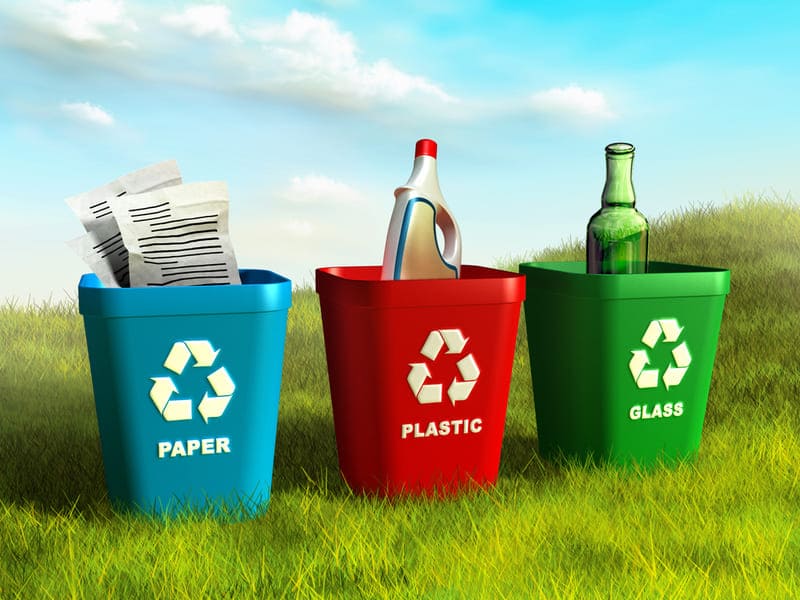
In conclusion, recycling aluminum cans is a vital practice with far-reaching positive impacts. By adopting responsible disposal habits and supporting community recycling programs, individuals can contribute to a more sustainable future. The comprehensive guide provided here details the various stages of aluminum recycling, from collection and preparation to the environmental and economic benefits. Recycling aluminum cans is a straightforward yet impactful way to reduce waste and conserve resources, ensuring a greener and more sustainable world.