Paper bags, once discarded after a single use, are now finding new life as versatile and sustainable resources. This guide delves into the numerous ways to reuse paper bags, exploring their environmental and economic benefits, and providing practical tips for successful repurposing. From transforming them into stylish storage solutions to understanding their impact on our planet, this comprehensive resource is your key to maximizing the lifespan of these often-overlooked items.
This guide will walk you through the process of repurposing paper bags in a variety of ways, from simple cleaning and storage techniques to creative design projects. Discover innovative ideas for transforming your paper bags into unique items, suitable for both personal and commercial applications. We’ll also delve into the environmental impact of paper bag usage and explore the social and economic aspects of embracing this sustainable practice.
Introduction to Reusing Paper Bags
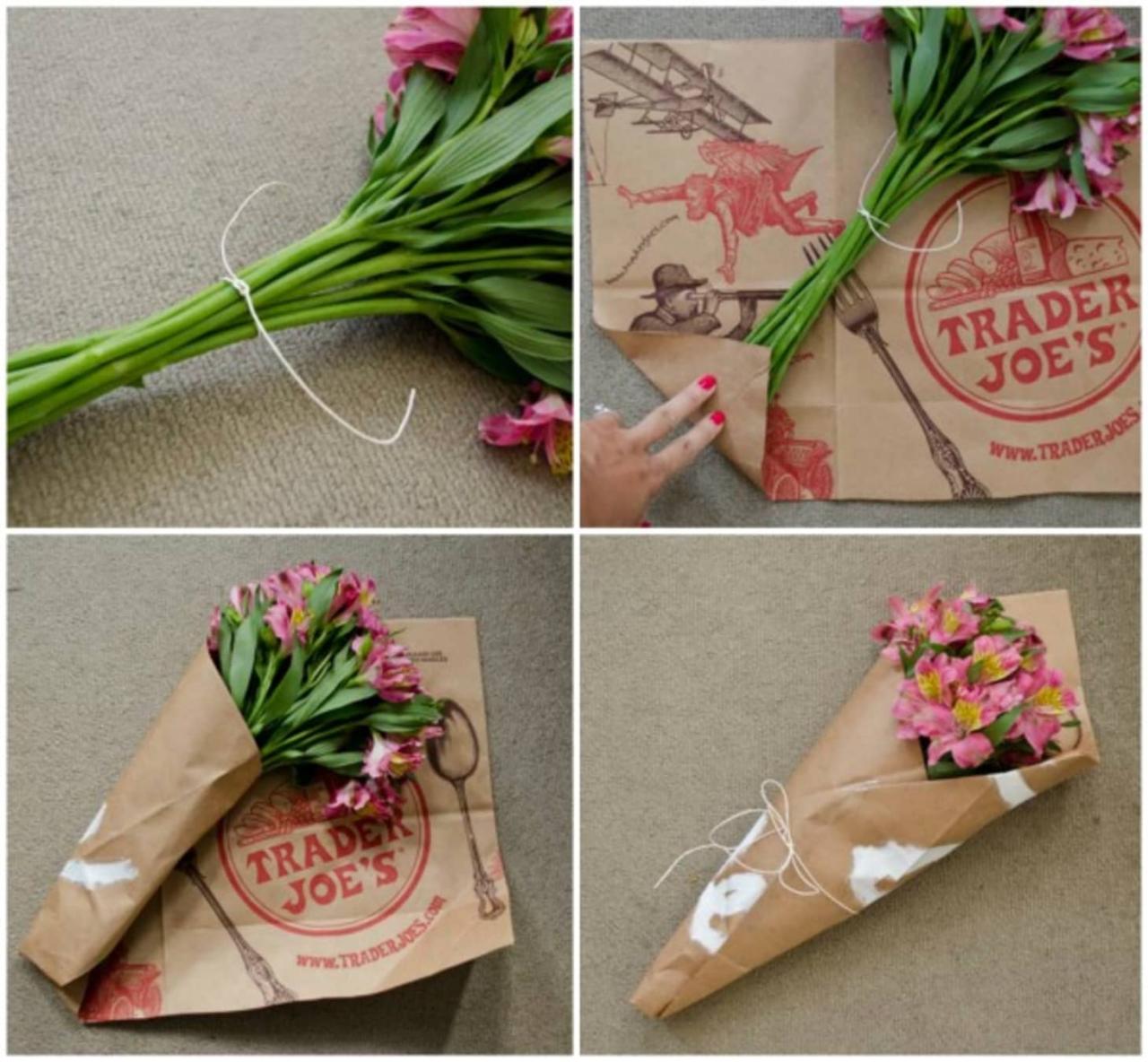
Paper bags, ubiquitous in daily life, have a rich history intertwined with societal and environmental shifts. Their evolution from simple, handcrafted containers to mass-produced grocery staples reflects evolving consumer needs and production capabilities. Early forms of paper bags, often handcrafted, served primarily as packaging for local goods and trades. The advent of industrialization brought about the mass production of paper bags, initially made from wood pulp and later from recycled paper, a testament to the increasing emphasis on sustainable practices.The modern paper bag is now available in a wide variety of sizes and styles.
Grocery stores, retailers, and even coffee shops use them for various purposes, showcasing the adaptability of this material. From sturdy shopping bags to delicate gift wrappers, paper bags continue to serve diverse functions, illustrating their versatility and wide-ranging applications.
History of Paper Bags
Paper bags, initially crafted by hand, transitioned to mass production during the industrial revolution. This evolution was driven by the growing need for efficient packaging solutions. The introduction of papermaking techniques and the development of mechanized processes dramatically increased the volume of paper bags available, making them more accessible to consumers.
Types of Paper Bags
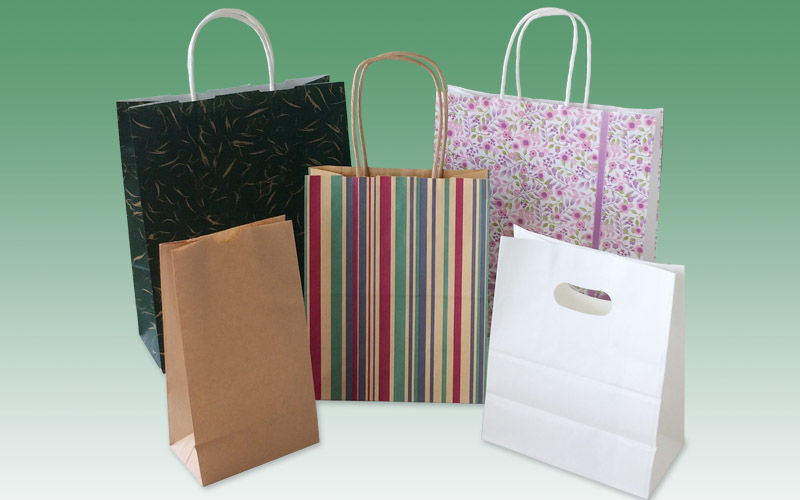
A diverse array of paper bags exists to meet specific needs. Grocery bags, often thicker and reinforced, are designed to withstand the weight of groceries. Shopping bags, which may be thinner or have a different style, are typically used for general shopping needs. Specialty bags, such as those used for bakery items or delicate gifts, often have specific features that enhance their aesthetic appeal or practicality.
The wide range of paper bag types reflects the diverse range of applications in which they are used.
Environmental Benefits of Reusing Paper Bags
Reusing paper bags contributes significantly to environmental protection. Using a reusable paper bag instead of a single-use plastic bag reduces the demand for new paper, lowering the consumption of natural resources like trees and other raw materials. Furthermore, the disposal of plastic bags creates a persistent environmental problem due to their slow degradation. In contrast, paper bags are biodegradable and decompose naturally, returning nutrients to the soil, thus minimizing their environmental footprint.
The reduction of waste associated with paper bag reuse translates to lower landfill burden, a significant contributor to environmental sustainability.
Economic Benefits of Reusing Paper Bags
The economic advantages of reusing paper bags are multifaceted. Reduced waste management costs for businesses and municipalities are a significant factor. Moreover, the reduced reliance on virgin materials lowers production costs, which in turn can benefit businesses and consumers. The demand for reusable paper bags can stimulate local businesses, providing opportunities for entrepreneurship and job creation. Ultimately, reusing paper bags contributes to a more sustainable and cost-effective economic model.
Reusable Paper Bags vs. Plastic Bags: A Comparative Analysis
| Feature | Reusable Paper Bag | Plastic Bag | Economic Considerations | Environmental Impact |
|---|---|---|---|---|
| Material | Recycled paper or wood pulp | Petroleum-based polymers | Potentially lower initial cost, but reusable bags may require an upfront investment. | Biodegradable, decomposes naturally. |
| Durability | Variable, dependent on type and quality; can be quite durable if well-made. | Often lightweight, not designed for repeated use; can be brittle. | Durable bags can last for years. | Single-use plastic bags generate significant waste. |
| Cost | Can range from low to moderate, depending on material, features, and brand. | Typically low cost per bag. | Cost savings over time by eliminating multiple plastic bag purchases. | Long-term environmental cost associated with plastic pollution. |
| Environmental Impact | Low; biodegradable and compostable. | High; non-biodegradable, contributing to pollution and habitat damage. | Lower waste management costs for businesses and municipalities. | Environmental pollution from plastic waste and potential health risks. |
Creative Ways to Repurpose Paper Bags

Beyond their initial function as shopping containers, paper bags offer a wealth of potential for repurposing. Transforming these often-discarded materials into unique and functional items is a fantastic way to reduce waste and add a touch of creativity to everyday objects. This section explores diverse ways to breathe new life into paper bags, showcasing their versatility and promoting sustainable practices.Repurposing paper bags allows for creative expression and resourcefulness, transforming discarded materials into useful and aesthetically pleasing items.
This approach not only reduces waste but also fosters a sense of environmental responsibility. The adaptability of paper bags makes them suitable for a wide range of projects, from home décor to practical storage solutions.
Innovative Repurposing Ideas
A range of creative and practical repurposing ideas can be implemented with paper bags. These ideas encompass various styles, from simple storage solutions to more elaborate decorative items. The versatility of paper bags allows for adaptation to suit diverse needs and aesthetic preferences.
- Storage Solutions: Paper bags can be transformed into organizers for various items. Cut the bags into smaller sections and use them to store stationery, craft supplies, or small toys. Adding decorative elements like ribbons or paint can personalize the storage containers.
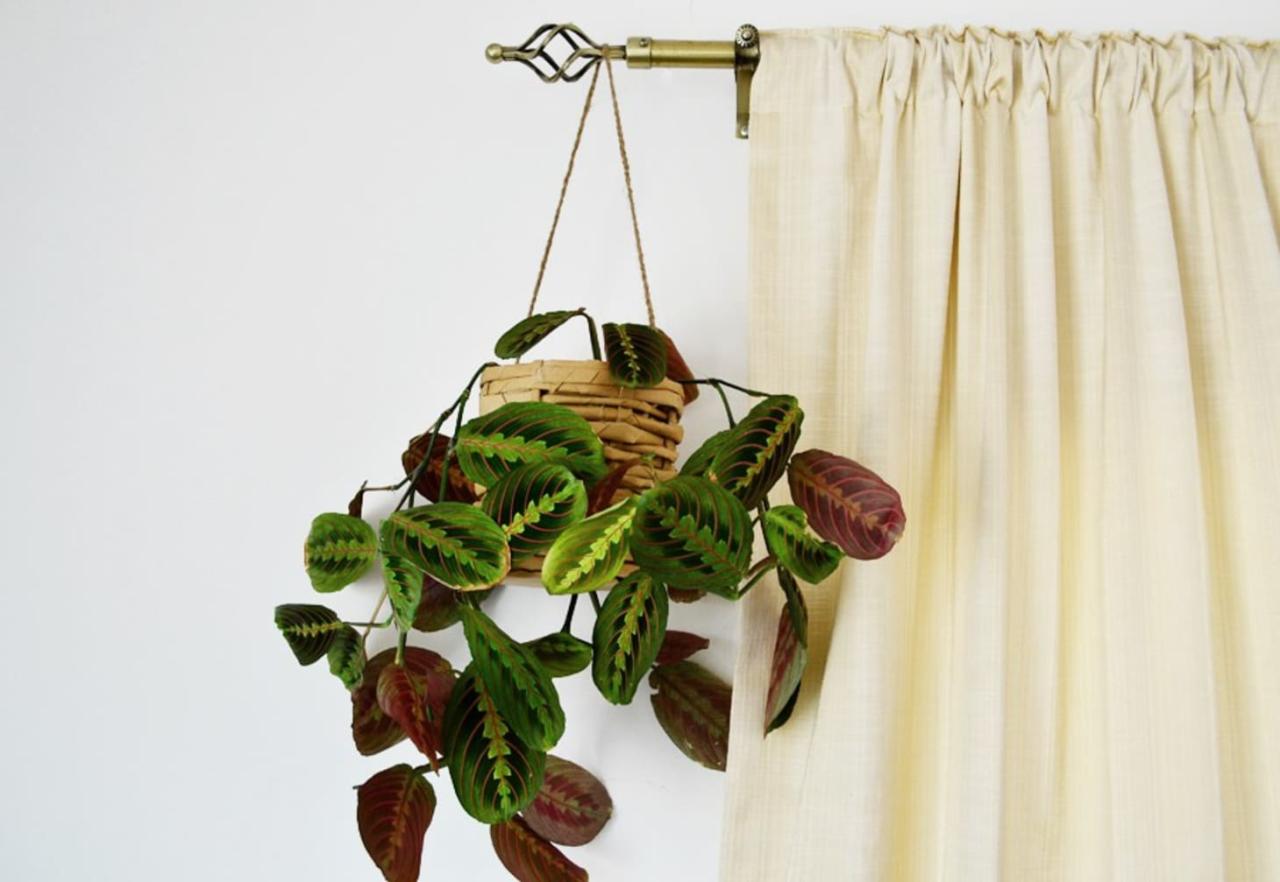
- Plant Pot Holders: Paper bags can serve as unique and decorative pot holders for small plants. Cut the bags into desired shapes, decorate them with paint, fabric scraps, or ribbons, and create a distinctive look for your indoor or outdoor plants. This method provides a creative alternative to traditional pot holders.
- Decorative Wall Hangings: Transform paper bags into eye-catching wall hangings. Hang the bags on the wall individually or create a grouping, using twine or string to hang them. Decorating with paint, fabric scraps, or patterned paper adds a personalized touch to the wall art.
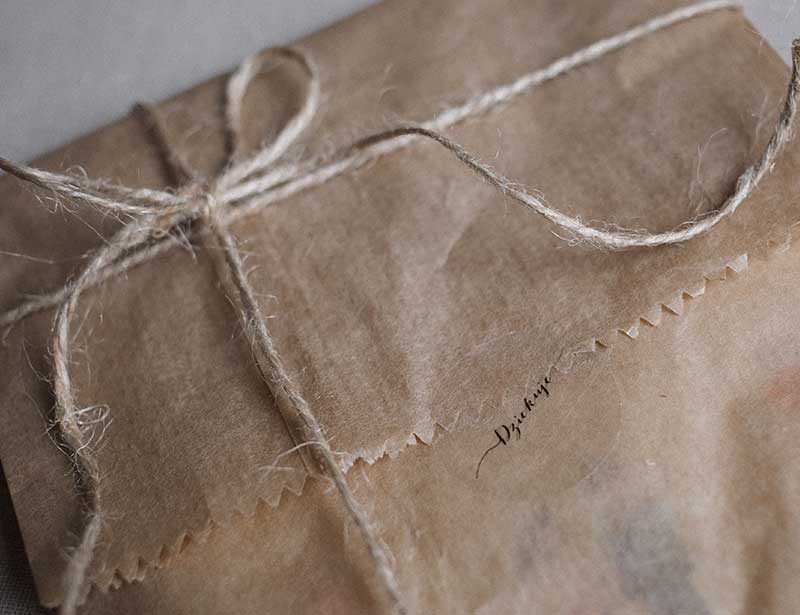
- Gift Wrap and Packaging: Paper bags, when creatively embellished, make excellent wrapping paper or packaging for gifts. Adding vibrant colours, patterned paper, or twine to the bags creates a unique and eco-friendly gift wrapping option. This can be especially beneficial when sending gifts to environmentally conscious recipients.
- DIY Fashion Accessories: Transform paper bags into stylish accessories, such as tote bags or decorative pouches. These can be used for carrying personal items or as unique pieces of jewelry. The process allows for customization to match personal style.
Repurposed Paper Bag Projects
These projects illustrate the practical application of repurposing paper bags. They showcase the simplicity and elegance that can be achieved through these resourceful techniques.
| Project | Materials | Steps | Image Description |
|---|---|---|---|
| Paper Bag Organizer | Paper bags, scissors, glue or tape, decorative elements (ribbon, paint, etc.) | 1. Cut the paper bag into desired sections. 2. Decorate the sections with chosen elements. 3. Arrange the sections to create a storage organizer. |
A close-up image of a paper bag organizer, showcasing the distinct compartments and decorative elements, possibly ribbons or paint. The compartments should be clearly visible. |
| Plant Pot Holder | Paper bag, scissors, paint, fabric scraps (optional), glue | 1. Cut the paper bag to the desired shape and size. 2. Decorate the bag with paint and/or fabric scraps (optional). 3. Insert the plant pot into the paper bag. |
A picture of a decorated paper bag, acting as a pot holder, holding a small plant pot. The bag’s decorative elements should be evident, such as paint or fabric scraps. |
| Wall Hanging | Paper bags, twine or string, decorative elements (paint, patterned paper, etc.) | 1. Cut the paper bags into desired shapes. 2. Decorate the bags with chosen elements. 3. Tie twine or string to the bags and hang them on the wall. |
A view of a wall adorned with several paper bag wall hangings, showcasing the different shapes and designs. The twine or string used for hanging should be visible. |
Practical Tips for Reusing Paper Bags
Properly maintaining and caring for reusable paper bags ensures their longevity and effectiveness. These tips provide a comprehensive guide to optimizing the lifespan of your reusable bags, ensuring they continue to serve their purpose efficiently.Effective reuse hinges on proper care. This involves techniques for cleaning, storage, reinforcement, and organization, maximizing the bag’s usability and minimizing wear and tear.
This section offers practical strategies for maintaining and enhancing the durability of your reusable paper bags.
Cleaning and Maintenance
Proper cleaning is essential to maintain the hygiene and aesthetic appeal of reusable paper bags. Regular cleaning prevents the accumulation of dirt, food particles, and odors, extending their lifespan and ensuring their continued usability. Use mild soap and warm water. Avoid harsh chemicals or abrasive cleaners, as these can damage the paper fibers. Gently scrub the bag with a soft cloth or sponge, ensuring all surfaces are thoroughly cleaned.
Allow the bag to air dry completely before storing. This prevents the growth of mold or mildew and maintains the integrity of the paper.
Storage Solutions
Effective storage is crucial for preserving the quality and shape of reusable paper bags. Proper storage prevents wrinkles, creases, and damage from moisture or pests. Consider using breathable storage containers or garment bags to keep bags organized and prevent them from becoming crushed. For example, a large, breathable storage bin with dividers can efficiently organize multiple bags of varying sizes.
Storing bags flat or on shelves in a cool, dry place will also protect them from damage.
Reinforcement Techniques
Reinforcing paper bags is vital for increasing their durability and longevity. This enhances the bag’s ability to withstand frequent use and transport, minimizing the risk of tears or breaks. A simple method involves reinforcing stress points, such as handles and bottom corners, with strips of strong, but flexible, material like fabric tape or reinforced paper. This reinforcement will ensure the bag maintains its integrity and usability.
Storage and Organization
Effective organization is key to maximizing the space and usability of reusable paper bags. Consider using clear storage containers with labels to easily identify the contents. Sorting bags by type, size, or intended use will help you locate the appropriate bag quickly. Using a designated area, such as a closet or storage bin, will help you maintain order and ensure bags are readily accessible.
Long-Term Use Preparation
Preparing paper bags for long-term use involves several steps to ensure they remain in optimal condition. Inspect the bags for any pre-existing damage or weaknesses. Repairing any minor tears or holes before use will prevent further deterioration. Proper storage, as mentioned previously, is critical for long-term preservation. Regular checks for damage and reinforcement of vulnerable areas will extend the lifespan of the bags.
Common Problems and Solutions
| Problem | Cause | Solution | Prevention |
|---|---|---|---|
| Tears in handles | Overuse, improper handling | Reinforce handles with fabric tape or reinforced paper | Use appropriate handles for the weight being carried; avoid overloading the bag |
| Bottom of bag tearing | Heavy items, improper packing | Reinforce bottom with additional layers of paper or reinforced material | Pack items evenly and use appropriate sized bags for the load |
| Moisture damage | Exposure to moisture, damp environments | Air dry thoroughly before storage; store in a dry location | Store in a well-ventilated, dry area |
| Loss of shape | Improper storage, compression | Store bags flat or on shelves; use breathable storage containers | Avoid stacking heavy items on top of bags; use appropriate storage solutions |
| Mold or mildew growth | Dampness, inadequate drying | Thoroughly clean and dry bags; ensure proper ventilation during drying | Air dry bags completely before storing; avoid storing in humid areas |
Environmental Impact of Reusing Paper Bags
The production and disposal of disposable paper bags have a significant environmental footprint. Understanding this impact is crucial to evaluating the advantages of reusing paper bags as a sustainable alternative. This section delves into the environmental consequences of paper bag usage, comparing them to other options and highlighting the role of reuse in mitigating these impacts.
Environmental Impact of Disposable Paper Bags
The production of paper bags requires substantial resources, including trees, water, and energy. Manufacturing processes often involve chemical treatments, contributing to air and water pollution. The sheer volume of paper bags used globally adds to the strain on natural resources and increases the amount of waste sent to landfills. Furthermore, the transportation of paper bags from production facilities to retail outlets and subsequently to consumers adds to the carbon footprint.
The widespread use of disposable paper bags, while convenient, significantly impacts the environment, impacting biodiversity and resource depletion.
Comparison to Other Alternatives
Compared to plastic bags, paper bags are often considered a more environmentally friendly option due to their biodegradable nature. However, the environmental impact of paper bags still surpasses that of reusable cloth bags. Cloth bags, being durable and reusable, require minimal resource input for their entire lifecycle. Their reduced manufacturing footprint and extended lifespan translate to a lower overall environmental impact.
Plastic bags, though often cheaper to produce, contribute significantly to plastic pollution due to their non-biodegradability. The decision to use paper, cloth, or plastic bags involves a trade-off between convenience, cost, and environmental sustainability.
Role of Reuse in Reducing Waste
Reusing paper bags dramatically reduces the overall environmental impact of paper bag consumption. By extending the lifespan of each bag, we lessen the demand for new bag production, consequently lowering the depletion of natural resources and the emission of greenhouse gases. The reuse of paper bags directly contributes to reducing the amount of waste ending up in landfills, preserving valuable space and minimizing the risk of pollution.
Global Statistics on Paper Bag Usage
Unfortunately, precise global statistics on the exact number of paper bags used and discarded are not readily available in a consolidated form. However, studies on packaging waste generation suggest substantial amounts of paper bags end up in landfills worldwide, highlighting the significant waste issue. The sheer volume of these bags, combined with the limited recycling rates in many regions, contributes to the environmental challenge.
Efforts to track and quantify this data are ongoing.
Circular Economy Model and Paper Bags
A circular economy model, focusing on reuse and reducing waste, can drastically improve the environmental impact of paper bags. Implementing a system where paper bags are collected, cleaned, and reused for other purposes promotes a more sustainable approach. This model reduces the reliance on virgin materials, minimizes landfill waste, and creates new economic opportunities within the circular economy.
By encouraging reuse and reducing waste, a circular economy approach is beneficial to both the environment and the economy.
Environmental Impact Table
| Impact Type | Description | Mitigation | Example |
|---|---|---|---|
| Resource Depletion | Consumption of natural resources (trees, water) in bag production. | Promoting reuse, using recycled materials, and optimizing production processes. | Using recycled paper for bag production. |
| Waste Generation | Contribution to landfill waste and potential pollution. | Encouraging reuse, implementing proper waste management systems, and increasing recycling rates. | Setting up collection programs for reused bags. |
| Pollution | Air and water pollution from manufacturing processes and transportation. | Implementing cleaner production methods, promoting sustainable transportation, and using renewable energy sources. | Using eco-friendly inks and adhesives in bag production. |
| Greenhouse Gas Emissions | Contribution to global warming from manufacturing, transportation, and disposal. | Optimizing transportation routes, using renewable energy in production, and encouraging sustainable packaging choices. | Using locally sourced materials and reducing transportation distances. |
Social and Economic Aspects of Reusing Paper Bags
Adopting reusable paper bags is not just an environmentally conscious choice; it also holds significant social and economic implications. By reducing reliance on single-use plastics and promoting sustainability, individuals contribute to a healthier environment and a more responsible society. This section explores the multifaceted benefits of reusing paper bags, examining both the social responsibility and the economic advantages.
Social Responsibility of Reusing Paper Bags
Reusing paper bags fosters a sense of social responsibility by encouraging mindful consumption and a commitment to environmental stewardship. This collective effort contributes to a more sustainable lifestyle, reducing waste and minimizing the negative impact on natural resources. Individuals who actively choose reusable bags demonstrate a commitment to protecting the planet for future generations. This conscious action can inspire others to adopt similar practices, creating a ripple effect of positive change within communities.
Contribution to a Sustainable Lifestyle
The practice of reusing paper bags is an integral part of a sustainable lifestyle. By choosing reusable options, individuals actively reduce their carbon footprint and lessen their dependence on resource-intensive production processes. This conscious consumerism extends beyond individual actions, influencing broader societal trends towards environmental responsibility. Adopting reusable bags is a tangible step towards a more sustainable future, impacting both personal and community well-being.
Comparison of Costs: Disposable vs. Reusable Paper Bags
The economic comparison between disposable and reusable paper bags reveals a significant advantage for the latter in the long run. While the initial investment in a reusable bag may seem higher, the recurring cost of disposable bags accumulates over time. The repeated purchase of single-use bags translates into substantial financial expenditure. The long-term savings associated with reusable bags include the avoidance of these repeated purchases.
In addition, consumers save on the cost of disposal and landfill management, a cost often absorbed by local municipalities.
Examples of Businesses Promoting Reusable Bags
Numerous businesses are actively promoting the reuse of paper bags, recognizing the positive environmental and economic impact. Some establishments offer discounts or incentives to customers who bring their own bags. Others integrate reusable bag programs into their overall sustainability strategies. These businesses demonstrate a commitment to environmental responsibility and consumer engagement. By partnering with customers to reduce waste, these businesses enhance their brand image and contribute to a more sustainable marketplace.
For example, many coffee shops now offer discounts for customers who bring their own reusable cups.
Economic Benefits for Consumers
Reusing paper bags presents tangible economic benefits for consumers. The long-term cost savings are substantial, particularly when considering the frequency of purchases and the recurring cost of disposable bags. Furthermore, reusable bags reduce the need for frequent purchases, fostering responsible spending habits. This commitment to sustainability can be reflected in reduced waste management fees and other related costs for consumers.
The long-term savings can be significant and contribute to a more sustainable lifestyle.
Comparison Table: Reusable vs. Disposable Paper Bags
| Aspect | Reusable Paper Bag | Disposable Paper Bag | Conclusion |
|---|---|---|---|
| Initial Cost | Higher | Lower | Reusable bags require an initial investment, but long-term savings outweigh this. |
| Environmental Impact | Lower | Higher | Reusable bags contribute to reduced waste and resource consumption. |
| Social Responsibility | Higher | Lower | Reusable bags promote environmental stewardship and a sustainable lifestyle. |
| Economic Savings (long-term) | Higher | Lower | Repeated use of reusable bags leads to significant long-term savings. |
Addressing Potential Concerns Regarding Reusing Paper Bags
Reusing paper bags offers numerous environmental and economic benefits. However, some concerns naturally arise regarding their practicality and suitability for various applications. Addressing these concerns proactively ensures that reusable paper bags become a more widely adopted and effective solution for reducing single-use plastic.Understanding the potential challenges associated with reusable paper bags allows for informed decisions and strategies to mitigate those issues.
This section delves into common concerns, practical solutions, and the importance of proper maintenance to maximize the lifespan and effectiveness of these eco-friendly alternatives.
Common Concerns and Solutions
Many individuals hesitate to adopt reusable paper bags due to concerns about durability and hygiene. Addressing these concerns directly fosters a greater understanding and acceptance of this sustainable practice.
- Durability: Paper bags, while biodegradable, can be prone to tearing or damage if not handled with care. Choosing thicker, higher-quality paper bags and avoiding excessive weight or rough handling can significantly improve their durability. Reinforcing seams or adding handles can also extend the life of the bag.
- Hygiene: Concerns about contamination are valid. Regular cleaning and proper storage can significantly reduce the risk of contamination. Thorough cleaning with mild soap and water, followed by air drying, is essential to remove food particles and germs. Storing bags in a clean, dry place, away from potential sources of contamination, is also crucial.
Importance of Proper Cleaning and Maintenance
Regular cleaning and maintenance are vital for extending the lifespan and maintaining the hygiene of reusable paper bags. This proactive approach reduces the risk of contamination and ensures continued usability.
- Thorough cleaning, including the removal of food particles and stains, is essential. Using a mild detergent and warm water can effectively clean the bags, ensuring a sanitary state. Avoid harsh chemicals or abrasive cleaners that could damage the paper.
- Allowing the bags to air dry completely before storing is critical to prevent the growth of mold or mildew. Avoid storing wet bags, as this can lead to significant damage.
Choosing Durable and High-Quality Reusable Paper Bags
Selecting the right reusable paper bag is key to its long-term effectiveness. Understanding the quality factors leads to a more sustainable and practical solution.
- Look for bags made from thick, sturdy paper. This will significantly improve durability and resistance to tearing.
- Check the seams and handles for reinforcement to prevent premature wear and tear. Strong, reinforced seams are an indicator of higher quality and longer-lasting bags.
- Consider the weight and volume the bag will carry. Heavier bags may require reinforced handles or a more robust paper material.
Addressing the Risk of Contamination
Proper handling and storage significantly reduce the risk of contamination. This proactive approach maintains hygiene and usability.
- Avoid using bags that have visible stains or tears, as these are more susceptible to contamination and will degrade faster.
- Always wash the bags thoroughly after each use, particularly if they have been used to carry food or other items that may contain contaminants.
- Store the bags in a clean, dry, and well-ventilated area to prevent the growth of mold or mildew.
Table: Potential Issues and Solutions
| Problem | Description | Cause | Solution |
|---|---|---|---|
| Durability Issues | Bags tear or break easily | Thin paper, poor quality construction, improper handling | Select thicker, higher-quality paper. Avoid rough handling and excessive weight. Reinforce seams and handles. |
| Hygiene Concerns | Bags may harbor bacteria or contaminants | Food particles, improper cleaning, inadequate drying | Thorough cleaning with mild soap and water. Allow bags to air dry completely before storing. |
| Contamination Risk | Bags become contaminated from previous use | Improper handling or storage, contact with dirty items | Regular cleaning, careful handling, storing in a clean, dry place. Avoid storing wet bags. |
Final Review
In conclusion, reusing paper bags offers a practical and impactful approach to sustainability. By understanding the environmental benefits, exploring creative repurposing techniques, and adopting responsible maintenance practices, individuals and businesses alike can significantly reduce waste and contribute to a more environmentally conscious future. This comprehensive guide provides a complete roadmap for successfully incorporating reusable paper bags into your daily routines and lifestyle.