Transforming yard waste into nutrient-rich compost is a rewarding and environmentally conscious practice. This guide provides a detailed overview of the composting process, covering everything from choosing the right method to maintaining a thriving compost system. You’ll discover how to turn organic matter into a valuable resource for your garden, minimizing waste and maximizing your garden’s health.
The guide explores various composting methods, highlighting their unique advantages and disadvantages, and considering factors like space availability, climate, and budget. It also covers essential aspects of setup, maintenance, and troubleshooting common issues. Finally, we’ll delve into the environmental benefits of composting and how to maximize its use in your gardening endeavors.
Introduction to Composting Yard Waste
Composting yard waste is a valuable practice that benefits both the environment and your personal garden. It’s a natural process of decomposing organic matter, transforming it into nutrient-rich soil amendment. This process significantly reduces the amount of waste sent to landfills, while also improving soil health and reducing the need for synthetic fertilizers.This process effectively recycles organic materials from your yard, such as grass clippings, leaves, and other plant matter, creating a valuable resource for your garden.
The resulting compost enriches the soil, boosting plant growth and promoting a healthier ecosystem.
Types of Yard Waste Suitable for Composting
A wide array of yard waste can be composted, significantly reducing the amount of organic material going to landfills. These include grass clippings, leaves, twigs, branches (smaller ones), fruit and vegetable scraps, and even coffee grounds. It is important to note that some materials, such as meat and dairy products, oily foods, and diseased plants, should be avoided as they can attract pests or introduce pathogens to the compost pile.
Methods for Composting Yard Waste
Various methods for composting yard waste exist, each with its own advantages and disadvantages. Understanding these methods can help you choose the best approach for your specific needs and space.
Bin Composting
Bin composting utilizes enclosed containers, typically made of wood, plastic, or metal. These bins provide structure and containment for the composting process. They help regulate moisture and temperature, accelerating the decomposition process. Bin composting is often favored for its ease of use and its ability to manage odors effectively.
Pile Composting
Pile composting is a simpler method, relying on a designated area in the yard to accumulate and decompose yard waste. It involves layering different materials, such as brown (dry) and green (wet) components, to facilitate decomposition. This method often requires more active management to maintain the proper moisture content and temperature for effective composting.
Worm Composting
Worm composting, also known as vermicomposting, utilizes worms to break down organic matter. This method is often seen as environmentally friendly and produces a nutrient-rich compost, called vermicast, known for its high quality. It typically requires a dedicated bin or container for the worms to thrive.
Comparison of Composting Methods
| Method | Space | Maintenance | Ease of Use |
|---|---|---|---|
| Bin Composting | Moderate to High | Moderate | High |
| Pile Composting | Moderate | Moderate to High | Moderate |
| Worm Composting | Low to Moderate | Low to Moderate | High |
Choosing the Right Composting Method
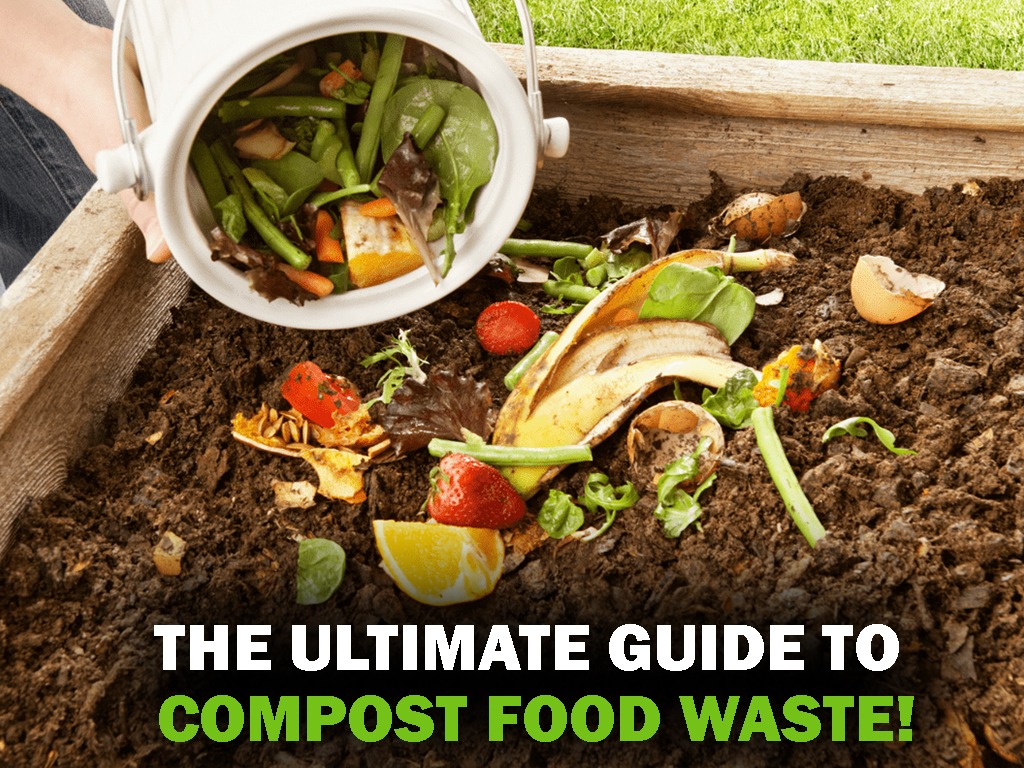
Selecting the optimal composting method for your yard waste hinges on several key factors. Careful consideration of space constraints, local climate conditions, financial resources, and personal preferences will lead to a composting system that’s both effective and enjoyable. Understanding the advantages and disadvantages of different approaches, alongside their environmental impact, is crucial for making an informed decision.
Factors to Consider
Various factors play a critical role in choosing the most suitable composting method. Space availability, climate conditions, budget limitations, and personal preferences all influence the practicality and effectiveness of different systems. A thorough assessment of these elements is essential for achieving optimal composting results.
- Space Availability: The size of your yard and the available space directly impacts the type of composting system you can implement. Small backyards might be better suited to smaller, enclosed systems like a tumbler, while larger properties can accommodate more extensive methods like a bin or pile system. Consider the footprint and required dimensions of different composting methods to ensure you have enough room.
- Climate Conditions: Temperature and rainfall patterns in your region significantly affect the composting process. Warm climates generally accelerate decomposition, while colder regions may necessitate additional insulation or protection from extreme weather. Consider the average temperature fluctuations and rainfall frequency when selecting a method.
- Budget: Composting systems vary in cost. Simple methods like the bin or pile method are generally more budget-friendly, whereas specialized tumblers or worm composting systems might involve higher upfront investment. Balancing the cost of the system with the long-term benefits of composting is crucial.
- Personal Preferences: Consider your preferred level of involvement in the composting process. Some individuals prefer hands-on methods like the pile method, while others might prefer a more automated system like a tumbler. Choose a method that aligns with your personal preferences and time constraints.
Different Composting Methods
Several composting methods exist, each with its own set of advantages and disadvantages. The environmental impact, effectiveness in breaking down yard waste, and ease of maintenance are key factors to consider.
- Bin Composting: This method involves using a designated container (bin) to hold and manage composting materials. It’s a straightforward method, offering good control over the composting process and preventing the spread of pests. Bin composting is relatively easy to maintain and works well in various climates. However, it may not be suitable for extremely large quantities of yard waste.
- Pile Composting: This traditional method involves creating a pile of yard waste in a designated area. It requires more hands-on management, including turning and aeration. Pile composting is generally less expensive than other methods, but it can be less efficient in colder climates and may attract pests if not managed correctly. It’s often favored for its simplicity and environmental benefits.
- Tumbler Composting: These systems use rotating drums to aerate and mix the composting materials. They accelerate decomposition and are often more efficient than pile or bin composting. Tumblers are generally more expensive but can be a good option for those who want faster results and less hands-on involvement. They can be ideal for individuals who have limited space.
- Worm Composting (Vermicomposting): This method utilizes worms to break down organic materials. It produces a nutrient-rich compost (vermicast) and is relatively low-maintenance. Worm composting is ideal for smaller spaces and generates less odor compared to other methods. However, it might not be suitable for large quantities of yard waste and requires careful monitoring to maintain optimal worm conditions.
Effectiveness Comparison
The effectiveness of different composting methods in breaking down yard waste varies. Factors such as moisture content, aeration, and temperature all play crucial roles. The decomposition rate can differ significantly, influencing the time required to produce usable compost.
| Composting Method | Decomposition Rate | Environmental Impact |
|---|---|---|
| Bin Composting | Moderate | Low |
| Pile Composting | Moderate to slow | Low |
| Tumbler Composting | Fast | Moderate |
| Worm Composting | Slow | Low |
Frequently Asked Questions
- What is the optimal ratio of green to brown materials in a compost pile? A balanced ratio of green (nitrogen-rich) and brown (carbon-rich) materials is crucial for effective decomposition. A good starting point is a ratio of roughly one-third green to two-thirds brown materials.
- How often should I turn my compost pile? Regular turning promotes aeration and accelerates the composting process. The frequency of turning depends on the method and climate, but a general guideline is every few days or once a week.
- What are some common composting mistakes? Common mistakes include improper material ratios, insufficient moisture, and inadequate aeration. Carefully managing these factors is essential for successful composting.
Setting Up Your Composting System
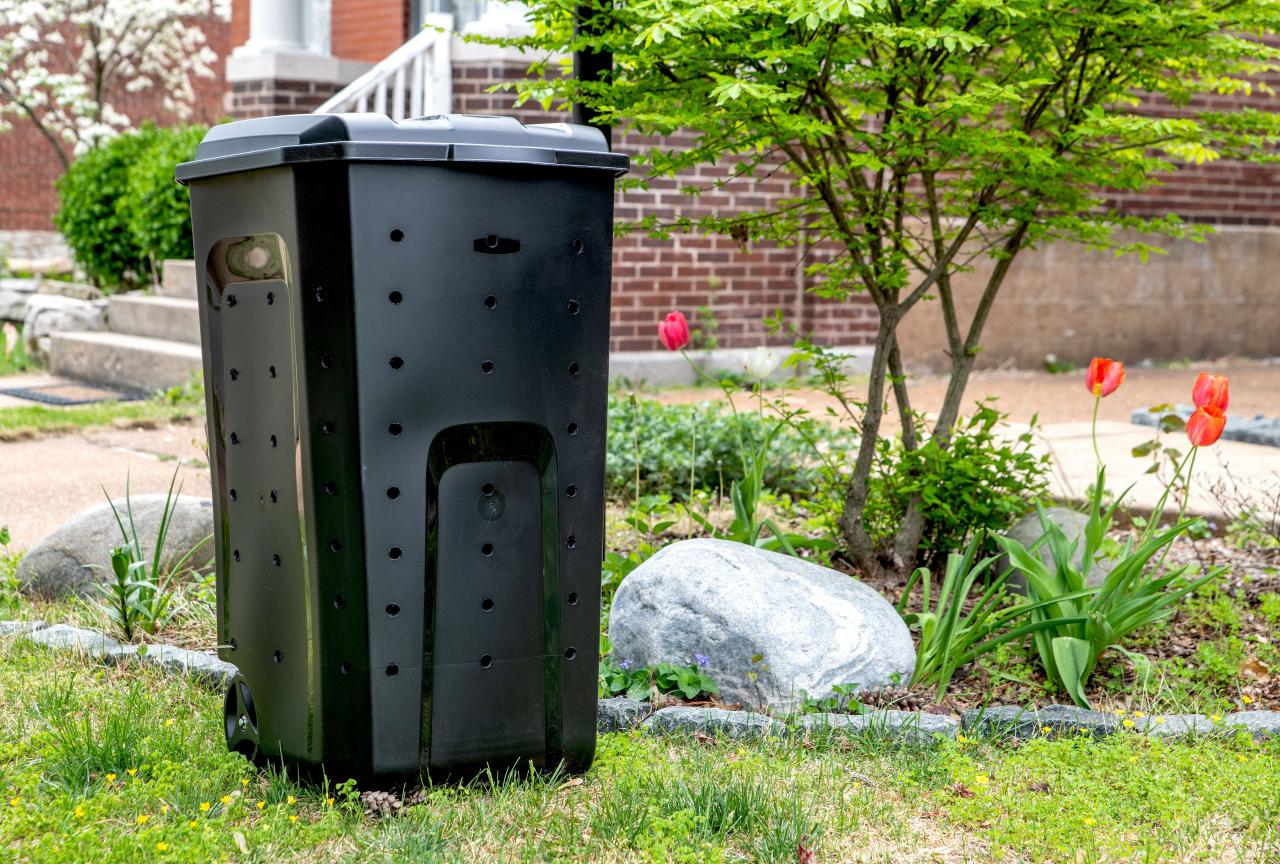
Establishing a composting system is a crucial step towards effective waste management and enriching your garden soil. Proper setup ensures efficient decomposition, minimizing odors and maximizing the benefits of your efforts. This section will detail the necessary equipment, materials, and procedures for various composting methods.Effective composting relies on creating the right environment for beneficial microorganisms to thrive. This process involves carefully selecting and layering materials, maintaining optimal moisture levels, and providing adequate aeration.
A well-structured system will accelerate the decomposition process, transforming organic matter into valuable compost.
Necessary Equipment and Materials
Selecting the right equipment and materials is essential for a successful composting system. The specific needs vary based on the chosen composting method, whether a bin or a pile. For bin composting, various materials are needed for construction and insulation. These materials include wood, plastic, or metal to build the structure, and possibly wire mesh or other materials for aeration.
For pile composting, no specific materials are required except for space in your yard.
Steps in Setting Up a Composting Bin or Pile
The setup process involves several crucial steps, from initial preparation to the final layering of materials. Careful attention to each step is essential for maximizing the effectiveness of your composting system.
- Site Selection: Choose a location with good drainage and access to water. Avoid areas prone to flooding or standing water. A sunny spot will promote quicker decomposition but is not absolutely necessary.
- Bin Construction (if applicable): Follow the instructions for your chosen bin design, ensuring proper ventilation and drainage. Wooden bins require appropriate treatment to prevent rot and pest infestation. If using plastic bins, consider their impact on the environment and choose recyclable options where possible.
- Pile Preparation (if applicable): Clear the chosen area of any debris or weeds. Level the ground to create a stable base for your compost pile.
Layering Materials in the Composting System
Proper layering of materials is crucial for optimal decomposition. A balanced mix of “greens” and “browns” is essential. Greens provide nitrogen, while browns contribute carbon.
- Greens: These include vegetable scraps, fruit peels, coffee grounds, and grass clippings. These materials are rich in nitrogen, promoting rapid decomposition. Avoid diseased or insect-infested plant matter. Do not add meat or dairy products.
- Browns: These materials are rich in carbon, providing structural support and aiding in moisture retention. Examples include dried leaves, twigs, shredded paper, and cardboard. Ensure you do not use treated wood as these can contaminate the compost.
- Alternating Layers: Alternate layers of greens and browns, ensuring a ratio of roughly 1:1. This layering technique promotes proper aeration and drainage.
Building a Simple Composting Bin
A simple composting bin can be constructed using readily available materials. The design below Artikels the steps to build a basic bin.
| Step | Description |
|---|---|
| 1 | Gather materials: Wood planks, wire mesh, nails, screws, and wood glue. |
| 2 | Cut wood planks to the desired dimensions for the bin’s sides and bottom. |
| 3 | Assemble the bin structure, ensuring stability. |
| 4 | Secure the wire mesh to the top of the bin to allow for air circulation. |
| 5 | Place the completed bin in the chosen location. |
Optimizing the Composting Environment
Maintaining the right conditions for decomposition is crucial. Factors such as moisture, temperature, and aeration are key.
- Moisture: Maintain a consistently moist environment, akin to a damp sponge. Avoid excessive moisture, which can lead to anaerobic decomposition and unpleasant odors. Regular watering might be necessary, depending on the weather conditions.
- Temperature: Optimal composting temperatures range from 140°F to 160°F (60°C to 71°C). This promotes faster decomposition and helps kill pathogens. Turn the pile regularly to ensure even heating and to maintain appropriate aeration.
- Aeration: Proper aeration is vital for the decomposition process. Turn the pile regularly to introduce oxygen and mix the materials. Aeration can be facilitated by using a pitchfork or similar tools.
Maintaining Your Composting System
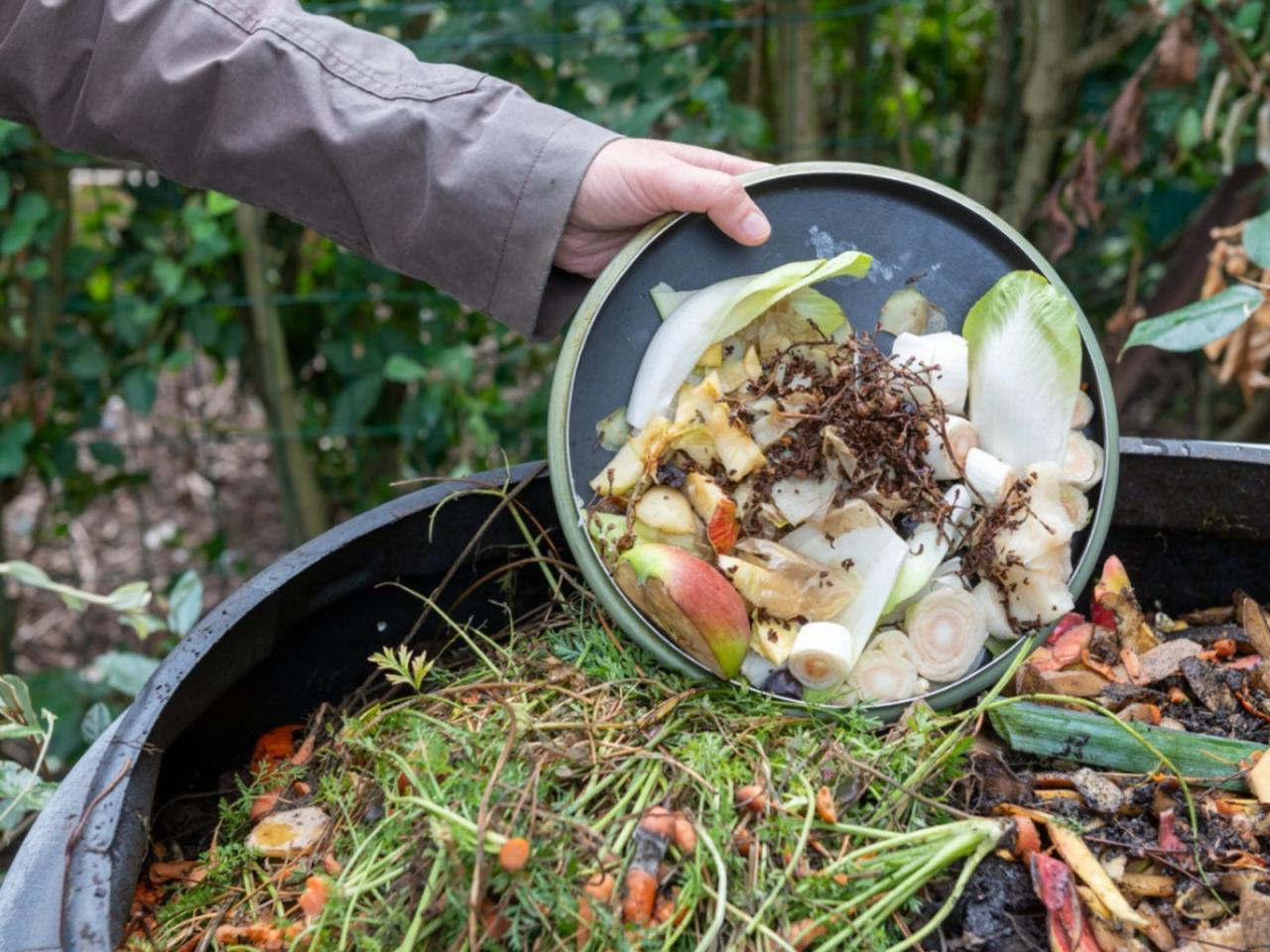
Maintaining a healthy composting system requires consistent attention and care. Regular maintenance ensures the decomposition process proceeds efficiently, producing high-quality compost quickly and effectively. This involves monitoring moisture levels, providing adequate aeration, and promptly addressing any potential issues that may arise.Proper maintenance of your composting system is essential for the successful transformation of yard waste into nutrient-rich compost.
Consistent care minimizes unpleasant odors, prevents pest infestations, and maximizes the decomposition process, ultimately leading to faster composting and a more rewarding experience.
Regular Maintenance Tasks
Regular maintenance tasks are crucial for maintaining the ideal conditions within your composting system. These tasks include turning, watering, and monitoring the compost pile. Regular attention to these aspects ensures the process remains efficient and prevents potential problems.
- Turning: Regular turning is vital for aerating the compost pile. This process incorporates the material from the interior to the exterior, which promotes even decomposition. Turning also helps in distributing moisture evenly throughout the pile, accelerating the composting process. By ensuring oxygen flow and water distribution, turning is a fundamental step in successful composting.
- Watering: The moisture content of the compost pile is critical for decomposition. The ideal moisture level is similar to a damp sponge. If the pile is too dry, decomposition slows down. Conversely, an excessively wet pile can lead to anaerobic conditions, creating unpleasant odors and hindering the process. Regularly check the moisture content, adding water as needed to maintain the ideal level.
- Monitoring: Regular monitoring of the composting process involves observing the temperature, moisture, and the decomposition rate. This includes observing the color and texture of the materials. Monitoring helps identify potential problems early and allows for timely interventions to maintain the ideal composting conditions. If the temperature drops significantly or an unpleasant odor emerges, it’s a sign that adjustments are needed.
Importance of Moisture and Aeration
Maintaining proper moisture and aeration levels is paramount for a successful composting process. These factors directly influence the decomposition rate and the quality of the final product.
- Moisture: The ideal moisture level for a compost pile is similar to a damp sponge. Too little moisture inhibits decomposition, while excessive moisture can lead to anaerobic conditions. Adequate moisture ensures that microorganisms can thrive, which is crucial for breaking down organic matter.
- Aeration: Adequate aeration is equally important. Aeration provides oxygen to the microorganisms that break down organic matter. Without sufficient oxygen, the decomposition process slows down or stops entirely. Turning the pile is a key method for ensuring proper aeration.
Common Problems and Solutions
Several issues can arise during the composting process. Identifying and addressing these problems promptly is key to maintaining a healthy compost pile.
- Unpleasant Odors: Unpleasant odors often indicate anaerobic conditions. These conditions are caused by insufficient aeration. To remedy this, turn the pile frequently to introduce oxygen and ensure the moisture level is not excessive. Adding a layer of brown material can also help improve aeration.
- Slow Decomposition: Slow decomposition can be due to insufficient moisture or poor aeration. Check the moisture level and turn the pile to improve aeration. Adding more green material can also help increase the moisture content.
- Pest Infestations: Pest infestations, while less common, can occur in a compost pile. This often happens when there’s a buildup of moisture or a significant amount of food scraps. To prevent pest infestations, ensure the pile is adequately aerated and maintained at the proper moisture level. Avoid including diseased or pest-infested materials in your compost.
Troubleshooting Techniques
Effective troubleshooting techniques allow for a quick resolution of composting problems.
- Observation: Regularly inspect your compost pile for any changes in temperature, moisture levels, or odor. Consistent observation is crucial for identifying potential problems early on. Changes in the pile’s appearance or the presence of unusual smells should trigger further investigation.
- Adjustments: If you observe any issues, make adjustments to the moisture level or aeration. Add water if the pile is too dry, and turn the pile to improve aeration. Adjustments based on observation are crucial for maintaining optimal conditions.
- Documentation: Keeping a record of your composting activities, including observations and adjustments, can help identify recurring patterns or issues. By noting when and how you addressed a problem, you can improve future composting efforts.
Weekly Composting Maintenance Schedule
A structured maintenance schedule helps maintain a healthy composting environment.
| Day | Task | Description | Time Estimate |
|---|---|---|---|
| Monday | Check Moisture | Assess the moisture content of the pile. | 15 minutes |
| Tuesday | Turn Pile | Turn the compost pile to improve aeration. | 30 minutes |
| Wednesday | Add Materials | Add new yard waste or other compostable materials. | 15 minutes |
| Thursday | Monitor Odor | Check for any unusual odors. | 5 minutes |
| Friday | Water (if needed) | Add water to maintain the appropriate moisture level. | 10 minutes |
| Saturday | Monitor Temperature | Check the temperature of the pile. | 5 minutes |
| Sunday | Inspect for Pests | Check for any signs of pests. | 10 minutes |
Using Composted Yard Waste
Transforming your yard waste into a valuable resource for your garden is a rewarding experience. Composted yard waste is a natural soil amendment, brimming with essential nutrients that enhance plant growth and promote healthy soil conditions. This section details the practical applications of your finished compost, guiding you on how to incorporate it into your gardening endeavors.Composting yard waste yields a rich, dark soil amendment, an invaluable addition to any garden.
This section will provide insights into utilizing your compost, from practical application to enriching your soil, and how to tailor its use to various gardening needs.
Incorporating Compost into Garden Beds
Properly incorporating composted yard waste into your garden beds is crucial for achieving optimal results. It enhances soil structure and improves its ability to retain moisture and nutrients. This process ensures the nutrients are readily available for your plants.
- Soil Improvement: Gently incorporate the compost into the top 6-8 inches of your garden bed. This helps improve soil aeration, drainage, and water retention, creating a thriving environment for plant roots.
- Amend Existing Soil: For existing garden beds, mix the compost into the soil. This is a simple and effective way to enrich the soil in your garden bed, promoting a healthy and productive environment for your plants.
- Creating Raised Beds: When creating raised beds, use compost as a primary component in the soil mix. This ensures a balanced soil mixture that provides optimal conditions for plant growth. A good ratio is 1/3 compost to 2/3 other soil amendments.
Creating Nutrient-Rich Soil
Compost is a remarkable tool for creating nutrient-rich soil. Its organic matter content improves soil structure, fostering healthy microbial activity that directly benefits plant growth.
- Soil Texture Improvement: Compost improves the texture of heavy clay soils, making them lighter and more porous. Conversely, it can help sandy soils retain moisture and nutrients more effectively. The result is a balanced soil that is well-suited to plant needs.
- Nutrient Release: The slow-release nature of nutrients in compost ensures consistent nourishment for plants throughout the growing season. This reduces the need for frequent fertilizing, promoting sustainable gardening practices.
- Enhanced Water Retention: Compost’s ability to retain water is crucial, especially during dry periods. This prevents water loss and keeps your plants hydrated, allowing them to thrive in various weather conditions.
Using Compost for Various Gardening Needs
Compost is versatile and can be utilized for a wide array of gardening tasks. Its application is tailored to the specific needs of different plants and situations.
- Seed Starting: Mix compost into seed starting mixes to provide a rich environment for seeds to germinate and grow strong seedlings. This enriched soil provides optimal conditions for seed development.
- Potted Plants: Compost is excellent for enhancing the soil mix in potted plants. This creates a more fertile and supportive environment for the growth of houseplants or container gardens.
- Mulching: Use compost as a mulch around plants to suppress weeds, regulate soil temperature, and conserve moisture. This layer of compost helps maintain the optimal growing conditions for the plants beneath.
- Fruit Tree Care: Add compost to the soil around fruit trees to promote healthy growth and abundant fruit production. The nutrients in compost nourish the trees, contributing to their overall health and productivity.
Environmental Considerations
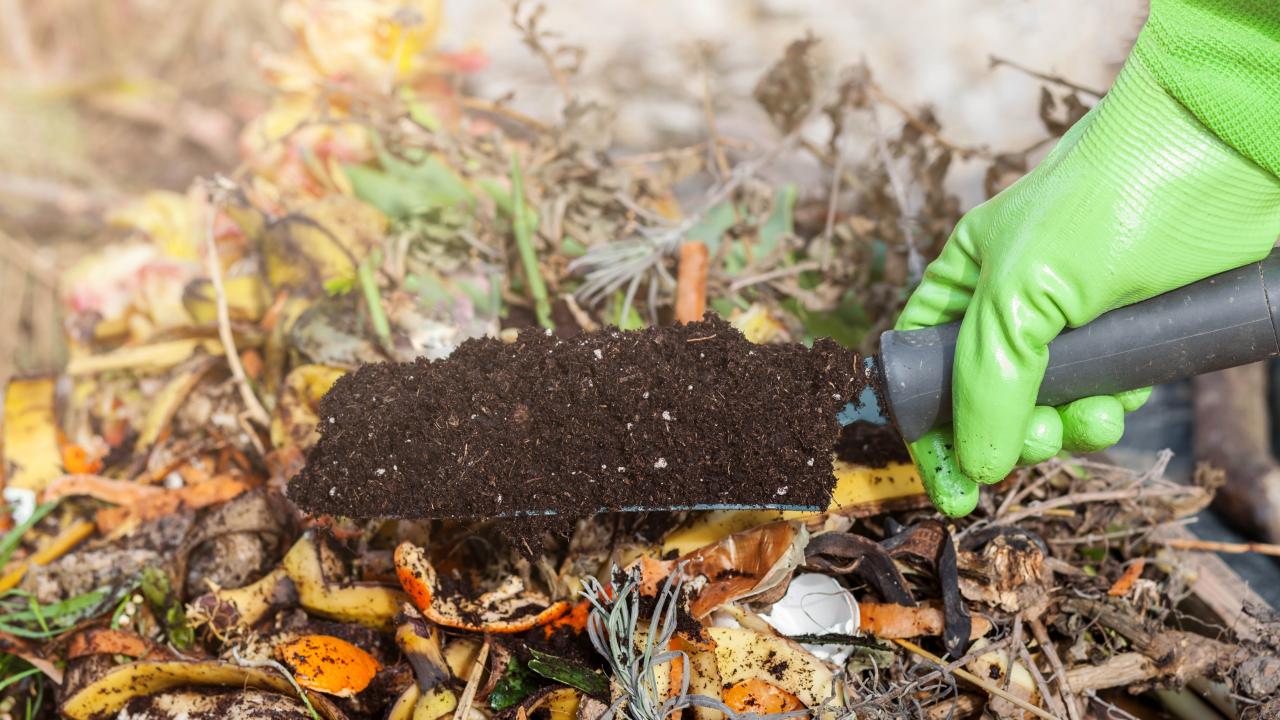
Composting yard waste offers significant environmental benefits, extending beyond simply managing organic matter. It plays a crucial role in mitigating the negative impacts of traditional waste disposal methods and promotes a more sustainable approach to managing our landscapes. By understanding the environmental advantages of composting, we can make informed choices that support a healthier planet.Composting yard waste significantly reduces our reliance on landfills, thereby lessening the environmental burden associated with waste disposal.
This reduction in landfill waste has a profound impact on our natural environment.
Reduction of Landfill Waste
Landfills, while necessary for waste disposal, pose environmental challenges. They contribute to greenhouse gas emissions, leach pollutants into the surrounding soil and water, and occupy valuable land resources. Properly managed composting programs divert yard waste from landfills, thus lessening the environmental impact of waste disposal. This diversion not only conserves landfill space but also reduces the need for new landfill construction, mitigating the environmental risks associated with this process.
For example, a community that successfully implements a composting program for yard waste could see a significant decrease in the amount of material sent to landfills, freeing up space for other essential uses.
Reduction of Greenhouse Gas Emissions
Composting yard waste can significantly reduce greenhouse gas emissions. Organic matter decomposing in landfills produces methane, a potent greenhouse gas with a much higher global warming potential than carbon dioxide. By diverting yard waste from landfills and composting it, we effectively reduce methane emissions. Furthermore, the process of composting itself, when managed correctly, can be relatively carbon neutral, meaning the carbon released during the decomposition process is roughly equal to the carbon sequestered in the finished compost.
This process is part of a larger effort to reduce our carbon footprint and mitigate climate change. For instance, a study by the Environmental Protection Agency (EPA) demonstrated a correlation between the implementation of composting programs and a notable decrease in methane emissions from landfills.
Reduced Reliance on Chemical Fertilizers
Composting yard waste provides a natural source of nutrient-rich fertilizer for gardens and landscapes. This significantly reduces the need for chemical fertilizers, which can pollute water sources and harm beneficial soil organisms. Compost improves soil structure, water retention, and aeration, leading to healthier plants and reduced reliance on synthetic fertilizers. By substituting natural compost for chemical fertilizers, we can protect water quality and support a more sustainable approach to gardening and landscaping.
Minimizing Environmental Impact of Yard Waste Disposal
Several strategies can minimize the environmental impact of yard waste disposal. Properly implemented composting programs are crucial. These programs can efficiently divert yard waste from landfills, reducing the associated environmental risks. Educating communities about the benefits of composting and providing access to composting facilities are vital steps in promoting responsible waste management. Additionally, minimizing the use of yard chemicals, such as pesticides and herbicides, can further reduce the environmental footprint of yard waste disposal.
- Proper Waste Sorting: Carefully separating yard waste from other types of trash ensures that compostable materials are directed to appropriate composting facilities. This practice is essential to prevent contamination and ensure the quality of the compost produced.
- Choosing the Right Composting Method: Selecting a composting method suitable for the available space and resources maximizes efficiency and minimizes environmental impact.
- Reducing Yard Waste Generation: Practices such as pruning strategically, mulching appropriately, and managing plant growth can reduce the overall volume of yard waste produced, minimizing the need for disposal and composting.
Troubleshooting and Common Mistakes
Composting, while generally straightforward, can sometimes encounter unexpected challenges. Understanding common pitfalls and their solutions can significantly improve your composting experience and ensure a healthy, productive compost pile. Addressing these issues proactively can prevent frustration and maximize the benefits of your composting efforts.Troubleshooting problems in composting is essential for maintaining a successful and productive process. Identifying and rectifying issues early on can prevent further complications and maintain the overall health of the compost pile.
This section details common mistakes, their causes, and practical solutions to help you overcome these hurdles.
Slow Decomposition
Slow decomposition in a compost pile is often a result of improper moisture and aeration levels. Insufficient moisture can inhibit microbial activity, while excessive moisture can lead to anaerobic conditions, slowing or halting decomposition. Maintaining the right moisture content, similar to damp soil, is crucial for optimal decomposition. Ensuring adequate aeration is equally important. Aeration allows oxygen to reach the microorganisms that break down organic matter.
This can be achieved by turning the compost pile regularly. Furthermore, the presence of materials that decompose slowly, such as woody branches, can also contribute to slow decomposition. Proper layering of materials, with a mix of ‘greens’ (nitrogen-rich) and ‘browns’ (carbon-rich), will promote a faster and more complete breakdown.
Odors and Pests
Unpleasant odors often indicate improper moisture or aeration levels. Excessive moisture can lead to anaerobic decomposition, producing foul smells. Regular turning of the pile helps introduce oxygen and promotes aerobic decomposition, minimizing odors. Similarly, inadequate layering of materials, with too much ‘greens’ or ‘browns’, can also contribute to odor issues. Properly managing the compost pile and maintaining the appropriate moisture balance can mitigate odor problems.
Pests, such as rodents or insects, can sometimes be attracted to the compost pile. Keeping the pile contained within a bin or structure can help deter pests. Regular turning and monitoring of the pile can also aid in preventing pest infestations.
Unwanted Materials
Occasionally, unwanted materials, such as metal, plastic, or glass, may end up in the compost pile. These materials are not biodegradable and should be removed before they contaminate the compost. Carefully sorting and screening materials before adding them to the compost pile will prevent these issues. Regular inspection and removal of such items will help maintain the quality of the compost.
Furthermore, improper sorting of materials may also lead to contamination of the finished compost.
Issues with Different Types of Yard Waste
Different types of yard waste have varying decomposition rates. For instance, woody branches decompose slower than grass clippings. A mixture of different types of yard waste is ideal for a balanced compost pile. By balancing ‘greens’ (nitrogen-rich) and ‘browns’ (carbon-rich) materials, you can accelerate the decomposition process. Excessive amounts of one type of material may slow down decomposition.
A balanced ratio of materials will contribute to a healthy and effective composting process. For example, a pile with too many leaves may require additional ‘greens’ like grass clippings to accelerate the breakdown. By carefully selecting and combining materials, you can maintain a healthy compost environment and prevent imbalances.
Illustrative Examples
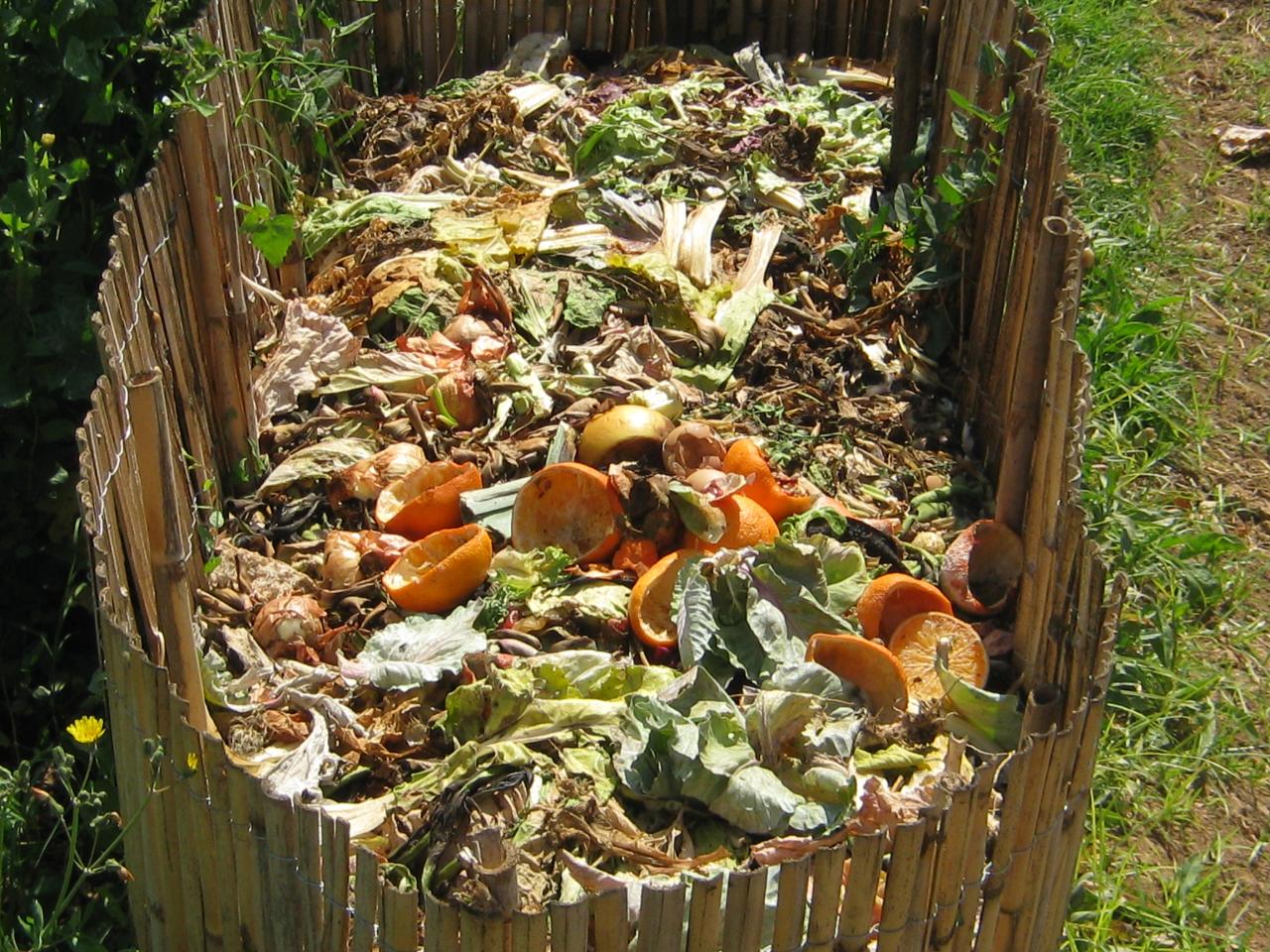
A thriving compost system is a testament to the power of nature’s recycling process. It’s a dynamic ecosystem where organic matter decomposes, transforming into valuable soil amendment. Observing a well-maintained compost pile reveals a multitude of benefits, including improved soil health, reduced waste, and a more sustainable lifestyle.Understanding the characteristics of a thriving compost pile, along with visual representations of different composting methods and finished compost, will further illuminate the process.
A Thriving Compost Pile
A thriving compost pile exhibits several key characteristics. It displays a consistent, slightly damp, and dark brown texture throughout. The materials within the pile are uniformly mixed, and there are no large, easily identifiable pieces of organic matter remaining. The pile generates a mild, earthy aroma, rather than unpleasant odors, indicating the active decomposition process. This indicates that the pile is not too wet or too dry, and that the materials are decomposing properly.
The pile maintains a relatively consistent temperature, often slightly warmer than the surrounding environment, as decomposition generates heat. The overall appearance is one of a healthy, active biological process, not stagnant or foul.
A Well-Maintained Composting Bin
A well-maintained composting bin presents a neat and organized structure. The bin is kept clean and free of any significant build-up of undesirable materials. The contents within the bin are layered, ensuring a balanced mix of ‘greens’ (nitrogen-rich materials like food scraps) and ‘browns’ (carbon-rich materials like dried leaves). This balanced layering aids in decomposition and reduces unpleasant smells.
The bin is appropriately sized for the anticipated volume of yard waste, preventing overflowing or underutilization. Proper ventilation is maintained, often achieved through perforations or openings in the bin’s structure.
Visual Guide of Different Composting Methods
Composting methods vary in their setup and maintenance. A simple, readily accessible example is the ‘pile’ method. This involves piling organic materials in a designated area, turning the pile periodically to facilitate aeration. A ‘bin’ method involves containing the compost in a structure, such as a wooden box or plastic bin. These bins often have features like perforations for ventilation and sometimes internal dividers.
A ‘tumbler’ method utilizes a rotating barrel to aerate the compost, accelerating the decomposition process. Each method, while having differences, aims to optimize the decomposition of organic matter into nutrient-rich compost.
Healthy vs. Unhealthy Compost Piles
Visual cues can distinguish between a healthy and an unhealthy compost pile. A healthy pile exhibits a consistent dark brown color, a slight dampness, and a mild earthy aroma. In contrast, an unhealthy pile might show large, unmixed pieces of organic material, unpleasant odors, or a noticeably dry or excessively wet texture. The temperature within a healthy pile is consistently warm, while an unhealthy pile may not show significant temperature changes.
Finished Compost
Finished compost typically displays a dark brown or black color, a crumbly texture, and a rich earthy smell. It is free of large recognizable pieces of organic material, and has a consistent texture throughout. The material is uniformly mixed and well-integrated. This indicates the complete breakdown of organic matter into a fine, nutrient-rich soil amendment.
Final Thoughts
This comprehensive guide provides a practical roadmap for successfully composting yard waste. From initial setup to ongoing maintenance, we’ve covered the key elements for a successful composting journey. By embracing this sustainable practice, you’ll contribute to a healthier environment and enhance the vitality of your garden. Remember, every step you take in composting helps create a more sustainable future for ourselves and the planet.