Embark on a journey towards a more sustainable lifestyle with our comprehensive guide to zero-waste shopping. This approach not only reduces your environmental impact but also empowers you to make conscious choices about the products you buy and how you consume them. From planning your strategy to choosing sustainable products and minimizing food waste, we’ll equip you with the knowledge and tools you need to shop sustainably.
Discover practical steps for creating a personalized zero-waste shopping plan, including inventory management, meal planning, and budgeting. Learn how to build a zero-waste shopping list, prioritize items, and avoid impulse purchases. We’ll also delve into the importance of supporting local markets and stores, reducing food waste, and repairing or repurposing items to extend their lifespan.
Introduction to Zero Waste Shopping
Zero-waste shopping is a conscious approach to purchasing goods and services that minimizes environmental impact. It aims to reduce waste at every stage of the consumption cycle, from production to disposal. This philosophy extends beyond simply recycling and encompasses a broader commitment to reducing consumption, reusing items, and choosing products with minimal packaging. The core principles focus on minimizing waste, promoting sustainability, and fostering a more environmentally friendly lifestyle.The core tenets of zero-waste shopping are rooted in the idea of minimizing waste generation.
This approach encompasses a broad range of practices, from choosing products with minimal packaging to avoiding single-use items, and prioritizing reusable alternatives. It encourages thoughtful consumption and a shift away from the linear “take-make-dispose” model of production. A key component is the understanding that waste isn’t just about trash; it also encompasses resource depletion, pollution, and the impact on ecosystems.
Defining Zero-Waste Shopping Principles
Zero-waste shopping encompasses a set of principles that guide consumers towards a more sustainable approach to consumption. These principles revolve around reducing, reusing, and recycling materials. They also extend to choosing products with minimal packaging and avoiding single-use items whenever possible. This proactive approach is essential to minimize the environmental impact of our purchasing decisions.
History of the Zero-Waste Movement
The zero-waste movement has roots in various environmental and social movements throughout history. Early pioneers focused on reducing waste in local communities, often advocating for improved waste management practices. The growing awareness of environmental issues in the late 20th and early 21st centuries further fueled the movement, with increasing attention given to the environmental impact of consumerism. Influential figures and organizations have played a critical role in shaping the current understanding and practices associated with zero-waste living.
The concept of zero waste has evolved from a niche movement to a more mainstream approach to sustainability.
Comparison of Traditional and Zero-Waste Shopping
| Traditional Shopping | Zero-Waste Shopping | Comparison |
|---|---|---|
| Purchases often involve single-use packaging, such as plastic bags and disposable containers. | Prioritizes reusable bags, containers, and packaging to minimize waste. | Zero-waste shopping reduces reliance on single-use packaging. |
| Shopping often involves impulse purchases and the acquisition of unnecessary items. | Focuses on mindful purchasing decisions, prioritizing needs over wants and reducing consumption. | Zero-waste shopping promotes conscious consumption. |
| Emphasis on convenience and readily available products, often from mass-produced industries. | Prioritizes locally sourced, durable, and repairable products to reduce the environmental footprint of the supply chain. | Zero-waste shopping emphasizes supporting sustainable businesses and local producers. |
| Waste disposal is often handled by centralized municipal systems. | Seeks to minimize waste generation at the source, reducing the burden on disposal systems. | Zero-waste shopping aims to reduce the amount of waste needing disposal. |
| Emphasis on readily available products and immediate gratification. | May involve more planning and effort to find sustainable alternatives. | Zero-waste shopping requires a shift in mindset towards long-term sustainability. |
Planning Your Zero-Waste Shopping Strategy

A well-planned zero-waste shopping strategy is crucial for minimizing environmental impact and maximizing resource utilization. This involves understanding your needs, evaluating your current consumption patterns, and implementing sustainable alternatives. Careful planning allows for informed decisions, preventing impulse purchases and promoting mindful consumption.Effective zero-waste shopping extends beyond simply purchasing reusable items. It requires a comprehensive approach that considers the entire lifecycle of a product, from sourcing to disposal.
A key component of this strategy is meticulous inventory management, which directly contributes to reduced waste and optimized resource allocation. By understanding what you already have, you can avoid unnecessary purchases and make more conscious choices.
Inventory Management for Waste Reduction
Proper inventory management is fundamental to a successful zero-waste shopping approach. By tracking what you already own, you can avoid buying duplicates and reduce overall consumption. This proactive approach prevents unnecessary accumulation of items that might not be used or appreciated. Maintaining a well-organized inventory allows for efficient resource allocation, minimizing the need to purchase new items and preserving existing resources.
A readily accessible inventory also enables you to easily identify items that are nearing their end-of-life, allowing for their repurposing or responsible disposal.
Meal Planning and Budgeting for Zero-Waste Shopping
Meal planning and budgeting play a significant role in minimizing food waste and optimizing resource utilization. A well-defined meal plan reduces impulse purchases and promotes mindful consumption, leading to fewer food scraps and more efficient use of ingredients. By anticipating your dietary needs, you can avoid purchasing unnecessary items, ensuring that every ingredient is used in a planned manner.
A structured budget also helps in allocating resources efficiently, avoiding overspending on items that might not be needed.
Meal Planning Strategies and Zero-Waste Implications
| Meal Planning Strategy | Zero-Waste Implications |
|---|---|
| Weekly Meal Plan | Reduces food waste by allowing you to utilize ingredients in planned meals. This also helps avoid purchasing items you don’t need. Examples include creating a grocery list based on the planned meals. |
| Batch Cooking | Reduces food waste by preparing larger portions of meals and storing them for future use. This also promotes the use of leftovers and lessens the need for frequent shopping trips. |
| Recipe Box/Template | Enables reuse of ingredients and recipes by creating a collection of recipes with variations to use up leftovers. |
| Seasonal Eating | Promotes the use of locally sourced, seasonal ingredients. This reduces the environmental impact of transportation and supports local farmers. |
| Flexible Meal Plans | Provides adaptability to changing circumstances or dietary needs, allowing you to adjust to available ingredients or unexpected events. This also minimizes the need for excess food. |
Choosing Sustainable Products
Embracing zero-waste principles extends beyond reducing waste; it encompasses conscious choices about the products we purchase. This crucial step involves selecting products that minimize their environmental impact throughout their lifecycle, from production to disposal. By understanding the packaging, materials, and manufacturing processes, we can actively contribute to a more sustainable future.Sustainable product choices often lead to a shift in consumer habits, encouraging a move away from single-use plastics and towards products that are reusable, recyclable, and made from renewable resources.
By prioritizing these aspects, consumers can support businesses committed to environmental responsibility.
Sustainable Packaging Options
A significant aspect of sustainable product selection lies in evaluating packaging. The type of packaging a product comes in directly influences its environmental footprint. Sustainable packaging options include biodegradable and compostable materials, recycled content, and minimal packaging design. Companies are increasingly innovating with packaging solutions that are not only functional but also environmentally friendly.
- Biodegradable and Compostable Materials: These materials break down naturally in the environment, reducing the burden on landfills and minimizing the long-term impact of waste. Examples include plant-based plastics and compostable cardboard. Proper composting infrastructure is essential for their effective breakdown, and this must be considered.
- Recycled Content Packaging: Packaging made from recycled materials significantly reduces the need for virgin resources. The percentage of recycled content often appears on the packaging itself, offering consumers a clear indicator of sustainability. Using recycled materials in packaging can reduce the carbon footprint associated with manufacturing from raw materials.
- Minimal Packaging: Products with minimal packaging reduce the amount of material used and the environmental impact of transport and disposal. Companies can achieve this through efficient design, optimized shapes, and innovative material use. Consumers can actively seek out products with minimal packaging to reduce their environmental footprint.
Importance of Buying Products with Minimal Packaging
Minimizing packaging is crucial for reducing waste. Products with minimal packaging often have a smaller environmental footprint due to reduced transportation costs, resource use, and waste generation. The less material used in packaging, the less waste generated during disposal.
- Reduced Waste Generation: Less packaging translates to less waste ending up in landfills, contributing to a more sustainable environment. Every reduction in packaging material is a step towards minimizing environmental impact.
- Lower Transportation Costs: Products with minimal packaging require less material to transport, leading to lower transportation costs and a smaller carbon footprint. Less packaging also leads to a smaller carbon footprint.
- Resource Efficiency: Manufacturing products with minimal packaging requires fewer raw materials, leading to more efficient use of resources. This directly contributes to conservation efforts.
Choosing Products Made from Recycled or Renewable Materials
Products made from recycled or renewable materials are an essential aspect of a zero-waste lifestyle. This approach minimizes the demand for virgin resources and promotes the use of materials with a lower environmental impact.
- Reduced Demand for Virgin Resources: Using recycled or renewable materials reduces the pressure on natural resources, promoting sustainability and conservation. This approach is especially important in light of the depletion of natural resources.
- Lower Carbon Footprint: Manufacturing from recycled materials often requires less energy than manufacturing from raw materials. This leads to a lower carbon footprint, which is crucial for mitigating climate change.
- Support for Sustainable Practices: Choosing products made from recycled or renewable materials supports businesses that prioritize sustainability. These choices directly encourage environmental responsibility among manufacturers.
Evaluating the Environmental Impact of Different Products
Evaluating the environmental impact of different products requires a holistic approach that considers the entire lifecycle. From production to disposal, each stage contributes to the product’s overall environmental footprint.
- Material Sourcing: Understanding the source of materials is vital. Materials derived from sustainable or renewable sources contribute to a lower environmental impact compared to those from finite resources.
- Manufacturing Process: Consider the energy consumption and emissions during the manufacturing process. Manufacturing processes with lower energy consumption and minimal emissions are preferable.
- Packaging and Transportation: The type and amount of packaging, as well as the transportation distances, directly impact the environmental footprint. Shipping methods and packaging types can significantly affect the product’s impact.
Environmental Impact Comparison Table
| Packaging Material | Environmental Impact (Estimated) | Sustainability Considerations |
|---|---|---|
| Plastic | High | Non-biodegradable, contributes significantly to landfill waste, microplastic pollution. |
| Cardboard | Medium | Recyclable, but requires significant energy for production. Proper sorting and recycling infrastructure are essential. |
| Glass | Low | Recyclable indefinitely, requires less energy for production than plastic. |
| Paper | Medium | Recyclable, but can have a high environmental impact if sourced from unsustainable forests. |
| Bioplastics | Variable | Often biodegradable, but may require specific composting conditions for proper decomposition. |
Building a Zero-Waste Shopping List
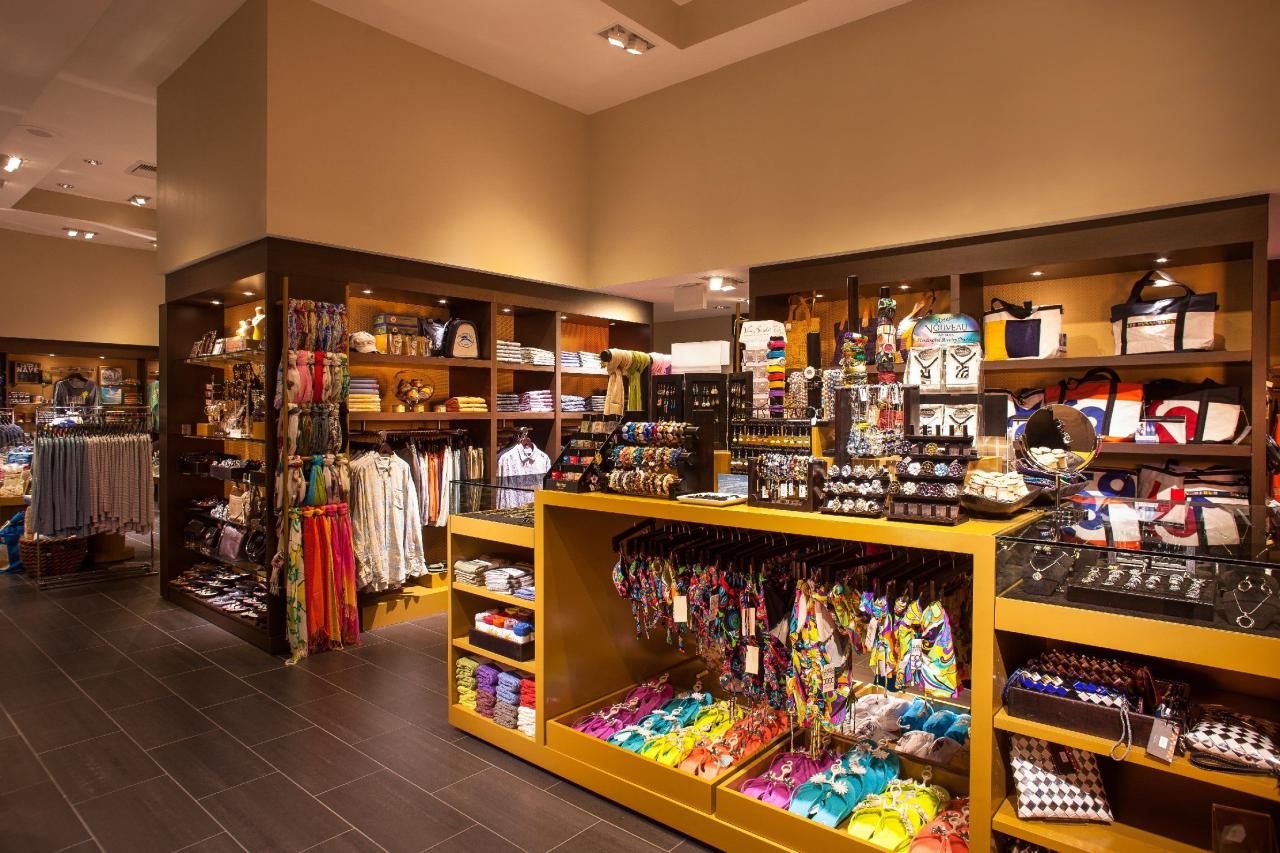
Creating a comprehensive zero-waste shopping list is a crucial step towards minimizing your environmental impact. This structured approach ensures you purchase only what you need, reducing food waste and minimizing packaging. It empowers you to make conscious choices and avoids impulse buys, leading to a more sustainable lifestyle.A well-planned shopping list is more than just a grocery list; it’s a tool for mindful consumption.
By carefully considering your needs and existing supplies, you can avoid unnecessary purchases and reduce the demand for single-use products. This conscious approach also promotes better budgeting and prevents overspending.
Creating a Comprehensive Zero-Waste Shopping List
A thorough zero-waste shopping list goes beyond just listing ingredients. It incorporates a detailed assessment of your current inventory and future needs. This proactive approach ensures you only buy what you require, preventing food waste and unnecessary packaging. A critical component is understanding your household’s current stock of non-perishable items, cleaning supplies, and personal care products. This inventory helps prevent duplication and encourages repurposing.
Template for a Zero-Waste Shopping List
A well-structured template is essential for efficient zero-waste shopping. A suggested format includes sections for non-perishable foods, fresh produce, pantry staples, cleaning supplies, and personal care items. Each section should list the items you already have on hand and those that need replenishing. Consider including estimated quantities and desired brands for consistency.
- Non-Perishable Foods: Include items like grains, beans, nuts, and dried fruits. Note quantities on hand and quantities needed for the week/month.
- Fresh Produce: List fruits and vegetables based on your meal plan. Specify the desired types and quantities.
- Pantry Staples: Include condiments, oils, spices, and other pantry items. Consider if you have alternatives or can use something up before purchasing.
- Cleaning Supplies: List the cleaning agents you use. Be mindful of sustainable alternatives.
- Personal Care Items: Include items like toothpaste, soap, and shampoo. Note current supplies and those that need replacing.
Prioritizing Items on the Shopping List
Prioritize items based on their necessity and urgency. Non-perishable items can often be purchased in bulk, while fresh produce should be considered based on your meal plan. Check your existing inventory and plan your meals accordingly to ensure items are consumed before they expire.
Avoiding Impulse Purchases
Impulse purchases are a common pitfall in conventional shopping. To avoid them in a zero-waste context, review your shopping list before heading to the store. A strong commitment to your shopping list and a well-defined plan for each section can help you stay on track. Consider setting a time limit for shopping to avoid extended browsing and potential impulse purchases.
Also, try to shop at specific times to avoid hunger-induced impulsive purchases.
Sustainable Alternatives for Everyday Items
| Everyday Item | Conventional Alternative | Sustainable Alternative |
|---|---|---|
| Plastic Bags | Plastic grocery bags | Reusable cotton or hemp bags |
| Cleaning Detergent | Commercial cleaning detergents | Homemade cleaning solutions using vinegar, baking soda, and water |
| Paper Towels | Paper towels | Cloth towels or reusable cleaning cloths |
| Plastic Wrap | Plastic wrap | Beeswax wraps or reusable silicone wraps |
| Aluminum Foil | Aluminum foil | Reusable foil alternatives or parchment paper |
Shopping at Local Markets and Stores

Supporting local markets and stores is a cornerstone of zero-waste shopping. By choosing these venues, you directly contribute to a healthier environment and stronger local economies. This approach also often results in fresher produce, unique items, and a more personalized shopping experience.
Benefits of Shopping at Local Markets and Stores
Local markets and stores offer numerous advantages over large supermarkets. These benefits extend beyond environmental consciousness to encompass social and economic aspects. Reduced transportation distances for goods lead to lower carbon footprints, while supporting local businesses fosters community growth. Furthermore, the availability of seasonal produce at local markets ensures freshness and taste, reducing food waste.
Supporting Local Farmers and Producers
Direct interaction with farmers and producers is a significant aspect of supporting local markets. This allows for a deeper understanding of the origin and production methods of your food and other goods. Asking questions about the farming practices and supporting sustainable methods strengthens the connection between consumers and producers. This direct relationship empowers consumers to make informed choices that align with their values.
Moreover, this direct engagement can lead to better prices and higher quality products for the consumer.
Finding Reusable Shopping Bags
Local markets and stores often offer reusable shopping bags for purchase or even provide them for free. Checking for these options is a crucial step in reducing single-use plastic. Some stores might even have a program where customers can bring their own bags and receive discounts. Another effective strategy involves bringing your own reusable bags from home.
Negotiating with Retailers for Better Packaging Options
Open communication with retailers about packaging options is vital. Explain your concerns about excessive packaging and suggest alternative, reusable, or less impactful packaging solutions. For instance, you can request bulk options for products that are usually sold in individual packaging, or inquire about packaging made from recycled materials. Retailers may be receptive to feedback and implement changes if it is in line with consumer preferences.
Comparison of Shopping at Different Types of Stores
| Type of Store | Benefits | Drawbacks |
|---|---|---|
| Local Farmers’ Market | Fresh, seasonal produce; direct interaction with farmers; supports local economy; often lower prices; reduced transportation emissions. | Limited selection of items; may have limited hours; might require additional trips for different products. |
| Local Grocery Store | Wider selection of products than farmers’ markets; often have consistent hours; convenient location. | Potentially higher prices; more packaging waste; longer transportation distances for goods. |
| Large Supermarket | Vast selection of products; often convenient location; regular hours. | High levels of packaging waste; long transportation distances; lower quality and freshness of produce compared to local options; often higher prices. |
Reducing Food Waste
Minimizing food waste is crucial for environmental sustainability and personal savings. By implementing mindful shopping and storage practices, we can significantly reduce the amount of food that ends up in landfills. This approach also aligns with the zero-waste philosophy by minimizing resource consumption.
Minimizing Food Waste During Shopping
Careful planning and strategic purchasing are essential to avoid overbuying and subsequent waste. Creating a detailed shopping list based on planned meals ensures that you only buy the ingredients you need. Checking the contents of your pantry and refrigerator before shopping can prevent unnecessary duplicates and impulse buys. Prioritizing seasonal produce further reduces the need for items that might not be fresh or in season.
Importance of Proper Food Storage
Proper food storage techniques play a vital role in extending the lifespan of your groceries. Different foods require different storage conditions, from refrigeration to airtight containers. Understanding these needs helps to maintain the quality and freshness of your food. Employing suitable storage methods minimizes the risk of spoilage and waste.
Choosing Fruits and Vegetables Based on Ripeness
Selecting fruits and vegetables at the optimal ripeness stage is crucial for maximizing their flavor and extending their shelf life. Avoid purchasing overly ripe or bruised produce. Look for firm, unblemished fruits and vegetables that align with their expected ripeness stage. Knowing the proper ripening process for different produce can prevent premature spoilage.
Shopping for Ingredients Based on Planned Meals
Planning meals in advance is a powerful tool in preventing food waste. Creating a weekly meal plan enables you to meticulously purchase only the necessary ingredients. This proactive approach reduces the risk of buying items that don’t fit into your meal schedule. A structured meal plan streamlines the shopping process and ensures that you’re well-prepared for each meal.
Using Leftovers Creatively
Leftovers can be transformed into delicious and innovative dishes. Understanding the versatility of various ingredients and exploring diverse recipes can help turn yesterday’s dinner into a new and exciting meal. Leftover rice can be used in fried rice, leftover vegetables can be incorporated into soups or stir-fries, and leftover meat can be added to salads or sandwiches. This creative approach maximizes the value of leftover food.
Storing Fruits and Vegetables to Reduce Spoilage
Different fruits and vegetables have varying storage requirements. Understanding these needs can help you maintain their freshness and reduce waste. The table below provides guidance on appropriate storage methods.
| Fruit/Vegetable | Ideal Storage Method | Notes |
|---|---|---|
| Apples, Bananas | Room temperature, away from direct sunlight | Store in a breathable container or paper bag |
| Berries | Refrigerator, in airtight container | Avoid washing until ready to eat |
| Broccoli, Cauliflower | Refrigerator, in a plastic bag or container | Wrap loosely to allow air circulation |
| Carrots, Celery | Refrigerator, in a plastic bag or container | Store in a cool, dry place |
| Lettuce, Spinach | Refrigerator, in a plastic bag or container | Store in a crisper drawer |
| Onions, Garlic | Room temperature, in a cool, dry place | Store in a mesh bag or paper bag |
| Potatoes, Sweet Potatoes | Room temperature, in a cool, dry place | Store away from onions and garlic |
Repairing and Repurposing Items
Extending the lifespan of items through repair and repurposing is a crucial element of zero-waste living. This approach reduces the demand for new products, conserves resources, and minimizes waste sent to landfills. By learning to mend and reimagine existing items, we can create a more sustainable and resourceful lifestyle.Repairing items, when possible, is more environmentally friendly than replacing them.
This practice conserves valuable resources and reduces the environmental impact associated with manufacturing new products. Repurposing items gives them a new life, preventing them from ending up in a landfill and promoting creativity and resourcefulness.
Importance of Repairing Existing Items
Repairing items extends their useful life, preventing them from becoming waste. This reduces the need for resource extraction and manufacturing, leading to lower carbon emissions and less pollution. Learning to repair items fosters a sense of resourcefulness and self-sufficiency.
Finding and Using Repair Resources
Locating repair resources often involves accessing community resources or seeking guidance from online communities and forums. Many local shops, libraries, and community centers provide repair services or have resources to direct individuals to appropriate support networks. Online forums and groups dedicated to specific crafts or items often have knowledgeable members who can offer guidance and support in troubleshooting and repair.
Repurposing Items to Extend Lifespan
Repurposing involves transforming items into new, functional objects. This process extends the item’s life cycle and reduces the demand for new materials. Creativity and resourcefulness are key elements in repurposing items effectively. Finding inspiration for repurposing ideas is readily available online, in books, or through local crafts fairs and markets.
Creative Repurposing Ideas
Repurposing ideas are as varied as the items themselves. An old t-shirt can be transformed into reusable shopping bags, while a glass jar can become a stylish planter. Old jars, containers, and other similar items can be repurposed into storage solutions. A broken piece of furniture can be repurposed into unique decorative pieces, or turned into a garden bed or raised garden planter.
Old fabrics and materials can be transformed into unique wall hangings, decorative items, or cozy throws.
Before-and-After Repurposing Examples
| Before | After | Description |
|---|---|---|
| A worn-out t-shirt | Reusable shopping bags | The t-shirt is cut and sewn into durable shopping bags, reducing the need for single-use plastic bags. |
| Broken wooden toy | Unique decorative shelf | The broken wooden toy pieces are repurposed into a decorative shelf, adding character to a room. |
| Empty glass jars | Stylish planters | Empty glass jars are cleaned and decorated, transforming them into unique planters for herbs or small plants. |
| Old wooden crates | Stylish garden beds | Wooden crates are cleaned and repurposed as elevated garden beds, allowing for better access to plants. |
Avoiding Single-Use Items

Minimizing reliance on single-use items is crucial for a sustainable lifestyle. Single-use items, often made from non-biodegradable materials, contribute significantly to environmental pollution. By adopting strategies to avoid these items, we can reduce our ecological footprint and promote a more circular economy.Single-use items, from plastic bags to disposable cutlery, are pervasive in modern society. However, these items often end up in landfills or the natural environment, where they persist for decades, polluting ecosystems and harming wildlife.
The shift towards reusable alternatives is a critical step in addressing this environmental challenge. Adopting reusable alternatives for common single-use items can significantly reduce our environmental impact.
Strategies for Avoiding Single-Use Items
Numerous strategies can help reduce reliance on single-use items. Careful planning and mindful choices are key to success. These strategies range from simple swaps to more significant lifestyle changes. For example, choosing reusable water bottles and coffee cups over disposable ones can drastically cut down on plastic waste.
Reusable Alternatives for Common Items
This section details viable replacements for common single-use items. Transitioning to reusable alternatives can significantly reduce waste and promote a more sustainable lifestyle.
- Water Bottles: Reusable water bottles, made from stainless steel or BPA-free plastic, are a practical alternative to single-use plastic bottles. They are durable, easy to clean, and can be carried conveniently. These bottles can be used daily, minimizing the need for purchasing disposable options.
- Coffee Cups: Invest in a reusable coffee cup to avoid using disposable coffee cups. Many reusable options are stylish, practical, and available in various materials. Consider carrying a reusable coffee cup when ordering coffee.
- Shopping Bags: Replace single-use plastic bags with reusable shopping bags made from durable materials like cotton or canvas. These bags can be carried and reused for multiple trips to the store, eliminating the need for plastic bags.
- Food Containers: Reusable food containers made from glass, stainless steel, or BPA-free plastic are excellent replacements for disposable containers. They are ideal for storing leftovers, transporting food, or packing lunches.
- Cutlery and Plates: Invest in a set of reusable cutlery and plates. These can be used for picnics, parties, or everyday meals. Using reusable options significantly reduces reliance on disposable items.
- Straws: Replace plastic straws with reusable metal or glass straws. These are durable, aesthetically pleasing, and can be cleaned easily. Carrying a reusable straw for drinks can prevent single-use straw consumption.
Impact of Avoiding Single-Use Items on the Environment
The impact of avoiding single-use items on the environment is substantial. By reducing the use of single-use items, we contribute to cleaner air, water, and land. Reducing waste in landfills also minimizes the release of harmful greenhouse gases. Furthermore, avoiding single-use items can support local economies by encouraging the purchase of durable, reusable products. For instance, local businesses that produce reusable containers can thrive if people adopt reusable alternatives.
Table of Single-Use Items and Zero-Waste Alternatives
| Single-Use Item | Zero-Waste Alternative |
|---|---|
| Plastic Bags | Reusable Shopping Bags |
| Plastic Bottles | Reusable Water Bottles |
| Disposable Cutlery | Reusable Cutlery Set |
| Plastic Straws | Reusable Straws |
| Styrofoam Containers | Reusable Food Containers (Glass, Stainless Steel) |
| Paper Cups | Reusable Coffee Cups |
Staying Motivated
Embarking on a zero-waste journey requires sustained effort and commitment. Maintaining motivation throughout this process is crucial for long-term success. This section Artikels strategies for staying consistent, overcoming challenges, and building a supportive network to keep you inspired on your zero-waste path.
The Importance of Consistency
Consistency is paramount in achieving zero-waste goals. It’s not about perfection, but about making conscious choices repeatedly. Small, consistent actions compound over time, leading to significant environmental impact reduction. Regularly implementing zero-waste practices, even when facing setbacks, builds positive habits and reinforces the importance of conscious consumption.
Overcoming Challenges and Setbacks
Setbacks are inevitable on any journey, and zero-waste shopping is no exception. It’s essential to view these challenges not as failures, but as opportunities for learning and refinement. Developing a flexible approach is key. Instead of feeling discouraged, reflect on what caused the setback and adjust your strategy accordingly. This might involve finding alternative solutions or modifying your approach to better suit your circumstances.
Acknowledging the human element in these situations and practicing self-compassion can also greatly aid in overcoming challenges.
Building a Supportive Community
Connecting with others who share similar values and goals can significantly boost motivation. Joining online forums, attending workshops, or engaging in local zero-waste groups provides a platform for sharing experiences, tips, and encouragement. These supportive communities offer valuable insights and provide a sense of camaraderie, making the zero-waste journey more enjoyable and sustainable.
Resources for Inspiration and Support
Numerous resources offer inspiration and guidance for maintaining motivation on a zero-waste journey. Blogs, social media accounts, and books dedicated to sustainable living provide practical advice and real-world examples. Local environmental organizations and initiatives often host workshops or events focused on zero-waste practices. These resources can offer valuable information, connect you with a community, and inspire further action.
Celebrating Small Victories
Celebrating small victories reinforces positive behaviors and keeps you motivated. This is not about grand gestures, but about acknowledging the progress you make. Recognizing your achievements, no matter how small, can be a powerful motivator. Regularly tracking your progress can help you visualize your journey and appreciate the positive impact of your choices.
| Strategy | Description | Example |
|---|---|---|
| Visual Tracking | Keeping a journal or using a spreadsheet to document your progress. | Record the number of plastic bags avoided, the amount of food waste reduced, or the number of reusable items you’ve purchased. |
| Reward System | Establishing a reward system for reaching milestones. | Treat yourself to a small reward, such as a new reusable item, after consistently practicing zero-waste habits for a set period. |
| Community Sharing | Sharing your zero-waste successes with friends and family. | Post about your progress on social media or share your tips with friends. |
| Reflecting on Progress | Regularly reflecting on your journey and the positive impact of your choices. | Take time to appreciate the progress you’ve made and how it benefits the environment. |
Closure
In conclusion, zero-waste shopping isn’t just about reducing waste; it’s about making conscious choices that benefit both your wallet and the planet. By understanding the principles of zero-waste shopping, you can create a more sustainable lifestyle. From planning your shopping strategy to minimizing food waste, this guide provides practical steps for building a more environmentally responsible approach to consumption.
We encourage you to embrace this journey towards a more sustainable future, one conscious purchase at a time.