Composting is a fantastic way to recycle organic waste and enrich your garden soil. However, unpleasant smells can sometimes deter people from this environmentally friendly practice. This comprehensive guide provides a step-by-step approach to composting without the odor, ensuring a pleasant experience throughout the process. From choosing the right compost bin to managing the composting materials, we’ll explore every aspect to create a smell-free composting system.
This guide delves into the science behind composting odors, offering practical solutions to minimize and eliminate unpleasant smells. We’ll cover various composting methods, including vermicomposting, and discuss the ideal ratios and techniques for different materials to maintain a pleasant composting environment. The key is understanding how to balance moisture, aeration, and the proper layering of organic matter.
Composting Basics
Composting is a natural process that transforms organic waste into nutrient-rich soil amendment. This process, mimicking nature’s decomposition cycle, efficiently reduces landfill waste while enriching gardens and landscapes. By understanding the fundamentals of composting, including the optimal materials and conditions, one can significantly minimize odors and maximize the benefits of this valuable practice.The composting process involves the breakdown of organic matter by microorganisms, such as bacteria and fungi.
This decomposition releases heat, which aids in the decomposition process. The resulting compost is a dark, crumbly material that improves soil structure, water retention, and aeration. This enriched soil fosters healthy plant growth and reduces the need for chemical fertilizers.
Types of Composting Materials for Odor Reduction
A key element in odor-free composting is selecting the right materials. Certain organic materials decompose more rapidly and produce less odor than others. Prioritize food scraps, yard waste, and other organic matter that are naturally low-odor.
- Food Scraps: Vegetable and fruit scraps, coffee grounds, and tea bags are excellent composting materials. They decompose relatively quickly and do not typically produce strong odors if managed properly.
- Yard Waste: Grass clippings, leaves, and small twigs are natural components of a compost pile. They add bulk and help with aeration, while minimizing unpleasant odors when properly composted.
- Brown Materials: Cardboard, paper, and dried leaves are known as “browns.” These materials contribute carbon to the compost pile, assisting in the decomposition process and minimizing odors, especially when combined with “greens.”
- Avoid Strong Odors: Meat scraps, dairy products, oily foods, and diseased plants should be avoided as they can lead to unpleasant odors and attract pests. These items decompose slowly and can produce unpleasant smells.
Importance of Layering and Moisture
Proper layering and moisture levels are critical in controlling odors. A well-structured compost pile allows for better aeration and drainage, minimizing moisture buildup that can promote undesirable odors.
- Layering: Alternating layers of “greens” (nitrogen-rich materials like food scraps and grass clippings) and “browns” (carbon-rich materials like dried leaves and cardboard) is essential for creating a balanced compost pile. This balanced ratio promotes rapid decomposition and minimizes odor.
- Moisture: The compost pile should be consistently moist, akin to a damp sponge. Avoid excessive moisture, which can lead to anaerobic conditions (lack of oxygen), resulting in unpleasant odors. Insufficient moisture, however, also hinders decomposition.
Ideal Temperature Range for Odor Reduction
The temperature within the compost pile plays a crucial role in the decomposition process and odor control. Maintaining an optimal temperature range encourages rapid decomposition and minimizes odor-causing compounds.
The ideal temperature range for effective composting is between 130°F and 160°F (54°C and 71°C).
Maintaining this temperature range accelerates the decomposition process, reducing the time it takes for materials to break down and lessening the potential for unpleasant odors.
Ideal Composting Ratios
The optimal ratio of “greens” to “browns” is essential for a balanced compost pile. This balance influences decomposition speed and odor production.
| Material Type | Description | Ideal Ratio (Greens:Browns) |
|---|---|---|
| Food Scraps | Vegetable and fruit scraps, coffee grounds, tea bags | 1:2 |
| Yard Waste | Grass clippings, leaves, small twigs | 1:2 |
| Cardboard & Paper | Cardboard, paper, dry leaves | 1:4 |
These ratios provide a general guideline, and adjustments might be necessary depending on the specific materials used in the compost pile. Consistency in maintaining these ratios will aid in odor control and a well-balanced compost pile.
Preventing Odor
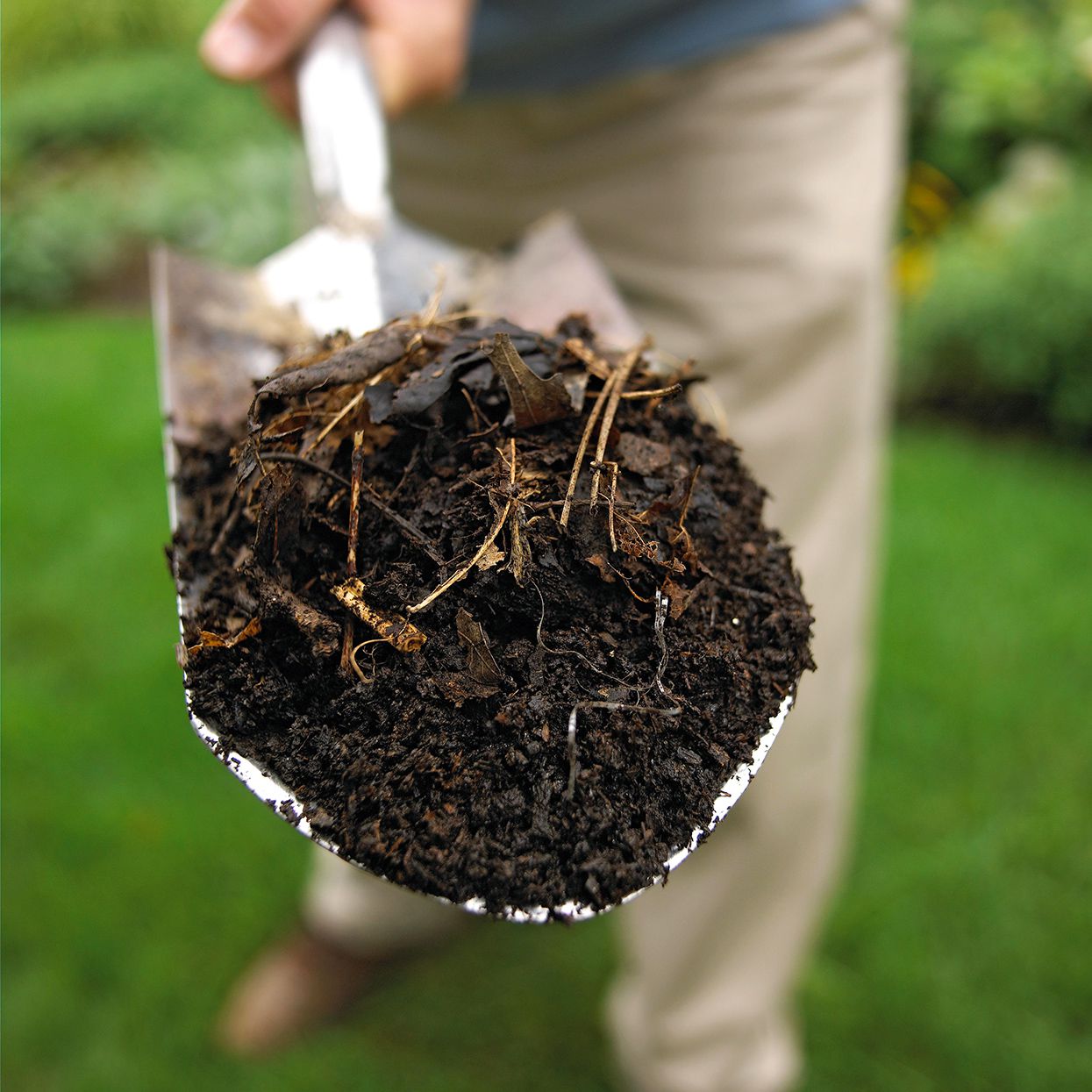
Unpleasant odors are a common concern for composters. Understanding the sources of these smells and implementing effective odor-control strategies is crucial for maintaining a pleasant environment and ensuring successful composting. Proper management significantly contributes to a more enjoyable composting experience.Composting odors typically arise from the microbial decomposition process, particularly when the compost pile is improperly managed or contains excessive amounts of certain materials.
This breakdown generates volatile organic compounds (VOCs) that can be quite pungent. The key to minimizing odors lies in creating a balanced and controlled environment within the compost bin, promoting aerobic decomposition.
Causes of Composting Odors
The primary cause of composting odors is the anaerobic decomposition of organic matter. This occurs when insufficient oxygen is available to support the aerobic microbes responsible for breaking down the materials. Other contributing factors include an improper carbon-to-nitrogen ratio, excessive moisture content, and the presence of certain food scraps or other odorous materials. Imbalances in the ratio or excess moisture can lead to a buildup of undesirable gases.
Strategies to Minimize Odors
Several strategies can effectively minimize or eliminate composting odors. Properly managing the compost pile’s moisture content is vital. The material should maintain a consistent, slightly damp, but not soggy, texture. A good way to check this is to squeeze a handful of the compost material. If water seeps out, it’s too wet; if it crumbles, it’s likely too dry.Ensuring adequate aeration within the compost bin is essential.
Turning the compost pile regularly helps introduce oxygen and promotes aerobic decomposition, thus reducing the formation of unpleasant odors. Aeration can be facilitated by using tools like pitchforks or shovels to mix the materials and incorporate air. Regular turning also helps in achieving a more uniform decomposition rate.Maintaining the correct carbon-to-nitrogen (C:N) ratio is also critical. A balanced ratio encourages aerobic decomposition, further preventing odor issues.
A good C:N ratio provides the necessary fuel for the microorganisms to work effectively, minimizing the creation of foul-smelling gases.
Natural Odor Absorbers
Several natural materials can act as odor absorbers within the compost bin. Adding materials like wood chips, shredded cardboard, or dry leaves can help absorb odors and improve the compost’s structure. These materials contribute to a better environment for the composting microorganisms and help regulate the moisture content of the compost pile.
Comparing Composting Methods
Different composting methods exhibit varying degrees of odor-reducing properties. Vermicomposting, for example, often produces less odor than traditional methods due to the presence of worms that further aid in decomposition. The worms play a key role in breaking down the materials and contribute to the composting process’s efficiency. Vermicomposting is often favored for its relatively low odor output.
Key Elements of a Well-Ventilated Composting System
A well-ventilated composting system is crucial for odor control. Using a bin with adequate air vents allows for proper oxygen circulation, encouraging aerobic decomposition. The design should facilitate the free flow of air, thereby preventing the buildup of anaerobic conditions. This will ensure that the compost pile is kept in a balanced and healthy state.
Compost Bin Selection and Setup
Choosing the right compost bin is crucial for a successful and odor-free composting experience. A well-designed bin significantly reduces the likelihood of unpleasant smells, ensuring your composting project remains a pleasant addition to your outdoor space. Proper setup and placement further minimize potential odor issues. This section details essential characteristics of odor-resistant bins, compares various types, and provides a step-by-step guide for optimal setup.Selecting a suitable compost bin is paramount to preventing unpleasant odors.
The bin’s material, size, and design directly influence its ability to contain moisture and maintain a balanced composting environment. Proper placement and setup are equally important to minimize odor and maximize effectiveness.
Essential Characteristics of Odor-Resistant Compost Bins
Odor-resistant compost bins are designed to effectively manage moisture and maintain a balanced environment within the bin. Key characteristics include:
- Material: Durable materials like heavy-duty plastic, wood treated with a moisture-resistant sealant, or even stainless steel are preferred. These materials help prevent moisture from escaping and maintain a more controlled environment, reducing the likelihood of odor-causing anaerobic bacteria.
- Tight Seal: A tightly sealed bin is essential for minimizing odor. This is particularly important for plastic bins. Gaps or cracks can allow odors to escape. Look for bins with interlocking lids or tightly fitting lids.
- Drainage System: A proper drainage system allows excess moisture to drain away, preventing moisture buildup that can lead to odor problems.
- Ventilation: Adequate ventilation allows for the circulation of air within the bin. This aids in the decomposition process and helps to prevent the buildup of anaerobic bacteria that contribute to unpleasant odors.
Comparison of Compost Bin Types
Different types of compost bins offer varying degrees of odor control. The following table compares common types and their respective features:
| Bin Type | Material | Odor Control Features | Pros | Cons |
|---|---|---|---|---|
| Plastic Bins | High-density polyethylene (HDPE) | Tight seals, often with ventilation holes; good moisture control | Affordable, durable, readily available, good moisture control | Can be heavy, less aesthetic appeal |
| Wooden Bins | Treated wood | Good for maintaining moisture levels; can be customized; good insulation | Aesthetically pleasing, good for gardens | Prone to rot or insect infestation if not properly maintained; more expensive than plastic |
| Worm Composters | Plastic or wood | Typically smaller and enclosed, with aeration systems; less odor than open bins | Easy to maintain; good for smaller spaces; minimal odor | Slower composting process; can be more expensive than other options |
Step-by-Step Guide for Setting Up an Odor-Free Composting System
Proper setup is crucial for minimizing odor issues. Follow these steps for a successful composting system:
- Choose the Right Location: Select a location that is easily accessible and has good drainage. Avoid areas prone to flooding or excessive moisture. Proximity to the house or frequently used areas can also affect the overall odor experience.
- Prepare the Area: Level the ground and create a base for the compost bin. This can prevent any standing water or uneven distribution of materials, affecting the composting process and odor.
- Assemble the Bin: Follow the manufacturer’s instructions for assembling the bin. Ensure all connections are secure and tight to prevent leaks.
- Add Initial Material: Begin adding a mixture of brown and green materials to the bin. Maintaining the proper ratio of these materials is essential for optimal decomposition and minimizing odor.
- Maintain Proper Moisture and Airflow: Regularly check the moisture level of the compost and add water as needed to maintain an even moisture content. Ensure good airflow to prevent anaerobic conditions.
Placement and Size Considerations
The placement of the compost bin significantly impacts odor control. Locate the bin away from living areas, and ideally, downwind to minimize odor exposure. The bin’s size should be appropriate for the amount of organic material you intend to compost. Larger bins can lead to odor issues if not properly managed. A smaller bin may be sufficient for a smaller household or if space is limited.
Maintaining a Smell-Free Compost Pile
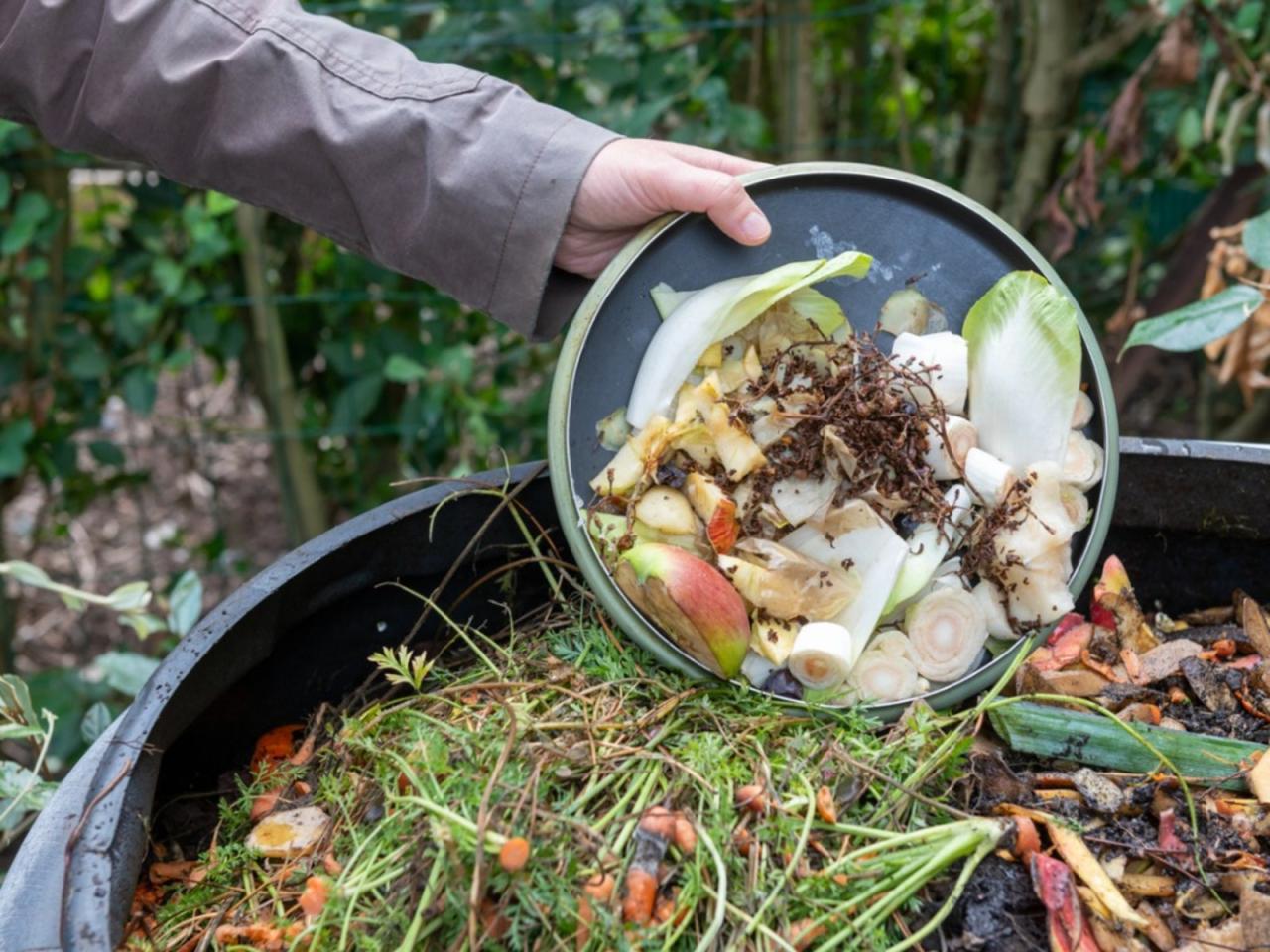
Maintaining a pleasant and odor-free composting environment is crucial for successful composting. Proper management of the compost pile, including turning, moisture control, and pest prevention, are essential to prevent unpleasant smells. By understanding and implementing these practices, you can ensure your compost pile is a beneficial addition to your garden, rather than a source of frustration.Effective compost management significantly reduces the likelihood of foul odors developing.
A well-maintained compost pile naturally decomposes organic materials, transforming them into nutrient-rich soil amendment.
Proper Turning Methods
Regular turning is a key component in preventing odors and ensuring even decomposition. Turning aerates the pile, facilitating the breakdown of organic materials and promoting the growth of beneficial microorganisms. These microorganisms are essential for converting the waste into compost. Turning also distributes moisture evenly throughout the pile, preventing localized areas of excessive moisture that can lead to odors.
Using a pitchfork or shovel to turn the pile ensures proper aeration and mixing of materials. This practice helps to regulate the temperature and moisture content, crucial for avoiding undesirable odors.
Moisture Management Strategies
Maintaining appropriate moisture levels is critical for a healthy composting process and prevents odors. The ideal moisture level is akin to a damp sponge; it should not be excessively wet or dry. If the pile is too wet, anaerobic conditions can develop, leading to unpleasant smells. Conversely, if the pile is too dry, decomposition slows down, potentially resulting in a buildup of odors.
Regularly checking the moisture content and adjusting as needed is important. Adding water if the pile is too dry, or turning it to distribute moisture more evenly can help maintain an optimal environment.
Common Mistakes Leading to Odor
Improper composting practices can lead to the development of unpleasant odors. A few common mistakes include excessive moisture, insufficient turning, and improper material selection. An accumulation of excessive moisture can create anaerobic conditions, leading to the release of foul odors. Insufficient turning prevents proper aeration and slows down the decomposition process, often resulting in the development of unpleasant smells.
Improper material selection, including excessive amounts of meat, dairy, or oily foods, can also contribute to the production of odors.
Pest Prevention Strategies
Pest infestations can contribute to odors in a compost pile. Attracting pests like rodents, insects, and other unwanted animals can lead to decomposition issues and the spread of unpleasant odors. To mitigate this, keep the compost pile covered, especially during periods of heavy rain or when the pile is not actively composting. Keeping the compost pile contained, away from food sources, and ensuring the pile is not excessively wet can help deter pest infestations.
Monitoring for Odor Indicators
Monitoring the compost pile for signs of odor is essential for early intervention. Regular checks can help identify potential problems before they escalate. The development of unpleasant smells, a noticeable increase in moisture content, or a buildup of unusual materials are signs of potential issues that require attention. Taking note of these signs allows you to take prompt action to address any problems and maintain a smell-free compost pile.
Troubleshooting Odor Problems

Maintaining a pleasant and odor-free composting environment is crucial for successful composting. Unpleasant smells can deter participants and potentially damage the quality of the finished compost. Understanding the causes of odor issues and implementing effective solutions is key to a successful composting operation.
Common Composting Odor Issues and Potential Causes
Unpleasant odors in a compost pile often indicate an imbalance in the composting process. Several factors can contribute to this problem. Excessive moisture, inadequate aeration, an abundance of green waste, and an improper ratio of green to brown materials are common culprits. Improperly managed compost bins, such as those with insufficient ventilation, can also exacerbate odor issues.
Solutions to Address Specific Odor Problems
Addressing odor problems requires a targeted approach. The solution will vary depending on the specific nature of the odor and the underlying cause. For instance, a musty smell might indicate excess moisture, while a strong, pungent odor could be a sign of insufficient decomposition.
Steps to Take When Dealing with Strong Odors in a Compost Bin
When encountering strong odors, a systematic approach is recommended. First, assess the current condition of the compost pile. Examine the moisture level, the distribution of green and brown materials, and the overall structure of the compost. Adjusting the moisture content and ensuring proper aeration are often effective solutions. If the odor persists, consider adding more brown materials to the compost pile to absorb excess moisture and promote decomposition.
If the issue persists, consider separating and removing the materials that might be causing the problem.
Role of Proper Aeration and Moisture in Resolving Odor Problems
Proper aeration and moisture are crucial for successful decomposition and odor control. Adequate aeration promotes the activity of beneficial microorganisms, which are essential for breaking down organic matter. Maintaining the right moisture level, avoiding excessive saturation, is equally important. A compost pile that is too wet can lead to anaerobic conditions, creating a breeding ground for odor-causing bacteria.
Conversely, a compost pile that is too dry will hinder decomposition and lead to unpleasant smells.
Table of Potential Odor Issues and Corresponding Solutions
| Odor Issue | Potential Cause | Solution |
|---|---|---|
| Musty, damp smell | Excessive moisture | Add more brown materials (e.g., dry leaves, shredded paper) to absorb excess moisture. Turn the pile to improve aeration. |
| Strong, pungent smell | Inadequate decomposition, excess green waste, improper ratio of green to brown materials | Turn the pile regularly to introduce oxygen and promote decomposition. Add more brown materials to balance the ratio of green to brown materials. |
| Rotten egg smell | Anaerobic conditions (lack of oxygen) | Turn the pile to improve aeration. Ensure the pile is not overly wet. |
| Sour smell | Overabundance of nitrogen-rich materials (green waste) | Add more carbon-rich materials (brown waste) to balance the ratio. |
Alternative Composting Methods
Beyond traditional composting methods, various alternatives offer unique advantages, particularly in odor management and space optimization. These methods often leverage different biological processes and materials to achieve a similar end result: nutrient-rich compost. Understanding these alternatives allows for a more tailored approach to composting, catering to individual needs and preferences.Different composting methods, like vermicomposting, utilize diverse organisms and processes, impacting the resulting compost quality and odor characteristics.
Careful selection and management are crucial to minimizing odors associated with these alternative methods.
Vermicomposting
Vermicomposting, a popular alternative, utilizes earthworms to break down organic matter. This process generally produces less odor than traditional composting, owing to the earthworms’ efficient consumption of organic waste. The controlled environment of a vermicomposting bin also contributes to a lower odor profile.
Vermicomposting Setup and Maintenance
A successful vermicomposting system requires careful setup and consistent maintenance. The ideal environment for earthworms is crucial to their well-being and efficient composting.
- Bin Selection: Choose a container with proper ventilation and drainage to prevent excess moisture and maintain a healthy environment for the worms. Consider materials like plastic bins or wooden boxes, ensuring adequate air circulation. Containers with mesh or perforated sides are often preferred.
- Worm Introduction: Introduce red wiggler worms, a species well-suited for vermicomposting. These worms thrive in a moist environment, and a healthy population is crucial for effective decomposition.
- Substrate Preparation: Prepare a bedding of shredded cardboard, newspaper, or coco coir to provide a suitable habitat for the worms. A well-balanced substrate is key for maintaining a consistent moisture level.
- Feeding the Worms: Feed the worms a balanced diet of organic kitchen scraps and yard waste. Avoid meat, dairy, oily foods, and diseased plant matter to prevent issues.
- Moisture Management: Maintain a consistent moisture level, similar to a damp sponge. Overwatering or underwatering can negatively impact the worms and lead to odor issues.
- Temperature Control: Maintaining a stable temperature range is important for worm health. Excessive heat or cold can be detrimental to their well-being.
Odor Profiles of Different Vermicomposting Methods
The odor characteristics of vermicomposting systems are generally milder compared to traditional methods, due to the earthworms’ role in accelerating decomposition.
Odor-Reducing Strategies for Vermicomposting
Implementing the following strategies can minimize odor production during vermicomposting:
- Proper Feeding Practices: Avoid introducing large quantities of food scraps at once. Regularly adding fresh food scraps can cause odor problems. Spread the feeding over the course of the day.
- Consistent Moisture Management: Maintaining an appropriate moisture level prevents anaerobic conditions, which are often associated with unpleasant odors.
- Adequate Ventilation: Ensure proper air circulation within the composting bin to facilitate aerobic decomposition and minimize the build-up of foul smells.
- Regular Turning/Mixing: Turning the compost pile or vermicomposting bin can aerate the material and reduce the risk of odor build-up. This is especially important when introducing new food scraps.
Comparison Chart of Composting Methods
The following table summarizes different composting methods and their respective odor management techniques:
| Composting Method | Odor Profile | Odor Management Techniques |
|---|---|---|
| Traditional Composting | Potentially strong odors, especially if not managed properly. | Regular turning, maintaining adequate moisture, and ensuring proper aeration. |
| Vermicomposting | Generally mild odors, but can be stronger if not managed properly. | Proper feeding, consistent moisture levels, adequate ventilation, and regular turning. |
| Bokashi Composting | Initially, there can be a slight odor, but usually dissipates as the process continues. | Maintaining proper moisture levels, appropriate covering, and avoiding overfilling the bin. |
Compost Use and Disposal
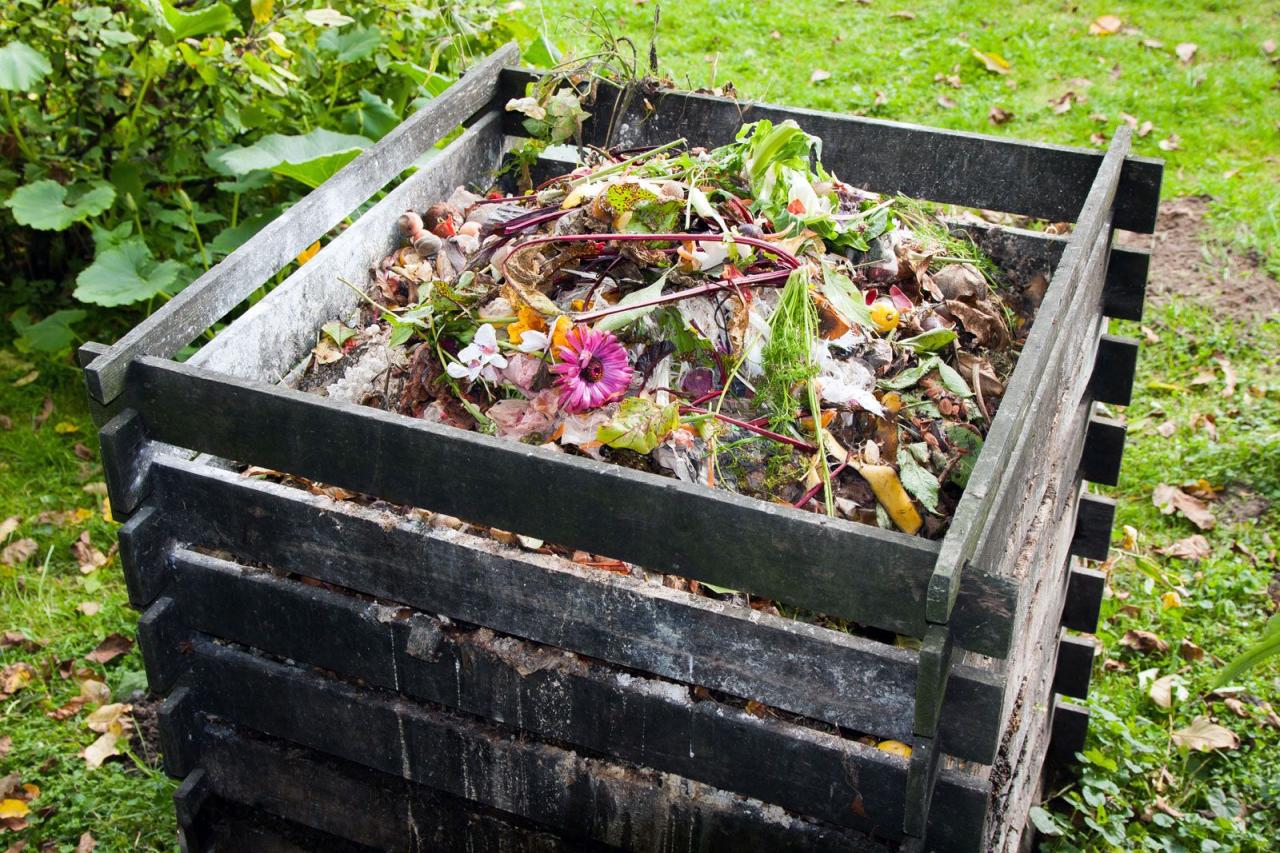
Properly using and disposing of finished compost is crucial for maximizing its benefits and minimizing potential problems. This involves understanding how to integrate compost into your garden and landscaping, safely managing any problematic materials, and effectively storing finished compost to maintain its quality and reduce unpleasant odors.Applying well-decomposed compost enhances soil health, improves plant growth, and reduces the need for chemical fertilizers.
Careful disposal of potentially odorous materials ensures a pleasant environment, while proper storage prevents compost from becoming a source of undesirable smells.
Using Finished Compost in Gardens and Landscaping
Finished compost enriches soil, promoting healthier plant growth. It improves soil structure, water retention, and aeration, creating an ideal environment for plant roots. Incorporating compost into your garden bed enhances the soil’s capacity to hold nutrients, reducing the need for frequent fertilization. Adding compost to existing soil helps maintain moisture levels and reduces water runoff. The addition of compost also improves soil drainage, reducing the risk of waterlogging.
Safe Disposal of Odorous Compost Materials
Certain materials, such as meat scraps, dairy products, or oily foods, can generate strong odors during composting. These materials should be carefully separated from other compostable items and composted separately or discarded appropriately. Properly disposing of these materials prevents unpleasant smells and maintains a healthy composting environment. In cases of significant odor issues, a dedicated compost bin or a separate composting system might be required.
Storing Finished Compost to Maintain Quality and Reduce Odor
Proper storage methods are vital for maintaining the quality of finished compost and minimizing odors. Finished compost should be stored in airtight containers or bins, ideally in a cool, dry location. Storing it in a well-ventilated area will help prevent the buildup of moisture, which can lead to odors. Compost should be kept away from direct sunlight to prevent excessive heat buildup and to maintain a stable moisture level.
Use waterproof containers for storage to protect it from moisture and dampness.
Preventing Odor When Transporting Compost
Transporting compost should be done carefully to avoid unpleasant odors. Use sealed containers or bags to contain the compost during transport. Covering the compost materials with a tarp or sheet can also help reduce the release of any potential odors. Transporting compost in a covered vehicle can minimize any odor that might escape during transit. Keep compost away from sources of strong odors during transportation.
Applying Compost to Your Garden to Minimize Smells
Applying compost to your garden can be done in various ways, each with its own set of advantages. Applying compost in smaller amounts, spreading it evenly across the garden bed, and incorporating it into the soil will prevent unpleasant smells. Avoid applying large quantities at once to minimize the potential for odor. Applying compost in a well-ventilated area and during cooler parts of the day can further reduce any odor issues.
Compost should be applied in a well-ventilated area to avoid the release of unpleasant smells.
Closing Notes

In conclusion, composting without unpleasant odors is achievable with the right knowledge and techniques. By understanding the composting process, selecting appropriate bins, and implementing odor-control strategies, you can successfully compost without compromising your enjoyment or your surroundings. This comprehensive guide provides the tools to create a thriving, smell-free composting system that benefits both your garden and the environment.