Embark on a journey towards a more sustainable lifestyle with our comprehensive guide on how to shop plastic-free. This guide delves into the practical steps and motivations behind reducing plastic consumption, from identifying plastic in everyday products to building a sustainable shopping strategy. Discover the environmental impact of plastic and learn how to make conscious choices for a healthier planet.
This resource explores various approaches to plastic-free shopping, including bulk buying, supporting local businesses, and choosing reusable alternatives. It also addresses the challenges and solutions involved, offering practical tips and strategies to minimize plastic waste. Ultimately, this guide empowers you to make a positive impact on the environment through conscious consumer choices.
Introduction to Plastic-Free Shopping
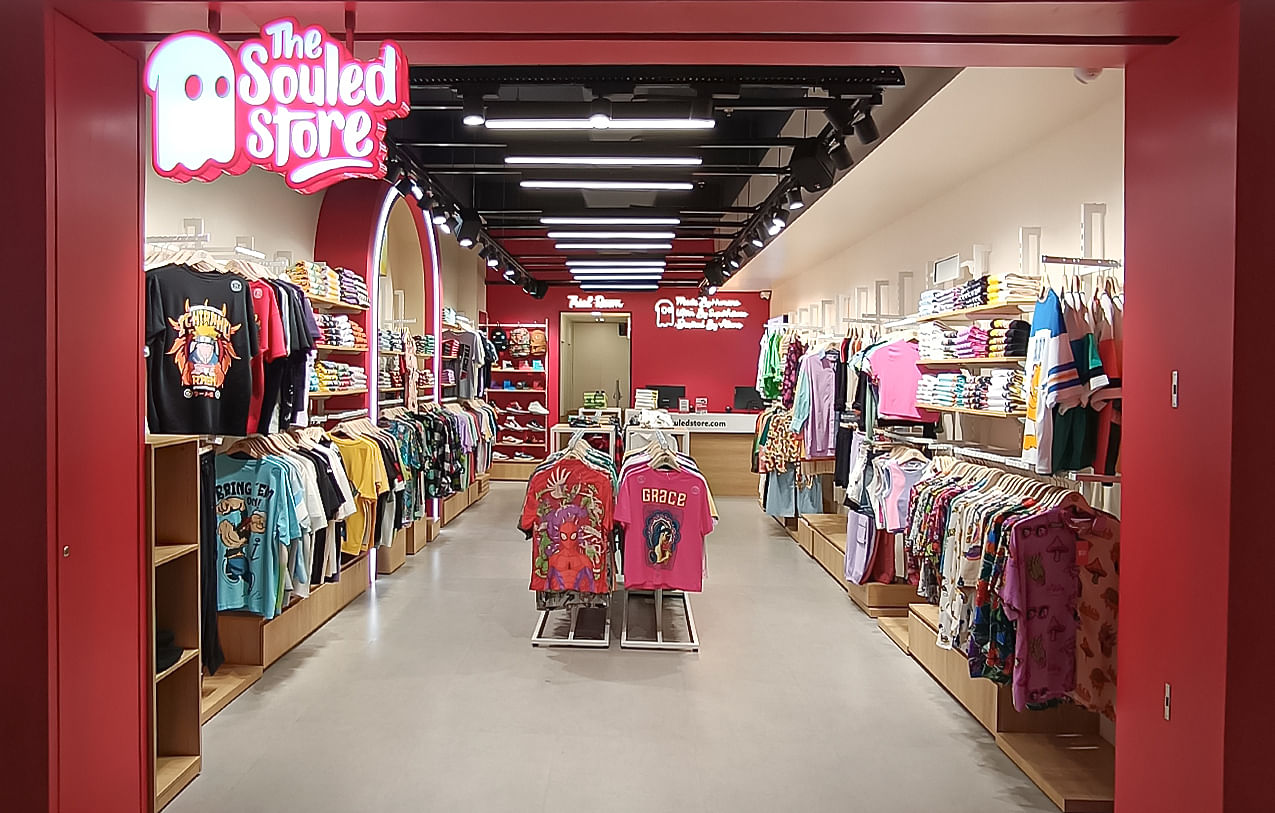
Plastic-free shopping encompasses a conscious consumer approach that minimizes or eliminates the use of single-use plastics in daily purchases. It’s more than just a trend; it’s a lifestyle choice driven by a desire for environmental sustainability and personal well-being. This involves a shift in purchasing habits, favoring reusable alternatives and products with minimal plastic packaging.Adopting a plastic-free lifestyle is motivated by a growing awareness of the environmental impact of plastic pollution.
The accumulation of plastic waste in landfills, oceans, and ecosystems poses a significant threat to biodiversity and human health. The long-lasting nature of plastic, coupled with its widespread use, contributes to the ever-increasing problem of plastic waste. A plastic-free approach seeks to reduce this burden on the environment.
Common Misconceptions
Some common misconceptions about plastic-free shopping include the belief that it’s overly expensive or inconvenient. In reality, many reusable alternatives are comparable in price or even cheaper in the long run. Furthermore, the initial effort to adapt to a plastic-free lifestyle can feel challenging, but the rewards in terms of reduced waste and environmental impact far outweigh the short-term adjustments.
The perception that plastic-free options are limited is also untrue, as an expanding range of products and alternatives are becoming readily available.
Environmental Impact of Plastic Consumption
The environmental impact of plastic consumption is profound and multifaceted. Plastic production relies heavily on fossil fuels, contributing to greenhouse gas emissions. Plastic waste pollutes our oceans and landfills, harming marine life and ecosystems. The persistence of plastic in the environment leads to microplastic contamination in the food chain, impacting human health. It’s crucial to understand that the production, use, and disposal of plastic all contribute to environmental damage.
Comparison of Plastic and Alternative Materials
Understanding the differences in materials and their impact is crucial to making informed choices. The table below illustrates the environmental impact of plastic-based products and highlights the benefits of alternatives.
| Material | Source | Environmental Impact | Alternatives |
|---|---|---|---|
| Plastic Bag | Oil | High; contributes to pollution, fossil fuel dependence, and waste buildup. | Reusable Bags, Paper Bags (made from sustainably sourced fibers) |
| Plastic Bottle | Oil | High; significant energy consumption in production, and widespread litter. | Glass Bottles, Metal Bottles (aluminum or steel), reusable water bottles made from durable, recyclable materials. |
| Plastic Wrap | Oil | High; difficult to recycle, often ends up in landfills or the environment. | Beeswax Wraps (made from natural ingredients), Reusable Wraps (silicone or other sustainable materials) |
Identifying Plastic in Everyday Products
Many everyday products contain plastic, often in ways that are not immediately apparent. Understanding the presence of plastic in these items is crucial for making informed choices towards a more sustainable lifestyle. Recognizing the pervasive nature of plastic in our surroundings empowers us to seek alternatives and reduce our environmental footprint.Identifying plastic in products requires a proactive approach that goes beyond simple visual inspection.
A keen eye and knowledge of common plastic forms and hidden sources are essential. Reading labels carefully and understanding the various types of plastic used in packaging is vital to making sustainable choices.
Common Household Items Containing Plastic
Plastic is prevalent in a surprising array of household items. From food packaging to personal care products, plastic’s ubiquity often masks its environmental impact. Understanding the widespread use of plastic in common items allows for the identification of areas where substitutions and mindful choices can be implemented. For example, plastic is frequently found in food containers, bottles, bags, and even cleaning products.
Products to Avoid in a Plastic-Free Shopping Approach
To effectively reduce plastic consumption, it is helpful to identify and avoid products that are commonly made from plastic. This includes single-use plastic items, such as disposable cutlery, straws, and bags. Products like plastic-wrapped food items, bottled water (especially single-use), and many personal care products often contain substantial amounts of plastic packaging. Further, the widespread use of plastic in disposable containers and packaging makes their avoidance critical for a plastic-free lifestyle.
- Disposable plastic cutlery, plates, and cups
- Plastic straws and stirrers
- Plastic bags (both shopping and produce bags)
- Plastic-wrapped food items
- Bottled water (especially single-use)
- Many personal care products (shampoo bottles, conditioner bottles, etc.)
- Plastic packaging for food and other items
Importance of Reading Product Labels
Product labels provide valuable information about the materials used in manufacturing. Carefully examining labels can reveal the presence of plastic and guide consumers towards more sustainable alternatives. A key to reducing plastic use is understanding what materials are contained within a product.
Hidden Sources of Plastic in Packaged Goods
Hidden sources of plastic in packaged goods are prevalent. Sometimes, plastic is present in surprising ways, such as coatings on paper or cardboard, or in the adhesive used to seal packaging. Understanding these hidden sources allows consumers to make more informed choices about their purchases. Many seemingly paper or cardboard items have plastic layers or adhesives that increase their environmental impact.
- Plastic coatings on paper or cardboard
- Plastic-based adhesives used in packaging
- Plastic components within packaging materials, even if they are not readily apparent
Common Plastic Substitutes
Switching to plastic-free alternatives is essential for reducing plastic consumption. The following table showcases common plastic substitutes, highlighting their benefits and drawbacks.
| Product | Plastic Alternative | Benefits | Drawbacks |
|---|---|---|---|
| Plastic Wrap | Beeswax Wraps | Biodegradable, Reusable | Requires careful handling, may not be suitable for all foods |
| Plastic Bottles | Glass Bottles | Durable, Reusable, Recyclable | Heavier, more fragile |
| Plastic Food Containers | Glass Containers | Durable, Reusable, Recyclable | More expensive |
Building a Plastic-Free Shopping Strategy
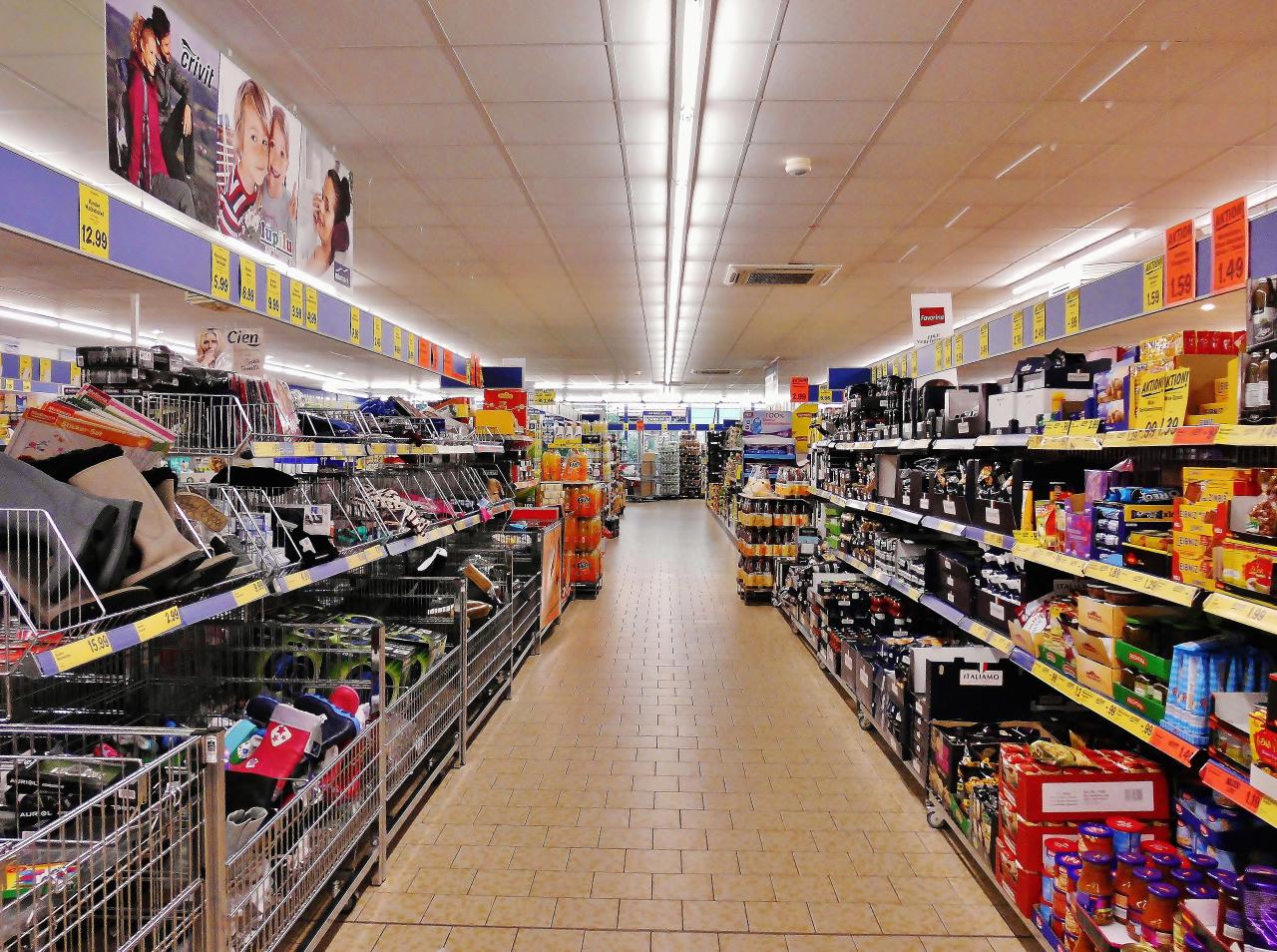
Embarking on a plastic-free journey requires a strategic approach to shopping. This involves more than just individual product swaps; it necessitates a shift in mindset and routine. By implementing a well-planned strategy, you can effectively minimize plastic consumption while maintaining convenience and accessibility.A plastic-free shopping strategy hinges on careful planning and preparation. This proactive approach allows you to make informed choices, reduce impulse buys, and ultimately lessen your reliance on single-use plastics.
Understanding your needs and preferences beforehand enables you to purchase only what’s necessary and avoid unnecessary packaging.
Planning and Preparation
Thorough planning is paramount for a successful plastic-free shopping routine. This includes creating a detailed shopping list, considering your current inventory, and identifying potential sources of reusable alternatives. By anticipating your needs and having a clear shopping list, you’ll reduce the likelihood of impulse purchases and unnecessary plastic packaging.
Plastic-Free Grocery Shopping Lists
Crafting effective plastic-free grocery lists requires careful consideration of your dietary needs and existing food supplies. Prioritize non-perishable items, opting for bulk purchases where possible. Include specific quantities and avoid vague descriptions. For example, instead of “vegetables,” list “2 lbs carrots, 1 head broccoli.”
- A well-organized list ensures you purchase only what’s needed, minimizing waste.
- Consider your current inventory of non-perishable items to avoid unnecessary duplicates.
- Include quantities and specific items to prevent overbuying or underbuying.
- Prioritize bulk purchases for items with minimal packaging.
Reusable Shopping Bag System
A robust reusable shopping bag system is essential for minimizing plastic waste. Invest in a variety of bags, ranging from large totes for groceries to smaller bags for produce or smaller items. Labeling bags based on their intended use (e.g., produce, dry goods) promotes efficiency and organization.
- Investing in diverse reusable bags caters to various shopping needs.
- Labeling bags helps with organization and reduces confusion.
- Consider using a variety of sizes for different shopping needs.
Minimizing Single-Use Plastic
Minimizing single-use plastic encompasses a range of strategies. These include bringing reusable containers for takeout, opting for reusable straws and cutlery, and purchasing items in bulk whenever possible. By proactively seeking alternatives, you can significantly reduce your reliance on single-use plastics.
- Choose reusable containers for takeout or leftovers.
- Carry reusable cutlery and straws for eating out.
- Prioritize bulk purchases to minimize packaging.
Replacing Plastic with Alternatives
Replacing plastic with alternatives is a crucial aspect of a plastic-free lifestyle. This involves a careful evaluation of each item and a conscious effort to identify sustainable alternatives. For example, replace plastic wrap with beeswax wraps or reusable silicone containers. Replacing plastic products with sustainable alternatives is a critical step in minimizing plastic consumption.
- Evaluate each plastic item and find suitable sustainable alternatives.
- Replace plastic wrap with beeswax wraps or reusable silicone containers.
- Choose reusable water bottles and coffee cups instead of single-use options.
Plastic-Free Shopping Approaches
Different approaches offer varying degrees of effectiveness in reducing plastic consumption.
| Approach | Key Elements | Advantages | Disadvantages |
|---|---|---|---|
| Bulk Buying | Purchasing items in bulk | Cost-effective, reduces packaging | Requires storage space, may not be suitable for all products |
| Supporting Local Businesses | Purchasing from local farmers markets | Fresh, sustainable | Limited selection, may not be convenient |
| Choosing Reusable Alternatives | Switching to reusable items | Eco-friendly, cost-effective in the long run | Higher upfront cost, requires commitment |
Expanding the Plastic-Free Lifestyle
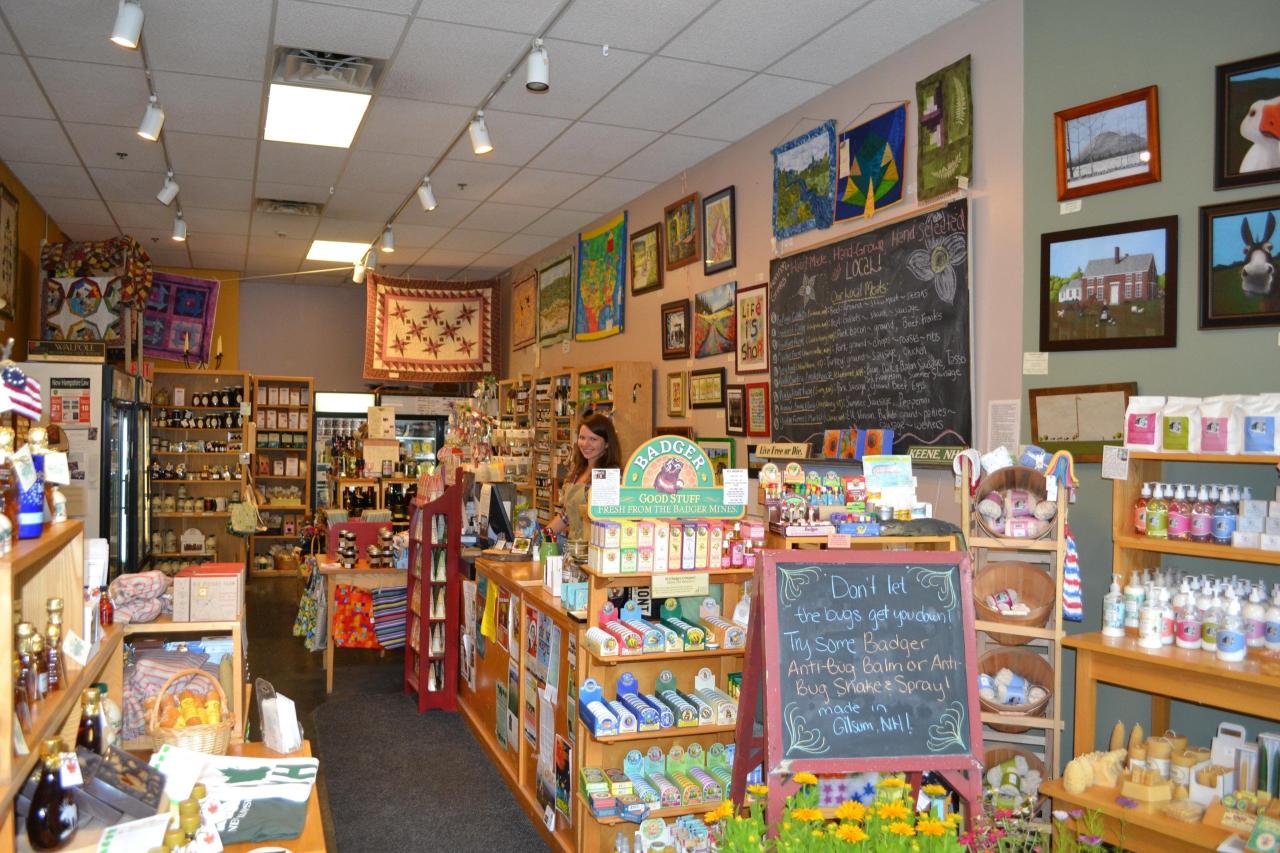
Embracing a plastic-free lifestyle extends beyond simply avoiding plastic packaging. It encompasses a holistic approach to reducing plastic consumption across various facets of daily life, from personal care to transportation. This broadened perspective promotes environmental sustainability while also potentially enhancing personal well-being.
Plastic-Free Personal Care and Toiletries
A wide range of plastic-free personal care and toiletry options are available today. These alternatives offer a sustainable and often healthier option compared to traditional plastic-packaged products.
- Many brands now offer shampoos, conditioners, and body washes in refillable glass bottles, eliminating the need for single-use plastic containers.
- Solid shampoo bars, conditioners, and deodorants are another option, avoiding the plastic packaging commonly associated with liquid products.
- Natural ingredients, such as shea butter, aloe vera, and essential oils, are often used in plastic-free personal care products, providing a gentle and effective alternative to potentially harsh chemicals.
- Look for brands that prioritize sustainable practices, such as using recycled or compostable packaging.
Reducing Plastic in Transportation
Reducing plastic use in transportation extends beyond avoiding plastic bags in stores. Consider alternatives like reusable shopping bags, water bottles, and coffee cups to decrease single-use plastic consumption.
- Choosing public transportation, biking, or walking over driving reduces the amount of plastic used in vehicles and associated products, like disposable water bottles and coffee cups.
- When driving, consider using reusable containers for food and drinks, eliminating the need for plastic packaging.
- Support policies that promote sustainable transportation infrastructure, such as cycling lanes and electric vehicle incentives.
Impact on Personal Health
A plastic-free lifestyle can positively influence personal health. Avoiding plastic-derived chemicals often found in personal care and packaging can potentially reduce exposure to harmful substances.
- Switching to plastic-free alternatives can often lead to products that are free from harmful chemicals, improving personal health.
- Reusable water bottles promote hydration and reduce the need for plastic-packaged water.
- Plastic-free food containers often lead to healthier meal choices by allowing you to carry fresh food items rather than pre-packaged options.
Plastic-Free Fashion
Sustainable fashion choices extend beyond reducing plastic packaging. Opting for clothing made from eco-friendly materials reduces environmental impact and promotes ethical production.
- Look for clothing made from organic cotton, linen, or other natural fibers, which are often more sustainable than synthetic fabrics that can contain harmful plastics.
- Choose brands committed to ethical and sustainable practices in their production processes.
- Consider clothing rentals or secondhand options to reduce the overall consumption of new clothing and its associated plastic packaging.
Plastic-Free Packaging Alternatives
Comparing different plastic-free packaging options highlights the variety of materials available. Choosing the best option depends on the specific needs and characteristics of the product being packaged.
| Application | Plastic Alternative | Properties | Considerations |
|---|---|---|---|
| Packaging | Cardboard, Paper | Biodegradable, Recyclable | May not be as durable as plastic in some applications. |
| Clothing | Organic Cotton, Linen | Sustainable, Breathable | Potentially more expensive than synthetic fabrics. |
| Personal Care | Natural Ingredients, Glass Bottles | Eco-friendly, Non-toxic | Limited product selection compared to plastic-based options in some cases. |
Addressing Challenges and Solutions
Embarking on a plastic-free journey often presents hurdles. Understanding these obstacles and developing effective strategies is crucial for sustained success. This section explores common challenges, practical solutions, and the importance of community support in navigating this transition.Overcoming the initial hurdles of plastic-free shopping requires a proactive approach. This includes identifying alternatives, building a supportive network, and consistently implementing strategies for managing plastic-free waste.
Common Obstacles to Plastic-Free Shopping
Identifying and understanding the obstacles to plastic-free shopping is the first step in developing effective solutions. Common challenges include the unfamiliarity with plastic-free alternatives, the cost of reusable items, and the lack of readily available plastic-free options in some locations. Furthermore, the existing infrastructure for recycling and composting may not always be well-established or readily accessible, making the transition more difficult.
Finding suitable replacements for single-use plastics, particularly in everyday routines, can also pose a challenge.
Strategies for Overcoming Challenges
Developing effective strategies to overcome the obstacles of plastic-free shopping is crucial for a successful transition. These strategies involve proactively seeking out and learning about plastic-free alternatives. Exploring online resources, attending workshops, and engaging with communities focused on sustainability can provide valuable insights. Building a supportive network of friends and family who share similar goals can encourage accountability and provide motivation.
Investing in reusable alternatives, though potentially higher in initial cost, often proves to be a cost-effective long-term solution, especially when considering the cost of plastic over time. Educating oneself about the local recycling and composting infrastructure, and actively seeking out retailers offering plastic-free options, is essential.
Tips for Dealing with Unexpected Plastic Waste
Unexpected plastic waste can arise despite best efforts. To mitigate this, it is important to have a proactive plan for dealing with such instances. Developing a clear strategy for handling unwanted plastic items, including immediate sorting and a dedicated storage area, is essential. Regularly checking local regulations regarding plastic recycling and composting can help identify appropriate disposal methods.
Communicating with local waste management facilities or recycling centers can provide crucial guidance on the proper handling of unusual or unexpected plastic waste. When possible, contacting the source of the plastic waste, such as a retailer or supplier, to address the issue directly, can be an effective approach.
Importance of Community Support in a Plastic-Free Lifestyle
Community support plays a vital role in sustaining a plastic-free lifestyle. A strong support network provides encouragement, shared experiences, and access to resources that are invaluable. Joining online forums, local groups, or attending workshops dedicated to sustainability can foster connections and build a community around shared goals. Sharing experiences, tips, and advice with others on their own plastic-free journeys can enhance the overall effectiveness of the lifestyle.
Sourcing Plastic-Free Products in Different Locations
The availability of plastic-free products varies across different locations. To find suitable alternatives, it is crucial to research local retailers, online marketplaces, and local producers. Online searches, checking local directories, and exploring farmer’s markets or community-supported agriculture (CSA) programs are effective ways to find plastic-free options. Many communities now have initiatives that support local producers and provide an avenue to find plastic-free products.
Contacting local businesses or retailers to inquire about their plastic-free offerings can help pinpoint reliable sources.
Methods of Handling Plastic-Free Waste
Proper handling of plastic-free waste is crucial for environmental sustainability. This involves careful sorting, storage, and disposal. A dedicated waste sorting system, which can include separate bins for compostable materials and recyclable items, is essential. Utilizing reusable containers for storage, such as glass jars or reusable food wraps, helps reduce waste and promotes a sustainable lifestyle. Familiarizing oneself with local waste management regulations and recycling guidelines can ensure the most efficient disposal methods are used.
Plastic-Free Waste Management Strategies
| Waste Type | Storage | Recycling Options | Disposal |
|---|---|---|---|
| Food Packaging | Compost bin, designated containers | Composting facilities, home composting | Landfill (if no composting option available) |
| Plastic Bags | Reusable storage bags, baskets | Recycling centers (check local guidelines) | Landfill (if no recycling option available) |
| Plastic Bottles | Reusable water bottles, storage containers | Recycling centers (check local guidelines) | Landfill (if no recycling option available) |
End of Discussion
![12 Amazing Shop Design Ideas To Get More Sales [+Pics]](https://ayaka.web.id/wp-content/uploads/2025/09/shop-design-timber-2.jpg "12 Amazing Shop Design Ideas To Get More Sales [+Pics]")
This guide has provided a thorough overview of plastic-free shopping, from understanding the environmental impact to building a practical strategy. By embracing reusable alternatives, supporting local businesses, and adopting a conscious approach to consumption, you can significantly reduce your plastic footprint. We encourage you to take these practical steps to create a more sustainable future, one plastic-free purchase at a time.