Water is a precious resource, and conserving it is crucial for both environmental sustainability and our economic well-being. This guide provides practical, actionable steps to save water at home, from simple daily routines to innovative technologies. By understanding the importance of water conservation and implementing these strategies, we can all contribute to a more sustainable future.
This comprehensive guide explores various facets of water conservation, encompassing everything from choosing water-efficient fixtures and appliances to implementing sustainable landscaping techniques. It also delves into the importance of home maintenance and family involvement in fostering water-saving habits. Understanding the science behind water usage and implementing practical tips will equip you with the knowledge to make a positive impact on your water consumption.
Introduction to Water Conservation
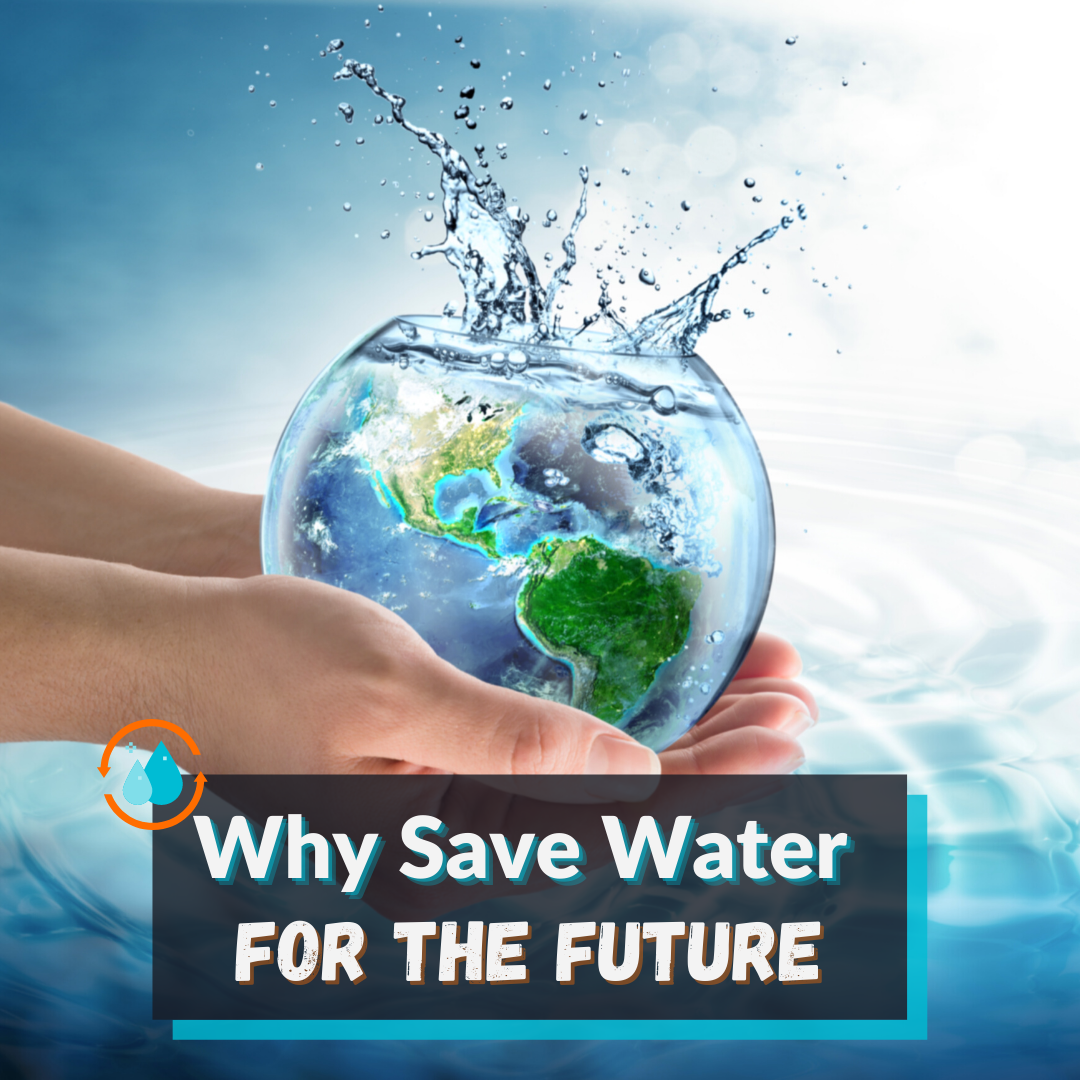
Conserving water at home is crucial for both environmental sustainability and economic well-being. Water is a finite resource, and its responsible use is essential for the health of our planet and our future. Failing to conserve water can lead to severe consequences, including water shortages, increased costs for households, and damage to ecosystems. This section explores the vital importance of water conservation, examining its environmental and economic advantages, and outlining various strategies for saving water at home.Water conservation is not just a matter of personal responsibility; it’s a collective effort vital for ensuring the long-term availability of this precious resource.
The benefits extend beyond individual households to encompass the entire global community, ensuring the health of our environment and reducing strain on resources.
Importance of Water Conservation
Global water usage is rapidly increasing, placing significant pressure on existing water supplies. The increasing demand for water in agriculture, industry, and households necessitates a proactive approach to water conservation. Insufficient water resources can lead to widespread water scarcity, impacting agriculture, human health, and economic stability. A lack of access to clean water can also exacerbate existing social and economic inequalities.
For instance, droughts in certain regions have caused crop failures and food shortages, highlighting the critical role of water in sustaining life.
Environmental Benefits of Water Conservation
Water conservation plays a vital role in protecting and preserving the environment. Conserving water reduces the strain on water resources, mitigating the risk of water scarcity and related environmental damage. Protecting water sources from pollution and overuse safeguards aquatic ecosystems, preserving biodiversity and maintaining healthy water quality. Furthermore, reducing water demand lowers the environmental impact of water extraction and treatment processes.
Economic Benefits of Water Conservation
Water conservation can translate to substantial economic benefits for households and communities. Reduced water bills contribute directly to household savings, while water conservation strategies can also lead to lower costs for businesses. Efficient water use in agriculture can boost crop yields and profitability, demonstrating the economic advantages of resource management. Water conservation measures can also enhance property values and increase the attractiveness of a location.
Global Water Usage and its Impact
According to the World Resources Institute, approximately 70% of the world’s freshwater is used for agriculture. This high percentage highlights the importance of water-efficient irrigation techniques and sustainable farming practices. Industrial processes also consume significant amounts of water, necessitating the implementation of water recycling and reuse systems. Household water consumption also contributes substantially to overall water demand, underscoring the necessity of adopting water-saving habits.
Water Scarcity and its Implications
Water scarcity, characterized by the inadequate availability of water resources to meet the demands of people and ecosystems, is a growing concern globally. The consequences of water scarcity are multifaceted, affecting various sectors of society. It can lead to decreased agricultural productivity, hindering food security. Water scarcity can also result in water-related conflicts, posing a threat to social stability and peace.
Water-Saving Strategies
Water conservation at home involves adopting various strategies that can significantly reduce water usage. Implementing these strategies contributes to a sustainable lifestyle and promotes the health of our environment.
- Low-Flow Fixtures: Installing low-flow showerheads, faucets, and toilets can significantly reduce water consumption. These fixtures are designed to deliver a reduced volume of water while maintaining adequate pressure and performance. Switching to low-flow fixtures is a simple yet highly effective way to conserve water.
- Water-Efficient Appliances: Choosing water-efficient washing machines and dishwashers is another crucial step. These appliances are engineered to use less water per cycle, contributing substantially to water conservation efforts.
- Leak Detection and Repair: Regularly checking for leaks in pipes and faucets is essential. Even a small leak can waste a considerable amount of water over time. Addressing leaks promptly prevents significant water loss.
- Water-Wise Landscaping: Selecting drought-tolerant plants and implementing efficient irrigation systems in gardens and yards can drastically reduce outdoor water usage. Drought-resistant plants require less water to thrive, minimizing water consumption.
- Water Harvesting: Collecting rainwater for irrigation purposes can be an effective strategy to conserve water. Rainwater harvesting systems can collect and store rainwater, providing a sustainable source of water for outdoor use.
Water-Saving Fixtures and Appliances
Conserving water within our homes is a crucial step in reducing our environmental footprint. Implementing water-efficient fixtures and appliances is a straightforward way to make a significant impact on overall water usage. By understanding the features and benefits of these products, we can make informed choices that promote sustainability and save valuable resources.
Common Water-Wasting Fixtures
Many fixtures in our homes can contribute to excessive water consumption. Identifying these culprits is the first step in implementing water-saving strategies. Older toilets, inefficient showerheads, and leaky faucets are prime examples of water-wasting fixtures that can dramatically increase your household’s water bill and environmental impact. By replacing these with more water-efficient alternatives, you can quickly achieve substantial savings.
Water-Efficient Showerheads and Faucets
Modern showerheads and faucets are engineered to deliver a satisfying water experience while minimizing water usage. High-efficiency showerheads typically feature aerators that mix air with water, creating a richer flow and a fuller feeling with a lower water flow rate. Low-flow faucets use similar technology to reduce water volume while maintaining pressure and temperature. These improvements in design significantly contribute to reduced water consumption without compromising the user experience.
Comparison of Toilet Models
The water consumption of toilets varies significantly based on their design and technology. Low-flow toilets, incorporating innovative flushing mechanisms, often use 1.28 gallons or less per flush, compared to older models which can consume 3.5 gallons or more. This difference can add up substantially over time, illustrating the importance of choosing water-efficient toilet models.
Water-Efficient Appliances for Laundry and Dishwashing
Laundry and dishwashing appliances play a major role in household water consumption. Modern front-load washing machines, for instance, use significantly less water than top-load models. Likewise, dishwashers are now designed with water-saving features such as shorter wash cycles and improved water recycling systems. By selecting these appliances, you can reduce water usage in your daily routines.
Comparison Table: Water Usage (Gallons per Unit)
| Feature | Old Model (Estimate) | New Model (Estimate) |
|---|---|---|
| Toilet (Flush) | 3.5 gallons | 1.28 gallons |
| Showerhead (5-minute shower) | 25 gallons | 10 gallons |
| Dishwasher (Full Load) | 15 gallons | 6 gallons |
Note: Estimates may vary based on specific models and usage patterns.
Practical Tips for Daily Water Savings
Conserving water is crucial for maintaining healthy ecosystems and ensuring future water availability. Implementing simple changes in our daily routines can significantly reduce water consumption without sacrificing comfort or convenience. This section details practical strategies for saving water while performing everyday tasks.Adopting water-saving habits in daily routines is a straightforward way to contribute to water conservation. By making small, consistent changes, we can collectively make a substantial difference in preserving this vital resource.
Brushing Teeth
Turning off the tap while brushing your teeth is a simple yet effective way to conserve water. Running water while brushing can waste several gallons of water per minute. By turning off the tap, you can reduce water consumption significantly. This seemingly small action can collectively make a substantial difference in water conservation efforts.
Showering
Shorter showers are a readily available way to conserve water. Taking shorter showers can reduce water usage substantially. Consider installing low-flow showerheads, which can reduce water consumption by up to 50% without compromising the showering experience. Setting a timer can help in maintaining a shorter shower duration.
Washing Dishes
Washing dishes by hand can be more water-efficient than using a dishwasher, particularly if the dishwasher is not fully loaded. Fill a basin with soapy water to wash dishes, then rinse them in the same water. For rinsing, use a water-efficient spray nozzle or a handheld shower head to further conserve water. Avoid running the tap continuously while washing or rinsing dishes.
Laundry
Washing clothes in a full load of laundry can help reduce water usage. Avoid washing small loads of clothes, as this will lead to more water usage per load. Selecting a water-efficient washing machine is another approach to saving water during laundry. Using cold water instead of hot water can also reduce water consumption.
Gardening
Watering your garden during the cooler parts of the day, such as early morning or late evening, can reduce water evaporation. Water deeply and less frequently to encourage deeper root growth, which will make your plants more resilient to drought. Consider using mulch to retain moisture in the soil and reduce the need for frequent watering.
Fixing Leaks
Addressing leaks promptly is essential for conserving water. A dripping faucet can waste gallons of water per day. Fixing leaky faucets and toilets promptly can significantly reduce water waste. Regularly checking for leaks in faucets and toilets is a cost-effective approach to water conservation. If a leak is detected, promptly repair it.
Daily Routine Water-Saving Actions
| Daily Routine | Water-Saving Action |
|---|---|
| Brushing Teeth | Turn off the tap while brushing. |
| Showering | Take shorter showers and use low-flow showerheads. |
| Washing Dishes | Wash dishes by hand using a basin and water-efficient spray nozzles. |
| Laundry | Wash clothes in full loads and use cold water. |
| Gardening | Water deeply and less frequently, use mulch. |
| Leaks | Fix leaky faucets and toilets promptly. |
Water-Saving Techniques in Landscaping
Transforming your outdoor space into a water-wise oasis requires thoughtful planning and the selection of appropriate landscaping elements. By embracing drought-tolerant plants and employing efficient irrigation methods, you can significantly reduce your water consumption while maintaining a vibrant and beautiful garden. This approach not only conserves precious water resources but also contributes to a more sustainable lifestyle.
Selecting Drought-Tolerant Plants
Choosing the right plants is fundamental to water-wise landscaping. Drought-tolerant plants are naturally adapted to survive with minimal watering, reducing your reliance on the municipal water supply. These plants often have deep root systems, allowing them to access water from deeper soil layers. Consider local climate conditions and soil types when selecting plants to ensure optimal growth and resilience.
Understanding the specific water needs of different plant species will help you create a garden that thrives with minimal intervention.
Benefits of Xeriscaping Techniques
Xeriscaping is a landscaping approach that emphasizes water conservation. It focuses on creating landscapes that require minimal supplemental watering. This method involves selecting drought-tolerant plants, using appropriate soil amendments, and incorporating techniques like mulching to retain moisture in the soil. The result is a visually appealing and low-maintenance garden that requires less water, promoting a more sustainable and eco-friendly approach to outdoor spaces.
The long-term cost savings associated with reduced water bills are also a significant benefit.
Watering Schedules and Methods
Effective watering is crucial for maintaining healthy plants while minimizing water waste. Watering deeply and less frequently encourages deeper root growth, making plants more resilient to drought conditions. Avoid shallow watering, which can lead to shallow root systems and increased water needs. Early morning watering is often recommended to minimize evaporation losses. Using drip irrigation or soaker hoses can effectively deliver water directly to the plant roots, reducing water runoff and evaporation.
Consider using a rain gauge to monitor rainfall and adjust watering schedules accordingly. This approach ensures that plants receive only the water they need, optimizing water usage.
Rainwater Harvesting
Rainwater harvesting is a simple and effective technique for collecting and storing rainwater for irrigation purposes. This practice reduces reliance on municipal water sources, thereby saving water and lowering water bills. Rainwater harvesting systems can range from simple rain barrels to more complex systems incorporating cisterns and underground storage. The implementation of a rainwater harvesting system is a valuable step towards sustainable landscaping.
The collected water can be used to water lawns, gardens, and other plants, providing a valuable source of water for your outdoor spaces.
Drought-Tolerant Plants and Water Requirements
| Plant Name | Water Requirements (per week) | Description |
|---|---|---|
| Desert Willow | Low (0.5-1 gallon) | A fast-growing, drought-tolerant tree with beautiful, delicate flowers. |
| Yucca | Very Low (0.25-0.5 gallon) | A succulent plant with striking sword-like leaves, thriving in dry conditions. |
| Native Grasses | Low (0.5-1 gallon) | Many native grasses require minimal watering and contribute to local biodiversity. |
| Lavender | Medium (1-2 gallons) | A fragrant herb that is drought-tolerant but may need slightly more water than other options. |
Note: Water requirements are estimates and may vary depending on specific plant varieties, local climate, and soil conditions. Regular monitoring and adjustments to watering schedules are recommended for optimal plant health.
Water Conservation in Home Maintenance
Maintaining a water-efficient home goes beyond installing low-flow fixtures. Regular upkeep of your plumbing system is crucial for preventing leaks and ensuring that water is used responsibly. Addressing these issues proactively not only saves water but also helps prevent costly repairs down the road.Proper plumbing maintenance involves identifying and promptly fixing leaks, a task that can significantly impact water consumption and your water bill.
This section provides insights into common causes of leaks, practical methods for detection, and essential DIY plumbing repairs.
Common Causes of Water Leaks
Water leaks in homes often stem from issues with pipes, fixtures, or connections. Corrosion, age, and inadequate pressure can weaken pipes, leading to leaks. Loose connections, worn-out seals, and faulty valves can also contribute to water loss. Clogged drains or faulty showerheads can cause water to run constantly, resulting in significant waste.
Detecting Water Leaks
Identifying leaks early is crucial to minimizing water loss and damage. A noticeable drip or a slow leak can waste gallons of water daily. Unusual sounds, like a hissing or gurgling noise from pipes, may also indicate a leak. Inspecting pipes for visible signs of dampness or discoloration can be helpful. Check for water stains on ceilings or walls, particularly around plumbing fixtures.
A simple method involves checking your water meter reading over a short period. If the reading increases without a corresponding increase in water use, a leak is likely.
Fixing Water Leaks
Fixing a leak depends on its location and severity. Small leaks from faucets or showerheads may involve tightening connections or replacing washers. For leaks in pipes, careful identification of the source is paramount. Shut off the water supply to the affected area before attempting any repair. Use appropriate tools, such as pipe wrenches, and be cautious when working with plumbing systems.
Simple DIY Plumbing Repairs
Many minor plumbing repairs can be tackled at home, saving money and water. Replacing a leaky faucet washer is a straightforward task, requiring only basic tools and materials. Fixing a dripping showerhead involves replacing the O-rings or seals. Clogged drains can be addressed by using drain cleaning solutions or by carefully removing blockages.
Step-by-Step Guide to Locating and Fixing Common Leaks
- Identify the Suspect Area: Begin by identifying the general location of the leak. Check for unusual dampness, discoloration, or unusual noises around pipes and fixtures.
- Shut Off the Water Supply: Turn off the water supply valve to the area suspected of leaking. This is critical for safety and to prevent further water loss.
- Locate the Leak: Carefully inspect the pipes and fixtures in the suspected area for any signs of water damage, such as drips, stains, or pooling water.
- Address the Leak: Repair the leak using appropriate tools and materials. This may involve tightening connections, replacing washers, or using sealants to stop the flow of water.
- Turn the Water Supply Back On: Once the leak is fixed, carefully turn the water supply back on and check for any further leaks. Monitor the water meter reading to ensure the leak has been completely stopped.
Importance of Regular Plumbing Maintenance
Regular maintenance of plumbing systems is crucial for preventing water waste and costly repairs. By promptly addressing minor issues, you can avoid larger problems that could lead to extensive water damage and higher repair costs. This proactive approach not only saves water but also extends the lifespan of your plumbing system.
Promoting Water Conservation in Households
Cultivating a culture of water conservation within households is crucial for long-term sustainability. By educating families and fostering a shared responsibility, significant water savings can be achieved. This approach not only reduces environmental impact but also promotes resource efficiency and cost savings for homeowners.Effective water conservation efforts hinge on more than just installing water-efficient fixtures. A holistic strategy encompassing education, communication, and community involvement is essential for lasting behavioral changes.
These strategies, coupled with practical tips, empower individuals and families to adopt water-saving practices seamlessly into their daily routines.
The Role of Education in Water Conservation
Education plays a pivotal role in fostering a conscious understanding of water scarcity and the importance of responsible water use. Comprehensive education programs can cover the entire household, including children, providing them with the knowledge and tools necessary to make informed choices. This knowledge extends beyond technical aspects, encompassing the broader societal and environmental implications of water conservation.
For instance, explaining the impact of water usage on local ecosystems or highlighting the global water crisis can deepen understanding and motivate action. Educational resources, such as pamphlets, videos, and interactive workshops, can be instrumental in delivering these messages effectively.
Effective Communication Strategies for Water Saving Habits
Clear and concise communication is vital for promoting water-saving behaviors. Open and honest dialogues within households about water conservation can encourage a collaborative approach. Simple, visual aids, such as posters or infographics depicting water-saving tips, can reinforce messages effectively. Positive reinforcement and encouragement for adopting water-saving habits can motivate individuals and families to continue their efforts. For example, recognizing and rewarding water-saving achievements can create a supportive environment and promote sustained change.
The Importance of Family Participation in Water Conservation Efforts
Family involvement is key to successful water conservation. When family members work together, they can reinforce each other and establish a shared responsibility for water conservation. This collective effort creates a supportive atmosphere, where everyone contributes to achieving water-saving goals. Regular family discussions about water usage and water-saving practices can establish shared responsibility and create an environment of mutual support.
This also promotes a sense of shared ownership, making water conservation an integral part of family values.
Benefits of Involving Children in Water-Saving Activities
Involving children in water-saving activities is not only beneficial for their understanding of environmental issues but also for fostering a lifelong commitment to water conservation. Children are highly receptive to learning and can quickly adopt new habits. Encouraging children to participate in simple water-saving tasks, such as turning off the tap while brushing their teeth, or helping to maintain the garden’s water system, fosters a sense of responsibility and ownership.
This early engagement often translates into continued water-conscious behaviors throughout their lives.
Resources for Further Information on Water Conservation
Numerous resources are available to provide further insights into water conservation. Local water management agencies often offer valuable information and educational materials. Websites dedicated to water conservation provide detailed guides, tips, and case studies. Governmental organizations frequently release reports and publications that address water scarcity and conservation strategies.
Water-Saving Technology and Innovations
Innovative technologies are continuously emerging to enhance water conservation efforts. These advancements range from smart irrigation systems to water-efficient appliances, significantly impacting household water usage and contributing to overall water sustainability. By adopting these technologies, individuals and communities can make substantial strides in reducing their water footprint.
Smart Irrigation Systems
Smart irrigation systems leverage technology to optimize water delivery to landscapes. These systems utilize sensors to monitor soil moisture levels, weather patterns, and plant needs, automatically adjusting watering schedules. This precise approach avoids overwatering, a common cause of water waste. Automated systems, programmed to operate based on real-time data, ensure water is applied only when and where necessary.
The result is substantial water savings, potentially reducing consumption by up to 50% in some cases.
Water-Efficient Appliances
Water-efficient appliances are designed to minimize water usage while maintaining performance. Modern washing machines and dishwashers, for example, are equipped with advanced technologies that reduce water consumption significantly compared to older models. These appliances often incorporate water-saving features like low-flow spray nozzles and optimized wash cycles, allowing consumers to enjoy their appliances while reducing their water bills and environmental impact.
Impact of New Technologies on Water Consumption
New technologies play a critical role in reducing water consumption. Smart irrigation systems, by delivering water precisely to plants, prevent runoff and evaporation, optimizing water use. Water-efficient appliances, such as low-flow showerheads and toilets, contribute to substantial water savings across households. Collectively, these innovations are driving a significant shift towards more sustainable water practices.
Table of Water-Saving Technologies and Applications
| Technology | Application | Benefits |
|---|---|---|
| Smart Irrigation Systems | Landscaping and agriculture | Precise water delivery, reduced water waste, optimized plant growth |
| Low-Flow Showerheads | Bathrooms | Significant water savings without compromising shower experience |
| Low-Flow Toilets | Bathrooms | Reduce water usage per flush, contributing to substantial savings over time |
| Water-Efficient Washing Machines | Laundry rooms | Reduce water usage per load, improving water efficiency |
| Water-Efficient Dishwashers | Kitchens | Reduce water usage per cycle, enhancing water conservation |
Ultimate Conclusion
In conclusion, saving water at home is a multifaceted endeavor that encompasses a wide range of strategies. From upgrading fixtures to implementing sustainable landscaping practices, and embracing innovative technologies, this guide provides a roadmap for making a meaningful difference. By adopting these water-saving techniques, we can collectively reduce our environmental footprint and ensure the availability of this essential resource for future generations.