Newspapers, often perceived as disposable, hold a surprising potential for reuse. This guide delves into the creative and environmentally conscious world of newspaper upcycling, exploring diverse applications from crafting to home improvement. Discover the surprising versatility of this seemingly mundane material and how you can transform discarded papers into useful and beautiful creations.
From simple paper mache sculptures to innovative home insulation solutions, this comprehensive guide details various techniques and applications for reusing newspapers. We’ll explore the environmental benefits of reducing waste and the history behind this resourceful practice.
Introduction to Newspaper Reuse
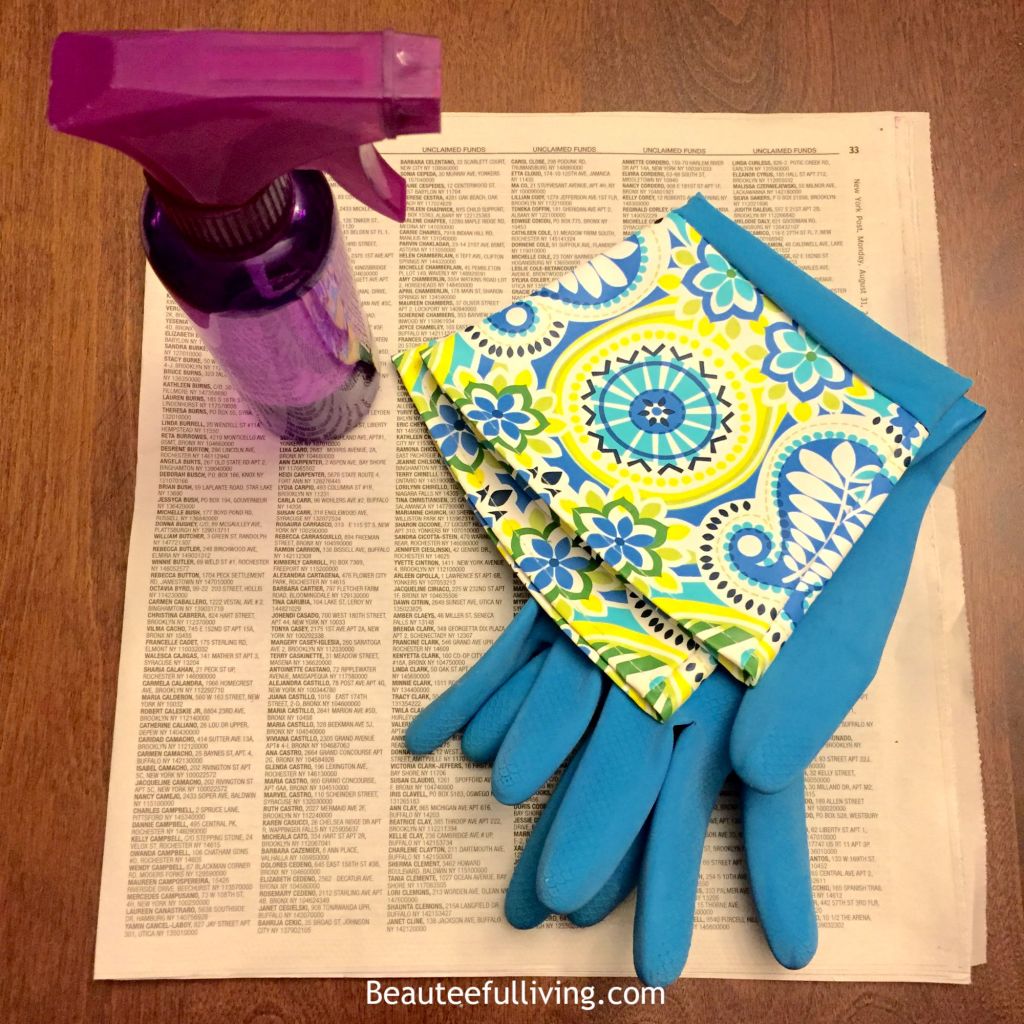
Newspapers, once a daily staple in many households, are now facing the challenge of waste management. Their reusable nature, however, offers a valuable opportunity to reduce environmental impact. By understanding the history and cultural significance of newspapers, and recognizing the scale of their consumption and waste, we can appreciate the importance of their responsible reuse. This blog post delves into the environmental benefits and the practical steps to embrace newspaper reuse.Reusing newspapers is a practical and environmentally conscious choice.
It aligns with the broader movement towards sustainable practices, contributing to a healthier planet. The benefits extend beyond the immediate act of recycling; the reduced waste generation leads to less strain on landfills and a lower carbon footprint. This practice not only safeguards the environment but also promotes a more sustainable future for all.
Environmental Benefits of Newspaper Reuse
Newspapers, made primarily from wood pulp, are recyclable materials. Their reuse significantly reduces the demand for new raw materials. This, in turn, lowers the environmental impact associated with deforestation and the energy required for manufacturing new paper products. By reusing newspapers, we decrease the reliance on virgin resources and the associated pollution.
History and Cultural Significance of Newspapers
Newspapers have played a crucial role in shaping society and culture. They’ve served as vital sources of information, influencing public opinion and fostering community engagement. From the early printing presses to the modern digital age, newspapers have reflected the evolution of communication and societal trends. Their enduring presence in many cultures underscores their cultural significance.
Newspaper Consumption and Waste Generation Statistics
Globally, newspaper consumption remains substantial. However, a considerable portion of this material ends up in landfills. Exact figures vary, but available data shows a substantial amount of waste generated annually. This waste contributes to landfill space limitations, leading to environmental concerns. This demonstrates the urgency and necessity for finding effective ways to reuse and recycle this resource.
Importance of Waste Reduction in General
Reducing waste is critical for preserving the environment. Waste management problems are not confined to newspapers; they extend to a wide range of materials. The accumulation of waste in landfills leads to environmental hazards, including the release of harmful gases and the contamination of soil and water. Effective waste reduction strategies are vital for ensuring a healthy and sustainable environment.
Practical Ways to Reuse Newspapers
Implementing effective reuse strategies involves a variety of practical approaches. By finding creative and practical applications, newspapers can contribute to a more sustainable lifestyle.
- Crafting and Decorating: Newspapers can be transformed into decorative items, artwork, or crafts. Their versatility allows for creative expression and the creation of unique pieces.
- Packing and Insulation: Newspapers are excellent for packing fragile items, protecting them from damage during transport. They also serve as an effective insulator for various purposes, offering protection from temperature fluctuations.
- Gardening and Landscaping: Newspapers can be used as a protective layer in garden beds or as a mulch. They suppress weeds, regulate soil moisture, and enrich the soil. This is a simple and eco-friendly way to care for plants.
- Home and Building Repairs: Newspapers can serve as insulation or padding for repairs and construction projects. They offer a practical and cost-effective solution for many home improvement tasks.
- Animal Bedding: Newspapers provide a clean and absorbent bedding option for pets or farm animals. This offers a practical alternative to traditional bedding materials, with the added benefit of being readily available and biodegradable.
Crafting with Newspapers
Newspapers, often considered disposable, hold a wealth of creative potential. Transforming these readily available materials into beautiful and useful crafts is a rewarding experience, offering both a practical way to repurpose waste and a chance for creative expression. This section will explore various crafting techniques using newspapers, focusing on the creative applications and the materials needed for each project.Newspapers, with their sturdy paper, offer a fantastic base for numerous crafting endeavors.
The versatility of this material makes it suitable for creating functional objects and artistic pieces. From simple paper mache projects to intricate sculptures, the possibilities are endless.
Paper Mache Techniques
Paper mache, a traditional craft, involves layering strips of paper, often newspaper, onto a mold to create a sturdy, sculpted form. This process is remarkably versatile and can be adapted to a wide array of projects.
- Materials: Newspapers (shredded), glue (white glue or PVA works well), water, a mold (can be a balloon, cardboard, or other object), paint, brushes, and optional embellishments (glitter, sequins, etc.).
- Steps: First, prepare the mold. Next, mix the glue and water in a ratio suitable for the project. Then, carefully dip the newspaper strips into the mixture, and apply them to the mold in overlapping layers. Let each layer dry completely before adding the next. Once the sculpture is dry, carefully remove it from the mold.
Finally, paint and embellish the sculpture to achieve the desired look.
Other Crafting Ideas
Beyond paper mache, newspapers can be used in a multitude of other crafts. The possibilities are almost limitless, showcasing the adaptable nature of this readily available material.
- Collages: Newspapers offer an excellent source of patterns, textures, and colors for collages. Carefully cut and arrange pieces of newspaper to create unique designs on various surfaces. Glue, tape, or other adhesive materials can be used to secure the pieces.
- Gift Wrapping: Newspaper makes a sustainable and stylish alternative to traditional wrapping paper. Use attractive colors and patterns to add an extra touch of flair.
- Decorative Boxes: Construct decorative boxes by layering newspaper sheets and gluing them together. These boxes can be used for storage or as decorative items.
- Book Covers: Create personalized book covers by wrapping old books in newspaper, and then decorating the covers with paint, markers, or other embellishments. This gives a fresh new look to older books.
Craft Ideas Table
The table below summarizes different craft ideas, the required materials, and the steps involved:
| Craft Idea | Materials | Steps |
|---|---|---|
| Paper Mache Sculpture | Newspapers, glue, water, mold, paint, brushes, embellishments (optional) | Prepare the mold, mix glue and water, apply newspaper strips in layers, let each layer dry, remove from mold, paint, and embellish. |
| Collages | Newspapers, glue, tape, or other adhesive materials, various surfaces | Carefully cut and arrange newspaper pieces on the surface, secure the pieces using glue, tape, or other adhesive. |
| Decorative Boxes | Newspapers, glue, scissors, optional embellishments | Layer newspaper sheets, glue them together, decorate the box. |
Home and Garden Applications
Newspaper, a readily available and often overlooked resource, finds diverse applications in both home improvement and gardening endeavors. Its affordability and readily accessible nature make it an excellent choice for a wide array of tasks, from insulating pipes to protecting delicate seedlings. This section explores practical ways to leverage newspaper for these purposes.Newspaper’s versatility extends beyond its use as a crafting material.
Its absorbent nature and fibrous structure make it a surprisingly effective material for various home and garden tasks, particularly when it comes to insulation and plant protection. This section will provide detailed information on how to effectively utilize newspaper in these applications.
Home Improvement Projects
Newspaper can be a cost-effective solution for several home improvement projects. Its strength and ability to absorb moisture make it a valuable tool in various applications.
- Insulating Pipes and Walls: Newspaper can effectively insulate pipes, particularly during colder months. Layering crumpled newspaper around pipes can significantly reduce heat loss, lowering energy costs and maintaining a comfortable temperature within the home. Similarly, it can be used as a layer in wall insulation, adding an extra layer of protection against the elements and enhancing thermal efficiency.
- Strengthening Walls and Furniture: Newspaper can be used to reinforce walls or furniture. By strategically layering newspaper and using an appropriate adhesive, it can provide support and stability to weakened structures or objects. For example, a layer of newspaper can be added to the interior of furniture to provide a more durable surface.
- Creating Temporary Partitions: In situations requiring temporary partitions, newspaper can serve as a practical solution. Combined with adhesive or other suitable materials, it can form a temporary wall, separating areas within a room or providing a makeshift enclosure for construction or renovation work.
Gardening Applications
Newspaper offers several advantages for enhancing garden productivity and protecting plants. Its ability to suppress weeds and maintain moisture levels makes it a valuable tool for gardening tasks.
- Protecting Plants During Winter: Newspaper can protect tender plants from harsh winter weather conditions. Layering newspaper around the base of plants creates a barrier against frost, wind, and extreme temperatures. This simple technique can help maintain plant health and survival during the cold season. For example, layering newspaper around the base of rose bushes or other vulnerable plants can prevent frost damage and ensure a healthy start to the growing season.
- Weed Suppression: Layering newspaper over the ground can effectively suppress weed growth. The newspaper acts as a barrier, preventing sunlight from reaching weed seeds, thereby hindering their germination and growth. This method helps maintain a clean and weed-free garden, saving time and effort in the long run.
- Improving Soil Moisture: Newspaper can help maintain soil moisture, which is essential for plant health. By adding a layer of newspaper to the soil, it can help retain moisture, reducing the frequency of watering and promoting healthier plant growth.
Insulation Methods
Effective insulation is crucial for maintaining a comfortable indoor environment and reducing energy costs. Newspaper, with its unique properties, can be used in various insulation methods.
- Insulating Pipes: A layer of crumpled newspaper wrapped around pipes can significantly reduce heat loss. This is especially important in areas with colder climates, helping to maintain the temperature of water and other fluids flowing through the pipes.
- Insulating Walls: In some cases, newspaper can be used as a temporary layer in wall insulation. Combining it with other insulation materials can enhance thermal efficiency and create a more comfortable living environment.
Comparison Table
| Application | Home | Garden |
|---|---|---|
| Insulation | Pipes, walls | Protecting plants, suppressing weeds |
| Reinforcement | Walls, furniture | Mulching, erosion control |
| Temporary Partitions | Room dividers | Creating raised beds, temporary barriers |
Recycling and Repurposing Strategies
Newspaper recycling plays a vital role in environmental conservation and resource management. Proper recycling procedures not only reduce landfill waste but also minimize the strain on natural resources. Repurposing newspapers offers a creative outlet for transforming discarded materials into useful items, showcasing the versatility of this seemingly simple material.Effective recycling and repurposing strategies are crucial for maximizing the benefits of newspaper waste.
By understanding the various methods and procedures, individuals and businesses can contribute significantly to a more sustainable future. Implementing these strategies ensures that newspapers are not just discarded but transformed into valuable resources.
Newspaper Recycling Methods
Various methods exist for effectively recycling newspapers. These methods aim to ensure that the collected newspapers are processed in a way that maximizes their value and minimizes environmental impact. The quality of the recycled paper depends on the cleanliness and sorting of the collected material.
- Collection and Sorting: Newspapers should be collected separately from other recyclables. Thorough sorting is essential to prevent contamination. Remove any non-paper materials such as plastic bags, food scraps, or other contaminants. This process ensures that the recycled paper maintains its quality and avoids processing issues.
- Shredding or Crushing: Shredding or crushing newspapers facilitates easier processing and compacting during the recycling process. This reduces volume and helps with efficient transportation and handling in the recycling facilities. Proper shredding or crushing also helps to avoid damage to machinery in the recycling process.
- Balers: Balers are often used in large-scale newspaper recycling programs. They compact the shredded or crushed newspapers into tightly packed bales. This makes transportation and storage more efficient, minimizing space requirements.
Importance of Proper Recycling Procedures
Proper recycling procedures are essential for the successful and efficient processing of newspapers. These procedures help maintain the quality of the recycled paper and minimize environmental harm. Maintaining consistency in procedures across the recycling chain is critical for maximizing the value of the recycled materials.
- Contamination Prevention: Preventing contamination is paramount in newspaper recycling. Contaminants like food scraps, plastic, or metal can disrupt the recycling process and reduce the quality of the final recycled product. This highlights the importance of careful sorting to maintain quality and efficiency.
- Quality Control: Implementing quality control measures throughout the recycling process ensures that the recycled paper meets specific standards. Consistent quality control is vital for ensuring the suitability of the recycled material for various applications. This includes checks at each stage to minimize contamination and ensure the quality of the final product.
- Environmental Impact: Proper recycling procedures minimize the environmental impact of newspaper waste. Proper sorting and processing of newspapers significantly reduce landfill waste and minimize the need for virgin paper production, thereby preserving natural resources.
Newspaper Repurposing Strategies
Newspapers offer a multitude of repurposing options, transforming them from waste into useful items. The creative use of newspaper waste reduces the need for new materials and conserves natural resources. Examples include crafting, home and garden applications, and even business ventures.
- Crafting Projects: Newspapers can be used to create a wide array of crafts, from decorative wall hangings to intricate paper sculptures. The diverse textures and colors of different newspapers can add unique characteristics to various crafts.
- Home and Garden Applications: Newspapers can be utilized for various household and gardening tasks. They can serve as insulation for potted plants, protecting them from harsh weather conditions. They can also be used to create protective coverings for plants during the winter months. Newspapers are excellent for covering and mulching plants.
- Business Applications: Businesses are increasingly finding creative ways to repurpose newspaper waste. Some businesses use shredded newspaper as a packing material for shipping products, reducing the use of plastic wrap. Newspapers can also be used to create innovative insulation materials for industrial purposes. This exemplifies how businesses are embracing sustainable practices and resourcefulness.
Flowchart: Newspaper Recycling and Repurposing
A flowchart illustrating the steps in newspaper recycling and repurposing would begin with the collection of newspapers. The steps would include sorting, shredding, baling, and finally, the processing of the bales into recycled paper or the repurposing of the newspapers into other materials.
| Step | Action |
|---|---|
| 1 | Collect newspapers separately from other waste |
| 2 | Sort newspapers to remove contaminants |
| 3 | Shred or crush newspapers |
| 4 | Compact newspapers into bales |
| 5 | Process the bales into recycled paper or repurpose for crafting/other uses |
Environmental Impact and Awareness
Newspapers, while a valuable source of information and a useful tool, contribute significantly to waste generation if not managed responsibly. The disposal of these printed materials impacts the environment, leading to concerns about landfill space, resource depletion, and pollution. Recycling newspapers is a crucial step towards mitigating these environmental impacts.
Environmental Impact of Newspaper Waste
The accumulation of discarded newspapers in landfills poses a serious environmental concern. Decomposition of paper in landfills is a slow process, occupying valuable space that could be used for other purposes. Furthermore, the decomposition process releases methane, a potent greenhouse gas, contributing to climate change. This highlights the urgency for effective waste management strategies.
Reducing Landfill Waste Through Newspaper Reuse
Reusing newspapers significantly reduces the amount of waste sent to landfills. By repurposing newspaper materials, individuals and communities can conserve valuable landfill space and minimize the release of harmful greenhouse gases. This proactive approach directly contributes to a more sustainable environment.
Comparison of Newspaper Recycling Options
Different recycling programs offer various methods for processing newspapers. Mechanical recycling, a common method, involves shredding and pulping the paper to produce new paper products. Chemical recycling, a more advanced process, breaks down the paper into its constituent chemicals, which can then be used to create new materials. The choice between these options often depends on local infrastructure and regulations.
In many instances, mechanical recycling is the most prevalent and readily available option.
Benefits of Reducing Paper Consumption
Reducing paper consumption, including newspapers, directly impacts environmental sustainability. Lower demand for paper leads to decreased deforestation, which in turn protects biodiversity and contributes to the preservation of natural habitats. This conservation effort protects ecosystems and the animals that depend on them. Furthermore, reduced paper consumption contributes to lower energy consumption in paper production, minimizing pollution and environmental degradation.
Quantifying the Impact of Newspaper Reuse on Carbon Footprint
The carbon footprint of newspaper production and disposal is significant. By reusing newspapers, individuals and communities can substantially reduce their carbon footprint. Studies have shown that reusing newspapers can reduce the release of greenhouse gases, thus contributing to a lower environmental impact. For example, using newspaper for insulation in a home project reduces the need for manufacturing new insulation materials, thus reducing the overall carbon footprint.
The precise reduction in carbon emissions will vary depending on the specific reuse application and the scale of implementation. However, the overall impact is demonstrably positive.
Community Involvement and Initiatives

Community involvement plays a crucial role in fostering widespread adoption of newspaper reuse practices. Collaborative efforts can amplify the positive environmental impact and create a supportive ecosystem for sustainable living. Local initiatives, educational programs, and community partnerships can make a significant difference in promoting responsible resource management.Community initiatives are powerful catalysts for change. They encourage collective action, fostering a sense of shared responsibility towards environmental stewardship.
By engaging diverse groups within a community, newspaper reuse can become an integral part of everyday life, promoting sustainability and reducing waste.
Benefits of Community Initiatives
Community initiatives offer numerous benefits, including increased awareness and participation in newspaper reuse programs. They foster a sense of community and encourage collaboration among individuals, organizations, and institutions. Moreover, shared responsibility can lead to more effective and impactful solutions. This collaborative spirit can be instrumental in achieving larger-scale environmental goals, such as reducing landfill waste and promoting resource conservation.
Programs and Organizations Supporting Newspaper Reuse
Numerous programs and organizations actively support newspaper reuse. Local environmental groups, recycling centers, and libraries frequently organize workshops, outreach campaigns, and collection drives. These initiatives provide valuable resources and support to individuals and communities interested in adopting newspaper reuse practices.
Role of Schools and Educational Institutions
Schools and educational institutions can play a pivotal role in promoting newspaper reuse. Integrating newspaper reuse into curriculum and extracurricular activities can instill environmental awareness and responsible resource management in young minds. This can lead to long-term positive behavioral changes, impacting the community as a whole. Educational programs can incorporate hands-on activities, projects, and competitions, fostering creativity and resourcefulness.
Community Participation in Promoting Newspaper Reuse
Community participation is essential for the success of newspaper reuse initiatives. Local communities can organize awareness campaigns, workshops, and collection drives. Encouraging residents to participate in these activities can generate enthusiasm and momentum for newspaper reuse. Partnering with local businesses and organizations can help expand the reach of these programs.
Local Initiatives Related to Newspaper Recycling
- Community Recycling Centers: Many communities have established recycling centers that accept newspapers for recycling. These centers provide designated drop-off locations for convenient disposal. They are crucial components of community recycling programs.
- School Recycling Programs: Schools can implement newspaper recycling programs, teaching students about the importance of responsible resource management. These programs can engage students in the recycling process, promoting environmental awareness and reducing school waste.
- Local Environmental Groups: Local environmental groups often organize workshops, outreach campaigns, and community events to promote newspaper reuse and recycling. These groups provide educational resources and encourage community participation in environmental initiatives.
- Partnerships with Businesses: Collaborations with local businesses can significantly enhance the effectiveness of newspaper reuse initiatives. Businesses can offer designated drop-off points for newspapers, promoting community participation in recycling programs.
Safety and Health Precautions

Proper handling and reuse of newspapers necessitate careful consideration of potential health hazards. Understanding these risks and implementing appropriate safety measures is crucial for both personal well-being and environmental responsibility. This section Artikels precautions for safe newspaper reuse, from handling to disposal.
Potential Health Hazards
Newspapers, while seemingly innocuous, can harbor potential health risks if handled improperly. Ink used in printing processes, particularly older newspapers, may contain chemicals that, if directly contacted, can cause irritation or allergic reactions. Additionally, dust and debris accumulated on newspapers over time can pose respiratory concerns. Proper handling techniques can mitigate these risks significantly.
Proper Handling and Storage Techniques
Safe handling involves minimizing direct contact with ink and minimizing the spread of dust. When handling newspapers, it is recommended to wear gloves, particularly when dealing with older newspapers or those with visible ink. Storage in a clean, dry environment is also essential to prevent the buildup of dust and moisture, which can encourage mold growth. Storing newspapers away from food preparation areas and direct sunlight will further minimize risks.
Safety Tips for Different Newspaper Reuse Activities
Specific safety precautions should be taken depending on the intended reuse activity. For crafting projects, ensure proper ventilation to minimize the inhalation of potential dust particles. When using newspapers for garden applications, take care to avoid direct contact with the ink and use gloves to prevent any potential skin irritation. Always wash your hands thoroughly after handling newspapers, regardless of the application.
Disposal Methods for Contaminated or Used Newspapers
Proper disposal of contaminated or used newspapers is essential to prevent environmental contamination and health risks. Used newspapers containing ink or other contaminants should be disposed of with regular household waste. If the contamination is severe or involves hazardous materials, consult local regulations for appropriate disposal procedures. Ensure newspapers are not placed in recycling bins if they are visibly contaminated.
Table of Potential Hazards and Precautions
| Hazard | Precautions |
|---|---|
| Ink exposure (especially from older newspapers) | Wear gloves, avoid direct skin contact, and wash hands thoroughly after handling. |
| Dust and debris accumulation | Store newspapers in a clean, dry area. Maintain good ventilation during crafting projects. |
| Mold growth | Avoid storing newspapers in damp or humid conditions. |
| Accidental ingestion of ink particles | Keep newspapers away from food preparation areas. Thoroughly wash hands after handling. |
Visual Representation
Visual representation plays a crucial role in engaging audiences and conveying the transformative potential of newspaper reuse. Images effectively showcase the diversity of projects, inspiring creativity and encouraging practical application. They provide tangible examples, illustrating the process and outcome of each project, thereby enhancing understanding and promoting the adoption of these sustainable practices.Images serve as powerful tools in fostering a deeper appreciation for the versatility of newspapers.
They transcend the simple act of recycling, showcasing the inherent artistry and beauty that can emerge from repurposing discarded materials. This aesthetic dimension encourages not just environmental responsibility, but also personal expression and the creation of unique items.
Newspaper Art Installations
Visual representations of newspaper art installations highlight the artistic potential of this material. Images showcasing these installations can depict large-scale projects using various newspapers and colors. These installations might feature intricate patterns, textures, and three-dimensional forms crafted from rolled and layered newspaper pieces. The visual appeal stems from the unexpected beauty and texture created by the recycled material. The artistry demonstrates the transformation of discarded material into captivating works of art.
Repurposed Furniture and Decor
Images of repurposed furniture and decor projects showcase the practicality of newspaper reuse. These images might depict a coffee table or shelving unit constructed from layers of newspaper, reinforced with glue or other binding agents. The newspaper might be colored with natural dyes or painted to match the desired aesthetic. The images should clearly demonstrate the construction process, showing the stages from raw material to finished product.
The visual appeal lies in the unique texture and rustic charm that newspaper adds to the furniture. The outcome might include a sturdy and visually appealing piece of furniture.
Crafting with Newspapers
This section presents images of various crafts and projects made from newspapers. The images might depict the creation of decorative boxes, wall hangings, or other decorative items. The images could also show different stages of the crafting process, from initial preparation to the final product. For instance, a picture might show the careful layering and gluing of newspaper strips to create a decorative wall hanging, highlighting the step-by-step nature of the craft.
The aesthetic appeal of these crafts often comes from the unique textures and patterns achievable with newspaper. The visual representation would emphasize the creative potential and versatility of newspapers as a crafting material.
Gallery of Newspaper Crafts and Projects
- Image 1: Newspaper Mosaic. This image depicts a vibrant mosaic, created using colorful pieces of cut newspaper. The pieces are meticulously arranged to form a pattern or design, such as a portrait or a landscape. The outcome is a visually appealing piece of artwork. The materials used include colorful newspapers, glue, and a backing board.
The process involves cutting the newspaper into small pieces, arranging them on the backing board, and securing them with glue. The visual appeal is derived from the vibrant colors and the intricate pattern formed by the mosaic.
- Image 2: Newspaper Wall Hanging. This image showcases a decorative wall hanging constructed from rolled and layered newspaper strips. The strips are arranged to create a patterned design or abstract art piece. The outcome is a unique wall decor piece with a rustic and textured appearance. The materials used include newspapers, glue, and possibly decorative elements like ribbons or paint.
The process involves rolling the newspaper, arranging them on a backing board, and securing them with glue. The visual appeal lies in the combination of the textured appearance of the newspaper and the pattern created by the strips.
- Image 3: Newspaper Lamp Shade. This image depicts a lampshade crafted from layers of newspaper. The newspaper is carefully layered and glued to create a sturdy and unique lampshade. The outcome is a rustic and eco-friendly lampshade with a distinctive look. The materials used include newspapers, glue, and possibly fabric or paint for the base of the lamp.
The process involves layering the newspaper, ensuring proper adhesion, and potentially decorating the shade. The visual appeal lies in the unique look of the lampshade and the innovative use of recycled material.
Last Word
In conclusion, reusing newspapers is a multifaceted endeavor offering both environmental and creative rewards. By exploring the diverse applications discussed in this guide, you can transform discarded papers into valuable resources. From crafting projects to home improvement solutions, the possibilities are endless. Ultimately, reusing newspapers is a practical and impactful way to reduce waste and embrace a more sustainable lifestyle.