Cardboard, a ubiquitous material in our daily lives, presents a significant opportunity for environmental stewardship. Recycling cardboard not only conserves precious resources but also minimizes the environmental impact of waste. This guide will provide a detailed overview of the process, from the fundamentals of cardboard recycling to advanced techniques and future trends.
Understanding the different types of cardboard, their recyclability, and the proper preparation methods is crucial for maximizing recycling efforts. This comprehensive guide explores these facets, equipping you with the knowledge to recycle cardboard effectively at home, in the workplace, and in your community.
Introduction to Cardboard Recycling
Cardboard recycling plays a crucial role in environmental sustainability. It conserves natural resources, reduces landfill waste, and minimizes the carbon footprint associated with manufacturing new products from raw materials. The benefits extend beyond the environmental sphere, fostering a circular economy and supporting sustainable practices.The recycling of cardboard is a vital component in minimizing the strain on our planet’s resources.
It diverts valuable materials from landfills, preventing the release of harmful greenhouse gases and conserving forests. By participating in cardboard recycling, we contribute to a healthier environment for future generations.
Importance of Cardboard Recycling
Cardboard, a ubiquitous packaging material, is readily recyclable. This widespread recyclability underscores its significant contribution to waste reduction efforts. Recycling cardboard reduces the demand for virgin wood pulp, thus preserving forests and mitigating deforestation. The environmental benefits extend to the reduction of greenhouse gas emissions associated with manufacturing new cardboard from raw materials.
Environmental Benefits of Cardboard Recycling
Recycling cardboard conserves natural resources. Manufacturing new cardboard from recycled material requires significantly less energy compared to producing it from virgin wood pulp. This energy conservation directly translates into lower carbon emissions, contributing to a cleaner environment. A substantial reduction in landfill waste is also achieved, preventing the release of harmful greenhouse gases and conserving valuable space.
Cardboard Recycling Statistics
A significant portion of cardboard packaging is recycled globally. While exact figures vary by region, recycling rates for cardboard are consistently high in many developed countries, demonstrating the widespread adoption of recycling practices. This high recycling rate underscores the substantial environmental impact of cardboard recycling initiatives.
Cardboard Recycling Process
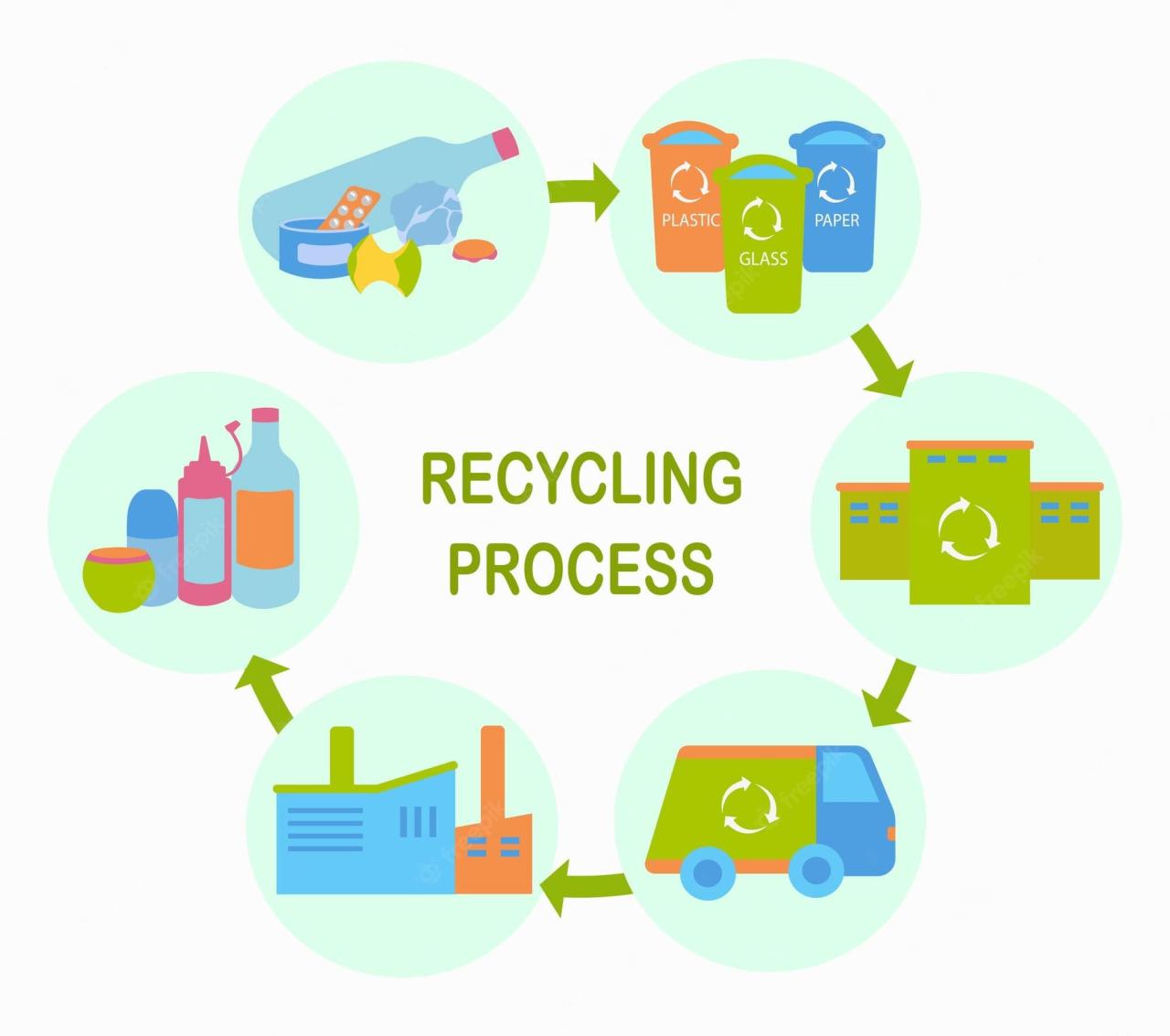
The cardboard recycling process is a multi-step procedure, starting with collection and sorting. Cardboard is separated from other waste materials and then processed through various stages. These steps include compacting, shredding, cleaning, and pulping, transforming the cardboard into a reusable material. This recycled material can then be used to create new cardboard products, effectively closing the loop in the recycling cycle.
Cardboard Recycling Table
| Material | Source | Recycling Method | Outcome |
|---|---|---|---|
| Cardboard | Packaging, boxes, etc. | Collection, sorting, shredding, pulping, and reprocessing | Recycled cardboard for new products, reducing the demand for virgin materials. |
| Corrugated cardboard | Shipping boxes, etc. | Similar to regular cardboard, with additional steps for separating layers | Recycled material for new corrugated cardboard products, or other related applications. |
| Paperboard | Cardboard-like material for various applications | Sorted based on quality, then reprocessed into pulp | New paper products or recycled paperboard. |
Types of Cardboard
Cardboard, a ubiquitous material in packaging and shipping, comes in various forms. Understanding these variations is crucial for effective recycling. Different types of cardboard have varying properties, influencing their recyclability and the processes involved in their recovery. This section will delve into the common types of cardboard collected for recycling, highlighting their differences and the importance of proper sorting.
Common Cardboard Types
Cardboard is not a single material; it encompasses several types, each with distinct characteristics. These differences are important to recognize because they affect the recyclability of the material. Proper sorting ensures efficient recycling and avoids contamination that can hinder the entire process.
- Corrugated Cardboard: This type, frequently used for shipping boxes, consists of a fluted layer (corrugation) sandwiched between two flat sheets of cardboard. Its structure provides exceptional strength and protection for goods in transit. The corrugated layers contribute to its higher recyclability compared to other types, although the recycling process may involve separating the fluted component for optimal results.
A good example of corrugated cardboard is the box used for shipping electronics or furniture.
- Solid Cardboard: This type, commonly found in packaging for various products, is a single layer of cardboard. While generally recyclable, its simpler structure may be less easily recycled than corrugated cardboard due to its potential for contamination or tearing during the sorting process. An example of solid cardboard includes the packaging for grocery items.
- Cardboard Packaging with Mixed Materials: This category encompasses cardboard packaging that contains other materials like plastic, metal, or contaminants. This mixed composition significantly reduces the cardboard’s recyclability, as the contamination can affect the overall quality of the recycled product. An example would be a box containing plastic film or tape.
Recyclability Differences
The recyclability of cardboard types varies due to their composition and structure. Corrugated cardboard, with its layered structure, is generally more easily recycled than solid cardboard. Contamination from mixed materials, such as plastic or metal, severely hinders the recyclability of any cardboard type. This is because the contamination can cause issues during the recycling process, impacting the quality of the recovered material.
Importance of Proper Sorting
Proper sorting is critical in cardboard recycling. Mixing different cardboard types or including non-cardboard materials with cardboard leads to contamination. Contamination reduces the quality of the recycled cardboard and can even render it unusable. Sorting ensures that only cardboard is processed, maintaining the quality of the recycled material.
Cardboard Types and Recycling Summary
| Cardboard Type | Properties | Recyclability | Recycling Tips |
|---|---|---|---|
| Corrugated Cardboard | Fluted layer between two flat sheets; strong and protective | High; generally easily separated and recycled | Ensure proper separation of fluted components; avoid mixing with other materials |
| Solid Cardboard | Single layer of cardboard | Moderate; potential for contamination and tearing during sorting | Avoid mixing with other materials; ensure clean and intact condition |
| Cardboard Packaging with Mixed Materials | Contains plastic, metal, or other contaminants | Low; contamination hinders recycling | Ensure complete removal of non-cardboard materials before recycling |
Preparing Cardboard for Recycling
Proper cardboard preparation is vital for efficient recycling. Clean, flattened cardboard is easily processed, maximizing its value and minimizing contamination. Improper preparation can lead to delays in the recycling process and even render the cardboard unusable.
Essential Steps for Preparing Cardboard
Thorough preparation significantly impacts the recycling process’s success. Carefully following the steps Artikeld below ensures the cardboard is ready for recycling facilities, maximizing its value and reducing contamination risks.
- Remove Labels and Stickers: Labels and adhesive remnants are contaminants that can interfere with the recycling process. These materials often contain inks and glues that are difficult to separate from the cardboard, and these residues can affect the quality of the recycled paper products. Carefully peel or scrape off labels, ensuring no adhesive residue remains. Use a utility knife or similar tool to remove stubborn stickers.
Using a wet cloth can also help loosen adhesive residue.
- Remove Contaminants: Non-cardboard materials like plastic, metal, glass, or food scraps must be removed. These contaminants can jam machinery and compromise the quality of the recycled material. Carefully inspect the cardboard for any foreign materials and remove them. A thorough visual inspection will help in identifying such items. Ensure that no food residue or other contaminants remain on the cardboard.
A good practice is to rinse the cardboard thoroughly if possible to remove any traces of food.
- Flatten and Compact Cardboard: Flattened and compacted cardboard takes up less space, improving transportation efficiency and reducing handling costs for recycling facilities. Fold the cardboard into manageable sizes to minimize bulk and maximize the space saved during transportation. Ensure that the cardboard is properly flattened to avoid any issues during the processing stage.
Avoiding Contamination During Collection
Contamination during collection can have significant implications for recycling. Recycling facilities must spend extra resources to separate contaminants, which can increase processing costs and reduce the quality of the recycled material. Carefully following these tips helps to minimize contamination risks.
- Separate Different Types of Cardboard: Ensure that different types of cardboard are segregated. For instance, corrugated cardboard, which is typically used for packaging, should be separated from other types of cardboard like those used for boxes. This allows recycling facilities to process the cardboard efficiently.
- Use Proper Containers: Employ dedicated containers for cardboard to keep it separate from other recyclables. Clearly labeling these containers helps to maintain order and ensures that the cardboard is collected separately. Using dedicated containers helps prevent mixing with other materials.
- Inspect and Clean Cardboard Thoroughly: Thorough inspection and cleaning of cardboard before collection help ensure minimal contamination. Checking for any non-cardboard materials, including plastic or metal items, and removing them before disposal is essential.
Flowchart for Preparing Cardboard for Recycling
The following flowchart visually represents the steps involved in preparing cardboard for recycling. Following these steps efficiently will contribute to a higher quality of recycled materials.“`[Image Placeholder: A simple flowchart with boxes representing the steps: Remove Labels, Remove Contaminants, Flatten and Compact. Arrows connect the boxes to show the sequential order. A final box indicates “Cardboard Ready for Recycling.”]“`
Local Recycling Programs
Understanding and adhering to local recycling guidelines is crucial for effective cardboard recycling. Different municipalities have varying regulations, collection methods, and accepted materials, making it important to research your specific area’s program. This knowledge ensures that your cardboard recycling efforts contribute positively to environmental sustainability.Local recycling programs play a vital role in managing waste and promoting resource conservation. Each community has specific rules and procedures for handling recyclable materials, which vary widely.
Thorough knowledge of these programs is essential for proper disposal and successful participation.
Understanding Local Recycling Guidelines
Properly sorting and preparing cardboard for recycling depends on the specific guidelines of your local program. Familiarize yourself with the rules to ensure your efforts are effective. These guidelines often detail acceptable types of cardboard, acceptable contaminants, and prohibited items. Adherence to these guidelines is essential for successful recycling participation.
Collection Methods
Various collection methods are employed across different regions. Some communities use curbside collection, where residents place their recyclables at designated locations on specific days. Other regions utilize drop-off centers, providing designated locations for residents to deposit recyclables. Understanding the collection method specific to your area ensures your cardboard is collected and processed efficiently.
Comparison of Recycling Programs
Recycling programs vary significantly across municipalities. Factors like the volume of recyclables collected, the types of materials accepted, and the frequency of collection differ considerably. This variation necessitates an understanding of the specifics of your local program to maximize recycling effectiveness.
Accepted and Non-Accepted Materials
Each local program has a list of acceptable and non-acceptable materials for recycling. Understanding this list is essential for effective recycling. Accepted materials typically include various types of cardboard, while non-acceptable items may include certain types of paper, plastics, or other materials. Ensuring adherence to these guidelines helps maintain the integrity of the recycling process.
Local Recycling Program Details
| City/Region | Accepted Materials | Restrictions | Collection Schedule |
|---|---|---|---|
| Example City 1 | Corrugated cardboard, cardboard boxes, paperboard | No plastic, metal, or glass. Cardboard must be flattened and placed in designated bins. | Tuesdays and Fridays, 7 AM – 9 AM |
| Example City 2 | Corrugated cardboard, cardboard boxes, and newspaper | Cardboard should be separated from other recyclables, no plastic or food contamination. | Wednesdays and Saturdays, 8 AM – 10 AM |
| Example Region 3 | Cardboard boxes, corrugated cardboard, and some types of paperboard | Cardboard should be dry and clean. No contaminated cardboard. | Bi-weekly, Sundays, 8 AM – 10 AM |
This table provides a sample of potential local recycling programs. Real-world examples vary widely, so always consult your local municipality’s website or waste management department for the most up-to-date information.
Cardboard Recycling at Home
Properly recycling cardboard at home is crucial for efficient waste management and environmental sustainability. By following best practices, you can significantly reduce the amount of cardboard ending up in landfills and contribute to a cleaner environment. This section will detail the best ways to recycle cardboard at home, including preparation, disposal, and maximizing your recycling efforts.
Best Practices for Cardboard Recycling at Home
Effective cardboard recycling starts with understanding the proper preparation and disposal methods. Carefully following these steps ensures that your cardboard is handled appropriately for the recycling process. Improper handling can lead to cardboard being rejected from the recycling stream.
Preparing Cardboard for Recycling
Preparing cardboard effectively is key to successful recycling. This involves removing contaminants and ensuring the cardboard is ready for the recycling process. Contaminants, such as plastic bags, food residue, and other materials, can hinder the recycling process.
- Cleanliness is Key: Thoroughly remove any non-cardboard materials, such as plastic wrap, tape, or food residue, from the cardboard. This step ensures that the cardboard is clean and suitable for recycling.
- Flatten and Compact: Flatten and compact the cardboard to reduce its volume. This will help maximize space in recycling bins and trucks. This efficient method reduces the space occupied by the cardboard and increases the capacity of the recycling facility.
- Size Matters: If possible, break down large cardboard boxes into smaller pieces. This makes sorting and processing easier at the recycling facility.
Proper Disposal of Cardboard Items
Proper disposal of cardboard is crucial for efficient recycling. It ensures that the cardboard reaches the recycling facility in the best possible condition.
- Check Local Guidelines: Familiarize yourself with your local recycling guidelines. Some municipalities may have specific requirements for cardboard disposal, such as the type of container or the materials that can be included.
- Designated Recycling Bins: Place the prepared cardboard in designated recycling bins or containers. Check if there are special requirements for cardboard recycling, such as separating different types of cardboard.
- Avoid Mixing: Do not mix cardboard with other recyclable materials or non-recyclable items in the same bin. This helps maintain the quality of the recycling process.
Maximizing Recycling Efforts in Domestic Settings
Maximizing cardboard recycling efforts at home can significantly contribute to reducing waste and promoting sustainability.
- Choose Reusable Alternatives: Consider utilizing reusable packaging or alternatives to cardboard whenever possible. This includes using reusable bags for groceries or opting for products with minimal packaging.
- Educate Yourself: Educate yourself and your household members about the importance of cardboard recycling. Sharing information with family members encourages participation and reinforces the benefits of responsible waste management.
- Encourage Community Participation: Promote cardboard recycling within your community by encouraging others to participate. Sharing information about the benefits of recycling and how to participate can have a significant impact.
Examples of Recyclable Cardboard Items
A wide range of cardboard items can be recycled. Understanding what types of cardboard are suitable for recycling ensures that these materials are processed efficiently.
- Cardboard Boxes: Boxes from various sources, such as grocery stores, online retailers, and other businesses, are typically recyclable.
- Cardboard Packaging: Cardboard packaging for a wide range of products can be recycled.
- Corrugated Cardboard: This type of cardboard, often used for shipping and packaging, is highly recyclable and is suitable for the recycling process.
Sorting Cardboard at Home
Efficient sorting at home ensures that cardboard is properly prepared for recycling. This ensures the best possible outcome for the recycling process.
- Check Local Guidelines: Ensure that you follow your local recycling guidelines, which might include separating different types of cardboard or specific contaminants.
- Remove Contaminated Materials: Thoroughly remove any non-cardboard materials from the cardboard. This includes plastic, tape, or any other contaminants.
- Flatten and Compact: Flatten and compact the cardboard to reduce its volume and increase efficiency.
Cardboard Recycling for Businesses
Businesses generate significant volumes of cardboard waste, often exceeding household levels. Effective cardboard recycling programs in commercial settings are crucial for environmental sustainability and can also offer substantial cost savings. Proper implementation can contribute to a company’s positive public image and enhance its commitment to environmental responsibility.
Importance of Commercial Cardboard Recycling
Effective cardboard recycling programs in businesses are essential for environmental stewardship. Businesses that generate a large amount of cardboard waste can significantly reduce their carbon footprint by diverting this material from landfills. This reduction in landfill waste conserves valuable natural resources and minimizes the environmental impact of waste disposal.
Benefits of Implementing a Robust Cardboard Recycling Program
Implementing a robust cardboard recycling program offers a multitude of benefits for businesses. Cost savings are often realized through reduced disposal fees and potential material recovery. Furthermore, a well-structured program can enhance the company’s brand image, attracting environmentally conscious customers and employees. Improved operational efficiency through streamlined waste management procedures can also be achieved.
Business Practices for Successful Cardboard Recycling
Several business practices contribute to successful cardboard recycling programs. Clear signage and designated areas for cardboard collection are vital. Employee training on proper cardboard handling and separation procedures can help maintain the quality of the recycled material. Establishing partnerships with local recycling centers or companies can streamline the process and ensure the material is properly processed. Furthermore, adopting a “zero waste” mindset across all business operations can reduce overall waste generation.
Volume of Cardboard Generated in Various Business Sectors
The volume of cardboard generated varies across different business sectors. Retail businesses, for example, frequently handle large quantities of cardboard packaging from incoming shipments and outgoing products. Manufacturing companies, particularly those in the food and beverage industry, often produce substantial amounts of cardboard for packaging. Printing and publishing businesses also generate significant cardboard waste. Accurate estimates for each sector can be found in industry reports and statistics from waste management organizations.
Step-by-Step Guide for Establishing a Business Cardboard Recycling System
Implementing a successful cardboard recycling system within a business involves several key steps:
- Assessment and Planning: Evaluate the current waste stream, identifying the types and volumes of cardboard generated. This assessment should also include an analysis of existing waste management practices and potential improvements. Research local recycling regulations and available recycling options.
- Collection and Sorting: Establish designated areas for cardboard collection. Ensure proper signage for clear identification. Implement a sorting system to separate cardboard from other materials, such as paper, plastic, or metal. Use bins with clearly marked labels to help with the separation process.
- Transportation and Disposal: Establish a reliable system for transporting the collected cardboard to a designated recycling facility. Partnering with local recycling companies or facilities can streamline this process. Ensure compliance with local recycling regulations and ensure proper disposal procedures are followed.
- Monitoring and Evaluation: Track the amount of cardboard recycled. Regularly monitor the program’s effectiveness and make adjustments as needed. Review and update policies and procedures based on the data gathered. Evaluate the overall environmental impact of the recycling program.
Cardboard Recycling Myths and Misconceptions
Many misconceptions surround cardboard recycling, leading to improper disposal and hindering the efficiency of recycling programs. Understanding these myths is crucial for ensuring cardboard is recycled effectively and for maximizing the benefits of this important environmental practice. These inaccurate beliefs can stem from a lack of clear information or misunderstandings about the recycling process.
Common Cardboard Recycling Myths
Many incorrect assumptions persist about cardboard recycling. These myths can lead to wasted resources and environmental damage if not addressed. Accurate information is essential for effective recycling programs.
- Cardboard with labels or tape is not recyclable. Cardboard with some labels or tape is often recyclable, provided the tape is not plastic-based. Labels and tapes from various sources, such as adhesives, packing materials, and tapes, can be a concern. Recycling facilities have equipment to remove some labels or tape, depending on their composition. However, certain types of tape, like those made from plastic, cannot be effectively separated, making the entire piece non-recyclable.
For example, heavy-duty packing tapes or tapes containing metal are generally not suitable for cardboard recycling.
- All cardboard is created equal in terms of recyclability. Different types of cardboard vary in their recyclability. Corrugated cardboard, used for boxes, is more readily recycled than other cardboard types. Cardboard with excessive contamination, such as food residue, plastic or metal, may be rejected at the recycling facility.
- Cardboard can be recycled without cleaning. Cleaning cardboard before recycling is often necessary to prevent contamination. Food residue, plastic wrap, or other non-cardboard materials can contaminate the recycling stream, decreasing the quality of the recycled material and potentially damaging recycling equipment. Food waste or liquid spills may contaminate the cardboard, making it difficult or impossible to recycle.
Consequences of Incorrect Recycling Practices
Incorrect cardboard recycling practices have detrimental effects. These practices negatively impact the recycling process, and the resulting issues must be understood to promote correct recycling habits.
- Contamination of the Recycling Stream. Contamination from improper sorting, such as food residue or plastic packaging, can render large amounts of cardboard unrecyclable. This negatively impacts the quality of the recycled material and may cause recycling facilities to reject the cardboard. For instance, if a cardboard box containing food scraps is placed in the recycling bin, it may contaminate the entire batch.
- Waste of Resources. Misplaced or improperly recycled cardboard wastes resources. It can lead to higher processing costs for recycling facilities and result in less material being recycled, which could have been used for new products. For example, a recycling facility that spends extra time sorting out contaminants or repairing equipment due to improper recycling practices is using resources that could have been used elsewhere.
- Damage to Recycling Equipment. Foreign objects, such as metal or plastic, can damage the equipment used in the recycling process. This can lead to costly repairs and downtime for the facility. For instance, a piece of metal within a cardboard box may damage the machinery during the sorting process.
Importance of Accurate Information
Accurate information about cardboard recycling is crucial for effective recycling initiatives. It encourages responsible disposal and helps prevent contamination.
- Educating Consumers. Clear communication and educational materials can effectively guide consumers towards proper recycling practices. For example, providing specific guidelines on acceptable and unacceptable items can significantly improve recycling rates.
- Promoting Environmental Stewardship. Accurate information empowers individuals to make informed choices, fostering a sense of environmental responsibility. For example, understanding that cardboard with certain types of tape is not recyclable can encourage consumers to remove these tapes.
- Optimizing Recycling Processes. Accurate information enables recycling facilities to optimize their processes. For example, providing clear guidelines on what to recycle and how to sort it can improve the efficiency of the recycling process.
Advanced Cardboard Recycling Techniques
Cardboard recycling has evolved beyond basic collection and processing. Innovative techniques are being developed and implemented to maximize resource recovery and minimize environmental impact. These advanced methods often utilize specialized technologies and chemical processes to extract valuable components from the cardboard stream, further enhancing the overall sustainability of the recycling process.
Advanced Chemical Processes
Chemical processes offer a means of breaking down cardboard into its constituent components, yielding materials for various applications. Hydrolysis, a chemical treatment, can decompose the cellulose in cardboard, producing sugars and other useful compounds. These processes can be more complex than mechanical ones, requiring specific chemical reagents and stringent safety protocols. However, the recovery of valuable components from cardboard using chemical methods can be economically attractive and potentially create new industrial pathways.
A key advantage is the potential to recover materials beyond the limitations of traditional mechanical methods.
Mechanical Processes Enhanced by Technology
Mechanical processes, while foundational, are also being enhanced by technology. Sophisticated shredding and sorting equipment can now accurately separate different components of the cardboard stream, including paper fibers, inks, and adhesives. These advancements enable more efficient material recovery, reducing the amount of material that needs further treatment. The use of optical sorting systems, for example, allows for the automated recognition and separation of different materials, improving the quality of recycled materials and reducing contamination.
Further development in this area promises improved purity and yields.
Comparison of Methods
| Characteristic | Mechanical Processes | Chemical Processes |
|---|---|---|
| Cost | Generally lower | Potentially higher, but potentially higher return |
| Energy Consumption | Lower | Potentially higher, depending on the process |
| Material Recovery | Limited to fibers and some inks; not all components | Can recover a wider range of components, including cellulose and other chemicals |
| Environmental Impact | Generally lower | Can have a higher impact if chemical disposal is not managed properly |
| Purity of Recycled Material | Variable, depending on the complexity of the sorting process | Can yield very high purity, depending on the process |
The table above provides a general comparison, highlighting the trade-offs between mechanical and chemical methods. The choice of method often depends on the specific goals and resources available. For instance, a facility prioritizing cost-effectiveness might favor mechanical processes, while a facility seeking to extract a wider range of components might opt for chemical methods.
Diagram of an Advanced Sorting System
The diagram below illustrates a simplified model of a modern cardboard recycling facility utilizing optical sorting technology.
(Note: A diagram cannot be included here, but imagine a flow chart starting with a conveyor belt carrying shredded cardboard. Sensors identify different materials based on their optical properties. Diverting conveyors then separate different materials like paper fibers, plastics, and metals. The clean paper fibers are collected for further processing. The diagram should visually represent the separation process.)
This advanced sorting system enables higher quality recycled materials. The system can distinguish and sort out various components, including paper fibers, plastics, metals, and inks, to ensure the recycled material is free of contamination and suitable for various applications.
The Future of Cardboard Recycling
The cardboard recycling industry, a vital component of sustainable waste management, is poised for significant advancements. Innovative technologies and evolving consumer behaviors are driving this transformation, promising a more efficient and environmentally responsible future for cardboard processing. This section explores the trends, advancements, and potential challenges shaping the future of cardboard recycling.
Trends and Advancements in Cardboard Recycling Technology
Technological advancements are revolutionizing cardboard recycling processes. Improved sorting technologies, such as optical sensors and AI-powered systems, are becoming more prevalent. These technologies enhance the accuracy and speed of separating different cardboard types, leading to higher-quality recycled material. Automated baling and transportation systems are also streamlining the entire recycling chain, reducing labor costs and increasing efficiency.
Predictions for Future Developments
Future developments in cardboard recycling are likely to include a greater emphasis on advanced material recovery methods. This will involve technologies that can effectively separate and recover valuable components from cardboard, such as ink and coatings. Furthermore, research is underway to develop more durable and recyclable cardboard grades. This includes investigating bio-based alternatives to traditional cardboard materials. The integration of these innovations is anticipated to result in a more circular economy for cardboard products.
Materials That Could Be Integrated into the Process
Integrating specific materials into the cardboard recycling process is a key area of research. For example, incorporating recycled plastic fibers into cardboard could enhance its strength and durability. Similarly, using bio-based additives in the cardboard production process could contribute to its biodegradability and reduce its environmental impact. Further exploration into these materials will contribute to the development of more sustainable cardboard products.
Potential Challenges for the Future of Cardboard Recycling
Despite the promising advancements, challenges remain. The inconsistent quality of collected cardboard from various sources can pose a significant obstacle to efficient processing. Furthermore, fluctuating demand for recycled cardboard and variations in local recycling programs could impact the economic viability of recycling initiatives. The need for consistent and reliable infrastructure, coupled with effective public awareness campaigns, is crucial for overcoming these obstacles.
A Hypothetical Future Scenario for Cardboard Recycling
Imagine a future where cardboard recycling is highly automated and optimized. Advanced sorting technologies accurately separate cardboard from other materials, including mixed paper and plastics. This allows for a more precise recovery of valuable components. The use of bio-based additives and recycled materials in cardboard production further strengthens the circular economy. Public awareness campaigns and government incentives encourage widespread participation, making cardboard recycling a truly sustainable practice.
Epilogue
In conclusion, recycling cardboard is a straightforward yet impactful way to contribute to a healthier planet. By understanding the process, from initial preparation to advanced techniques, and the importance of local guidelines, individuals and businesses can effectively reduce waste and support sustainable practices. This guide equips you with the knowledge to make a positive difference.