Indoor composting offers a practical and environmentally conscious solution for transforming food scraps into valuable soil enrichments. This comprehensive guide provides a detailed overview of various indoor composting methods, from the popular worm composting to the effective bokashi method. Whether you’re a seasoned gardener or a beginner looking to reduce your environmental footprint, this guide will equip you with the knowledge and tools to successfully compost indoors.
By understanding the diverse techniques, essential materials, and proper maintenance procedures, you can effectively transform kitchen waste into a valuable resource. We’ll explore the specifics of each method, enabling you to choose the perfect system for your space, lifestyle, and desired results. The guide also covers troubleshooting common issues, providing practical solutions to ensure your indoor composting experience is smooth and rewarding.
Introduction to Indoor Composting
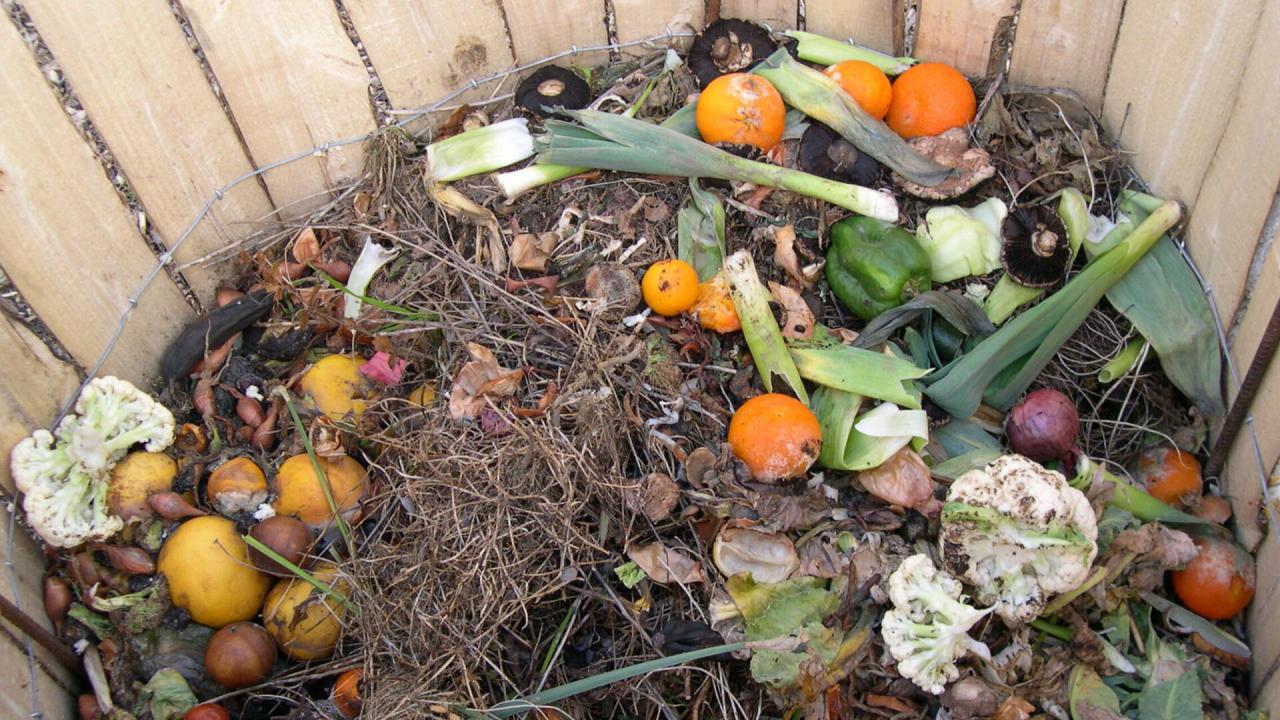
Indoor composting offers a sustainable and convenient way to manage organic waste within your home. This method allows you to transform food scraps, yard waste, and other kitchen/garden leftovers into nutrient-rich compost, reducing landfill waste and enriching your soil. It’s ideal for apartment dwellers, city residents, or anyone seeking a manageable composting solution without outdoor space. The variety of indoor composting methods provides options to fit different living situations and preferences.Indoor composting, while often smaller in scale than outdoor options, can still yield substantial benefits.
It provides a readily available source of organic matter for enriching indoor plants, potted gardens, or even your outdoor garden. The process can be tailored to fit the needs and constraints of various living environments, from small apartments to larger homes.
Different Indoor Composting Methods
Several effective methods facilitate indoor composting. Understanding the distinct characteristics of each method is crucial in selecting the most suitable option. Different methods offer varying degrees of effort, space requirements, and waste types they accept.
- Worm Composting: This method utilizes worms (like red wigglers) to break down organic matter. It’s a popular choice due to its relatively low maintenance and compact nature. The worms consume food scraps and other organic waste, converting them into nutrient-rich compost. The process is relatively quiet and generates little odor, making it suitable for indoor use.
- Bokashi Composting: This method involves using a specific composting container and a bran-based “bokashi” mixture. Food scraps are placed in the container and covered with the bokashi mixture. The anaerobic process in the container helps to break down the waste. Bokashi is often favored for its ability to handle a wide range of food scraps, including meat and dairy products.
The resulting compost is typically used as a fertilizer.
- Indoor Bins: These systems use specialized bins for composting within the home. The bins typically feature ventilation and other design elements to facilitate the decomposition process. They often come with various features, such as adjustable shelves, or special compartments for different waste types.
Choosing the Right Indoor Composting Method
The best method depends on several factors, including available space, lifestyle, and desired outcome. Consider these aspects when deciding.
- Space limitations: Worm composting requires a relatively small space, making it suitable for apartments or smaller homes. Bokashi composting is also compact, though it might need dedicated space within the house.
- Lifestyle and time commitment: Worm composting is low-maintenance, requiring only occasional feeding and monitoring. Bokashi composting might demand more frequent attention to maintain the composting process.
- Desired outcomes: If you need compost quickly, bokashi might be the faster option. Worm composting is ideal for producing nutrient-rich compost for gardening.
Comparison of Indoor Composting Methods
| Method | Pros | Cons | Space Needed | Maintenance | Waste Types Accepted | Suitability |
|---|---|---|---|---|---|---|
| Worm Composting | Low maintenance, compact, minimal odor | Slower decomposition, not suitable for all food scraps | Small | Low | Fruit and vegetable scraps, coffee grounds, tea bags | Apartments, smaller homes, those seeking low-maintenance |
| Bokashi Composting | Handles wider range of food scraps, relatively quick decomposition | Requires specific mixture, needs regular emptying | Medium | Medium | Fruit and vegetable scraps, meat and dairy (with specific procedures), coffee grounds, tea bags | Homes with more space, those needing a faster composting process |
| Indoor Bins | Customizable, controlled environment, can accommodate different waste types | May require more space, needs regular monitoring | Variable | Medium | Fruit and vegetable scraps, coffee grounds, tea bags | Homes with space, those seeking greater control |
Necessary Materials and Supplies
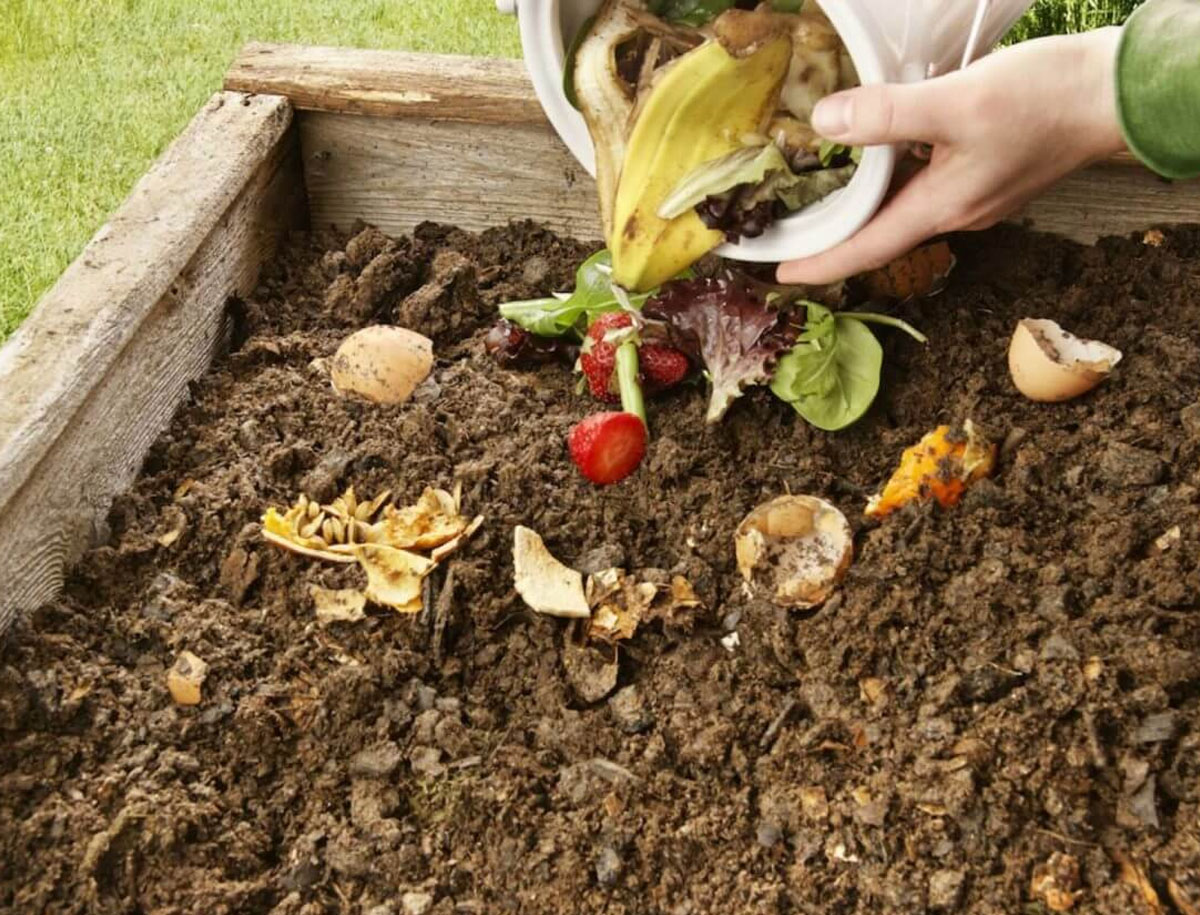
Indoor composting offers a convenient way to recycle food scraps and yard waste. Careful selection of materials is crucial for successful composting, as different methods require specific supplies. Understanding these needs will help you choose the right approach for your space and lifestyle.
Basic Materials for All Indoor Composting Methods
A key element for all indoor composting methods is the appropriate container. Choosing a suitable bin is vital for proper airflow, moisture control, and easy access. Materials like cardboard, paper, or cloth can also be included in the bin for aeration. The size and type of container will depend on the method chosen and the amount of compostable material you generate.
Aeration, moisture, and proper temperature are critical for decomposition, and suitable materials will aid in managing these factors.
Worm Composting Materials
Worm composting, a popular indoor method, relies on the presence of worms to break down organic matter. The essential materials include the composting bin itself, bedding for the worms, and food scraps. Choosing the right bedding is essential for the worms’ well-being. Examples of suitable bedding include shredded newspaper, cardboard, and coco coir. The bedding needs to be consistently moist to maintain optimal worm conditions.
- Composting Bin: A suitable container is necessary to house the worms and their compost. This can range from a simple plastic container with holes for ventilation to a specialized worm bin designed for optimal aeration and moisture control. Consider bins made of materials like plastic, wood, or metal, each with varying properties in terms of durability, insulation, and cost.
- Worm Bedding: A suitable bedding layer is crucial for the worms’ health and the composting process. Shredded newspaper, cardboard, and coco coir are common choices, providing a supportive and moist environment for the worms to thrive.
- Food Scraps: Organic food scraps are the worms’ primary food source. These scraps should be properly chopped to facilitate the composting process.
Bokashi Composting Materials
Bokashi composting utilizes a fermentation process to break down food scraps. This method does not require worms. The materials include a composting bin, a Bokashi bran, and potentially a secondary composting method. The Bokashi bran plays a crucial role in the fermentation process.
- Bokashi Bin: A dedicated container, often made of plastic or other suitable materials, is necessary for the Bokashi process. The bin should be large enough to hold your food scraps and have adequate ventilation.
- Bokashi Bran: This specially formulated bran is a crucial component for the Bokashi process. It provides the necessary microorganisms for the fermentation of the food scraps. The bran should be added in a specific ratio to the food scraps for optimal results.
- Secondary Composting Method (Optional): After the Bokashi process, the finished product may need further composting. This is often necessary to fully break down the materials and create a usable compost.
Table of Materials Needed for Each Method
| Composting Method | Composting Bin | Worm Bedding (if applicable) | Bokashi Bran (if applicable) | Other Materials |
|---|---|---|---|---|
| Worm Composting | Plastic container with drainage holes or specialized worm bin (1-2 cubic feet) | Shredded newspaper, cardboard, or coco coir (2-3 inches deep) | N/A | Food scraps, water |
| Bokashi Composting | Plastic or wooden Bokashi bin (size depends on usage) | N/A | Bokashi bran (amount depends on the bin size and usage) | Food scraps, water |
Setting Up Your Indoor Compost System
Establishing an indoor composting system, particularly worm composting, presents a practical approach to organic waste management within a confined space. Proper setup is crucial for the health and productivity of your composting system, ensuring optimal conditions for worm activity and efficient decomposition. This section details the step-by-step process of setting up a worm composting bin, focusing on the preparation of the container and bedding for worms.
Selecting a Suitable Location
The location of your indoor worm composting bin significantly impacts the success of your project. A suitable spot should provide adequate ventilation, maintaining a consistently suitable temperature range for the worms. Consider proximity to a water source, as worms require a moist environment for optimal health and activity. A location near a sink or a container of water is generally convenient.
Preparing the Container
The choice of container for your worm composting bin depends on personal preference and available space. A simple, shallow plastic bin, with sufficient drainage holes, works well. Ensure the container is large enough to accommodate the desired population of worms and provide ample space for composting material. Avoid using containers with any sort of coating that might hinder drainage or prevent the worms from comfortably moving around.
Preparing the Bedding
Preparing the bedding for the worms is a crucial step. A balanced bedding mix promotes healthy worm activity and decomposition. A combination of shredded newspaper, cardboard, dried leaves, or other similar materials creates a suitable environment for the worms. Avoid using materials such as oily food scraps, meat, or dairy products, as these can create unpleasant odors and potentially harm the worms.
The bedding should maintain a consistently moist but not soggy condition.
Preparing the Compost Bin
Thoroughly clean the chosen container to eliminate any lingering contaminants. This step is vital for establishing a healthy and odor-free environment. Once cleaned, add a layer of the prepared bedding to the bottom of the container, ensuring it reaches the desired depth. This initial layer serves as a foundational substrate for the worms. After layering the bedding, gently place your worms into the prepared environment.
The bedding should be moist but not excessively wet.
Placement of the Bin and Temperature Conditions
Optimal temperature conditions are crucial for the health and activity of your worms. A consistent temperature of 65-75 degrees Fahrenheit (18-24 degrees Celsius) is ideal for most worm composting systems. Place the bin in a location with minimal temperature fluctuations. Avoid placing the bin near direct sunlight or heat sources, as this can raise the temperature excessively.
A cool, slightly shaded area is preferable.
Visual Guide to Setting Up an Indoor Compost System
- Step 1: Container Selection and Cleaning: Choose a suitable plastic container with drainage holes. Thoroughly clean the container to eliminate any contaminants.
- Step 2: Bedding Preparation: Combine shredded newspaper, cardboard, and dried leaves to create a balanced bedding mix. Ensure the bedding is not too wet or too dry.
- Step 3: Bedding Layering: Add the prepared bedding to the bottom of the container to a depth that allows for comfortable worm movement and composting.
- Step 4: Introducing Worms: Carefully introduce the worms into the prepared bin and bedding. Maintain a consistent moisture level.
- Step 5: Placement and Temperature: Position the bin in a location that maintains a consistent temperature between 65-75°F (18-24°C). Avoid placing the bin near heat sources or direct sunlight.
Maintaining Your Indoor Compost System
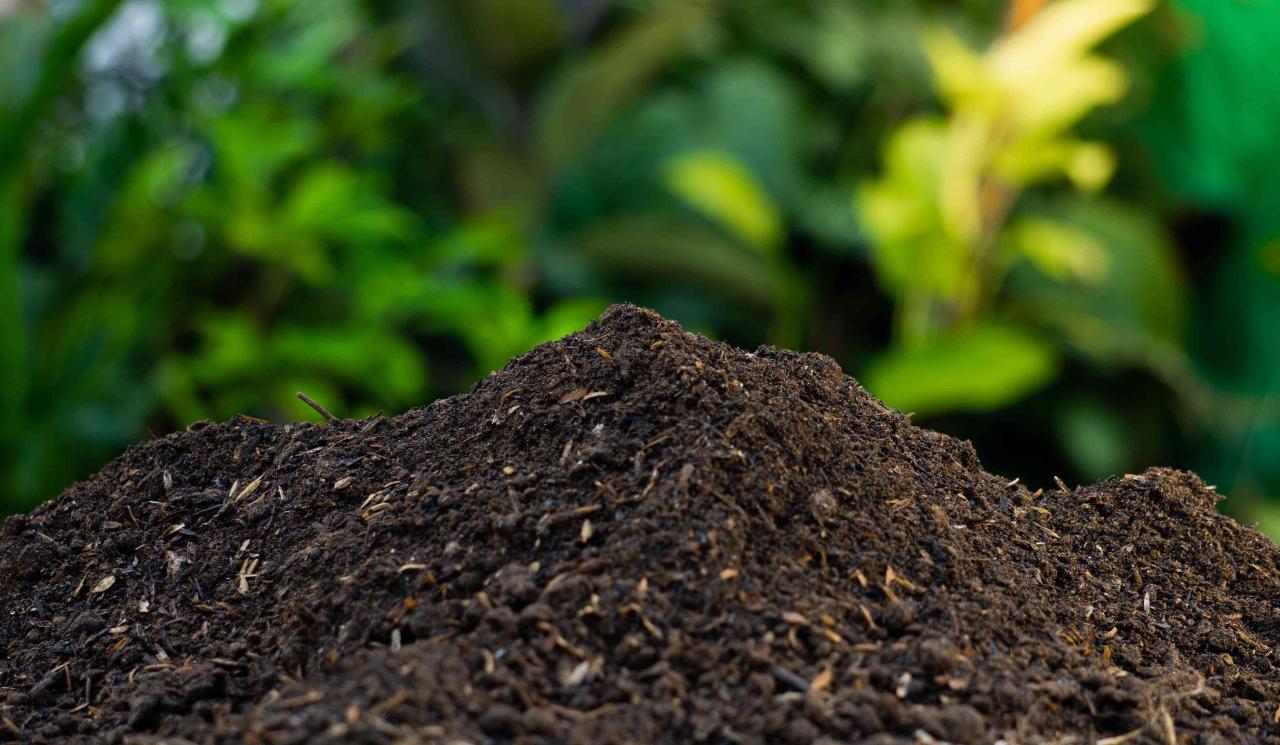
Maintaining a thriving indoor compost system requires consistent attention to feeding, moisture, and harvesting. This proactive approach ensures optimal decomposition and prevents unpleasant odors or stagnation. Proper maintenance also maximizes the nutrient-rich compost you’ll eventually harvest.Consistent care is key to a successful indoor composting experience. By following a routine, you can prevent common problems and create a healthy environment for your compost materials to break down effectively.
This process will also minimize unpleasant odors and keep your indoor compost system operating efficiently.
Feeding Your Indoor Compost System
Consistent feeding is crucial for maintaining the proper decomposition process. Overfeeding can lead to anaerobic conditions and unpleasant odors, while underfeeding can slow down the decomposition process. A balanced feeding schedule ensures that your system is consistently active without becoming overly saturated or stagnant.
- Frequency of Feeding: The frequency of adding food scraps depends on the size of your compost system and the rate at which materials decompose. Begin by adding scraps a few times a week. Adjust the frequency based on observations of the system’s activity. For smaller systems, daily or every other day may be sufficient, while larger systems might require less frequent additions.
Observe how quickly the material decomposes and adjust your schedule accordingly. Over time, you’ll develop a sense for the optimal feeding schedule for your particular system.
- Types of Food Scraps: Not all food scraps are suitable for indoor composting. Avoid meat, dairy, oily foods, and diseased plant material. These can attract pests or create undesirable odors. Focus on vegetable scraps, fruit peels, coffee grounds, and tea bags. These materials decompose more readily and contribute beneficial nutrients to your compost.
- Preparation of Food Scraps: Shredding or chopping food scraps into smaller pieces can significantly accelerate the composting process. Smaller pieces provide a larger surface area for microbial activity, speeding up the decomposition. Avoid adding large, whole pieces of food as these will take longer to break down.
Moisture Management
Maintaining the proper moisture level is essential for optimal decomposition. Too little moisture can inhibit microbial activity, while excessive moisture can lead to anaerobic conditions. Maintaining an ideal moisture level is crucial for maximizing decomposition efficiency.
- Moisture Level Monitoring: Regularly check the moisture content of your compost. It should feel damp, similar to a wrung-out sponge. Avoid excessively dry or soggy conditions. If it’s too dry, add water; if it’s too wet, allow some of the excess water to drain or incorporate more dry material.
- Watering Techniques: Use a spray bottle or watering can to add water to the compost. Avoid pouring large amounts of water, as this can lead to excess moisture. Aim for a consistent level of moisture, not just drenching the compost.
Harvesting Your Compost
The timing and method of harvesting compost depend on the type of system you have. Harvesting compost allows you to utilize the valuable nutrients created during the decomposition process.
- Different Systems: For systems with removable bins, simply remove the finished compost. For systems using a bin with a separate collection area, carefully remove the mature compost from the bottom layer. Ensure the compost is thoroughly mixed before harvesting to ensure even distribution of nutrients.
- Compost Maturity: Compost is considered mature when it’s dark brown, crumbly, and has a pleasant earthy odor. It should no longer contain recognizable food scraps. The time required for maturity varies based on the materials used and the system’s maintenance.
Troubleshooting Common Issues
Addressing potential problems promptly is crucial for maintaining a healthy indoor compost system. Problems can arise from improper feeding, inadequate moisture, or pest infestations.
- Unpleasant Odors: Unpleasant odors often indicate an excess of moisture or an improper balance of materials. Reduce the frequency of feeding, add more dry material, or ensure proper aeration.
- Slow Decomposition: Slow decomposition can be caused by insufficient moisture, inadequate aeration, or a lack of suitable materials. Ensure proper moisture levels, add shredded materials, and check the system for any obstructions.
- Pest Infestation: Inspect your system for pests like fruit flies or ants. Clean out the compost regularly, and avoid placing meat or oily food scraps in the bin.
Maintenance Comparison Table
| Composting Method | Feeding Frequency | Moisture Level | Harvesting Procedure |
|---|---|---|---|
| Bokashi | Daily/Every Other Day | Maintain moist but not soggy | Transfer to separate container for curing |
| Vermicomposting | Regular addition of food scraps | Maintain consistent moisture | Remove finished compost from bottom layer |
| Simple Bin | Several times a week | Damp but not waterlogged | Remove mature compost from bin |
Types of Food Scraps and Materials
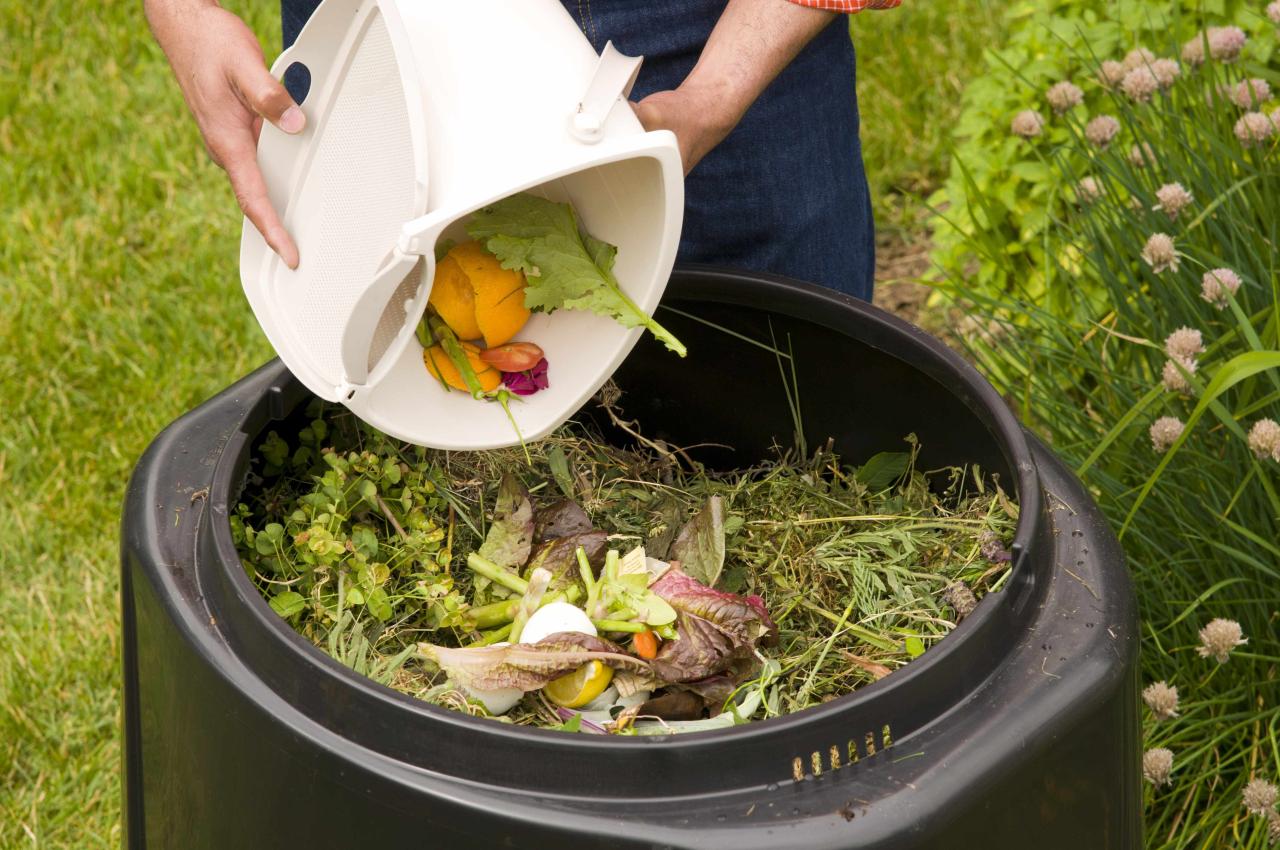
Proper selection of food scraps and materials is crucial for successful indoor composting. Careful categorization and understanding of suitable and unsuitable items will significantly influence the quality and efficiency of your composting process. This section details the types of food scraps suitable for indoor composting, along with guidelines for separating and managing them effectively.
Suitable Food Scraps for Indoor Composting
Selecting the right food scraps is essential for a healthy and productive indoor composting system. A balanced mix of different food scraps provides the necessary nutrients for decomposition.
- Vegetable scraps: Vegetable peels, cores, and other edible parts that are not suitable for consumption. Examples include potato peels, carrot tops, onion skins, and lettuce leaves. These provide a good source of carbon and nitrogen.
- Fruit scraps: Fruit peels, cores, and seeds. Examples include apple cores, banana peels, orange peels, and melon rinds. These contribute to the decomposition process and offer a variety of nutrients.
- Coffee grounds and filters: Coffee grounds and filters are excellent additions to your compost bin. They are rich in nitrogen and help to maintain moisture levels. Avoid using flavored coffee grounds as the additives may negatively impact the decomposition process.
- Tea bags: Used tea bags, especially those made from natural materials, can be added to your compost bin. The natural fibers in these bags decompose readily and provide beneficial nutrients. Avoid tea bags with added chemicals or fragrances.
- Eggshells: Eggshells are a valuable source of calcium, a crucial mineral for healthy plant growth. They add structure to the compost and can be crushed for easier decomposition.
- Bread and pasta scraps: Small amounts of bread and pasta scraps are typically acceptable. They can contribute to the decomposition process, but should be used in moderation.
Unsuitable Food Scraps for Indoor Composting
Certain food scraps are unsuitable for indoor composting due to their potential to attract pests, create unpleasant odors, or hinder the composting process.
- Meat and dairy products: Meat, poultry, fish, dairy products, and oily foods should not be composted. These materials attract pests and can cause unpleasant odors, potentially affecting the quality of the compost.
- Greasy foods: Avoid adding greasy foods like fried foods, fatty meats, or other oily items. These can slow down the decomposition process and attract pests.
- Starchy vegetables: Large quantities of starchy vegetables like potatoes and sweet potatoes are not recommended. These materials can create a moist environment, increasing the risk of attracting pests and molding.
- Diseased plants: Diseased plants should not be composted to prevent the spread of diseases to healthy plants.
- Processed foods: Processed foods like chips, crackers, and other packaged items should be avoided. These materials often contain preservatives and additives that can negatively impact the composting process.
Importance of Separating Food Scraps
Separating food scraps based on their characteristics is crucial for optimal composting. Different food scraps decompose at different rates and require varying levels of moisture and aeration.
- Carbon-rich materials (e.g., vegetable peels, coffee grounds) and nitrogen-rich materials (e.g., fruit scraps, tea bags) should be combined in roughly equal proportions. This ratio is often described as a “carbon-to-nitrogen ratio.” This balance ensures proper decomposition.
Ideal Ratio of Food Scraps
Maintaining a balanced carbon-to-nitrogen ratio is essential for efficient composting. A ratio of approximately 30:1 (carbon:nitrogen) is often considered ideal. However, this ratio may vary depending on the specific materials used.
| Food Scrap Category | Benefits | Potential Drawbacks |
|---|---|---|
| Vegetable scraps | Good source of carbon and nitrogen, decompose relatively quickly | Can produce strong odors if not managed properly |
| Fruit scraps | Contribute to decomposition, provide nutrients | May attract pests if not composted promptly |
| Coffee grounds and filters | Rich in nitrogen, maintain moisture | May contain caffeine, which could potentially affect plants if not composted properly |
| Eggshells | Excellent source of calcium, add structure | Requires crushing to aid in decomposition |
| Meat and dairy | N/A | Attract pests, cause unpleasant odors, hinder composting |
Troubleshooting Common Problems
Indoor composting, while rewarding, can sometimes present challenges. Understanding potential issues and their solutions is key to maintaining a healthy and productive composting system. Addressing problems promptly prevents further complications and ensures optimal decomposition.
Odor Control
Unpleasant odors are a frequent concern in indoor composting. Improperly managed compost piles can release unpleasant smells. A crucial aspect of odor control involves the proper selection and management of compostable materials. Foods with strong odors, such as garlic, onions, and fish, should be composted sparingly and in small quantities.
- Proper Aeration: Adequate aeration promotes the activity of beneficial microorganisms, which expedite decomposition and reduce odors. Ensure your compost bin or container allows for proper airflow, potentially with small holes or a perforated base. This allows for oxygen exchange, a critical factor in controlling odors.
- Moisture Management: Maintaining the correct moisture level is essential. Overly wet compost can lead to anaerobic conditions, generating unpleasant odors. Conversely, extremely dry compost will slow down decomposition, also contributing to odor issues. Monitor the moisture level regularly and adjust as needed to maintain a damp, but not soggy, consistency.
- Regular Turning: Regular turning of the compost pile, or agitating the contents, enhances aeration and facilitates the breakdown of organic matter. This process also distributes moisture evenly, helping prevent localized areas of excessive moisture or dryness.
- Covering the Bin: A tightly fitting lid or cover can significantly reduce odor release. This is particularly important for bins placed in areas where odors may be a concern. Consider a compost bin with a tight-fitting lid to effectively contain unpleasant smells.
Pest Prevention
While indoor composting generally minimizes pest issues, certain conditions can attract unwanted visitors. Understanding these conditions and implementing preventative measures can safeguard your composting system.
- Exclusionary Measures: Regularly inspect your compost bin for signs of pests like fruit flies or rodents. Ensure the bin is properly sealed and free from any gaps or cracks that could allow pests to enter. A sealed bin can act as a barrier against unwanted guests.
- Sanitation Practices: Regular cleaning and sanitization of your compost bin can deter pests. Thoroughly wash the bin after each use and before adding new materials. This step is crucial to prevent the buildup of food particles that could attract pests.
- Monitoring and Response: Keep a close eye on your compost bin. Early detection of pest infestations can prevent the problem from escalating. If pests are identified, address the problem immediately using appropriate methods like trapping or insecticidal soap, while adhering to local regulations. Taking immediate action prevents the pest problem from worsening.
Moisture Maintenance
Proper moisture is critical for efficient decomposition. Maintaining a consistent moisture level prevents issues like slow decomposition or odor buildup.
- Monitoring and Adjustment: Regularly check the moisture content of your compost. The consistency should be similar to a damp sponge. Add water as needed to maintain this consistency. Regular monitoring ensures the compost maintains the optimal moisture level.
- Materials Selection: Choose a balanced mix of materials. Dryer materials, like paper or cardboard, can absorb moisture from wetter materials, such as fruit and vegetable scraps. Balancing the materials helps in maintaining a balanced moisture level.
- Avoiding Overwatering: Overwatering can lead to excess moisture, creating an environment conducive to mold and unpleasant odors. Avoid overwatering and ensure the compost does not become overly saturated. Maintaining the appropriate moisture level is crucial to preventing issues related to excessive moisture.
Troubleshooting Table
| Problem | Cause | Solution |
|---|---|---|
| Slow Decomposition | Insufficient moisture, improper materials mix, inadequate aeration | Add water, adjust material balance, turn the compost regularly |
| Odor Problems | Overwatering, anaerobic conditions, improper material selection | Adjust moisture levels, improve aeration, reduce strong-smelling foods |
| Pest Infestation | Presence of food scraps, inadequate sanitation | Clean the bin regularly, seal tightly, monitor for pests |
Benefits and Advantages of Indoor Composting
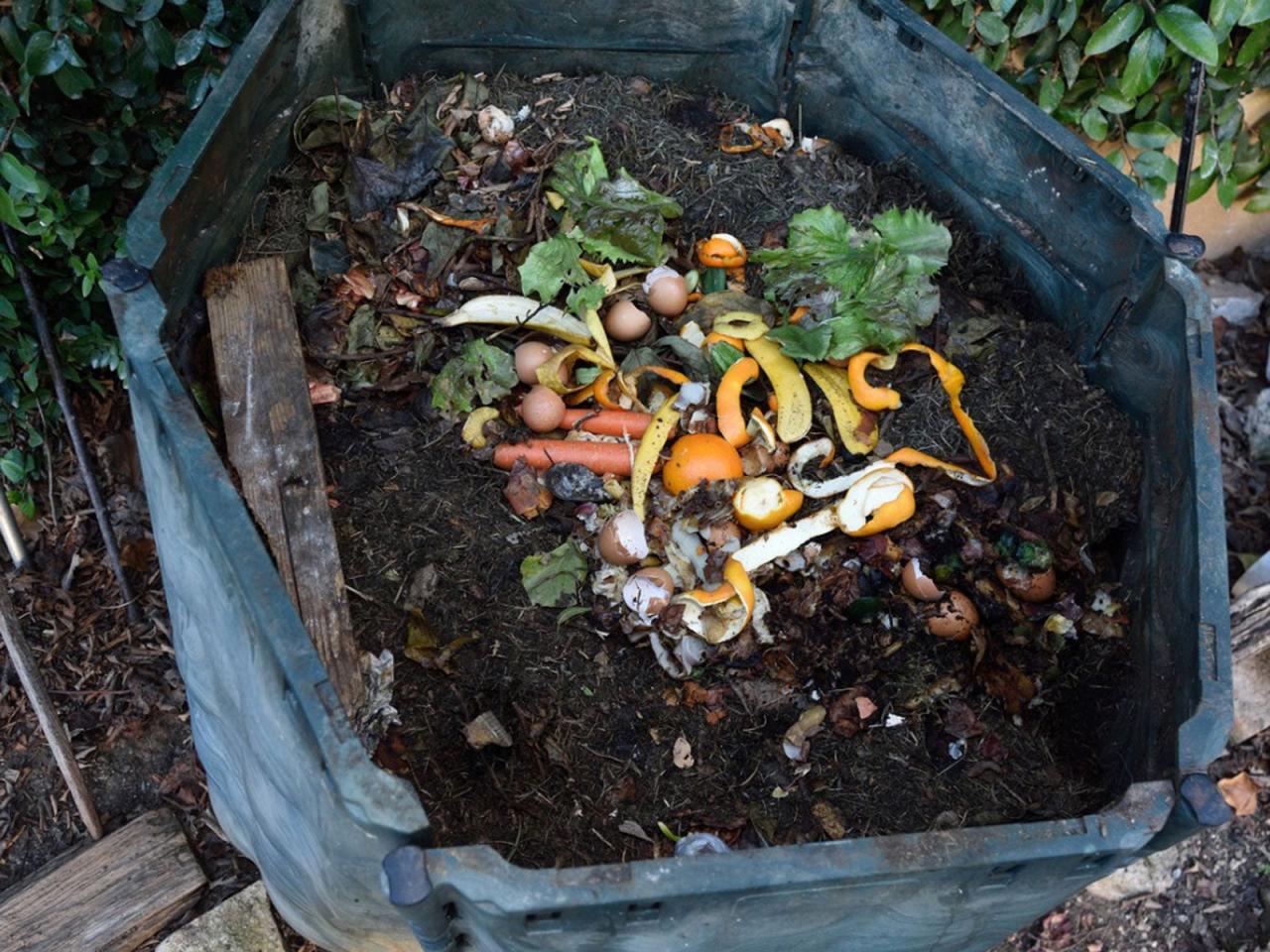
Indoor composting offers a multitude of advantages, extending beyond simply reducing household waste. It provides a convenient and effective way to transform food scraps and yard waste into valuable soil amendments, while contributing to a more sustainable lifestyle. This method offers a rewarding experience, enriching both the environment and personal well-being.Indoor composting allows for consistent and controlled composting, free from the weather-dependent nature of outdoor systems.
This consistency leads to predictable results, enabling the user to fine-tune the process and maximize the quality of the compost produced.
Environmental Advantages
Composting reduces the amount of organic waste sent to landfills, significantly minimizing the production of methane gas, a potent greenhouse gas. By diverting these materials, indoor composting plays a vital role in mitigating climate change. The reduced reliance on synthetic fertilizers also benefits the environment by decreasing the use of harmful chemicals and reducing water pollution.
Personal Benefits
Indoor composting can be a satisfying and educational experience, connecting individuals with the natural cycle of decomposition and the creation of fertile soil. It encourages a sense of environmental stewardship and allows for the creation of nutrient-rich soil for personal use.
Economic Advantages
Reducing the need for store-bought fertilizers and soil amendments can lead to substantial cost savings over time. The resulting compost can be used to enrich personal gardens, reducing reliance on commercially produced soil enhancements. This direct use of compost, in place of store-bought alternatives, can create significant cost savings in the long term.
Waste Reduction and Soil Enrichment
Indoor composting offers a simple and effective way to reduce household waste. By diverting organic materials from landfills, it helps conserve valuable resources and minimizes the environmental impact of waste disposal. The resulting compost is a rich source of nutrients, improving the quality and fertility of soil used for gardening and other applications. The use of compost in place of commercial fertilizers reduces the environmental impact of chemical production and distribution.
Comparison to Outdoor Composting
While both indoor and outdoor composting offer advantages, the methods differ significantly. Indoor composting is ideal for apartment dwellers, those with limited space, or those who prefer a more controlled environment. Outdoor composting, while often larger-scale, allows for greater volumes of materials to be processed and is well-suited for gardeners with outdoor space.
- Indoor composting is more controlled, allowing for better management of moisture and temperature, leading to faster decomposition and better compost quality. It’s perfect for urban environments or situations with limited outdoor space.
- Outdoor composting can handle larger quantities of organic waste, providing a significant environmental benefit. However, it’s weather-dependent and can be susceptible to pests and odors, requiring careful monitoring and management.
Testimonials and Experiences
Many indoor composters report significant satisfaction with their systems. Some individuals have shared their experiences online, highlighting the positive impact of reducing waste and the joy of nurturing their own compost. These positive feedback loops emphasize the personal and environmental benefits of the practice.
Conclusion
Indoor composting presents a valuable opportunity for individuals and communities to contribute to a more sustainable future. Its ability to reduce waste, create nutrient-rich soil, and minimize environmental impact makes it a worthy addition to any household’s sustainability practices.
Final Wrap-Up
In conclusion, indoor composting presents a remarkable opportunity to minimize waste and contribute to a more sustainable lifestyle. This guide has explored the multifaceted aspects of indoor composting, providing a comprehensive overview of various methods, essential materials, setup procedures, maintenance routines, and a detailed understanding of suitable food scraps. By following the provided information, you can confidently establish a thriving indoor composting system, transforming kitchen waste into valuable soil enrichments.