Waste reduction in the workplace is crucial for environmental sustainability and cost savings. This guide offers practical strategies to minimize waste across various areas, from single-use plastics to office supplies. By adopting sustainable practices, companies can create a more environmentally responsible and efficient work environment.
This comprehensive guide explores practical steps for reducing waste in the workplace, covering single-use plastics, paper waste, resource management, sustainable practices, training, and impact measurement. We’ll delve into specific solutions and provide actionable steps that businesses can readily implement.
Reducing Single-Use Plastics
Reducing single-use plastics in the workplace is crucial for environmental sustainability and corporate social responsibility. By transitioning to reusable alternatives, companies can significantly lessen their ecological footprint and contribute to a cleaner future. This section details strategies to effectively reduce reliance on single-use plastics, offering practical solutions for immediate implementation.
Common Single-Use Plastics in Workplaces
Single-use plastics permeate various aspects of modern workplaces. Understanding their prevalence is the first step towards identifying and replacing them.
- Plastic cups and bottles (for beverages)
- Plastic cutlery, plates, and food containers
- Plastic bags for packaging and waste disposal
- Plastic straws and stirrers
- Plastic packaging for food and supplies
Strategies for Replacing Single-Use Plastics
Implementing reusable alternatives is a key step in reducing single-use plastic consumption. These strategies are viable and effective approaches for many companies.
- Promote Reusable Alternatives: Encourage employees to bring their own reusable containers, mugs, and cutlery. Offer incentives for participation, such as discounts or recognition programs. Provide convenient storage solutions for reusable items in designated areas.
- Partner with Suppliers: Collaborate with suppliers to transition to packaging-free or reusable packaging options for deliveries and office supplies. Negotiate favorable terms and explore options for sustainable packaging materials.
- Invest in Reusable Equipment: Replace single-use plastic items with reusable equivalents. For instance, install water coolers with reusable water bottles for employee use. Replace plastic coffee cups with reusable mugs and provide a central area for their storage.
Comparison of Single-Use vs. Reusable Alternatives
The following table compares the environmental impact, cost, and convenience of single-use and reusable alternatives for common items.
| Item | Single-Use | Reusable | Environmental Impact | Cost | Convenience |
|---|---|---|---|---|---|
| Coffee Cups | Disposable paper or plastic cups | Reusable ceramic or stainless steel mugs | Higher waste generation, deforestation for paper, pollution from manufacturing and disposal | Lower upfront cost for paper/plastic | Convenient for immediate use |
| Water Bottles | Plastic water bottles | Stainless steel or reusable water bottles | Significant plastic pollution, energy intensive manufacturing | Higher upfront cost for reusable | Convenient for on-the-go hydration |
| Cutlery | Disposable plastic cutlery | Reusable stainless steel cutlery | Plastic waste, potential for microplastic release | Higher upfront cost for reusable | Convenient for quick use |
Implementing a Company-Wide Plastic Reduction Program
A phased approach ensures a smooth transition and successful implementation of a company-wide plastic reduction program.
- Assessment Phase: Conduct a comprehensive assessment of single-use plastic usage across all departments. Identify key areas for intervention and estimate the potential environmental impact of the program.
- Policy Development: Develop a clear policy outlining the company’s commitment to reducing single-use plastics and specifying the expected behavior of employees and suppliers.
- Resource Allocation: Allocate resources for implementing the program, including budget for purchasing reusable alternatives and training employees.
- Training and Communication: Train employees on the importance of reducing plastic use and promote the benefits of reusable alternatives. Communicate the policy effectively through various channels.
- Monitoring and Evaluation: Track the progress of the program regularly, monitor its impact on waste reduction, and adjust strategies as needed.
- Continuous Improvement: Regularly review and refine the program based on feedback and performance data. Explore opportunities for further innovation in reducing plastic consumption.
Minimizing Paper Waste
Reducing paper consumption is crucial for environmental sustainability and cost savings in any office setting. By adopting paper-conscious practices, organizations can significantly decrease their environmental footprint and contribute to a healthier planet. Implementing strategies for minimizing paper waste is an achievable goal with significant benefits for both the environment and the bottom line.
Common Sources of Paper Waste
Paper waste in offices often stems from seemingly minor daily activities. Understanding these sources helps in identifying areas for targeted intervention and improvement. A thorough awareness of these common culprits is vital for effective waste reduction strategies.
- Unnecessary Printing: Many documents are printed even when digital versions suffice. This includes unnecessary copies of emails, memos, or reports, or printing multiple versions of a document for different individuals when a single digital copy can be shared.
- Poor Printing Practices: Inefficient printing practices, such as printing on both sides of the paper or not using default settings for double-sided printing, can lead to significant waste. Also, the failure to use appropriate paper size or to utilize pre-existing templates often results in excess paper consumption.
- Outdated or Redundant Forms: Using paper forms that are outdated or redundant consumes resources and contributes to waste. Outdated forms may not be easily accessible digitally or lack the features of a modern digital alternative.
- Excessive Paper Stationery: Unnecessary paper stationery, such as excessive notepads, sticky notes, or paper clips, can accumulate quickly and contribute to waste. Overstocking and the lack of proper inventory management practices are significant factors.
- Poorly Managed Paper Recycling Programs: If the paper recycling program is not well-managed, or if staff are not properly informed or motivated to participate, paper that could be recycled may end up in the landfill. Poorly maintained or inadequate recycling infrastructure can also contribute to the problem.
Methods for Reducing Paper Consumption
Effective methods for reducing paper consumption in daily tasks involve adopting digital alternatives and improving printing practices.
- Digital Documentation: Implementing digital document workflows, such as using cloud-based storage systems and digital file sharing platforms, eliminates the need for printing physical copies of documents. This reduces paper consumption significantly and enhances collaboration and accessibility.
- Double-Sided Printing: Printing on both sides of the paper significantly reduces paper consumption and promotes efficient resource utilization. Using this simple technique can substantially cut down on the amount of paper used. It’s a cost-effective and environmentally friendly practice.
- Electronic Signatures: Utilizing electronic signatures for documents eliminates the need for physical signatures and reduces the use of paper. This is a secure and efficient method that saves time and resources.
Comparison of Paper Types
Choosing the right paper type is an important step in reducing the environmental impact of paper consumption. The following table compares different paper types based on environmental impact, cost, and quality.
| Paper Type | Environmental Impact | Cost | Quality |
|---|---|---|---|
| Recycled Paper | Lower environmental impact due to reduced demand for raw materials. | Generally lower cost compared to virgin paper. | May have slightly lower quality in terms of brightness or smoothness, but usually acceptable for most documents. |
| Unbleached Paper | Lower environmental impact due to the reduced need for chlorine-based bleaching processes. | Similar to bleached paper. | May have a slightly warmer tone, affecting the visual appeal of some documents. |
| Virgin Paper | Higher environmental impact due to the need for raw materials and production processes. | Generally higher cost. | Higher quality in terms of brightness and smoothness. |
Benefits of Digital Document Workflows and Electronic Signatures
Digital document workflows and electronic signatures offer a range of advantages over traditional paper-based systems.
- Enhanced Efficiency: Digital systems allow for faster processing and distribution of documents, significantly increasing efficiency and reducing turnaround time.
- Improved Collaboration: Cloud-based systems facilitate real-time collaboration among team members, enhancing teamwork and information sharing. It enables simultaneous access and editing of documents, which is a major benefit.
- Reduced Storage Needs: Digitization eliminates the need for extensive physical storage space, reducing the office’s footprint and costs.
- Security and Accessibility: Digital documents can be securely stored and accessed remotely, enhancing security and accessibility. Data encryption and access control features add layers of security.
Efficient Resource Management
Optimizing resource management in the workplace is crucial for sustainability and cost-effectiveness. By implementing efficient practices, businesses can reduce their environmental footprint and enhance profitability. This section details strategies for improving office equipment maintenance, optimizing energy consumption, and streamlining the disposal of office supplies.Properly managing resources extends beyond simply reducing waste; it also encompasses the careful allocation and utilization of available assets.
This proactive approach not only minimizes environmental impact but also fosters a culture of resource consciousness within the organization.
Improving Office Equipment Maintenance
Effective maintenance of office equipment reduces the need for replacements and minimizes the generation of electronic waste. Regular maintenance schedules, including cleaning, calibration, and preventative repairs, are key components of a sustainable approach. This proactive strategy extends the lifespan of equipment, preventing premature failures and reducing the demand for new purchases.
- Scheduled Maintenance: Implementing a regular maintenance schedule for all office equipment, such as printers, computers, and copiers, helps prevent breakdowns and extend their lifespan. This includes tasks such as cleaning cartridges, checking ink levels, and performing routine calibrations.
- Preventive Maintenance Programs: Establishing preventive maintenance programs for equipment, such as printers and copiers, can reduce breakdowns and extend the useful life of the equipment. This involves regularly inspecting components, performing minor repairs before they escalate, and keeping equipment properly maintained to avoid unexpected failures.
- Equipment Upgrades: When upgrading office equipment, consider energy-efficient models. Look for certifications like Energy Star or similar labels to ensure that the equipment meets high standards for energy efficiency.
Optimizing Energy Consumption
Energy conservation strategies can significantly reduce operational costs and environmental impact. These strategies aim to minimize energy usage without compromising productivity.
- Smart Lighting Systems: Implementing smart lighting systems, including motion sensors and daylight harvesting, can significantly reduce energy consumption by automatically adjusting lighting levels based on occupancy and natural light availability.
- Power-Saving Settings: Ensure all computers, monitors, and other electronic devices are set to power-saving modes when not in use. This can reduce energy consumption considerably.
- Energy-Efficient Appliances: Replacing outdated or inefficient appliances with energy-efficient models can lead to considerable savings on energy bills and a reduction in greenhouse gas emissions.
- HVAC Optimization: Optimizing heating, ventilation, and air conditioning (HVAC) systems can significantly reduce energy consumption. This includes scheduling adjustments based on occupancy and adjusting thermostat settings.
- Natural Light Maximization: Utilize natural light whenever possible. Ensure that windows are unobstructed and that interior spaces are designed to maximize natural light.
Cost-Effectiveness Comparison of Energy-Saving Measures
The following table compares the initial investment, projected savings, and payback period for several energy-saving measures. This data is illustrative and specific figures will vary based on the size and nature of the business.
| Energy-Saving Measure | Initial Investment | Projected Annual Savings | Payback Period (Years) |
|---|---|---|---|
| LED Lighting Upgrade | $5,000 | $1,500 | 3.3 |
| Smart Thermostat Installation | $200 | $300 | 0.7 |
| Power Strip Usage | $50 | $100 | 0.5 |
| Energy-Efficient Appliances | $1,000 | $250 | 4 |
Organizing and Disposing of Office Supplies
A systematic approach to organizing and disposing of office supplies at the end of a project ensures efficient resource management and minimizes waste.
- Inventory Management: Before the end of a project, conduct a thorough inventory of remaining supplies. Categorize items based on type, quantity, and condition.
- Repurposing: Identify supplies that can be repurposed or reused for other projects. This could include reusing paper for drafts or storing reusable items for future use.
- Donation: If possible, donate usable supplies to charities or other organizations that could benefit from them.
- Recycling: Ensure that recyclable materials, such as paper and cardboard, are properly separated and recycled according to company policy.
- Proper Disposal: Dispose of hazardous materials, such as batteries and electronic waste, according to local regulations and environmental guidelines.
Promoting Sustainable Practices
Enhancing sustainability in the workplace goes beyond simply reducing waste. It involves a multifaceted approach encompassing mindful resource management, employee engagement, and a commitment to long-term environmental responsibility. By adopting sustainable practices, organizations can minimize their environmental footprint, foster a more positive corporate image, and create a healthier and more productive work environment.A holistic approach to waste management is crucial for creating a sustainable workplace.
This includes not only reducing waste at its source but also exploring alternative waste management systems that maximize resource recovery and minimize environmental impact. Implementing sustainable procurement practices and actively engaging employees are key components of this holistic approach.
Comparison of Waste Management Systems
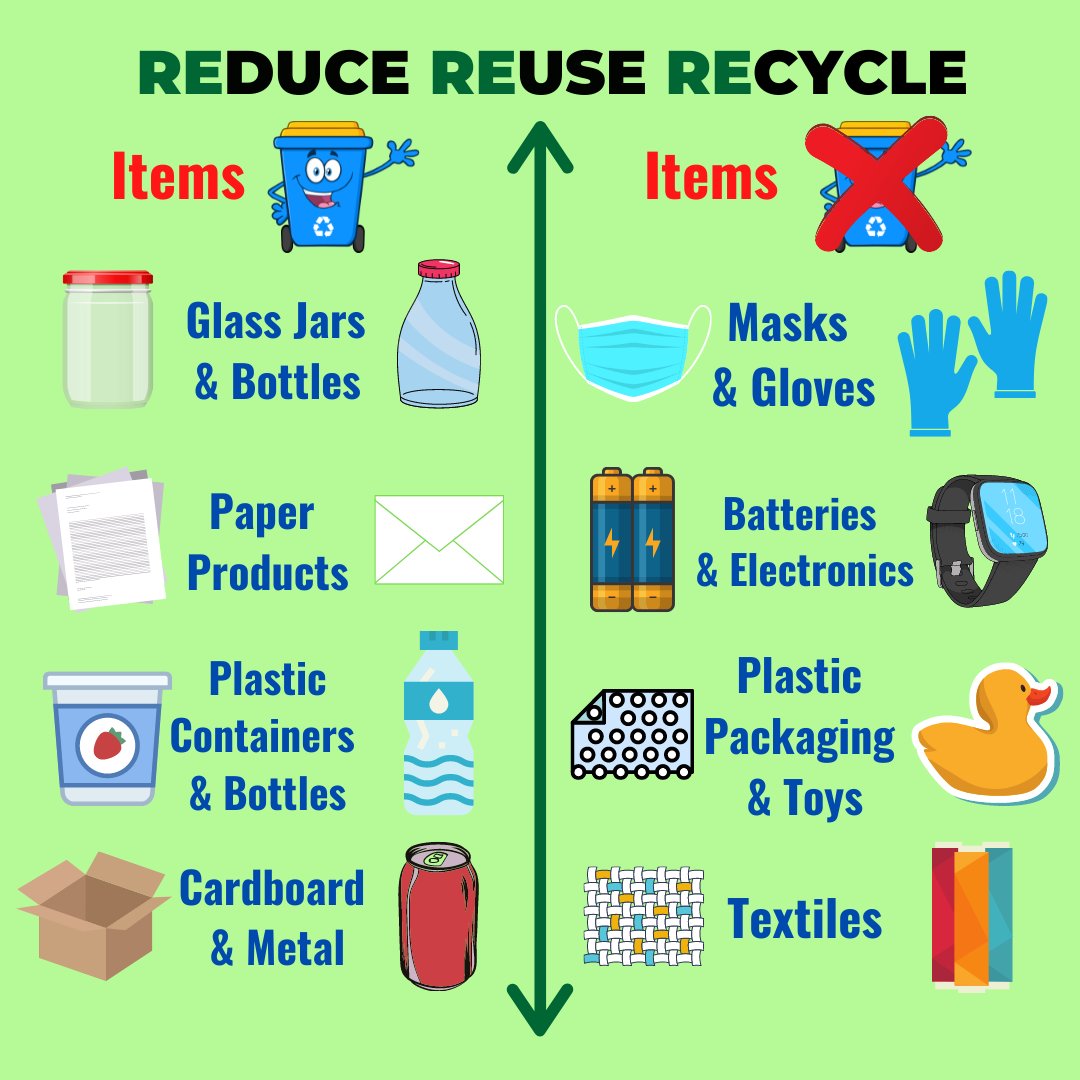
Different waste management systems offer varying degrees of environmental impact and economic efficiency. Recycling, for example, diverts materials from landfills, reducing the need for new resources and conserving energy. Composting, on the other hand, transforms organic waste into valuable soil amendments, enriching the environment and minimizing landfill burden. In contrast, incineration can be a solution for waste disposal, yet it raises concerns regarding air pollution and the potential for harmful emissions.
Each method presents a unique set of advantages and disadvantages that must be carefully weighed in relation to specific contexts.
Sustainable Procurement Guidelines for Office Supplies
Sustainable procurement extends beyond simple cost considerations, encompassing the environmental impact of products throughout their lifecycle. A commitment to sustainable procurement minimizes environmental harm and promotes ethical sourcing.
- Prioritize recycled and renewable materials in office supply purchases. This includes seeking out paper made from recycled fibers, pens with refillable ink cartridges, and furniture crafted from sustainably sourced wood.
- Select products with minimal packaging. Reducing packaging material significantly minimizes waste and transportation costs.
- Favor products with extended lifespans and durability. Investing in high-quality, long-lasting office supplies can reduce the frequency of replacements, lowering the environmental impact.
- Support local suppliers whenever possible. This reduces transportation emissions and fosters local economies.
- Seek out products certified by reputable environmental organizations. These certifications provide assurance of responsible production and environmentally sound practices.
Workplace Composting Program Implementation
A workplace composting program offers a practical way to manage organic waste, transforming it into valuable compost for landscaping or gardening. This program promotes a closed-loop system for organic waste, creating a valuable byproduct while reducing landfill waste.
| Step | Description | Resources Needed | Timeline |
|---|---|---|---|
| 1. Assessment and Planning | Evaluate current organic waste generation, identify suitable composting methods (e.g., vermicomposting, outdoor composting), and develop a detailed plan. | Waste audit data, composting experts, budget | 1-2 weeks |
| 2. Infrastructure Setup | Acquire necessary composting containers, bins, or facilities. Ensure proper sanitation and hygiene practices. | Compost bins, tools, signage | 1-2 weeks |
| 3. Training and Communication | Train employees on proper waste segregation and composting procedures. Communicate the program’s benefits and goals. | Training materials, posters, presentations | 1-2 days |
| 4. Implementation and Monitoring | Establish a system for collecting and managing organic waste. Monitor progress, address any issues, and adjust the program as needed. | Designated staff, regular checks, feedback mechanisms | Ongoing |
Benefits and Strategies for Implementing a Workplace Recycling Program
A workplace recycling program provides numerous advantages. It reduces landfill burden, conserves resources, and promotes environmental responsibility.
Recycling programs can reduce operational costs by minimizing the need for new materials and promoting resource efficiency.
Effective strategies for successful implementation include:
- Establish clear guidelines for recycling materials, including different types of recyclables and proper sorting procedures. This includes signage and well-defined receptacles.
- Offer incentives for employee participation, such as recognition programs or rewards for high recycling rates.
- Conduct regular audits to track recycling rates and identify areas for improvement.
- Collaborate with local recycling centers to ensure proper disposal and processing of collected materials.
Training and Awareness
Cultivating a culture of waste reduction requires a concerted effort from all employees. Effective training and clear communication are crucial to ensure everyone understands the importance of these practices and how to effectively implement them in their daily work routines. This approach fosters a sense of shared responsibility and encourages proactive participation in waste reduction initiatives.
Presentation Script: Waste Reduction Strategies
This presentation aims to equip employees with practical strategies for reducing waste within the workplace. The 10-minute presentation will cover key principles, practical tips, and actionable steps employees can take to contribute to a more sustainable work environment.
Introduction (1 minute): Briefly introduce the company’s commitment to sustainability and waste reduction initiatives. Highlight the benefits of waste reduction for the environment, company image, and individual well-being.
Understanding Waste Reduction Principles (2 minutes): Explain the concept of the 5 R’s (Reduce, Reuse, Recycle, Refuse, Rot). Provide concrete examples of how these principles can be applied in the workplace, such as choosing reusable water bottles or avoiding single-use plastics.
Practical Waste Reduction Tips (3 minutes): Detail practical steps employees can take in their daily routines, including minimizing paper consumption, properly sorting recyclables, and choosing sustainable alternatives to single-use products. Encourage the use of digital documentation whenever possible.
Actionable Steps (3 minutes): Discuss the roles of individual employees in implementing waste reduction practices, such as reporting waste-related issues, participating in recycling programs, and promoting the initiative to colleagues. Encourage the use of reusable containers for food and drinks. Showcase successful waste reduction stories from other organizations.
Q&A (1 minute): Open the floor for questions and address concerns raised by the audience.
Employee Understanding Assessment
Assessing employee understanding of waste reduction principles is vital to gauge the effectiveness of training and identify areas requiring further clarification.
- Purpose: This quiz aims to gauge employee comprehension of key waste reduction concepts and practical applications.
- Content: The quiz will include multiple-choice questions that test knowledge of waste reduction principles, practical tips, and the company’s waste reduction policies. Examples of questions could include: What are the 5 R’s? How can we reduce paper waste? What are the benefits of reducing single-use plastics?
- Format: The quiz will be brief, containing around 5-7 questions, and will be easily accessible through an online platform. A printable version is also available.
- Frequency: Regular quizzes, perhaps quarterly, can track employee understanding over time and highlight areas needing further emphasis.
Importance of Communication and Feedback
Open communication and constructive feedback are vital for fostering a culture of waste reduction. They ensure everyone feels heard, valued, and empowered to contribute.
- Open Communication Channels: Establish clear communication channels for sharing information about waste reduction initiatives, best practices, and progress updates. This could involve regular newsletters, internal forums, or dedicated intranet pages. Ensure that feedback is easily accessible and actionable.
- Regular Feedback Mechanisms: Implement feedback mechanisms for employees to share their ideas, concerns, and suggestions for improving waste reduction programs. This includes suggestion boxes, online surveys, or focus groups.
- Employee Recognition: Acknowledge and reward employees who actively participate in waste reduction initiatives to encourage continued participation and create a positive atmosphere. This fosters a sense of community and shared responsibility.
Methods for Recognizing and Rewarding Employees
Recognizing and rewarding employees who contribute to waste reduction efforts is crucial for maintaining momentum and fostering a culture of sustainability.
- Employee of the Month Award: This award can be given to employees who consistently demonstrate exceptional commitment to waste reduction, such as actively participating in recycling programs or implementing innovative ideas. The nomination process should be clear and transparent.
- Public Acknowledgement: Regularly acknowledging employees’ contributions through company newsletters, intranet announcements, or team meetings can create a sense of community and inspire others. For example, feature a team or individual who successfully implemented a waste reduction strategy.
- Small Incentives: Offer small incentives, such as gift cards or appreciation certificates, for employees who consistently adhere to waste reduction practices. This could be done through a points-based system or recognition program.
Measuring Impact
Assessing the effectiveness of waste reduction initiatives requires a structured approach to track progress and identify areas for improvement. Quantifiable metrics provide valuable insights into the success of implemented strategies and inform future decisions. By measuring the impact of these initiatives, organizations can demonstrate the value of their efforts to stakeholders and potentially secure further funding or support.
Metrics for Measuring Waste Reduction
Understanding the effectiveness of waste reduction strategies hinges on the selection of appropriate metrics. These metrics must be relevant to the specific goals of the initiative and easily measurable. Choosing the right metrics ensures that the data accurately reflects the impact of the waste reduction program.
- Reduction in total waste generation: This metric measures the overall decrease in the volume of waste produced over a defined period. Data can be collected from waste disposal records and compared to previous periods. For example, a 15% reduction in total waste generated from January to December compared to the previous year demonstrates a positive impact.
- Reduction in specific waste streams: This metric focuses on reducing particular types of waste, such as single-use plastics, paper, or food scraps. Tracking the decrease in these specific waste streams provides a more targeted view of the program’s effectiveness. For instance, a 20% decrease in paper waste demonstrates success in targeted waste reduction.
- Resource consumption: Monitoring the consumption of resources, such as water and energy, associated with waste management activities. A decrease in resource consumption demonstrates efficiency gains, showing that less resource is used for waste management processes. This can be done by comparing the consumption of resources before and after the implementation of waste reduction initiatives.
- Cost savings: Calculating the monetary value of waste reduction, factoring in the costs of waste disposal, resource consumption, and potential revenue generation from recycled materials. This metric quantifies the financial benefits of waste reduction initiatives. For example, a reduction in waste disposal costs of $5,000 over a year demonstrates the financial viability of the program.
- Employee engagement: Measuring employee participation in waste reduction programs through surveys, feedback forms, or observation. A high level of employee engagement indicates a strong commitment to the initiative. This can be quantified by calculating the percentage of employees participating in waste reduction programs or by measuring employee satisfaction through surveys.
Tracking and Analyzing Waste Reduction Data
A systematic approach to tracking waste reduction data is crucial for monitoring progress and identifying trends. Regular data collection and analysis enable organizations to refine their strategies and optimize resource allocation.
- Establish a baseline: Determine the initial level of waste generation before implementing any waste reduction strategies. This baseline provides a reference point for measuring progress over time.
- Regular data collection: Collect data on waste generation at consistent intervals, such as weekly or monthly. This ensures a consistent record of waste generation patterns.
- Data analysis: Analyze the collected data to identify trends and patterns in waste generation. This analysis can reveal the effectiveness of different waste reduction strategies.
- Comparison to baseline: Compare the current waste generation levels with the baseline data to assess the progress of waste reduction initiatives.
Reporting Waste Reduction Progress
Effective reporting of waste reduction progress to stakeholders is essential for demonstrating the value of the initiative and fostering support. Clear and concise reporting keeps stakeholders informed and engaged.
- Regular reports: Present progress reports to stakeholders on a predetermined schedule, such as quarterly or annually. These reports should highlight key findings and trends.
- Visualizations: Utilize charts and graphs to present data in a clear and concise manner. Visualizations help stakeholders quickly grasp the progress made.
- Key performance indicators (KPIs): Focus on reporting key metrics relevant to stakeholders, such as waste reduction targets and cost savings.
- Actionable insights: Include recommendations for future strategies based on data analysis. This ensures the reporting is not just informative, but also actionable.
Evaluating and Adjusting Strategies
Continuous evaluation and adjustment of waste reduction strategies are crucial for long-term success. Analyzing data allows for the identification of areas requiring improvement or adjustments.
Adapting strategies based on data analysis ensures that resources are allocated effectively and that initiatives remain aligned with organizational goals.
Closing Notes
In conclusion, effectively reducing waste at work requires a multifaceted approach that encompasses mindful resource management, sustainable procurement, and comprehensive training. By integrating these strategies, businesses can significantly minimize their environmental footprint, enhance their bottom line, and foster a more sustainable work culture. The practical examples and actionable steps provided in this guide will help you on your journey to a more environmentally conscious workplace.