Traveling sustainably is becoming increasingly important, and reducing waste is a key aspect of responsible travel. This guide provides practical strategies to minimize your environmental impact, from packing choices to waste management during your trip. By embracing reusable items, mindful food choices, and eco-conscious accommodations, you can significantly lessen your footprint while enjoying your journey.
The guide will cover everything from packing light and choosing reusable alternatives to selecting eco-friendly accommodations and transportation options. We’ll also explore strategies for managing waste effectively in various travel settings, including tourist destinations and local communities.
Packing Strategies for Minimizing Waste
Traveling sustainably involves mindful choices, extending beyond the destination to encompass the journey itself. Reducing waste in our travel preparations is crucial for minimizing environmental impact. Careful packing strategies play a vital role in achieving this goal. By using reusable items and packing efficiently, we can significantly reduce the amount of waste generated during our trips.Effective packing minimizes the need for single-use plastics and other disposable items.
By proactively planning and choosing reusable alternatives, travelers can contribute to a more sustainable travel experience. This approach ensures that the trip’s environmental footprint is as small as possible, leaving a positive impact on the destinations we visit.
Reusable Packing Items for Reducing Single-Use Plastics
Careful planning can eliminate reliance on single-use plastics during travel. Substituting disposable items with reusable alternatives is key to minimizing plastic waste.
- Reusable shopping bags:
- Reusable water bottles:
- Reusable food containers:
- Fabric shopping bags:
- Bamboo or metal cutlery and utensils:
- Reusable coffee cups:
These are essential for carrying purchases and minimizing the need for plastic bags.
Refill your water bottle throughout your trip to avoid buying bottled water.
These are crucial for storing snacks and leftovers, avoiding single-use plastic wrap or containers.
Durable, reusable fabric bags are ideal for shopping and reducing the use of plastic bags.
Replace disposable cutlery and utensils with durable, reusable alternatives.
Avoid single-use coffee cups by carrying your own reusable option.
Packing Efficiently to Avoid Overpacking and Waste
Overpacking often leads to unnecessary waste. Effective packing strategies reduce the risk of unused items and excessive baggage.
- Clothing Choices:
- Packing Cubes:
- Rolling Clothes Instead of Folding:
- Prioritize Multi-Purpose Items:
- Assess Needs Before Packing:
Select clothing items that can be mixed and matched to create multiple outfits. This approach minimizes the number of garments needed for the trip, reducing the likelihood of bringing unused items.
Packing cubes organize clothes and maximize space in luggage, preventing wrinkles and allowing for better use of space.
Rolling clothes reduces wrinkles and maximizes space. This technique is especially useful for packing delicate fabrics.
Items like versatile jackets or a scarf can serve multiple functions, reducing the need to pack separate items.
Before packing, list essential items. This helps to avoid unnecessary items and reduce overpacking.
Packing Checklist for Mindful Packing Choices
A structured checklist aids in making conscious packing decisions, reducing waste.
- Clothing Items:
- Toiletries:
- Electronics:
- Documents:
- Food and Snacks:
- Other Essentials:
List the specific clothing items needed, focusing on versatile pieces that can be mixed and matched.
List toiletries and choose reusable containers for reducing plastic waste.
Consider the necessary electronics and their chargers.
Ensure all necessary documents are organized and readily available.
Plan your food and snacks, and use reusable containers to avoid single-use packaging.
Include any other necessary items for the trip.
Packing Methods for Different Trip Types
Different trip types necessitate tailored packing strategies. Efficient methods minimize waste and maximize the use of space.
- Weekend Trip:
- Backpacking Trip:
- Business Trip:
Pack only essential clothing items that can be mixed and matched, minimizing luggage and waste.
Pack light, prioritizing durable and versatile items. Utilize packing cubes to organize and maximize space.
Pack business attire that can be mixed and matched. Bring reusable containers for snacks and meals to avoid single-use packaging.
Choosing Clothing Items for Minimized Luggage
Selecting clothing items that can be mixed and matched minimizes the need to pack excess clothing. This reduces the overall volume of luggage and waste.
- Versatile Pieces:
- Multi-Functional Items:
- Layering Strategy:
Opt for neutral-colored, versatile tops, bottoms, and jackets that can be mixed and matched to create multiple outfits.
Items such as a scarf or a light jacket can serve multiple purposes, reducing the number of items to pack.
Pack clothing layers to adapt to varying weather conditions. This strategy minimizes the need to bring multiple outfits.
Comparing Reusable Containers for Food Items
Reusable containers offer a sustainable alternative to single-use packaging. Choosing the right container depends on the type of food item.
| Food Item | Best Reusable Container | Reasoning |
|---|---|---|
| Dry Snacks | Airtight containers | Prevents moisture absorption and maintains freshness. |
| Fruits and Vegetables | Reusable produce bags | Preserves freshness and reduces plastic waste. |
| Leftovers | Food storage containers | Maintains food safety and avoids contamination. |
| Sandwiches and Wraps | Reusable wraps | Avoids plastic wrap or disposable bags. |
Food Waste Reduction Techniques
Minimizing food waste during travel is crucial for environmental sustainability and personal frugality. Effective strategies can significantly reduce the amount of edible food that ends up discarded, contributing to a more responsible and efficient travel experience. Careful planning and mindful choices are key to minimizing food waste during any type of trip.Careful planning and preparation are vital to minimize food waste on trips.
Understanding the duration of the trip, the dietary needs of travelers, and the accessibility of local food sources are all factors to consider. A thorough understanding of these factors allows for more effective food choices, minimizing the likelihood of discarding edible food.
Meal Planning for Minimizing Waste
Meal planning is essential for reducing food waste during travel. A well-structured plan allows for accurate estimations of food requirements, preventing over-purchasing and ensuring that all food is consumed. Pre-trip planning should account for the specific type of trip, considering the duration, dietary restrictions, and potential access to food sources. This pre-trip planning ensures that meals are well-suited to the trip’s circumstances.
For instance, a weekend getaway may necessitate a different approach to meal planning than a multi-week backpacking trip.
Food Storage and Shelf Life Extension
Proper food storage is critical for preserving the quality and safety of food during travel. Appropriate storage methods help to maintain food freshness and prevent spoilage. Consider using reusable containers to transport food and keep it organized. Employing appropriate storage techniques, such as using airtight containers, and keeping foods at the proper temperatures are vital for maintaining quality.
Using insulated bags or coolers is particularly important for perishable items. The type of trip significantly impacts storage requirements. For example, a weekend trip to a nearby city may necessitate different storage solutions than a month-long trek through a remote region.
Finding Local Markets and Restaurants
Exploring local markets and restaurants can offer unique culinary experiences while minimizing food waste. Local markets often offer fresh, locally sourced produce, which is generally less likely to spoil during travel compared to pre-packaged goods. This approach not only reduces food waste but also promotes local economies. Restaurants can also offer a solution to minimizing waste by providing portions appropriate to the number of travelers, ensuring that food is consumed within a reasonable time frame.
Restaurant choices should also consider the type of trip, as a restaurant specializing in large portions may be suitable for a group of hikers but not for a couple on a romantic getaway.
Leftover Consumption Strategies
Effective strategies for consuming leftovers can significantly reduce food waste. Repurposing leftovers into different meals is a practical way to maximize consumption. For instance, leftover roasted vegetables can be incorporated into a pasta dish or used in a frittata. This strategy is beneficial for a multitude of travel types. Leftover food should be stored properly to prevent spoilage, especially during longer journeys.
Choosing Less Perishable Food Options
Choosing food options that are less prone to spoiling during travel is crucial for minimizing food waste. Non-perishable foods, such as grains, dried fruits, nuts, and canned goods, are often suitable for trips with extended durations. For trips involving outdoor activities, energy-dense foods that provide sustained energy are preferable to easily perishable items. This is important for various travel types.
Minimizing Single-Use Plastics
Traveling often involves a multitude of disposable items, contributing significantly to plastic waste. Consciously reducing reliance on single-use plastics during trips can significantly lessen your environmental impact. This section explores practical strategies to minimize plastic waste throughout your journey.Single-use plastics, such as water bottles, bags, and cutlery, are pervasive in travel. By adopting reusable alternatives, travelers can contribute to a more sustainable approach to their journeys.
This involves mindful choices from choosing reusable water bottles to opting for eco-friendly souvenirs. The benefits extend beyond environmental protection; it also fosters a personal connection with mindful consumption.
Avoiding Single-Use Plastic Water Bottles
The ubiquitous single-use plastic water bottle is a significant source of plastic pollution. Carrying a reusable water bottle is a simple yet effective way to reduce plastic waste. Filling your reusable bottle at public water fountains or refilling stations is a great way to eliminate reliance on bottled water. This practice is not only environmentally friendly but also economically sound, saving money in the long run.
Reusable Alternatives for Common Single-Use Plastic Items
Numerous reusable alternatives exist for common single-use plastic items. These alternatives offer practical solutions to minimize plastic consumption and reduce environmental impact.
- Water Bottles: Stainless steel, glass, or high-quality plastic bottles are excellent reusable alternatives. These materials are durable and can withstand repeated use. They can be purchased from various retailers and often come in diverse styles and sizes, allowing for personal preferences.
- Shopping Bags: Reusable shopping bags, made from materials like canvas, jute, or recycled plastic, offer alternatives to single-use plastic bags. Their durability and ease of use make them convenient for grocery shopping and other errands. Different materials offer various levels of durability and style.
- Cutlery: Reusable cutlery sets, often made from stainless steel or bamboo, are practical alternatives to disposable plastic cutlery. They are ideal for picnics, outdoor meals, or when eating out at restaurants that offer reusable options.
- Coffee Cups: Reusable coffee cups, crafted from materials like stainless steel or ceramic, are an excellent alternative to disposable coffee cups. They are a sustainable way to enjoy your morning coffee or other beverages.
Bringing Your Own Reusable Water Bottle and Coffee Cup
Bringing your own reusable water bottle and coffee cup is a simple yet impactful step towards reducing plastic waste. These actions significantly reduce the reliance on single-use items, reducing environmental impact. Furthermore, using reusable containers reduces the amount of waste produced during trips.
Comparing Reusable Shopping Bags
Reusable shopping bags come in various materials and styles, each with unique benefits.
| Material | Benefits | Drawbacks |
|---|---|---|
| Canvas | Durable, stylish, and relatively affordable. | Can be bulky when empty, may not be waterproof. |
| Jute | Eco-friendly, strong, and biodegradable. | Can be prone to tearing, not as waterproof as canvas. |
| Recycled Plastic | Environmentally conscious, lightweight, and durable. | May not be as stylish as other options. |
Minimizing Plastic Waste While Using Toiletries
Traveling often involves using single-use plastic toiletries. Using reusable containers for toiletries, such as solid shampoo bars or refillable travel-sized containers, is a simple yet effective way to reduce plastic waste. Solid shampoo bars are a great example of a more sustainable alternative, reducing the need for plastic bottles.
Reducing Reliance on Plastic Packaging When Buying Souvenirs
Souvenirs often come in plastic packaging. Seeking out souvenirs made from sustainable or reusable materials is a mindful choice. Choosing souvenirs with minimal plastic packaging, such as handmade crafts or locally sourced items, is a practical step to reducing plastic consumption. Looking for alternative options, such as items that are not individually packaged, reduces waste. Support local artists or artisans for unique souvenirs with less packaging.
Accommodation Choices for Waste Reduction
Choosing eco-conscious accommodations plays a vital role in minimizing environmental impact during travel. Sustainable practices within hotels and resorts extend beyond guest rooms, encompassing the entire operation, from waste management to energy efficiency. By selecting lodgings that prioritize sustainability, travelers contribute to a more responsible and environmentally friendly tourism industry.
Selecting Sustainable Accommodations
Careful consideration of the accommodation’s environmental policies is crucial. Look for hotels and resorts with publicly available information about their waste reduction and recycling programs. Transparency in these areas demonstrates a commitment to sustainability.
Examples of Eco-Friendly Accommodations
Numerous hotels and resorts are actively engaged in waste reduction initiatives. The Four Seasons Resort Bali at Sayan, for example, implements comprehensive waste management programs, including composting organic waste and diverting recyclables from landfills. Similarly, many hotels use reusable items like towels and cutlery to reduce single-use plastics. The Avani Sepang Goldcoast Resort & Spa, in Malaysia, is known for its initiatives in energy conservation, water management, and waste reduction.
These examples highlight the commitment of some hotels to environmentally responsible practices.
Questions to Ask When Booking
To ensure a sustainable stay, ask pertinent questions when booking. Inquire about the hotel’s waste management procedures, including the presence of recycling programs and composting facilities. Enquire about the hotel’s policies on reusable items like towels and toiletries. Understanding the hotel’s water and energy conservation strategies is also valuable. These inquiries help travelers choose accommodations aligned with their environmental values.
Benefits of Choosing Sustainable Accommodations
Selecting accommodations committed to waste reduction and recycling offers numerous benefits. These include supporting environmentally conscious businesses, reducing your personal environmental footprint, and contributing to a more sustainable travel industry. Furthermore, many eco-friendly hotels and resorts implement strategies to conserve water and energy, which results in lower operational costs and greater financial responsibility.
Checklist for Assessing a Potential Accommodation’s Waste Reduction Practices
This checklist can guide your assessment of a potential accommodation’s commitment to waste reduction.
- Does the hotel/resort have a publicly available sustainability report or policy statement?
- Are recycling and composting programs in place?
- Do they provide reusable items like towels, cutlery, and toiletries?
- Are there any water or energy conservation initiatives implemented?
- Are single-use plastics minimized or eliminated?
- Are there clear procedures for waste disposal and recycling?
Comparing Accommodation Options Based on Waste Reduction Strategies
Different accommodations may employ varied approaches to waste reduction. Some hotels might focus primarily on recycling, while others prioritize composting. Comparing these approaches can help you make an informed decision.
| Accommodation Type | Waste Reduction Strategies | Example Practices |
|---|---|---|
| Eco-lodges | Often prioritize minimizing environmental impact through sourcing, waste reduction, and conservation | Use locally sourced materials, compost organic waste, reduce water usage |
| Luxury Hotels | May incorporate sustainable practices into their operations, but strategies may vary | Implementing recycling programs, using energy-efficient appliances, offering reusable amenity options |
| Budget-friendly Hotels | May not have as extensive programs as eco-lodges or luxury hotels, but some are still committed to waste reduction | Implementing recycling programs, minimizing single-use plastics |
Transportation Strategies for Sustainable Travel
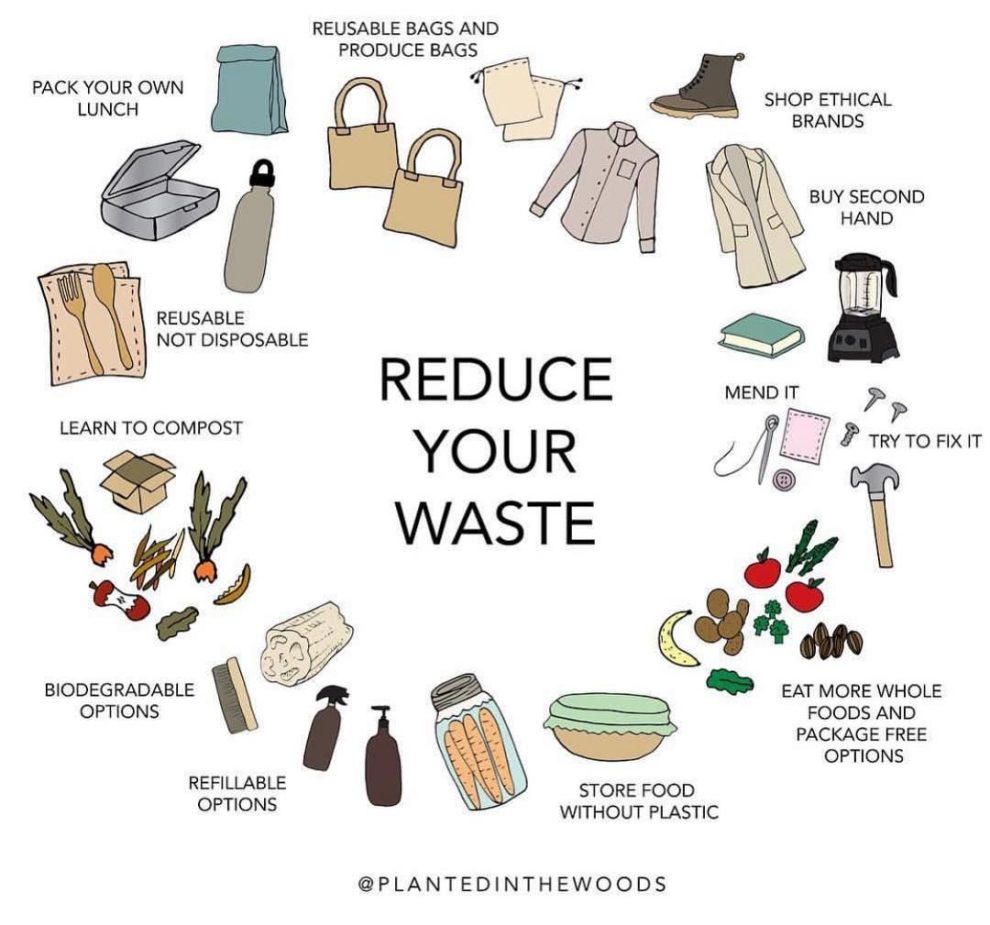
Choosing sustainable transportation options is crucial for minimizing the environmental impact of travel. By opting for eco-friendly modes of transport, travelers can significantly reduce their carbon footprint and contribute to a healthier planet. This section details strategies for selecting sustainable transportation methods and explores the waste implications of various options.Sustainable transportation is not merely a matter of personal preference; it’s a significant contributor to overall waste reduction.
Choosing public transport, cycling, or walking over private vehicles reduces the reliance on fossil fuels, decreasing greenhouse gas emissions and the associated pollution. These actions directly contribute to minimizing waste generated from transportation-related activities.
Sustainable Transportation Options
Selecting sustainable transportation options depends on the nature of the trip. Considerations include distance, duration, and the desired level of comfort. For shorter distances, walking or cycling are excellent choices, minimizing waste and promoting physical health. For longer journeys, public transport or electric vehicles offer viable alternatives to traditional gasoline-powered cars.
Impact of Different Transportation Modes on Waste Generation
The environmental impact of various transportation modes varies significantly. Cars, especially those relying on gasoline, produce substantial waste in the form of exhaust emissions and discarded materials like tires and oil. Conversely, public transport, while not entirely emission-free, often carries more passengers per unit of energy, reducing waste per person. Cycling and walking produce minimal waste, making them the most environmentally friendly options for short-distance travel.
Tips for Reducing Waste During Car Trips
Efficient car travel can contribute to waste reduction. Travelers can reduce waste by:
- Combining trips to minimize the number of journeys.
- Using fuel-efficient vehicles or those with electric options.
- Maintaining regular vehicle maintenance to improve fuel efficiency.
- Avoiding unnecessary driving, opting for alternative transport when possible.
- Packing reusable containers and water bottles to reduce single-use plastics.
Choosing Eco-Friendly Transportation Options for Different Trip Types
The choice of transportation method should align with the specifics of the trip. For short errands within a city, walking or cycling are ideal. For longer journeys, consider public transport or electric vehicles. For vacations involving multiple destinations, a mix of methods may be the most sustainable approach. For instance, utilizing public transport within a city and renting a bike for exploring local areas or using an electric vehicle for intercity travel.
Advantages of Public Transport Over Private Vehicles
Public transport often offers significant advantages over private vehicles, including:
- Reduced traffic congestion and associated air pollution.
- Lower carbon footprint per passenger due to shared use of resources.
- Cost-effectiveness for individuals, especially in densely populated areas.
- Potential for enhanced community engagement and accessibility.
Comparison of Transportation Options
| Transportation Mode | Environmental Impact | Waste Generation | Cost |
|---|---|---|---|
| Walking | Low | Minimal | Low |
| Cycling | Low | Minimal | Low |
| Public Transport | Medium | Moderate | Moderate |
| Electric Vehicle | Low | Moderate (depending on battery production) | High (initial cost) |
| Gasoline-Powered Car | High | High | Moderate |
Note: Environmental impact and waste generation are relative to the distance and duration of the trip. Cost is relative to individual circumstances and local factors.
Waste Management During Travel
Effective waste management is crucial for minimizing environmental impact during travel. Proper disposal practices not only contribute to a cleaner destination but also demonstrate respect for local communities and ecosystems. Understanding and adhering to local regulations and employing responsible waste disposal methods are key elements of sustainable travel.Proper waste management during travel is essential for minimizing environmental harm and respecting local communities.
It involves understanding local regulations, selecting appropriate disposal methods, and minimizing waste generation at tourist attractions and accommodations. By adopting these practices, travelers can significantly reduce their negative impact and contribute to a more sustainable travel experience.
Understanding Local Waste Disposal Regulations
Understanding local waste disposal regulations is paramount for responsible waste management. These regulations vary significantly between countries and even within regions. Knowledge of these regulations ensures that waste is disposed of correctly, avoiding fines or environmental damage. Failure to comply with local rules can lead to penalties and negatively affect the traveler’s experience. This includes awareness of different types of waste streams (e.g., recyclables, compostables, hazardous materials) and where to deposit each type.
Waste Disposal Tips for Different Locations
Proper waste disposal varies greatly across different regions. Adopting appropriate strategies is crucial for minimizing environmental impact. Understanding the specific waste disposal procedures in a destination is key.
- Developed Countries: Many developed nations have well-established recycling and composting programs. Familiarize yourself with the local guidelines for separating recyclable materials (paper, plastic, glass, metal) from general waste. Look for designated bins or collection points. Composting facilities are also common in many areas.
- Developing Countries: Waste management infrastructure may be less developed, requiring a different approach. Look for designated waste disposal areas or contact local authorities for guidance. Avoid littering, as it can significantly impact local environments and waste management systems.
- Rural Areas: Rural areas may have limited waste disposal options. Pack out all waste generated during your stay to avoid impacting the environment. Reduce consumption of single-use items, like plastic bags, to minimize waste generation.
Reducing Waste at Tourist Attractions
Tourist attractions often generate significant waste. Minimizing waste at these locations is vital. Carry reusable water bottles, coffee cups, and shopping bags to avoid single-use items. Encourage others to adopt similar practices.
- Pack Out What You Pack In: Take all your waste with you when leaving an attraction, rather than leaving it behind. This includes food packaging, disposable cups, and any other items.
- Support Sustainable Practices: Choose attractions that prioritize waste reduction or support initiatives focused on sustainable tourism. Look for eco-friendly restaurants and cafes.
- Reduce Consumption: Limit the purchase of souvenirs and promotional items that may contribute to waste.
Recycling and Composting Abroad
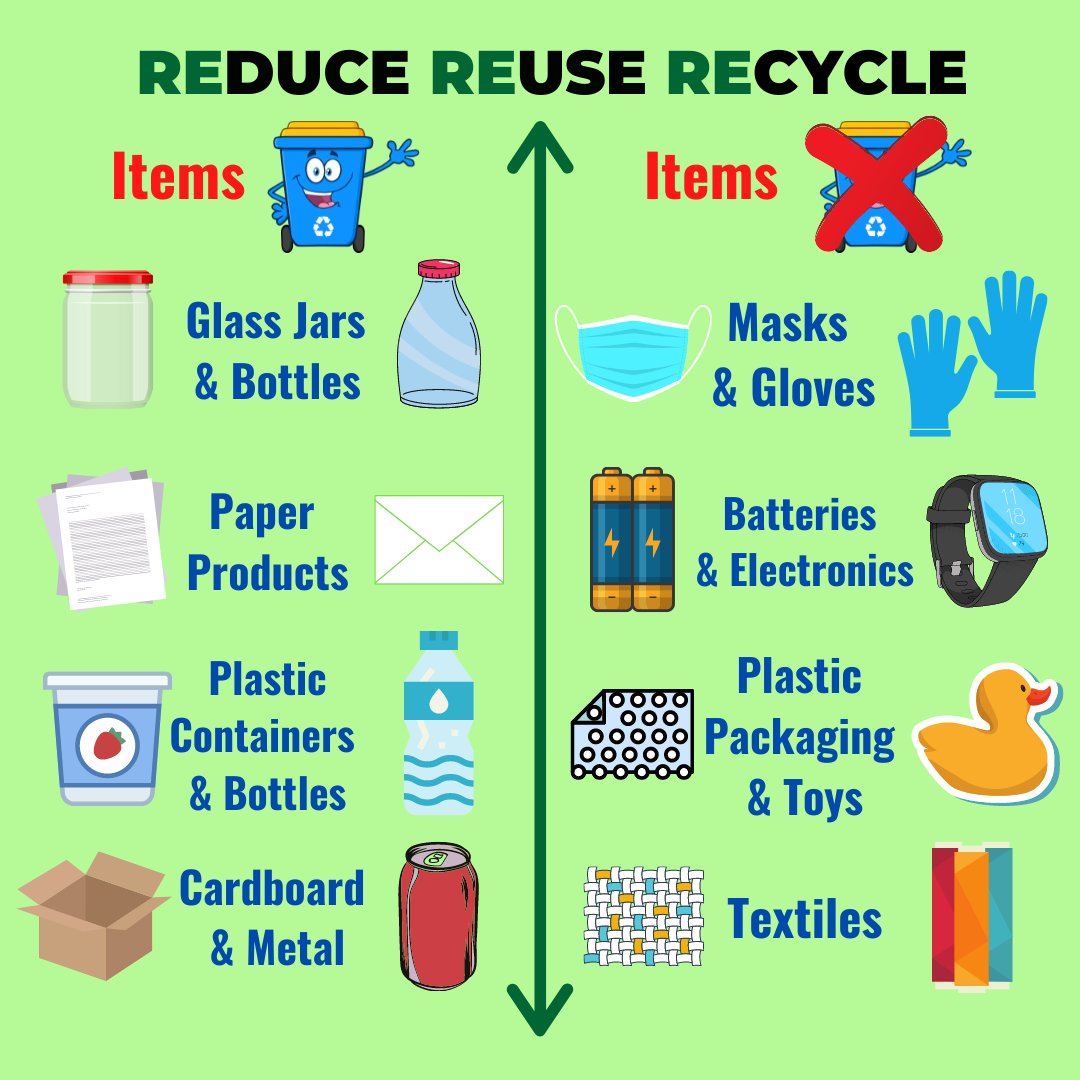
Recycling and composting practices vary significantly globally. Research local guidelines and actively participate in these programs whenever possible.
- Recycling Programs: Check for local recycling programs and designated bins for specific materials. Understanding the accepted materials will help you maximize recycling efforts.
- Composting: Composting programs may exist in some areas, enabling the decomposition of organic waste. Look for composting bins or programs to utilize these services effectively.
- Local Resources: Contact local authorities or tourist information centers for details on waste management programs.
Responsible Waste Management in Different Environments
Responsible waste management practices are crucial in diverse travel settings. Adapt strategies to specific environments for optimal effectiveness.
- National Parks and Wilderness Areas: Leave no trace behind. Pack out all trash, avoid littering, and minimize your impact on the environment.
- Coastal Areas: Be mindful of marine debris. Avoid discarding any waste near beaches or coastal areas. Support initiatives to combat plastic pollution.
- Urban Areas: Utilize designated bins and recycling programs. Avoid littering and be respectful of public spaces.
Creating a Waste Reduction Action Plan for Travel
Planning for sustainable travel involves more than just choosing eco-friendly accommodations. A well-structured action plan is crucial for minimizing your environmental impact throughout the entire trip. This plan should encompass various aspects of travel, from packing to transportation and waste management, ensuring a responsible and mindful journey.A comprehensive waste reduction action plan for travel allows you to proactively address potential environmental concerns.
It empowers you to make informed decisions at each stage of your trip, from choosing your destination to disposing of your trash. By implementing this plan, you can effectively reduce your carbon footprint and contribute to a more sustainable travel experience.
Personal Travel Waste Reduction Action Plan Template
This template provides a framework for creating a personalized waste reduction action plan for your upcoming trip. Tailor it to your specific travel style and the nature of your trip (e.g., city break, backpacking, luxury vacation).
- Trip Details: Include the destination, dates, trip type, and estimated duration. This provides context for your plan.
- Packing Strategy: Artikel your packing list, focusing on reusable items. Specify how you’ll minimize single-use plastics and packaging.
- Food Waste Reduction: Detail your strategies for reducing food waste, such as meal planning and portion control.
- Accommodation Choices: Describe your chosen accommodation and how you plan to reduce waste in that environment.
- Transportation Strategies: Specify your transportation methods and how you plan to minimize your environmental impact during travel.
- Waste Management During Travel: Artikel your plan for managing waste effectively, including recycling and proper disposal.
- Sustainable Activities: List activities you will participate in that support environmental conservation, like visiting a local farm or participating in a guided tour focusing on local ecology.
- Emergency Plan: Detail how you’ll address unexpected situations, such as running out of reusable items or finding limited waste disposal options.
Checklist for Evaluating and Choosing Sustainable Travel Activities
This checklist ensures you choose activities that align with your sustainability goals.
- Local Involvement: Does the activity support local communities and businesses? Does it involve local vendors and services, rather than large corporations?
- Environmental Impact: Does the activity minimize its environmental impact? Does it prioritize eco-friendly practices?
- Respect for Culture: Does the activity show respect for the local culture and environment? Does it involve respectful engagement with local traditions?
- Ethical Considerations: Does the activity promote ethical labor practices? Are workers fairly compensated and treated with respect?
- Educational Value: Does the activity offer an opportunity for learning about the local environment and culture? Does it provide a chance to enhance understanding of the destination’s unique characteristics?
Waste Reduction Strategies and Effectiveness
This table summarizes various waste reduction strategies and their effectiveness in minimizing your environmental impact.
| Strategy | Effectiveness | Explanation |
|---|---|---|
| Using reusable water bottles and shopping bags | High | Reduces reliance on single-use plastics. |
| Choosing accommodations with waste reduction policies | Medium | Often promotes recycling and waste segregation. |
| Avoiding excessive packaging | High | Reduces the amount of waste generated from packaging. |
| Composting food scraps | Medium | Reduces landfill waste and creates nutrient-rich soil. |
| Participating in eco-tourism activities | High | Supports responsible tourism and conservation efforts. |
Developing a Personal Travel Waste Reduction Plan
A well-structured plan will ensure your trip aligns with your sustainability goals.
- Identify your trip type: Different trip types require different approaches. A backpacking trip will have different needs than a luxury vacation.
- Set realistic goals: Avoid overly ambitious targets that might be difficult to maintain throughout your trip. Start small and build upon your progress.
- Prioritize reusable items: Invest in reusable water bottles, shopping bags, and food containers.
- Plan your meals: Minimize food waste by planning your meals and packing appropriate quantities.
- Research your destination: Understand local waste management practices and choose accommodations and activities accordingly.
Examples of Effective Waste Reduction Plans
Successful travel waste reduction plans often involve combining several strategies.
“I use a reusable water bottle and coffee cup for my daily needs. I also pack my own snacks and lunch, avoiding pre-packaged items.”Sarah, Backpacking in Southeast Asia
Final Conclusion
This comprehensive guide has explored various facets of sustainable travel, offering actionable strategies for reducing waste at every stage of your journey. By implementing the tips and techniques discussed, you can contribute to a more environmentally friendly travel experience while enjoying your adventures. Remember, every small step counts in making a significant difference.