Indoor air pollution poses a significant health risk, impacting the well-being of individuals and families. This comprehensive guide delves into the multifaceted nature of indoor air quality, examining its sources, effects, and effective solutions. From identifying harmful pollutants to implementing practical cleaning and maintenance strategies, we explore a range of approaches to create a healthier indoor environment.
Understanding the interplay between indoor and outdoor air quality is crucial. This guide will provide detailed insights into the pollutants prevalent in homes, offices, and other indoor spaces, highlighting their potential health risks. Moreover, it will present a variety of strategies, from ventilation techniques to the use of air purifiers, to significantly improve indoor air quality.
Identifying Indoor Air Pollutants
Understanding the various indoor air pollutants and their associated health risks is crucial for creating a healthier living environment. Identifying these pollutants and their sources allows for targeted mitigation strategies to improve air quality within homes and other enclosed spaces. This section will detail common indoor air pollutants, their health effects, and their origins within a typical household.
Common Indoor Air Pollutants
A multitude of substances can negatively impact indoor air quality. These contaminants can originate from a variety of sources, from building materials to household products. Identifying these sources and understanding their effects is critical to creating a healthier living environment.
- Formaldehyde: Formaldehyde is a colorless, pungent gas released from various building materials, furniture, and cleaning products. Prolonged exposure can cause respiratory irritation, eye and skin problems, and in severe cases, cancer. Plywood, particleboard, insulation, and some fabrics are common sources.
- Radon: Radon is a naturally occurring radioactive gas that can seep into buildings from the soil. Exposure to radon significantly increases the risk of lung cancer. Basements and poorly ventilated areas are often susceptible to radon accumulation. Radon testing is a valuable preventative measure.
- Carbon Monoxide (CO): Carbon monoxide is a colorless, odorless, and poisonous gas produced by incomplete combustion of fuels like natural gas, propane, or wood. CO exposure can lead to headaches, dizziness, nausea, and, at high concentrations, death. Gas stoves, furnaces, and fireplaces are common sources, and proper ventilation is essential.
- Volatile Organic Compounds (VOCs): VOCs are a broad category of organic chemicals released from various sources, including paints, cleaning products, adhesives, and certain furniture. Exposure to VOCs can cause eye, nose, and throat irritation, headaches, and respiratory problems. Paint, solvents, and personal care products are common household sources. Low-VOC alternatives are available.
- Dust Mites: Dust mites are microscopic organisms that thrive in warm, humid environments, feeding on dead skin cells. Their droppings and body fragments can trigger allergic reactions, including asthma, rhinitis, and eczema. Mattresses, carpets, and upholstered furniture are common habitats. Regular cleaning and maintaining appropriate humidity levels are vital.
- Mold and Mildew: Mold and mildew thrive in damp environments and release mycotoxins, which can trigger allergic reactions and respiratory problems. Water leaks, poorly ventilated bathrooms, and basements are common sources. Addressing moisture issues is essential to prevent mold growth.
Comparison of Indoor Air Pollutants
The table below summarizes the common indoor air pollutants, their potential sources, and associated health risks.
| Pollutant | Source | Health Risks |
|---|---|---|
| Formaldehyde | Plywood, particleboard, insulation, fabrics, cleaning products | Respiratory irritation, eye/skin problems, potential cancer |
| Radon | Soil, basements, poorly ventilated areas | Increased risk of lung cancer |
| Carbon Monoxide | Gas stoves, furnaces, fireplaces, incomplete combustion of fuels | Headaches, dizziness, nausea, death (high concentrations) |
| VOCs | Paints, cleaning products, adhesives, furniture, personal care products | Eye, nose, and throat irritation, headaches, respiratory problems |
| Dust Mites | Mattresses, carpets, upholstered furniture | Allergic reactions (asthma, rhinitis, eczema) |
| Mold/Mildew | Water leaks, poorly ventilated areas (bathrooms, basements) | Allergic reactions, respiratory problems, mycotoxin exposure |
Understanding Indoor Air Quality
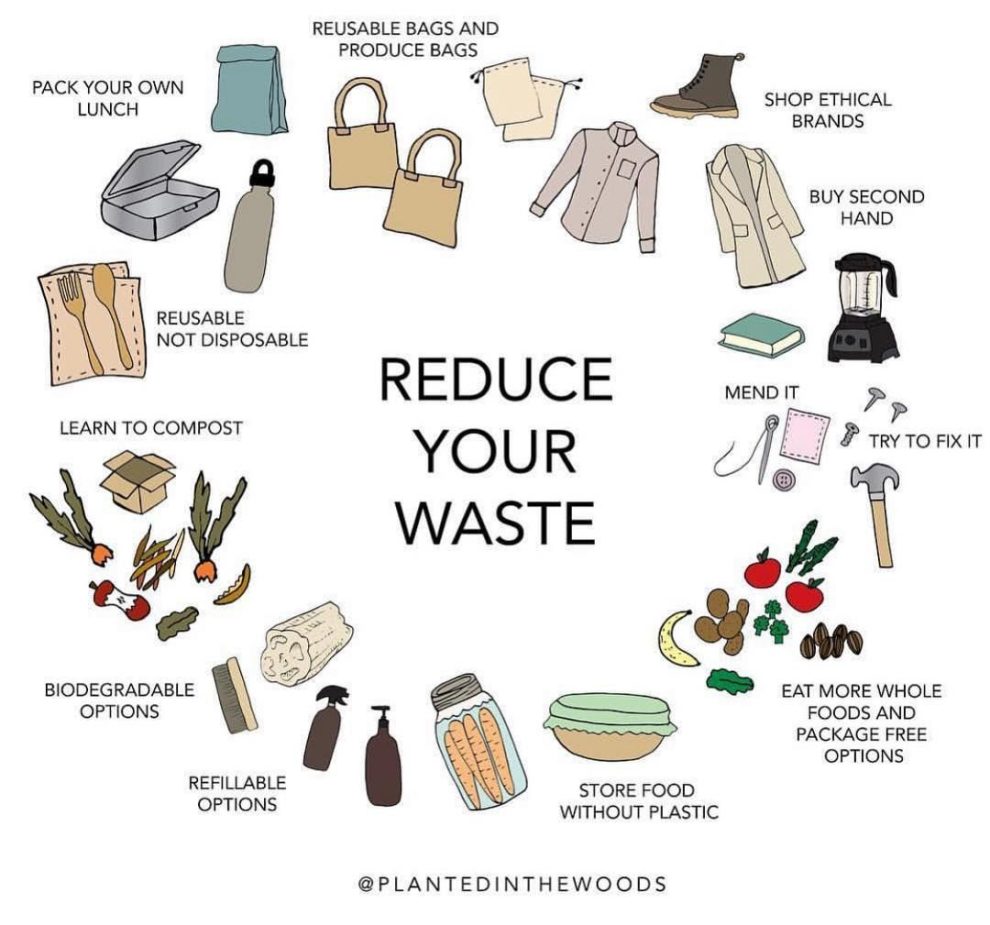
Indoor air quality (IAQ) significantly impacts our health and well-being. Factors like the materials used in construction, the presence of pollutants, and the way we manage ventilation all play a critical role in determining the quality of the air we breathe indoors. A thorough understanding of these factors is essential for creating a healthy and comfortable indoor environment.Understanding indoor air quality encompasses a comprehensive analysis of various elements affecting the air we breathe within enclosed spaces.
These elements range from the materials comprising the building structure to the management practices employed, including ventilation strategies and humidity control. A keen awareness of these factors is crucial to mitigating the risk of adverse health effects and ensuring a comfortable living environment.
Factors Influencing Indoor Air Quality
Several factors contribute to the overall quality of indoor air. These factors can be broadly categorized into pollutant sources, ventilation mechanisms, and environmental conditions. Properly identifying and mitigating these factors is essential to maintaining a healthy indoor environment.
- Pollutant Sources: Building materials, household products, and outdoor pollutants can all introduce contaminants into the indoor environment. Common examples include volatile organic compounds (VOCs) released from paints, cleaning supplies, and furniture, as well as particulate matter from outdoor sources like traffic or construction.
- Ventilation Mechanisms: The way air is circulated within a building plays a pivotal role in indoor air quality. Adequate ventilation ensures the dilution and removal of pollutants, preventing their buildup and improving air circulation.
- Environmental Conditions: Humidity and temperature levels directly influence the comfort and healthiness of indoor air. Proper humidity control can prevent mold growth and respiratory issues, while maintaining an appropriate temperature range ensures thermal comfort and prevents moisture-related problems.
Importance of Proper Ventilation
Adequate ventilation is crucial for diluting and removing indoor air pollutants. Proper ventilation systems ensure a continuous exchange of air, preventing the accumulation of harmful substances and maintaining a healthy indoor environment.
“Effective ventilation is key to reducing indoor air pollution and promoting good health.”
Poor ventilation can lead to the buildup of pollutants, potentially impacting respiratory health and well-being. A well-ventilated space can significantly reduce the concentration of pollutants, contributing to a healthier and more comfortable indoor environment.
Role of Humidity Levels and Temperature
Humidity and temperature are key environmental factors impacting indoor air quality. Maintaining appropriate humidity levels prevents mold and mildew growth, while controlling temperature ensures occupant comfort and minimizes the risk of moisture-related problems.
- Humidity: High humidity levels can promote the growth of mold and mildew, releasing allergens and other potentially harmful substances into the air. Conversely, excessively low humidity can dry out mucous membranes, increasing susceptibility to respiratory issues. Maintaining a balanced humidity level is essential for a healthy indoor environment.
- Temperature: Maintaining an appropriate temperature range is essential for occupant comfort and prevents moisture-related problems. Fluctuations in temperature can lead to condensation, creating ideal conditions for mold growth. A consistent temperature, within a comfortable range, promotes a healthier indoor environment.
Comparison of Ventilation Systems
Different ventilation systems offer varying degrees of effectiveness in managing indoor air quality. The choice of system depends on factors such as building design, budget, and desired level of control.
| Ventilation System | Pros | Cons |
|---|---|---|
| Natural Ventilation | Cost-effective, environmentally friendly, often aesthetically pleasing. | Dependent on weather conditions, less controllable, potentially less effective in cold or humid climates. |
| Mechanical Ventilation | Provides consistent air exchange regardless of weather conditions, can be equipped with air filters. | Higher initial cost, requires energy for operation, potential noise concerns. |
| Hybrid Ventilation | Combines the benefits of both natural and mechanical ventilation, allows for greater control. | May require additional components, could increase cost compared to natural ventilation alone. |
Practical Methods for Reducing Indoor Air Pollution
Reducing indoor air pollution is crucial for maintaining a healthy and comfortable living environment. Proper strategies can significantly mitigate the presence of harmful pollutants, leading to improved respiratory health, reduced allergy symptoms, and overall well-being. By implementing these practical methods, individuals can actively contribute to a cleaner and healthier indoor atmosphere.
Mitigating Mold and Mildew
Mold and mildew thrive in damp environments. Preventing their growth requires addressing moisture issues at their source. Regularly check for leaks in plumbing systems, roofs, or windows. Ensure proper ventilation, particularly in bathrooms and kitchens, to prevent moisture buildup. Consider using dehumidifiers in areas prone to humidity.
Promptly clean up spills and leaks to avoid moisture accumulation. Using mold-resistant paints and sealants can also help prevent future growth. Thorough cleaning with a solution of bleach and water can be effective in addressing existing mold. However, it is important to note that certain types of mold may require professional remediation.
Controlling Dust Mites and Pet Dander
Dust mites and pet dander are common indoor allergens. Regularly cleaning and vacuuming carpets, upholstery, and bedding can significantly reduce their presence. Using allergen-proof covers for mattresses and pillows can further minimize exposure. Washing bedding frequently in hot water (at least 130°F) helps eliminate dust mites. Maintaining a pet-friendly home also requires regular bathing of pets to remove dander.
Consider installing air filters with HEPA (High-Efficiency Particulate Air) technology. Maintaining a clean and organized environment by regularly dusting and wiping surfaces will also help.
Reducing Radon Levels
Radon is a naturally occurring radioactive gas that can seep into homes from the ground. It’s an important indoor air pollutant that can pose a serious health risk if not addressed. Testing for radon is crucial to determine the level present in a home. If radon levels exceed recommended guidelines, consider implementing mitigation strategies such as sealing cracks and gaps in the foundation, installing a radon-resistant system, or installing a sub-slab depressurization system.
Utilizing Air Purifiers
Air purifiers are effective tools in reducing indoor air pollution. They work by filtering the air, removing various pollutants, and improving the overall air quality. Their effectiveness varies depending on the type of purifier and the pollutants targeted.
Types of Air Purifiers and Their Specifications
Various types of air purifiers are available, each with unique features and capabilities. Common types include HEPA air purifiers, activated carbon air purifiers, and ionizers. HEPA air purifiers use filters with very small pores that trap particulate matter. Activated carbon air purifiers are effective at removing gaseous pollutants, like odors and smoke. Ionizers use electrical charges to attract and neutralize airborne particles.
The specifications of an air purifier should include details such as the air filtration area, CADR (Clean Air Delivery Rate), filter type, and noise level.
Summary Table of Air Purifier Types
| Air Purifier Type | Pros | Cons |
|---|---|---|
| HEPA | Excellent at removing dust, pollen, and other particles. | May not be as effective at removing odors or gases. Can be more expensive. |
| Activated Carbon | Effective at removing odors, gases, and volatile organic compounds (VOCs). | May not be as effective at removing particulate matter. |
| Ionizer | Can neutralize odors and potentially improve air quality. | May not be as effective at removing particulate matter. Effectiveness is sometimes disputed. |
Household Cleaning and Maintenance Practices
Effective household cleaning and maintenance practices play a crucial role in mitigating indoor air pollution. Regular cleaning removes dust, allergens, and other pollutants that can accumulate on surfaces and in the air. Proper disposal of hazardous materials is also essential to prevent their release into the indoor environment. This section provides detailed guidance on achieving these goals.Careful cleaning and maintenance are not just about aesthetics; they directly impact indoor air quality.
Regularly removing dust, dirt, and other particles reduces the concentration of pollutants in the air, leading to a healthier living environment. Proper disposal of cleaning products and other hazardous materials further protects occupants from potential health risks.
Effective Cleaning Procedures
Regular cleaning is crucial for maintaining a healthy indoor environment. Cleaning procedures should target all surfaces prone to accumulating pollutants. This includes dusting, vacuuming, and mopping, along with addressing specific needs of different surfaces. A comprehensive cleaning schedule, tailored to the specific needs of your home, will contribute significantly to reducing indoor air pollution.
Importance of Regular Cleaning and Maintenance
Regular cleaning and maintenance routines are essential for maintaining good indoor air quality. This includes regular dusting, vacuuming, and cleaning of various surfaces. These actions remove accumulated dust, allergens, and other pollutants that can negatively impact indoor air quality. Neglecting these tasks can lead to the buildup of pollutants, increasing the risk of respiratory problems and other health issues.
Proper Disposal of Hazardous Materials
Proper disposal of hazardous materials is critical for protecting indoor air quality. Hazardous materials, such as cleaning products containing strong chemicals, should not be mixed or disposed of improperly. Consult local regulations and guidelines for proper disposal methods. Follow manufacturer instructions carefully, and use designated containers for collecting and disposing of hazardous materials. This will prevent the release of harmful substances into the air.
Cleaning Various Surfaces
Cleaning different surfaces requires specific techniques. Carpets and upholstery should be vacuumed regularly to remove dust and dirt. Use appropriate cleaning solutions and techniques to avoid damage. Hard surfaces like floors and countertops should be cleaned with appropriate disinfectants. Ensure all cleaning solutions are used according to manufacturer instructions.
Avoid mixing different cleaning products.
Safe and Effective Cleaning Products
Selecting safe and effective cleaning products is important for reducing indoor air pollution. Many commercial cleaning products contain volatile organic compounds (VOCs) that can contribute to poor indoor air quality. Opt for cleaning products that are specifically formulated for indoor use and are low in VOCs. Read product labels carefully to understand the ingredients and safety precautions.
Look for eco-friendly cleaning products that are free from harsh chemicals.
Cleaning Tasks and Procedures
The following table Artikels various cleaning tasks and the recommended procedures for achieving optimal indoor air quality.
| Cleaning Task | Procedure |
|---|---|
| Dusting | Use a microfiber cloth or duster to remove dust from surfaces. |
| Vacuuming | Vacuum carpets and rugs regularly to remove dirt and allergens. |
| Mopping | Use appropriate cleaning solutions and mops to clean hard floors. |
| Cleaning Upholstery | Spot clean or professionally clean upholstery as needed. |
| Cleaning Countertops | Clean countertops with a suitable cleaner and wipe dry. |
| Cleaning Windows | Clean windows with a glass cleaner and a soft cloth. |
Building Materials and Furnishings

Building materials and furnishings significantly impact indoor air quality. The volatile organic compounds (VOCs) emitted from these materials can contribute to a variety of health issues, including headaches, eye irritation, and respiratory problems. Understanding the types of materials used in your home and their potential impact is crucial for creating a healthier indoor environment.Choosing low-VOC options and natural materials can dramatically reduce these emissions and improve overall air quality.
Proper maintenance and cleaning practices can also minimize the release of pollutants from existing materials and furnishings.
Building Material VOC Emissions
Building materials often contain VOCs, which are released into the air over time. These emissions can contribute to poor indoor air quality. The level of VOCs emitted varies considerably depending on the material’s composition and the specific manufacturing process. Factors such as the type of adhesive used, the presence of certain chemicals, and the overall design of the material all play a role in the amount of VOCs released.
Choosing materials with low VOC content is a key strategy in reducing indoor air pollution.
Low-VOC Building Materials
Implementing a proactive approach to selecting low-VOC building materials can significantly improve indoor air quality. A variety of options are available for flooring, walls, and other building elements. Natural materials, such as bamboo, cork, and reclaimed wood, are often low in VOCs and contribute to a healthier indoor environment. Consider materials with certified low-VOC content to ensure minimal emissions.
- Plywood and wood composite materials: Some engineered wood products contain formaldehyde, a known VOC, but there are low-formaldehyde options available. Look for products labeled with low-VOC or formaldehyde-free certifications.
- Natural wood: Solid wood, such as oak, maple, and cherry, generally has lower VOC emissions compared to composite materials. However, finishes and sealants can significantly affect the overall VOC content. Selecting finishes with low-VOC content is critical.
- Cork: Cork is a natural material with excellent thermal insulation properties. It has a naturally low VOC content.
- Bamboo: Bamboo is a fast-growing renewable resource. It is known for its strength and durability, and it generally has low VOC emissions.
- Concrete: Concrete is a common building material, and while it typically doesn’t release high levels of VOCs, the admixtures and curing agents can sometimes contain VOCs. Ensure the concrete used is low-VOC, or that it is cured using low-VOC methods.
Furniture and Furnishing Impacts
The selection of furniture and furnishings significantly impacts indoor air quality. Materials used in upholstery, wood finishes, adhesives, and other components can contribute to VOC emissions. Choosing furniture made from low-VOC materials is important to ensure a healthier indoor environment.
Benefits of Natural Materials
Natural materials often have lower VOC emissions compared to synthetic alternatives. They can also contribute to a more aesthetically pleasing and healthier indoor environment. For example, the use of natural fibers in textiles, such as wool or linen, can create a cozy and breathable atmosphere while minimizing VOC emissions. The natural breathability of these materials can improve indoor air quality and contribute to a more comfortable living environment.
Minimizing Furnishing Impacts
Several strategies can help minimize the impact of common furnishings on indoor air quality. Prioritizing low-VOC materials in upholstery, finishes, and adhesives is crucial. Choosing furniture made from natural materials, such as solid wood or natural fibers, is another way to reduce VOC emissions. Properly sealing and finishing wood surfaces with low-VOC products can further minimize emissions.
VOC Content Comparison Table
The table below provides a general comparison of VOC content in common building materials. Note that specific VOC levels can vary based on the manufacturer, product formulation, and specific processing methods. This is not an exhaustive list, and more detailed information can be found through material datasheets.
| Material | VOC Content (General Estimate) |
|---|---|
| Solid Wood | Low |
| Plywood (Low-Formaldehyde) | Medium |
| Particleboard | High |
| Laminate | Medium to High |
| Carpet (Synthetic Fibers) | Medium to High |
| Cork | Low |
| Bamboo | Low |
Food Storage and Preparation Practices
Proper food storage and preparation are crucial for maintaining good indoor air quality. Improper handling can release volatile organic compounds (VOCs) and other harmful gases into the air, negatively impacting respiratory health and overall well-being. Understanding these practices and implementing the recommended methods can significantly improve the quality of the air in your home.
Preventing the Release of Harmful Gases
Food storage and preparation can contribute to indoor air pollution. Improper storage methods can lead to the release of gases from decaying food, while certain cooking methods produce VOCs and other pollutants. Taking proactive steps to prevent these releases is essential.
- Refrigerate perishable items promptly. Leaving perishable foods at room temperature for extended periods allows for the growth of bacteria and the release of unpleasant odors and potentially harmful gases. Rapid refrigeration minimizes the production of these gases.
- Store food properly. Using airtight containers and appropriate storage methods can prevent the escape of gases and odors. Using containers specifically designed for storing food helps to maintain quality and reduces the emission of VOCs.
- Dispose of food waste regularly. Food scraps and decaying organic matter generate unpleasant odors and potentially harmful gases. Regular disposal of food waste prevents the buildup of these substances and reduces the risk of attracting pests, further improving indoor air quality.
- Avoid storing food near open flames or heat sources. Storing food near heat sources can cause the food to spoil more quickly, resulting in the release of potentially harmful gases and odors. Keeping food away from heat sources prevents spoilage and keeps the air clean.
Impact of Cooking Methods on Indoor Air Quality
Different cooking methods have varying impacts on indoor air quality. Some methods release more pollutants than others, and understanding these differences allows for the selection of healthier cooking practices.
- Grilling and frying. These methods can produce harmful smoke and particulate matter, contributing to indoor air pollution. These methods can lead to the release of VOCs and other pollutants, affecting indoor air quality.
- Baking and roasting. These methods generally produce fewer pollutants compared to grilling and frying. Proper oven ventilation and techniques minimize the emission of harmful gases.
- Steaming and microwaving. These methods often result in lower emissions of pollutants compared to other cooking methods. Steaming and microwaving are gentler methods, releasing fewer harmful gases.
Safe Food Storage Practices
Safe food storage practices are vital for preventing the spread of harmful bacteria and the release of unpleasant odors and gases. These practices not only maintain food safety but also enhance indoor air quality.
- Use airtight containers. Airtight containers prevent the escape of odors and gases from stored food. These containers maintain freshness and reduce the release of harmful substances into the air.
- Store leftovers properly. Properly storing leftovers is essential to prevent the growth of bacteria and the release of harmful gases. Cooling leftovers quickly and storing them in airtight containers helps to maintain safety and reduce the emission of pollutants.
- Follow proper thawing procedures. Thawing frozen foods safely minimizes the risk of bacterial growth and the release of unpleasant odors. Safe thawing methods prevent the growth of harmful bacteria and minimize odor release.
Proper Ventilation During Food Preparation
Adequate ventilation is critical during food preparation to remove potentially harmful gases and odors from the air. Ventilation systems can significantly improve indoor air quality.
- Open windows and doors. Natural ventilation can effectively remove odors and gases from food preparation. Opening windows and doors provides a natural way to improve air circulation and remove harmful gases.
- Use exhaust fans. Exhaust fans are particularly useful for removing smoke, odors, and gases from cooking areas. Using exhaust fans helps to remove pollutants generated during cooking, improving indoor air quality.
- Maintain proper ventilation in kitchens. Proper ventilation in kitchens helps to prevent the buildup of pollutants in the air. A well-ventilated kitchen reduces the risk of harmful substances accumulating in the air.
Cooking Methods and Air Quality Impact
The table below illustrates the potential impact of different cooking methods on indoor air quality.
| Cooking Method | Air Quality Impact |
|---|---|
| Grilling | High potential for smoke and particulate matter emissions |
| Frying | High potential for smoke and particulate matter emissions, especially with oil splatter |
| Baking | Generally low emissions, but proper ventilation is essential |
| Roasting | Generally low emissions, but proper ventilation is essential |
| Steaming | Low emissions |
| Microwaving | Low emissions |
Personal Care Products and Household Chemicals
Personal care products and household chemicals, while essential for maintaining hygiene and cleanliness, often contain volatile organic compounds (VOCs) and other harmful chemicals that contribute to indoor air pollution. Understanding the role these products play and adopting safer alternatives is crucial for improving indoor air quality and protecting our health. Proper handling and storage of these products are also important considerations.A significant portion of indoor air pollution stems from the chemicals released by various personal care and cleaning products.
These chemicals, often invisible to the naked eye, can contribute to respiratory problems, eye irritation, and even long-term health issues. Minimizing exposure through conscious choices and safer alternatives is key to creating a healthier indoor environment.
The Role of Personal Care Products in Indoor Air Pollution
Personal care products, such as hair sprays, perfumes, and lotions, often contain VOCs that evaporate into the air. These VOCs can contribute to poor indoor air quality, affecting respiratory health and potentially causing other health problems. The cumulative effect of various products over time can have a noticeable impact on the overall air quality in a home or workplace.
Importance of Using Low-VOC Cleaning Products
Using cleaning products with low volatile organic compound (VOC) content is essential for reducing indoor air pollution. Low-VOC cleaning products release fewer harmful chemicals into the air, minimizing potential health risks associated with prolonged exposure. These products often offer similar cleaning efficacy while reducing the environmental impact.
Tips for Reducing the Impact of Cleaning Products
Several strategies can help reduce the impact of cleaning products on indoor air quality. Ventilation is crucial; opening windows and using exhaust fans during cleaning helps to dissipate potentially harmful fumes. Proper storage of cleaning products in well-ventilated areas and using them in well-ventilated spaces is also important. Diluting cleaning solutions, as recommended by manufacturers, can significantly reduce the concentration of harmful chemicals in the air.
Sources of Harmful Chemicals in the Home
A variety of sources contribute to the presence of harmful chemicals in the home. Cleaning products, personal care items, air fresheners, and even certain building materials can release VOCs and other harmful substances into the air. Furthermore, improper storage of chemicals or spills can further exacerbate the problem.
Safer Alternatives to Common Household Chemicals
Many safer, eco-friendly alternatives exist for common household chemicals. These alternatives often use plant-based ingredients and are less likely to release harmful VOCs. The switch to these safer alternatives is increasingly feasible due to the growing availability of eco-friendly products.
Comparison of Traditional Cleaning Products with Eco-Friendly Alternatives
| Characteristic | Traditional Cleaning Products | Eco-Friendly Alternatives |
|---|---|---|
| VOC Content | High | Low |
| Ingredients | Often synthetic chemicals | Plant-based, natural ingredients |
| Environmental Impact | Potentially harmful to the environment | Generally less harmful to the environment |
| Health Impact | Potentially harmful to human health | Generally safer for human health |
| Cost | Often more affordable in the short term | May have a higher upfront cost |
| Availability | Readily available in most stores | Increasingly available in stores and online |
Plant-Based Solutions for Indoor Air Purification
Indoor air quality is significantly impacted by the presence of various pollutants, many of which are invisible to the naked eye. Fortunately, nature offers a remarkable solution: strategically chosen plants can effectively reduce the concentration of these harmful substances. Their presence not only enhances the aesthetic appeal of indoor spaces but also contributes to a healthier environment for occupants.Plants contribute to indoor air purification through a complex interplay of biological processes.
They absorb certain pollutants from the air through their leaves and roots, converting them into less harmful substances. This process, known as phytoremediation, is a natural and sustainable approach to improving indoor air quality.
Role of Plants in Improving Indoor Air Quality
Plants play a vital role in enhancing indoor air quality by absorbing and converting various pollutants. Their leaves act as filters, trapping airborne particles and gases. Additionally, the process of transpiration, where plants release water vapor, can help to humidify the air, which can, in turn, influence the concentration of certain pollutants. The overall effect is a healthier and more comfortable indoor environment.
Air-Purifying Plants and Their Benefits
Numerous plants exhibit impressive air-purifying capabilities. Their selection depends on the specific pollutants present in the environment and the desired aesthetic appeal. A variety of plants can be strategically placed to enhance the overall air quality.
- Snake Plant (Sansevieria trifasciata): Known for its resilience and ability to filter formaldehyde, benzene, and trichloroethylene, this plant is a popular choice for its low-maintenance nature. It thrives in low-light conditions, making it suitable for various indoor settings.
- Spider Plant (Chlorophytum comosum): An excellent purifier of benzene, formaldehyde, and ammonia, this plant is also known for its ease of propagation. Its trailing vines add a touch of elegance to any space.
- Peace Lily (Spathiphyllum): This plant effectively removes formaldehyde, benzene, and xylene from the air. Its elegant white flowers create a calming ambiance, and it prefers moist conditions.
- Aloe Vera (Aloe barbadensis miller): Not only is aloe vera known for its medicinal properties, but it also filters out formaldehyde, benzene, and trichloroethylene. Its thick, succulent leaves are visually appealing and make it a versatile addition to any indoor space.
How Plants Work to Remove Pollutants
Plants remove pollutants through a combination of processes, including absorption, adsorption, and biodegradation. Absorption involves the uptake of pollutants through the plant’s leaves and roots. Adsorption is the process where pollutants adhere to the plant’s surfaces. Biodegradation involves the conversion of pollutants into less harmful substances by the plant’s metabolic processes. The efficiency of pollutant removal depends on factors such as plant type, pollutant concentration, and environmental conditions.
How to Care for Air-Purifying Plants Effectively
Proper care is essential for the health and effectiveness of air-purifying plants. Providing the right amount of light, water, and nutrients will ensure their optimal performance. Different species have specific needs. Researching the specific requirements of each plant will ensure its continued well-being.
- Watering: Ensure adequate watering, but avoid overwatering, which can lead to root rot. Observe the soil moisture level before each watering.
- Light: Different plants have varying light requirements. Some thrive in bright, indirect light, while others prefer low-light conditions.
- Soil: Use well-draining potting mix to prevent waterlogging. The appropriate soil composition supports optimal root growth.
Different Ways Plants Contribute to Air Purification
Plants contribute to air purification in multiple ways, beyond simply absorbing pollutants. They also release oxygen, which is crucial for a healthy indoor environment. Additionally, the presence of plants can promote a sense of calm and well-being, creating a more pleasant and productive indoor space. The aesthetic appeal of plants also contributes to a positive indoor environment.
Effectiveness of Different Plants in Removing Pollutants
The following table provides a general overview of the effectiveness of various plants in removing common indoor air pollutants.
| Plant | Effectiveness (General) | Common Pollutants Removed |
|---|---|---|
| Snake Plant | High | Formaldehyde, Benzene, Trichloroethylene |
| Spider Plant | Medium | Benzene, Formaldehyde, Ammonia |
| Peace Lily | Medium | Formaldehyde, Benzene, Xylene |
| Aloe Vera | High | Formaldehyde, Benzene, Trichloroethylene |
Outdoor Air Quality and Indoor Air Pollution Connection
Outdoor air quality significantly impacts the air quality within our homes and workplaces. Understanding the pathways of outdoor pollutants into indoor environments is crucial for effective mitigation strategies. This connection highlights the importance of considering both indoor and outdoor air quality factors when striving for healthy living spaces.Outdoor air pollution often finds its way into indoor spaces, posing a significant health concern.
This infiltration can stem from various sources, leading to a compounding effect on indoor air quality. Strategies to minimize this impact require a holistic approach, addressing both outdoor and indoor elements.
Relationship Between Outdoor and Indoor Air Pollution
Outdoor air pollution, a complex mix of gases and particulate matter, can infiltrate indoor spaces through various pathways. This infiltration leads to a decrease in indoor air quality, which can negatively affect human health. Understanding this relationship is essential for developing effective mitigation strategies.
How Outdoor Pollutants Enter Indoor Spaces
Outdoor pollutants can enter indoor spaces through numerous pathways. Open windows and doors allow direct entry of pollutants, and ventilation systems can act as conduits, drawing in outdoor air containing pollutants. Furthermore, building materials and furnishings can harbor pollutants and release them into the indoor environment. Even seemingly clean spaces can accumulate pollutants if not carefully managed.
Strategies for Minimizing Outdoor Pollution’s Impact Indoors
Several strategies can minimize the impact of outdoor pollution on indoor air quality. Implementing proper building design and construction, including air filtration systems and air sealing measures, can significantly reduce infiltration. Maintaining consistent indoor ventilation practices, especially in conjunction with air quality monitoring, helps dilute outdoor pollutants.
Monitoring Outdoor Air Quality and Adapting Indoor Strategies
Regular monitoring of outdoor air quality provides crucial insights into pollutant levels. Using publicly available data or local air quality monitoring stations, individuals can understand the current pollution levels in their area. Adjusting indoor ventilation strategies, such as reducing or eliminating outdoor air intake when pollution levels are high, can effectively reduce indoor pollution. Furthermore, understanding the relationship between outdoor pollution and specific indoor pollutants allows for tailored responses.
Connection Between Outdoor and Indoor Pollution
The relationship between outdoor and indoor air pollution is undeniable. Outdoor pollution sources, including traffic emissions, industrial activity, and wildfires, release pollutants that can travel and enter buildings. Indoor air quality is directly influenced by the level of outdoor pollution, which underlines the necessity for both outdoor and indoor pollution mitigation strategies.
Table: Outdoor Pollutants and Their Indoor Effects
| Outdoor Pollutant | Potential Indoor Effects |
|---|---|
| Particulate Matter (PM2.5 and PM10) | Respiratory issues, cardiovascular problems, reduced lung function |
| Nitrogen Oxides (NOx) | Respiratory irritation, reduced lung function, potential eye irritation |
| Ozone (O3) | Respiratory irritation, reduced lung function, aggravation of existing respiratory conditions |
| Sulfur Dioxide (SO2) | Respiratory irritation, reduced lung function, potential cardiovascular effects |
| Volatile Organic Compounds (VOCs) | Eye, nose, and throat irritation, headaches, potential long-term health effects |
Closure
In conclusion, improving indoor air quality is a multifaceted endeavor requiring a holistic approach. By understanding the sources of indoor air pollution, implementing effective prevention strategies, and maintaining a healthy home environment, individuals can significantly reduce their exposure to harmful pollutants. This guide offers a practical roadmap for achieving healthier, safer, and more comfortable indoor living spaces.