Transforming fabric scraps into stunning creations is a rewarding and eco-friendly practice. From patchwork quilts to decorative accessories, the possibilities are endless. This guide explores diverse techniques and creative ideas to maximize the value of your fabric scraps, offering practical solutions for reducing textile waste and unleashing your inner artist.
This comprehensive guide delves into various aspects of fabric scrap reuse, from understanding different fabric types and their suitability for different projects to exploring innovative sewing techniques and creative design ideas. Learn how to minimize waste, maximize your creativity, and create beautiful, unique items for your home and wardrobe.
Introduction to Fabric Scraps
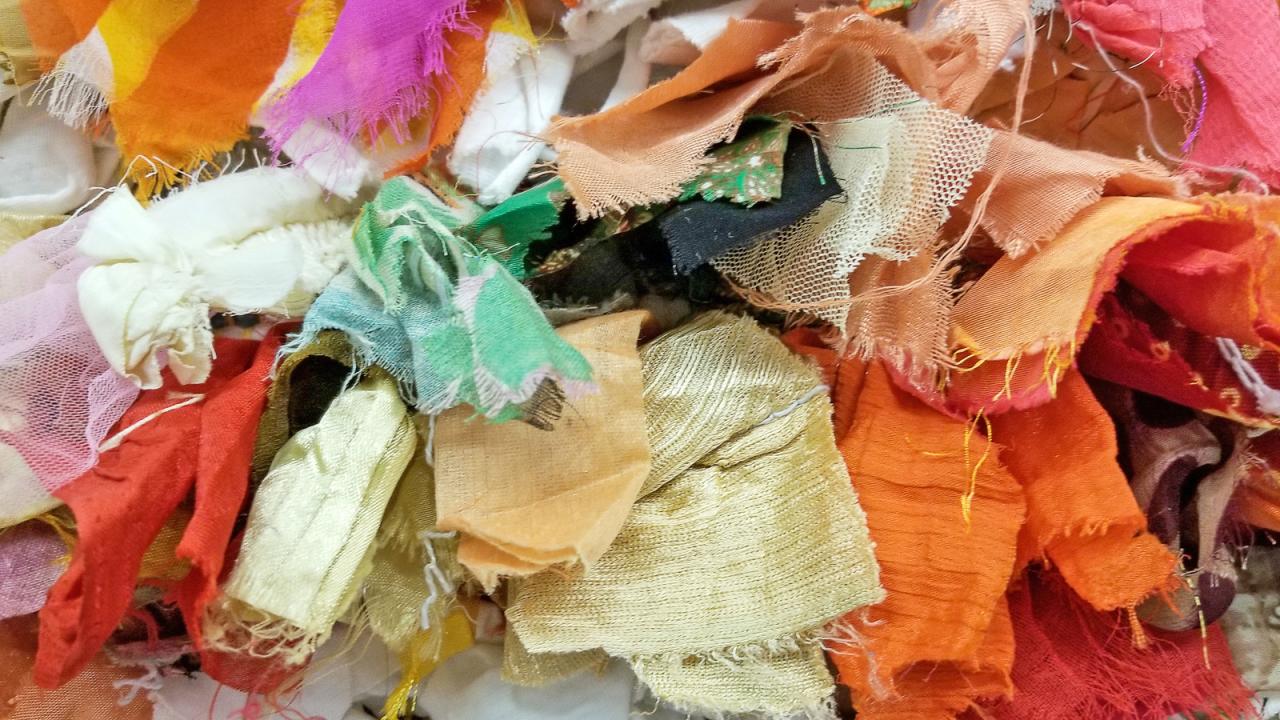
Fabric scraps, remnants of larger fabric pieces, represent a treasure trove of potential for creative reuse. They arise from various sources, from sewing projects and alterations to fabric store offcuts. Embracing these scraps offers a unique opportunity to be both environmentally conscious and financially savvy while fostering creativity.Understanding the different types of fabric scraps and their diverse properties is key to unlocking their full potential.
This knowledge allows for informed decisions regarding their appropriate reuse, ensuring that the chosen application aligns with the fabric’s inherent characteristics.
Types of Fabric Scraps
Fabric scraps vary considerably in composition, weave, and color. This diversity allows for a wide range of potential applications. Understanding the specific type of fabric is crucial for choosing the right reuse method.
- Sewing Project Scraps: These are often leftover pieces from clothing, home decor, or other sewing projects. They may include scraps of different fabrics, varying in size and color. Careful sorting and storage of these scraps is important for efficient reuse.
- Alteration Scraps: These scraps result from alterations or repairs to existing garments or items. They frequently include fabric from the original design, allowing for unique patterns and textures in new projects.
- Fabric Store Offcuts: Fabric stores often have scraps or offcuts available at discounted prices. These can be a great source for experimentation with different textures, colors, and patterns.
- Sample Fabrics: Fabric samples, available from fabric suppliers or online retailers, can provide access to a wide variety of materials, each with unique qualities that can be leveraged for projects ranging from small accessories to large-scale creations.
Common Sources of Fabric Scraps
A variety of sources contribute to the collection of fabric scraps. Understanding these sources facilitates efficient gathering and storage.
- Sewing Projects: Sewing projects, whether personal or commercial, are a frequent source of scraps. Careful planning and cutting techniques can minimize waste.
- Alterations and Repairs: Garment alterations and repairs often produce usable scraps. Recycling these materials avoids unnecessary disposal and contributes to sustainability.
- Fabric Stores: Fabric stores often have a selection of offcuts and remnants. These offer a wide variety of fabrics and colors, suitable for a range of creative projects.
- Thrift Stores and Online Marketplaces: Thrift stores and online marketplaces can be valuable sources of fabrics for reuse. Often, these materials offer unique patterns and textures, perfect for adding a distinctive touch to projects.
Benefits of Reusing Fabric Scraps
Reusing fabric scraps offers several tangible and intangible benefits. These advantages extend to environmental responsibility, financial savings, and creative exploration.
- Environmental Sustainability: Reusing fabric scraps reduces textile waste, minimizing the strain on landfills and natural resources. This environmentally conscious practice promotes sustainability by extending the life cycle of textiles.
- Financial Savings: Fabric scraps often come at a reduced or free cost, leading to significant financial savings on fabric purchases. This affordability allows individuals to pursue creative endeavors without excessive expenditure.
- Creative Exploration: Reusing fabric scraps provides an outlet for creativity and experimentation. This allows individuals to explore diverse patterns, textures, and colors, leading to unique and personalized creations.
Potential Uses of Fabric Scraps
The diverse range of fabric scraps opens doors to a variety of potential applications. The specific application should be carefully considered based on the fabric type.
Creative Reuse Ideas
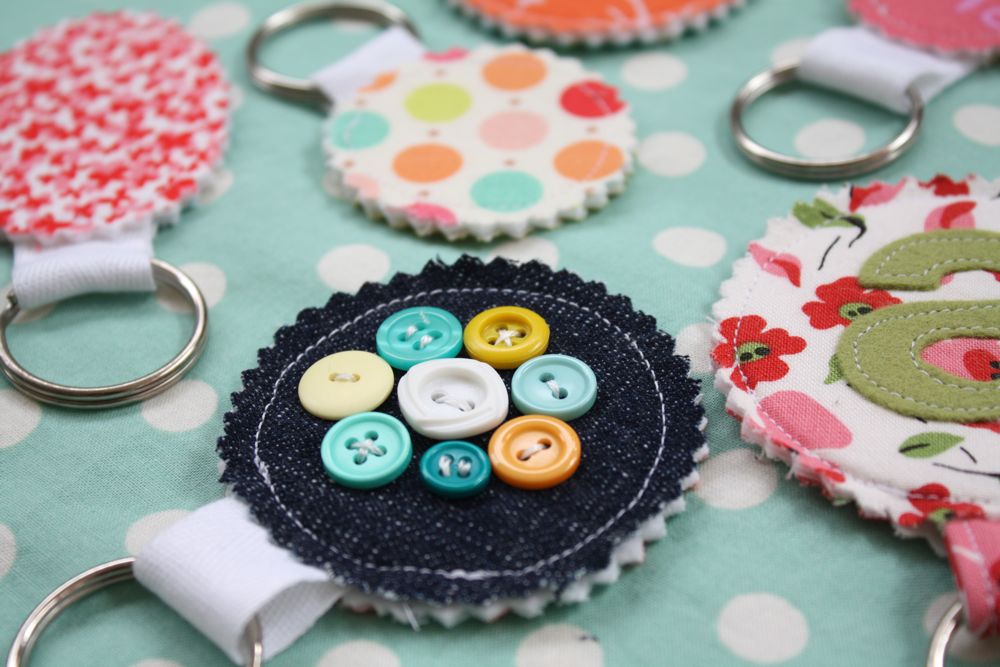
Transforming fabric scraps into beautiful and functional items is a rewarding endeavor. This section explores various creative ways to repurpose these often-overlooked materials, showcasing their potential for home décor, fashion, and accessories. By utilizing these techniques, individuals can reduce textile waste and express their creativity while enhancing their living spaces.
Home Décor Projects with Fabric Scraps
Repurposing fabric scraps can breathe new life into existing home décor items or create entirely unique pieces. A variety of projects leverage the diverse colors and textures of these materials to produce visually appealing and practical results.
- Fabric-Covered Picture Frames: Adding a layer of fabric to plain picture frames transforms them into personalized and visually engaging pieces. Different patterns and textures can create unique styles, and various fabrics can be used for different moods. For example, a delicate floral print might complement a bedroom, while a bold geometric pattern could be used in a contemporary living space.
- Fabric-Wrapped Vases: Vases, particularly simple ones, can be dramatically altered with fabric wrapping. This technique can add a unique touch to any room, creating a cozy and welcoming atmosphere. The fabric’s color and pattern will influence the overall aesthetic of the space. For instance, a textured linen fabric can add a rustic charm to a farmhouse style living room.
- Fabric-Adorned Ottomans: Ottomans, whether used for seating or storage, can be enhanced with fabric scraps. The use of fabric scraps can create a personalized and eye-catching focal point. Applying a patchwork design with various scraps of fabric can add a distinctive character to the piece.
- Fabric-Covered Storage Bins: Fabric-covered storage bins offer a simple yet effective way to organize items and add a touch of color and pattern to a room. Fabric can be chosen to match or complement existing décor. For instance, matching fabric can make a cohesive style, or a contrasting fabric can create a visual interest.
- Fabric-Draped Curtains: Creating unique window treatments by draping fabric scraps can transform the look of a room without a significant investment. The use of different fabrics and colors can create an intriguing visual effect, adding depth and personality to the space.
Fashion Projects Using Fabric Scraps
Fabric scraps offer a fantastic opportunity for fashion-conscious individuals to create unique and stylish clothing and accessories. The versatility of scraps allows for a wide range of creative possibilities, from small embellishments to complete garments.
- Embroidered Patches: Small fabric scraps can be transformed into unique embroidered patches, which can be sewn onto clothing items to add personalized details or to create a patchwork effect.
- DIY Belts and Scarves: Fabric scraps can be fashioned into stylish belts and scarves. The variety of textures and colors in scraps can create unique and personalized accessories.
- Small Bags and Pouches: Smaller scraps can be used to create unique and functional bags or pouches for carrying small items.
- Upcycled Clothing: Combining multiple scraps can result in innovative clothing items like patchwork jackets or vests. The use of different textures and colors adds character to the design.
Accessories and Home Goods Projects
Fabric scraps can be creatively transformed into a range of useful and decorative accessories and home goods. Their versatility allows for the creation of personalized items that reflect individual style.
- Fabric-Covered Coasters: Small pieces of fabric can be used to create unique coasters for protecting surfaces from damage.
- Fabric-Wrapped Candles: Fabric scraps can be used to wrap candles, providing a decorative touch and a unique way to display them.
- Fabric-Trimmed Gift Bags: Adding fabric trims to gift bags adds a personalized touch, showcasing creativity and care.
- Fabric-Filled Decorative Pillows: Transforming fabric scraps into decorative pillows is a satisfying project. The process can be tailored to different skill levels, offering a creative outlet and the chance to personalize home décor.
Transforming Fabric Scraps into a Decorative Pillow
Creating a decorative pillow from fabric scraps is a rewarding project. It involves carefully piecing together different fabrics to form a unique and visually appealing design.
- Gather Materials: Collect various fabric scraps in different colors, patterns, and textures. Choose fabrics that complement each other in terms of color and pattern.
- Prepare the Fabric: Cut the fabric scraps into desired shapes and sizes for the pillow. Consider the size and shape of the pillow.
- Arrange the Fabric: Arrange the fabric pieces on a flat surface to visualize the design. This step allows for adjustments before sewing.
- Sew the Fabric: Carefully sew the fabric pieces together, ensuring even seams. A sewing machine is ideal for large projects.
- Add Padding: Fill the pillow with stuffing or padding to provide the desired shape and support. The amount of filling will determine the pillow’s firmness.
- Finish the Pillow: Once the stuffing is in place, finish the edges of the pillow to prevent the stuffing from coming out.
Creating a Patchwork Quilt from Fabric Scraps
Patchwork quilts are an excellent way to showcase the beauty of fabric scraps. The process involves piecing together different fabrics to create a unique and personalized quilt.
- Gather Materials: Collect a variety of fabric scraps in various colors, patterns, and textures. Consider the size and design of the quilt.
- Prepare the Fabric: Cut the fabric scraps into squares or rectangles of consistent size for even piecing.
- Arrange the Fabric: Arrange the fabric pieces on a flat surface to visualize the design and create a unique pattern.
- Sew the Fabric: Carefully sew the fabric pieces together to create a patchwork design.
- Assemble the Quilt: Assemble the patchwork squares into a larger quilt design, either in rows or using a pre-designed pattern.
- Bind the Quilt: Finish the quilt by binding the edges with a contrasting fabric.
Techniques for Fabric Scrap Work
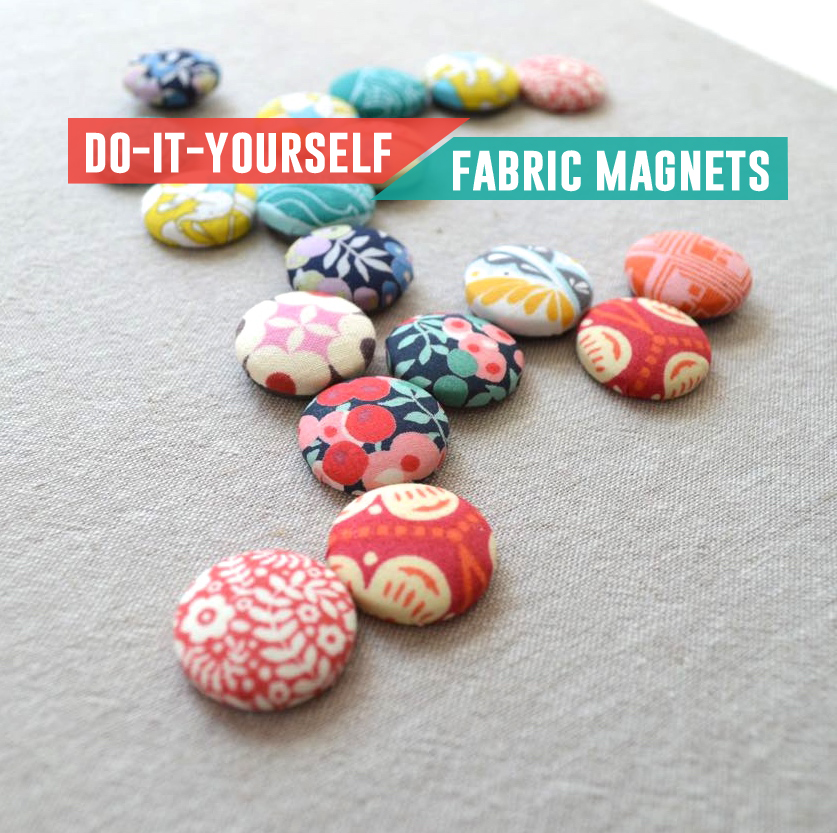
Transforming small fabric remnants into beautiful and functional creations requires a range of techniques. Mastering these methods allows you to maximize the use of your fabric scraps, turning them into unique and personalized items. This section explores diverse sewing techniques, patchwork methods, and crafting processes to effectively reuse fabric scraps.Effective utilization of fabric scraps depends on understanding various sewing techniques, allowing for the transformation of small remnants into valuable pieces.
This involves choosing appropriate stitching methods and considering the characteristics of the fabric for successful outcomes. The following sections detail specific techniques and their application in crafting projects.
Sewing Techniques for Fabric Scraps
Understanding different sewing techniques is crucial for working with fabric scraps efficiently. Various stitches cater to diverse needs and projects. For example, a simple running stitch is excellent for joining small pieces of fabric, while a backstitch offers a more secure and durable seam. Consider the project’s requirements and the fabric’s characteristics when selecting the appropriate stitch.
- Running stitch: A simple running stitch is ideal for joining small pieces of fabric and for creating decorative seams. Its flexibility allows for various applications in patchwork and other projects.
- Backstitch: This stitch provides a more robust and durable seam, perfect for seams that will experience stress or need enhanced strength, such as in tote bags or other functional items.
- Zigzag stitch: This stitch is well-suited for preventing fraying on raw edges, crucial for patchwork projects where fabric edges might unravel. It adds a decorative touch and helps maintain the integrity of the project.
- Blind stitch: Ideal for concealing seams, particularly in projects like patchwork quilts where a neat finish is desired. It creates a clean and professional look.
Patchwork Methods
Patchwork, a technique involving the piecing together of different fabric scraps, offers diverse approaches. Understanding these methods allows for the creation of unique and personalized designs. Consider the fabric types and desired aesthetic when choosing a method.
- Traditional patchwork: This involves meticulously piecing together fabric squares or other shapes to create a larger design. It is a time-consuming method but allows for complex patterns and precise control over the final design.
- Crazy patchwork: This method uses a more free-form approach, combining various shapes and colors of fabric in a less structured manner. It results in a more spontaneous and visually dynamic patchwork design.
- Log cabin patchwork: This technique uses a grid-like arrangement of squares or rectangles of different fabrics. The design is symmetric and creates a visually appealing quilt or other projects.
Creating a Simple Tote Bag Using Fabric Scraps
A tote bag is a versatile and functional project that showcases the beauty of repurposed fabric scraps. This process demonstrates how to transform fabric scraps into a practical item.
- Gather your fabric scraps, measuring them carefully to determine how many you need for your desired tote size. Consider the overall dimensions and weight you want the tote to accommodate.
- Cut the fabric scraps into desired shapes and sizes. This is a crucial step for ensuring that the pieces align correctly and create the intended design.
- Sew the fabric scraps together using the appropriate sewing technique, such as a running stitch or a backstitch, ensuring a secure seam. The type of stitch influences the durability of the seams.
- Add handles to the tote bag using additional fabric scraps or pre-made handles. Ensure that the handles are long enough for comfortable carrying and that they are securely attached to the bag.
- Finish the edges of the tote bag with a zigzag stitch or other suitable method to prevent fraying. This step helps prevent the fabric from unraveling over time.
Felting Fabric Scraps
Felting fabric scraps involves using a process to compress and condense the fabric fibers to create a dense, textured material. This technique is ideal for creating unique textures and adding dimension to your projects.
- Wet felting: This technique uses water, soap, and gentle agitation to create a felted material. This method allows for blending colors and creating a wide range of textures, depending on the pressure and time applied.
- Dry felting: This method involves using needles to create a felted effect. This method allows for more control over the texture and creates a denser, smoother fabric compared to wet felting.
Dying or Staining Fabric Scraps
Fabric scraps can be transformed into a variety of colors and shades. This section provides methods for achieving diverse color palettes using readily available resources.
- Natural dyeing: Natural dyes derived from plants, fruits, and vegetables offer unique and environmentally friendly methods for coloring fabric scraps. This method results in a range of subtle colors, dependent on the source.
- Fabric dyes: Fabric dyes are commercially available and offer a wide range of colors and intensities. These dyes are suitable for both wet and dry felting.
- Staining: Fabric staining can be used to add color or a different aesthetic to the fabric scraps, creating a different look compared to dyeing. Staining can be used in combination with other techniques, such as patchwork or felting.
Tools and Materials
Transforming fabric scraps into cherished creations requires a thoughtfully chosen collection of tools and materials. The right tools make the process smoother, enhancing precision and allowing you to fully express your creativity. This section Artikels the essential items needed for various scrap fabric projects, focusing on both fundamental and specialized tools.
Essential Tools for Fabric Scrap Work
A well-equipped workspace is crucial for efficient and enjoyable fabric scrap projects. Essential tools, such as rotary cutters and mats, contribute significantly to the accuracy and speed of cutting fabric, while other tools enhance handling and storage. These tools, combined with appropriate sewing supplies, form the foundation for any successful project.
- Rotary Cutter: A rotary cutter is a specialized tool designed for precise fabric cutting. Its sharp blade, coupled with a sturdy base, allows for clean, straight cuts without fraying. A rotary cutter is essential for achieving clean lines and precise shapes in scrap fabric projects.
- Cutting Mat: A cutting mat provides a protective surface for your fabric and prevents damage to your work area. A self-healing cutting mat is ideal for repeated use, reducing the risk of blade damage and maintaining the mat’s effectiveness.
- Fabric Scissors: While rotary cutters excel for larger projects, fabric scissors are indispensable for intricate cuts, smaller pieces, and delicate fabrics. Sharp, fabric-specific scissors minimize fraying and ensure clean edges for a professional finish.
- Seam Ripper: A seam ripper is an essential tool for quickly and easily removing mistakes or altering seams. It allows for precise removal of stitches without damaging the fabric.
- Measuring Tape/Ruler: Accurate measurements are vital for all sewing projects, especially when working with limited fabric scraps. A measuring tape or ruler ensures consistent sizes and shapes for sewing projects.
Sewing Supplies for Fabric Scrap Projects
A well-stocked sewing kit is essential for transforming fabric scraps into functional and decorative items. Different projects necessitate various sewing supplies. This section highlights crucial items for diverse scrap fabric projects.
- Sewing Machine: A sewing machine is a powerful tool for creating seams, attaching embellishments, and assembling fabric scraps. The choice of sewing machine depends on the complexity of the project and the desired speed of execution.
- Thread: Thread is essential for stitching seams and creating decorative elements. The color and type of thread should be carefully selected to complement the fabric scraps and project aesthetic.
- Pins: Pins are used to hold fabric pieces in place while sewing. A variety of pins are available, catering to different fabrics and projects.
- Needles: Choosing the correct needle type is crucial for optimal sewing machine performance and fabric longevity. Different fabrics require specific needle types.
- Seam Gauge: A seam gauge is an invaluable tool for maintaining consistent seam allowances. It helps create professional-looking projects.
Fabric Glues for Fabric Scraps
Fabric glues provide an alternative to sewing for certain fabric scrap projects. These glues offer various advantages, particularly for quick repairs, surface embellishments, and creating unique textures. Consider the specific characteristics of the glue to ensure compatibility with the fabric type and desired finish.
- Fabric Fusible Glue: Fabric fusible glues are designed for bonding fabric pieces together. They are ideal for attaching patches, embellishments, and for creating intricate designs. The fusible nature of these glues allows for a secure bond without stitching.
- Fabric Adhesive: Fabric adhesives are used for various applications, from bonding fabric pieces to creating surface textures. Their strength and flexibility make them suitable for many fabric scrap projects.
Fusible Interfacing Options for Fabric Scraps
Fusible interfacing adds stability and structure to fabric scraps. It is crucial for projects requiring added stiffness, such as creating pockets, adding structure to collars, or providing support to garments. Different interfacings cater to diverse fabric types and project needs.
- Fusible Fleece Interfacing: This interfacing is a soft, lightweight option that provides a degree of stiffness without making the fabric too bulky. It is ideal for projects requiring a bit of structure without sacrificing softness.
- Fusible Pellon Interfacing: Pellon is a well-known brand offering various interfacings with different properties. They provide different levels of support, depending on the desired result.
Rotary Cutter and Mat for Fabric Scraps
The rotary cutter and cutting mat are indispensable tools for efficient fabric cutting. These tools ensure precise cuts and prevent damage to the fabric and workspace. Correct use of the rotary cutter and mat maximizes efficiency and minimizes waste.
- Rotary Cutter Use: Always use the rotary cutter on a cutting mat. The mat provides protection for your work surface and prevents damage to the cutting blade. Always follow the manufacturer’s instructions for proper use and safety.
- Cutting Mat Use: Position the fabric firmly on the cutting mat, ensuring it’s not wrinkled or creased. Use a sharp rotary blade for precise cuts.
Environmental Impact
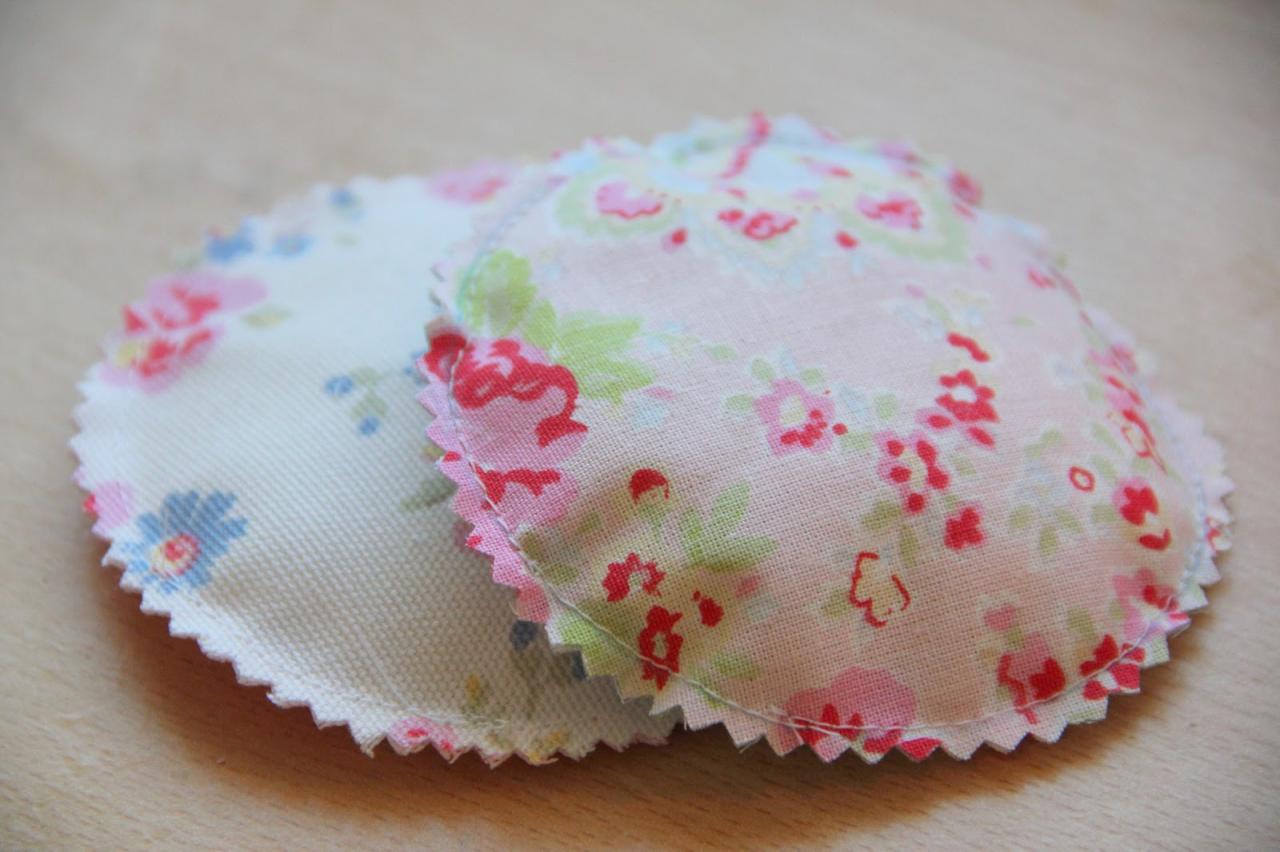
Reusing fabric scraps is a powerful way to mitigate the negative environmental impact of the textile industry. By repurposing these materials, we reduce the demand for new fabric production, thereby lessening the strain on natural resources and the environmental damage associated with textile manufacturing. This conscious approach to consumption directly contributes to a more sustainable future.The textile industry is a significant contributor to pollution and resource depletion.
The production of new fabrics often involves substantial water usage, chemical treatments, and energy consumption. By reusing fabric scraps, we can lessen the demand for these resources and minimize the associated environmental footprint.
Reduction in Textile Waste
The global textile industry generates a staggering amount of waste each year. This waste includes discarded garments, remnants, and scraps from manufacturing processes. The sheer volume of textile waste poses a significant environmental concern, contributing to landfill overload and pollution. Reusing fabric scraps directly addresses this problem by diverting these materials from landfills and transforming them into valuable new products.
Role of Upcycling in Reducing Textile Waste
Upcycling, the process of transforming discarded materials into something new and valuable, plays a crucial role in reducing textile waste. By creatively repurposing fabric scraps, we transform waste into useful items, thereby reducing the demand for virgin materials and minimizing the need for new production. This process is a cornerstone of sustainable fashion and promotes a circular economy.
Statistics on Fabric Waste Generation
Precise figures on annual fabric waste are difficult to pinpoint due to varying reporting methods and data collection complexities across countries. However, estimates suggest that a substantial amount of textile waste is generated annually, primarily from manufacturing processes, retail returns, and consumer discarding. This waste contributes significantly to environmental problems, including landfill overflow and pollution. The impact of this waste is amplified by the fact that textiles often take hundreds of years to decompose in landfills.
Impact on Landfills
Fabric scraps, when discarded in landfills, contribute to the accumulation of non-biodegradable waste. The decomposition process of fabrics is slow, and they occupy landfill space for extended periods. Landfills can release harmful greenhouse gases as organic materials decompose, and the presence of textile waste can leach chemicals into the surrounding environment. This is a critical concern as landfills are increasingly strained globally.
By reusing fabric scraps, we can minimize the strain on landfills and their detrimental environmental effects.
Project Examples

Transforming fabric scraps into beautiful and functional items is a rewarding experience. These projects demonstrate how creativity and resourcefulness can yield practical and decorative outcomes from otherwise discarded materials. The following examples showcase the diverse possibilities for repurposing fabric scraps.
Decorative Wall Hanging
This project involves creating a visually appealing wall hanging using various fabric scraps. A simple design involves piecing together scraps of different textures and colors to form a patterned design. This design can be further enhanced by adding embellishments such as buttons, beads, or ribbons.
- Gather a variety of fabric scraps in desired colors and patterns.
- Prepare a backing material (e.g., a piece of sturdy fabric or cardboard). This provides structure and support for the hanging.
- Using fabric glue or strong thread, carefully attach the fabric scraps to the backing, arranging them to create a desired design. Consider using a template or freehand design.
- Add embellishments (buttons, beads, ribbons) to enhance the visual appeal.
- Once the design is complete, attach a piece of string or ribbon to the top of the hanging for easy wall mounting.
Simple Tote Bag
Crafting a tote bag from fabric scraps is a practical and eco-friendly project. This involves assembling various scraps into a functional bag. This project highlights the use of different fabric scraps to create unique and personalized tote bags.
- Collect assorted fabric scraps in desired colors and textures.
- Decide on the size and shape of the tote bag. A template or pattern can be used for accuracy.
- Cut the fabric scraps into the required shapes and sizes. Ensure accurate cutting to avoid any mishaps in construction.
- Sew the fabric pieces together to create the bag’s panels. Use appropriate sewing techniques, ensuring secure stitching.
- Add handles to the bag using additional fabric pieces or straps. Consider the length and width of the handles based on the size of the bag.
- Reinforce the seams for added durability. This step is essential for the bag’s longevity.
Fabric Scrap Coasters
Creating coasters from fabric scraps is a simple yet effective way to add a touch of style to any table setting. These coasters can be fashioned from various fabric types, creating unique designs and aesthetics. The project demonstrates the ease and creativity in transforming scraps into functional home decor.
- Select fabric scraps of different colors and patterns.
- Prepare a backing material for the coasters, such as felt or thin cardboard.
- Cut the fabric scraps into circular shapes that match the desired coaster size.
- Using fabric glue or fusible interfacing, carefully adhere the fabric to the backing material.
- Add embellishments such as buttons or small beads for added design.
- Allow the glue to dry completely before use. This ensures the coasters remain intact during use.
Small Decorative Bowls
Transforming fabric scraps into decorative bowls involves carefully constructing the bowl shape from fabric pieces and then lining it for durability. These bowls can be used to hold small items like pens, pencils, or decorative items. The process showcases the practicality of transforming waste into usable items.
- Choose a sturdy fabric or interfacing for the bowl’s structure.
- Cut the fabric into a circle that is slightly larger than the desired bowl diameter.
- Fold the circle in half and then in half again to create a cone-like shape.
- Sew the edges of the fabric together to form the bowl shape. Ensure secure stitching to prevent the bowl from collapsing.
- Line the bowl with a lining material (e.g., plastic or another fabric). This protects the bowl and ensures durability.
- Embellish the bowl with patterns or designs, using additional fabric scraps if desired.
Gallery of Completed Projects
Visual examples of completed projects using fabric scraps showcase the versatility and creativity involved in repurposing these materials. These examples demonstrate the diverse possibilities for creating unique and personalized items.
(Please note that a visual gallery of completed projects is not included in this text format. If you wish to view such a gallery, please refer to external sources that showcase such projects.)
Storage and Organization
Proper storage and organization of fabric scraps are crucial for easy access and inspiration. Efficient systems allow you to readily locate specific colors, patterns, and types of fabrics, enhancing creativity and reducing frustration when planning projects. A well-organized collection prevents scraps from becoming lost or tangled, promoting a more productive and enjoyable crafting experience.Effective storage solutions maximize the utility of your fabric scraps, allowing you to readily identify and access desired materials.
This ensures you have the resources needed for projects, minimizing wasted time and effort in searching for suitable fabrics.
Fabric Scrap Categorization Methods
Categorizing fabric scraps facilitates quick retrieval and reduces the time spent searching for specific materials. Different methods cater to individual preferences and project needs. Color-coding, pattern type, and fabric type are common categories. Using a combination of these methods can create a comprehensive system.
- Color-coding: Organizing scraps by color allows for quick visual identification and helps you easily assemble color palettes for various projects. This method is particularly useful for matching colors within a single project or for creating visually cohesive designs.
- Pattern type: Grouping scraps by pattern type, such as floral, stripes, or geometric, enables you to easily find fabrics with specific design elements. This method is advantageous for projects requiring fabrics with specific patterns or textures.
- Fabric type: Separating fabrics based on their material, such as cotton, linen, silk, or velvet, is essential for understanding the fabric’s characteristics. This categorization is beneficial when specific properties like drape, texture, or absorbency are required for a particular project.
Storage Solutions for Fabric Scraps
Choosing the right storage solution depends on the quantity of fabric scraps and available space. A variety of options are available, ranging from simple bins to more elaborate systems.
| Storage Method | Description | Pros | Cons |
|---|---|---|---|
| Fabric Bins | Plastic bins with labels for clear identification of contents. | Easy to see contents, stackable, and readily accessible. | May not be visually appealing; could be bulky if not properly organized. |
| Fabric Boxes | Cardboard or wooden boxes, often with dividers, to compartmentalize scraps. | Durable, good for storing large quantities and provide excellent protection. | Can be bulky, depending on size and the quantity of stored items. |
| Fabric Drawers | Dedicated drawers in a storage unit or cabinet. | Organized, accessible, and space-saving if you have a dedicated storage area. | Requires a specific storage area and may not be suitable for large quantities of fabric scraps. |
| Fabric Sleeves | Clear plastic sleeves for individual pieces, often labeled. | Preserves fabric integrity, easily organized, and allows for easy viewing of contents. | Can be space-consuming if not organized well; not suitable for large quantities. |
Ultimate Conclusion
In conclusion, reusing fabric scraps is a multifaceted approach that blends creativity, practicality, and environmental consciousness. By exploring the diverse techniques and project examples presented in this guide, you’ll gain the knowledge and inspiration to transform scraps into valuable and beautiful creations. From simple tote bags to intricate quilts, the potential for creative expression is vast. Embrace the challenge, unleash your creativity, and contribute to a more sustainable future, one upcycled fabric scrap at a time.