Food waste is a significant global issue, impacting both our environment and our wallets. This comprehensive guide provides practical strategies to minimize food waste at every stage, from planning your meals to repurposing leftovers. Understanding the lifecycle of food, from production to consumption, is crucial for a sustainable approach.
The guide explores a wide range of techniques, including effective inventory management, smart grocery shopping, and innovative cooking methods. We’ll delve into the science behind food preservation and examine creative ways to repurpose seemingly wasted ingredients. Ultimately, the goal is to not only reduce food waste but also to cultivate a more sustainable and mindful relationship with food.
Planning and Inventory Management
Effective food waste reduction hinges on careful planning and inventory management. A proactive approach to meal planning and accurate tracking of existing supplies minimizes impulse purchases and ensures that perishable items are consumed before they spoil. This section provides strategies to achieve this goal.Planning ahead and understanding what you have on hand are crucial steps in minimizing food waste.
By meticulously managing your inventory, you can prevent overbuying and ensure that your food supplies are used efficiently, thereby reducing food waste.
Creating a Weekly Meal Plan
A weekly meal plan serves as a roadmap for your food purchases and consumption. It helps avoid buying ingredients you don’t need and ensures you use up existing items before they expire. A well-structured meal plan promotes thoughtful grocery shopping and encourages the utilization of existing ingredients.
- Establish a consistent routine: Schedule time each week to plan your meals. This can be done on a Sunday evening or any other time that works for you. A regular schedule ensures consistency and prevents last-minute scrambling.
- Consider your dietary needs and preferences: Factor in any dietary restrictions, allergies, or personal preferences when creating your meal plan. This will help you create balanced and satisfying meals.
- Incorporate leftovers: Plan meals that allow you to use leftovers from previous meals. This can significantly reduce food waste and save you time and effort.
- Incorporate seasonal produce: Take advantage of seasonal produce, as it’s typically fresher and more affordable. This helps you incorporate variety into your meals.
Managing Household Food Inventories
Efficient inventory management ensures that you know what you have available, avoiding duplicates and promoting the use of existing ingredients. This method helps to reduce food waste by using what you have rather than buying more.
- Utilize a spreadsheet or app: A digital inventory system allows you to easily track what you have in your pantry and refrigerator. Spreadsheet programs or dedicated apps can organize your inventory by type, expiration date, and quantity. This facilitates quick identification of what’s on hand.
- Regularly update your inventory: Make it a habit to update your inventory after each grocery shopping trip or meal preparation. This keeps your records accurate and allows you to make informed decisions about your purchases.
Tracking Expiration Dates and Freshness
Properly tracking expiration dates and freshness helps you prioritize the consumption of items that are nearing their expiration date. This proactive approach helps prevent wasted food and promotes efficient use of your resources.
- Use a calendar or a dedicated app: Establish a system for marking expiration dates on a calendar or using a dedicated app. This helps you visualize the freshness of your items and enables you to consume them before they spoil.
- Implement a “first in, first out” (FIFO) system: Place newer items behind older ones in your refrigerator and pantry to ensure that older items are used first. This approach helps you prioritize items that are nearing their expiration dates.
- Use visual cues: Use color-coding or labels to distinguish between items based on their freshness or expiration dates. This helps you identify and prioritize items quickly.
Prioritizing Ingredients Based on Shelf Life
Prioritizing ingredients based on their shelf life prevents food spoilage and ensures that you consume items before they expire. This approach is crucial in minimizing food waste.
- Categorize items by type and shelf life: Group items based on their typical shelf life (e.g., dairy, vegetables, fruits). This helps you identify those that require immediate consumption.
- Identify items with shorter shelf lives: Prioritize items with shorter shelf lives for consumption, ensuring they are used before they expire.
Organizing the Refrigerator and Pantry
Efficient organization of your refrigerator and pantry enhances food retrieval and reduces the chances of food going unnoticed.
- Maximize storage space: Utilize all available storage space in your refrigerator and pantry, including shelves, drawers, and vertical space.
- Employ clear containers: Use clear containers for storage, making it easy to identify contents and their expiration dates. This improves the efficiency of your food retrieval.
Common Food Storage Times
The table below provides approximate storage times for various food items. These times are estimates and can vary based on storage conditions.
| Item | Storage Time (Approximate) |
|---|---|
| Fresh Vegetables (e.g., leafy greens) | 3-5 days (refrigerated) |
| Fruits (e.g., berries) | 3-7 days (refrigerated) |
| Dairy products (e.g., milk) | 3-5 days (refrigerated) |
| Meat (e.g., chicken) | 3-4 days (refrigerated) |
| Eggs | 3-5 weeks (refrigerated) |
| Bread | 3-5 days (at room temperature) |
Reducing Food Waste at the Grocery Store
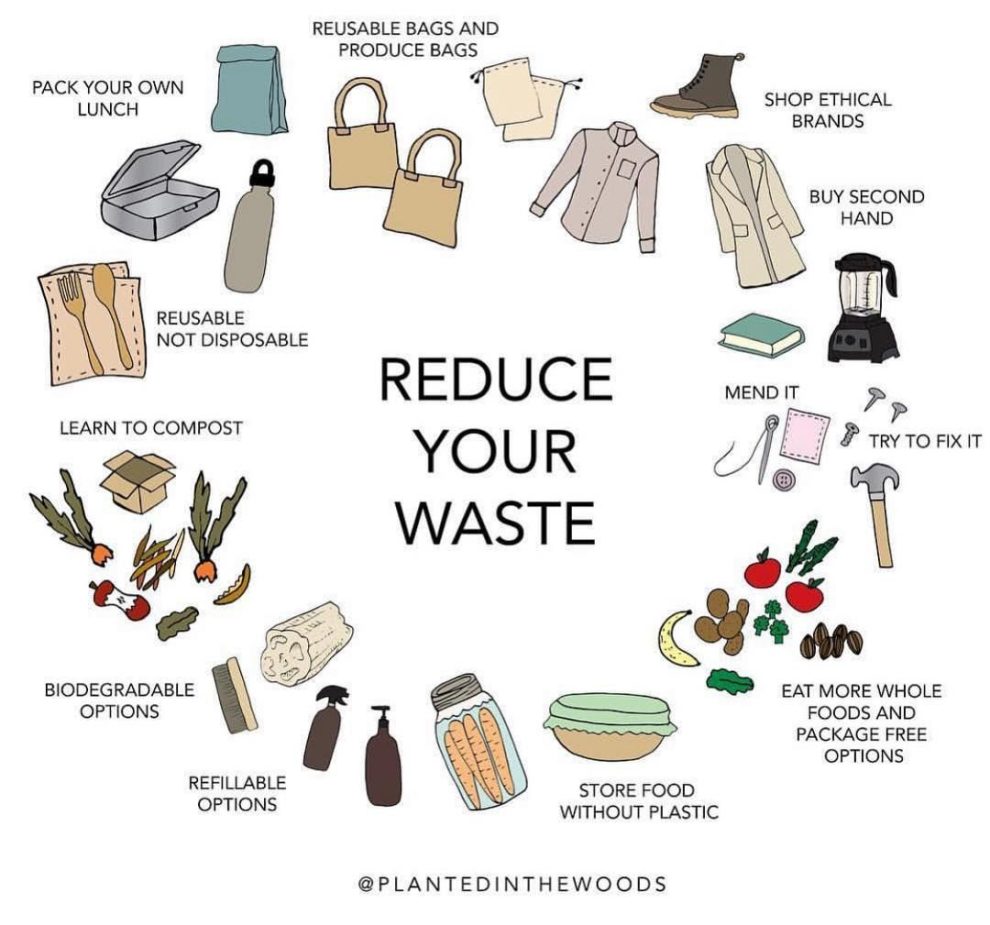
Minimizing food waste at the grocery store is a crucial step in a comprehensive food waste reduction strategy. Careful planning and informed purchasing decisions can significantly impact the amount of food that ends up in the landfill. By adopting smart strategies, consumers can ensure they are buying only what they need, in optimal condition, and in packaging that minimizes environmental impact.Effective grocery shopping techniques are essential for reducing food waste.
This involves recognizing the importance of pre-shopping assessments, making calculated purchasing choices, and selecting produce carefully. Implementing these practices can substantially reduce the volume of uneaten food.
Informed Purchasing Decisions
Thorough planning before heading to the grocery store significantly reduces impulse buys and over-purchasing. Creating a shopping list based on meal plans and existing inventory helps to avoid buying items already in stock or unnecessary quantities. This pre-planning minimizes the likelihood of purchasing more than required, preventing surplus food from going bad. Furthermore, adhering to a budget during shopping can prevent excessive purchases.
Selecting Ripe and Good-Condition Produce
Selecting fresh produce in excellent condition is key to preventing spoilage. Inspecting fruits and vegetables for bruises, cuts, and signs of decay before purchasing helps ensure that they will last longer at home. Prioritizing locally sourced produce, when available, can also reduce transportation-related spoilage. Choosing fruits and vegetables that are at their peak ripeness for consumption reduces waste.
Avoiding Impulse Buys and Excessive Purchases
Impulse buys often lead to unnecessary purchases that ultimately result in wasted food. Sticking to a pre-determined shopping list can help to mitigate this issue. Assessing the current inventory of food at home before shopping helps to prevent over-buying. By considering portion sizes and individual needs, consumers can buy only the necessary quantities of food.
Checking Your Fridge Before Shopping
Before heading to the grocery store, it’s crucial to check your refrigerator and pantry. This inventory assessment helps avoid buying duplicate items or unnecessary quantities of food. This proactive step minimizes the likelihood of accumulating extra food that might not be consumed. Knowing what’s already on hand allows for targeted purchases, ensuring that you are only buying what is needed to maintain a balanced and well-stocked kitchen.
Avoiding Pre-Portioned Foods
Pre-portioned foods often lead to significant food waste. Individual portions are often more expensive than buying larger quantities and portioning at home. Buying larger quantities and portioning food yourself offers cost savings and minimizes packaging waste. For instance, buying a bulk bag of rice or beans and storing them in airtight containers is a more sustainable option than purchasing pre-portioned packets.
Packaging Comparison
| Packaging Type | Impact on Food Waste | Environmental Impact |
|---|---|---|
| Plastic | Higher risk of food spoilage due to poor air circulation and potential for contamination. | Significant environmental impact due to plastic production and disposal. |
| Paper | Generally less prone to contamination than plastic. Can be easily recycled. | Lower environmental impact than plastic. May not be suitable for all foods. |
| Reusable | Minimal to no food spoilage. Reduced packaging waste. | Most environmentally friendly option, reducing reliance on single-use plastics and paper. |
Reusable packaging is the most sustainable choice for minimizing food waste and environmental impact.
Cooking and Food Preparation Techniques
Effective cooking and food preparation are crucial for minimizing food waste. Proper planning, strategic cooking methods, and mindful portioning can significantly reduce the amount of edible food that ends up discarded. This section explores various techniques to maximize the utilization of ingredients and leftovers.
Transforming Leftovers into New Dishes
Leftover food, often perceived as a waste product, can be easily transformed into delicious and satisfying new meals. Clever repurposing of leftovers saves money and minimizes food waste. For example, leftover roasted vegetables can be incorporated into a frittata or a pasta sauce, while leftover cooked chicken can be used in salads, sandwiches, or soups.
Preparing Larger Portions for Multiple Meals
Preparing larger portions of food for multiple meals can reduce the amount of food that ends up going uneaten. This method can save time and effort, especially for busy individuals or families. For instance, cooking a large batch of chili on the weekend can provide lunches and dinners for the entire week.
Portion Control and Reducing Food Prepared
Implementing portion control strategies is essential for minimizing food waste. Understanding portion sizes for individual needs and appetites allows for the preparation of just the right amount of food, reducing excess. Utilizing smaller plates and mindful eating can also help in controlling portion sizes and reducing food waste.
Cooking with Ingredients Approaching Expiration
Utilizing ingredients that are approaching their expiration date is a valuable skill for reducing food waste. By employing suitable cooking methods and creative recipes, such as using slightly bruised fruits in smoothies or slightly soft vegetables in soups, the likelihood of wasted food can be significantly lowered. This proactive approach helps avoid discarding perfectly edible food that might otherwise be thrown away.
Safe Storage of Leftover Food
Proper storage of leftover food is vital for preventing spoilage. Storing leftovers in airtight containers in the refrigerator or freezer at the appropriate temperatures is crucial to maintaining their quality and preventing bacterial growth. Ensuring the food is cooled completely before storing it will prevent the growth of harmful bacteria. Following these guidelines can greatly extend the shelf life of leftovers and reduce food waste.
Recipes Utilizing Leftover Ingredients
| Leftover Ingredient | Recipe Idea |
|---|---|
| Leftover Roasted Chicken | Chicken Salad Sandwiches, Chicken Pasta Primavera, Chicken and Vegetable Soup |
| Leftover Rice | Fried Rice, Rice Bowls with Stir-fried Vegetables, Rice Pudding |
| Leftover Vegetables | Stir-fries, Frittatas, Soups, Salads |
| Leftover Pasta | Pasta Salad, Pasta with Pesto, Pasta Carbonara |
| Leftover Bread | French Toast, Bread Pudding, Croutons |
Creative Ways to Repurpose Food
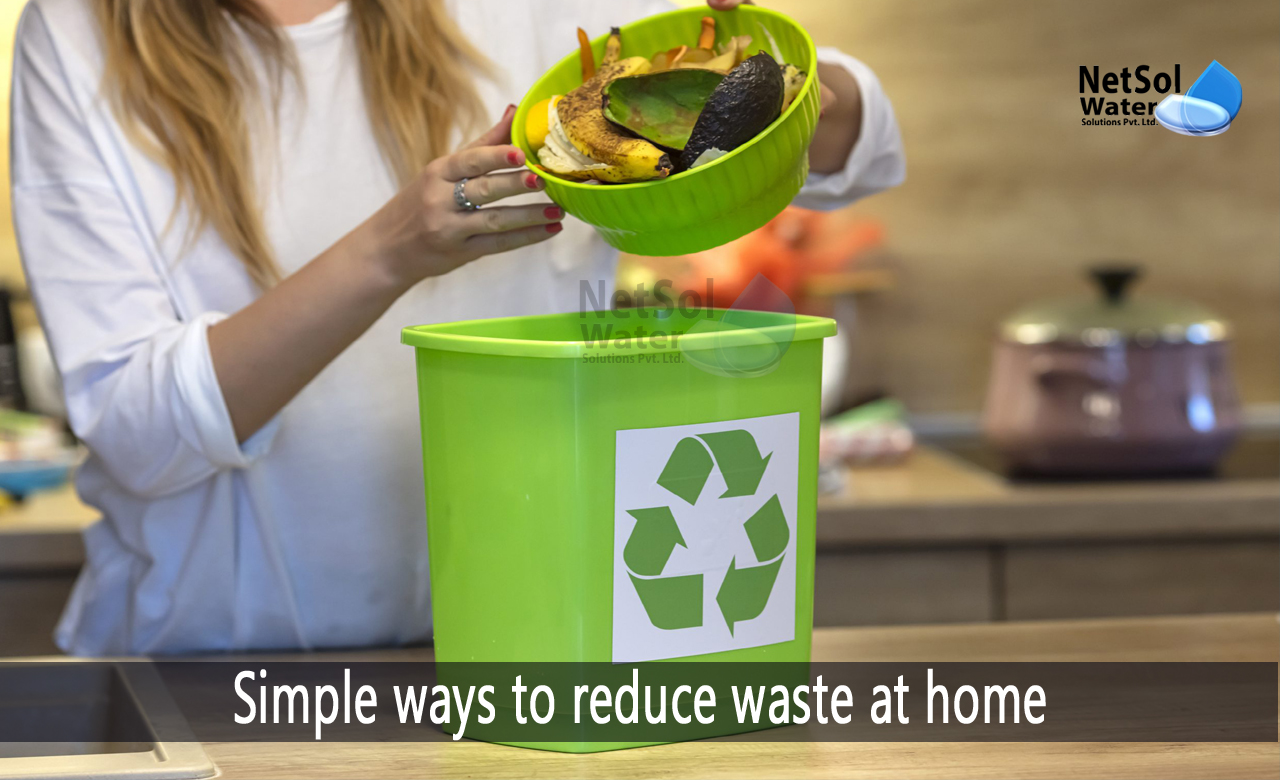
Transforming food scraps and leftovers into delicious and nutritious meals is a valuable way to reduce waste and save money. This approach not only benefits your wallet but also contributes to a more sustainable lifestyle. By repurposing ingredients, you can unlock new culinary possibilities and minimize the environmental impact of food waste.
Recipes Using Discarded Ingredients
Often, perfectly edible ingredients are discarded due to their appearance or perceived expiration date. This section explores creative recipes using such ingredients, highlighting their culinary potential.
- Stale Bread: Stale bread can be transformed into breadcrumbs, French toast, croutons, or even a hearty bread pudding. To make breadcrumbs, simply dry the bread in a low oven and then pulse it in a food processor until fine. This simple step elevates the use of stale bread, adding texture and flavor to a wide array of dishes.
- Overripe Bananas: Overripe bananas are ideal for banana bread, muffins, or smoothies. Their sweetness intensifies, creating a delicious base for baked goods. The addition of other ripe fruits, like apples or pears, enhances the flavor profile.
- Vegetable Scraps: Vegetable scraps, such as carrot tops, onion peels, and potato skins, can be used to create flavorful stocks and broths, adding depth and complexity to soups and sauces. These seemingly insignificant parts contain valuable nutrients.
Creative Uses for Vegetable Scraps and Peels
Vegetable scraps and peels often go unused, but they hold significant culinary potential. This section explores diverse ways to utilize these often-discarded parts of vegetables.
- Carrot Tops: Carrot tops can be added to salads, stir-fries, or soups, adding a subtle peppery flavor. They can also be sautéed and served as a side dish. The nutrients found in carrot tops are comparable to those found in the carrot itself.
- Onion Peels: Onion peels can be used to create a flavorful broth or stock, adding depth and complexity to soups and stews. The peels infuse the liquid with their concentrated onion flavor.
- Potato Skins: Potato skins can be crisped and used as a garnish for soups or stews. They can also be added to potato gratin for a unique texture and flavor.
Utilizing Stale Bread and Other Outdated Items
Stale bread, outdated grains, and other seemingly unusable items can find new life through creative repurposing. This section explores various ways to give new life to these seemingly outdated ingredients.
- Stale Bread: Stale bread can be used in stuffing, bread crumbs, or as a base for French toast. This versatile ingredient can be used in various dishes.
- Outdated Grains: Outdated grains can be used to make granola or breakfast cereals, adding a unique texture and flavor to your breakfast. The nutritional value of these grains remains high even after a certain period.
- Overripe Fruits: Overripe fruits like bananas, apples, and pears can be transformed into jams, sauces, or chutneys. These methods retain the fruit’s flavor and nutrients in a preserved form.
Transforming Overripe Fruits into Preserves
Overripe fruits, often discarded, can be transformed into delicious preserves. This section details methods for crafting jams, sauces, and other preserves.
- Fruit Jams: Overripe fruits like berries, plums, or peaches can be made into jams. These jams add a touch of sweetness and flavor to toast, scones, or as a spread for sandwiches.
- Fruit Sauces: Overripe fruits can be transformed into fruit sauces that enhance the flavor of various dishes. These sauces can be used as a topping for pancakes, waffles, or as a glaze for meats.
- Chutneys: Overripe fruits like mangoes or figs can be made into chutneys. These chutneys add a unique flavor and texture to Indian curries, as a spread for sandwiches, or as a condiment for roasted meats.
Making Homemade Stocks and Broths
Leftover bones and vegetable scraps can be transformed into flavorful stocks and broths. This section Artikels the process of creating homemade stocks.
- Bone Broth: Leftover chicken or beef bones can be used to make a rich and nutritious bone broth. The collagen and nutrients in the bones contribute to the broth’s health benefits.
- Vegetable Stock: Vegetable scraps, including peels, stems, and leaves, can be used to make a flavorful vegetable stock. This stock adds depth to soups, stews, and sauces.
Repurposing Common Kitchen Scraps
The following table compares different ways to repurpose common kitchen scraps.
| Scrap | Repurposing Method | Examples |
|---|---|---|
| Vegetable Scraps | Stocks/Broths, Sauces, Compost | Carrot tops in soup, onion peels in stock, potato skins in gratin |
| Stale Bread | Breadcrumbs, French Toast, Stuffing | Breadcrumbs for coating, French toast for breakfast, stuffing for poultry |
| Overripe Fruits | Jams, Sauces, Chutneys | Fruit jams, fruit sauces, mango chutney |
Freezing and Preservation Methods
Proper freezing and preservation techniques are crucial for extending the shelf life of food and minimizing waste. These methods allow you to enjoy fresh produce and other items throughout the year, regardless of seasonal availability. By understanding the appropriate procedures, you can maintain the quality and nutritional value of your food while reducing the amount of food discarded.Freezing, blanching, canning, and pickling are all effective preservation techniques.
Each method has its advantages and best-suited applications for different food types. Proper labeling and storage are essential for ensuring the safety and quality of frozen foods.
Freezing Fruits and Vegetables
Freezing is an excellent method for preserving the freshness and nutrients of fruits and vegetables. By freezing produce at the peak of ripeness, you can enjoy it throughout the year. To maintain quality, it’s crucial to follow the correct freezing procedures.
- Preparation for Freezing: Choose produce that is ripe, undamaged, and of good quality. Thoroughly wash and prepare the produce as you normally would for consumption. This may involve chopping, slicing, or peeling.
- Blanching: Blanching is a crucial step for preserving the quality of fruits and vegetables. It involves briefly submerging the produce in boiling water to stop enzymatic activity, which can cause discoloration, loss of nutrients, and texture changes. The exact blanching time varies depending on the item. For example, green beans may require a 2-3 minute blanch, while peas might need only 1-2 minutes.
Immerse the produce in ice water immediately after blanching to halt the cooking process.
- Freezing Method: Spread the prepared and blanched produce in a single layer on a baking sheet lined with parchment paper. Freeze the items for a few hours until solid. Then, transfer the frozen produce to airtight containers or freezer bags, removing as much air as possible. Label the containers with the contents and date of freezing for easy identification and proper rotation.
Freezing Other Food Items
Freezing techniques extend beyond fruits and vegetables. Meats, poultry, and even baked goods can be frozen for later use. Proper preparation is key to maintaining food safety and quality during freezing.
- Meat and Poultry: Portion meat and poultry into appropriate serving sizes. Wrap tightly in freezer-safe plastic wrap or aluminum foil. Then, transfer the wrapped items to freezer bags or containers. Label the packages with the contents and date of freezing. Avoid overcrowding freezer containers or bags.
- Baked Goods: Cool baked goods completely before freezing. Wrap them individually in plastic wrap or aluminum foil. Then, transfer to freezer bags or containers. Label the packages with the contents and date of freezing.
- Leftovers: Portion leftovers into airtight containers or freezer bags. Label and date the containers for easy identification and rotation. Avoid freezing leftovers in containers that are not designed for freezing.
Preservation Methods: Canning and Pickling
Canning and pickling are traditional preservation methods that use heat or acid to create a safe and shelf-stable environment for food. These techniques help preserve fruits and vegetables for extended periods.
- Canning: Canning involves using heat to create a vacuum seal that prevents spoilage. Follow specific recipes and guidelines for proper canning procedures. Proper equipment and adherence to safety precautions are crucial to avoid foodborne illnesses.
- Pickling: Pickling uses acidic solutions, such as vinegar, to create a preservation environment. This method can be used to preserve vegetables and some fruits. Pickling recipes vary depending on the specific food and desired flavor profile. Carefully follow the recipe to ensure safety and desired outcome.
Vacuum Sealing
Vacuum sealing removes air from packaging, creating an environment that inhibits microbial growth and slows down oxidation. This can significantly extend the shelf life of various food items.
- Vacuum Sealing Procedure: Place food items in vacuum-sealed bags. Seal the bags using a vacuum sealer. Label the bags with the contents and date of sealing. Properly store the sealed bags in the freezer for optimal freshness and safety.
Storage Guidelines for Frozen Foods
Proper storage of frozen foods is essential for maintaining their quality and safety.
- Temperature Control: Maintain a consistent temperature in your freezer at or below 0°F (-18°C). Avoid frequent opening and closing of the freezer door, as this can lead to temperature fluctuations.
- FIFO Principle: Follow the FIFO (First-In, First-Out) principle for rotating frozen foods. Use older items before newer ones to prevent freezer burn and loss of quality.
- Freezer Burn: Freezer burn is the drying out of food due to exposure to air. Proper packaging and storage can minimize freezer burn.
Composting and Recycling Food Waste
Reducing food waste extends beyond the kitchen and grocery store. Composting and recycling food scraps represent crucial steps in creating a more sustainable lifestyle and mitigating the environmental impact of food waste. Effective composting and recycling systems can transform organic waste into valuable resources, minimizing landfill burden and enhancing soil health.Composting food scraps transforms organic waste into nutrient-rich soil amendments.
This process naturally breaks down food waste into simpler components, reducing the amount of waste sent to landfills and creating a valuable resource for gardens and farms. This process is an essential part of a comprehensive food waste reduction strategy.
Benefits of Composting Food Scraps
Composting food scraps offers a multitude of environmental and practical advantages. It reduces landfill waste, minimizing methane emissions, a potent greenhouse gas. It also creates nutrient-rich compost, improving soil health and reducing the need for synthetic fertilizers. Furthermore, composting reduces the reliance on landfills and promotes a circular economy.
Steps for Setting Up a Home Composting System
Establishing a home composting system is a straightforward process. Start by selecting a suitable location, ensuring adequate sunlight and drainage. Choose a composting bin appropriate for your space and needs. Introduce a mixture of “greens” (food scraps, vegetable waste) and “browns” (dried leaves, twigs, cardboard) to maintain the proper balance in the composting process. Regular turning and moisture management are key to successful composting.
The Role of Food Waste in the Environment
Food waste significantly contributes to environmental problems. Landfills, which often house significant amounts of food waste, release methane, a potent greenhouse gas that accelerates climate change. The decomposition of food waste in landfills consumes valuable resources and contributes to the spread of harmful bacteria. Food waste is also a significant contributor to water pollution.
Best Practices for Separating and Recycling Food Waste
Proper separation and recycling of food waste are essential for maximizing the benefits of these processes. Rinse and chop food scraps to accelerate decomposition. Separate food scraps from other waste materials in designated containers. Ensure the correct mixture of “greens” and “browns” for optimal decomposition.
Vermicomposting: Using Worms for Composting
Vermicomposting, a composting method utilizing worms, offers an efficient and effective way to process food waste. Worms play a crucial role in breaking down organic matter into nutrient-rich castings. These castings are highly valuable as a soil amendment. Vermicomposting is relatively low-maintenance and can be easily implemented at home. The process produces a rich, nutrient-dense compost, often referred to as vermicast.
Different Types of Compostable Materials and Decomposition Times
The following table Artikels various compostable materials and their approximate decomposition times. Understanding these times can help you manage your compost pile effectively.
| Material | Decomposition Time (approximate) |
|---|---|
| Fruits and Vegetables | 1-4 weeks |
| Bread and Grains | 2-6 weeks |
| Coffee Grounds and Filters | 2-4 weeks |
| Tea Bags | 4-6 weeks |
| Eggshells | 4-8 weeks |
| Yard Trimmings | 2-8 weeks |
Educational Resources and Support Systems
Learning about and implementing food waste reduction strategies is a journey best undertaken with support and accessible resources. This section explores various avenues for acquiring knowledge, engaging in community initiatives, and fostering a collective commitment to sustainable food practices. Educating individuals, particularly younger generations, is crucial for cultivating long-term habits that minimize environmental impact and maximize food utilization.Comprehensive educational resources, coupled with supportive community programs, are instrumental in empowering individuals and communities to reduce food waste.
These resources equip individuals with the knowledge and tools to make informed decisions about food purchasing, storage, and preparation, leading to significant reductions in food waste at home and in the wider community.
Resources for Accessing Educational Materials
Numerous organizations and websites offer valuable resources on reducing food waste. Government agencies, universities, and non-profit organizations often provide educational materials, including guides, workshops, and online courses. These resources often cover various aspects of food waste reduction, from planning and inventory management to creative repurposing techniques. Online platforms and social media channels also host valuable information, including tips, recipes, and success stories from individuals and communities committed to reducing food waste.
Searching for “food waste reduction resources” online will yield a vast array of relevant materials.
Examples of Community Programs
Many communities have implemented programs designed to address food waste. These programs often include initiatives such as community gardens, where excess produce can be shared or composted. Food banks and rescue organizations frequently partner with retailers and restaurants to collect and redistribute surplus food to those in need. Local farmers’ markets and initiatives supporting local agriculture also contribute to minimizing food waste by connecting consumers with producers directly.
These programs not only reduce waste but also strengthen community ties and foster a sense of shared responsibility.
Educating Children about Food Waste
Educating children about food waste is crucial for fostering sustainable habits early in life. Interactive workshops, school programs, and engaging activities can help children understand the importance of responsible food consumption. These programs can include lessons on food preservation techniques, composting, and the environmental impact of food waste. Parents and educators play a pivotal role in reinforcing these lessons at home and in the classroom.
Encouraging Others to Adopt Sustainable Food Practices
Promoting sustainable food practices requires a collaborative effort. Sharing personal experiences, tips, and recipes on social media platforms or in community forums can inspire others. Organizing workshops or cooking demonstrations can educate and empower individuals to reduce food waste in their daily lives. Encouraging participation in local food waste reduction initiatives can also drive positive change.
Finding Local Food Banks and Organizations
Locating local food banks and organizations dedicated to food donation is crucial for diverting surplus food from landfills. Online search engines, local government websites, and community forums can help identify these organizations in a specific region. Contacting these organizations directly can provide information about their collection methods and eligibility criteria for donating surplus food. Many food banks and rescue organizations actively seek partnerships with retailers and restaurants to help reduce waste.
Comparison of Food Waste Reduction Programs
| Region | Program Name | Focus | Key Features | Impact |
|---|---|---|---|---|
| North America | Zero Waste America | National | Advocacy, education, resources | Raising awareness, promoting policy changes |
| Europe | Food Waste Europe | Pan-European | Data collection, policy recommendations | Understanding the scope of food waste |
| Australia | Food Rescue Australia | National | Food rescue programs, partnerships | Reducing food loss in the supply chain |
| Asia | Various local initiatives | Regional/Local | Community gardens, food banks, education | Varying levels of success depending on local context |
Note: This table provides a limited overview. Many other programs exist at local and regional levels, with varying approaches and impacts.
Final Review
In conclusion, reducing food waste is a multifaceted endeavor requiring a holistic approach. By implementing the strategies Artikeld in this guide, individuals and households can significantly minimize their environmental impact and contribute to a more sustainable food system. This guide provides a practical roadmap for making conscious choices, transforming leftovers into delicious meals, and adopting environmentally responsible food practices.
The journey to a waste-free kitchen begins now.