Plastic pollution poses a significant global threat to our environment. From the vast expanse of oceans choked with debris to overflowing landfills, the impact of plastic waste is undeniable. This guide delves into the multifaceted problem, offering practical solutions for individuals, communities, and innovators alike. Understanding the lifecycle of plastics, from production to disposal, is crucial for effective reduction strategies.
This comprehensive guide examines the environmental consequences of plastic waste, highlighting its impact on land, water, and air. It provides actionable steps for individuals to reduce their plastic consumption, explores community-based initiatives and policies, and examines innovative technologies and educational approaches. We will also explore the role of bioplastics and sustainable alternatives to traditional plastics.
Understanding Plastic Waste
The global plastic waste crisis is a significant environmental challenge, demanding immediate and comprehensive action. The sheer volume of plastic produced and its persistent nature pose a threat to ecosystems and human health. The problem extends far beyond the immediate disposal of waste, encompassing the entire lifecycle of plastic products.Plastic waste accumulates in various environments, causing detrimental effects on air, land, and water quality.
Its long-lasting presence impacts biodiversity and ecosystem functionality. A deeper understanding of the different types of plastics, their degradation rates, and the various impacts is essential for developing effective strategies to mitigate this issue.
Global Scope of the Problem
The global production of plastic has risen dramatically over the past few decades, leading to a massive increase in plastic waste. This overwhelming volume overwhelms existing waste management systems, resulting in significant amounts of plastic ending up in landfills, oceans, and other environments. The widespread use of single-use plastics further exacerbates the problem, contributing to a significant increase in the amount of waste produced.
Environmental Impact of Plastic Waste
Plastic waste has far-reaching environmental consequences. Landfills become saturated with plastic debris, preventing natural decomposition and releasing harmful chemicals into the surrounding soil and water. The accumulation of plastic in oceans and waterways poses a serious threat to marine life. Entanglement, ingestion, and habitat destruction are just some of the negative impacts on various marine species. The presence of microplastics, resulting from the degradation of larger plastic pieces, is now found in various parts of the environment, even in remote areas and food chains.
Plastic Types and Degradation Rates
Different types of plastic exhibit varying degradation rates. This difference is largely due to the chemical structure of each type. Some plastics, like PET (polyethylene terephthalate) and PVC (polyvinyl chloride), take hundreds of years to decompose. This prolonged presence in the environment contributes significantly to pollution. The differing degradation rates necessitate tailored approaches to management and disposal.
Comparison of Plastic Types
| Plastic Type | Recyclability | Environmental Impact | Decomposition Time |
|---|---|---|---|
| Polyethylene Terephthalate (PET) | Generally recyclable (depending on the quality and type of recycling facilities) | Moderate impact, particularly if not recycled properly | Hundreds of years |
| Polyvinyl Chloride (PVC) | Limited recyclability, often mixed with other plastics | High impact, due to the release of harmful chemicals during decomposition | Hundreds of years |
| Polyethylene (PE) | Recyclable in some cases, but often mixed with other plastics | Moderate impact, dependent on the type of PE | Hundreds to thousands of years |
| Polypropylene (PP) | Generally recyclable, depending on the recycling facilities | Moderate impact, often used for packaging | Years to decades |
| Polystyrene (PS) | Limited recyclability, often mixed with other plastics | High impact, known to release harmful chemicals into the environment | Hundreds of years |
The table above provides a concise overview of various plastic types, their recyclability, environmental impact, and decomposition times. Understanding these factors is crucial for developing effective waste management strategies and promoting sustainable practices. The long decomposition times for many plastics underscore the urgent need for responsible consumption and production practices.
Individual Actions for Reduction
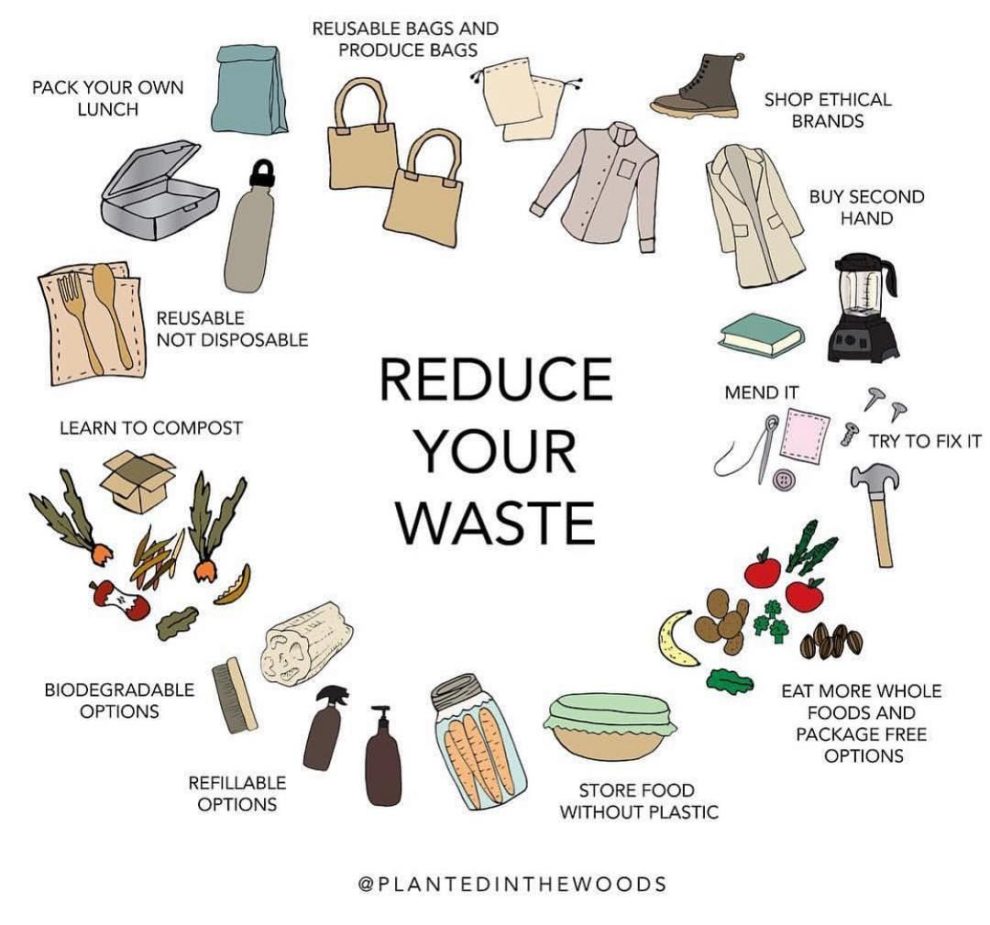
Reducing plastic waste requires a concerted effort from individuals. Small, consistent changes in daily habits can significantly impact the overall amount of plastic entering the environment. By adopting sustainable practices and choosing alternative materials, we can contribute to a healthier planet.Individual actions are crucial in the fight against plastic pollution. Making conscious choices in everyday purchases and disposal methods directly contributes to reducing the environmental burden of plastic waste.
Adopting sustainable alternatives and understanding proper disposal procedures are key steps towards a more environmentally friendly lifestyle.
Practical Steps for Reducing Plastic Consumption
Conserving resources and reducing plastic consumption involves incorporating sustainable practices into daily routines. This encompasses conscious purchasing decisions and adopting alternative packaging.
- Choose reusable alternatives for single-use items. Reusable water bottles, coffee cups, shopping bags, and food containers are readily available and significantly reduce plastic waste compared to disposable counterparts.
- Prioritize products with minimal packaging. Look for items packaged in recyclable or compostable materials, or those with minimal plastic wrapping.
- Buy in bulk whenever possible. This reduces the amount of packaging per unit and supports companies that offer bulk options.
- Avoid single-use plastics, such as plastic cutlery, straws, and plates.
- Support businesses committed to reducing plastic waste.
Alternative Materials to Plastic
Many sustainable alternatives exist for plastic, each with its own set of advantages. These alternatives vary in terms of cost, availability, and environmental impact.
- Glass: Glass is a durable, reusable material. It can be recycled indefinitely without losing quality, unlike many plastics.
- Bamboo: Bamboo is a fast-growing plant, making it a renewable resource. It’s used in various products, including cutlery and plates.
- Metal: Metal, such as stainless steel or aluminum, is durable and can be recycled easily. Reusable food containers and water bottles are often made of metal.
- Paper: Paper is a renewable resource when sourced responsibly. It’s commonly used in packaging and other products, but its recyclability varies.
- Compostable materials: Plant-based materials like cornstarch or sugarcane are used to create compostable packaging, which breaks down naturally.
Sustainable Packaging Alternatives
This table contrasts plastic packaging with sustainable alternatives, highlighting their environmental impact and cost.
| Plastic Packaging | Sustainable Alternative | Environmental Impact | Cost Comparison |
|---|---|---|---|
| Plastic Bags | Reusable Bags | Lower environmental impact due to reduced production and disposal of plastic. | Potentially higher initial cost, but significantly lower long-term cost as reusable bags are used repeatedly. |
| Plastic Bottles | Glass Bottles, Reusable Water Bottles | Lower environmental impact due to recyclability and reduced reliance on virgin plastic. | Potentially higher initial cost, but lower long-term cost as reusable bottles avoid frequent replacements. |
| Plastic Food Containers | Glass or Metal Food Containers | Lower environmental impact due to recyclability and reduced reliance on virgin plastic. | Potentially higher initial cost, but potentially lower long-term cost depending on frequency of replacement. |
Importance of Reducing Single-Use Plastics
Single-use plastics have a profound impact on the environment. They contribute significantly to plastic pollution, harming wildlife and ecosystems. Minimizing single-use plastics is crucial for preserving the environment.
Reducing single-use plastics is a vital step in mitigating the environmental crisis caused by plastic pollution. The impact on wildlife and ecosystems is severe, and proactive measures to reduce single-use plastics are crucial for long-term environmental sustainability.
Proper Disposal of Plastic Waste
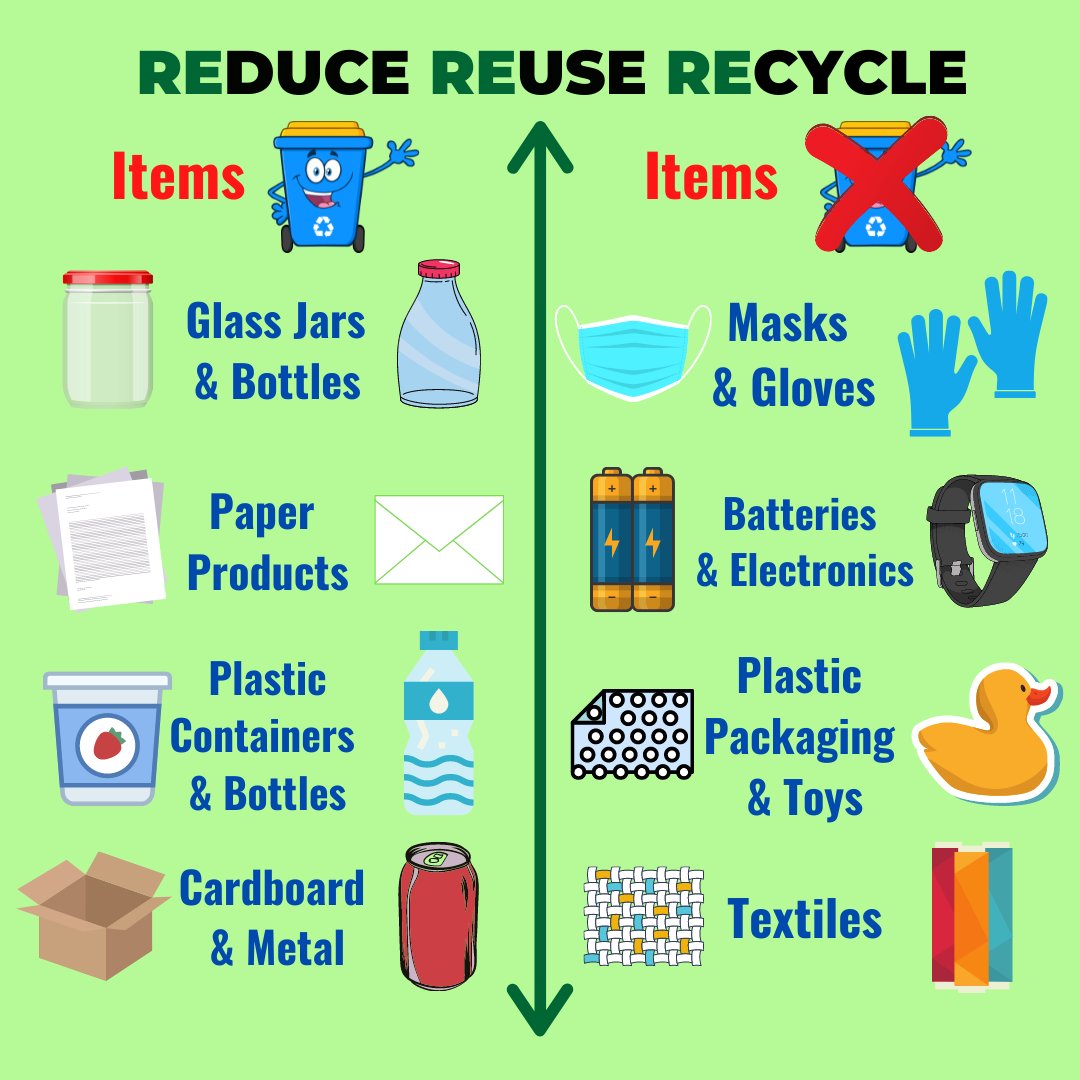
Proper plastic waste disposal is critical to minimizing environmental damage. Recycling and composting are essential methods for diverting plastic from landfills.
- Recycling: Follow local guidelines for recycling plastic materials. Not all plastics are recyclable, so ensure proper sorting.
- Composting: Certain plastics can be composted, but this is dependent on local regulations. Ensure the material is compostable before discarding it in a compost bin.
- Landfill Disposal: If recycling or composting isn’t an option, dispose of plastic waste in designated landfills to prevent littering.
Community and Systemic Solutions
Addressing plastic waste effectively requires collective action at both the community and systemic levels. This involves implementing initiatives that encourage responsible consumption and production practices, alongside the development and enforcement of robust policies. Community-based programs, combined with supportive regulations, can create a powerful synergy for long-term plastic reduction.
Community-Level Initiatives
Community-level initiatives play a crucial role in fostering a culture of plastic reduction. These initiatives aim to engage residents, businesses, and organizations in shared responsibility for managing plastic waste. Successful programs often employ a multi-faceted approach that combines education, awareness campaigns, and practical solutions.
- Community Recycling Programs: Enhanced community recycling programs, incorporating diverse materials, and providing accessible collection points, can significantly increase recycling rates. These programs can also include educational components to encourage proper sorting and reduce contamination.
- Plastic-Free Zones: Designating specific areas as “plastic-free zones” within a community can promote alternative packaging and reduce single-use plastic consumption. This can involve partnerships with local businesses and events to encourage reusable alternatives.
- Educational Campaigns: Educating residents about the environmental impact of plastic and providing practical tips for reducing their plastic footprint through workshops, presentations, and social media campaigns is crucial for driving behavioral changes.
- Collaboration with Businesses: Collaboration with local businesses can encourage them to adopt more sustainable practices, such as using reusable packaging or offering incentives for customers who bring their own containers.
Policies and Regulations
Effective policies and regulations can provide a framework for systemic change and support community-level initiatives. Clear guidelines can influence consumer behavior and incentivize businesses to adopt more sustainable practices.
- Bans on Single-Use Plastics: Implementing bans on single-use plastics like bags, straws, and cutlery can significantly reduce plastic consumption. Examples include cities and states that have already implemented such bans with positive results in reducing plastic waste.
- Extended Producer Responsibility (EPR): EPR schemes hold manufacturers responsible for the end-of-life management of their products, encouraging them to design products with recyclability and reusability in mind. This can lead to the development of more sustainable packaging and products.
- Taxation on Plastic Packaging: Taxes on plastic packaging can increase the cost of single-use plastics, incentivizing businesses to reduce their use and explore alternative materials. This can be a valuable tool in supporting sustainable consumption.
Successful Plastic Reduction Campaigns
Several communities worldwide have demonstrated success in reducing plastic waste. These campaigns often involve a combination of community engagement, policy changes, and innovative solutions.
- Example 1 (City X): City X successfully reduced plastic bag use by 80% after implementing a comprehensive ban on single-use plastic bags and providing incentives for reusable bags. This example highlights the impact of strong policy decisions combined with community education.
- Example 2 (Region Y): Region Y established a “Plastic-Free Zone” initiative that involved local businesses, restaurants, and residents, leading to a noticeable reduction in plastic consumption and a significant increase in reusable alternatives. This demonstrates the power of community-wide collaboration.
Challenges in Implementing Plastic Reduction Strategies
Despite the potential benefits, implementing plastic reduction strategies can present several challenges. Overcoming these obstacles requires a collaborative approach that addresses the specific concerns of the community.
- Financial Constraints: Implementing comprehensive recycling programs and alternative solutions may require significant upfront investment. Finding funding sources to support these initiatives is often a key challenge.
- Public Awareness and Behavior Change: Changing public awareness and behavior regarding plastic consumption requires sustained effort and innovative strategies to reach and engage diverse populations.
- Lack of Infrastructure: Inadequate recycling infrastructure, including collection facilities and sorting capabilities, can hinder the effectiveness of community recycling programs. Improving and expanding infrastructure is essential for achieving wider-scale change.
Flowchart for Establishing a Community-Based Plastic Reduction Program
| Step | Action |
|---|---|
| 1 | Assessment: Conduct a community assessment to identify current plastic consumption patterns, recycling infrastructure, and community needs. |
| 2 | Goal Setting: Define clear, measurable goals and objectives for plastic reduction, considering the community’s unique context and resources. |
| 3 | Strategy Development: Develop a comprehensive strategy that includes community engagement, policy changes, and innovative solutions. |
| 4 | Implementation: Implement the chosen strategies, ensuring transparency and communication with the community. |
| 5 | Monitoring and Evaluation: Track progress towards goals, gather feedback from stakeholders, and adapt strategies as needed. |
Innovative Technologies and Solutions
Innovative technologies are rapidly emerging to address the global plastic waste crisis. These solutions range from advanced recycling methods to the development of biodegradable alternatives. By exploring and implementing these advancements, we can significantly reduce our reliance on traditional plastics and foster a more sustainable future.Recent advancements in waste management are demonstrating the potential to effectively process and reuse plastic materials.
This approach aims to reduce the environmental impact of plastic waste while preserving valuable resources. These solutions are crucial for mitigating the adverse effects of plastic pollution on our ecosystems and promoting circular economy principles.
Advanced Recycling Processes
New recycling technologies are constantly being developed to address the limitations of conventional methods. These advancements are aimed at processing various types of plastics, including those that are currently difficult or impossible to recycle. The focus is on creating closed-loop systems for plastic waste management. For instance, chemical recycling, a promising technology, can break down complex plastic polymers into basic building blocks, which can then be used to create new plastics or other products.
This approach holds the potential to significantly increase the recycling rate of plastics, especially those difficult to recycle.
Bioplastics and their Role
Bioplastics offer a promising alternative to traditional petroleum-based plastics. They are derived from renewable resources such as plant starches or microorganisms. The development of bioplastics is an important step in reducing our reliance on fossil fuels and promoting sustainable practices.
Bioplastics offer a sustainable alternative to traditional plastics, derived from renewable resources like plant starches or microorganisms.
Environmental Impact Comparison
The environmental impact of bioplastics differs depending on the specific type and its production process. Traditional plastics rely on fossil fuels, which contribute to greenhouse gas emissions and have a significant environmental footprint throughout their lifecycle. Bioplastics, in contrast, often have a lower carbon footprint, but the exact impact varies significantly depending on the source and production methods.
Factors such as land use for cultivation, energy consumption during production, and the end-of-life management of bioplastics must be carefully considered.
Bioplastic Types and Applications
The table below summarizes different types of bioplastics, their sources, applications, and relative environmental impact. The table illustrates the diversity of bioplastics and their potential applications in various sectors.
| Bioplastic Type | Source | Applications | Environmental Impact |
|---|---|---|---|
| PLA (Polylactic Acid) | Corn Starch | Packaging, 3D printing, compostable utensils | Generally considered to have a lower environmental impact than traditional plastics, particularly when produced using renewable energy sources. |
| PHA (Polyhydroxyalkanoates) | Microorganisms | Medical devices, food packaging, biodegradable films | Generally considered to have a lower environmental impact than traditional plastics, but the specific impact depends on the production process and the microorganisms used. |
| PBS (Polybutylene Succinate) | Plants | Food packaging, biodegradable films | Generally considered to have a lower environmental impact than traditional plastics, but the specific impact depends on the production process and the plants used. |
Educational Initiatives and Awareness
Educating individuals about plastic waste is crucial for fostering sustainable practices. A well-informed populace is more likely to adopt responsible behaviours and advocate for systemic change. Effective educational programs can empower individuals to make conscious choices about plastic consumption and disposal, ultimately contributing to a significant reduction in plastic waste.Understanding the full lifecycle of plastic, from production to disposal, is vital for effective educational initiatives.
This understanding helps individuals comprehend the environmental impact of plastic at each stage. By educating people on the consequences of improper disposal, we can encourage responsible practices and inspire community-level solutions.
Importance of Educational Programs
Educational programs are essential for raising awareness about the detrimental effects of plastic pollution. They empower individuals with knowledge and tools to actively participate in plastic reduction efforts. This knowledge fosters a deeper understanding of the environmental consequences of plastic waste and motivates individuals to take action. Effective programs typically address the problem from a holistic perspective, encompassing production, consumption, and disposal.
Examples of Educational Programs and Initiatives
Numerous educational programs are designed to address plastic waste. School-based workshops often use interactive activities and hands-on experiments to teach students about the lifecycle of plastics. Community centres might host presentations or workshops on responsible consumption and recycling techniques. University courses can delve into advanced recycling methods and the intricacies of plastic policy. Environmental organizations often organize public awareness campaigns to raise awareness about the impact of plastic pollution.
Public Awareness Campaigns
Public awareness campaigns are effective tools for promoting plastic reduction. These campaigns often utilize various media platforms, such as social media, television, and print advertising, to disseminate information. Visual aids, such as infographics and short videos, can effectively communicate complex concepts in an easily digestible format. Interactive websites and mobile applications can provide engaging educational resources for the public.
Collaborations with local businesses and community organizations can amplify the impact of these campaigns.
Educational Resources
A range of resources are available to support educational initiatives on plastic waste reduction. These include:
- Government websites often provide information on recycling guidelines and regulations.
- Environmental organizations publish informative reports and guides on plastic waste management.
- Educational institutions develop curricula that incorporate plastic waste issues into their teaching materials.
- Non-profit organizations offer educational materials and resources for both individuals and communities.
- Online platforms provide a wealth of information and interactive tools on plastic waste reduction.
Summary of Educational Programs
This table summarizes educational programs for different age groups:
| Age Group | Program Type | Educational Focus |
|---|---|---|
| Children | Interactive workshops, games, and hands-on activities | Understanding the lifecycle of plastics, reducing consumption, and proper waste disposal. Focus on simple actions that can have a large impact. |
| Adults | Online courses, webinars, workshops, and seminars | Advanced recycling techniques, policy analysis, and the impact of plastic on specific industries. |
Final Conclusion
In conclusion, reducing plastic waste requires a multifaceted approach encompassing individual actions, community initiatives, and innovative technologies. By understanding the full lifecycle of plastics, adopting sustainable alternatives, and fostering responsible disposal practices, we can collectively mitigate the harmful effects of plastic pollution. This guide provides a roadmap for a sustainable future, emphasizing the importance of education and awareness in achieving lasting change.