Discarded shoes contribute significantly to landfill waste, impacting our environment. Fortunately, recycling old shoes offers a sustainable solution. This guide explores the various methods for recycling footwear, from local drop-off programs to mail-in initiatives. We’ll delve into the different materials used in shoe production and examine their recyclability, providing a clear and concise roadmap for responsible disposal.
Understanding the different types of shoes suitable for recycling and the steps involved in proper preparation is key to maximizing the effectiveness of your efforts. We’ll present practical advice on cleaning, sorting, and removing non-recyclable components. Furthermore, we’ll examine the environmental benefits of shoe recycling, highlighting its positive impact on resource conservation and waste reduction.
Introduction to Shoe Recycling

Discarding old shoes contributes significantly to landfill waste, negatively impacting the environment. Landfills occupy valuable land, release harmful greenhouse gases, and pose risks to water quality. The environmental footprint of a single pair of shoes extends beyond its lifespan, encompassing the extraction of raw materials, manufacturing processes, and the disposal phase.Recycling old shoes offers a sustainable alternative, minimizing environmental damage and conserving resources.
By diverting shoes from landfills, we reduce the strain on natural resources and lessen the environmental impact of waste disposal. The benefits extend to conserving energy and reducing the demand for new materials, thereby promoting a circular economy.
Materials Used in Shoe Manufacturing
Various materials are used in shoe manufacturing, ranging from leather and synthetic materials like rubber, plastic, and nylon, to textiles. The specific materials used influence the recyclability of the shoes.
- Leather shoes, often considered valuable for their quality, are recyclable but require specialized processing due to their complex structure. They are typically sorted and processed for use in other products, or repurposed as leather scraps.
- Synthetic materials, such as rubber, plastic, and nylon, are often more readily recyclable. These materials can be processed to produce new products or used in other applications.
- Textiles used in shoe uppers, including canvas, mesh, and other fabrics, are often recyclable. The recycling process involves separating these components and using them in new textile products.
Proper Sorting and Preparation for Recycling
Proper sorting and preparation are essential for effective shoe recycling. Unsorted shoes hinder the recycling process, impacting efficiency and quality.
- Separate different materials like leather, rubber, plastic, and textiles. Sorting by material type allows for targeted processing, maximizing the potential for reuse.
- Remove any metal components, such as buckles, zippers, or eyelets, from the shoes before recycling. Metal components often require separate processing, and contamination can impede the recycling of other materials.
- Clean the shoes thoroughly to remove any dirt, debris, or contaminants. Contaminants can impact the quality of recycled materials and require extra processing steps.
Shoe Recycling Programs
Numerous local and national programs are dedicated to shoe recycling. These programs offer opportunities to contribute to sustainable practices.
- Many municipalities and community organizations have established shoe recycling programs. These programs often partner with specialized recycling facilities for processing.
- National retailers or brands sometimes partner with recycling initiatives. These programs typically involve collecting shoes at designated locations or through special drop-off points.
- Specialized shoe recycling companies or organizations exist, offering services for large-scale shoe recycling. These companies employ sophisticated methods for processing and reusing shoe components.
Methods for Recycling Old Shoes
Recycling old shoes is an environmentally responsible practice that reduces landfill waste and conserves resources. Properly recycling footwear contributes to a more sustainable future by diverting materials from landfills and promoting the reuse of valuable components.Different methods for recycling old shoes exist, ranging from convenient drop-off locations to mail-in programs, each with its own advantages and limitations. Understanding these methods can empower individuals to make informed choices about how to responsibly dispose of their used footwear.
Drop-off Locations
Many communities and organizations provide designated drop-off locations for shoe recycling. These locations often partner with specialized recycling facilities to process the collected shoes. These drop-off points are typically readily accessible and convenient for residents, making it a straightforward method for recycling.
- Convenience: Drop-off locations offer a readily available method for recycling shoes, minimizing the effort required for disposal. Many are located in easily accessible community centers, parks, or retail stores, simplifying the process.
- Accessibility: Drop-off programs are often integrated into existing community infrastructure, making it easier for residents to participate. Locations are strategically chosen to provide convenient access for diverse populations.
- Partnership with Recycling Facilities: These locations often collaborate with specialized recycling facilities that possess the necessary infrastructure and expertise to effectively process and repurpose the collected footwear. This partnership ensures the proper handling of the materials for reuse.
Mail-in Programs
Mail-in programs provide another avenue for recycling old shoes, especially for those who may not have a local drop-off option. These programs usually involve shipping the shoes to designated recycling facilities.
- Geographic Reach: Mail-in programs extend recycling opportunities to individuals in areas lacking local drop-off points. This is particularly beneficial for rural communities or those without readily accessible recycling infrastructure.
- Shipping Procedures: The programs typically provide detailed instructions regarding shipping procedures, packaging requirements, and return address information, facilitating a smooth and efficient process for participants.
- Logistics: The effectiveness of mail-in programs depends on the efficiency of the shipping and handling process. Reliable carriers and clear guidelines are essential for successful recycling. The time required for the return of the shoes should be communicated to the consumer.
Local Initiatives
Local organizations and businesses are increasingly incorporating shoe recycling programs into their community initiatives. These programs vary in scope and design, adapting to local needs and resources.
- Community Engagement: Local initiatives often serve as educational tools, promoting awareness about shoe recycling and its environmental benefits. These programs can be integrated into community events and awareness campaigns, fostering a greater sense of responsibility for environmental stewardship.
- Resource Allocation: Local initiatives can be tailored to specific needs and resources. For example, a local initiative might partner with a school or youth group to organize a shoe recycling drive.
- Sustainability Goals: Local programs are often aligned with broader sustainability goals, contributing to the community’s efforts to minimize waste and promote resource efficiency. This can involve partnerships with schools, youth groups, or businesses that share a commitment to environmental responsibility.
Materials and Recycling Methods
Shoes are typically composed of various materials, including leather, rubber, plastic, and textiles. The recycling process for each material varies. Leather is often repurposed into leather goods or processed into animal feed. Rubber can be ground down and reused in various products. Plastic components can be melted down and re-molded into new products.
Textiles are often recycled into new fabrics.
| Recycling Option | Steps | Locations |
|---|---|---|
| Drop-off | 1. Locate a designated drop-off point. 2. Bring shoes to the location. 3. Dispose of shoes in the designated container. | Community centers, parks, retail stores |
| Mail-in | 1. Find a participating mail-in program. 2. Package shoes securely. 3. Follow instructions for shipping. 4. Send shoes to the designated recycling facility. | Various recycling facilities |
| Local Initiatives | 1. Participate in a community-based shoe recycling drive. 2. Check local events and partnerships for drop-off opportunities. 3. Contact local organizations to inquire about recycling programs. | Schools, community centers, businesses |
Types of Shoes Suitable for Recycling
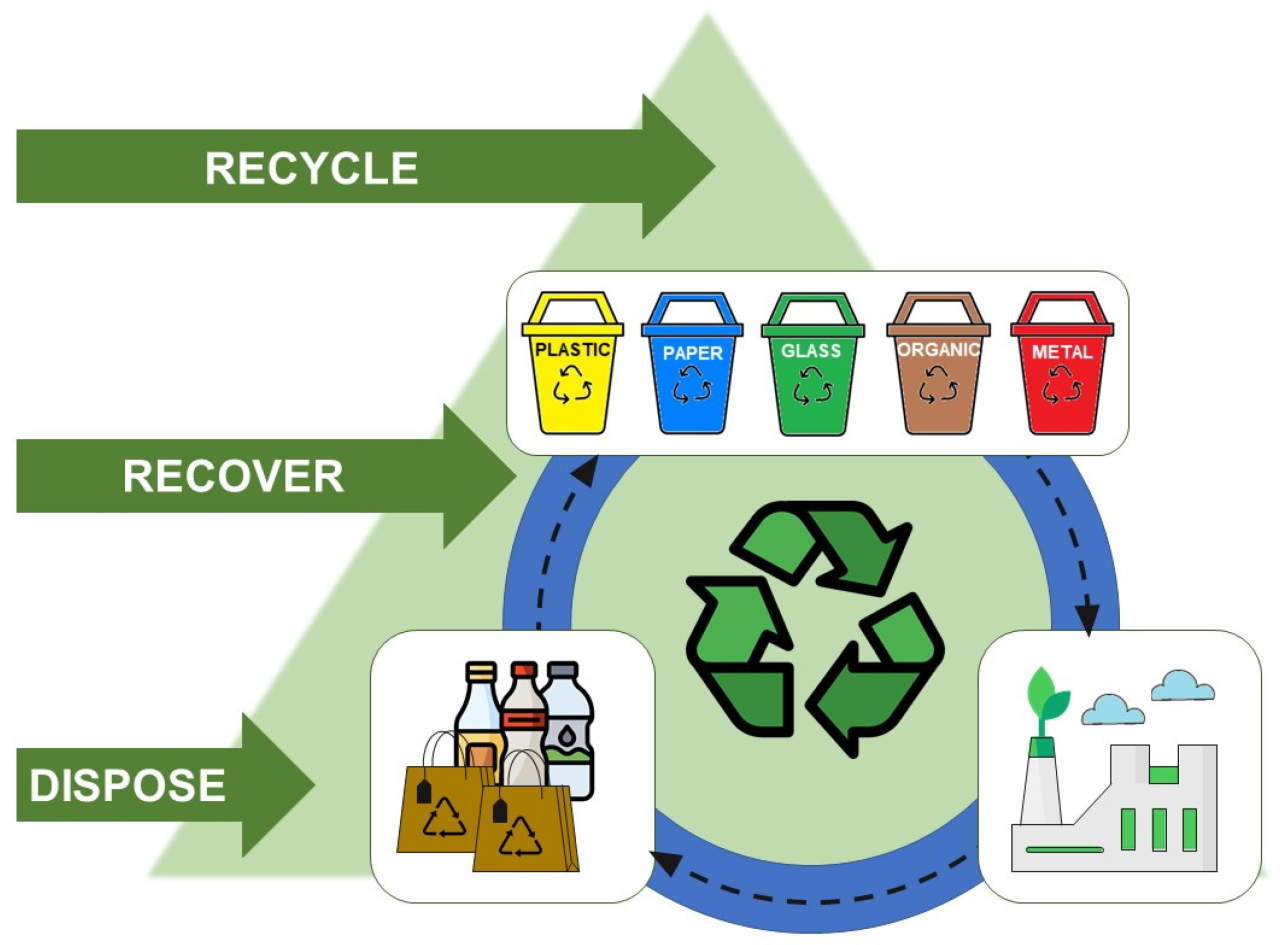
Recycling old shoes is a valuable way to reduce landfill waste and conserve resources. Proper sorting and identification of suitable shoe types are crucial for successful recycling programs. This section will detail the kinds of shoes that are commonly accepted for recycling and the materials they contain.
Commonly Accepted Shoe Types
Many recycling programs accept a variety of shoe types. The key factors determining acceptance are the materials used in the shoe’s construction and the overall condition of the shoe. Acceptance criteria can vary between programs, so it’s essential to check with the specific recycling facility or program for the most up-to-date guidelines.
- Athletic shoes: These are frequently made from rubber, leather, and textile materials. Examples include running shoes, basketball shoes, and training shoes. Their acceptance often depends on the type of rubber and the textile used. Many programs encourage the removal of laces and insoles before dropping off the shoes.
- Boots: Depending on the materials used, boots, such as work boots and winter boots, are often accepted. Materials like leather, rubber, and textile materials are common in boots, making them suitable for recycling in many programs.
- Casual shoes: These can include sneakers, sandals, and loafers. Often made from rubber, leather, or textile materials, they are frequently accepted for recycling, similar to athletic shoes.
- Formal shoes: Leather and textile materials are commonly used in formal shoes like dress shoes and oxfords. Their recyclability depends on the program and the shoe’s condition.
Specific Materials Recycled
Recycling programs often target specific materials found in shoes, with the aim of recovering and reusing them.
- Rubber: A crucial component of many shoe soles, rubber is often recycled to create new rubber products, such as flooring or other rubberized materials.
- Leather: Leather, often used in uppers and other parts of the shoe, is recycled to create new leather goods or leather-based products. The recycling process may vary based on the quality and type of leather.
- Textiles: Textile materials, like nylon, polyester, and canvas, are recycled to create new fabrics or fibers for other products. These materials are processed to recover the fibers, and the resulting material can be used for various applications.
Categorization of Shoe Types and Recyclability
The table below summarizes the recyclability of various shoe types and the typical recycling methods used. Note that this is a general guide and the specific acceptance criteria may vary based on the recycling program.
| Shoe Type | Recyclability | Recycling Methods |
|---|---|---|
| Athletic Shoes | High | Rubber, leather, and textile components are often separated and recycled individually. |
| Boots | Medium | Leather, rubber, and textile components are often separated and recycled individually. The specific recyclability depends on the type of boot. |
| Casual Shoes | High | Rubber, leather, and textile components are often separated and recycled individually. |
| Formal Shoes | Medium | Leather and textile components are often separated and recycled. The recyclability depends on the leather type and the condition of the shoe. |
Preparing Shoes for Recycling

Proper preparation of shoes is crucial for efficient recycling. Cleanliness and careful sorting of components ensure that the recycling process proceeds smoothly, maximizing the amount of usable material extracted from the shoes. This significantly impacts the overall sustainability of the recycling process and minimizes environmental impact.Preparing shoes for recycling involves a meticulous process that maximizes the recovery of valuable materials.
By removing non-recyclable parts and ensuring proper cleaning, we contribute to a more effective and sustainable recycling system. This approach conserves resources and reduces the environmental burden associated with waste disposal.
Cleaning Shoes
Thorough cleaning is essential for removing dirt, debris, and excess materials that can hinder the recycling process. This step also helps to maintain the quality of the recycled materials. Cleaning helps separate the different components of the shoes for more efficient sorting and recycling.
- Remove any visible dirt, mud, or debris using a brush or cloth.
- Rinse the shoes with water, taking care not to soak them. Avoid using harsh chemicals or detergents as these can contaminate the recycled materials.
- If the shoe has removable parts, like laces, insoles, or padding, carefully detach them and set them aside for separate disposal or recycling.
- Allow the shoes to air dry completely before proceeding to the sorting phase. This prevents mold or mildew growth and ensures the integrity of the components.
Sorting Shoes
Proper sorting of the shoes ensures that only recyclable materials are processed, maximizing the efficiency of the recycling system. This step helps separate materials based on their composition and potential recyclability.
- Separate the shoes into categories based on their primary materials. Common materials include leather, rubber, textiles, and plastic.
- Carefully examine each shoe for any non-recyclable components, such as metal eyelets, plastic buckles, or decorative embellishments. These items should be removed and set aside for separate disposal.
- Use different containers for each category to maintain the integrity of the materials.
Removing Non-Recyclable Components
Removing non-recyclable components is crucial for maintaining the quality of the recycled materials and ensuring efficient processing. This step reduces contamination and improves the overall recycling process.
- Metal components: Metal eyelets, buckles, and other metal parts should be carefully removed and stored separately for appropriate disposal.
- Plastic components: Plastic components, including plastic laces, buckles, or decorative elements, should be removed and disposed of separately. The presence of plastic can hinder the recycling of other materials.
- Non-textile components: Any non-textile parts, like adhesive labels, stuffing, or other non-biodegradable items, should be removed before recycling. These components can significantly impact the recycling process and result in contaminated recycled materials.
- Examples of items NOT to recycle with shoes: Metal shoelaces, plastic buckles, rubber soles with embedded metal parts, or decorative metal studs.
Local Recycling Programs and Initiatives
Discovering local shoe recycling programs can significantly increase your impact on environmental sustainability. These initiatives often partner with local businesses, charities, and government organizations to ensure efficient and effective recycling processes. By understanding the available programs, you can easily contribute to a greener future.Understanding your local options is key to successfully recycling your old shoes. Local programs may vary in the types of shoes accepted, collection methods, and the ultimate destinations of the recycled materials.
This information allows you to find the best fit for your needs and maximize your contribution to sustainability efforts.
Local Recycling Facility Contact Information
Local recycling facilities and organizations often maintain contact information publicly available on their websites, social media platforms, or through online directories. This information allows individuals to reach out directly for details about their recycling programs.
Local Drop-Off Locations for Recycling Old Shoes
Numerous community-based initiatives and organizations collect old shoes for recycling. Knowing the locations of these drop-off points simplifies the process of disposing of old shoes responsibly. These locations are crucial for effective recycling and ensure that shoes reach the proper facilities for processing.
Table of Local Recycling Programs
| Program Name | Contact Information | Types of Shoes Accepted | Details |
|---|---|---|---|
| City of Example Recycling Program | (123) 456-7890 [email protected] |
Athletic shoes, boots, sandals, and other footwear made of leather, rubber, or synthetic materials. | Shoes are collected at designated drop-off locations within the city limits. Acceptable materials must be clean and free of debris. |
| Local Shoe Bank | (987) 654-3210 [email protected] |
All types of shoes, regardless of material. | This organization collects shoes to provide to those in need, and excess material is then recycled. |
| Neighborhood Community Center | (555) 123-4567 [email protected] |
Leather shoes, rubber boots, and sneakers. | Shoes are collected monthly during designated community clean-up days. |
Environmental Benefits of Shoe Recycling
Recycling old shoes offers a significant contribution to environmental sustainability. By diverting these materials from landfills and repurposing them, we can reduce our reliance on virgin resources and minimize the environmental footprint associated with shoe production. This process fosters a circular economy, promoting responsible consumption and resource management.Recycling old shoes directly translates into a decrease in the environmental burden imposed by the production of new shoes.
The manufacturing process of new shoes, from sourcing raw materials to assembling the final product, necessitates substantial energy and resources. Recycling old shoes reduces the demand for these resources, minimizing the strain on ecosystems and conserving natural habitats.
Reduction in Landfill Waste
Landfills are often overflowing with discarded materials, including shoes. This overflowing waste contributes to environmental pollution through leachate contamination of soil and water sources. Shoe recycling directly addresses this issue by diverting these items from landfills. The reduced volume of waste in landfills decreases the environmental strain on surrounding ecosystems. A considerable portion of landfill waste can be recovered and reused, significantly reducing the environmental impact.
For example, the reduction in landfill waste can result in less pollution and better air quality, leading to a healthier environment.
Resource Conservation through Recycling
Recycling old shoes conserves valuable resources, such as rubber, leather, and textiles. These materials require substantial energy and water for their extraction and processing. By recycling old shoes, we can lessen the demand for these resources, preserving our natural resources for future generations. This conservation extends beyond the immediate materials; it also reduces the need for deforestation, minimizing the loss of biodiversity.
Furthermore, the recycled materials can be reused in new products, decreasing the need for raw materials extraction and reducing the environmental impact of resource depletion.
Positive Impact on the Environment
Diverting shoes from landfills has a profound positive impact on the environment. It minimizes the generation of harmful greenhouse gases emitted during waste disposal processes. By recycling, we reduce the need for extracting raw materials, lowering our environmental impact. The decreased pressure on natural resources safeguards ecosystems and supports biodiversity. This positive impact is further amplified when considering the recycling process itself, which can utilize renewable energy sources, further enhancing the environmental benefits.
For instance, many recycling facilities are transitioning to renewable energy sources, reducing their carbon footprint.
Community Engagement and Awareness
Encouraging community participation is crucial for the success of any shoe recycling program. Active involvement from residents, businesses, and educational institutions fosters a sense of shared responsibility for environmental stewardship and promotes sustainable practices. This approach not only increases the volume of recycled shoes but also instills environmental consciousness in individuals and communities.Effective community engagement goes beyond simply collecting shoes.
It involves educating the public about the benefits of recycling, providing convenient collection points, and promoting a culture of sustainability. This holistic approach ensures long-term participation and a positive impact on the environment.
Importance of Public Awareness Campaigns
Raising awareness about shoe recycling is paramount to driving participation. Comprehensive public awareness campaigns should target various demographics, using diverse communication channels. Clear and concise messaging, emphasizing the environmental and economic benefits of shoe recycling, is key to capturing public attention. These campaigns should highlight the positive impact of recycling on landfills, the reduction of waste, and the potential for material reuse.
Examples include community workshops, social media campaigns, and partnerships with local media outlets.
Promoting Shoe Recycling in Educational Settings
Schools play a vital role in instilling environmental awareness in the younger generation. Integrating shoe recycling programs into school curricula can create a lasting impact. Educational workshops, interactive displays, and competitions can make the recycling process engaging and memorable for students. Teachers can also incorporate discussions about the environmental benefits of recycling into existing lessons. This approach fosters a culture of sustainability among students, preparing them to become responsible environmental stewards in the future.
Moreover, school-wide initiatives can involve the entire student body, fostering a sense of collective responsibility.
Promoting Shoe Recycling in Workplaces
Businesses can also contribute significantly to shoe recycling efforts. Implementing recycling programs in workplaces can be a valuable step towards corporate social responsibility. Companies can establish convenient collection points, and encourage staff participation through incentives or rewards. These programs can promote a positive work environment and demonstrate the company’s commitment to environmental sustainability. Businesses can also partner with local recycling organizations to ensure efficient and responsible handling of collected shoes.
For instance, office recycling bins dedicated to footwear can be installed, with clear guidelines and signage.
Effective Community Outreach Strategies
Effective community outreach strategies encompass a variety of approaches to maximize participation. Partnerships with local organizations, community centers, and businesses are vital. Collaborations can leverage the resources and networks of these organizations to reach a wider audience. Community events, such as fairs and festivals, provide excellent opportunities to showcase shoe recycling programs and engage the public. These events can feature interactive displays, informative booths, and workshops to educate the public.
Moreover, partnerships with local businesses can provide logistical support, and the potential for financial incentives for participation.
Examples of Successful Community Initiatives
Numerous successful community initiatives demonstrate the effectiveness of collaborative efforts. For example, a partnership between a local school, a community center, and a recycling organization resulted in a significant increase in shoe recycling rates within the community. Another example is a city-wide campaign that featured public service announcements and community events, driving a substantial increase in public awareness and participation in shoe recycling programs.
These examples highlight the power of community engagement in driving sustainable practices.
Future of Shoe Recycling

The future of shoe recycling hinges on innovative approaches to address the growing volume of discarded footwear and its environmental impact. Advancements in technology and a shift towards circular economy principles are poised to significantly enhance the recycling process, creating a more sustainable future for the fashion industry and the planet.
Potential Trends and Developments in Shoe Recycling Technology
Technological advancements are likely to play a crucial role in shaping the future of shoe recycling. New methods will need to efficiently and effectively separate and process the diverse materials found in shoes, including synthetic and natural components. Improved sorting technologies, such as advanced optical sorting systems, could enable more precise material separation, increasing the recovery rate of valuable resources and reducing material waste.
Additionally, the development of innovative bio-based and biodegradable shoe materials will pave the way for a truly circular approach.
New Recycling Methods and Advancements
New recycling methods are emerging that could significantly improve the efficiency and effectiveness of shoe recycling. Hydrothermal carbonization, for example, offers a potential method for converting organic materials into valuable products. This process, in which materials are heated under high pressure and temperature, can be used to break down organic components of shoes into carbon-rich materials that can be used in various applications.
Another promising area is the use of chemical recycling techniques, which can effectively break down complex polymers into basic building blocks. These techniques could lead to the creation of new, valuable materials from discarded shoes, further reducing waste and increasing resource utilization.
Future Impact of Shoe Recycling on the Environment
The future impact of shoe recycling on the environment is potentially transformative. By diverting footwear waste from landfills and promoting the reuse of valuable materials, shoe recycling can help reduce greenhouse gas emissions associated with material production. It can also minimize the environmental impact of extracting virgin resources, thereby preserving natural habitats and ecosystems. The reduction in landfill waste, a major source of pollution, is a significant environmental benefit.
Improved material recovery and the creation of new materials from recycled components can lead to a substantial decrease in the overall environmental footprint of the fashion industry.
Promoting and Adopting New Technologies in Shoe Recycling
Promoting and adopting new technologies in shoe recycling requires a multi-faceted approach. Collaboration between researchers, manufacturers, and recyclers is essential to develop and implement effective recycling solutions. Government regulations and incentives can encourage the adoption of new technologies, such as subsidies for recycling facilities or tax breaks for companies implementing innovative recycling programs. Public awareness campaigns can educate consumers about the importance of proper shoe disposal and the benefits of recycling.
This integrated approach, combining technological innovation, economic incentives, and public awareness, can accelerate the transition towards a more sustainable shoe industry.
Closure
In conclusion, recycling old shoes is a vital step towards a more sustainable future. By understanding the methods, materials, and processes involved, you can actively participate in reducing landfill waste and conserving valuable resources. This comprehensive guide provides a clear roadmap to responsible shoe disposal, empowering you to make a positive impact on the environment. We encourage community engagement and awareness to promote widespread adoption of shoe recycling practices.