Recycling old books is a vital step towards environmental sustainability. By understanding the proper methods for recycling, we can significantly reduce waste and conserve valuable resources. This guide provides a comprehensive overview of the entire process, from identifying recyclable materials to participating in community programs. This approach will help individuals and communities take a positive step toward a greener future.
This guide explores the different ways old books can be recycled, including the various materials that can be reused and the steps involved in preparing them for recycling. It also addresses the environmental impact of both recycling and landfill disposal. Furthermore, the guide examines the financial, economic, and social benefits of recycling books, and the methods for encouraging community participation.
Introduction to Recycling Old Books
Preserving our environment is crucial for future generations. Recycling old books is a simple yet impactful action that contributes significantly to a healthier planet. Discarded books, if not properly managed, can end up in landfills, taking up valuable space and contributing to environmental problems. Recycling books offers a sustainable alternative, minimizing waste and maximizing the utilization of valuable resources.Recycling paper products, including books, involves a series of steps to transform discarded materials into new products.
This process conserves resources, reduces the demand for raw materials, and minimizes the environmental impact of manufacturing new paper products. Understanding the process helps us make informed decisions about our waste management practices.
Environmental Benefits of Recycling Books
Recycling old books helps conserve natural resources, reducing the need for trees to be felled for new paper production. This directly protects forests, maintaining biodiversity and mitigating deforestation. By recycling, we decrease the demand for raw materials, lowering the pressure on natural resources. Furthermore, recycling significantly reduces the volume of waste sent to landfills, preserving valuable space and minimizing environmental pollution.
Methods of Book Disposal
Books are often disposed of in various ways. Some end up in landfills, where they decompose slowly, contributing to environmental problems. Others might be donated to charities or libraries, which allows for the continued use of the books. Proper recycling programs provide an alternative, converting the materials into new products.
Steps Involved in Recycling Paper Products
Recycling paper, including books, involves a series of steps that convert used paper into usable materials. The process involves collecting, sorting, cleaning, pulping, and processing the paper. The resulting pulp can then be used to produce new paper products, thereby minimizing the environmental impact.
Recycling Process for Books
| Method | Description | Materials Needed | Steps |
|---|---|---|---|
| Book Recycling | Transforming old books into new paper products. | Old books, recycling bins, sorting equipment (optional). | 1. Collect old books. 2. Separate books from other materials. 3. Sort books by type or condition. 4. Compress and transport books to the recycling facility. 5. The recycling facility processes books by shredding and pulping. 6. The recycled paper is used to make new products. |
Identifying Suitable Books for Recycling
Determining which books are suitable for recycling is crucial for maximizing the environmental benefits of this process. Proper identification ensures that only recyclable materials are processed, preventing contamination and optimizing the recycling stream. By understanding the types of books that are recyclable, the materials that can be reused, and those that should be avoided, we can contribute to a more sustainable approach to managing used books.Identifying recyclable components in old books is important for several reasons.
Firstly, it allows us to separate materials for optimal processing. Secondly, it prevents contamination of the recycling stream, which can affect the quality and usability of the recycled materials. Finally, it ensures that only suitable materials are processed, thus maximizing the effectiveness of the recycling process.
Types of Books Suitable for Recycling
Many types of books can be recycled, including those made from paper, cardboard, and other common materials. The key is to assess the overall composition of the book. Paperback books, hardback books made of paper, and journals are usually suitable for recycling. Specialized or unique binding methods may need additional consideration.
Recyclable Materials from Books
The primary recyclable material in most books is paper. Various grades of paper, from newsprint to coated stock, are used in different book types. Cardboard, often used for book covers, is also commonly recycled. In some cases, certain types of glue or binding materials might be recyclable depending on their composition. Carefully separating the components will ensure successful recycling.
Materials Unsuitable for Recycling
Certain materials found in books are not suitable for recycling. These include: plastic covers, certain types of glue, metal components (e.g., clasps, staples), and any non-paper components that cannot be separated from the book’s core material. Ensuring these items are removed beforehand will avoid contamination of the recycling process. Properly separating these materials is crucial.
Examples of Acceptable Book Materials for Recycling
- Printed paper pages
- Cardboard covers
- Paper-based binding materials (e.g., glue, staples)
- Book jackets (if made from paper or cardboard)
Recycling Guidelines for Books
| Book Type | Recyclable Components | Non-Recyclable Components | Recycling Tips |
|---|---|---|---|
| Paperback Books | Paper pages, cardboard covers | Plastic covers, metal components, non-paper binding | Remove any plastic covers or metal components before recycling. |
| Hardback Books (paper) | Paper pages, cardboard covers | Plastic covers, metal components, special binding materials | Check for non-paper materials and remove them. |
| Journals | Paper pages | Spiral bindings, plastic components, metal clips | Separate any non-paper elements. |
Preparing Books for Recycling
Properly preparing books for recycling ensures efficient processing and maximizes the material’s value. Careful removal of non-recyclable components and the appropriate separation of book components are critical to the success of the recycling process. This section details the steps required to ensure books are handled correctly for recycling.Preparing books for recycling involves a multi-step process that maximizes the material’s potential for reuse.
This careful approach ensures that valuable resources are conserved and minimizes contamination in the recycling stream. The steps Artikeld below will assist in achieving this.
Removing Non-Recyclable Materials
Before placing books into the recycling stream, it’s essential to remove any non-recyclable components. These materials can hinder the recycling process and contaminate the final products. Common non-recyclable items found in books include plastic covers, bookmarks, or decorative elements. These must be meticulously removed.
- Plastic Components: Carefully detach any plastic covers, or decorative elements. Plastic is not recyclable with paper. Use your hands or a blunt object to separate them, ensuring you don’t damage the book’s pages.
- Metal Components: Remove any metal elements such as clasps, fasteners, or decorative hardware. Metal is not typically recycled with paper. Be cautious when handling metal parts to avoid injury.
- Other Non-Recyclable Items: Inspect the book thoroughly for any other non-recyclable components. This includes items such as plastic coated pages, laminated covers, or decorative elements. These should be separated to ensure the paper is recycled efficiently.
Cleaning Methods
Cleaning books before recycling can enhance the recycling process and minimize contamination. This section provides suggestions for cleaning the books, while avoiding harmful chemicals. Gentle cleaning methods are the best approach to avoid damaging the book’s structure.
- Gentle Cleaning: Use a soft brush or a damp cloth to remove dust and dirt from the book’s cover and pages. Avoid using harsh chemicals or abrasive materials, which could damage the paper or leave residues.
- Specialized Cleaning: If the book has a particularly stubborn stain or dirt, consider using a mild, non-toxic cleaning solution. Always test the solution in an inconspicuous area first to ensure it doesn’t damage the paper.
Separating Book Components
Separating different book components, such as pages, covers, and bindings, is a vital step in recycling. Different recycling facilities may have different requirements for the separation of book components. This separation optimizes the recycling process and ensures materials are processed appropriately.
- Separating Pages: Carefully remove the pages from the book. If the pages are bound with staples or other fasteners, remove them and separate the pages into a pile for recycling.
- Removing Covers: Separate the book’s cover from the pages. Remove any attachments that may connect the cover to the book’s pages. This may involve removing any stitching or other binding materials.
- Identifying Binding Materials: Some bindings may contain materials that are not recyclable with paper. Identify and separate these materials to prevent contamination of the paper recycling stream.
Preparation Checklist
This table provides a structured approach to preparing books for recycling.
| Item | Action | Examples | Precautions |
|---|---|---|---|
| Plastic Components | Remove all plastic covers, decorative elements, or plastic-coated pages. | Plastic book jackets, plastic inserts, bookmarks | Use care to avoid tearing the paper. |
| Metal Components | Remove all metal components, such as clasps, fasteners, or decorative hardware. | Metal clasps, rivets, or decorative metal elements | Use appropriate tools and safety precautions when handling metal. |
| Binding Materials | Separate the book’s binding components (glue, staples, wire, etc.) from the pages and cover. | Staples, glue, wire | Ensure these materials are handled correctly to prevent contamination. |
| Pages | Remove and separate the book pages. | Individual pages | Handle the pages gently to avoid damage. |
Recycling Centers and Programs
Discovering local recycling centers dedicated to accepting books is a crucial step in responsible waste management. These centers often have specific programs and processes for handling books, ensuring proper sorting and efficient recycling. This section details the identification of these centers, the diverse programs available, and the steps involved in the collection process. Understanding these aspects enables individuals and organizations to effectively participate in book recycling initiatives.
Identifying Local Recycling Centers
Locating book recycling centers requires proactive research. Many municipalities and community organizations maintain programs for accepting various materials, including books. Utilize online search engines, consult local government websites, and contact environmental organizations or libraries. These resources can provide detailed information about available recycling centers and their specific book recycling programs. By investigating these options, individuals can find suitable facilities to contribute to responsible waste management.
Various Recycling Programs for Books
Several types of book recycling programs exist, each with varying acceptance criteria and procedures. Some programs focus on donating books to charities or organizations in need, while others prioritize recycling the paper and materials used in the book’s construction. The selection of the most suitable program depends on the individual’s specific needs and the condition of the books.
Understanding these distinctions allows for informed decisions regarding the most appropriate program for a given situation.
Collection Process at Recycling Centers
The collection process at book recycling centers often involves specific procedures for handling books. For example, centers may request that books be sorted by condition or type, or they might have a preferred method of packaging the books for collection. Recycling centers often provide guidelines on their websites or through direct communication. Adhering to these procedures ensures the smooth and efficient handling of books for recycling purposes.
Examples of Book Recycling Initiatives
Numerous organizations and municipalities have implemented book recycling programs. These programs aim to reduce waste, promote sustainability, and provide opportunities for the reuse of materials. For instance, many libraries participate in book exchange programs, where books are donated to other libraries or community organizations. This exemplifies the proactive approach taken by various institutions towards book recycling.
Recycling Center Directory
This table provides a sample of recycling centers that might accept books. Actual acceptance criteria may vary, and it’s essential to verify with the center directly.
| Recycling Center Name | Address | Contact Information | Accepted Materials |
|---|---|---|---|
| Green Earth Recycling | 123 Main Street, Anytown, CA 91234 | (555) 123-4567 | Paper, cardboard, books, magazines, newspapers |
| Community Resource Center | 456 Oak Avenue, Anytown, CA 91235 | (555) 987-6543 | Books, clothing, electronics, furniture |
| Local Library | 789 Pine Lane, Anytown, CA 91236 | (555) 555-1212 | Books for donation to community members and organizations |
| Eco-Friendly Solutions | 1011 Maple Drive, Anytown, CA 91237 | (555) 111-2222 | Paper products, books, plastic bottles |
Benefits and Outcomes of Recycling Books
Recycling old books offers a multitude of advantages, extending far beyond simply disposing of unwanted materials. These benefits encompass financial gains, economic boosts for communities, positive social impacts, and a crucial contribution to environmental sustainability. By understanding these advantages, communities can be better equipped to establish robust recycling programs and maximize the positive effects of this initiative.
Financial Benefits of Recycling Books
Recycling books can generate revenue for communities and individuals. Book recycling programs often involve the sale of salvaged materials, such as paper. This revenue can be reinvested into community projects or used to subsidize the recycling process itself. For example, a local library might use the funds from recycled paper to purchase new books for its collection. Additionally, some programs may provide financial incentives for individuals who participate in the recycling process.
Economic Advantages for the Community
Recycling old books has a positive impact on the local economy. The recycling process itself creates jobs, from collection and sorting to processing and distribution. Moreover, the sale of recycled materials can contribute to the local economy by providing a revenue stream for recycling centers. This can lead to the development of sustainable businesses and further stimulate economic growth within the community.
The reduction in waste also minimizes the need for landfills, which further strengthens the local economy by reducing costs associated with waste disposal.
Social Impact of Recycling Books
Recycling books fosters a sense of community responsibility and environmental awareness. Participation in recycling programs encourages residents to adopt sustainable practices, creating a culture of environmental stewardship. Book recycling programs can also serve as community engagement initiatives, bringing people together for a shared purpose. Furthermore, recycling programs can provide educational opportunities, teaching individuals and groups about the importance of responsible resource management.
Contribution to Environmental Sustainability
Recycling books significantly reduces the environmental footprint associated with traditional book disposal. By reusing materials, communities minimize the demand for new resources, such as trees for paper production. This reduces deforestation and its associated environmental consequences, including habitat loss and carbon emissions. Recycling also minimizes the amount of waste sent to landfills, which conserves space and prevents the release of harmful greenhouse gases.
Furthermore, recycling reduces the demand for energy-intensive manufacturing processes, further decreasing environmental impact.
Steps to Encourage Community Participation
Encouraging community participation in book recycling programs requires a multifaceted approach. Public awareness campaigns can effectively communicate the benefits of recycling and highlight the role of individuals in preserving the environment. Partnerships with local organizations, schools, and community centers can amplify the message and reach a wider audience. Furthermore, providing convenient drop-off locations and clear instructions for proper book preparation will encourage greater participation.
Finally, offering incentives and recognition for active participation can motivate community members to actively engage in recycling programs.
Alternative Uses for Old Books
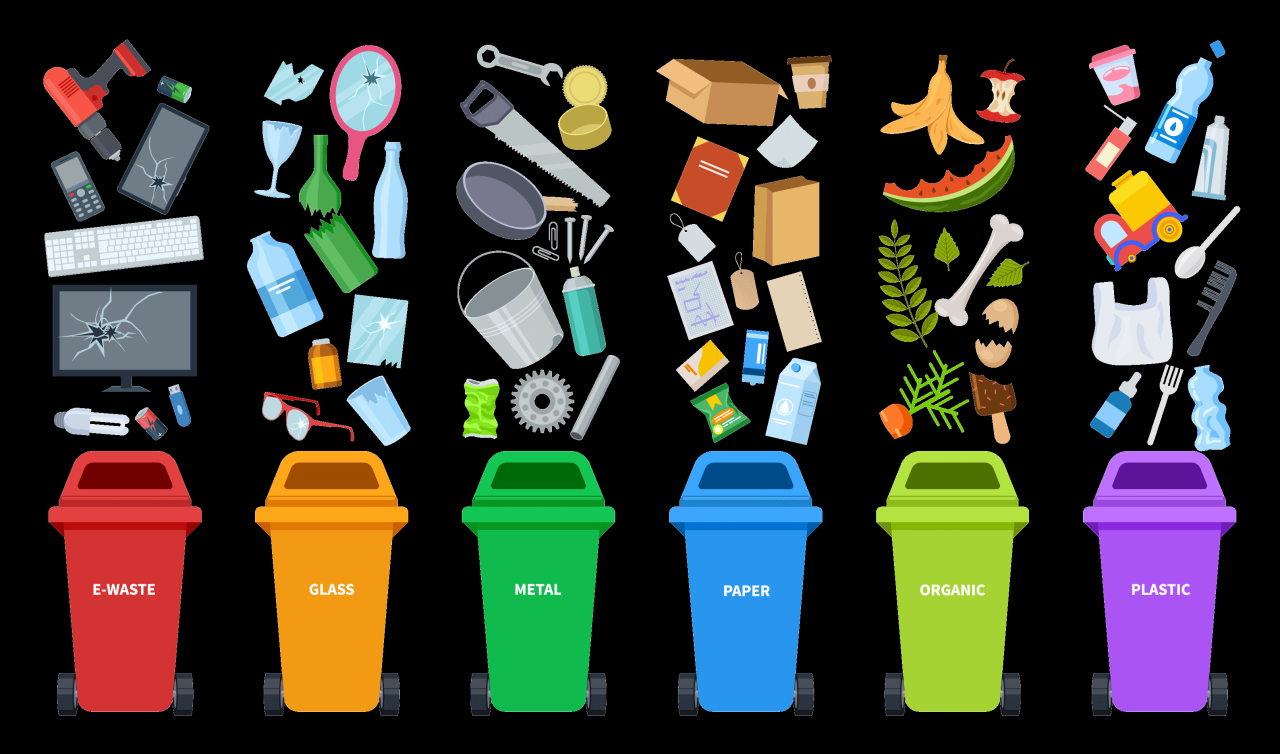
Repurposing old books offers a sustainable and creative way to transform discarded materials into valuable and unique items. This approach not only reduces waste but also sparks imagination and encourages resourcefulness. By exploring alternative uses, individuals can discover new purposes for old books and contribute to a more environmentally conscious lifestyle.
Repurposing Book Materials
Old books provide a wealth of materials for various creative projects. From the pages themselves to the covers and bindings, each component can be transformed into something new and useful. This includes creating art pieces, home décor, functional items, and more. The possibilities are virtually endless, limited only by one’s creativity and imagination.
Creative Uses for Old Book Pages
The pages of old books, often filled with stories and knowledge, can be repurposed into a multitude of creative items. These include creating unique wall art, crafting textured backgrounds for collages, and creating decorative elements for journals and notebooks.
Crafting with Book Covers and Bindings
Book covers and bindings, often made of sturdy materials, can be transformed into functional items. These materials can be used to create decorative boxes, trays, and organizers for storing items. Furthermore, the strong structure of bindings can be used as a base for various crafts.
Methods for Transforming Old Books
Transforming old books into useful items involves several methods, ranging from simple cutting and pasting to more intricate techniques like decoupage and marbling. The specific method employed will depend on the desired outcome and the available tools.
Upcycling Techniques
Several upcycling techniques can be employed to transform old books into useful items. These include techniques like decoupage, where book pages are adhered to other surfaces, and marbling, where ink or paint is applied to create unique patterns on book pages.
Table of Transformation Techniques
| Material | Transformation | Tools | Outcome |
|---|---|---|---|
| Book Pages | Decoupage | Glue, scissors, brush, surface to be decorated | Unique wall art, decorative boxes, and more |
| Book Covers | Crafting decorative boxes | Scissors, glue, sandpaper (if needed) | Storage boxes, trays, and organizers |
| Book Bindings | Creating book-shaped coasters | Scissors, glue, fabric | Unique coasters |
| Book Pages | Creating textured backgrounds for collages | Scissors, glue | Collages with interesting texture |
Importance of Responsible Disposal
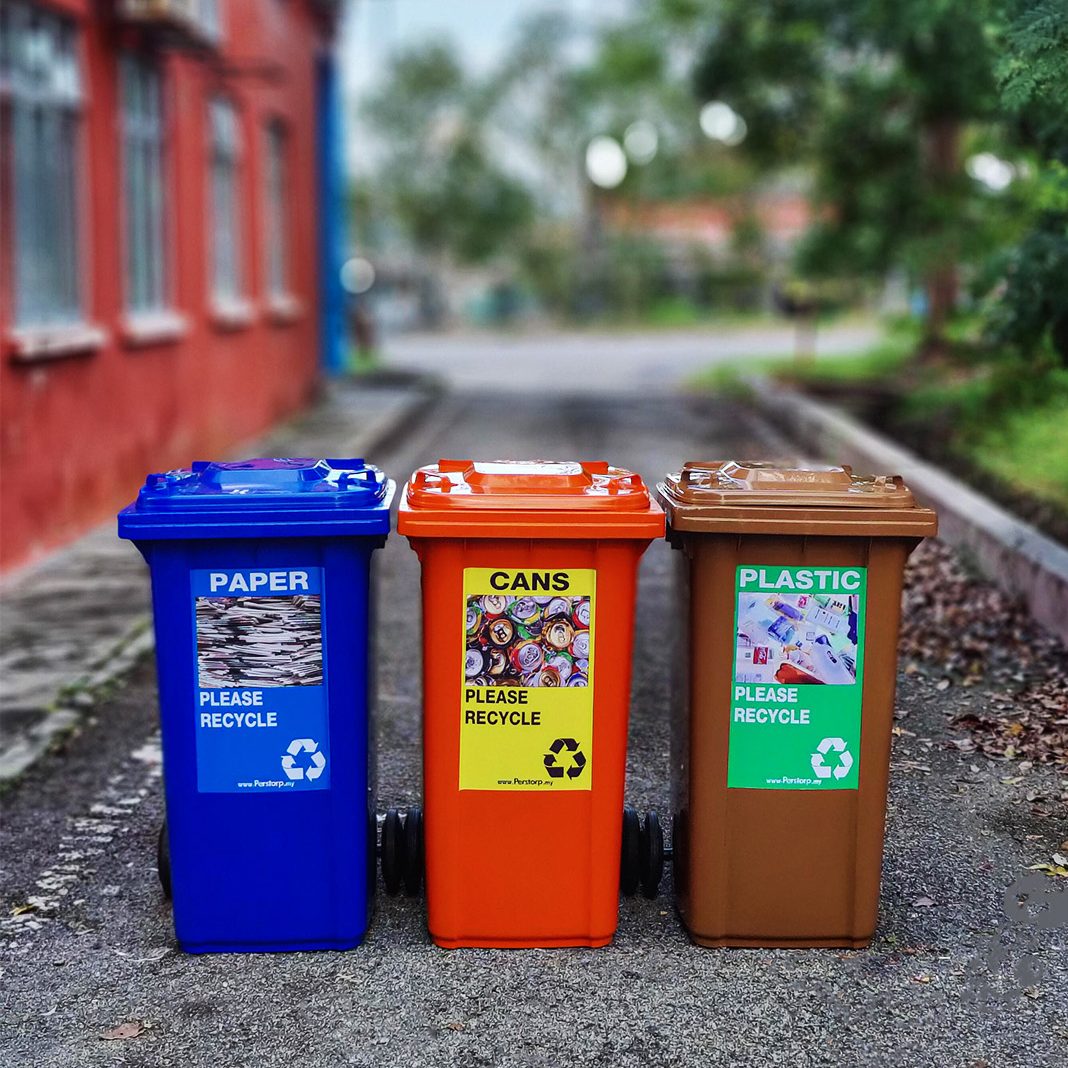
Responsible disposal of old books is crucial for maintaining a sustainable environment and preserving valuable resources. Proper methods for discarding these materials prevent harm to the environment and ensure that recycling efforts are effective. By understanding the impacts of improper disposal and adopting responsible practices, we contribute to a healthier planet for future generations.Improper disposal of old books can lead to significant environmental and societal consequences.
Landfills, often overflowing with discarded materials, release harmful greenhouse gases. The decomposition of paper and other organic matter within these sites contributes to air pollution and negatively impacts soil quality. Moreover, the disposal of books that contain hazardous materials, such as certain inks or plastics, can contaminate the surrounding environment, posing risks to both human health and wildlife.
Negative Impacts of Improper Disposal
Improper disposal of old books often results in environmental pollution and resource depletion. Books, if not recycled, contribute to landfill waste, a major source of greenhouse gas emissions. This pollution impacts air and water quality, and negatively affects ecosystems. Furthermore, improper disposal methods can introduce hazardous materials into the environment, causing long-term contamination. In some cases, discarded books can also obstruct natural drainage systems.
The presence of large amounts of discarded paper, including books, can create fire hazards in open spaces.
Environmental Consequences of Improper Sorting
Unsorted book recycling often leads to contaminated recycling streams. Contamination occurs when materials incompatible with standard recycling processes are mixed with recyclable materials. This can render the entire batch unusable, requiring significant extra processing and resources to remove the contamination. For example, if a book with plastic covers or metal components is mixed with paper, it can damage the recycling machinery and render the paper unusable.
This, in turn, increases the amount of waste sent to landfills.
Preventing Contamination of Recycling Streams
Careful sorting and preparation of books for recycling are essential to avoid contaminating recycling streams. A simple but crucial step is to remove any non-paper components. This includes plastic covers, metal clasps, or any other materials that cannot be recycled alongside paper. Furthermore, ensuring that the paper is clean and free of food or other contaminants is vital.
This meticulous approach ensures that the paper can be processed effectively and prevents the entire batch from being discarded.
- Remove all non-paper components (e.g., plastic covers, metal clasps).
- Ensure the paper is clean and free of food or other contaminants.
- Sort books based on the materials they are composed of, ensuring proper separation of different types of paper.
Environmental Impact of Book Recycling
Recycling old books offers a significant environmental advantage over simply discarding them in landfills. This method reduces the strain on natural resources and minimizes the harmful effects on ecosystems. By understanding the environmental impact of each disposal method, we can appreciate the positive contributions of book recycling.
Comparison of Recycling and Landfill Disposal
The environmental impact of recycling old books differs drastically from the impact of landfill disposal. Recycling conserves valuable resources and reduces greenhouse gas emissions, while landfill disposal contributes to environmental degradation. This comparison highlights the crucial role of recycling in mitigating these negative impacts.
Reduction in Landfill Waste
Landfills pose a significant environmental challenge due to the volume of waste they accumulate. Recycling old books directly contributes to a reduction in landfill waste, preserving valuable space and preventing the release of harmful substances into the environment. This reduction in waste is a crucial step in promoting sustainable waste management practices.
Conservation of Natural Resources
Recycling old books helps conserve natural resources by reducing the demand for new materials. Producing new paper requires substantial amounts of trees, water, and energy. Recycling allows for the reuse of existing materials, thereby decreasing the pressure on these resources. This conservation effort contributes to a healthier environment.
Examples of Environmental Improvements
Recycling books has a positive ripple effect on the environment. By diverting materials from landfills, we decrease the amount of methane gas released, a potent greenhouse gas. Recycling paper also reduces the need for deforestation, preserving habitats and biodiversity. These examples highlight the tangible environmental benefits of book recycling.
Table Comparing Recycling and Landfill Disposal
| Recycling | Landfill |
|---|---|
| Reduces demand for new paper, conserving forests and resources. | Increases demand for new paper, leading to deforestation and resource depletion. |
| Reduces greenhouse gas emissions from manufacturing new paper. | Increases greenhouse gas emissions from decomposition and manufacturing new paper. |
| Reduces landfill space required, preserving valuable land. | Increases landfill space needed, occupying valuable land and potentially contaminating groundwater. |
| Conserves water used in paper production. | Uses water in the decomposition process and potentially contaminates water resources. |
| Supports a circular economy by reusing existing materials. | Creates a linear economy, contributing to waste accumulation and resource depletion. |
Community Engagement and Outreach
Encouraging community participation in book recycling initiatives is crucial for maximizing their environmental and social impact. Effective outreach programs not only increase the volume of recycled books but also foster a sense of shared responsibility towards environmental stewardship within the community. This involves engaging various community segments and designing engaging programs that resonate with diverse interests.
Methods for Promoting Book Recycling
Community engagement in book recycling extends beyond simply collecting books. Effective programs require multifaceted strategies targeting different community segments. These include educational workshops, partnerships with schools and libraries, and promotional campaigns utilizing various media outlets. Engaging community leaders and influencers can significantly amplify the message and motivate broader participation.
Outreach Programs
A variety of outreach programs can be implemented to engage the community in book recycling. Partnerships with local schools and libraries provide excellent platforms to educate children and young adults about the importance of recycling and the benefits of repurposing books. These partnerships can also involve incorporating book recycling into existing curriculum, fostering a culture of environmental awareness from a young age.
Similarly, community centers and senior centers can host workshops on book recycling techniques and the environmental benefits of responsible disposal.
Public Awareness Campaigns
Effective public awareness campaigns are essential to educate the public about the importance of book recycling and the various ways they can participate. Utilizing various media platforms, such as local newspapers, radio announcements, and social media, is key to disseminating information widely. Collaborating with local libraries and community organizations to distribute informative flyers and posters can also reach a large audience.
Visual aids and compelling narratives can enhance the impact of these campaigns.
Organizing Community Events
Organizing community events is an excellent way to generate enthusiasm and encourage broader participation in book recycling initiatives. These events can include book swaps, where people can exchange books for new ones, promoting both recycling and community interaction. Other events can focus on crafting workshops, using recycled books as materials, generating excitement and showcasing the creative potential of repurposed books.
Community book drives, combined with educational presentations, can effectively combine collection and awareness.
Community Event Planning
| Event Name | Description | Target Audience | Objectives |
|---|---|---|---|
| Book Swap & Craft Fair | A community event where people can exchange books and participate in craft workshops using recycled books. | Families, book lovers, crafters | Increase book recycling participation, promote creative reuse, and foster community engagement. |
| School Book Recycling Drive | Collaborating with local schools to organize a book drive, providing educational materials and workshops on book recycling. | Students, teachers, parents | Educate students about the importance of recycling, promote environmental awareness, and collect a significant volume of books for recycling. |
| Community Book Drive & Workshop | A community-wide book drive coupled with an informative workshop on book recycling and its environmental benefits. | All community members | Increase awareness of book recycling, collect a substantial amount of books, and educate the community on the benefits of responsible book disposal. |
| Senior Center Book Recycling Workshop | A workshop at the senior center focusing on book recycling techniques and the creative possibilities of repurposing old books. | Seniors, community members | Provide education on book recycling for the senior community, foster creativity, and promote environmental responsibility. |
Final Wrap-Up
In conclusion, recycling old books offers a multifaceted approach to environmental stewardship. By following the steps Artikeld in this guide, individuals can contribute to a more sustainable future while also exploring innovative ways to reuse valuable materials. This comprehensive approach ensures a responsible and impactful method for managing discarded books.