Transforming kitchen waste into valuable soil enricher is easier than you think. Composting fruit scraps is a simple yet rewarding practice that benefits both your home and the environment. This guide provides a comprehensive overview of the process, from understanding the types of scraps suitable for composting to troubleshooting common problems and maximizing the use of your finished compost.
Learning how to compost fruit scraps not only reduces food waste but also creates a nutrient-rich soil amendment for your garden. This guide covers the entire process, including essential components, various composting methods, and practical tips for success.
Introduction to Composting Fruit Scraps
Composting is the natural process of decomposing organic matter, such as food scraps, yard waste, and paper, into nutrient-rich soil amendment. This process is crucial for environmental sustainability and for improving soil health. Properly managed composting reduces landfill waste, conserves resources, and fosters a healthier ecosystem.Composting fruit scraps, specifically, plays a significant role in this process within a home setting.
By diverting these scraps from landfills, homeowners contribute to reducing environmental pollution and creating valuable compost for their gardens and plants. Fruit scraps, rich in organic matter, decompose rapidly and contribute significantly to the overall success of a home composting system.
Importance of Composting Fruit Scraps in a Home Setting
Composting fruit scraps is a valuable addition to any home gardening or landscaping routine. The resulting compost enriches soil, improves plant growth, and reduces the need for synthetic fertilizers. This practice fosters a sustainable and environmentally friendly approach to gardening.
Environmental Impact of Not Composting Fruit Scraps
Failing to compost fruit scraps contributes to a larger problem of food waste. These scraps end up in landfills, where they decompose anaerobically, releasing harmful greenhouse gases like methane. This contributes to climate change and environmental degradation. The lack of composting also results in the depletion of valuable resources used in producing and transporting food.
A Brief History of Composting Practices
Composting practices have ancient roots, with evidence of similar techniques used by civilizations across the globe. Historically, composting served as a method for enriching soil and maintaining fertility, a practice passed down through generations. Modern waste management systems have adopted and adapted these ancient techniques, emphasizing the importance of diverting organic waste from landfills. This demonstrates the long-standing relevance of composting practices to modern sustainable waste management.
Statistic on Food Waste
A staggering statistic reveals the magnitude of global food waste. An estimated 1.3 billion tonnes of food is wasted annually worldwide, highlighting the urgent need for practices like composting to reduce food waste and promote sustainability. This figure represents a considerable portion of the global food supply, emphasizing the potential for significant environmental and economic impact through responsible waste management.
Benefits of Composting Fruit Scraps
- Reduces landfill waste, conserving valuable resources and reducing the emission of harmful greenhouse gases.
- Enriches garden soil, improving plant growth and reducing the reliance on synthetic fertilizers. This is a cost-effective approach to enhancing soil fertility.
- Improves soil structure, leading to better water retention and aeration, creating healthier growing conditions.
- Reduces the environmental impact of food waste by transforming it into a valuable resource for the garden. This directly reduces the negative consequences of improper disposal.
- Promotes a sustainable lifestyle, fostering a deeper connection with the environment and responsible resource management. This is crucial for cultivating a sense of responsibility towards the natural world.
Types of Fruit Scraps Suitable for Composting
Fruit scraps, a common byproduct of fruit consumption, offer valuable organic matter for composting. Proper selection and handling of these scraps contribute to a healthy and productive composting process. Understanding which fruit scraps are best suited for composting is crucial for optimizing the decomposition process and avoiding potential issues.Composting fruit scraps involves carefully choosing suitable materials and avoiding those that could negatively impact the process.
This careful selection ensures a successful composting experience, fostering a healthy and productive ecosystem.
Suitable Fruit Scraps
Fruit scraps generally decompose well in a compost pile, providing valuable nutrients for the soil. Their composition and structure contribute to the overall health of the compost.
- Apples, bananas, berries, citrus fruits (e.g., oranges, lemons), melons, pears, and pineapples are all suitable for composting. Their relatively high water content and readily available sugars facilitate decomposition.
Unsuitable Fruit Scraps
Certain fruit scraps can pose challenges in the composting process. Avoid incorporating these types of scraps into your compost bin to prevent issues.
- Avocado pits and stones are examples of fruit parts that are generally not recommended for composting due to their slow decomposition rate and potential to attract pests or cause problems in the compost bin.
- Overripe fruits, particularly those with excessive moisture, may attract pests and create an unpleasant odor, hindering the composting process. Their rapid decomposition could lead to anaerobic conditions.
- Fruits with high sugar content, like grapes and raisins, while suitable in moderate amounts, can also attract pests and increase the risk of mold or mildew if not managed properly.
Decomposition Rates of Fruit Scraps
The rate at which fruit scraps decompose varies depending on their composition and structure. This is a relative measure, and the actual decomposition time can vary based on environmental factors within the compost bin.
| Fruit Scrap | Decomposition Rate (Relative Speed) | Potential Problems |
|---|---|---|
| Apples | Medium | Can decompose relatively quickly but may attract pests if not managed correctly. |
| Bananas | Fast | Can decompose very quickly and generate heat, potentially affecting other materials in the compost bin. |
| Berries | Medium | Generally decompose quickly, but their small size can sometimes cause them to become compacted. |
| Citrus Fruits | Medium | Can release acids that may affect the pH balance of the compost. |
Potential Problems with Composting Specific Fruit Scraps
Some fruit scraps can introduce challenges during the composting process. Understanding these potential problems helps in managing them effectively.
- Citrus fruits, due to their acidity, may lower the pH of the compost, impacting the growth of beneficial microorganisms. This can affect the overall decomposition process.
- Avocado pits and stones are very slow to decompose, potentially taking months or even years to break down completely, and may create problems with the physical structure of the compost pile.
- Large quantities of any single fruit type can disrupt the microbial balance in the compost, leading to slower decomposition rates or unpleasant odors.
Comparison and Contrast of Fruit Scraps
Comparing different fruit scraps highlights their varying composting characteristics.
- Apples and bananas, with their relatively high sugar content, decompose relatively quickly, generating heat and promoting microbial activity. Conversely, avocado pits and stones decompose very slowly, posing challenges to the overall composting process.
Reasons for Suitability/Unsuitability
The suitability of fruit scraps for composting is linked to their chemical composition and physical properties.
- Fruits with high water content and readily available sugars are generally suitable for composting, as they provide a readily available food source for the microorganisms in the compost pile. Fruits with low water content or complex structures, like pits and stones, are less suitable due to their slower decomposition rates.
Essential Components of a Fruit Scrap Composting System
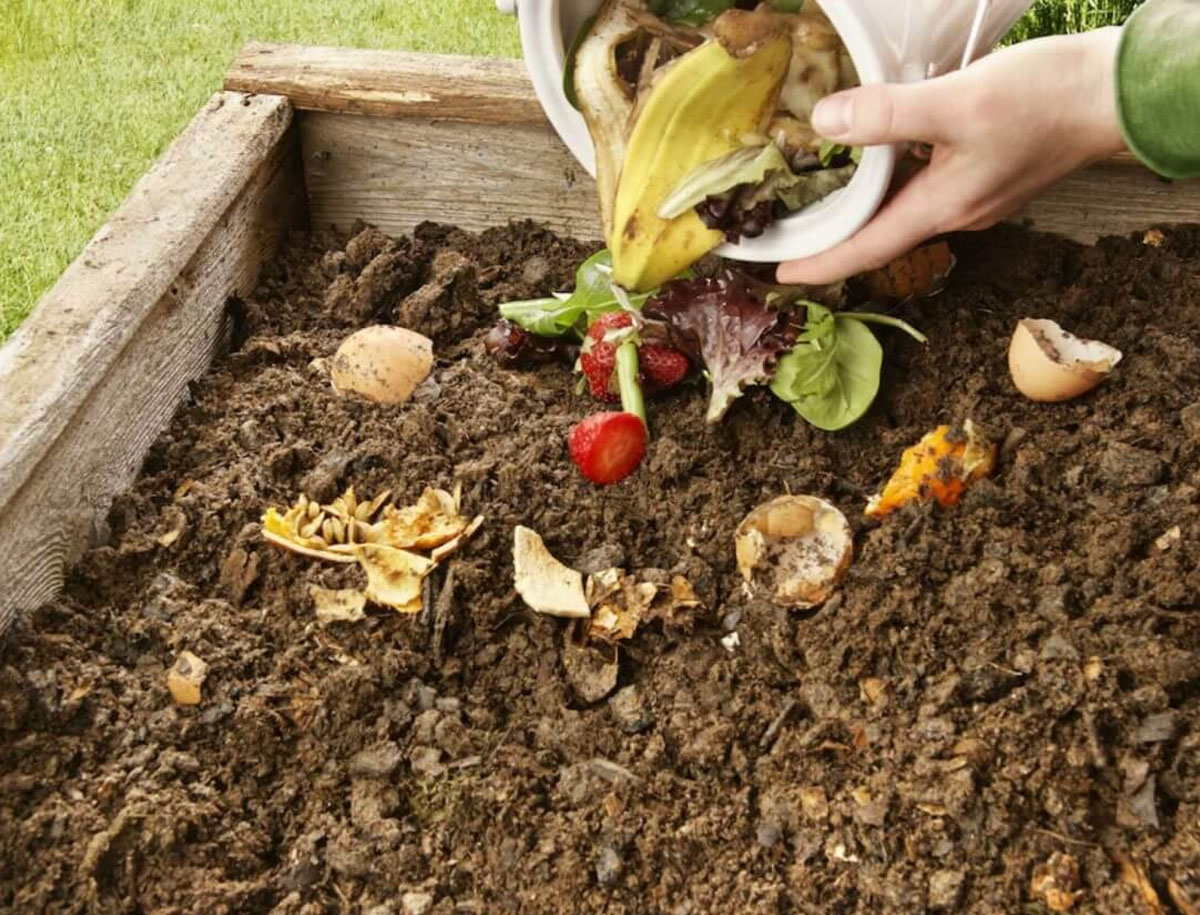
Composting fruit scraps efficiently requires a well-designed system that mimics natural decomposition processes. This involves carefully considering several key elements, which are crucial for successful composting and the production of nutrient-rich soil amendments. Proper planning and execution of these elements contribute to a healthy and productive composting environment.A thoughtfully structured composting system ensures that the decomposition process proceeds smoothly, converting organic matter into valuable compost.
By understanding and addressing the needs of the system, you can effectively transform food scraps into a valuable resource for your garden or landscaping.
Essential Components
A successful fruit scrap composting system hinges on several crucial components. These components work together to create an optimal environment for decomposition. A well-maintained system will produce high-quality compost.
| Component | Description | Importance |
|---|---|---|
| Bin/Container | The physical structure that houses the composting materials. This can range from simple bins made from wood or plastic to more elaborate setups. | Provides a contained space for composting, preventing the spread of odors and attracting pests. Proper size and design are crucial for effective composting. |
| Airflow | The movement of air through the composting materials. | Oxygen is essential for aerobic decomposition. Adequate airflow promotes the activity of beneficial microorganisms that break down the organic matter. Poor airflow can lead to anaerobic decomposition, resulting in unpleasant odors and reduced compost quality. |
| Moisture Level | The amount of water present in the composting materials. | Moisture is critical for microbial activity. Insufficient moisture inhibits decomposition, while excessive moisture can lead to anaerobic conditions. Maintaining the proper moisture level is essential for optimal composting. |
| Water Source | A readily available supply of water for maintaining the appropriate moisture level. | Regular watering is crucial for keeping the compost pile consistently moist. This ensures that the microbes have the necessary water to thrive and facilitate decomposition. |
Role of Each Component
The bin/container acts as the primary enclosure for the composting materials. Choosing a suitable container prevents the spread of odors and keeps pests at bay. Effective airflow is vital for aerobic decomposition. A properly aerated compost pile ensures that the microorganisms have the oxygen they need to break down the organic matter efficiently. Maintaining an appropriate moisture level is equally crucial.
Too little moisture hinders the decomposition process, while too much moisture can lead to anaerobic conditions, resulting in undesirable odors. Finally, a reliable water source is essential for regulating the moisture content of the compost pile.
Setting Up a Fruit Scrap Composting System
Establishing a fruit scrap composting system involves several key steps. These steps ensure that the system is properly initiated and maintained for optimal performance.
- Choose a suitable location for the composting bin. Select a spot that is easily accessible and has good drainage.
- Select a composting bin that is appropriate for the amount of fruit scraps you expect to generate.
- Begin adding fruit scraps to the bin, layering them with other organic materials such as leaves or grass clippings, if desired. This layering provides aeration and aids decomposition.
- Maintain the proper moisture level by regularly adding water to the compost pile. The consistency should be similar to a damp sponge.
- Ensure proper airflow through the compost pile by turning or mixing the materials periodically.
Ideal Composting Environment
The ideal environment for composting fruit scraps is one that promotes aerobic decomposition. This involves a balance of moisture, temperature, and airflow. A temperature range of 130-160 degrees Fahrenheit (54-71 degrees Celsius) is generally considered optimal for the breakdown of fruit scraps.
Potential Issues and Solutions
If the composting environment is not ideal, several issues may arise. These issues can often be resolved by adjusting the factors that impact decomposition. For example, if the compost pile is too dry, adding water can help. Conversely, if the pile is excessively wet, incorporating more dry materials, such as leaves or wood chips, can help improve aeration.
Composting Methods for Fruit Scraps
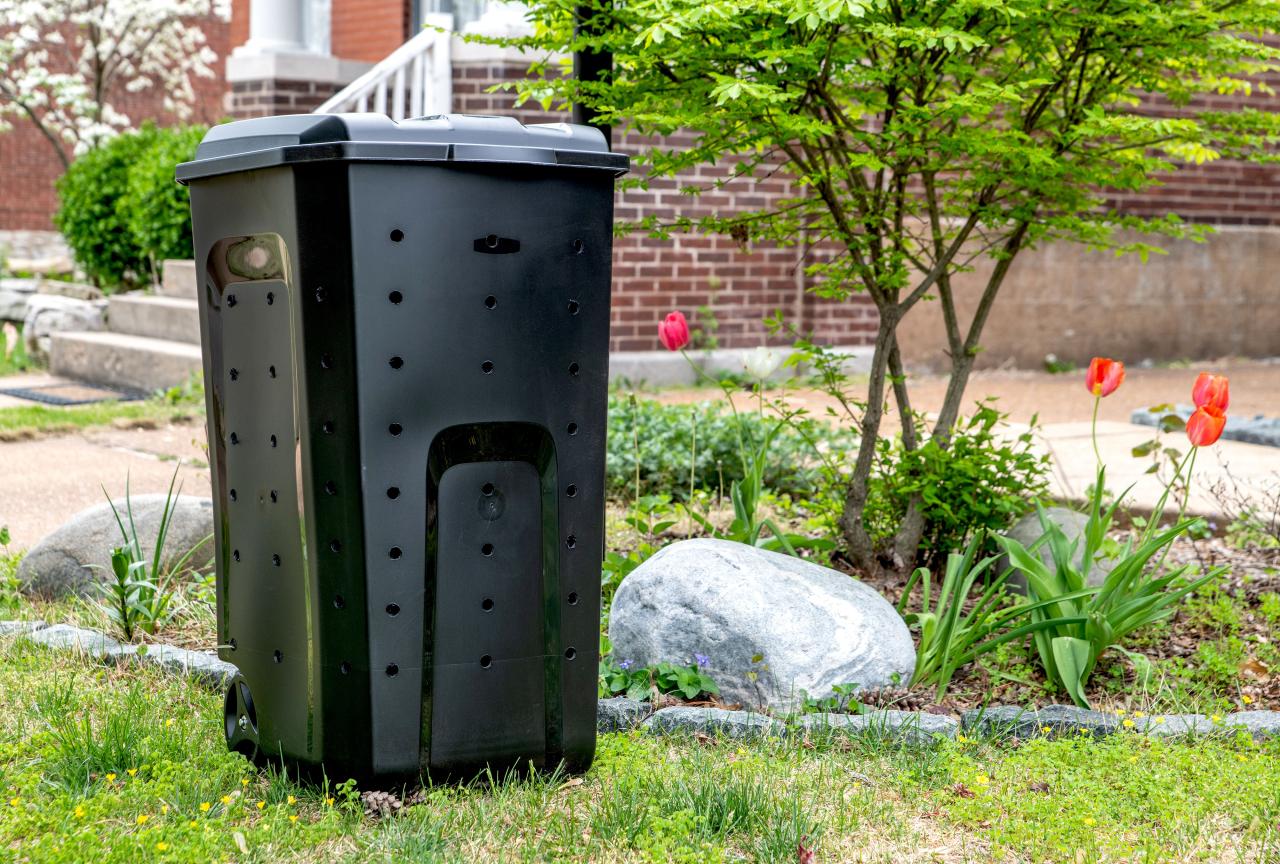
Composting fruit scraps effectively is crucial for reducing waste and enriching your garden soil. Proper composting methods not only dispose of food waste responsibly but also create a valuable resource for your plants. This section explores various composting techniques suitable for fruit scraps, highlighting their respective advantages and disadvantages.Different composting methods offer varying levels of convenience, efficiency, and environmental impact.
Understanding these distinctions will empower you to choose the most suitable approach for your needs and circumstances.
Composting Methods
Several composting methods are suitable for fruit scraps, each with unique characteristics. Choosing the right method depends on factors like space availability, time commitment, and desired level of control over the process.
- Vermicomposting: This method utilizes worms to break down organic matter, including fruit scraps. The worms consume the scraps, producing castings, a nutrient-rich soil amendment. Vermicomposting is generally well-suited for smaller spaces and is a relatively low-maintenance approach. This method is ideal for individuals with limited outdoor space, as it can be performed indoors or in a designated area outdoors.
- Bin Composting: This method involves using a designated composting bin to house the fruit scraps and other organic materials. The decomposition process is facilitated by natural microbial activity, creating compost suitable for enriching garden soil. Bins come in various sizes, allowing for customization to match the amount of fruit scraps generated. Bin composting is a straightforward method for managing fruit scraps and other yard waste, offering a balanced approach to managing organic waste.
- Tumbler Composting: This method utilizes a rotating drum or tumbler to facilitate the decomposition of organic materials, including fruit scraps. The tumbling action aids in the aeration of the compost, accelerating the breakdown process. Tumblers are convenient and efficient for individuals who require a relatively quick composting process. This method provides an accelerated composting process, enabling faster nutrient release compared to static bin composting.
- 堆肥 (Dui Fei) or Pile Composting: This method involves creating a compost pile directly on the ground. Layers of fruit scraps and other organic materials are layered with brown materials like leaves and wood chips. The pile is periodically turned to aerate and speed up the decomposition process. Pile composting is a relatively inexpensive method but may require more space and effort to manage compared to bin or tumbler composting.
This method is highly adaptable and cost-effective, especially for those with ample outdoor space.
Advantages and Disadvantages of Each Method
| Method | Description | Advantages | Disadvantages |
|---|---|---|---|
| Vermicomposting | Uses worms to break down organic matter. | Low maintenance, suitable for small spaces, produces nutrient-rich castings. | Slower decomposition compared to other methods, potential for odor if not managed properly. |
| Bin Composting | Uses a designated bin for composting. | Controlled environment, manageable size options. | Requires more space compared to vermicomposting, may take longer to decompose compared to tumblers. |
| Tumbler Composting | Utilizes a rotating drum for composting. | Faster decomposition, easy turning, relatively compact. | Can be more expensive than other methods, requires space for the tumbler. |
| Pile Composting | Creates a compost pile directly on the ground. | Inexpensive, highly adaptable to various spaces. | May require more space and effort to manage, potentially more susceptible to pests and weather. |
Best Method for Beginners
For beginners, bin composting is often the most straightforward and manageable method. It provides a controlled environment, allowing for easier monitoring and management of the composting process. The various sizes of bins available also cater to different needs and space constraints.
Factors to Consider When Selecting a Method
Several factors should be considered when selecting a composting method. These include space limitations, budget, desired speed of decomposition, and personal preferences. For example, individuals with limited space might find vermicomposting or tumbler composting more suitable. Budget considerations also influence the selection, as some methods may require purchasing specific equipment.
Troubleshooting Common Composting Problems
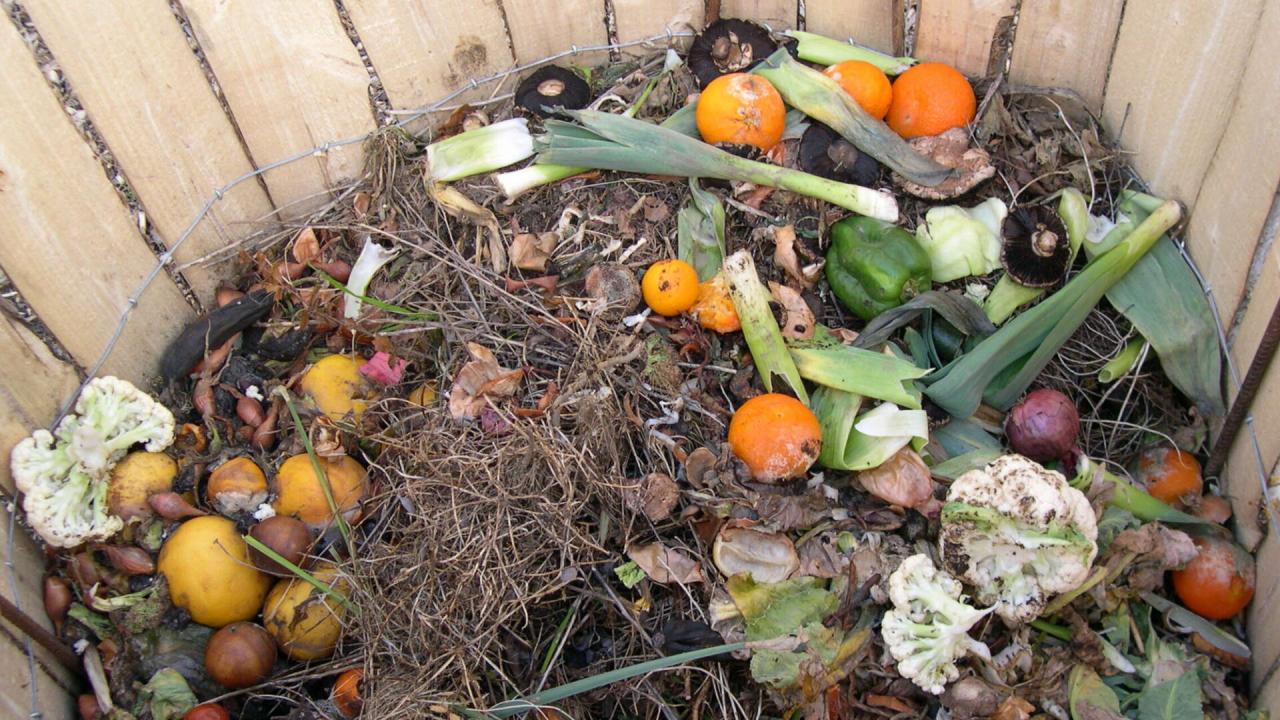
Composting fruit scraps can be a rewarding process, but sometimes challenges arise. Understanding common problems and their solutions is crucial for maintaining a healthy compost bin and achieving optimal decomposition. This section will detail typical issues encountered during fruit scrap composting, their underlying causes, and effective remedies.Troubleshooting composting problems proactively is key to success. Identifying the root cause allows for targeted solutions, preventing further issues and ensuring a thriving composting environment.
Addressing problems promptly prevents the build-up of undesirable conditions that can affect the quality of your compost.
Identifying Common Fruit Scrap Composting Problems
Various factors can disrupt the composting process, leading to undesirable outcomes. Recognizing these issues early is vital for efficient problem-solving and maintaining a healthy compost pile. Common problems include insufficient decomposition, unpleasant odors, and the presence of pests.
Causes of Composting Problems
Several factors contribute to the emergence of composting problems. Inadequate moisture levels, an improper carbon-to-nitrogen ratio, insufficient aeration, and unsuitable composting materials can all negatively impact the composting process. These factors can result in incomplete decomposition, foul odors, or pest infestations.
Solutions for Composting Problems
Addressing the underlying causes is essential for effective problem-solving. Adjusting the moisture content, maintaining the appropriate carbon-to-nitrogen ratio, ensuring adequate aeration, and selecting suitable composting materials can remedy many common problems.
Maintaining a Healthy Composting Environment
Regular monitoring and adjustments to the compost pile are crucial for a healthy and productive composting environment. Maintaining proper moisture levels, ensuring sufficient aeration, and adding appropriate amendments can prevent many problems and enhance decomposition.
Table of Common Problems, Causes, and Solutions
| Problem | Cause | Solution |
|---|---|---|
| Insufficient Decomposition | Inadequate moisture, low carbon-to-nitrogen ratio, insufficient aeration | Add water to achieve moist but not soggy conditions, adjust the carbon-to-nitrogen ratio by adding brown materials like dried leaves or shredded paper, turn the pile to improve aeration. |
| Unpleasant Odors | Excess moisture, inadequate aeration, excessive nitrogen | Reduce moisture content, increase aeration by turning the pile, add carbon-rich materials to balance the nitrogen content. |
| Pest Infestation | Lack of proper sanitation, inadequate moisture, presence of food scraps not fully decomposed | Ensure all materials are well-decomposed before adding to the compost pile, maintain proper moisture levels, consider using mesh containers to keep out pests. |
| Slow Decomposition | Inadequate moisture, lack of sufficient carbon-to-nitrogen ratio, absence of microorganisms | Increase moisture content, add more carbon-rich materials like dried leaves, shredded paper, or cardboard to balance the nitrogen, ensure sufficient aeration to encourage microbial activity. |
Preventing Future Problems
Proactive measures are essential to minimize the likelihood of future composting issues. Maintaining a balanced carbon-to-nitrogen ratio, ensuring proper moisture levels, and providing adequate aeration are key strategies for preventing many problems. Regular monitoring of the compost pile and prompt adjustments can prevent more significant problems from arising.
Maintaining a Healthy Composting Environment
Regular turning and checking of the compost pile is crucial for maintaining a healthy environment. Consistent monitoring allows for timely adjustments to moisture levels, aeration, and the addition of materials to maintain the optimal conditions for decomposition. This proactive approach minimizes the likelihood of encountering problems.
Utilizing Composted Fruit Scraps
Composting fruit scraps offers a valuable way to recycle organic waste and create a nutrient-rich soil amendment. The resulting compost, rich in beneficial microbes and essential nutrients, can significantly enhance garden soil health and promote plant growth. This section details the various applications of composted fruit scraps in gardening and highlights the importance of proper handling and storage.
Applications in Gardening
Composted fruit scraps are a valuable addition to any garden, offering a natural and sustainable way to enrich the soil and nourish plants. Their use in various gardening practices improves soil structure, increases water retention, and provides essential nutrients for healthy plant development.
Benefits of Using Composted Fruit Scraps
Composted fruit scraps offer several benefits in gardening. They improve soil structure by increasing its porosity and water retention capacity, leading to better aeration and drainage. The nutrient-rich composition of the compost provides essential elements such as nitrogen, phosphorus, and potassium, supporting healthy plant growth. Furthermore, the presence of beneficial microbes in the compost enhances soil fertility and contributes to a balanced ecosystem in the garden.
This can reduce the need for synthetic fertilizers, making gardening more sustainable and environmentally friendly.
Methods of Utilizing Composted Fruit Scraps
Composted fruit scraps can be utilized in numerous ways to improve garden soil health and plant growth.
- Soil Amendment: Compost can be incorporated directly into the soil before planting to enrich it with essential nutrients and improve its structure. This enhances the soil’s ability to retain moisture and support root development.
- Mulch: A layer of composted fruit scraps can be applied as mulch around plants to suppress weeds, regulate soil temperature, and retain moisture. This helps conserve water and reduces the need for frequent watering.
- Potting Mix: Composted fruit scraps can be added to potting mixes for houseplants and container gardens to provide a nutrient-rich environment for healthy growth. This enhances the quality of the potting mix and supports the growth of plants.
- Seed Starting: Compost can be used as a seed starting medium, providing essential nutrients and a suitable environment for seeds to germinate and develop strong roots.
- Watering Enhancements: Adding composted fruit scraps to water can improve water quality and retention in the soil, which in turn helps plants absorb nutrients efficiently.
Proper Handling and Storage
Proper handling and storage of composted fruit scraps are crucial to maintaining its quality and preventing potential contamination.
- Storage: Store composted fruit scraps in airtight containers to prevent moisture loss and pest infestation. This ensures the compost retains its beneficial properties and avoids undesirable contamination.
- Hygiene: Always wash and sanitize tools and containers used for handling composted fruit scraps to avoid introducing harmful pathogens or pests into the compost pile or garden soil. This is crucial to maintaining the quality and safety of the compost.
- Mixing: Ensure the compost is well-mixed to evenly distribute the nutrients and prevent clumping. Proper mixing is essential for effective utilization in the garden.
Frequently Asked Questions (FAQ)
Composting fruit scraps offers a valuable way to reduce waste and enrich your garden soil. However, some common questions arise regarding the process. This section addresses these frequently asked questions to ensure a smooth and successful composting experience.
Unpleasant Compost Odors
Unpleasant odors in your compost bin can signal issues with the composting process. Improper moisture content, an imbalanced carbon-to-nitrogen ratio, or excessive amounts of fruit scraps, especially in a closed system, can lead to anaerobic decomposition, resulting in a foul odor. Ensure your compost bin is well-ventilated, and maintain the proper moisture level. Regular turning of the compost helps aerate the materials, promoting aerobic decomposition and minimizing odors.
Decomposition Time of Fruit Scraps
The time it takes for fruit scraps to decompose in a compost bin depends on several factors. These include the type of fruit, the composting method used, the ambient temperature, and the presence of beneficial microorganisms. In general, smaller pieces of fruit will decompose faster than larger pieces. In a properly managed compost system, fruit scraps typically decompose within several weeks to a few months.
The rate of decomposition also depends on the composting method; hot composting, with its higher temperatures, generally accelerates the process.
Citrus Fruit Composting
Citrus fruits, while generally suitable for composting, require careful consideration. The high acidity of citrus peels can potentially slow down the composting process and may affect the overall pH balance of the compost. However, incorporating citrus fruits into your compost bin is possible. Simply ensure that the quantity of citrus is not excessive compared to other compost materials.
Citrus fruits can be composted, but they should be balanced with other materials, such as dried leaves or grass clippings, to maintain the proper carbon-to-nitrogen ratio.
Table of Frequently Asked Questions
| Question | Answer |
|---|---|
| What if the compost smells bad? | A bad smell in your compost bin typically indicates improper moisture or an imbalance in the carbon-to-nitrogen ratio. Ensure the compost is consistently moist, not soggy, and regularly turn the materials to promote aeration. Adding carbon-rich materials, like dry leaves or shredded paper, can help balance the ratio. If the smell persists, you may need to add more browns to the mix. |
| How long does it take for fruit scraps to decompose? | The decomposition time for fruit scraps varies. In a well-managed compost system, fruit scraps typically decompose within several weeks to a few months. Factors like the type of fruit, the composting method, the temperature, and the presence of beneficial microorganisms all influence the rate of decomposition. |
| Can I compost citrus fruits? | Yes, citrus fruits can be composted, but their high acidity should be considered. Incorporate citrus fruits into your compost bin in moderation, and ensure they are balanced with other materials to maintain the proper carbon-to-nitrogen ratio. Adding sufficient carbon-rich materials will help balance the acidity. |
Misconceptions About Composting Fruit Scraps
A common misconception is that fruit scraps alone are sufficient for composting. Composting is an intricate process that benefits from a balance of carbon-rich materials (browns) and nitrogen-rich materials (greens). Fruit scraps are primarily nitrogen-rich, so they must be balanced with other materials like dry leaves, shredded paper, or yard waste. Another misconception is that fruit scraps will always smell bad in a compost bin.
With proper moisture management, regular turning, and a balanced carbon-to-nitrogen ratio, unpleasant odors can be minimized or avoided altogether.
Final Conclusion
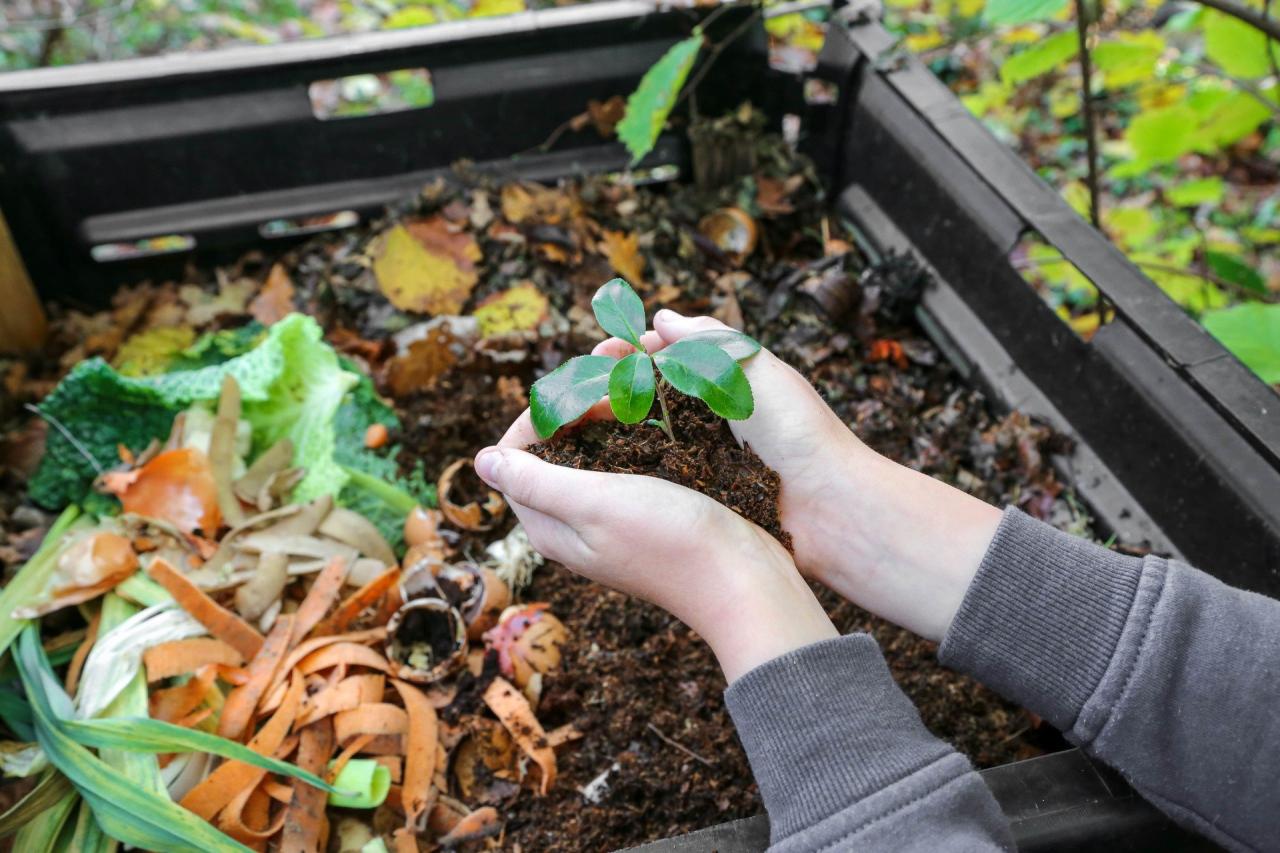
In conclusion, composting fruit scraps is a valuable contribution to both environmental sustainability and home gardening. By understanding the process, selecting the right method, and addressing potential challenges, you can effectively transform kitchen waste into a valuable resource. This guide equips you with the knowledge and tools to embark on this rewarding journey, transforming food waste into a powerful asset for your garden.